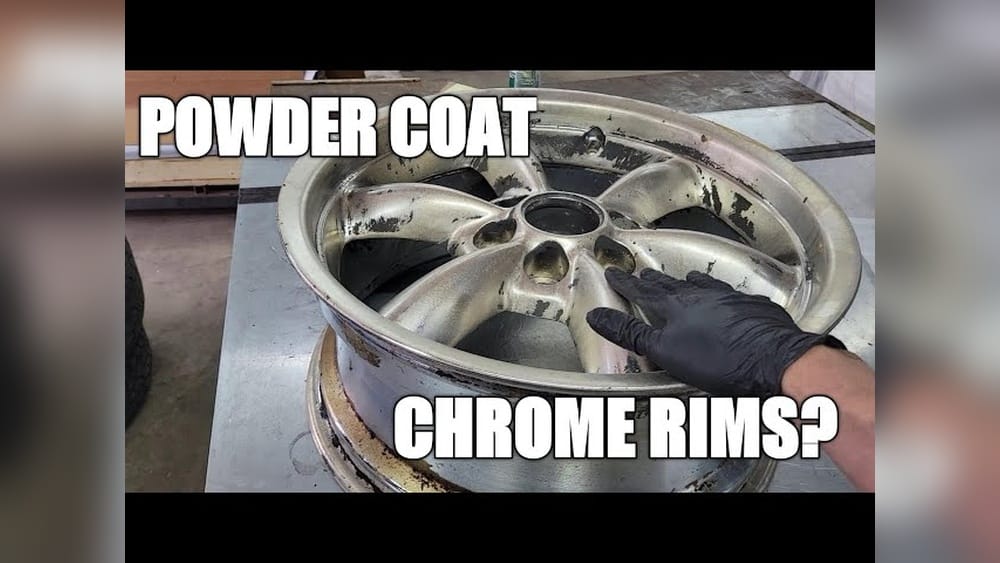
Can Chrome Wheels Be Powder Coated? What You Should Know
Key Takeaways
- Powder coating chrome wheels is possible, but requires meticulous preparation and professional expertise to ensure a durable and long-lasting finish. Rushing or skipping steps will almost always lead to disappointing results.
- The chrome layer must often be fully removed or properly modified before powder coating for optimal adhesion and performance. Direct application on chrome typically causes peeling and flaking.
- Powder coating offers unparalleled customization, increased longevity, and improved protection compared to traditional paint, making it a favorite for automotive enthusiasts who want bespoke finishes.
- Costs, risks, and performance outcomes differ substantially between powder coating chrome wheels and refinishing other types of wheel surfaces, so careful evaluation is essential.
- To avoid common pitfalls and safety issues, seek experienced professionals and ensure all work follows industry best practices and environmental safety standards.

Credit: www.youtube.com
Understanding Chrome Wheels And Powder Coating
Chrome wheels and powder coating represent two distinct finishing technologies, each with unique properties, applications, and maintenance requirements. Understanding the science behind both methods is essential before deciding to transform your wheels.
Chrome Wheel Manufacturing
Chrome wheel manufacturing is a precise, labor-intensive process that begins with a base wheel, usually constructed from aluminum alloy or steel for strength and weight balance. The wheel is first meticulously cleaned and polished, a critical step to remove all traces of grease, oxidation, or manufacturing residue.
Even microscopic debris can compromise the chrome finish.
After cleaning, the wheel undergoes a multi-layer plating process:
- Copper Plating: Applied first for its superior adhesion properties and ability to fill in minor surface imperfections, resulting in a smoother final finish.
- Nickel Plating: This layer adds depth, brightness, and additional corrosion resistance. Nickel also acts as a hard, stable foundation for the final chrome layer.
- Chromium Plating: The finishing layer provides the iconic mirror-like shine, hardness, and the highest level of corrosion resistance. The chromium layer is exceptionally thin, measured in microns, but incredibly dense and non-porous.
This multi-step process not only creates a visually stunning finish but also makes the surface extremely hard and slick, contributing to both the appeal and the challenge of refinishing chrome wheels.
Powder Coating Fundamentals
Powder coating is a modern, highly durable finishing method that has rapidly gained popularity in the automotive world, especially for custom wheel applications. Unlike liquid paint, which relies on solvents and can emit volatile organic compounds (VOCs), powder coating uses a dry, finely ground pigment and resin blend.
The process involves several key steps:
- Surface Preparation: The wheel is thoroughly cleaned, degreased, and often abrasive blasted to remove contaminants and create a slightly roughened surface for maximum powder adhesion.
- Powder Application: Using an electrostatic spray gun, the powder particles are charged and sprayed onto the wheel, which is grounded. This electrostatic attraction ensures even coverage, even in hard-to-reach areas.
- Curing: The coated wheel is placed in an industrial oven and baked at high temperatures (typically 350, 450°F). The powder melts, flows, and chemically cross-links, forming a seamless, resilient, and attractive skin.
Because powder coating contains no solvents, it’s more environmentally friendly and yields a thicker, more chip-resistant finish than most paints.
Compatibility Concerns
The primary challenge with powder coating chrome wheels arises from chrome’s extremely smooth, non-porous nature. The slick surface inhibits the powder’s ability to physically and chemically bond with the wheel, making direct application highly unreliable. Even minor remnants of chrome can prevent proper adhesion, leading to bubbling, peeling, or flaking within weeks or months.
To overcome these obstacles, the chrome layer must be either entirely removed or aggressively etched to expose the underlying metal. This step is vital for ensuring that the powder coat not only adheres but also survives the harsh conditions wheels face: temperature extremes, road salts, debris impacts, and moisture.

Credit: www.youtube.com
Can Chrome Wheels Be Powder Coated? Process Overview
Powder coating chrome wheels is not just possible, it’s increasingly popular among enthusiasts and custom shops. However, it’s a multi-stage process that demands advanced techniques and attention to detail for lasting results.
Surface Preparation: The Key Step
Surface preparation is the make-or-break phase in powder coating chrome wheels. The goal is to eliminate the chrome layer, revealing a roughened, clean metal substrate that will bond securely with the powder.
Chrome Removal Methods:
- Sandblasting: The most common approach, where high-pressure abrasive media (like aluminum oxide, garnet, or glass beads) are directed at the wheel. This physically strips away the chrome, while simultaneously etching the metal. Sandblasting requires skill to avoid warping, gouging, or weakening the wheel.
- Bead Blasting: A gentler alternative, using rounded glass beads, often chosen for wheels with delicate patterns or thinner metal.
- Chemical Stripping: Uses highly corrosive acids or specialty solutions to dissolve the chrome layer. While effective for complex or deeply recessed designs, chemical stripping requires extreme caution due to the hazardous materials involved and the risk of damaging the base metal.
- Manual Cleaning and Inspection: After blasting or stripping, technicians often use brushes and solvents to remove lingering residue. Every square inch must be inspected under bright light to ensure no chrome remains.
Warning: Incomplete removal is the most common cause of powder coat failure. Even tiny patches of remaining chrome can undermine the entire coating.
Powder Application And Curing
Once the wheel surface is properly prepped and free of chrome, the standard powder coating process can begin:
- Powder Selection: Technicians choose from hundreds of colors and finishes, including metallic, matte, high-gloss, and specialty effects. Some powders are formulated for additional UV or corrosion resistance.
- Application: The wheel is hung on a grounded rack and sprayed with the chosen powder using a commercial-grade electrostatic gun. Uniform coverage is critical, especially around lug holes, spokes, and recesses.
- Curing: The coated wheel is placed in a precisely controlled industrial oven. Time and temperature are carefully monitored to ensure the powder fully melts and bonds. Under-curing or over-curing can lead to weak, brittle, or discolored coatings.
Professional Experience
Most experienced shops recommend media blasting as the safest and most effective method for chrome removal. However, wheels that already exhibit deep chrome pits, corrosion, or structural flaws may not be good candidates for powder coating. The aggressive preparation process can worsen these problems, potentially compromising the wheel’s integrity and safety.
Expert Tip:
Wheels with minor surface flaws, such as light scratches or superficial pitting, can often be restored with careful prep and powder coating. However, wheels with extensive corrosion or deep structural issues are best replaced.
Real-world Example
A prominent custom automotive shop in Los Angeles shared that out of every 10 chrome wheels brought in for powder coating:
- 7 required full chrome stripping due to heavy plating or poor initial condition.
- 3 could be prepped with only light blasting because of thinner or better-quality chrome.
Wheels with thick, uneven, or damaged chrome often failed post-coating adhesion tests, forcing the shop to repeat the stripping process or, in some cases, reject the wheels for safety reasons.

Credit: www.discountedwheelwarehouse.com
Powder Coating Vs. Other Finishing Options For Chrome Wheels
Deciding between powder coating and alternative wheel finishes involves weighing multiple factors: aesthetics, durability, cost, and maintenance. Each option has unique strengths and drawbacks, especially when starting with chrome-plated wheels.
Paint Vs. Powder Coating
Traditional liquid paint is easier to apply and more forgiving on chrome surfaces. Many DIYers opt to lightly sand chrome wheels and spray with automotive paint. However, paint’s thinness makes it vulnerable to chips, scratches, and UV fading. Even with multiple clear coats, painted wheels often require regular touch-ups and can look worn within a year of heavy use.
Powder coating, on the other hand, creates a finish that’s 2, 3 times thicker than paint, providing superior resistance to chips, abrasions, and chemicals. Its application process eliminates drips, runs, and orange peel texture common with paint. Powder coating also offers a much wider palette of colors, including custom hues, metallics, and textures not possible with paint.
Chrome Plating Vs. Powder Coating
Chrome plating remains unrivaled for its brilliant, mirror-like finish and impressive corrosion resistance. However, it’s expensive, labor-intensive, and susceptible to pitting from road salt, brake dust, and stone chips. Once damaged, chrome is difficult and costly to repair or re-plate.
Powder coating sacrifices the iconic “liquid metal” look for nearly limitless color and finish options. While not quite as corrosion-proof as perfect chrome, powder coating provides substantial protection, especially when paired with a quality primer and professional application.
Data Comparison Table
| Feature | Chrome Plating | Powder Coating | Liquid Paint |
|---|---|---|---|
| Durability | High (but prone to pitting) | Very High (resists chips) | Moderate |
| Color Choices | Limited (mostly silver) | Extensive (hundreds of colors) | Moderate |
| Corrosion Resistance | Excellent | Good (depends on prep) | Variable |
| Cost | High | Moderate | Low |
| Maintenance | Regular polishing needed | Minimal | Frequent touch-ups |
Example: Powder Coating A Chrome Wheel
A Texas-based wheel refinisher shared a notable case study: a customer’s heavily pitted chrome wheels were fully stripped and refinished in matte black powder coat. After media blasting and careful prep, the wheels were coated and cured to perfection. Over the next 50,000+ miles, the owner reported virtually no chipping, no corrosion, and only minor signs of wear, an outcome unattainable with traditional paint or aging chrome.
Risks, Challenges, And Common Mistakes
While powder coating can transform chrome wheels, the process is not without hazards. Many attempts fail due to avoidable errors or lack of expertise.
Poor Adhesion
Powder coat peeling is the most common problem, almost always caused by incomplete chrome removal or inadequate surface roughness. This failure can show up as early as the first few weeks after installation, especially if the wheels are exposed to water, road salt, or cleaning chemicals.
- Pro Tip: Before applying powder, always check for chrome remnants by running a strong magnet and light over the wheel’s surface. Any shiny, slick patches signal incomplete prep.
Wheel Damage
Aggressive sandblasting or improper chemical stripping can compromise the wheel’s structural integrity. Thin or old wheels are particularly vulnerable to warping, gouging, or cracking under high-pressure blasting. Chemical baths, if left unchecked, can eat into the base metal, further weakening the wheel.
- Example: A set of vintage wheels suffered irreparable damage when an inexperienced shop left them in a chemical stripper overnight, dissolving both the chrome and parts of the aluminum.
Environmental And Health Concerns
Chemical strippers used in chrome removal are hazardous, containing acids and heavy metals. Mishandling can cause severe burns, toxic fumes, and environmental contamination. Proper ventilation, protective equipment, and certified disposal are mandatory. The EPA strictly regulates the disposal of chrome waste to prevent soil and water pollution.
Real-world Example
A Chicago auto refinishing specialist reported that roughly 15% of the chrome wheels brought in for powder coating suffered some form of structural or cosmetic damage during the stripping process. In some cases, the damage was severe enough to require wheel replacement, a costly and frustrating outcome for the customer.
Common Mistakes
- Skipping full chrome removal or underestimating the thickness of the chrome.
- Using the wrong blasting media, resulting in either insufficient removal or unnecessary wheel damage.
- Applying powder at incorrect temperatures, leading to weak or uneven coatings.
- Failing to inspect for underlying cracks, pits, or corrosion before coating.
Cost And Professional Services
Powder coating chrome wheels involves additional labor, time, and materials compared to standard powder coating. Understanding the cost structure and the value of professional services is vital for a successful project.
Typical Costs
- Chrome removal: $50, $100 per wheel, depending on chrome thickness and wheel complexity.
- Powder coating: $80, $150 per wheel, including surface prep, powder application, and curing.
- Total investment: $130, $250+ per wheel, with costs varying based on size, chrome condition, and desired finish.
Specialty colors, multi-stage finishes (like candy or two-tone powders), or wheels with intricate designs may command higher prices due to increased labor and material costs.
Diy Vs. Professional Work
DIY powder coating kits are widely available and may seem appealing for the budget-conscious. However, successful powder coating, especially on chrome, requires industrial-grade equipment, technical skill, and strict safety protocols.
Risks of DIY:
- Inconsistent results and uneven coating due to lack of proper curing ovens or spray booths.
- Inability to fully remove chrome with home tools, resulting in peeling or flaking.
- No warranty or recourse if the finish fails prematurely.
Professional shops offer not just expertise but also warranties, quality control, and environmental compliance, ensuring a safer, more durable, and visually superior result.
Example: Professional Shop Comparison Table
| Service | DIY Kit | Professional Shop |
|---|---|---|
| Chrome Removal | Manual (limited tools) | Industrial blasting/chemical |
| Powder Application | Handheld sprayer | Commercial spray booth |
| Curing Process | Home oven (small wheels only) | Industrial oven |
| Quality Control | Inconsistent | Rigorous inspection |
| Warranty | None | 1, 3 years (typical) |
Selecting The Right Shop
When evaluating shops, prioritize those with:
- Documented experience powder coating chrome wheels (not just bare alloy).
- Positive customer reviews and before-and-after portfolios.
- Clear, written warranties covering adhesion and finish quality.
- Transparent pricing with no hidden fees.
- Compliance with EPA, OSHA, and local environmental regulations.
Don’t hesitate to ask for references or shop visits, reputable shops welcome informed customers.
Powder Coating Preparation And Best Practices
Top-quality powder coating on chrome wheels hinges on thorough preparation and adherence to best practices at every stage.
Chrome Removal Techniques
- Sandblasting: The gold standard for most wheels, sandblasting removes chrome and creates a uniform surface. The technician selects the appropriate media size and pressure to avoid damaging the wheel.
- Bead blasting: Chosen for delicate or vintage wheels, this method offers a less aggressive, more controlled removal, minimizing the risk of warping or thinning the wheel material.
- Chemical stripping: Particularly effective for wheels with intricate spoke patterns, deep recesses, or extra-thick chrome. The technician must neutralize and thoroughly rinse the wheel after stripping to prevent chemical residue from interfering with powder adhesion or causing future corrosion.
Surface Inspection
After stripping, each wheel should be:
- Inspected under strong lighting for any shiny spots or remaining chrome.
- Checked for cracks, deep pits, or surface irregularities that could compromise safety or finish.
- Tested for moisture, wheels must be absolutely dry before powder is applied, as trapped moisture can vaporize during curing and cause bubbling or pinholing.
Primer Application
Applying a specialized powder or wet primer, especially zinc-rich or epoxy-based, can further promote adhesion and shield the wheel from future corrosion. This extra step is highly recommended for wheels in climates with extreme weather, heavy road salt use, or frequent off-road driving.
Some shops may skip priming to save time, but the best results, especially on chrome wheels, come from a robust primer layer beneath the final color coat.
Curing And Quality Control
Industrial ovens used by professionals ensure:
- Accurate, uniform temperatures for precise powder melting and flow.
- Timed curing cycles to maximize hardness and chemical resistance.
- Minimization of color distortion, orange peel, or under-cured (soft) finishes.
After curing, a rigorous visual and tactile inspection checks for:
- Even coverage and color consistency.
- Absence of runs, drips, or rough patches.
- Strong adhesion (often tested with a cross-hatch or tape-pull test).
Performance, Maintenance, And Longevity
When chrome wheels are properly stripped, prepped, and powder coated, they offer impressive real-world performance and can outlast painted or re-chromed wheels in many conditions.
Durability And Wear
Powder coating is renowned for its resistance to chips, scratches, road debris, and chemicals. Properly coated wheels can withstand thousands of miles of harsh driving, frequent cleaning, and exposure to elements without significant fading or damage.
Wheels finished by experienced professionals typically last 3, 5 years or more before requiring touch-ups or refinishing, even when subjected to track days or off-road use.
Corrosion Resistance
Although chrome is the gold standard for corrosion resistance, modern powder coats, especially when combined with a quality primer, provide substantial protection. The key is ensuring all chips and scratches are promptly touched up to prevent moisture ingress.
For drivers in snowy or coastal climates, routine inspection is vital, as road salt and brine can attack even minor breaches in the coating.
Maintenance Tips
- Wash regularly with non-acidic, pH-balanced soap and clean water.
- Avoid abrasive pads or harsh chemicals that can dull or scratch the powder coat.
- Inspect after winter or rough road driving for chips, cracks, or scratches.
- Touch up any damage immediately with compatible touch-up powder or automotive paint to prevent corrosion from spreading.
Real-world Example
A Florida-based car collector with a fleet of powder-coated classic cars reported that, following hurricanes and prolonged exposure to salty, humid air, his wheels required only minor touch-ups, whereas previous chrome wheels suffered severe pitting, flaking, and required expensive re-plating.
Environmental And Regulatory Considerations
Powder coating is often lauded for its eco-friendly attributes, but chrome removal and powder coating waste require strict adherence to environmental regulations.
Epa Guidelines
The U.S. Environmental Protection Agency (EPA) maintains stringent guidelines for:
- Chrome stripping waste: Chrome and its byproducts are considered hazardous. Shops must use certified containment and disposal methods to prevent environmental contamination.
- Powder overspray and waste: While powder itself is non-toxic, overspray must be filtered and contained to minimize particulate emissions.
Shops that cut corners or ignore these protocols can face hefty fines, business shutdowns, or legal action.
Eco-friendly Advantages
Compared to chrome plating, powder coating offers:
- No VOC emissions, reducing air pollution and health risks.
- Minimal hazardous waste during application and curing.
- Recyclable overspray: Many shops reclaim and reuse excess powder, further reducing environmental impact.
However, chrome removal is the weak link in the process, making the choice of a responsible, EPA-compliant shop critical for environmentally conscious consumers.
Example: Regulatory Compliance
A California shop was fined over $25,000 in 2026 for improper chrome waste disposal, resulting in soil and groundwater contamination. This case highlights the importance of verifying a shop’s certifications and regulatory track record before committing your wheels to their care.
Real-world Case Studies
Examining real-world experiences provides valuable insights into the rewards and risks of powder coating chrome wheels.
Case Study 1: Success With Matte Powder Coat
A Maryland auto enthusiast sought a matte bronze finish for his chrome wheels. After full chrome removal, bead blasting, and the application of a zinc-rich primer followed by a matte bronze powder, the wheels were installed on a daily driver. Over 40,000 miles, the owner reported only minimal wear at the lug holes, with no corrosion or flaking. The shop’s 2-year warranty provided peace of mind, and simple soap-and-water cleaning kept the wheels looking fresh.
Case Study 2: Failure Due To Incomplete Chrome Removal
A Michigan resident attempted a DIY powder coat on his chrome wheels, assuming light sanding was sufficient. Within six months, the powder began peeling in large sheets, exposing chrome beneath. The wheels had to be professionally stripped and recoated, doubling the original cost and causing weeks of downtime.
Case Study 3: Commercial Fleet Application
A Nevada-based delivery fleet faced escalating maintenance costs from pitted and peeling chrome wheels. After switching to professionally powder-coated wheels, stripped, primed, and finished in fleet colors, the company saw maintenance expenses drop by 30% over two years. Wheel downtime for repairs decreased, and employee satisfaction improved due to easier cleaning and a more modern appearance.
Frequently Asked Questions
Can Powder Coating Be Applied Directly To Chrome Wheels?
No, powder coating cannot be applied directly to chrome wheels. The chrome surface must be removed or significantly roughened to enable proper adhesion. Skipping this step results in rapid powder coat failure, often within weeks, due to poor bonding.
Is Powder Coating Chrome Wheels More Expensive Than Standard Powder Coating?
Yes, powder coating chrome wheels is significantly more expensive than standard powder coating because of the intensive chrome removal process, additional labor, and specialized equipment required. Expect to pay at least 30, 50% more than for bare alloy wheels.
How Long Does Powder Coating Last On Previously Chrome Wheels?
With professional prep and application, powder coating can last 3, 5 years or more, even on wheels that were originally chrome. Longevity depends on prep quality, powder selection, and exposure to harsh environments. Routine maintenance and prompt touch-ups further extend the life of the finish.
Are There Any Environmental Risks Associated With Stripping Chrome For Powder Coating?
Yes, chrome stripping produces hazardous waste. Acidic chemicals and chrome residues can harm
Products related to this article
Sponsored / affiliate links. As an Amazon Associate I earn from qualifying purchases. I may earn additional commission from eligible campaigns.