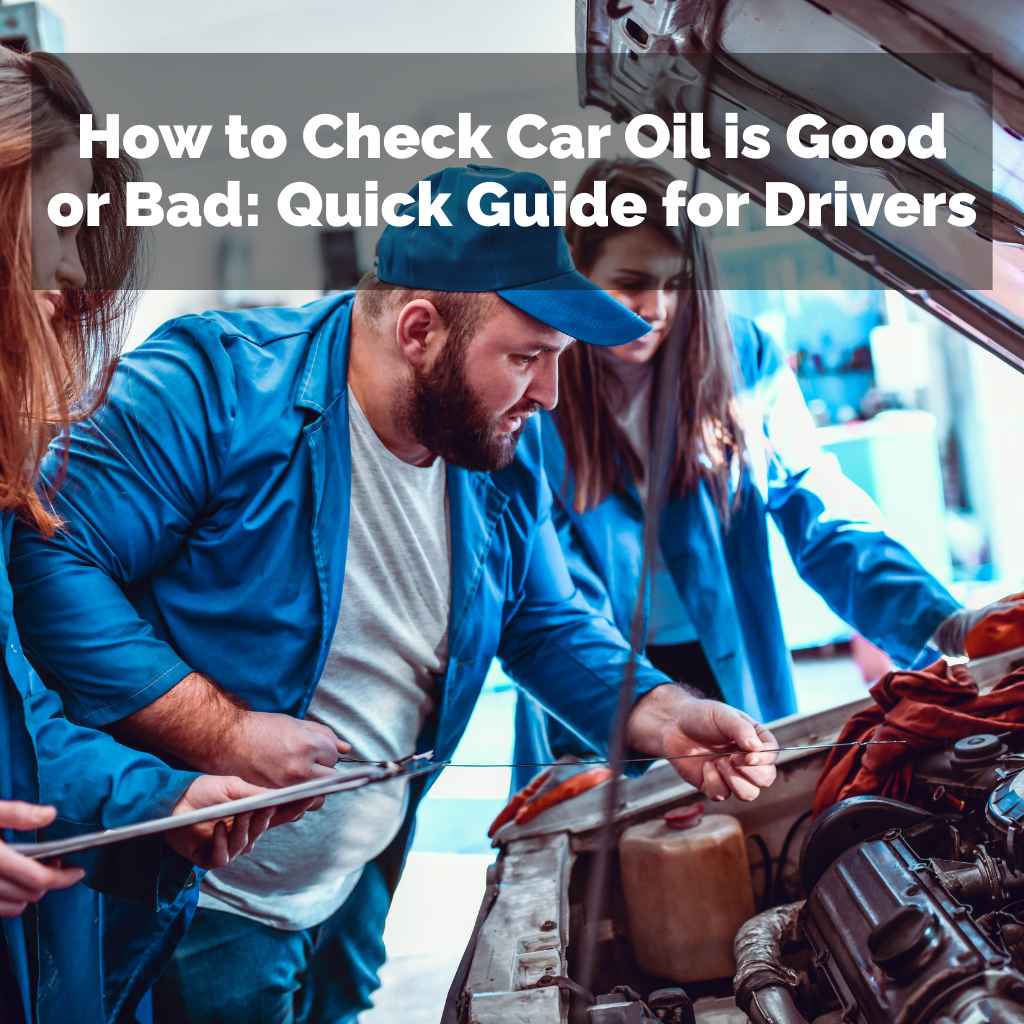
How to Check Car Oil is Good or Bad: Quick Guide for Drivers
Checking your car’s oil is one of the simplest ways to keep your vehicle healthy. Yet, many drivers are unsure how to tell if their car oil is good or bad. Oil is the lifeblood of your engine; it lubricates, cools, and protects moving parts. If the oil is too old, dirty, or low, it can cause serious damage and expensive repairs. Luckily, you don’t need to be a mechanic to check your oil’s condition. With a bit of attention and some basic steps, anyone can learn to spot the signs of good or bad oil. This guide will show you how, with clear steps, tips, and real-world examples.
Why Car Oil Condition Matters
Your car’s engine runs at high temperatures and speeds. Engine oil helps parts move smoothly, prevents overheating, and keeps dirt and debris away from sensitive areas. Over time, oil breaks down and collects contaminants. Bad oil can lead to:

As an Amazon Associate I earn from qualifying purchases.
- Less lubrication (more engine wear)
- Overheating
- Engine knocking or strange noises
- Reduced fuel efficiency
- Even engine failure
Manufacturers recommend regular oil changes for a reason. But sometimes, oil can go bad faster due to harsh driving conditions, poor-quality oil, or engine problems. That’s why it’s important to check oil condition, not just oil level.
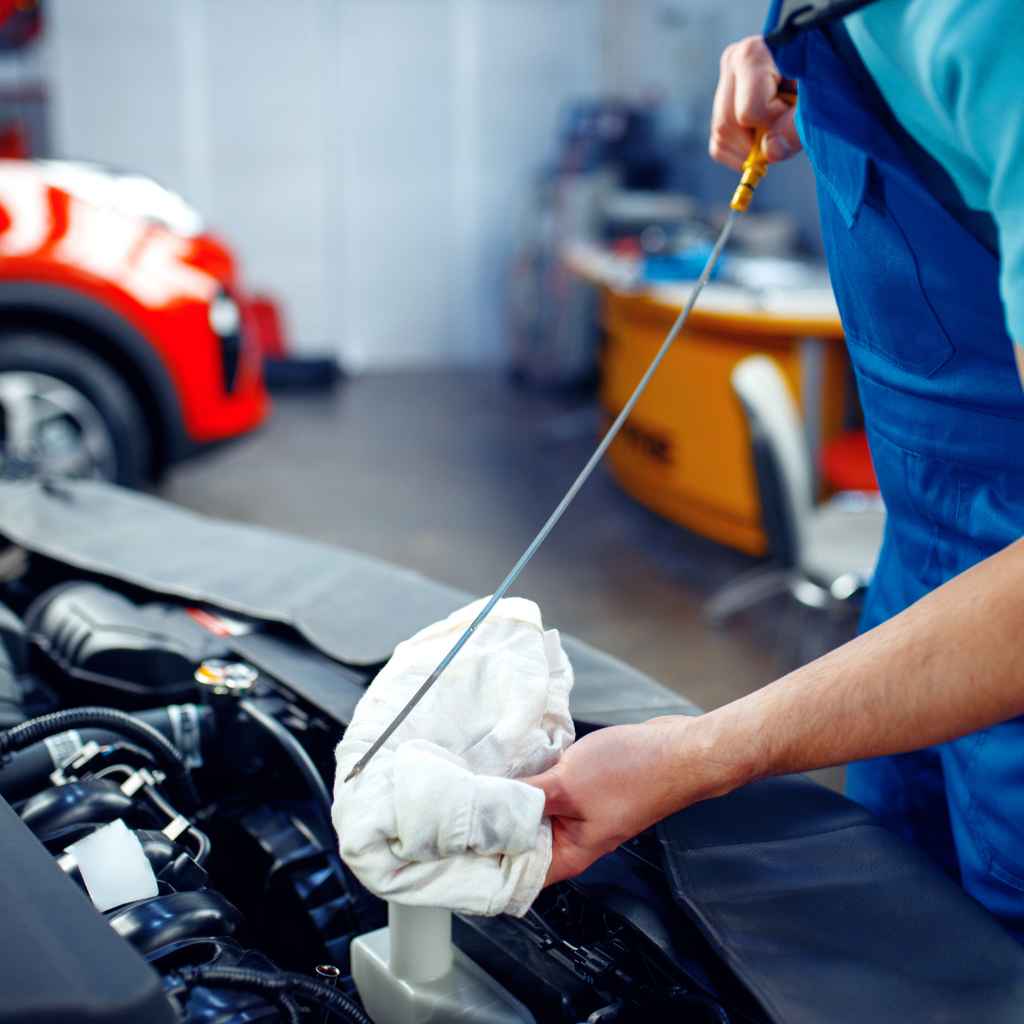
How To Check Your Car Oil: Step-by-step
Before you check the oil, make sure your car is on a level surface and the engine is cool or has been off for at least 10 minutes. Here’s how you can check your oil properly:
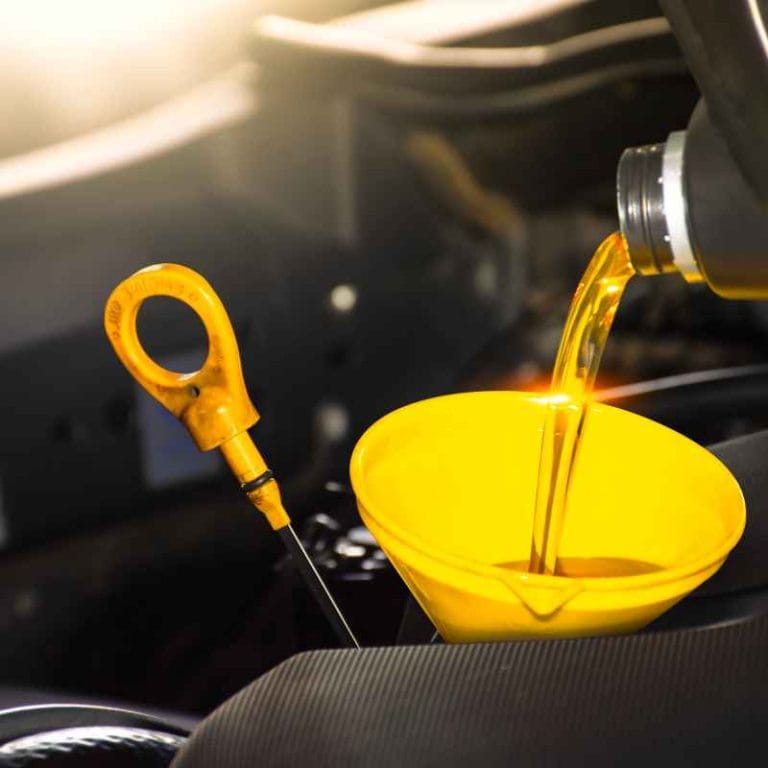
- Locate the dipstick: Usually, it’s a brightly colored handle (yellow or orange) near the front of the engine.
- Pull out the dipstick: Wipe it clean with a paper towel or rag.
- Insert and remove again: This gives an accurate reading.
- Check the oil level: The dipstick will have marks (like “Min” and “Max” or two dots). Oil should be between these marks.
- Look at the oil color and consistency: Is it clear or dark? Thick or watery?
- Smell the oil: Does it smell burnt?
- Rub a drop between your fingers: Feel for grit or stickiness.
These quick checks can reveal a lot about your oil’s condition.
What Does Good Car Oil Look Like?
Fresh or good oil has certain qualities. While color can vary depending on the oil type and car, here’s what to look for:
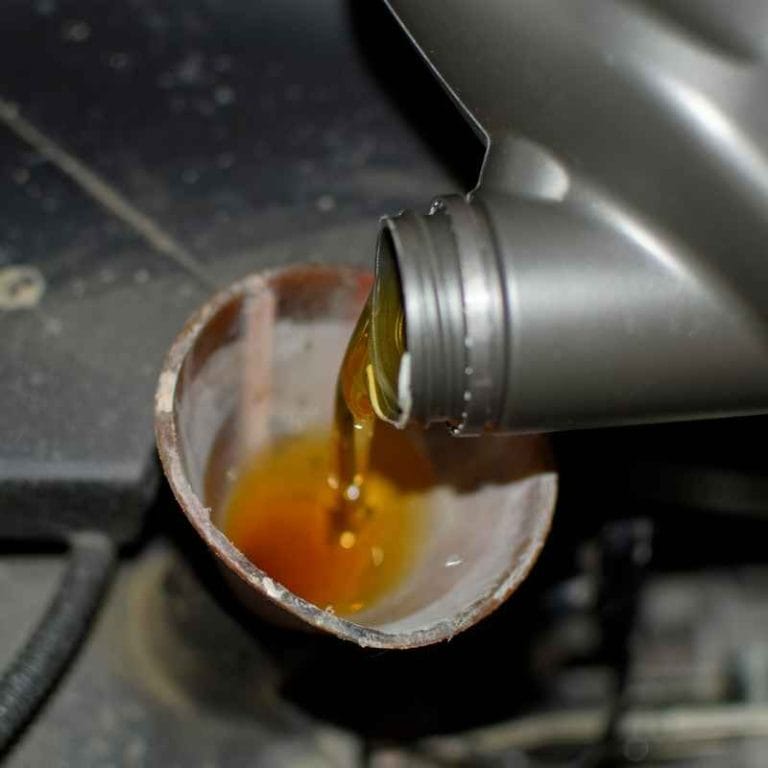
- Color: Light brown, amber, or honey-like. Synthetic oil may appear slightly different but should still be clear.
- Clarity: Transparent, not cloudy or milky.
- Consistency: Smooth and slick, not gritty.
- Smell: Neutral, not burnt.
Oil will darken as it does its job, but this alone isn’t always a problem. The real issues come when oil becomes too dirty, thick, or smells wrong.
Signs Your Car Oil Is Bad
Bad oil can look, feel, or smell different from good oil. Here’s how to recognize it:
1. Dark, Dirty Appearance
Used oil naturally darkens, but very black, thick, or gritty oil means it’s overdue for a change. Dirt, soot, and tiny metal particles can build up, harming your engine.
2. Milky Or Cloudy Oil
If the oil looks milky, foamy, or cloudy, coolant may be leaking into the engine. This is a serious problem called a “blown head gasket.”
3. Burnt Smell
A burnt smell from the oil means it’s breaking down from heat and can’t protect your engine well. It often means the oil is old or your engine is overheating.
4. Low Oil Level
If the oil level is below the minimum mark, your engine may not get enough lubrication—even if the oil looks clean. Consistently low oil may mean a leak or that your engine is burning oil.
5. Thick Or Sludgy Texture
Good oil should feel smooth. If it feels very thick, sticky, or sludgy, it’s no longer doing its job. Sludge can block oil passages and cause major engine damage.
6. Metal Shavings Or Grit
If you see metal particles in the oil, your engine parts might be wearing out. This is a sign to visit a mechanic immediately.
7. Oil Change Light Or Check Engine Light
Modern cars have sensors to warn you when oil is low or dirty. If the oil change light or check engine light comes on, check your oil as soon as possible.
How Oil Color And Condition Change Over Time
Oil doesn’t stay fresh forever. Its appearance and quality change with use. Here’s a simple comparison:
| Oil Condition | Appearance | What It Means |
|---|---|---|
| New Oil | Amber, clear, smooth | Ideal for engine health |
| Used (Good) | Darker, still smooth | Normal if changed regularly |
| Bad Oil | Black, gritty, thick or milky | Needs immediate change |
Non-obvious insight: Some cars, especially diesel engines, can darken oil quickly even when it’s still working well. Always combine color checks with smell and texture tests.
How Often Should You Check Oil Condition?
Most experts recommend checking your oil at least once a month. However, check it more often if you:
- Drive in hot or cold climates
- Make lots of short trips
- Tow heavy loads
- Own an older car
Don’t rely only on mileage or time. Short city trips can be harder on oil than highway driving.
Common Myths About Oil Condition
Many drivers believe oil must be changed every 3,000 miles, but modern engines and oils often last longer. Here are some myths to avoid:
- “If oil is dark, it’s always bad.” (Not true if it’s still smooth and doesn’t smell burnt.)
- “Synthetic oil never goes bad.” (All oil breaks down eventually.)
- “You don’t need to check oil between changes.” (Small leaks or burning can happen anytime.)
- “Adding new oil is as good as an oil change.” (Contaminants stay unless you change the old oil.)
Knowing these truths will help you maintain your car better.
Tools And Products For Checking Oil
You don’t need fancy tools to check oil, but these items make the job easier:
- Clean rags or paper towels: For wiping the dipstick.
- Gloves: To keep hands clean.
- Flashlight: To see oil color in low light.
- Oil analysis kits: Send a sample to a lab for a full report (helpful for older cars or performance vehicles).
For most drivers, a dipstick and your senses are enough.
What To Do If Your Oil Is Bad
If you find your oil is dirty, low, or smells burnt, don’t wait. Take these steps:
- Add oil if it’s low: Use the type and grade listed in your owner’s manual.
- Change the oil and filter: This is best if oil is dirty, thick, or old.
- Check for leaks: Look under your car for oil spots.
- Visit a mechanic: If you see metal shavings, milky oil, or other severe signs.
Driving with bad oil can ruin your engine. Don’t ignore warning signs.
How To Read The Oil Dipstick
The dipstick tells you both the level and the condition of your oil.
| Dipstick Mark | What It Means | Action Needed |
|---|---|---|
| Full/Max | Oil level is correct | No action, unless oil is dirty |
| Halfway | Acceptable, but top up soon | Add oil if needed |
| Low/Min | Too little oil | Add oil immediately |
Look closely at the oil’s color and feel as well as the level.
How Engine Type And Oil Type Affect Oil Condition
Not all engines and oils are the same. Here’s what can change your oil check routine:
- Diesel engines: Oil turns dark quickly, but that’s normal.
- Turbocharged engines: Oil breaks down faster due to higher heat.
- Synthetic vs. conventional oil: Synthetic lasts longer, but still needs changing.
- High-mileage engines: May burn oil faster.
Always follow the owner’s manual for the right oil and change schedule.
Practical Examples: Good Vs. Bad Oil
Let’s look at some real-world examples:
- Example 1: You pull the dipstick and see dark brown, smooth oil. No burnt smell, no grit. Your oil is likely still good.
- Example 2: Oil is thick, black, and has a burnt odor. It’s time for a change.
- Example 3: Oil is milky and light brown. Possible coolant leak—see a mechanic now.
- Example 4: The oil is low but clear. Add more, but check for leaks.
Non-obvious insight: If you regularly add oil but it keeps getting low, you may have a slow leak or engine burning oil. Don’t ignore this.
What Happens If You Don’t Change Bad Oil?
Neglecting oil changes leads to several problems:
- Sludge build-up: Oil thickens and blocks passages.
- Overheating: Poor lubrication causes more friction.
- Engine wear: Metal parts grind together.
- Expensive repairs: Engine replacement can cost thousands.
Regular oil checks and changes are much cheaper and simpler than fixing a damaged engine.
How To Choose The Right Oil For Your Car
The right oil keeps your engine running smoothly. Here’s what matters:
- Viscosity: This is the oil’s thickness (e.g., 5W-30). Check your manual for the correct number.
- Type: Conventional, synthetic, or blend. Synthetic lasts longer and handles heat better.
- Standards: Look for API or ACEA certifications.
- Driving habits: Short trips, towing, or extreme weather may need special oil.
Never guess—using the wrong oil can damage your engine.
How To Change Your Oil (if Needed)
If you find your oil is bad, you may want to change it yourself. Here are the basic steps:
- Gather tools: Wrench, oil filter, new oil, oil pan, gloves, funnel.
- Warm up engine: Run for a few minutes, then turn off.
- Lift car safely: Use jack stands on level ground.
- Drain old oil: Remove drain plug and let oil flow into pan.
- Replace filter: Twist off old filter, put on new one.
- Add new oil: Pour in the correct amount and type.
- Check level: After a few minutes, check with dipstick.
Dispose of old oil at a recycling center—never pour it down the drain.
Top Tips For Keeping Oil In Good Condition
- Check oil monthly, or before long trips.
- Change oil on schedule, not just by mileage.
- Use quality oil and filters.
- Fix leaks and engine problems quickly.
- Let your engine warm up before driving hard.
A little care goes a long way in preventing engine trouble.
Key Differences: Good Vs. Bad Oil At A Glance
Here’s a quick reference:
| Good Oil | Bad Oil |
|---|---|
| Amber or light brown color | Very dark, thick, or gritty |
| Clear, smooth texture | Milky, cloudy, or sludgy |
| No strong odor | Burnt smell |
| Stays at correct level | Low or needs frequent topping up |
When To Ask A Mechanic
Some oil problems need expert help:
- Milky oil (possible coolant leak)
- Metal shavings in oil
- Oil keeps getting low with no visible leak
- Engine makes unusual noises after checking oil
Don’t risk engine damage—get a professional opinion when in doubt.
Important Mistakes To Avoid
- Checking oil on a slope: Always park on level ground.
- Not wiping dipstick first: This gives a false reading.
- Ignoring oil smell: Burnt or fuel odors are warning signs.
- Waiting for warning lights: Sensors can fail or react late.
- Mixing oil types: Stick to one type for best results.
These simple habits prevent common, costly mistakes.
Environmental Tips: Dispose Of Oil Properly
Used oil is toxic to the environment. Always:
- Take old oil to a recycling center or auto shop.
- Never pour oil into drains, soil, or water.
- Use a sealed container for transport.
Recycling helps protect your community and the planet.
How To Tell If Your Oil Change Shop Is Doing A Good Job
If you get oil changes at a shop, watch for these signs of quality:
- They show you the dipstick before and after the change.
- They use the oil type listed in your owner’s manual.
- The oil looks clean on the dipstick after service.
- The oil filter is replaced, not just the oil.
Don’t be afraid to ask questions—it’s your car.
Real Data: How Often Do Most Drivers Change Oil?
Studies show habits are changing:
- About 40% of drivers stick to the “every 3,000 miles” rule.
- Over 50% use manufacturer recommendations (usually 5,000–10,000 miles).
- Only 10% check their oil monthly—but checking often prevents problems.
(source: consumer Reports)
Frequently Asked Questions
How Can I Tell If My Car Oil Is Still Good?
Check the oil’s color (should be amber to brown, not black or milky), feel (smooth, not gritty), and smell (no burnt odor). Also, make sure the oil level is between the “Min” and “Max” marks on the dipstick.
What Happens If I Drive With Bad Oil?
Bad oil can lead to engine overheating, increased wear, and even complete engine failure. Sludge and contaminants block passages and reduce lubrication, risking expensive repairs.
How Often Should I Change My Car Oil?
Follow your owner’s manual. Most modern cars need changes every 5,000 to 10,000 miles, but check more often if you drive in harsh conditions or have an older car.
Can I Just Add New Oil Instead Of Changing It?
No. Adding oil only increases the amount—it doesn’t remove old contaminants. You need to change the oil and filter to keep your engine clean.
Is Dark Oil Always Bad?
Not always. Oil naturally darkens as it works. If it’s still smooth and doesn’t smell burnt, it may be fine. Look for other signs like thickness, grit, or a burnt smell.
Keeping your car’s oil in good condition is one of the easiest ways to extend your engine’s life and avoid costly repairs. Check your oil often, know the signs of bad oil, and never ignore warning signals. A few minutes each month can save you thousands—and keep your car running smoothly for years to come.
Related pick: Check today's price on Amazon
Products related to this article
Sponsored / affiliate links. As an Amazon Associate I earn from qualifying purchases. I may earn additional commission from eligible campaigns.