Can Car Engine Oil Be Used in a Motorcycle (Complete Guide)
Using car engine oil in a motorcycle is generally not recommended and can lead to serious engine damage. Motorcycles have different lubrication needs than cars, especially regarding wet clutches and higher engine speeds. Specialized motorcycle oils are formulated to meet these unique demands, ensuring engine longevity and performance.
Understanding the Core Differences: Car Oil vs. Motorcycle Oil
So, why can’t you just swap car oil for motorcycle oil? The main reason boils down to how engines work. Cars and motorcycles are designed very differently.
This means their oil needs are also quite different. Think of it like feeding a cat dog food. Both are food, but they don’t have the same good stuff your pet needs.
Car oil is made for car engines. Motorcycle oil is made for motorcycle engines. It’s that simple, but the details are important.
Let’s break down what makes them unique. Cars typically have their engines separate from their transmissions and clutches. The oil in a car primarily focuses on lubricating the engine parts.
It needs to handle heat and friction. But it doesn’t have to worry about the clutch slipping. Or about lubricating a gearbox that’s constantly shifting gears.
Motorcycle engines often do all of this in one package. The engine, clutch, and transmission can all share the same oil.
This shared-sump system in many motorcycles is the biggest difference. The clutch plates need to grip. They need oil that allows them to grab firmly.
Car oil often has special additives to reduce friction. These friction reducers are great for a car engine. They help it run a bit more smoothly.
But in a motorcycle, these same additives can make the clutch plates slip. This is a big problem. A slipping clutch means your bike won’t accelerate properly.
It can also cause the clutch to wear out much faster. This leads to costly repairs.
Also, motorcycle engines often run at much higher RPMs (revolutions per minute) than car engines. They rev up faster and higher. This puts more stress on the oil.
Motorcycle oil needs to be tougher. It needs to provide better protection at these high speeds. It needs to prevent wear and tear even when the engine is pushed hard.
Car oil might break down under this kind of strain. It might not offer enough protection for the gears and other moving parts in the motorcycle’s transmission.
My Own Close Call: The Day I Almost Ruined My Bike
I remember a time when I was younger and, honestly, a bit too sure of myself. I had just bought my first real motorcycle, a sweet used sportbike. I was so excited to ride it everywhere.
I was also a bit broke, as most young folks are. I needed an oil change. I had a full gallon of good quality synthetic car oil sitting in my garage.
My logic was flawed, but in my head, it made sense. “It’s synthetic oil, it’s top-notch,” I thought. “It’ll be fine for the bike.”
So, I drained the old oil, put in a new filter, and poured in the car oil. I felt pretty proud of myself for saving money. The bike started up fine.
It sounded good. I took it for a short ride around the block. Everything seemed normal.
Then I took it out on the highway. That’s when I noticed something was off. When I tried to accelerate hard, the engine would rev, but the bike wasn’t picking up speed as it should.
It felt like it was slipping.
My heart sank. I immediately pulled over, my mind racing with worst-case scenarios. I remembered reading somewhere that some oils could affect clutches.
I had completely forgotten about the additives in car oil. The thought of frying my clutch and causing major engine damage terrified me. I had to call a friend to pick me up.
That day taught me a powerful lesson about specialized fluids. It was an expensive mistake I was lucky to catch early. I learned that day that “close enough” with engine oil is never good enough for your motorcycle.
The Unique Demands of Motorcycle Engines
Motorcycles are unique machines. They demand specialized care. This is especially true for their engine oil.
Let’s look at the key areas where motorcycle oil steps up to the plate. Car oil just doesn’t have what it takes.
The Clutch Conundrum
We’ve touched on this, but it’s worth repeating. Most motorcycles use a “wet clutch.” This means the clutch plates are bathed in engine oil. This oil needs to do two jobs.
It has to lubricate the clutch plates so they don’t stick together. But it also needs to let them grip firmly when you engage the clutch. Car oils have “friction modifiers.” These are chemicals that reduce friction.
They are great for a car engine. They help parts slide past each other easily. But on motorcycle clutch plates, these modifiers can cause them to slip.
This loss of grip is bad. It means less power gets to the rear wheel. It can also cause the clutch plates to overheat and wear out fast.
Motorcycle oils are formulated without these harmful friction modifiers.
Gearbox Grinds
In many motorcycles, the engine oil also lubricates the transmission and gearbox. These parts have gears that constantly mesh and unmesh. This is a harsh environment for oil.
The gears are under high pressure. They need oil that can withstand this pressure. It must prevent the gears from grinding against each other.
Car oil might not be strong enough. It could break down under this pressure. Motorcycle oils often have special additives for gear protection.
These help the oil stick to the gears. They provide a protective film even under extreme load.
Higher Engine Temperatures and Speeds
Motorcycles tend to run hotter and faster than most cars. Their engines are often air-cooled. This means they don’t have the large radiators that cars do.
They rely on the airflow from riding. This can lead to higher operating temperatures. Also, motorcycle engines often operate at higher RPMs.
They can redline at 8,000, 10,000, or even more revolutions per minute. This constant high speed puts a lot of stress on the oil. It needs to maintain its viscosity (thickness) and lubricating properties.
It must prevent wear and tear at these extreme conditions. Car oil might not be able to handle this sustained high heat and speed. It can break down or lose its protective qualities.
Motorcycle Oil vs. Car Oil: Key Differences
- Clutch Compatibility: Motorcycle oil protects wet clutches from slipping. Car oil can cause clutch slippage.
- Gear Protection: Motorcycle oil has additives for high-pressure gear lubrication. Car oil may not offer this.
- High RPM Performance: Motorcycle oil is built for sustained high engine speeds and heat. Car oil can break down.
- Viscosity Stability: Motorcycle oil maintains its thickness better under extreme conditions.
- Additives: Motorcycle oil avoids friction modifiers found in car oils.
The SAE and API Story: What Those Numbers Mean
You see numbers on oil bottles like 10W-40 or API SG. These aren’t just random digits. They tell you important things about the oil.
Understanding them helps you see why car oil and motorcycle oil are different.
SAE Viscosity Grades
The SAE (Society of Automotive Engineers) grade tells you how thick or thin the oil is. The number before the “W” (like 10W in 10W-40) is the viscosity when the oil is cold. A lower number means it’s thinner when cold.
This helps your engine start easier in cold weather. The number after the “W” (like 40 in 10W-40) is the viscosity when the engine is hot. A higher number means it’s thicker when hot.
This helps protect the engine at high temperatures.
Motorcycles often use similar SAE grades to cars. For example, 10W-40 is common for both. However, the way that viscosity is achieved and maintained can differ.
Motorcycle oils are designed to stay stable under the high pressures and temperatures found in a bike’s engine, clutch, and transmission.
API Service Classifications
API (American Petroleum Institute) classifications tell you about the oil’s performance standards. You’ll see things like API SG, SH, SJ, SL, SM, SN, SP for gasoline engines. These letters represent different levels of protection and features.
For example, newer classifications (like SP) offer better protection against certain types of engine wear and deposits.
Here’s the catch for motorcycles: Car oils with newer API classifications (like API SN or SP) often contain more friction-reducing additives. These are great for cars to improve fuel economy. But they are exactly what you want to avoid in a motorcycle, especially one with a wet clutch.
Many motorcycle oils use older API classifications, or they might not list an API classification at all. Instead, they will have a JASO (Japanese Automotive Standards Organization) rating.
Understanding Oil Ratings
SAE Viscosity
10W-40: 10 is cold flow, 40 is hot flow. Lower cold number flows better when cold. Higher hot number is thicker when hot.
API Classification
API SN/SP: Modern car oil ratings. Can contain friction modifiers bad for motorcycle clutches.
JASO Rating
JASO MA/MA1/MA2: Motorcycle specific. Ensures proper clutch engagement. MA2 is best for most modern bikes.
Considerations
Always check your owner’s manual. It specifies the correct oil type and viscosity for your bike.
The JASO Standard
This is where motorcycle-specific oils really shine. JASO ratings are designed to tell you if an oil is safe for motorcycle clutches. The most common ratings are JASO MA and JASO MB.
JASO MA (and its sub-grades MA1 and MA2) is for motorcycles with wet clutches. JASO MB is for motorcycles with dry clutches or automatic transmissions. If your bike has a wet clutch, you absolutely need an oil with a JASO MA rating.
JASO MA2 is the most current and provides the best clutch performance. Car oils will never have a JASO rating. They’ll stick to API standards.
What Happens If You Use Car Oil? The Risks Involved
So, you’re thinking, “What’s the worst that could really happen?” It’s a fair question. Sometimes, an engine might run for a while on the wrong oil. But “a while” isn’t forever.
The damage isn’t always instant. It’s more like a slow creep that wears down your bike. Eventually, it will lead to big problems.
And big repair bills.
Let’s look at the most common issues you might face. These are not rare occurrences. They are well-documented problems that come from using car oil in a motorcycle.
Clutch Slippage and Rapid Wear
This is the most immediate and noticeable problem. As we’ve talked about, car oil has friction modifiers. These make the clutch plates unable to grip properly.
At first, you might just notice a slight hesitation when you accelerate. You might feel the engine revving higher than the bike is actually moving. As you keep using the car oil, this gets worse.
The clutch plates will start to overheat. They can become glazed. This means they get smooth and hard.
They lose their ability to grab. Eventually, your clutch will start to slip constantly. You might not be able to ride the bike at all.
Replacing a motorcycle clutch can be very expensive. It involves taking apart a lot of the engine. You’ll also need to buy new clutch plates and possibly other parts.
It’s a job many riders try to avoid.
Increased Engine Wear
Beyond the clutch, the engine itself is at risk. Motorcycle engines run hotter and at higher speeds. Car oil may not have the robust film strength needed to protect vital engine parts.
This means metal-on-metal contact can happen more often. This leads to premature wear on things like the crankshaft, camshafts, and piston rings. Over time, this wear reduces the engine’s efficiency.
It can lead to loss of power. It might even cause the engine to seize up completely. A seized engine is usually a death sentence for the motorcycle.
Rebuilding or replacing a motorcycle engine is one of the most costly repairs you can face. It often costs more than the bike is worth.
The Dangers of Using Car Oil
Risk Summary:
- Clutch Destruction: Slipping clutch, premature wear, expensive replacement.
- Engine Damage: Increased friction leads to worn-out engine parts.
- Overheating: Car oil may not handle the high temps of motorcycle engines.
- Reduced Performance: Loss of power and responsiveness due to clutch and engine issues.
- Voided Warranty: Most manufacturers will void your warranty if you use the wrong oil.
Overheating
Motorcycle engines often operate at higher temperatures than car engines. The oil plays a crucial role in cooling. It carries heat away from critical engine components.
Car oil might not be formulated to handle these sustained high temperatures. It could break down. It might form sludge or deposits.
This restricts oil flow. This leads to hot spots in the engine. It can cause parts to expand.
This increases friction and wear. In extreme cases, it can lead to engine failure.
Voiding Your Warranty
This is a big one for newer bikes. If your motorcycle is still under warranty, using the wrong type of oil can void it. Manufacturers are very specific about the fluids you use.
They state the required specifications in your owner’s manual. If you have an engine problem and they find you’ve used car oil, they can deny your warranty claim. This means you’ll be paying for repairs out of your own pocket.
Those repairs could be tens of thousands of dollars.
Real-World Scenarios: Where the Differences Show
Let’s imagine a few everyday situations. These will help you see why the oil choice matters so much. They show the practical impact of using the right versus the wrong oil.
Scenario 1: The Weekend Warrior
Meet Alex. Alex loves hitting the twisty roads on his Saturday mornings. His bike is a powerful V-twin cruiser.
He takes it on long rides, sometimes for hours. His riding involves a lot of clutch work, especially in stop-and-go traffic or when navigating tight corners. If Alex uses car oil, his clutch will start to grab erratically after a few hours.
He’ll notice the bike lurching forward when he tries to ease out the clutch. Soon, he’ll find himself unable to smoothly control the bike at low speeds. He might even smell a burning odor from the clutch.
This is the oil failing to do its job.
Scenario 2: The Commuter’s Daily Grind
Sarah commutes to work every day on her sportbike. Her ride involves a mix of city streets and highway speeds. She needs her bike to be reliable.
It’s her main way to get to work on time. Her bike also has a high-revving engine. If Sarah uses car oil, the higher RPMs will push the oil harder.
The friction modifiers might not cause immediate clutch slip. But the oil will likely break down faster. It won’t protect the engine parts from wear as effectively.
She might notice a gradual loss of power over time. Eventually, she could face costly engine repairs that impact her daily life.
Common Riding Situations
Twisty Roads
Frequent clutch use demands oil that allows for smooth engagement without slippage.
City Traffic
Stop-and-go riding heats up the engine and clutch. Oil needs to maintain performance under stress.
Highway Cruising
Sustained high RPMs require oil that resists breakdown and maintains film strength.
Cold Starts
Oil must flow freely when cold to protect engine parts from initial wear.
Scenario 3: The Track Day Enthusiast
Mike loves taking his bike to the track. Track days push the bike to its absolute limits. The engine runs at redline for extended periods.
The bike is subjected to extreme acceleration and braking. Car oil would fail very quickly here. The clutch would slip under hard acceleration.
The engine would overheat. The oil would break down, losing its protective properties. This could lead to catastrophic engine failure mid-race.
Specialized motorcycle racing oil is designed for these extreme conditions. It’s a clear example of how different needs demand different products.
What Does This Mean for You? Simple Checks and Advice
After all this, what’s the takeaway? It’s pretty straightforward, really. Your motorcycle is a finely tuned machine.
It needs the right fuel, the right tires, and yes, the right oil. Don’t treat it like your car. The consequences are too high.
When Is It Okay? (Spoiler: Almost Never)
There are very few situations where car oil might not instantly destroy your motorcycle. Some older motorcycles with very simple, separate lubrication systems for the engine, clutch, and transmission might tolerate certain car oils. However, even then, it’s risky.
Most modern motorcycles, and even many older ones, use a shared sump system. This means the oil lubricates everything. For these bikes, using car oil is a recipe for disaster.
If your bike is designed for it, you’ll find that in the owner’s manual. But this is rare. Always assume you need motorcycle-specific oil unless you have proof otherwise.
When Should You Worry? (All the Time If Using Car Oil)
You should worry every single time you consider using car oil in your motorcycle. It’s not a matter of if it will cause a problem, but when. The damage might not be obvious immediately.
You might ride for a few hundred miles without noticing major issues. But the internal wear is happening. The clutch is slowly losing its grip.
The engine components are being stressed. The longer you use car oil, the more damage you’re doing. By the time you see obvious signs like slipping, the damage could be severe and very expensive to fix.
Your Motorcycle’s Oil Needs
Key Takeaways:
- Always check your owner’s manual. It’s the ultimate guide for your bike.
- Look for JASO ratings (MA, MA1, MA2). This is crucial for wet clutches.
- Avoid oils labeled “Energy Conserving” or “Resource Conserving.” These have friction modifiers.
- Never use standard car oil if your bike has a wet clutch.
- Consider synthetic motorcycle oil. It offers superior protection and longevity.
Simple Checks You Can Do
Before you ever pour oil into your motorcycle, do a quick check. First, grab your owner’s manual. This is non-negotiable.
It will tell you the exact type of oil and viscosity your bike needs. Look for terms like “motorcycle oil,” “wet clutch compatible,” or specific API/JASO ratings. If the bottle says “for gasoline engines” and doesn’t mention motorcycles or JASO ratings, put it back on the shelf.
Check the back of the oil bottle. Do you see “API SN” or “API SP”? Does it mention “Energy Conserving” or “Resource Conserving”?
If so, that’s car oil. You want to see “JASO MA,” “JASO MA1,” or “JASO MA2.” If you see these, it’s likely safe for your wet clutch. If your bike has a dry clutch, you might look for JASO MB.
But again, the manual is your best friend here.
Quick Tips for Choosing the Right Motorcycle Oil
Getting the oil right is one of the most important things you can do for your motorcycle. It’s not complicated once you know what to look for. Here are some simple tips to make sure you always pick the best oil for your ride.
- Consult Your Owner’s Manual: This is the golden rule. It will tell you the exact viscosity grade (like 10W-40) and any specific certifications (like JASO MA or MA2) required for your bike.
- Look for JASO Ratings: For most motorcycles with wet clutches, you need an oil with a JASO MA, MA1, or MA2 rating. JASO MA2 is the most common and provides excellent clutch performance.
- Avoid “Energy Conserving” or “Resource Conserving” Labels: These labels on car oils indicate the presence of friction modifiers, which are harmful to motorcycle clutches.
- Understand Synthetic vs. Conventional: Synthetic motorcycle oils offer better protection at extreme temperatures, last longer, and provide superior lubrication compared to conventional oils. While more expensive upfront, they can save you money in the long run.
- Consider Your Riding Style: If you ride aggressively, do track days, or frequently ride in hot weather, a high-quality synthetic motorcycle oil is highly recommended. For casual riders, a good conventional or semi-synthetic motorcycle oil might suffice, but always check your manual.
- Stick to Reputable Brands: Choose well-known motorcycle oil brands. Companies that specialize in motorcycle lubricants understand the unique needs of these engines. Brands like Motul, Castrol Power RS, Mobil 1 Racing 4T, Yamalube, and Valvoline Motorcycle are trusted choices.
- Don’t Mix Oil Types: Once you’ve chosen an oil, stick with it. Mixing different types or brands of oil, especially synthetics and conventional oils, is generally not recommended unless explicitly stated as compatible by the manufacturer.
- Change Oil and Filter Regularly: Follow the service intervals recommended in your owner’s manual. Regular oil changes are crucial for maintaining engine health and preventing wear, regardless of the oil type.
Frequently Asked Questions About Motorcycle Oil
Can I use a 20W-50 car oil in my motorcycle if the manual says 20W-50 motorcycle oil?
No, even if the viscosity numbers (like 20W-50) match, car oil will likely contain friction modifiers that can harm your motorcycle’s wet clutch. Always use oil specifically labeled for motorcycles and with the correct JASO rating (like MA or MA2) if your bike has a wet clutch.
What happens if I accidentally put car oil in my motorcycle and only rode it a little?
If you rode only a very short distance and the engine didn’t overheat or show immediate signs of clutch slippage, you might be okay. However, it’s best to drain the car oil immediately.
My motorcycle has a dry clutch. Can I use car oil then?
Even with a dry clutch, car oil is generally not recommended. Motorcycle engines operate under different pressures and temperatures than car engines. Motorcycle oil is formulated to handle these specific conditions, including providing protection for the transmission gears which are often lubricated by the engine oil in bikes with dry clutches as well.
Always check your owner’s manual.
Is synthetic motorcycle oil really worth the extra cost?
Yes, in most cases, synthetic motorcycle oil is worth the extra cost. It offers superior protection against extreme temperatures and high engine speeds, resists breakdown better, and often provides longer service intervals. For performance bikes, aggressive riding, or hot climates, synthetic is highly recommended for optimal engine life and performance.
What is the difference between JASO MA and JASO MA2?
Both JASO MA and MA2 are motorcycle-specific standards for oils used in wet clutches. JASO MA2 is the more stringent and current standard. Oils meeting MA2 provide superior performance in terms of clutch friction control, offering better engagement and less slippage under demanding conditions compared to JASO MA or MA1 oils.
Can I use a multi-grade oil if my manual specifies a single grade?
It’s best to stick to what your owner’s manual specifies. While multi-grade oils offer a wider operating temperature range, using a single-grade oil when recommended ensures that the oil’s viscosity is optimized for your specific engine design and operating conditions. Using the wrong viscosity can lead to inadequate lubrication or excessive drag.
Conclusion: Protect Your Ride with the Right Oil
When it comes to your motorcycle, there’s no room for guesswork with oil. Using car oil might seem like a small saving, but the potential costs are enormous. From slipping clutches to damaged engines, the risks are just too great.
Always choose motorcycle-specific oil that meets the JASO standards and the viscosity recommended in your owner’s manual. Your bike will thank you with reliable performance and a longer, healthier life.
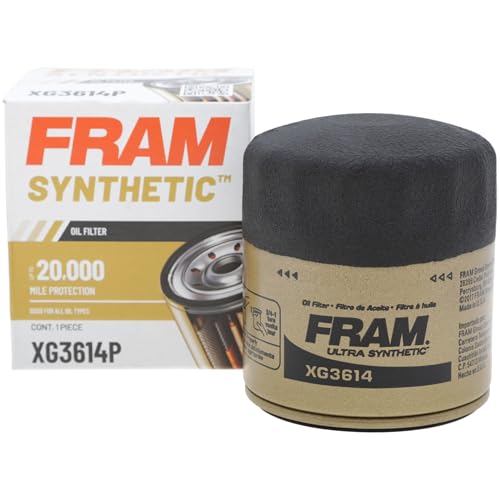
Related pick: Check today's price on Amazon
Products related to this article
Sponsored / affiliate links. As an Amazon Associate I earn from qualifying purchases. I may earn additional commission from eligible campaigns.