What is the Difference between Engine And Motor Oil: Explained
When people talk about car maintenance, two terms often come up: engine oil and motor oil. For many drivers, these words sound the same, and sometimes even mechanics use them as if they mean one thing. But do they? Is there a real difference between engine oil and motor oil, or are they just two names for the same thing? Understanding this is important, especially if you want your vehicle to last longer and perform at its best.
This article looks deeply at the differences and similarities between engine oil and motor oil. We will explain where these terms come from, how they are used, and why it matters for everyday drivers. We will also look at types, functions, technical details, and common myths.
You will learn what actually matters when choosing oil for your car, and pick up insights most beginners miss. By the end, you’ll know exactly what to ask for when you visit your mechanic or buy oil yourself.
Understanding The Basics: Engine Oil Vs. Motor Oil
At first glance, the words engine oil and motor oil appear to mean the same thing. In fact, in most English-speaking countries, especially in North America, these terms are often used interchangeably. But let’s break them down:

As an Amazon Associate I earn from qualifying purchases.
- Engine oil: Oil specifically made for the lubrication of internal combustion engines (gasoline, diesel, etc. ).
- Motor oil: Traditionally refers to oil used in motors, especially car engines, but can also mean oil for electric motors in some contexts.
In practical terms, when people talk about cars, both usually mean the same product: oil for lubricating, cleaning, and protecting the engine. However, there are some subtle differences, mostly in usage and technical definitions.
Historical Perspective
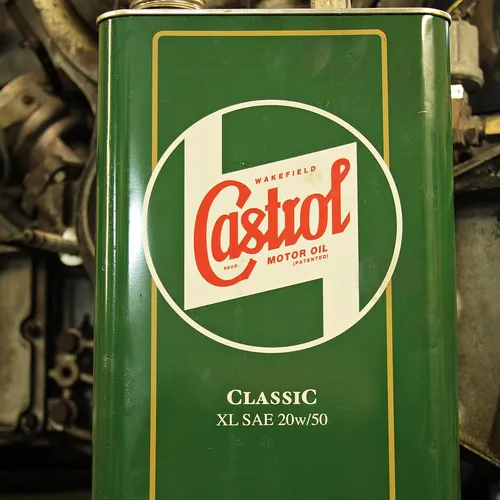
The word motor was widely used in the early 20th century when cars were called “motor cars.” As technology developed, the word engine became more common to describe the complex machines under the hood. This is why you might see “motor oil” on old cans or hear older mechanics use the term.
Regional Language Differences
- In the United States, “motor oil” is more common on labels and advertisements.
- In the United Kingdom and much of Europe, “engine oil” is preferred.
This difference is mostly about language, not product. If you ask for engine oil in a US auto shop, you’ll get the same thing as motor oil.
Technical Definitions: Where Differences Matter
Even though most people use the terms interchangeably, there are technical situations where the words mean different things.
Engine Oil: Specific Application
Engine oil is made for internal combustion engines. It must work under extreme heat, high pressure, and exposure to fuel and exhaust by-products. It is specially formulated to:
- Lubricate moving engine parts
- Prevent corrosion and rust
- Clean deposits and contaminants
- Seal microscopic gaps between engine parts
- Cool engine components
Motor Oil: Broader Meaning
Motor oil can sometimes refer to lubricants for any type of motor, including electric motors, pumps, or industrial machines. However, in the automotive world, motor oil means the same as engine oil.
Key insight: In rare cases, “motor oil” could mean oil for an electric motor, which is NOT suitable for a car engine. Always check the product label and specifications.
How Engine Oil And Motor Oil Are Made
Both engine oil and motor oil (for cars) are produced from base oils and additives. The quality and type of these ingredients make a big difference in how well the oil protects your engine.
Base Oil
- Mineral oil: Made from refined crude oil. Less expensive but less stable at high temperatures.
- Synthetic oil: Made from chemically modified materials. Offers better performance, especially in extreme temperatures.
Additives
Additives are chemicals mixed into the base oil to improve performance. They can:
- Reduce friction
- Clean engine parts (detergents)
- Prevent rust (corrosion inhibitors)
- Keep the oil stable at different temperatures (viscosity modifiers)
- Reduce foam
Manufacturing Process
- Selecting base oil: The manufacturer chooses mineral, synthetic, or a blend.
- Blending additives: Additives are mixed in precise amounts.
- Quality testing: The final product is tested for viscosity, cleanliness, and performance.
The Role Of Engine Oil In Modern Vehicles
Engine oil is vital for engine health. Its main jobs:
- Lubrication: Reduces metal-to-metal contact, lowering friction and wear.
- Cooling: Removes heat from moving parts.
- Cleaning: Holds dirt, soot, and combustion by-products in suspension so the oil filter can remove them.
- Sealing: Helps seal the gap between pistons and cylinder walls.
- Protection: Guards against rust and corrosion.
Without good engine oil, an engine will quickly overheat, wear out, or even fail completely.
Example: How Engine Oil Protects
Imagine your engine running at 3,000 revolutions per minute (RPM). Metal parts are moving, rubbing together thousands of times each minute. Engine oil forms a thin, slippery film that keeps these parts from grinding and breaking.
Practical tip: Always check your oil level regularly. Low oil means less protection for your engine.
The Role Of Motor Oil: Is There Any Difference?
In the context of cars, motor oil does exactly what engine oil does. It lubricates, cleans, and protects. However, in industrial settings, “motor oil” could mean lubricants for electric motors, which have different requirements:
- Electric motors need oil that won’t conduct electricity.
- Car engines need oil that can handle combustion by-products.
Don’t use oil labeled only for electric motors in your car engine. The additives and properties are different, and it can damage your engine.
Types Of Engine/motor Oil
There are several types of oil available, each with different properties. Choosing the right one depends on your vehicle, the climate, and how you drive.
1. Conventional (mineral) Oil
- Made from refined crude oil
- Cheaper than synthetic oil
- Suitable for older or low-mileage engines
2. Synthetic Oil
- Chemically engineered for better stability and performance
- Handles extreme temperatures well
- Lasts longer between oil changes
- More expensive
3. Synthetic Blend Oil
- A mix of synthetic and mineral oil
- Offers some benefits of synthetic oil at a lower price
4. High-mileage Oil
- Contains extra additives to protect older engines (usually over 75,000 miles/120,000 km)
- Helps reduce oil leaks and consumption
5. Diesel Engine Oil
- Specially formulated for diesel engines
- Has different additives to handle soot and higher pressures
Below is a comparison of common oil types for car engines:
| Type of Oil | Main Feature | Best For | Average Change Interval |
|---|---|---|---|
| Conventional | Basic protection | Older engines | 3,000-5,000 miles |
| Synthetic | High performance | Modern/high-tech engines | 7,500-15,000 miles |
| Synthetic Blend | Balance of price and performance | Mixed driving conditions | 5,000-7,500 miles |
| High-Mileage | Extra engine protection | 75,000+ mile engines | Varies |
Understanding Oil Viscosity: What Do The Numbers Mean?
One of the most confusing things about choosing oil is the code on the bottle, like 5W-30 or 10W-40. This is the oil’s viscosity rating, defined by the Society of Automotive Engineers (SAE).
- The first number (e.g., 5W) shows how the oil flows in cold weather (the “W” stands for winter).
- The second number (e.g., 30) shows how it behaves at high engine temperatures.
Higher numbers mean thicker oil.
Example
- 5W-30: Flows easily in cold weather, good for most modern cars.
- 10W-40: Thicker, better for older engines or hot climates.
Practical insight: Using the wrong viscosity can lead to poor lubrication or engine damage. Always check your owner’s manual for the recommended grade.
Certifications And Standards: What To Look For
Both engine oil and motor oil bottles have labels showing industry certifications. These are important to make sure the oil meets minimum safety and performance standards.
Major Standards
- API (American Petroleum Institute): Most common in North America. Look for the “API Service” donut.
- ACEA (Association des Constructeurs Européens d’Automobiles): Used in Europe.
- ILSAC (International Lubricant Standardization and Approval Committee): For fuel economy and emissions.
Reading The Label
Look for these symbols and codes. For example:
- API SN: For gasoline engines, current standard.
- API CK-4: For diesel engines.
Pro tip: Never buy oil without certification marks. Cheap, uncertified oil can damage your engine.
The Science Of Additives: What Makes Oil “smart”
Modern engine/motor oils are more than just oil. They are complex blends of chemicals that solve many problems at once.
Types Of Additives
- Detergents: Clean engine deposits.
- Dispersants: Hold dirt in suspension for removal by the filter.
- Anti-wear agents: Protect metal parts from friction.
- Viscosity index improvers: Keep oil working in hot and cold conditions.
- Rust and corrosion inhibitors: Prevent rust from forming.
- Foam inhibitors: Stop bubbles that reduce oil performance.
Advanced tip: Higher-quality oils often have better additive packages. This is why some brands cost more but offer better protection.
The Truth About Oil Changes: Myths And Real Facts
Many drivers believe you must change oil every 3,000 miles (about 5,000 km), but this is often outdated advice.
- Modern synthetic oils can last 7,500 to 15,000 miles (12,000–24,000 km) in many cars.
- Older engines or severe driving conditions (towing, extreme heat/cold, short trips) may require more frequent changes.
Common Mistakes
- Using the wrong oil type or viscosity for your car
- Ignoring the oil change interval
- Mixing different brands or types of oil
- Not changing the oil filter with the oil
Environmental Impact: Used Oil And Recycling
Used engine/motor oil can pollute soil and water if not disposed of properly. One gallon (about 3. 8 liters) of used oil can contaminate 1 million gallons of fresh water.
Proper Disposal
- Take used oil to recycling centers, auto shops, or hazardous waste facilities.
- Never pour oil down drains, onto the ground, or into the trash.
Fact: Recycling used oil saves energy and resources. It takes less energy to re-refine used oil than to produce new oil from crude.
How To Choose The Right Oil For Your Vehicle
When choosing between engine oil and motor oil, focus on what your owner’s manual recommends, not just the label.
- Check viscosity grade: Example, 5W-30 or 10W-40.
- Look for certifications: API, ACEA, or ILSAC.
- Pick the right type: Synthetic, conventional, blend, or high-mileage.
- Consider your driving: Short trips, heavy loads, or extreme weather may need stronger oil.
- Buy from trusted brands: Quality matters.
Example Comparison
| Feature | Synthetic Oil | Conventional Oil |
|---|---|---|
| Performance in extreme temperatures | Excellent | Average |
| Price | Higher | Lower |
| Engine cleanliness | Very good | Good |
| Change interval | 7,500–15,000 miles | 3,000–5,000 miles |
Insight: Don’t buy the most expensive oil unless your engine needs it. High-performance oil in a low-performance engine adds little benefit.
Key Differences Summed Up
Let’s summarize the main differences and similarities:
| Aspect | Engine Oil | Motor Oil |
|---|---|---|
| Usage (cars) | Lubricates engine | Lubricates engine |
| Technical meaning | For internal combustion engines | Any type of motor (sometimes electric) |
| Language | Common in UK/Europe | Common in US/Canada |
| Additive content | Specially formulated | Usually same as engine oil for cars |
| Confusion risk | Low | May refer to electric motor oil in rare cases |
Insights Most Beginners Miss
- Not all motor oils are engine oils. In industrial settings, “motor oil” can mean lubricant for electric motors, which is not suitable for car engines.
- Certifications matter more than brand. Always look for API, ACEA, or ILSAC marks rather than buying based on price or advertising.
- Oil additives are not all equal. Premium oils often have better additive packages, which means more protection, especially for modern or high-mileage engines.
- Viscosity is critical. Using oil that’s too thick or too thin for your engine can cause major damage.
- Owner’s manual is always right. Follow your car manufacturer’s recommendation, not just what you hear from friends or see in commercials.
Common Myths Debunked
- Myth: Engine oil and motor oil are always different products.
- Fact: For cars, they are usually the same; differences are mostly about language.
- Myth: All oils with the same viscosity are equal.
- Fact: Additives, base oil quality, and certifications make a big difference.
- Myth: Thicker oil is always better for protection.
- Fact: Too thick oil can reduce fuel economy and harm some modern engines.
When Does The Difference Matter?
- For automotive use, there’s no practical difference between engine oil and motor oil if you are buying from a trusted auto parts store.
- If you work with industrial machines, pumps, or electric motors, always clarify what type of motor or engine the oil is meant for.
Advanced insight: Some specialty oils are labeled as “motor oil” but are designed for small engines (like lawn mowers) or two-stroke engines (which require oil to be mixed with fuel). These are not suitable for most cars.
Real-world Example: Shopping For Oil
Imagine you walk into an auto parts store and see:
- Engine Oil SAE 5W-30, API SN
- Motor Oil SAE 10W-40, API SN
Both products are suitable for modern gasoline engines, as long as the viscosity matches your car’s requirements and both have the right certification.
However, if you find:
- Electric Motor Lubricating Oil
This is NOT for your car’s engine.
The Future: Electric Cars And Oil
As electric vehicles (EVs) become popular, the need for traditional engine/motor oil will decrease. EVs don’t have internal combustion engines, so they do not require engine oil. However, they may need lubricants for other parts, like gearboxes or cooling systems.
These oils are different from both traditional engine and motor oils.
Additional Resources
For more detailed technical explanations, you can visit the Wikipedia page on motor oil.
Frequently Asked Questions
What Is The Main Difference Between Engine Oil And Motor Oil?
For most cars, there is no practical difference. Both terms are used to describe oil that lubricates and protects your engine. The difference is mostly in language and regional usage. In rare cases, motor oil could mean lubricant for electric motors, which is not suitable for cars.
Can I Use Motor Oil In Place Of Engine Oil?
Yes, if you are buying oil for a car and the bottle says motor oil with the correct viscosity and API certification, it is safe to use. Always check your owner’s manual for the correct specifications.
Does The Type Of Oil Really Matter For My Car?
Absolutely. Using the wrong type or viscosity of oil can damage your engine. Always use oil that meets your vehicle manufacturer’s recommendations and has the proper certifications (API, ACEA, ILSAC).
How Often Should I Change My Engine/motor Oil?
Follow your vehicle’s service schedule. Modern synthetic oils can last 7,500 to 15,000 miles (12,000 to 24,000 km) between changes. Severe driving (towing, stop-and-go traffic, extreme climates) may require more frequent changes.
What Happens If I Use The Wrong Oil?
Using oil with the wrong viscosity or without proper certification can lead to poor lubrication, increased engine wear, overheating, and even engine failure. Always double-check the oil’s specifications before adding it to your engine.
—
Understanding the difference between engine oil and motor oil helps you make smarter choices for your vehicle’s health. While the terms are mostly interchangeable in the automotive world, paying attention to labels, certifications, and your car’s requirements is what really matters. Smart oil decisions lead to better engine protection, lower maintenance costs, and more years of trouble-free driving.
Related pick: Check today's price on Amazon
Products related to this article
Sponsored / affiliate links. As an Amazon Associate I earn from qualifying purchases. I may earn additional commission from eligible campaigns.