What Happens When Car Brakes Get Too Hot
It can be a little scary when you notice your car’s brakes acting strange. For anyone new to cars, figuring out what happens when car brakes get too hot might seem like a big puzzle. Don’t worry!
We’ll break it down super simply. You’ll learn exactly what’s going on and what you can do about it. Let’s get started with the basics so you know your car is safe.
Understanding Brake Overheating
Brake overheating is a common issue, especially during demanding driving conditions. When brakes get too hot, their ability to slow down your car is reduced. This is often called brake fade.

As an Amazon Associate I earn from qualifying purchases.
It’s important for drivers to know the signs and causes of overheating to ensure safety on the road. This section explains why brakes get hot and what the immediate effects are.
The Science Behind Brake Heat
Brakes work by converting the kinetic energy of a moving car into heat. This happens when the brake pads press against the brake rotors. Friction is the key here.
The harder you brake, or the longer you brake, the more friction is generated. This friction naturally creates heat.
Think of rubbing your hands together very fast. They get warm, right? It’s the same idea, but with much more force and speed involved in your car’s brakes.
This process is normal, and brake systems are designed to handle a certain amount of heat.
Friction and Energy Conversion Explained
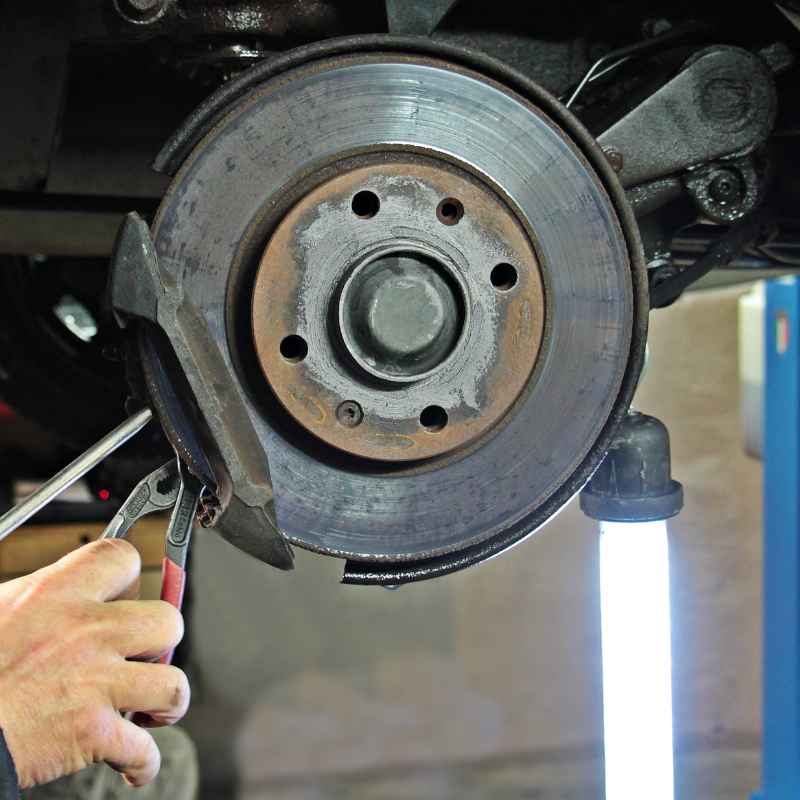
Friction is a force that opposes motion when two surfaces rub against each other. In a car’s braking system, this friction is between the brake pads and the brake discs, also known as rotors. When you press the brake pedal, hydraulic fluid pushes the brake pads onto the rotors.
This gripping action slows down the rotation of the wheels.
The energy that makes the car move (kinetic energy) doesn’t just disappear. It has to go somewhere. The braking system cleverly turns this kinetic energy into thermal energy, which is heat.
The faster the car is going, the more kinetic energy it has, and the more heat is produced during braking.
How Brake Pads Work
Brake pads are made from special materials that can withstand high temperatures and provide the necessary friction. They are designed to wear down over time as they do their job. When you brake, the pad material grinds against the rotor.
This grinding action is what creates the friction needed to slow the vehicle.
The composition of brake pads varies. Some are made from organic materials, others from semi-metallic compounds, and some from high-performance ceramic materials. Each type offers different levels of performance, durability, and heat resistance.
For example, organic pads are quieter and less harsh on rotors but may wear out faster and overheat more easily.
What Are Brake Rotors
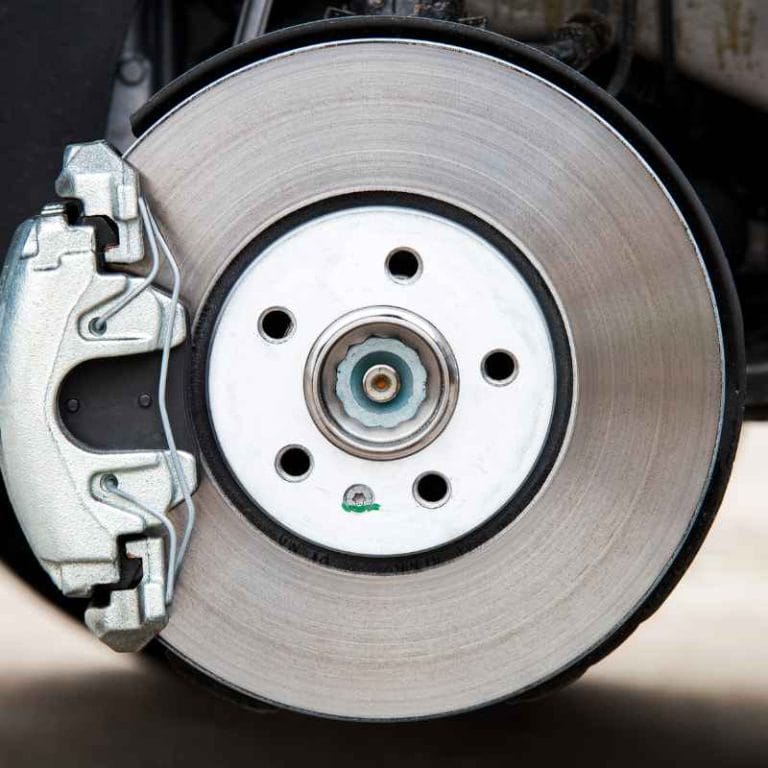
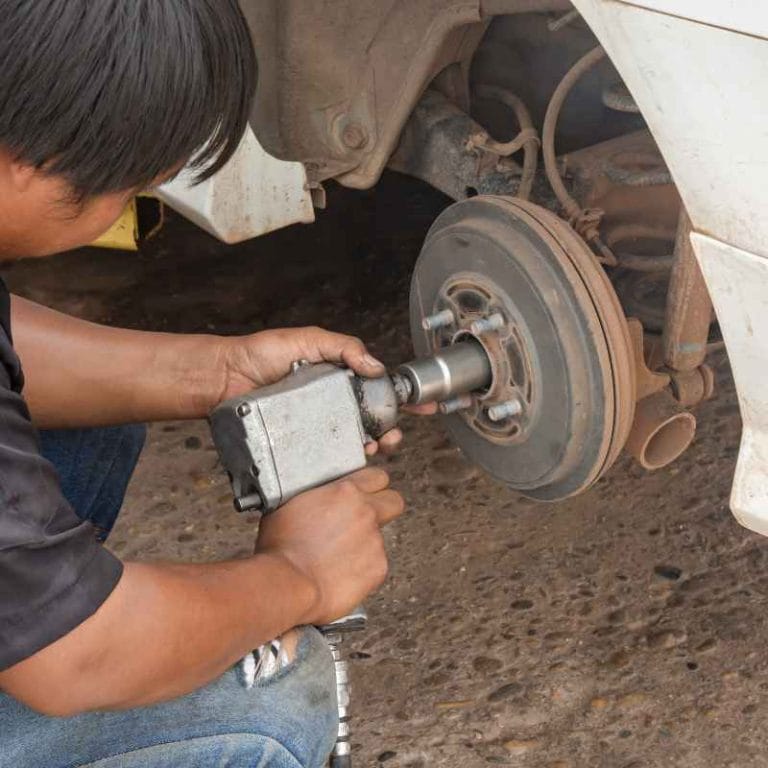
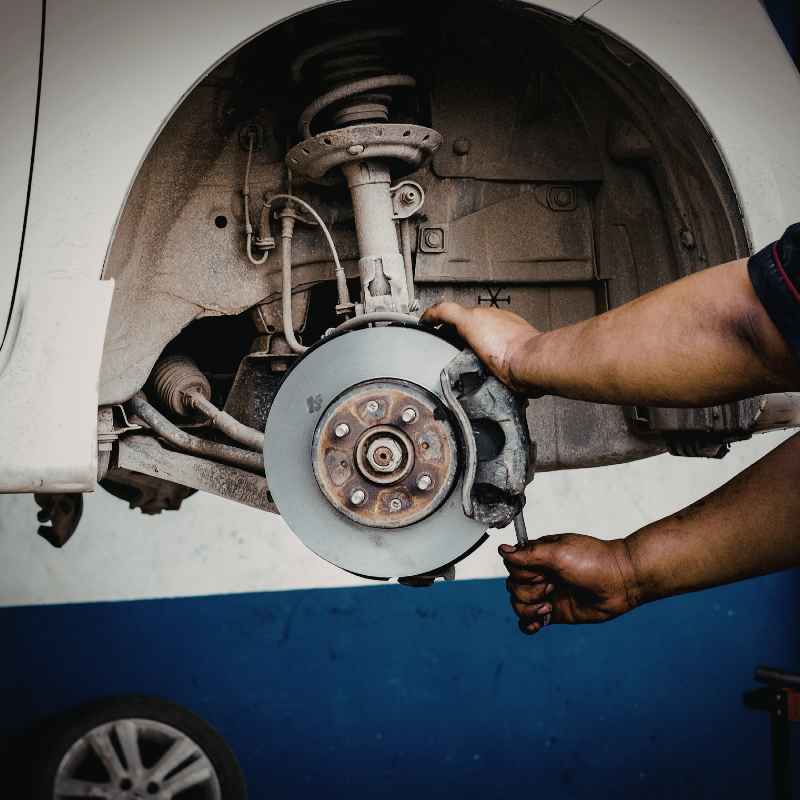
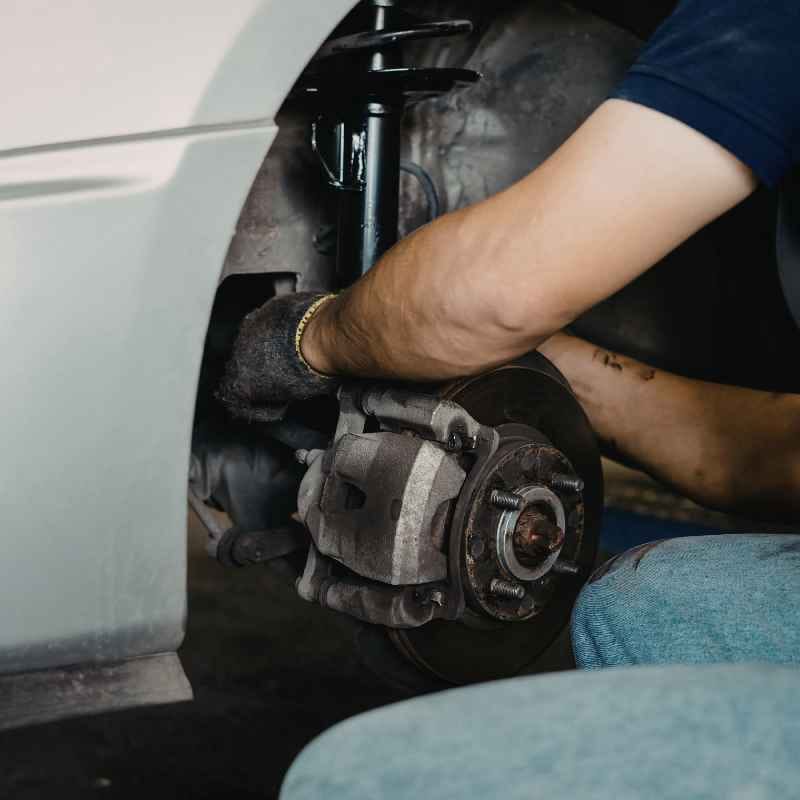
Brake rotors, also called brake discs, are the metal rings that rotate with the wheels. They are typically made of cast iron or steel. The brake pads clamp onto these rotors to slow down the wheel’s rotation.
The surface of the rotor needs to be smooth and even to ensure consistent braking.
Over time, rotors can develop grooves or become warped due to repeated heating and cooling cycles. Warped rotors can cause vibrations when you brake, and worn rotors may not provide enough surface area for the pads to grip effectively. Regular inspection of rotors is crucial for safe braking.
Factors Leading to Overheating
Several things can cause brakes to get too hot. Driving downhill for a long time is a big one. When you’re going down a steep hill, you have to brake often to control your speed.
This constant braking generates a lot of heat.
Heavy loads also play a role. If your car is carrying a lot of weight, like passengers and luggage, the brakes have to work harder to stop it. This means more friction and more heat.
Driving aggressively, with lots of sudden stops and starts, also heats up the brakes quickly.
Heavy Braking Situations
Heavy braking situations are when the brakes are used forcefully or for extended periods. This can happen during emergency stops or when driving in heavy traffic where you frequently need to slow down or stop. Downhill driving is a classic example; constant light to moderate braking to maintain a safe speed can generate significant heat over time.
Imagine descending a long mountain road. You’re not slamming on the brakes, but you are applying pressure continuously. This sustained effort causes the brake components to absorb and dissipate a large amount of energy as heat.
If the cooling system of the brakes cannot keep up, overheating occurs.
Driving with Heavy Loads
When a vehicle is loaded with extra weight, its inertia increases. Inertia is the tendency of an object to resist changes in its state of motion. A heavier car requires more force to slow down and stop.
This increased force translates directly into more work done by the braking system.
The brake pads and rotors have to generate more friction to counteract the greater momentum of the heavier vehicle. This extra friction leads to increased heat generation. If the braking system isn’t designed for such heavy loads or if the driver isn’t accustomed to the longer stopping distances required, brakes can overheat.
Aggressive Driving Habits
Aggressive driving, characterized by rapid acceleration, hard braking, and frequent lane changes, puts significant stress on all vehicle components, including the brakes. Each instance of hard braking generates a burst of heat. When these actions are repeated frequently, the brakes have little time to cool down between applications.
This continuous cycle of heating and insufficient cooling can lead to a rapid rise in brake temperature. Drivers who tend to tailgate or who don’t anticipate traffic flow are more likely to engage in aggressive braking, increasing the risk of brake overheating.
What Happens When Car Brakes Get Too Hot
When your car’s brakes get too hot, several things can happen, none of them good. The most significant issue is called brake fade. This is when your brakes don’t work as well as they should.
It’s a dangerous situation because it takes longer to stop your car.
You might also hear strange noises or feel vibrations when you brake. Sometimes, the brake pedal can feel soft or go all the way to the floor. These are all signs that your brakes are not happy.
Brake Fade Explained
Brake fade is a serious condition that occurs when brake performance is significantly reduced due to excessive heat. As brake components like pads and rotors heat up, their friction properties can change. At very high temperatures, the friction material on the brake pads can start to break down or outgas.
This breakdown releases gases between the pad and rotor, creating a barrier that reduces the direct contact needed for effective braking. This phenomenon is known as gas fade. Another type is pad material fade, where the pad material itself loses its ability to generate sufficient friction at extreme temperatures.
The result is that pressing the brake pedal provides less stopping power than usual. It feels like you have to push much harder, and even then, the car slows down much more slowly. In severe cases, this can lead to a dangerous loss of control.
Types of Brake Fade
There are two primary types of brake fade to be aware of: gas fade and pad material fade. Gas fade happens when the brake pads heat up so much that they release gases. These gases get trapped between the brake pad and the rotor, acting like a lubricant and reducing friction.
Pad material fade occurs when the friction material on the brake pads essentially starts to melt or break down at extreme temperatures. This changes the chemical composition and structure of the pad, making it less effective at gripping the rotor. Both types lead to a noticeable decrease in stopping power.
Signs of Brake Fade
The most common sign of brake fade is a spongy or soft brake pedal. This means the pedal feels mushy and goes further down than it normally would when you press it. You might also notice a reduced ability of your car to slow down, even when you apply significant pressure to the brake pedal.
Sometimes, drivers report a burning smell coming from the wheels. This is often the smell of the brake pads overheating. Loud noises, such as squealing or grinding, can also accompany brake fade, although these can also indicate other brake issues.
Impact on Braking Performance
When brakes overheat, their ability to stop the car is compromised. This means your stopping distance increases, which can be very dangerous, especially in emergency situations or when following other vehicles closely. The car simply won’t stop as quickly as you expect it to.
This reduced performance is not just an inconvenience; it’s a safety hazard. It’s crucial to recognize the signs of overheating and take appropriate action to prevent brake fade from occurring.
Increased Stopping Distances
The most critical consequence of brake overheating is an increase in stopping distances. When brake fade occurs, the car takes longer and travels further to come to a complete stop. This is a direct result of the reduced friction between the brake pads and rotors.
Consider a scenario where you need to stop suddenly. If your brakes are overheated, the distance your car travels from the moment you apply the brakes to when it stops will be significantly longer than it would be with properly functioning, cool brakes. This added distance can mean the difference between a safe stop and an accident.
Potential for Complete Brake Failure
In extreme cases of overheating, especially during prolonged or very heavy braking, there’s a risk of complete brake failure. This happens when the brakes become so hot that the friction materials are severely degraded, or when other components like brake fluid can no longer function properly.
Brake fluid is designed to withstand high temperatures, but under extreme conditions, it can boil. If brake fluid boils, it creates air bubbles within the brake lines. Air is compressible, unlike fluid, so when you press the brake pedal, the pressure is used to compress the air bubbles rather than pushing the brake pads against the rotors.
This results in a pedal that goes straight to the floor with no braking action.
Other Symptoms of Overheating
Beyond reduced braking power, overheating brakes can present other noticeable symptoms. These can include unusual smells, sounds, and changes in how the brake pedal feels. Paying attention to these signals can help you address a problem before it becomes critical.
These symptoms are your car’s way of telling you something isn’t right. Ignoring them can lead to more serious damage and safety risks.
Burning Smells
A distinct burning smell, often described as acrid or like burning rubber, is a common indicator that your brakes are getting too hot. This smell is usually caused by the friction material on the brake pads overheating and starting to break down or vaporize.
This can happen if you’ve been riding your brakes down a long hill or if you’ve engaged in a lot of aggressive braking. The smell is often more noticeable after you’ve stopped driving, as the hot components begin to cool. If you detect this smell, it’s a sign to let your brakes cool down and inspect them as soon as possible.
Grinding or Squealing Noises
While grinding noises often indicate worn brake pads or debris caught in the braking system, excessive heat can also cause them. When brake components overheat, the metal surfaces can become stressed, leading to unusual sounds. Squealing can occur when the brake pads are very hot, as the friction material vibrates at high frequencies.
It’s important to distinguish between normal brake noises and those associated with overheating. A high-pitched squeal during normal braking might be worn pads, but a loud grinding or persistent squealing that appears only during or after heavy braking could signal overheating issues.
Spongy or Soft Brake Pedal
A spongy or soft brake pedal is a classic symptom of overheated brake fluid or significant brake fade. When the brake fluid heats up beyond its boiling point, it can turn into vapor. Air bubbles form in the hydraulic system.
Unlike brake fluid, air is compressible.
When you press the brake pedal, the hydraulic pressure is first used to compress these air bubbles instead of pushing the brake calipers against the rotors. This results in a pedal that feels soft, mushy, and goes much further down than usual. In severe cases, the pedal can go all the way to the floor, leading to a complete loss of braking power.
Preventing Brake Overheating
The best way to deal with what happens when car brakes get too hot is to prevent it from happening in the first place. There are simple driving techniques and maintenance tips that can help keep your brakes cool and working their best.
By being mindful of how you drive and taking care of your car, you can avoid overheating and ensure your brakes are always ready when you need them. Let’s look at how to do that.
Smart Driving Techniques
Driving habits play a huge role in how much heat your brakes generate. Avoiding situations that put excessive stress on the braking system is key. This means thinking ahead and driving smoothly.
Using lower gears when going downhill and reducing speed before braking can significantly help. Gentle, steady braking is much better than hard, sudden stops.
Downhill Driving Strategies
When descending hills, especially long or steep ones, it’s crucial to use engine braking. This involves downshifting to a lower gear (e.g., from D to 3 or 2 on an automatic transmission, or shifting to a lower gear on a manual). The engine’s resistance helps to control your speed without relying solely on the brakes.
By using lower gears, the engine helps to slow the vehicle down, reducing the workload on the brakes. This allows the brakes to remain cooler and more effective. Instead of constantly applying the brakes, you can use them intermittently and gently to maintain your desired speed.
Anticipating Traffic Flow
Anticipating traffic flow is a defensive driving technique that minimizes the need for harsh braking. By observing the road ahead, you can see if traffic is slowing down or stopping well in advance. This allows you to gradually reduce your speed by easing off the accelerator, rather than slamming on the brakes.
Smooth deceleration reduces the amount of friction and heat generated by the brakes. It also contributes to better fuel efficiency and a more comfortable ride for everyone in the car. A common statistic shows that smoother driving can reduce brake wear by up to 20%.
Avoiding Riding the Brakes
“Riding the brakes” means resting your foot on the brake pedal even when you don’t need to slow down significantly, or applying light pressure continuously. This constant, even if slight, friction generates heat without effectively slowing the vehicle. It’s a common habit that leads to brake overheating.
To avoid this, make a conscious effort to keep your foot off the brake pedal when it’s not necessary. If you find yourself resting your foot there out of habit, try to break that habit by placing your foot on the floor or the dead pedal. This ensures that the brakes are only engaged when you intend to slow down.
Vehicle Maintenance
Regular maintenance of your braking system is essential for its performance and longevity. This includes checking brake fluid levels, inspecting brake pads and rotors, and ensuring all components are in good working order.
Keeping your brakes in top condition helps them dissipate heat effectively and prevents potential problems before they start.
Brake Fluid Checks
Brake fluid is a hydraulic fluid that transmits force from the brake pedal to the brakes. It is critical for braking system function. Over time, brake fluid can absorb moisture from the atmosphere.
This absorbed moisture can lower the fluid’s boiling point.
When brake fluid boils, it creates vapor bubbles in the brake lines, leading to a spongy pedal and reduced braking power. Regularly checking and changing brake fluid according to your vehicle manufacturer’s recommendations is vital for maintaining optimal braking performance, especially in high-heat situations.
Inspecting Brake Pads and Rotors
Brake pads and rotors are wear items, meaning they degrade over time with use. Worn brake pads have less material to create friction, and their ability to dissipate heat is reduced. Warped or worn rotors can lead to uneven braking and poor heat transfer.
Regular inspections by a qualified mechanic can identify these issues. Replacing worn pads and resurfacing or replacing rotors when necessary ensures that your braking system can handle the heat generated during normal operation and provides a safety margin for more demanding situations.
Cooling System Efficiency
While most passenger cars don’t have a dedicated active cooling system for brakes (like cooling fans on some performance cars), the design of the brake components themselves facilitates cooling. This includes the shape of the rotors, the ventilation within them, and the airflow around the brake assembly.
Ensuring that brake dust shields are not bent or blocking airflow, and that brake components are clean and free of debris, helps maintain the natural cooling efficiency of the system. Over time, debris can build up, hindering heat dissipation.
Troubleshooting Overheated Brakes
If you suspect your brakes have overheated, it’s important to know what steps to take to address the issue safely. Acting quickly and correctly can prevent further damage and ensure your safety.
We’ll cover what to do immediately if you notice problems and when it’s time to seek professional help.
Immediate Actions
If you experience signs of brake overheating, such as a burning smell or a spongy pedal, the first thing to do is find a safe place to stop your car. Avoid sudden braking if possible. Gently release the accelerator and let the car slow down on its own as much as it can.
Once safely stopped, allow your brakes ample time to cool down completely. This might take 30 minutes to an hour, depending on how hot they got. Do not try to drive again until the brakes have cooled and you can test them safely at low speeds.
Safe Pulling Over
When you realize your brakes might be overheating, the most important immediate action is to find a safe location to pull over. Look for a shoulder on the highway, a side street, or a parking lot. Avoid stopping abruptly in traffic.
Signal your intentions clearly and steer your vehicle to a safe spot away from moving traffic.
Once you’ve stopped, turn on your hazard lights to alert other drivers. The goal is to remove your vehicle from the immediate flow of traffic and give the brakes a chance to cool down without being subjected to further use.
Cooling Down Period
After safely pulling over, let your brakes cool down naturally. This means doing nothing else with them. Do not try to “pump” the brakes to cool them faster, and do not spray them with water, as rapid temperature changes can damage the components.
The time required for cooling depends on how severely the brakes were overheated. It could range from 20-30 minutes for mild overheating to an hour or more for severe cases. During this time, remain patient and avoid driving.
When to Seek Professional Help
If your brakes continue to perform poorly after cooling down, or if you notice any persistent strange noises, vibrations, or a soft pedal, it’s time to get them checked by a professional. Ignoring these signs can lead to more significant damage and safety risks.
A mechanic can diagnose the exact problem, whether it’s worn components, a fluid issue, or something else, and make the necessary repairs.
Persistent Symptoms After Cooling
If you experience symptoms like a spongy brake pedal, reduced braking power, or unusual noises even after the brakes have cooled down and you’ve driven gently for a short period, this indicates a more serious underlying issue. The overheating might have caused damage that won’t resolve on its own.
This damage could include warped rotors, damaged brake pads, or compromised brake fluid. Continuing to drive with such symptoms is unsafe and can lead to more expensive repairs down the line.
Damage to Brake Components
When brakes overheat severely, components can become damaged. Brake pads can be glazed over, meaning their friction surface has hardened and can no longer grip effectively. Rotors can warp or crack due to the extreme temperature changes.
Brake fluid can degrade or boil, creating air bubbles.
A mechanic will inspect all parts of the braking system for signs of heat damage. This might involve checking rotor thickness and condition, examining pad material for glazing or cracking, and testing the brake fluid for moisture content and boiling point.
Frequently Asked Questions
Question: What is the main danger of overheated brakes?
Answer: The main danger is brake fade, which significantly reduces your car’s ability to stop, increasing stopping distances and the risk of accidents.
Question: Can I drive my car after the brakes have cooled down?
Answer: If symptoms like a spongy pedal or poor braking persist after cooling, it’s not safe to drive. Have them inspected by a mechanic first.
Question: How often should I have my brakes inspected?
Answer: It’s generally recommended to have your brakes inspected at least once a year or every 12,000 miles, or more often if you drive in demanding conditions.
Question: What does a burning smell from my brakes mean?
Answer: A burning smell usually indicates that your brake pads and rotors are getting extremely hot, possibly due to heavy or prolonged braking.
Question: Is it safe to pour water on hot brakes?
Answer: No, pouring water on hot brakes can cause them to warp or crack due to rapid temperature changes, leading to further damage.
Summary
Understanding what happens when car brakes get too hot helps you stay safe. Overheating leads to reduced braking and potential failure. Smart driving and regular maintenance are your best defenses.
Always pay attention to your car’s signals.
Related pick: Check today's price on Amazon
Products related to this article
Sponsored / affiliate links. As an Amazon Associate I earn from qualifying purchases. I may earn additional commission from eligible campaigns.
![iPhone Car Charger,USB C Fast Car Charger[Apple MFi Certified] Apple Car Charging 38W Dual Port CarCharger Cigarette Lighter Adapter 2x3ft PD&QC 3.0 Lightning Cable for iPhone 14/13/12 Pro/11/Airpods](https://m.media-amazon.com/images/I/41XizrssoiL._SL500_.jpg) iPhone Car Charger,USB C Fast Car Charger[Apple MFi Certified] Apple Car Charging 38W Dual Port CarCharger Cigarette Lighter Adapter 2x3ft PD&QC 3.0 Lightning Cable for iPhone 14/13/12 Pro/11/Airpods
iPhone Car Charger,USB C Fast Car Charger[Apple MFi Certified] Apple Car Charging 38W Dual Port CarCharger Cigarette Lighter Adapter 2x3ft PD&QC 3.0 Lightning Cable for iPhone 14/13/12 Pro/11/Airpods Car A/C Repair Kit, 270PCS Rubber O-Ring Seal Kit + 40PCS Car Air Conditioner Valve Core Kit for R12 R134a A/C with Remover & Install Tool+10pcs R134a AC Valve Caps, Fix Refrigeration System