Cheapest Car Insurance Comparison Sites That Actually Save
Comparing car insurance online is a smart way to find lower prices. Not all comparison sites are the same, though. Some help you find real savings by showing you many quotes at once.
Others might not offer the best deals.
Understanding Car Insurance Comparison Sites
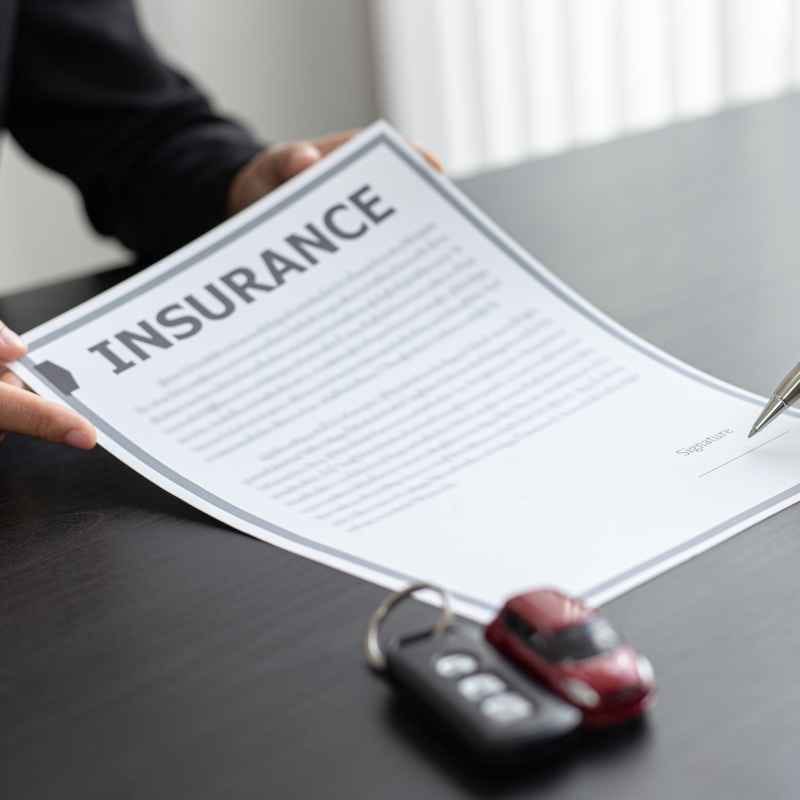
Car insurance comparison sites are online tools. They let you compare quotes from different insurance companies. You fill out one form.
Then, the site shows you prices from many insurers. This saves you time. You don’t have to visit each company’s website.
It’s like shopping for clothes online but for car insurance.
The main idea is competition. When insurers know they are being compared, they might offer better prices. Comparison sites help you see these different prices easily.
They gather information about you and your car. Then they ask insurers for quotes. This information includes your age, driving history, car model, and where you live.
Some sites are brokers. They might get a commission from the insurer. Other sites are just data aggregators.
They simply show you prices. It’s good to know how the site makes money. This can sometimes affect the results you see.
However, most reputable sites aim to give you a broad view of the market.
The goal is to find the cheapest car insurance that still gives you good coverage. You need to balance price and protection. A super cheap policy might have high deductibles or poor customer service.
So, it’s not just about the lowest number. It’s about the best value for your needs.
How Comparison Sites Work to Save You Money
These sites help you save money in a few key ways. First, they save you time. Instead of hours on the phone or many websites, you get many quotes quickly.
This makes shopping around much easier. Many people skip this step because it feels like a lot of work.
Second, they reveal lower prices. Insurers use different pricing models. Some might be very competitive for young drivers.
Others might be cheaper for people with perfect driving records. A comparison site shows you which companies are cheapest for your specific situation. This is very important.
Third, they encourage competition. When insurers see you shopping on a platform with many rivals, they are more likely to offer their best prices. They want your business.
This pressure can lead to lower premiums for you. It’s a win-win in many cases.
Finally, some sites offer extra tools and advice. They might explain different types of coverage. They can also help you understand discounts you might be missing.
This education helps you make better choices. Better choices often lead to lower costs over time.
Why Shopping Around Matters
Most people don’t shop around enough. They stick with their current insurer year after year. This is often a mistake. Prices can change.
Your driving record might improve. New discounts could become available. Insurers also change their pricing strategies.
Loyalty doesn’t always pay. Sometimes, the best rates are for new customers. Insurers want to attract new business. They may offer significant discounts to get you to switch.
Sticking with the same company might mean you are paying more than you need to.
My Own Frustration with Finding Good Rates
I remember a few years back. My car insurance renewal was coming up. I had a decent policy.
It wasn’t the cheapest, but it was okay. I figured I’d just renew it. Then, a friend told me about a comparison site.
I thought, “Why not? It’ll take a few minutes.”
So, I went to one of the popular sites. I entered my details. In about five minutes, I had about ten quotes.
My jaw dropped. One company was offering nearly 20% less than what I was paying! It wasn’t some shady, no-name insurer either.
It was a well-known national company.
I felt a bit silly. I had been overpaying for years. I just accepted my renewal price as fact.
I didn’t realize how easy it was to find better deals. That experience really showed me the power of comparison sites. It wasn’t just about saving a few bucks.
It felt like I had unlocked a secret level of savings.
This led me down a rabbit hole. I started testing different comparison sites. I wanted to see which ones were truly the best.
I wanted to find the ones that consistently showed the lowest prices and offered good coverage. It became a mission to help others avoid my past mistake.
Top Car Insurance Comparison Sites That Offer Real Savings
Not all comparison sites are created equal. Some are better than others at finding the cheapest car insurance. They work differently and partner with different companies.
Here are some of the top ones that consistently help people save money.
1. NerdWallet
NerdWallet is known for its clear, unbiased reviews. They go beyond just showing prices. They also provide helpful articles and tools.
When you use their insurance comparison, you get quotes from many providers. They often include smaller insurers that might have great deals.
Their interface is very user-friendly. You can easily see different coverage options. They explain what each option means.
This makes it less confusing. They often highlight policies that are a good value, not just the absolute cheapest. This is important for getting the right protection.
NerdWallet: Key Features
- Unbiased Reviews: Helps you understand the insurer’s reputation.
- Wide Range of Insurers: Includes many national and regional companies.
- Educational Content: Explains insurance terms simply.
- Focus on Value: Helps you find a balance of price and coverage.
2. The Zebra
The Zebra is another excellent choice. They compare rates from over 200 insurance companies. They have a really straightforward questionnaire.
It asks questions about your driving, your car, and your coverage needs. They aim to get you the most accurate quotes possible.
One thing I like about The Zebra is their “Transparency Score.” This score tells you how much of the insurer’s pricing information is available to them. This can give you an idea of how accurate the quotes might be. They also offer tools to see how changing coverage impacts your rate.
They do a good job of showing you options from both big names and smaller, regional carriers. This is crucial for finding the absolute lowest prices. Smaller companies often have lower overhead.
This can translate into savings for you. They make it easy to see who is cheapest for your profile.
3. Insurify
Insurify is great if you want speed. They claim to find you quotes in just a few minutes. They work with a large network of insurance providers.
This means you get a good selection of options. They also have a helpful app.
They focus on making the process very simple. You enter your basic information, and they do the heavy lifting. Insurify also tracks insurance trends.
They can give you insights into what factors are driving up or down insurance costs. This knowledge can help you in the long run.
Insurify: Quick Look
Speed: Get quotes very fast. Often in under 5 minutes.
Network: Works with many insurance companies.
Ease of Use: Simple interface and mobile app.
Data Insights: Offers information on insurance cost trends.
4. Compare.com
Compare.com is another solid option that works with numerous insurance providers. They aim to show you a wide range of options. Their process is designed to be efficient.
You provide your information once and see multiple quotes.
What sets them apart is their focus on comparison. They want to make it easy for you to see the differences between policies. They might highlight specific discounts or coverage levels.
This helps you make a direct comparison of what you are getting for the price.
5. Bankrate
Bankrate is a well-known personal finance site. They have expanded into insurance comparisons. They partner with various insurers to provide quotes.
Like NerdWallet, they offer a lot of educational content. This helps you understand your insurance options better.
Bankrate’s strength is in its trusted brand. People know and trust them for financial advice. Their insurance tools are built on this foundation.
They aim to present a clear picture of the market. You can compare rates and also learn about different insurance companies. This combination of tools and information is valuable.
What to Look For in a Comparison Site to Ensure Savings
It’s not just about picking a name. You need to know what makes a comparison site good for saving money. Here are some features to look for.
Network Size and Variety
A site that compares prices from many insurers is better. More companies mean more chances to find a low rate. Look for sites that partner with both big, national brands and smaller, regional ones.
Regional insurers can sometimes have much better rates in certain areas. They might specialize in specific customer types.
Accuracy of Quotes
The best sites strive for accurate quotes. This means their forms ask for detailed information. They ask about your car’s safety features, your driving habits, and your coverage needs.
The more accurate the information, the closer the quote will be to the actual price. This prevents surprises later.
Ease of Use and Speed
A site that is hard to navigate or takes too long to give quotes won’t be helpful. You want a smooth process. The form should be easy to fill out.
The results should be displayed clearly. If it’s too much work, you might just give up. Speed is also important.
You want to see prices quickly.
Quick Scan: Are You Getting the Best Deal?
Normal Price: You compare rates at least once a year.
Concerning Price: You haven’t compared rates in over 3 years.
Normal Coverage: You understand your deductible and liability limits.
Concerning Coverage: You are unsure about your policy details.
Transparency and Education
Good sites are transparent. They tell you how they make money. They explain the different coverage options clearly.
They might also show you insurer ratings or customer reviews. This helps you make an informed decision. You aren’t just picking the lowest number.
You are picking the best overall deal.
Some sites might have tools that let you adjust coverage levels. You can see how this changes your price. This is very educational.
It helps you understand what you are paying for. You can then decide if you want to lower coverage to save money or keep it for more protection.
Common Pitfalls to Avoid
Even with the best comparison sites, there are things to watch out for. These can prevent you from getting the best deal or lead to problems.
Not Comparing Enough Sites
Don’t just use one comparison site. Each site works with a different set of insurers. You might find a great deal on one site that isn’t shown on another.
So, it’s wise to check 2-3 different comparison services. This gives you a more complete picture of the market.
Ignoring Coverage Details
The absolute cheapest price is not always the best. Make sure the quotes you are looking at offer the coverage you need. Check the liability limits.
Look at the deductible amounts. If a policy is very cheap, it might have very low limits or a high deductible. This could cost you more in the long run if you have an accident.
Myth vs. Reality: Car Insurance Savings
Myth: All comparison sites show the same prices.
Reality: Each site works with different insurers and pricing tools, leading to varied results.
Myth: The cheapest policy is always the best.
Reality: The best policy offers adequate coverage at a good price. Cheap can mean poor protection.
Myth: My current insurer will always offer me the best deal.
Reality: Insurers often have better rates for new customers. Loyalty doesn’t always pay.
Assuming Online Quotes are Final
The quotes you see online are usually estimates. The insurance company will likely do a more thorough check before issuing the final policy. This might include a driving record check or verifying other information.
If there are discrepancies, the final price could change. Always read the fine print.
Not Checking Insurer Reputation
A low price is attractive, but what about the company itself? Look into the insurer’s reputation. Are they good at handling claims?
Is their customer service reliable? Check reviews and ratings. Sites like J.D.
Power or the Better Business Bureau can offer insights. A cheap policy from a company that makes claims difficult to resolve is not a good deal.
How Different Factors Affect Your Car Insurance Rates
Understanding why your rates are what they are is also key. Comparison sites help you see how these factors play out across insurers. Here are some of the biggest influences on your car insurance cost:
1. Your Driving Record
This is a huge factor. Accidents, speeding tickets, and DUIs will significantly raise your rates. Insurers see you as a higher risk.
A clean driving record for several years can lead to lower premiums. Some companies offer accident forgiveness programs, which can help mitigate the impact of a first at-fault accident.
2. Your Location
Where you live matters a lot. Areas with high rates of car theft, vandalism, or accidents will have higher insurance costs. Even specific ZIP codes within a city can have different rates.
This is due to local crime statistics and traffic patterns. Insurers analyze these risks for pricing.
3. Your Car
The make, model, and year of your car affect your rates. More expensive cars to repair or replace will cost more to insure. Cars that are stolen more often also lead to higher premiums.
Safety features can sometimes lower your rates. The car’s engine size and performance can also play a role.
Car Insurance Cost Factors: Quick List
- Driving History: Tickets, accidents, DUIs.
- Location: ZIP code, crime rates, accident frequency.
- Vehicle Type: Make, model, year, safety features, theft risk.
- Age & Gender: Younger, less experienced drivers often pay more.
- Credit Score: In many states, this impacts rates.
- Coverage Levels: Higher limits and lower deductibles cost more.
- Annual Mileage: More driving generally means higher rates.
- Discounts: Bundling, good student, safety features.
4. Your Age and Experience
Younger drivers, especially teenagers, typically pay the most for car insurance. This is because they have less driving experience and are statistically more likely to be involved in accidents. As drivers get older and gain more experience, their rates usually go down.
Senior drivers may see rates increase again due to potential health or vision changes.
5. Your Credit Score
In many U.S. states, insurers use credit-based insurance scores. They have found a correlation between good credit and lower risk of filing claims.
If you have a good credit score, you will likely pay less for car insurance. However, some states prohibit the use of credit scores for this purpose.
6. Your Coverage Choices
The type and amount of coverage you choose directly impacts the price. Basic liability coverage is cheaper than comprehensive and collision coverage. Higher deductible amounts mean lower premiums.
But remember, a higher deductible means you pay more out-of-pocket if you file a claim.
When a Comparison Site Might Not Save You Money
While comparison sites are powerful tools, they aren’t always the magic bullet. There are situations where they might not yield the savings you expect.
Niche Insurers and Specialty Coverage
Some insurance companies specialize in certain types of drivers or vehicles. Think classic cars, high-performance sports cars, or drivers with very specific needs. These specialty insurers might not be listed on all comparison platforms.
If you have a unique situation, you might need to contact these companies directly.
Bundling Discounts
Many people save money by bundling their car insurance with their home or renters insurance. Comparison sites often focus only on car insurance. They might not show you the full picture of savings you could get by bundling policies with the same company.
You may need to check with insurers directly about bundling options.
Bundling Benefits: A Quick Look
What it is: Buying multiple insurance policies (e.g., auto and home) from the same company.
Why it saves money: Insurers offer discounts for loyalty and combined policies.
How to get it: Ask your current insurer or mention it when getting car insurance quotes.
Very Specific Discounts
Certain discounts might only be available if you go directly to the insurer. This could include specific corporate discounts, alumni association discounts, or even loyalty discounts that aren’t factored into the comparison site’s initial quotes. It’s always worth checking the insurer’s website for a full list of potential savings.
Local or Regional Insurers
While some comparison sites include regional insurers, not all do. Smaller local companies might have very competitive rates in your specific area. These companies may not always partner with the big comparison platforms.
Doing a quick search for insurers licensed in your state could reveal additional options.
My Personal Experience with a “Too Good to Be True” Rate
I recall one instance where a comparison site showed me an incredibly low rate. It was so low, I almost didn’t believe it. It was from an insurer I had never heard of before.
My first thought was, “This is it. This is how they get you.”
I clicked through to the insurer’s website. The questionnaire was a bit different. It asked for more detailed information than the comparison site had.
Then, the final quote came in. It was higher than the initial estimate on the comparison site, but still quite good. I was relieved, but also learned a lesson.
The initial quote was a good starting point. But the fine details can change the price. It also made me realize the importance of checking the insurer’s background.
I did a quick search for reviews and their financial stability. Luckily, they had decent reviews for claims handling. I ended up going with them for that policy and was happy with the service.
This taught me to be cautious but not dismissive of very low rates. It’s a sign to dig deeper. Always verify the information and research the company.
The goal is a genuinely good deal, not a bait-and-switch. It takes a bit more effort, but it’s worth it.
Tips for Maximizing Savings with Comparison Sites
To truly get the most out of car insurance comparison sites, follow these tips.
Be Honest and Accurate With Your Information
Do not inflate or downplay any details. If you lie about your mileage, driving record, or where you park your car, your policy could be canceled or your claim denied. Be truthful in the forms.
This ensures the quotes you get are as accurate as possible.
Know Your Coverage Needs Before You Start
Before you begin comparing, have an idea of what coverage you want. Do you need full coverage (comprehensive and collision)? Or just liability?
What are your desired deductible amounts? Knowing this helps you compare apples to apples. It prevents you from getting tempted by a cheap policy that doesn’t meet your needs.
Quick Fixes for Lower Insurance Rates
- Increase Deductibles: Pay a bit more out-of-pocket if you crash, save monthly.
- Bundle Policies: Combine auto with home/renters insurance.
- Ask About Discounts: Good student, low mileage, safety features, anti-theft devices.
- Improve Credit Score: Where allowed, a better score means lower rates.
- Drive Less: Low-mileage or pay-per-mile policies can save money.
- Install Safety Features: Anti-lock brakes, airbags, etc.
Check Multiple Comparison Sites
As mentioned before, don’t rely on just one. Use 2-3 different reputable comparison sites. This broadens your options and increases your chances of finding the best deal.
Each site may have access to different insurers or pricing algorithms.
Review the Full Policy Details
Once you find a promising quote, go directly to the insurer’s website or talk to an agent. Review the full policy details carefully. Understand all the terms, conditions, exclusions, and limits.
Make sure it aligns with what you expected from the quote.
Consider Insurer Reputation and Service
While price is important, don’t overlook the insurer’s reputation. Look for companies with good customer service and a history of fair claims handling. Check online reviews or ratings from organizations like the National Association of Insurance Commissioners (NAIC) or Consumer Reports.
The cheapest policy isn’t worth it if the company is difficult to work with.
Real-World Scenarios: Who Saves the Most?
Certain types of drivers and situations tend to benefit the most from using comparison sites.
New Drivers and Young Drivers
These drivers often face the highest premiums. Comparison sites can be a goldmine for them. By showing quotes from many insurers, they can find companies that are more competitive for younger demographics.
A difference of 10-20% can be huge when premiums are already high.
Drivers with Clean Records
If you have a perfect driving record, you deserve the best rates. Comparison sites help you find insurers that reward this. They can show you companies that offer significant discounts for safe driving.
This is where shopping around really pays off.
Driver Profile: Who Benefits Most?
Scenario: Young driver (18-25) with a clean record.
Benefit: Can find insurers specializing in younger drivers or offering safe driver discounts.
Scenario: Mid-career driver (30-50) with a good record and a new car.
Benefit: May find competitive rates for comprehensive coverage and potentially bundle discounts.
Scenario: Senior driver (65+) with a clean record and a modest car.
Benefit: Can discover insurers offering discounts for experienced drivers or vehicles.
People Who Haven’t Switched Insurers in Years
If you’ve been with the same company for a decade, chances are you’re overpaying. Insurers often have the best rates for new customers. Comparison sites can quickly show you how much you could save by switching.
It’s a wake-up call for loyal customers.
Drivers in Competitive States
Some states have more insurance companies competing for business than others. In these states, comparison sites are incredibly effective. They can quickly sift through the many options to find the best deals.
California, Texas, and Florida are examples where shopping around is highly recommended.

Frequent Questions About Car Insurance Comparison Sites
Are car insurance comparison sites free to use?
Yes, most car insurance comparison sites are free for consumers to use. They make money by earning a commission from insurance companies when a customer purchases a policy through their platform, or through advertising.
Will using a comparison site lower my credit score?
No, using a car insurance comparison site will not lower your credit score. The information you provide is typically used to get “soft” quotes, which do not impact your credit. Only a full policy application and purchase might involve a credit check that could be a “hard” inquiry.
Can I get the same rates on a comparison site as going directly to the insurer?
Usually, yes. Reputable comparison sites aim to show you the same rates you would get by going directly to the insurer. However, sometimes insurers may offer slightly different rates or exclusive discounts directly on their own websites.
What information do I need to provide to use a comparison site?
You will typically need your driver’s license information, vehicle details (VIN, make, model, year), your address, driving history (accidents, tickets), current coverage details (if any), and contact information.
How often should I compare car insurance rates?
It’s recommended to compare car insurance rates at least once a year, or whenever you experience a major life change such as moving, buying a new car, or getting married. This ensures you are always getting the best possible rate for your situation.
Do comparison sites include all insurance companies?
No, most comparison sites do not include every single insurance company. They partner with a large network of insurers, but some smaller or specialized companies might not be listed. This is why it’s good to check multiple comparison sites and also research companies directly.
Conclusion
Car insurance comparison sites are powerful allies in your quest for savings. They simplify the complex world of insurance. They empower you to find the cheapest car insurance without sacrificing quality coverage.
By understanding how they work and using them wisely, you can unlock significant savings. Remember to compare thoroughly, check coverage details, and consider the insurer’s reputation. Happy saving!
Products related to this article
Sponsored / affiliate links. As an Amazon Associate I earn from qualifying purchases. I may earn additional commission from eligible campaigns.