Why Is My Car Brake Pedal Suddenly Stiff
It can be quite startling when your car brake pedal suddenly feels hard and difficult to press. For anyone new to car maintenance, this can seem like a big, scary problem. You might worry about driving safely.
Don’t worry! We’re going to break down why this happens in simple steps. We will explain what might be going on with your brakes so you can understand it easily and know how to fix it.
Get ready for a straightforward guide that will make this issue clear.
Common Reasons For A Stiff Brake Pedal
A stiff brake pedal is a common issue that many car owners face at some point. It’s a signal that something isn’t quite right with your braking system. For beginners, the brake system can seem complicated, with many parts working together.

NAWESRVA
Universal Dual Brake Car Passenger Side Pedal…
- PASSENGER SIDE INSTRUCTOR BRAKE CONTROL: Designed for driving instructors, driving schools, and supervised driver training, this d…
- SMOOTH DOUBLE BEARING BRAKE SYSTEM: Built with a double bearing rolling mechanism to reduce friction and provide smoother pedal mo…
- DURABLE STAINLESS STEEL CONSTRUCTION: Made from high-quality stainless steel with a secure connection structure, this passenger br…
As an Amazon Associate I earn from qualifying purchases.
When the pedal becomes stiff, it means the normal hydraulic pressure isn’t being built up or is being blocked. This often points to issues with components like the brake booster, vacuum leaks, or problems within the brake lines themselves. Understanding these potential causes is the first step to getting your car back in safe working order.
The Role Of The Brake Booster
The brake booster is a vital part of your car’s braking system. Its main job is to make it easier for you to push the brake pedal. It uses engine vacuum or an electric pump to amplify the force you apply.
This means you don’t have to push down with all your might to stop your car. If the brake booster isn’t working correctly, you’ll feel a significant difference in pedal feel.
When the brake booster fails, it can no longer provide the extra assistance needed. This is often due to a leak in the vacuum hose that connects it to the engine. The engine’s vacuum is what powers the booster.
If this vacuum is lost, the booster can’t do its job. Another common failure point is the booster’s internal diaphragm. If this breaks, it can prevent the booster from functioning.
Think of it like using a lever. The brake booster is the lever arm that multiplies your effort. Without it, you’re trying to lift a heavy weight with just your own strength, which becomes very difficult.
A stiff pedal is the direct result of this missing amplification. It’s a clear sign that the system meant to help you brake is no longer doing so.
Signs of a failing brake booster can include a stiff pedal, especially right after starting the engine. Sometimes, you might hear a hissing sound from under the hood, which could indicate a vacuum leak. In some cases, the brake pedal might feel normal for a moment and then suddenly become stiff as you press it.
Vacuum Leaks In The Braking System
Vacuum leaks are a frequent culprit when the brake pedal becomes stiff. The brake booster relies on a consistent vacuum from the engine to operate. This vacuum acts like a helping hand, reducing the effort needed to engage the brakes.
When there’s a leak in this vacuum line, the booster doesn’t get the necessary suction.
These leaks can happen for several reasons. The vacuum hose itself can crack, become brittle, or get damaged over time due to heat and age. The connections where the hose attaches to the booster or the engine intake manifold can also become loose or develop cracks.
Even a small leak can significantly impact the booster’s performance.
Imagine trying to suck liquid through a straw with a hole in it. You won’t get much suction, and it will be hard work. Similarly, a vacuum leak prevents the brake booster from creating the strong vacuum it needs.
This directly leads to a stiff brake pedal because the booster cannot help you press it down.
Diagnosing a vacuum leak often involves listening for hissing sounds while the engine is running. Mechanics might also use smoke machines to find the exact location of the leak. Replacing a damaged vacuum hose is usually a straightforward repair.
The key is to identify the leak quickly to restore proper brake assist.
The consequences of ignoring vacuum leaks can be serious. Reduced braking performance puts you and others on the road at risk. It’s essential to address these leaks promptly.
Problems With The Master Cylinder
The master cylinder is like the heart of your car’s hydraulic braking system. It’s a component that converts the force from your foot on the brake pedal into hydraulic pressure. This pressure is then sent through the brake lines to the wheels, where it operates the brake calipers or wheel cylinders to slow the car down.
If the master cylinder is faulty, it can cause various braking issues, including a stiff pedal. This can happen if there’s a blockage within the cylinder itself, preventing fluid from flowing properly. It can also occur if the seals inside the master cylinder are worn or damaged, leading to internal leaks.
When fluid can’t move freely or maintain the correct pressure, the pedal will feel stiff.
Think of the master cylinder as a syringe. When you push the plunger (your foot on the pedal), it forces liquid out. If the syringe is blocked or has a leak in its barrel, the liquid won’t come out smoothly or with enough force.
The master cylinder works on a similar principle.
Symptoms of a bad master cylinder might include a pedal that feels soft at times but stiff at others, or a pedal that slowly sinks to the floor. However, in some cases, internal blockages can cause immediate stiffness. It’s important to have this checked by a professional if you suspect issues with the master cylinder.
Replacing a master cylinder is a more involved repair. It often requires bleeding the brake system afterward to remove any air that may have entered. This ensures that hydraulic pressure is correctly applied to all brakes.
How To Diagnose A Stiff Brake Pedal
Figuring out why your car brake pedal is suddenly stiff involves a process of elimination and careful observation. It’s like being a detective for your car. You need to look at the symptoms and consider the most likely causes.
Starting with the simplest checks can often lead you to the problem without needing to call a mechanic right away.
The first step is to note when the stiffness occurs. Does it happen as soon as you start the car, or after you’ve been driving for a bit? Does it happen every time you brake, or only sometimes?
These details are crucial. For instance, a pedal that is stiff immediately upon starting the engine often points to a brake booster issue.
You should also listen for any unusual sounds. Hissing noises under the hood can indicate a vacuum leak. A grinding or squealing sound when braking might suggest worn brake pads or rotors, though this usually affects braking performance more than pedal stiffness.
Checking the brake fluid level is another simple yet important step. Low brake fluid can cause a spongy pedal, but in some rare cases, air in the lines can also contribute to stiffness.
A visual inspection of the brake system components is also helpful. Look for any obvious signs of damage, leaks, or wear on the brake lines, hoses, and the brake booster itself. Sometimes, a worn brake pedal position sensor can also cause strange pedal behavior, although this is less common for sudden stiffness.
If you’re comfortable doing so, you can also perform a simple test. With the engine off, press the brake pedal a few times. It should feel firm.
Then, start the engine. If the pedal now sinks slightly or feels easier to press, the brake booster is likely working. If it remains stiff or gets even stiffer, the booster might be the issue.
Always remember to be cautious when working on your car’s braking system.
Checking Brake Fluid Levels And Condition
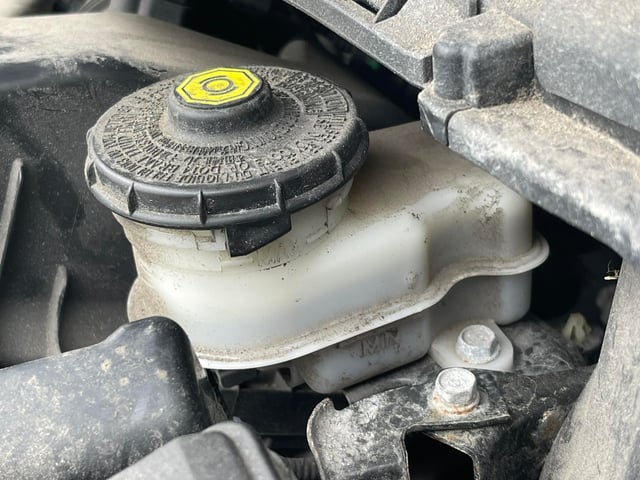
Brake fluid is the lifeblood of your car’s hydraulic braking system. It’s responsible for transmitting the force from your foot on the pedal to the brakes at the wheels. Ensuring this fluid is at the correct level and in good condition is fundamental to proper braking performance.
The brake fluid reservoir is usually located under the hood, near the brake master cylinder. It’s typically a translucent plastic container with “MIN” and “MAX” lines marked on it. When checking the level, the fluid should be between these two marks.
If it’s below the “MIN” line, it could indicate a leak in the system or that your brake pads are severely worn.
The condition of the brake fluid is also important. Over time, brake fluid can absorb moisture from the air. This contamination lowers its boiling point, making it more likely to vaporize under the heat generated during braking.
Vapor in the brake lines can lead to a spongy or ineffective pedal. Also, old fluid can become dirty and corrosive, damaging internal brake components.
Most manufacturers recommend changing the brake fluid every two to three years, or as specified in your owner’s manual. The fluid should look clear or slightly amber. If it appears dark, murky, or contains debris, it’s time for a flush and replacement.
A simple test kit can also be used to check the fluid’s moisture content.
Low brake fluid is more commonly associated with a soft or spongy pedal, but if there’s an air bubble trapped in a line due to low fluid, it can sometimes contribute to stiffness. The primary reason for stiffness related to fluid is usually not the level itself but how the fluid is being pressurized, which relates back to other components.
If you find the brake fluid is low, don’t just top it up without investigating why. It’s a strong indicator of a potential leak that needs immediate attention. Addressing brake fluid issues is a crucial step in maintaining a safe and reliable braking system.
Inspecting The Vacuum Booster And Hoses
The vacuum brake booster plays a critical role in making your brakes easy to operate. It uses the engine’s vacuum to amplify the force you apply to the brake pedal. If this booster or its connecting hoses are compromised, you’ll likely experience a stiff brake pedal.
Begin by visually inspecting the brake booster itself. It’s a round, metal component located between the brake master cylinder and the firewall (the metal partition separating the engine bay from the car’s cabin). Look for any signs of damage, rust, or leaks around its housing.
Sometimes, a faulty diaphragm inside the booster can cause problems.
Next, focus on the vacuum hoses. These are rubber or plastic tubes that connect the brake booster to the engine’s intake manifold or a dedicated vacuum source. These hoses are subject to wear and tear from heat, vibration, and age.
Check them for any cracks, splits, or signs of hardening and brittleness. Squeeze them gently to see if they feel pliable or rigid and prone to breaking.
Pay close attention to where the hoses connect. The fittings at both ends should be secure. A loose connection can easily allow air to leak in, disrupting the vacuum.
You might hear a hissing sound if there’s a significant leak. This sound is often most noticeable when the engine is idling.
If you suspect a leak, you can try carefully spraying a small amount of carb cleaner or unlit propane around the hose connections and the booster housing while the engine is running. If the engine idle speed changes, you’ve likely found the leak. Replacing a damaged vacuum hose is generally a relatively simple and inexpensive repair.
A functional vacuum booster means less effort for you when braking. When it fails, the pedal becomes hard, making it difficult to slow down effectively. Regular inspection of these components is a key part of preventative maintenance for your braking system.
Checking For Obstructions In The Brake Lines
Brake lines are essentially the arteries of your car’s braking system. They are metal or reinforced rubber tubes that carry the hydraulic brake fluid from the master cylinder to the brake calipers or wheel cylinders. If these lines become obstructed, the fluid cannot flow freely, leading to braking problems, including a stiff pedal.
Obstructions can occur for several reasons. Debris can get lodged inside the lines, especially if the system has been opened or if the brake fluid has become contaminated over time. In some cases, a brake hose might collapse internally.
This means the rubber lining on the inside of the hose weakens and can fold inward, acting like a valve and restricting fluid flow.
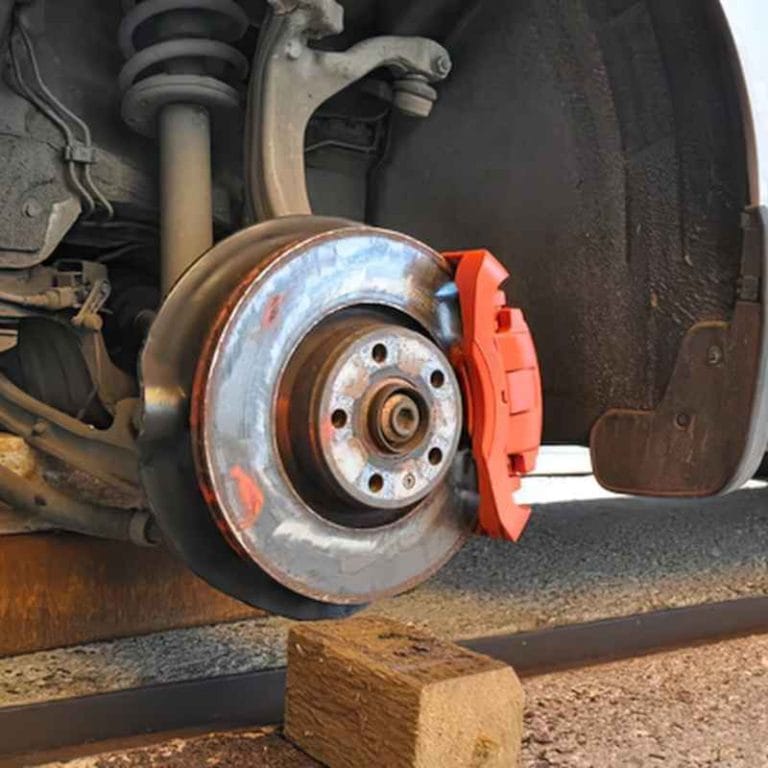
Another potential cause is a partially seized brake caliper or wheel cylinder. If the piston in the caliper or wheel cylinder doesn’t retract properly, it can put constant pressure on the brake pads or shoes. This creates resistance and can make the brake pedal feel stiff.
It can also cause excessive heat buildup.
Diagnosing an obstruction in the brake lines can be challenging without specialized tools. A mechanic might try to bleed the brakes at each wheel. If fluid doesn’t flow out of a particular line when it should, it indicates a blockage.
They can also check if the brake caliper or wheel cylinder is moving freely.
If an obstruction is found in a brake line, it often needs to be replaced. For internal hose collapse or caliper issues, those specific components will require attention. Addressing these obstructions is critical for restoring proper braking pressure and ensuring your safety on the road.
The importance of clear brake lines cannot be overstated. They are essential for smooth and effective braking. Any blockage means the system is not working as intended.
When To Seek Professional Help
While some basic checks for a stiff brake pedal can be done at home, there are situations where it’s essential to consult a qualified mechanic. The braking system is one of the most critical safety components of your vehicle. Any issues with it should be taken seriously.
If you’ve gone through the initial checks, like inspecting fluid levels and visible hoses, and the problem persists, it’s time to involve a professional. This is especially true if you’re not comfortable working on car systems or if you lack the necessary tools. Modern car braking systems can be quite complex.
For example, if you suspect a problem with the brake booster, master cylinder, or internal blockages in the brake lines, these are not typically DIY fixes for beginners. These components require specialized knowledge and diagnostic equipment to repair or replace correctly. Incorrect repairs can lead to further safety hazards.
A mechanic has the expertise to accurately diagnose the root cause of the stiffness. They can perform pressure tests, scan for diagnostic trouble codes (if applicable to your vehicle’s braking system), and use specialized tools to inspect components like ABS modules or brake proportioning valves, which can also affect pedal feel.
Furthermore, if your car’s braking system has ABS (Anti-lock Braking System) or other advanced electronic features, diagnosing issues can become even more intricate. These systems require specific diagnostic tools and knowledge to troubleshoot effectively.
Don’t hesitate to seek professional help if you’re unsure about any aspect of your car’s braking. A mechanic can ensure the repair is done safely and correctly, giving you peace of mind and restoring your vehicle’s braking performance to its optimal level.
The Importance Of ABS Systems
Modern vehicles are increasingly equipped with sophisticated Anti-lock Braking Systems (ABS). ABS is designed to prevent your wheels from locking up during hard braking, allowing you to maintain steering control and reduce stopping distances in certain conditions. While beneficial, ABS can sometimes influence how the brake pedal feels.
When ABS activates, you might feel a pulsing or vibrating sensation in the brake pedal. This is normal and indicates the system is working to prevent wheel lock. However, if the ABS system itself has a malfunction, it could potentially lead to unusual pedal behavior, though a consistently stiff pedal without ABS activation is less likely to be an ABS issue.
A faulty ABS sensor, a problem with the ABS control module, or a leak within the ABS hydraulic unit could, in rare cases, contribute to pedal stiffness. These systems are complex and rely on precise electronic and hydraulic operations. Diagnosing ABS-related issues typically requires specialized scan tools that can communicate with the ABS control module.
For instance, a clogged ABS modulator valve could restrict fluid flow to a specific wheel, but this usually manifests as uneven braking or a warning light rather than a generally stiff pedal. If your car has an ABS warning light illuminated on the dashboard, it’s a strong indicator that the ABS system needs attention.
When diagnosing a stiff brake pedal, especially in newer vehicles, mechanics will consider the ABS system as part of the overall braking network. They can check for ABS-specific fault codes to rule out or identify any problems within this advanced safety feature.
It’s crucial to remember that ABS is an enhancement to your braking system, not a replacement for its core components like the brake booster and master cylinder. Therefore, while it’s a consideration, it’s often not the primary cause of a suddenly stiff brake pedal.
When The Problem Extends Beyond Simple Fixes
Sometimes, the reason your car brake pedal is suddenly stiff is not a simple fix like a loose hose or low fluid. It can indicate a more significant underlying problem that requires advanced diagnostics and repair. These situations demand a professional’s attention to ensure the braking system’s integrity.
For example, if the brake booster has failed internally, it will require replacement. This is a more involved job than just tightening a hose. Similarly, a failing master cylinder needs to be replaced and the entire brake system bled to remove air and ensure proper hydraulic function.
Other complex issues can arise from internal damage to brake lines or hoses. A hose might have a hidden internal collapse, or a metal brake line could be corroded and developing a pinhole leak that is hard to spot visually. These problems mean that the component needs to be removed and replaced.
In some vehicles, the brake system is electronically controlled, especially with features like electronic stability control (ESC) or integrated power brakes. Problems with these electronic modules or their sensors can lead to unusual pedal behavior, including stiffness. Diagnosing these electronic components requires specialized equipment and expertise.
If you’ve performed basic checks and the pedal remains stiff, or if you notice other warning signs like brake warning lights on your dashboard, fluid leaks, or unusual noises, it’s a clear indication that the issue is beyond simple remedies. Taking your car to a trusted mechanic ensures that these more complex problems are addressed correctly and safely.
Your braking system is paramount for safety. Trusting professionals for these more intricate repairs is an investment in your well-being on the road.
Practical Steps For Addressing A Stiff Pedal
When you discover your car brake pedal is suddenly stiff, acting promptly is key. The first step is always to ensure you can drive safely. If the stiffness is severe and braking is compromised, it’s best not to drive the vehicle.
Arrange for a tow to a repair shop.
If the stiffness is less severe, and you need to move the vehicle a short distance or to a safer location, proceed with extreme caution. Remember that a stiff pedal means you’ll need to apply much more force. Allow for longer stopping distances.
For those comfortable with basic car maintenance, checking the brake fluid level is a good starting point. Locate the reservoir, observe the fluid level against the marked lines, and check its color. If the fluid is low or looks very dirty, this is a significant clue.
Next, inspect the vacuum hoses connected to the brake booster. Look for any visible cracks, tears, or loose connections. Listen for hissing sounds when the engine is running, which can indicate a vacuum leak.
If you find a damaged hose, and you have the correct replacement part and tools, this is often a manageable DIY repair.
If these simple checks don’t reveal an obvious cause, or if you’re uncomfortable performing them, it’s time to call in the experts. A mechanic can quickly and accurately diagnose the issue, whether it’s a faulty brake booster, a master cylinder problem, or a more complex obstruction within the brake lines.
Never ignore a stiff brake pedal. It’s a critical safety warning from your vehicle that requires immediate attention to ensure your safety and the safety of others on the road.
Example Scenario One Brake Booster Failure
Sarah was driving her car to work when she noticed her brake pedal felt unusually hard. She had to press down with significant force to slow the car. She remembered that a few days earlier, she’d heard a faint hissing sound near the engine when she first started the car, but she’d dismissed it as normal engine noise.
When she got home, she looked under the hood. She saw that the rubber vacuum hose connecting the brake booster to the engine intake manifold had a visible crack. The hose felt stiff and brittle.
She realized this was likely the cause of the stiff pedal because the brake booster wasn’t getting enough vacuum to assist with braking.
Sarah managed to find a
Example Scenario Two Master Cylinder Issues
John was driving his older pickup truck when his brake pedal suddenly became very stiff. He could still stop the truck, but it required a lot of effort, and he felt uneasy about its responsiveness. He checked his brake fluid, and the level was correct, and it looked clean.
He then examined the vacuum booster and its hoses, but they appeared to be in good condition with no visible leaks. This made him suspect a problem deeper within the braking system. He decided to take his truck to a mechanic.
The mechanic diagnosed that the seals inside the master cylinder were worn out. This was causing an internal leak, preventing the cylinder from building up sufficient hydraulic pressure when the pedal was pressed. The mechanic replaced the master cylinder and then performed a complete brake fluid flush and bleed of the system.
John’s brake pedal returned to its normal, responsive feel, and he felt confident driving his truck again.
Frequently Asked Questions
Question: What is the most common cause of a stiff brake pedal?
Answer: The most common cause of a stiff brake pedal is a faulty brake booster or a vacuum leak in the lines connected to it. The brake booster uses engine vacuum to help you press the pedal, and if it’s not working, braking becomes very difficult.
Question: Can I still drive my car if the brake pedal is stiff?
Answer: Driving a car with a stiff brake pedal is very dangerous. While you might still be able to stop the car with extreme force, your stopping distance will be greatly increased, putting you and others at risk. It is highly recommended not to drive the vehicle and to have it towed to a repair shop.
Question: How much does it cost to fix a stiff brake pedal?
Answer: The cost to fix a stiff brake pedal can vary widely depending on the cause. Replacing a vacuum hose is typically inexpensive, costing maybe $50-$150. However, replacing a brake booster or master cylinder can range from $300 to over $1000, depending on the vehicle and labor rates.
Question: Should I check my brake fluid when the pedal is stiff?
Answer: Yes, checking your brake fluid level and condition is a good first step when experiencing a stiff brake pedal. While low fluid usually causes a spongy pedal, it’s always wise to rule out this simple check. If the fluid is low, it could also indicate a leak elsewhere.
Question: Will my car’s brake warning light come on if the pedal is stiff?
Answer: Not necessarily. A stiff brake pedal due to a brake booster or vacuum leak might not trigger a dashboard warning light. However, if the issue is related to brake fluid level or ABS system problems, a warning light could illuminate.
It’s important to pay attention to any lights on your dashboard.
Wrap Up
A stiff brake pedal means your car’s braking assist system isn’t working correctly. It’s often due to issues with the brake booster or vacuum leaks. Checking these components, along with brake fluid, can help identify the problem.
If you’re unsure or the issue is complex, get professional help to ensure safe braking.
Related pick: Check today's price on Amazon See also can you adjust car brake sensitivity here’s the truth.
Products related to this article
Sponsored / affiliate links. As an Amazon Associate I earn from qualifying purchases. I may earn additional commission from eligible campaigns.