Best Online Tools for Car Price Comparison Today
Finding the right price for a car can feel like a puzzle, especially when you’re new to it. So many websites and numbers can make your head spin. But don’t worry!
We’re here to make things super simple. We’ll guide you step-by-step through using the Best Online Tools for Car Price Comparison Today. Get ready to find great deals without the stress.
Let’s get started on finding your perfect ride at a price you’ll love.
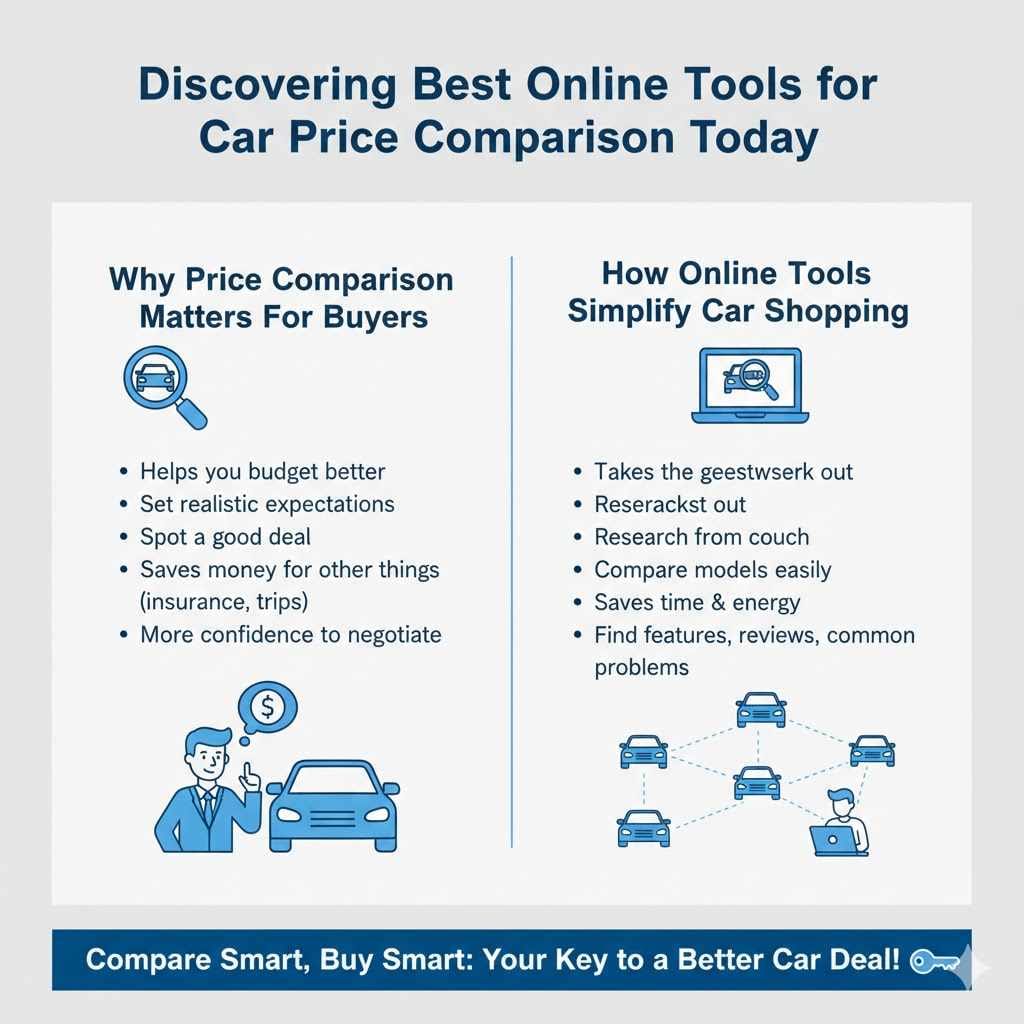
Discovering Best Online Tools for Car Price Comparison Today
When you’re looking to buy a car, knowing if you’re getting a fair deal is important. The market for cars changes, and prices can be quite different from one place to another. This is where smart online tools come in handy.

Hi-Spec
Hi-Spec Metric Auto Mechanic Tool Set Motorcycle…
- METRIC Automotive Tool Kit, All-in-One Repair Solution: Handle a variety of car, motorcycle, and RV repairs; includes all essentia…
- Quick & Smooth Socket Work: Achieve faster repairs with the easy two-way turning 3/8" ratcheting wrench and the comprehensive rang…
- Reach Every Angle: Access hard-to-reach areas with ease using the extension bars and universal joint; ideal for navigating tight e…
As an Amazon Associate I earn from qualifying purchases.
They help you see what others are paying and what a car is truly worth. Learning to use these tools is like having a secret advantage when you shop.
These tools work by gathering information from many sources. This includes dealership listings, private sales, and even auction results. By looking at a wide range of data, they can give you a clear picture of current market values.
This helps you avoid overpaying and ensures you’re making an informed decision. Think of them as your personal car market expert, always ready to give you the latest pricing trends.
Why Price Comparison Matters For Buyers
Understanding car prices helps you budget better. It means you can set realistic expectations for what you can afford. When you know the average price, you can also spot a good deal when you see one.
This saves you money that you can use for other things, like car insurance or fun road trips. It’s all about making smart financial choices.
Being informed also gives you more confidence. You won’t feel pressured by salespeople if you know the true value of the car you’re interested in. This confidence helps you negotiate better.
You can ask for a lower price based on solid evidence from your research. It’s a way to take control of the buying process.
How Online Tools Simplify Car Shopping
Online tools take the guesswork out of car shopping. Instead of visiting many dealerships, you can do much of your research from your couch. You can compare different models and trims easily.
This saves you a lot of time and energy.
These platforms often offer more than just prices. You can also find information on car features, reviews, and common problems. This 360-degree view helps you make a choice that fits your needs perfectly.
It’s a convenient way to gather all the information you need in one place.
Top Online Platforms for Car Price Research
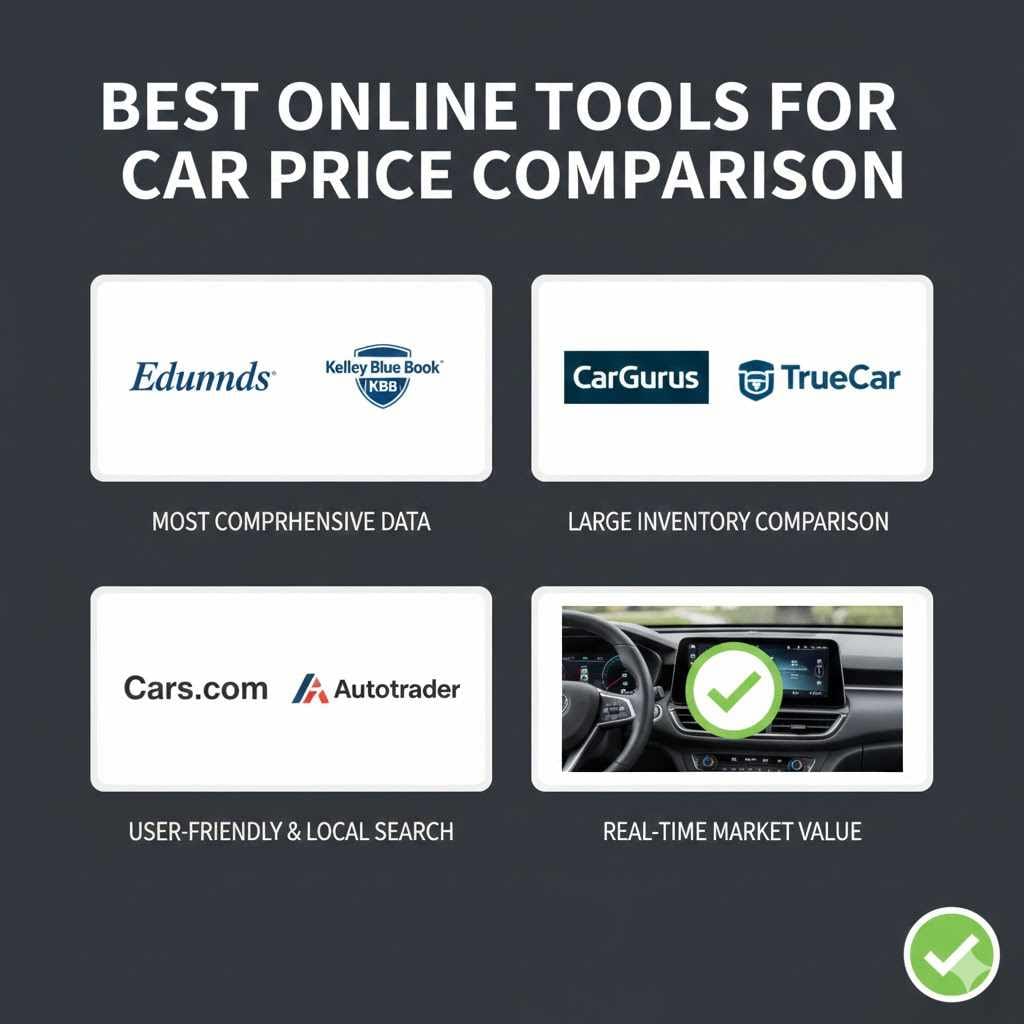
Several websites stand out when it comes to comparing car prices. Each offers something a little different, but they all aim to give you the most accurate market data. We’ll explore some of the best ones available right now.
These platforms are designed to be user-friendly for everyone, from first-time car buyers to seasoned shoppers.
When you visit these sites, you’ll usually find tools to check the value of a specific car. You can input the year, make, model, and mileage. Some even ask about the car’s condition and options.
Based on this, they provide an estimated price range. This range helps you understand if a seller’s price is fair.
Edmunds A Trusted Name
Edmunds is a well-known name in the car industry. They provide comprehensive reviews and pricing information. Their tools help you find out what others are paying for new and used cars in your area.
Edmunds offers pricing tools for both buyers and sellers.
What Edmunds Offers
- New Car Pricing: Get dealer quotes and see what others paid. Edmunds shows you the invoice price and the market value. This helps you know what a fair price is before you talk to a dealer.
- Used Car Values: Find the trade-in value and private party value for used cars. This is useful if you’re selling your old car or buying a used one.
- Expert Reviews: Detailed reviews from car experts help you understand a car’s performance and features.
Edmunds’ pricing data comes from a large network of dealers and buyers. This makes their estimates quite reliable. They also have a “True Market Value” (TMV) that reflects what people are actually paying.
This is a key metric for any shopper.
Real-Life Example: Sarah wanted to buy a used Honda Civic. She used Edmunds to check the average price for a 2018 model with 40,000 miles in her city. The site showed a range of $18,000 to $20,000.
When she found a car listed for $21,500, she knew it was overpriced and negotiated down.
Kelley Blue Book For Fair Market Prices
Kelley Blue Book, often called KBB, is another very popular source for car valuations. It has been around for a long time and is trusted by many. KBB provides various values, including retail, trade-in, and private party values.
Key Features of KBB
- Fair Purchase Price: KBB shows you a price range that consumers are paying for a car. This is based on actual sales data.
- Trade-In Value: If you have a car to trade in, KBB can give you an estimate of its worth. This helps you when discussing your new car’s price.
- For Sale By Owner Prices: Find out what private sellers are asking for their cars.
KBB’s data is extensive and updated regularly. They also consider regional differences in pricing. This ensures their values are as accurate as possible for your specific location.
Using KBB can give you a solid understanding of a car’s worth.
Sample Scenario: John is selling his 2015 Toyota Camry. He uses KBB to find its private party value. KBB estimates $12,500.
He then lists his car for $12,800, knowing he can likely sell it quickly within that fair market price.
NADA Guides Reliable Data
NADA Guides is a resource that is often used by financial institutions and dealerships. This means its data is quite formal and widely accepted. It offers values for new and used vehicles, including recreational vehicles and boats.
NADA Guides Strengths
- Valuation Reports: Provides detailed reports on vehicle values, often including options and condition adjustments.
- Market Trends: Shows trends in depreciation and market demand.
- Dealer Pricing Insights: Offers information that dealerships use, giving you an insider’s view.
While NADA Guides might seem more formal, its data is very accurate. It’s a great tool for those who want to dig a little deeper into car valuations. Understanding NADA values can give you an edge in negotiations.
CarGurus And Dealer Insights
CarGurus is a bit different because it focuses heavily on how long cars have been listed for sale. This can tell you if a car is priced too high or if it’s a great deal. They analyze millions of listings to give you price guidance.
What CarGurus Provides
- Price Analysis: CarGurus grades listings as “Great Deal,” “Good Deal,” “Fair Deal,” etc. This is based on market value and how long the car has been on the market.
- Dealer Reviews: You can read reviews from other buyers about dealerships.
- Instant Market Value: Get an estimate of a car’s current market value.
This platform is excellent for spotting good deals quickly. If a car has been sitting on the lot for a while and is priced well, it might be a sign of a great bargain. They make it easy to see what’s moving and what’s not.
Real-Life Example: Maria was looking for a specific SUV. On CarGurus, she saw a listing that was marked “Great Deal” and had been listed for only 5 days. She contacted the dealer immediately and was able to secure the car at a price significantly below other similar listings.
Consumer Reports For Unbiased Opinions
Consumer Reports is known for its unbiased testing and reviews. While they don’t always provide direct price comparisons in the same way as other sites, they offer crucial information that influences price. Their reliability ratings and owner satisfaction scores can help you decide if a car is worth the investment long-term.
Consumer Reports Benefits
- Reliability Ratings: Provides detailed ratings on the reliability of various car models over several years. This can help you avoid cars with a history of expensive repairs.
- Owner Satisfaction: Shows how satisfied current owners are with their vehicles.
- Predicted Ownership Costs: Offers estimates on fuel costs, maintenance, and potential repair expenses.
By understanding a car’s long-term costs and reliability, you can make a more informed decision about its total value, not just its sticker price. This foresight can save you a lot of money and headaches down the road.
How To Effectively Use Car Price Comparison Tools
Using these tools isn’t just about looking at numbers; it’s about using the information wisely. There are steps you can take to get the most out of them. This ensures you’re not just comparing prices but making the best possible deal for yourself.
The first step is to be very specific with the car you’re researching. The more details you provide, the more accurate the results will be. Think about the exact year, make, model, and trim level.
Don’t forget to consider any optional packages or features.
Gathering Specific Vehicle Details
Before you even go to a comparison website, have all the car’s information ready. This includes the exact model year, the make (like Toyota or Ford), the model (like Camry or F-150), and the specific trim level (like LE or XLT). If it’s a used car, know its mileage and any significant damage or upgrades.
For a used car, consider its condition honestly. Is it in excellent shape, good, fair, or poor? Note any custom parts, accident history, or major repairs.
This detailed information will help the online tools give you a more precise valuation. It’s like giving your doctor all your symptoms for an accurate diagnosis.
Comparing Prices Across Multiple Platforms
Don’t rely on just one website for your price comparison. Each tool uses slightly different data and algorithms. By checking several sites, you get a broader perspective and a more balanced price range.
This helps you see if one site’s estimate is an outlier.
For instance, you might find that Edmunds prices a car higher than KBB. This could be due to different data sources or how they weigh certain factors. Seeing this variation helps you understand the true market fluctuation.
It strengthens your position when you start negotiating.
Sample Scenario: Sarah is looking at a 2020 Toyota RAV4. She checks Edmunds and sees a Fair Market Value of $24,000. KBB suggests $23,500.
CarGurus shows similar listings for $23,800 with a “Good Deal” rating. This suggests that around $23,500 to $24,000 is a reasonable price range.
Understanding Market Value vs. Asking Price
The market value is what the car is generally worth based on current sales and data. The asking price is what the seller wants for the car. These two can be very different.
Your goal is to bridge that gap by using your research.
If a car’s asking price is much higher than the market value, it’s a clear sign you have room to negotiate. If it’s lower, it could be a great deal, but also be cautious. Sometimes, a low price can indicate hidden problems.
Always investigate further if a price seems too good to be true.
Adjusting For Location And Condition
Car prices can vary significantly based on where you are. For example, a car might be more expensive in a major city than in a rural area. Climate can also play a role; cars in snowy regions might have higher prices if they have rust issues.
The condition of the car is also a major factor. A car with low mileage, excellent maintenance records, and no accidents will be worth more than one that has been driven hard or poorly maintained. When using comparison tools, always select the option that best reflects the car’s actual condition and your geographic area.
Table: Price Adjustment Example for a 2019 Ford F-150 (Estimated Base Value: $28,000)
| Factor | Adjustment | New Estimated Value |
|---|---|---|
| Location (Major City vs. Rural) | + $1,000 (City) | $29,000 |
| Mileage (Below Average) | + $500 | $29,500 |
| Condition (Excellent, No Accidents) | + $1,200 | $30,700 |
| Rust (Minor surface rust) | – $800 | $29,900 |
This table shows how different factors can change the value of a car. Using tools that allow these adjustments makes your price estimates more accurate.
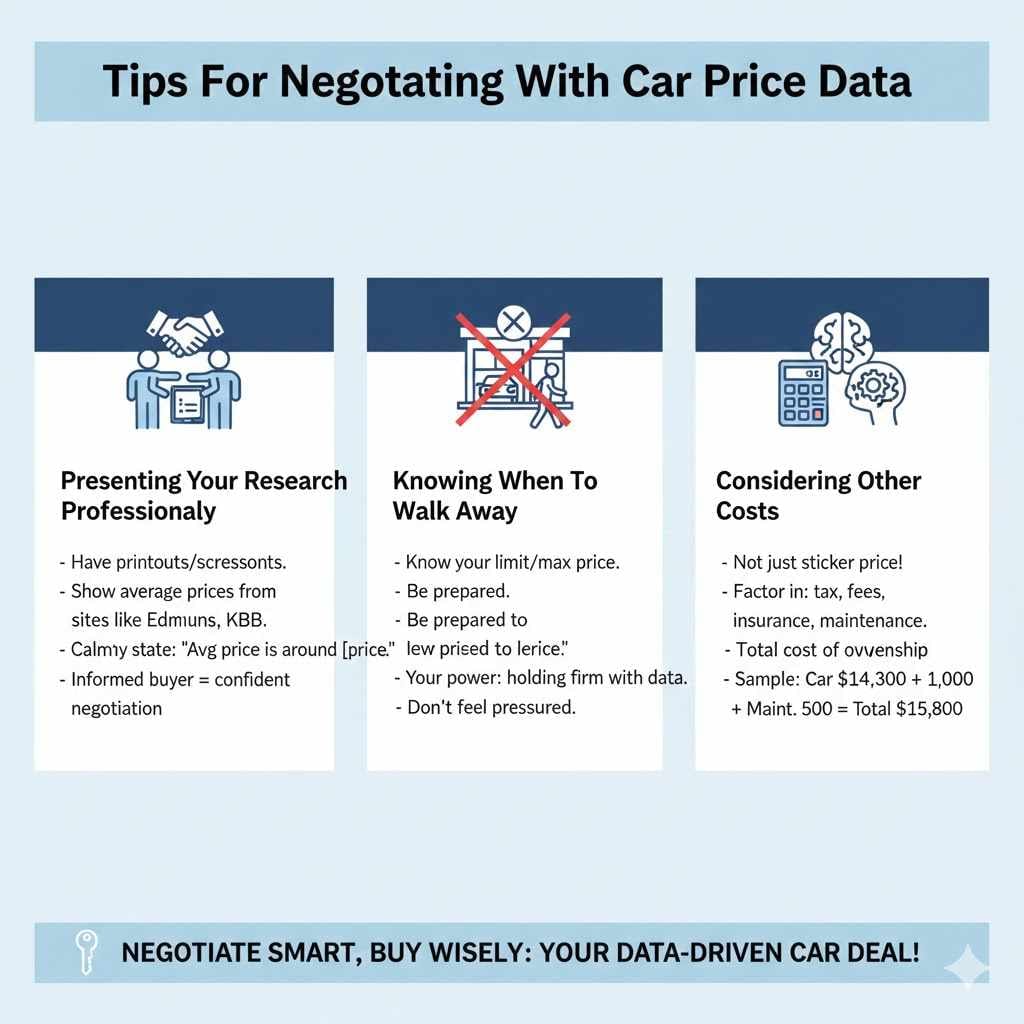
Tips For Negotiating With Price Data
Armed with your research from the Best Online Tools for Car Price Comparison Today, you’re ready to talk prices. Negotiation can be stressful, but having solid data makes it much easier. You become an informed buyer, not just someone hoping for a good deal.
Approach the negotiation calmly and politely. Present your research as helpful information, not as an attack on the seller’s price. Your goal is to reach a price that is fair for both you and the seller.
Presenting Your Research Professionally
When you’re ready to negotiate, have printouts or screenshots of your price comparisons. Show the seller the average prices you found on reputable sites like Edmunds or KBB. Explain that you’re looking for a fair deal based on current market conditions.
Instead of saying “Your price is too high,” try something like, “I’ve been looking at similar cars in the area, and based on my research from sites like , the average price seems to be around .” This shows you’ve done your homework.
Knowing When To Walk Away
Sometimes, even with negotiation, a seller might not be willing to meet a fair price. It’s crucial to know your limit and be prepared to walk away. There are always other cars out there.
Holding firm on your price based on your research is your power.
If the seller won’t budge and their price is still significantly above the market value, politely thank them for their time and leave. Often, sellers will reconsider if they see you’re serious and informed. If not, you can continue your search.
There’s no need to feel pressured into a bad deal.
Considering Other Costs Beyond The Sticker Price
The price of the car is just one part of the total cost of ownership. Remember to factor in other expenses. These include sales tax, registration fees, insurance, and potential maintenance costs.
Some online tools can help you estimate these as well.
For example, if two cars are priced similarly, but one has much higher insurance rates or is known for costly repairs, you might choose the other. Looking at the total picture helps you make the most financially sound decision.
Sample Scenario: David found a car listed at $15,000. His research showed the market value was $14,000. He negotiated and bought it for $14,300.
However, he also factored in $1,000 for taxes and fees, and an estimated $500 for immediate maintenance. His total cost was $15,800, which he was comfortable with.
Frequently Asked Questions
Question: What is the best way to compare car prices online
Answer: The best way is to use multiple reputable car pricing websites like Edmunds, Kelley Blue Book, and CarGurus, inputting the exact details of the car you’re interested in, and comparing the estimated values they provide to get a solid price range.
Question: Are online car price comparison tools accurate
Answer: Yes, these tools are generally accurate because they use vast amounts of data from actual sales, dealer listings, and market trends. However, always compare a few to get the most reliable estimate.
Question: Can I use these tools to sell my car too
Answer: Absolutely. Most of these tools provide estimated trade-in values and private party sale prices, which are very helpful when you’re looking to sell your current vehicle.
Question: Do I need to pay to use these car price comparison sites
Answer: No, most of the primary car price comparison tools are free to use for consumers. Some may offer premium services, but the core valuation features are typically available without charge.
Question: How do I ensure I’m getting the best deal
Answer: Use the price comparison tools to understand the market value, be prepared to negotiate based on your research, and consider the total cost of ownership beyond just the sticker price.
Wrap Up
Using the Best Online Tools for Car Price Comparison Today makes buying or selling a car much simpler. You now have the knowledge to compare prices effectively and negotiate with confidence. These tools empower you to make smart choices.
Go ahead and find that perfect car at a great price!
Related pick: Check today's price on Amazon
Products related to this article
Sponsored / affiliate links. As an Amazon Associate I earn from qualifying purchases. I may earn additional commission from eligible campaigns.