Which Company Car Is Better? Full Breakdown Here
The best company car depends on your specific needs, job duties, and personal preferences. Options range from fuel-efficient sedans to versatile SUVs and trucks. Consider mileage, cargo space, passenger capacity, and overall cost of ownership when making your choice.
Understanding Your Company Car Options
When your company offers a car, it’s a great perk. But what kinds of cars are usually on the list? Most companies offer a few types.
Think about how you’ll use the car each day. Will you drive a lot for sales calls? Do you need to carry tools or samples?
Or maybe you just need a reliable way to get to client meetings.
The main types you’ll see are sedans, SUVs, and sometimes trucks or vans. Each has its own strengths. Sedans are often the most common.
They are good for city driving and look professional. SUVs offer more space and can handle rougher roads better. Trucks are best if you haul a lot of gear.
Vans are usually for specific job roles.
Your company likely has a policy on what cars you can choose. They might have a list of approved models. Some might give you a budget.
Knowing these limits helps narrow down your search. It’s not just about the car itself, but also what fits the company’s rules.
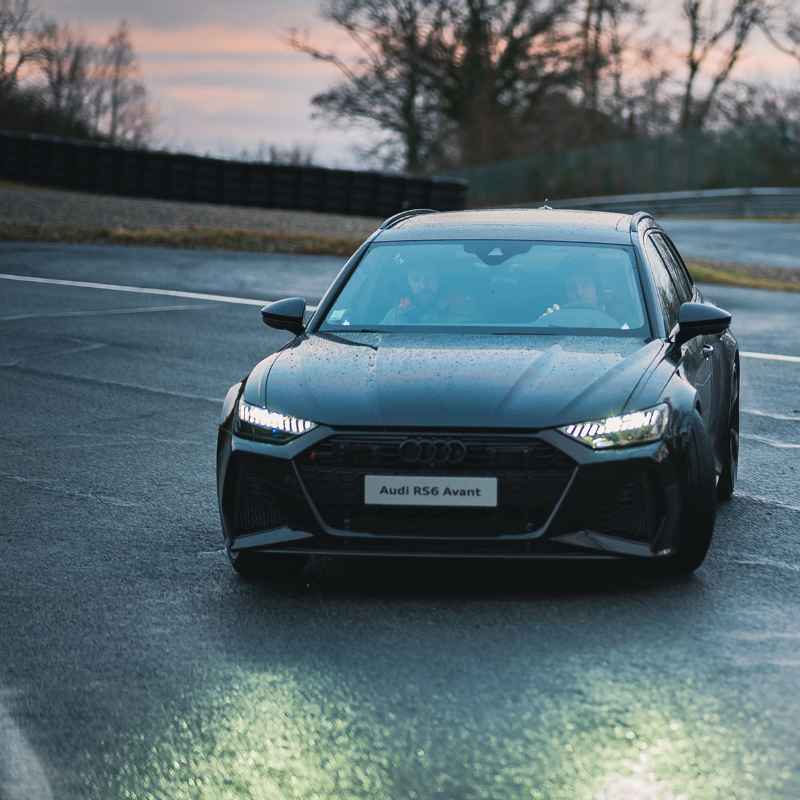
The Humble Sedan: A Classic Choice
Sedans have been a go-to for company cars for a long time. They are known for being comfortable and easy to drive. Think of models like the Toyota Camry, Honda Accord, or Ford Fusion.
These cars typically get good gas mileage. This is a big plus for both you and your company. Lower fuel costs mean less money spent on gas.
Driving a sedan feels smooth on the road. They are quiet inside, making long drives less tiring. Most sedans have enough trunk space for briefcases, laptops, and some samples.
They also look neat and professional for client meetings. This can make a good first impression. Sedans are usually cheaper to buy and maintain than larger vehicles.
However, sedans aren’t always the best for every job. If you need to carry large items, like construction materials or bulky equipment, a sedan won’t work. They also don’t offer much ground clearance.
This means they aren’t ideal for driving on unpaved roads or in areas with snow and ice.
Sedan Snapshot
Pros:
- Good fuel economy
- Comfortable ride
- Professional look
- Lower cost
Cons:
- Limited cargo space
- Low ground clearance
- Not ideal for heavy loads
Many people find that a sedan fits their daily driving needs perfectly. If your work involves mostly driving between offices or meeting clients in the city, a sedan is a strong contender. It’s a reliable workhorse that gets the job done without fuss.
SUVs: Versatility for the Road Warrior
Sport Utility Vehicles, or SUVs, have become very popular for company fleets. They offer a bit more flexibility than sedans. Think of models like the Honda CR-V, Toyota RAV4, or Ford Escape.
These are often smaller SUVs, sometimes called crossovers. They give you a higher driving position, which many drivers like. It can make it easier to see the road ahead.
SUVs usually have more cargo space than sedans. The back seats often fold down. This gives you a flat area to load larger items.
This is great if your job requires you to carry more gear, like marketing displays or sports equipment. They also tend to handle various weather conditions better. The higher ride height can be helpful in snow or on bumpy paths.
However, SUVs typically use more fuel than sedans. This means higher gas bills. They can also be more expensive to purchase and maintain.
The ride might not be as smooth as a sedan, especially in smaller SUVs. Some larger SUVs can feel a bit clumsy to park in tight city spots. But for many, the extra space and capability are worth it.
SUV Advantages
Fuel Efficiency: Generally lower than sedans, but improving.
Cargo Room: More space, especially with seats folded.
Driving Position: Higher seat offers better visibility.
All-Weather: Often better handling in rain, snow, or light off-road.
If your job takes you off the beaten path a bit, or if you often need to pack more than a standard suitcase, an SUV might be a better fit. It bridges the gap between a car and a more heavy-duty vehicle. It offers a good mix of comfort and utility.
Trucks and Vans: For the Heavy Lifters
Sometimes, your job demands more. If you work in construction, landscaping, delivery services, or any field where you need to haul heavy materials or a lot of equipment, a truck or van is likely your best option. These vehicles are built for work.
Pickup trucks, like the Ford F-150 or Chevrolet Silverado, offer an open bed for carrying large items. You can load lumber, tools, soil, or anything else that won’t fit in a car. They can also tow trailers.
This is a huge advantage for certain professions. Trucks are also built tough and can handle rough terrain.
Vans, like the Ford Transit or Mercedes-Benz Sprinter, offer enclosed cargo space. This keeps your goods protected from the weather and theft. They can be configured for many uses, from cargo vans to passenger vans to specialized service vehicles.
If you need to transport a team or a lot of specialized tools, a van is hard to beat.
The downside to trucks and vans is their fuel economy. They are not very fuel-efficient. This can lead to high fuel costs, especially if you drive many miles.
They can also be more expensive to buy and maintain. Parking can be a challenge in crowded areas. They are not always comfortable for long, quiet commutes.
They are built for function over pure comfort.
Workhorse Vehicles
Trucks: Great for hauling materials, towing. Best for outdoor jobs.
Vans: Secure, enclosed space for goods or people. Ideal for deliveries or service calls.
Fuel Use: High fuel consumption is a major factor.
Cost: Purchase and upkeep can be significant.
For roles that require carrying substantial loads or specialized equipment, trucks and vans are not just an option; they are a necessity. They are the workhorses of the company car world. They allow you to do your job effectively.
Hybrid and Electric Vehicles: The Future is Now
Many companies are looking towards greener options. Hybrid and electric vehicles (EVs) are becoming more common in company fleets. These cars offer lower running costs and are better for the environment.
They are a smart choice for businesses wanting to reduce their carbon footprint.
Hybrid cars combine a gasoline engine with an electric motor. They get excellent gas mileage, especially in city driving where the electric motor can do more work. You get the benefit of a traditional car but with better fuel efficiency.
Think of cars like the Toyota Prius or Ford Escape Hybrid. You don’t have to worry about charging them.
Electric vehicles run purely on electricity. They have zero tailpipe emissions. This is great for air quality.
The running costs can be very low. Electricity is often cheaper than gasoline. Maintenance is also usually less.
EVs are quiet and offer quick acceleration. Models like the Tesla Model 3, Nissan Leaf, or Chevrolet Bolt are becoming more popular.
The main challenge with EVs is range anxiety. You need to know how far you can drive on a single charge. Finding charging stations can also be a concern, though the charging infrastructure is growing.
Companies might offer charging solutions at the office or provide guidance on home charging. The upfront cost of EVs can also be higher, but incentives and lower running costs can offset this over time.
Green Fleet Options
Hybrid: Great fuel savings, no charging needed. A good bridge option.
Electric (EV): Zero emissions, very low running costs. Requires charging planning.
Incentives: Look for tax credits or rebates for EVs.
Company Support: Check if your company offers charging or support for EVs.
Choosing a hybrid or EV can show your company’s commitment to sustainability. It can also save money in the long run. It’s worth exploring these options if they are available.
They represent a shift towards more efficient and eco-friendly transportation.
Factors to Consider When Choosing
So, how do you pick the right car from the options? It’s not just about what looks good. You need to think about several practical things.
Your job is the biggest clue.
Mileage: How many miles do you drive each week or month? If you drive a lot, fuel efficiency is key. A car that gets 40 miles per gallon will save a lot of money compared to one that gets 20 mpg.
This also means fewer stops at the gas station. For high-mileage drivers, a fuel-efficient sedan, hybrid, or EV makes a lot of sense.
Cargo Needs: What do you carry? Tools? Samples?
Briefcases? Sports gear? If you carry a lot, you’ll need more space.
A sedan might be fine for just a laptop and a few papers. But if you need to fit golf clubs, a projector, or a toolbox, you’ll need an SUV, truck, or van. Measure your typical cargo to be sure.
Passenger Capacity: How many people do you usually drive with? If it’s just you, most cars work. If you often transport clients or a team, you might need a car with more seats.
Some larger SUVs or vans can carry up to seven or eight people. Most sedans and smaller SUVs are for four or five.
Driving Conditions: Where do you drive? Mostly city streets? Highways?
Rural roads? Do you face rough weather like snow, ice, or heavy rain often? If you drive in challenging conditions or on unpaved roads, a vehicle with higher ground clearance or all-wheel drive might be beneficial.
SUVs and trucks usually offer better handling in these situations.
Company Policy and Budget: This is very important. Your company probably has rules. There might be a maximum price for the car.
There could be limits on engine size or luxury features. Always check the company’s car policy. It will tell you what you can and cannot choose.
Sometimes, you can pay extra to upgrade to a nicer model, but it comes out of your pocket.
Your Personal Checklist
Miles Driven: Low = Sedan/EV. High = Fuel-efficient car.
Stuff Carried: Small = Sedan. Large = SUV/Truck/Van.
People Transported: Solo = Most cars. Group = Larger SUV/Van.
Roads & Weather: City/Good = Sedan. Rough/Bad = SUV/Truck.
Company Rules: Always check policy first.
Thinking through these factors will help you make a smart choice. It ensures your company car supports your work, not hinders it. It’s about finding the right tool for your job.
My Own Company Car Journey
I remember when I first got my company car. It was a small, sensible sedan. My job back then involved a lot of client meetings in downtown areas.
The car was perfect. It was easy to park, great on gas, and always looked tidy. I felt confident pulling up to any office building.
Then, my role changed. I started working with a company that needed me to visit different construction sites. These sites were often muddy, unpaved, and sometimes quite remote.
The little sedan struggled. I’d get stuck in the mud after a rainstorm. I had to be super careful driving over gravel roads.
And my samples often got jostled around in the small trunk.
It was frustrating. I felt unprofessional when I showed up late because my car couldn’t handle the road. I was worried about damaging the car.
I spoke to my manager. We looked at the company car policy together. I pointed out how the current car wasn’t working for my new duties.
We found an SUV that was also on the approved list.
When I got the SUV, it was like night and day. I could drive on dirt roads without worry. I had so much more space in the back for my equipment.
The higher driving position gave me a better view of the road. It made me feel safer and more capable. That experience taught me a huge lesson: the best company car isn’t just about preference; it’s about how it fits your actual work.
Special Considerations for New Cars
When you’re offered a new company car, it’s exciting. New cars often have the latest technology and safety features. This is a big plus.
Many newer vehicles come with advanced driver-assistance systems. These can include things like automatic emergency braking, lane departure warnings, and adaptive cruise control. These features can make driving safer and less stressful.
Newer cars are also typically more fuel-efficient than older models. They meet stricter emissions standards. This means they are better for the environment.
They also tend to be more reliable. You’re less likely to have mechanical issues with a new car. This means fewer disruptions to your work.
However, new cars can also have drawbacks. They might be more expensive for the company to purchase or lease. This could mean fewer options are available.
Or, the company might have stricter rules about mileage or wear and tear on newer vehicles. You might also have a higher insurance cost. Always check the warranty details and any mileage restrictions.
New Car Perks & Ponderings
Safety Tech: Advanced systems help prevent accidents.
Fuel Economy: Usually better than older cars.
Reliability: Fewer breakdowns expected.
Cost: Can be higher for the company, leading to tighter policies.
Depreciation: New cars lose value fastest.
If your company offers a new model, it’s usually a good bet. The latest technology often means better safety and efficiency. Just be aware of any specific policies related to new vehicles in your fleet.
The Cost Factor: More Than Just Gas
When choosing a company car, the cost is a big part of the decision. For the company, this includes the purchase price or lease payments. It also includes insurance, maintenance, repairs, and fuel.
For you, the main cost is often fuel, but there can be other factors.
Fuel Costs: As we’ve discussed, this varies greatly. A car that uses less gas will save the company (and potentially you, if you’re reimbursed based on mileage) a lot of money over its life. EVs can have very low “fuel” costs if electricity rates are favorable.
Maintenance: Some cars are more expensive to maintain than others. Luxury brands or performance vehicles often have higher repair bills. Simple, common models like Toyotas or Hondas usually have lower maintenance costs.
Regular oil changes, tire rotations, and brake replacements add up.
Insurance: The type of car affects insurance premiums. Sporty cars or cars prone to theft can be more expensive to insure. Safety ratings also play a role.
Most companies will have a fleet insurance policy, but the cost of insuring specific models can still influence what they offer.
Depreciation: Cars lose value over time. This is called depreciation. Some cars hold their value better than others.
Companies that plan to sell their fleet vehicles after a few years will consider which models will still be worth something.
Your Contribution: If the car you want is more expensive than the standard company car, you might have to pay the difference. This could be a monthly fee deducted from your paycheck. It’s important to understand if this applies to you and how much it would be.
Understanding Total Cost
Company Outlay: Purchase/Lease, Insurance, Maintenance, Fuel.
Your Costs (Potential): Fuel (if not fully covered), Personal use charges, Upgraded model fees.
Key Savings: Fuel-efficient vehicles, reliable models with low repair costs.
It’s a good idea to ask about the total cost of ownership for different models your company offers. This gives you a clearer picture of the financial implications for everyone involved.
When is a Sedan the Right Choice?
Let’s say your job involves a lot of driving around town. You visit clients in offices, attend meetings, and maybe pick up supplies. You don’t carry large equipment.
You usually drive alone or with one other person. Snow and ice are not a major issue where you live.
In this scenario, a sedan is likely your best bet. Think about a comfortable, fuel-efficient sedan like a Honda Accord, Toyota Camry, or even a smaller car like a Honda Civic or Toyota Corolla if your company offers them. These cars are designed for this kind of driving.
They offer a smooth, quiet ride, which makes long days on the road more pleasant. Their fuel economy means fewer gas stops and lower running costs for the company. They are generally easy to park in busy urban environments.
Plus, they project a professional image without being flashy. Most sedans offer enough trunk space for a laptop bag, briefcase, and some presentation materials.
The decision is pretty straightforward. If your work is mostly paved roads and standard office environments, the sedan shines. It’s practical, economical, and comfortable for everyday use.
It’s the reliable friend that always gets you where you need to go.
When is an SUV the Better Option?
Now, imagine your job is a bit more varied. You might drive to a city office one day, then to a rural site the next. Perhaps you sometimes visit clients who are in slightly harder-to-reach locations.
You might need to carry more than just a laptop, maybe some samples or tools. You might also encounter different weather conditions.
This is where an SUV really stands out. A compact or mid-size SUV, like a Toyota RAV4, Honda CR-V, or Subaru Forester, offers that extra bit of capability. The higher ride height means you’re less likely to scrape the bottom on uneven ground or speed bumps.
It can also give you a better view of traffic.
The cargo space is a big advantage. The rear cargo area is usually larger than a sedan’s trunk. And with the rear seats folded down, you can create a significant amount of room for bulkier items.
This could be anything from display stands to sports equipment or even a small dog if allowed. Many SUVs also offer all-wheel drive (AWD). This is a huge benefit if you live in an area with snow, ice, or frequent rain.
AWD provides better traction and stability.
While they might use a bit more fuel than a sedan, the added versatility can be well worth it. They strike a good balance between comfort, efficiency, and capability. If your work demands a bit more than a standard car can offer, an SUV is a smart choice.
When is a Truck or Van Essential?
Let’s consider a scenario where your job is physically demanding and requires specific equipment or materials. You might be a contractor, a delivery driver, a technician who services equipment on-site, or someone who works in a trade like plumbing or electrical work.
In these cases, a truck or van isn’t just a choice; it’s a necessity. A pickup truck is perfect if you need to haul large, bulky items that won’t fit inside a closed vehicle. Think lumber, pipes, generators, or even landscaping supplies.
The open bed allows you to carry items that would otherwise require a separate trailer. Trucks are also often built with heavy-duty suspensions, making them ideal for rough terrain or carrying heavy loads.
If you need to transport a lot of tools and sensitive equipment securely, a cargo van is often the better option. The enclosed space protects your gear from weather and theft. Vans can also be outfitted with shelving and workbenches, turning them into mobile workshops.
If you transport a team of workers, a passenger van is the way to go. These can often seat seven or more people comfortably.
While these vehicles are less fuel-efficient and might be more challenging to maneuver in tight spaces, their utility is unmatched for specific jobs. They are the backbone of many businesses that rely on transporting goods or performing on-site services. Without them, the work simply couldn’t get done.
When Are Hybrid or Electric Vehicles the Best Fit?
Imagine you drive a lot, and your company is focused on sustainability or reducing its carbon footprint. Perhaps you live in an area with growing charging infrastructure, or your workplace offers charging stations. You want to save money on fuel and reduce your environmental impact.
In this situation, a hybrid or electric vehicle (EV) might be your ideal company car. For long-distance commuters, a hybrid offers the best of both worlds. It gets excellent gas mileage, especially in stop-and-go traffic, but you don’t have to worry about finding a charging station on long trips.
It runs on gas like a normal car when needed.
An EV is a great choice if your daily driving is within its range, and you have reliable access to charging. The running costs are significantly lower than gasoline cars. Electricity is usually cheaper per mile than gas.
Also, EVs have fewer moving parts, meaning less maintenance. They offer a quiet, smooth ride and instant acceleration. If your company supports EV adoption, it can be a very economical and eco-friendly choice.
The key is to assess your driving habits and the available charging options. If your mileage fits the vehicle’s capabilities and charging is convenient, these modern, efficient vehicles can be an excellent, forward-thinking choice for your company car.
What Does Your Company Policy Say?
It’s crucial to understand that company policies vary wildly. Some companies are very generous, offering a wide range of luxury vehicles. Others are much more conservative, sticking to basic, fuel-efficient models.
Your company’s policy is the ultimate guide to what you can choose.
Typical policy elements include:
- Approved Makes and Models: A list of cars you are allowed to select from.
- Vehicle Classes: The type of vehicle (e.g., compact sedan, mid-size SUV).
- Budget Limits: The maximum price or lease cost for the vehicle.
- Engine Size/Fuel Economy Requirements: Minimum MPG ratings or maximum engine displacement.
- Optional Upgrades: Whether you can pay extra for a nicer model or features.
- Personal Use Policy: Rules about using the car for non-work purposes, including mileage limits and taxable benefits.
- Maintenance and Fuel Reimbursement: How fuel costs are handled (e.g., company card, mileage reimbursement).
Always get a copy of the company’s vehicle policy and read it carefully. If anything is unclear, ask your HR department or fleet manager for clarification. Knowing the rules upfront prevents misunderstandings and helps you make a selection that works for both you and the company.
Policy Pointers
Know the List: What cars can you choose from?
Understand the Limits: Budget, type, and features.
Personal Use: Are there rules or costs for driving it off-duty?
Fuel & Maintenance: How are these covered?
Ask Questions: Don’t hesitate to get clarification.
Your company’s policy is designed to balance employee needs with business costs and objectives. By understanding it, you can navigate the selection process smoothly.
Safety Features: What to Look For
Safety is paramount, whether it’s for your commute or for your clients. Modern cars come equipped with a host of safety features, both active and passive. Active safety features help prevent accidents from happening in the first place.
Passive safety features protect you if an accident does occur.
Active Safety Features:
- Automatic Emergency Braking (AEB): The car detects an imminent collision and applies the brakes automatically if the driver doesn’t react.
- Lane Departure Warning (LDW) / Lane Keeping Assist (LKA): Alerts you if you drift out of your lane unintentionally and can even steer the car back.
- Blind Spot Monitoring (BSM): Warns you if a vehicle is in your blind spot when you’re trying to change lanes.
- Rear Cross-Traffic Alert (RCTA): Warns you of approaching traffic when backing out of a parking spot.
- Adaptive Cruise Control (ACC): Maintains a set speed and distance from the car in front of you.
- Forward Collision Warning (FCW): Alerts you if you’re approaching a vehicle too quickly.
Passive Safety Features:
- Airbags: Front, side, curtain, and knee airbags protect occupants in a crash.
- Anti-lock Braking System (ABS): Prevents wheels from locking up during hard braking, allowing you to maintain steering control.
- Electronic Stability Control (ESC): Helps prevent skidding or loss of traction, especially in turns or on slippery surfaces.
- High-Strength Steel Frame: The car’s body structure is designed to absorb impact energy and protect the cabin.
- Seatbelts with Pretensioners: Tighten the seatbelt at the moment of impact to reduce slack.
When reviewing your company’s approved list, pay attention to the safety ratings from organizations like the National Highway Traffic Safety Administration (NHTSA) in the U.S. or the Insurance Institute for Highway Safety (IIHS). These organizations conduct rigorous crash tests and assess safety features.
Aim for vehicles with top safety ratings. Many companies make these ratings a requirement for their fleet vehicles.
Top Safety Tech
Essential Active: AEB, LDW/LKA, BSM.
Essential Passive: Multiple Airbags, ABS, ESC.
Check Ratings: NHTSA and IIHS provide independent safety scores.
Prioritizing safety features is not just about comfort; it’s about protecting yourself and your passengers. It can also help reduce the likelihood of accidents, which benefits your company through lower insurance claims and fewer work disruptions.
Is It Worth It to Pay Extra for an Upgrade?
Many company car policies allow employees to pay a personal contribution for a vehicle that’s nicer or more feature-rich than the standard offering. This is a common way for employees to get a car they truly enjoy, while the company manages its baseline fleet costs.
When it might be worth it:
- You Drive a Lot: If you spend many hours a day in your car, a more comfortable and advanced vehicle can significantly improve your quality of life and reduce fatigue. A better seat, quieter cabin, or advanced infotainment system can make a big difference.
- Specific Needs Not Met by Standard Options: Perhaps the standard sedans are too small, and the company-approved SUVs are too basic for your needs. If you can pay extra for a higher trim level or a slightly larger SUV that better suits your cargo or passenger needs, it might be justified.
- Desire for Specific Features: You might really want features like a premium sound system, a panoramic sunroof, advanced driver aids not standard on lower trims, or a more powerful engine. If these are important to your daily well-being or job performance, and the cost is manageable, it’s worth considering.
When it might not be worth it:
- High Monthly Cost: The extra monthly payment can add up quickly. You need to assess if the added benefit is worth the ongoing expense.
- Company Policy Restrictions: Even with an upgrade, you’re still bound by the company’s overall policy regarding mileage, maintenance, and what constitutes acceptable wear and tear.
- Rapid Depreciation: More expensive vehicles often depreciate faster. While the company typically bears the brunt of this, it’s something to be aware of if you were ever to purchase the vehicle at the end of its fleet term.
- Business vs. Personal Priority: If the “upgrade” is purely for personal preference and doesn’t tangibly help your job performance or comfort on the road, it might be better to save the money.
Before deciding to pay extra, do the math. Understand the exact monthly cost and what additional features you’re getting. Compare it to leasing a similar vehicle privately.
Sometimes, the company fleet deal, even with an upgrade fee, is still competitive. It really comes down to your personal budget and priorities.
Upgrade Cost-Benefit
Pro: Increased comfort, better tech, more suitable vehicle.
Con: Higher monthly cost, still bound by company rules.
Calculate: What’s the total monthly cost vs. the benefits?
It’s a personal financial decision that should align with your job requirements and your budget. Weigh the added benefits against the extra cost carefully.

Frequently Asked Questions
What is the most fuel-efficient type of company car?
Generally, the most fuel-efficient company cars are small sedans, hybrid vehicles, and fully electric vehicles (EVs). Small sedans offer aerodynamic advantages and lighter weight. Hybrids combine gas and electric power for optimal mileage, especially in city driving.
EVs use no gasoline at all, relying solely on electricity, which is often cheaper per mile than gas.
Can I choose any car I want for my company car?
No, typically you cannot choose any car you want. Companies provide a list of approved makes and models that fit within their budget and business needs. Your selection is usually limited to vehicles on this approved list, though some companies may allow personal contributions for upgrades beyond the standard offerings.
Who pays for gas in a company car?
This varies by company policy. Some companies provide a company fuel card. Others reimburse you for mileage based on a set rate per mile.
Some may require you to pay for gas and then submit receipts for reimbursement. Always check your company’s specific policy on fuel costs.
What happens if I damage my company car?
If you damage your company car, you should report it immediately according to your company’s procedures. Most companies have insurance to cover accidents. Depending on the circumstances of the damage (e.g., negligence, violation of policy), you might be responsible for a portion of the repair costs or a deductible.
Review your company’s policy on accidents and damage.
Can I use my company car for personal trips?
Many companies allow personal use of company cars, but there are usually strict rules and limitations. This might include mileage caps for personal travel, restrictions on where you can take the car (e.g., not out of the country), and potential tax implications. You will likely be considered to have received a taxable benefit for personal use.
How often are company cars replaced?
The replacement cycle for company cars varies depending on the company’s policy and the type of vehicle. Generally, cars are replaced based on mileage (e.g., every 50,000 to 100,000 miles) or age (e.g., every 3 to 5 years). This ensures the fleet remains reliable, modern, and cost-effective to maintain.
Making Your Final Decision
Choosing a company car is more than just picking a set of wheels. It’s about finding a tool that helps you do your job well. It should also fit within your company’s guidelines and your personal comfort needs.
Think about your daily drive, the cargo you carry, and the conditions you face.
Consider the fuel efficiency, safety features, and overall cost. Don’t forget to read your company’s policy thoroughly. Sometimes, the best choice is clear.
Other times, it requires a bit more thought. By weighing these factors, you can select a company car that serves you reliably.
See also how to write a car review that readers actually trust. See also car arena comparison head-to-head battles worth watching.
Products related to this article
Sponsored / affiliate links. As an Amazon Associate I earn from qualifying purchases. I may earn additional commission from eligible campaigns.