Best Car Comparison Tools to Find Your Perfect Match
Finding the right car can feel overwhelming. With so many models, features, and price points, it’s easy to get lost in endless information. You want a vehicle that fits your lifestyle, budget, and needs—but how do you compare so many options without spending weeks researching?
This is where car comparison tools come in. These online platforms help you see differences side-by-side, compare specs, read reviews, and even check real prices. But not all tools are equal. Some give basic info, while others go deep into details, user ratings, and ownership costs. Choosing the right tool saves time, money, and stress.
In this guide, you’ll discover the best car comparison tools available today. You’ll learn what makes each one unique, how they help you find your perfect match, and get practical advice for using them effectively. Whether you’re a first-time buyer or a car enthusiast, you’ll find insights that make your decision easier and smarter.
Why Car Comparison Tools Matter
Buying a car is a big investment. According to the Bureau of Transportation Statistics, the average American spends over $35,000 on a new vehicle. With hundreds of models and dozens of features, making a mistake can cost you thousands.
Car comparison tools solve this problem by:
- Showing clear, side-by-side differences between models
- Highlighting features, safety ratings, and fuel efficiency
- Revealing real-world ownership costs and user reviews
- Helping you filter options by price, size, or brand
Many buyers make decisions based only on price or looks. But smart shopping means considering reliability, resale value, insurance costs, and even maintenance. Comparison tools help you see these details in one place, avoiding common mistakes like buying too big or too expensive for your needs.

What To Look For In A Car Comparison Tool
Not all tools give the same information. Before diving into the best options, it’s important to know what makes a tool valuable:
- Comprehensive Data: Specs, features, ratings, and pricing
- User-Friendly Interface: Easy to use, clear layout
- Customization: Filter by budget, features, or brand
- Expert and User Reviews: Real opinions and test results
- Ownership Costs: Insurance, maintenance, resale value
- Updated Information: Latest models and prices
Some tools focus on new cars, others on used vehicles. A few allow you to compare both. If you want to avoid surprises after buying, choose tools that show total ownership costs and reliability scores.
Top 10 Best Car Comparison Tools
Let’s dive into the most popular and useful car comparison platforms. These tools are trusted by millions, recommended by experts, and updated regularly.
1. Edmunds
Edmunds is one of the oldest and most respected car comparison sites. It covers both new and used vehicles, offering detailed specs, reviews, and pricing.
- Features: Side-by-side comparison, expert ratings, consumer reviews, pricing tools, total cost analysis
- Unique Insight: Their True Market Value tool shows what buyers actually pay, not just MSRP
- Example: Compare a Honda Civic vs Toyota Corolla and see differences in fuel economy, reliability, and real prices in your area
Edmunds is ideal for buyers who want deep analysis and real-world pricing. The site is easy to navigate, and you can see up to 4 cars side-by-side.
2. Kelley Blue Book (kbb)
Kelley Blue Book is known for its trusted car values and comparison tools.
- Features: Price estimator, side-by-side specs, expert reviews, consumer ratings
- Unique Insight: Their price range includes both MSRP and average selling price, helping you negotiate better
- Example: Compare a Ford F-150 vs Chevrolet Silverado, see resale values and what people are paying in your zip code
If you’re worried about overpaying or want to know a car’s value over time, KBB is a strong choice.
3. Cars.com
Cars.com offers a simple interface and powerful comparison features.
- Features: Compare specs, photos, reviews, price, and availability
- Unique Insight: Includes dealer inventory, so you see what’s actually for sale near you
- Example: Compare a Nissan Altima vs Hyundai Sonata, check ratings and see local listings instantly
Cars.com is great if you want to move quickly from comparison to contacting sellers.
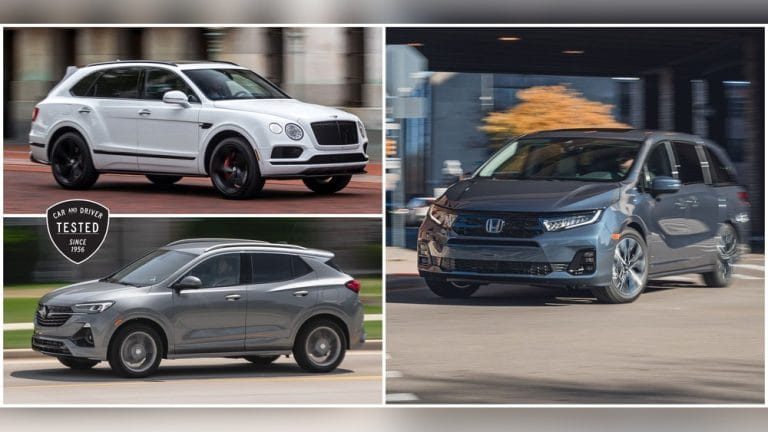
4. Car And Driver
Car and Driver is famous for in-depth road tests and expert reviews.
- Features: Detailed test drive reports, specs comparison, editor scores
- Unique Insight: Their reviews often include performance tests, real fuel economy, and handling insights
- Example: Compare a Mazda CX-5 vs Subaru Forester, read how each handles on the road
If driving experience and expert opinion matter to you, Car and Driver gives more than basic numbers.
5. U.s. News & World Report – Best Cars
U.S. News ranks cars by category and provides easy comparison tools.
- Features: Rankings by reliability, safety, value, and performance; side-by-side comparison
- Unique Insight: Uses scores from multiple sources for a balanced rating
- Example: Compare best SUVs under $30,000, see scores for safety and family-friendliness
Great for buyers who want a trusted ranking and easy-to-understand scores.
6. Consumer Reports
Consumer Reports is trusted for unbiased testing and reliability ratings.
- Features: Detailed reliability scores, owner satisfaction, test drive reports, comparison tools
- Unique Insight: Their ratings are based on thousands of owner surveys and lab tests
- Example: Compare a Toyota RAV4 vs Honda CR-V, see long-term reliability and maintenance costs
If you want to avoid cars with hidden issues, Consumer Reports is a must.
7. Autotrader
AutoTrader is mainly known for used cars but offers strong comparison tools.
- Features: Compare used and new cars, filter by price, features, and mileage
- Unique Insight: Includes dealer and private seller listings, so you see all options
- Example: Compare a Tesla Model 3 vs BMW 3 Series, check used prices and features
AutoTrader is ideal for bargain hunters and those looking for specific features.
8. Cargurus
CarGurus uses data analytics to show the best deals.
- Features: Price analysis, dealer ratings, side-by-side comparison
- Unique Insight: Their “Deal Rating” shows if a listing is a good, fair, or overpriced deal
- Example: Compare a Jeep Grand Cherokee vs Ford Explorer, check best deals in your area
For buyers who want to find bargains quickly, CarGurus is helpful.
9. Motortrend
MotorTrend combines expert reviews with comparison tools.
- Features: Test drive reports, specs, comparison charts, awards
- Unique Insight: Includes “Car of the Year” awards and detailed performance reviews
- Example: Compare a Toyota Camry vs Honda Accord, read expert opinions and award history
If awards and expert ratings influence your choice, MotorTrend offers valuable insights.
10. Carsdirect
CarsDirect focuses on simple comparisons and easy buying.
- Features: Specs comparison, price quotes, buying guides
- Unique Insight: Their buying guides explain features in simple language, ideal for beginners
- Example: Compare a Kia Soul vs Hyundai Kona, see which is better for city driving
CarsDirect is perfect if you want straightforward information and quick decisions.
Comparing Data: How Tools Stack Up
To make the differences clearer, here’s a comparison of three top tools:
| Feature | Edmunds | Kelley Blue Book | Consumer Reports |
|---|---|---|---|
| Specs Comparison | Yes | Yes | Yes |
| Expert Reviews | Yes | Yes | Yes |
| User Ratings | Yes | Yes | No |
| Ownership Costs | Yes | Partial | Yes |
| Reliability Scores | Yes | Yes | Yes |
| Dealer Listings | Yes | Yes | No |
| Price Analysis | Yes | Yes | No |
Each tool has strengths. Edmunds is best for full analysis, KBB for price and value, Consumer Reports for reliability.
How To Use Car Comparison Tools Effectively
Just opening a tool and comparing specs is not enough. Here’s how to get the most from these platforms:
1. Start With Your Needs
Make a list of must-have features: fuel efficiency, size, price, safety, tech. Don’t get distracted by extras you don’t need.
2. Set A Realistic Budget
Use price filters. Include insurance, taxes, and maintenance—many tools show total cost.
3. Compare Multiple Models
Look at at least 3-4 vehicles. Comparing only two can make you miss better options.
4. Check Reviews And Ratings
Read both expert and user reviews. Experts focus on performance, users talk about everyday life.
5. Look At Ownership Costs
Some cars are cheap to buy but expensive to own. Tools like Consumer Reports and Edmunds show maintenance and repair costs.
6. Use Local Listings
Compare what’s available near you. Sometimes a great model is not in your area, so check availability.
7. Evaluate Resale Value
Tools like KBB show how much a car will be worth after a few years. This helps avoid losing money when selling.
8. Test Drive
After narrowing down, always test drive your top choices. Online tools can’t show real comfort or handling.
Avoiding Common Mistakes
Many buyers make errors when using comparison tools:
- Focusing only on price, ignoring reliability or fuel economy
- Comparing too few models
- Trusting only dealer reviews
- Not checking ownership costs
- Ignoring resale value
A smart buyer uses multiple tools, checks different sources, and reads both expert and user opinions.
Real-world Example: Comparing Popular Sedans
Let’s see how these tools help with a practical example. Imagine you’re choosing between a Toyota Corolla, Honda Civic, and Hyundai Elantra. If you are shopping within Honda’s own lineup instead, see how the Civic compares to the larger Accord before deciding.
Step 1: Specs Comparison
Using Edmunds, you compare:
- Engine size
- Fuel economy (30-35 mpg)
- Safety ratings (all high)
Step 2: Ownership Costs
Consumer Reports shows:
- Corolla: Lowest maintenance costs
- Civic: Slightly higher insurance
- Elantra: Lowest purchase price
Step 3: Resale Value
KBB reveals:
- Corolla: Best resale after 5 years
- Civic: Strong, but slightly less
- Elantra: Lower resale value
Step 4: User Reviews
On Cars.com, you find:
- Corolla: Praised for reliability
- Civic: Loved for sporty feel
- Elantra: Good value, but mixed reviews on comfort
This process gives you a clear picture of which car fits your needs—not just specs, but real-life satisfaction.
Data Table: Ownership Costs Comparison
To understand long-term expenses, here’s a comparison of three compact cars:
| Model | Average Maintenance/Year | Insurance/Year | Resale Value (5 Years) |
|---|---|---|---|
| Toyota Corolla | $350 | $1,200 | 60% |
| Honda Civic | $400 | $1,300 | 55% |
| Hyundai Elantra | $300 | $1,150 | 50% |
Toyota Corolla costs a bit less to maintain and keeps its value best, while Hyundai Elantra is cheapest to insure but loses value faster.
Advanced Features To Watch For
Some comparison tools offer features many buyers miss:
- Total Cost Calculator: Shows costs over 5 years, including fuel, maintenance, and insurance
- Reliability Score: Based on thousands of owner reports, not just manufacturer claims
- Safety Ratings: From independent sources like NHTSA and IIHS
- Deal Ratings: Indicates if a price is a good deal or not
For example, CarGurus uses data to show if a local dealer’s price is high, low, or fair. Consumer Reports reliability scores warn you about common problems.
Using Comparison Tools For Used Cars
Buying used is different from buying new. You need to check:
- Vehicle history (accidents, repairs)
- Real mileage vs expected mileage
- Ownership costs (older cars can cost more to maintain)
- Dealer vs private seller prices
Sites like AutoTrader and CarGurus let you compare used cars by model, year, mileage, and price. Always check for vehicle history reports—these are often linked in listings.
How Car Comparison Tools Help Different Buyers
First-time Buyers
If you’re buying your first car, focus on:
- Easy-to-use tools (like CarsDirect)
- Simple buying guides
- Clear explanations of features
Avoid tools that are too technical or filled with jargon.
Families
Families need:
- Safety ratings
- Space (cargo, seating)
- Reliability
U.S. News and Consumer Reports are strong choices here. Their rankings for SUVs, minivans, and family sedans are trusted.
Enthusiasts
If you care about driving experience:
- Performance data (speed, handling)
- Test drive reports
- Editor scores
Car and Driver and MotorTrend offer in-depth reviews and performance comparisons.
Budget Buyers
If money is tight:
- Resale value
- Ownership costs
- Best deals
KBB and CarGurus help you find cars that save money both now and later.
Data Table: Comparing Tool Interfaces
How easy is it to use each platform? Here’s a quick look:
| Platform | Ease of Use | Customization | Mobile Friendly |
|---|---|---|---|
| Edmunds | Very Easy | High | Yes |
| KBB | Easy | Medium | Yes |
| Cars.com | Easy | High | Yes |
| Consumer Reports | Moderate | Medium | No |
| CarGurus | Easy | High | Yes |
If you use a smartphone or tablet, most tools are mobile friendly, but Consumer Reports can be harder to use on small screens.
Two Non-obvious Insights
1. Don’t Ignore Insurance Costs
Many buyers focus on purchase price, but insurance can vary widely. A “cheap” sports car may cost double to insure versus a sedan. Use comparison tools that show insurance estimates.
2. Check For Local Incentives
Some tools, like Edmunds, show regional discounts and rebates. These can change your final price by thousands. Don’t just look at MSRP—see what deals are available in your area.
Choosing The Right Tool For You
No single tool fits everyone. If you want deep analysis, use Edmunds or Consumer Reports. For quick price checks, try KBB or Cars.com. If you’re buying used, AutoTrader and CarGurus are best.
It’s smart to use two or three tools together. This helps you catch details one site might miss. For example, combine Edmunds for specs, KBB for value, and Consumer Reports for reliability.
Practical Tips For Comparing Cars Online
- Use filters to narrow down your search by budget, size, or features
- Always check both expert and user reviews for balanced opinions
- Look at long-term costs, not just purchase price
- If possible, use tools that show local inventory
- After narrowing your choices, visit a dealer and test drive
Remember, online tools are a starting point. The real test is how a car feels when you drive it.
Final Thoughts
Finding your perfect car doesn’t have to be confusing or risky. With today’s car comparison tools, you can see all the facts, prices, and opinions in one place. Whether you care about reliability, price, or driving experience, there’s a tool that fits your needs.
By using the right comparison sites and following practical advice, you avoid common mistakes and make smarter decisions. Take your time, compare carefully, and soon you’ll be behind the wheel of a car that truly fits you.
If you want to see more detailed reviews and comparisons, visit Consumer Reports for unbiased ratings and owner insights.

Frequently Asked Questions
What Is The Best Car Comparison Tool For First-time Buyers?
For first-time buyers, CarsDirect and Cars.com are good choices. They have easy-to-use interfaces and simple guides. These platforms explain features in clear language and help you quickly compare models without technical jargon.
Are Online Comparison Tools Accurate For Real Prices?
Most tools like Edmunds and KBB show real prices based on local data. However, final prices can change due to dealer negotiations, incentives, and taxes. Always use price ranges as a guide, not a guarantee.
Can I Compare Used Cars And New Cars Together?
Yes, platforms like AutoTrader and CarGurus allow you to compare both used and new cars. They show differences in price, mileage, features, and condition, making it easier to decide which fits your needs.
How Do I Check For Hidden Costs When Comparing Cars?
Look for tools that include ownership cost calculators. These show expenses like maintenance, insurance, and depreciation. Consumer Reports and Edmunds are strong in this area. Always read expert and user reviews for mentions of common problems.
Is It Necessary To Use More Than One Comparison Tool?
It’s smart to use at least two or three tools. One platform may miss details or have outdated information. Combining tools helps you get a full picture—compare specs on Edmunds, check prices on KBB, and read reliability scores on Consumer Reports. This approach leads to better decisions and fewer surprises.
See also car options comparison which features matter the most . See also what is car comparison and why every buyer needs it.
Products related to this article
Sponsored / affiliate links. As an Amazon Associate I earn from qualifying purchases. I may earn additional commission from eligible campaigns.