Which Car Company Has the Best Quality in 2026?
Figuring out Which Car Company Has the Best Quality in 2026? can seem a bit tricky at first, especially if you’re new to cars. So many names, so many features, it’s a lot to take in. But don’t worry!
We’re going to break it all down in a super simple way, step by step. Get ready to learn all about what makes a car great and how to find the best one for you.
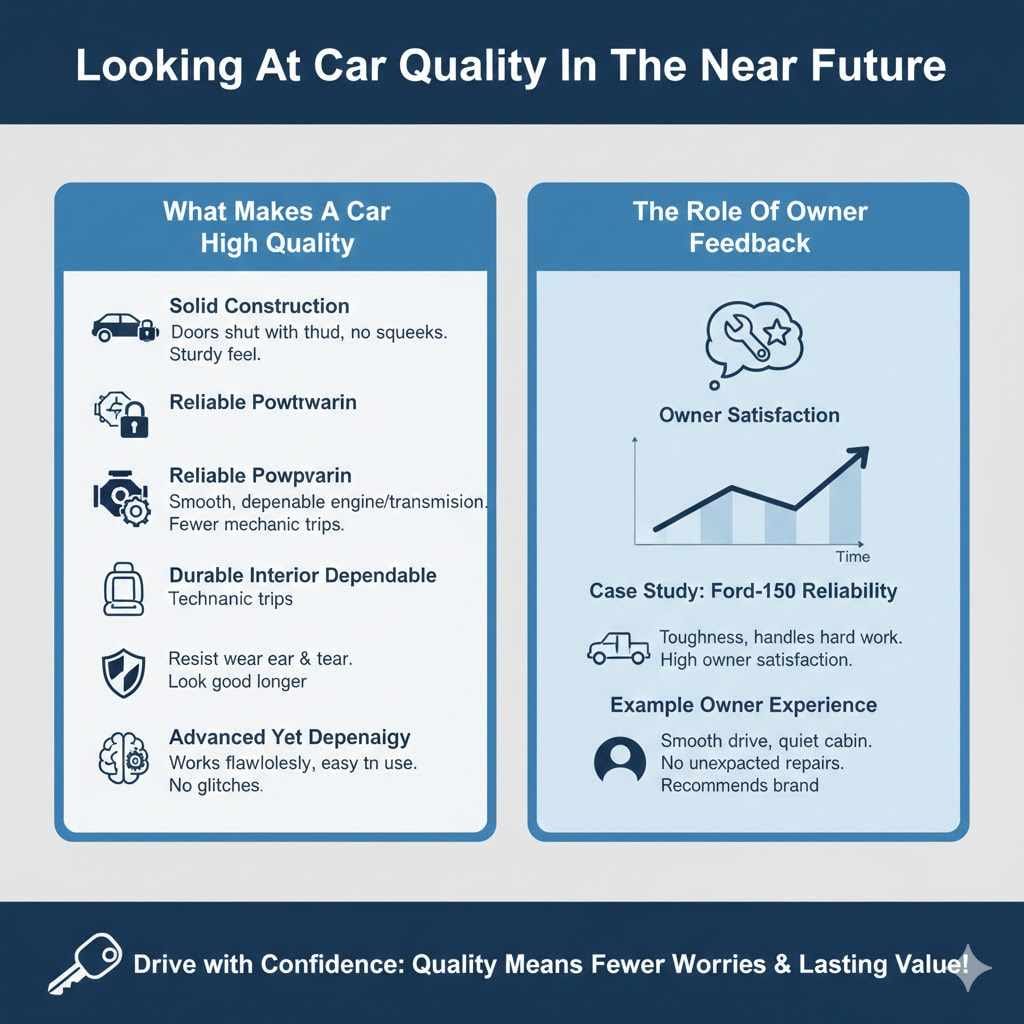
Looking At Car Quality In The Near Future
When we talk about car quality, we mean how well a car is built and how reliably it performs over time. It’s about things like fewer breakdowns, parts that last, and a great driving experience. Many people wonder Which Car Company Has the Best Quality in 2026? because they want to make a smart choice when buying a new vehicle.

As an Amazon Associate I earn from qualifying purchases.
A high-quality car often means less money spent on repairs and more peace of mind on the road. This is a big deal for families and anyone who relies on their car daily. We look at owner surveys, reliability ratings, and how cars hold up after several years to get a clear picture.
What Makes A Car High Quality
Building a high-quality car involves many different aspects working together. It starts with great design and engineering, then moves to careful manufacturing. Top materials are used so parts don’t wear out too quickly.
Think about the engine, the transmission, the electronics, and even the small things like door handles and seat fabric. When all these pieces are put together with great care, the car becomes more dependable. It feels solid, and things just work the way they should.
This careful attention to detail is what sets the best car makers apart from the rest.
- Solid Construction
A car that feels well-built often lasts longer. This means the doors shut with a satisfying thud, the dashboard plastics don’t squeak, and the overall feel is sturdy. It’s like a well-made piece of furniture versus something flimsy. - Companies that focus on this ensure their vehicles can handle the rigors of daily use without falling apart.
- Reliable Powertrain
The engine and transmission are the heart of any car. For high quality, these need to perform smoothly and dependably for many years. This means fewer trips to the mechanic for engine trouble or transmission issues. - A car that starts every time and shifts gears without hesitation is a sign of a quality powertrain.
- Durable Interior Materials
The inside of a car gets a lot of use. Seats, carpets, and dashboard materials should resist wear and tear. They should also be easy to clean. - High-quality interiors look good for a long time and don’t show scratches or stains easily. This makes the car more pleasant to own and helps it maintain its value.
- Advanced Yet Dependable Technology
Modern cars have lots of tech, like infotainment systems and driver aids. For quality, this technology needs to work flawlessly and be easy to use. It shouldn’t glitch or stop working.
Reliable tech adds to the driving experience without causing frustration. It’s about tech that helps, not hinders.
The Role Of Owner Feedback
Customer opinions are super important for figuring out car quality. People who actually own and drive cars every day know best what’s good and what’s not. They share their experiences through surveys and reviews.
These real-world insights tell us about common problems, how often cars need repairs, and how happy owners are. When many owners report the same issues, it’s a clear sign that a certain car or brand might not be built as well. On the flip side, if owners consistently praise their cars for being trouble-free, that’s a strong indicator of high quality.
Companies that listen to this feedback and make improvements often move up in the quality rankings.
Case Study Ford F-150 Reliability
Take the Ford F-150 pickup truck. Year after year, it’s a top seller, and many owners praise its toughness and how it handles hard work. While no car is perfect, the F-150 often gets good marks for reliability, especially in its core functions like hauling and towing.
Owner surveys frequently highlight how well these trucks hold up to demanding jobs. This owner satisfaction suggests a strong level of build quality and dependability that many buyers seek in a work vehicle.
Example Owner Experience
Sarah bought a new sedan last year. She loves how smooth it drives and how quiet the cabin is. The car’s safety features have also been helpful, giving her peace of mind.
She hasn’t had any unexpected visits to the mechanic, and the interior still looks like new. She says she’d recommend the brand because of her positive experience with its reliability and overall build. This kind of feedback is what helps paint a picture of a car’s true quality.
Analyzing Current Quality Leaders
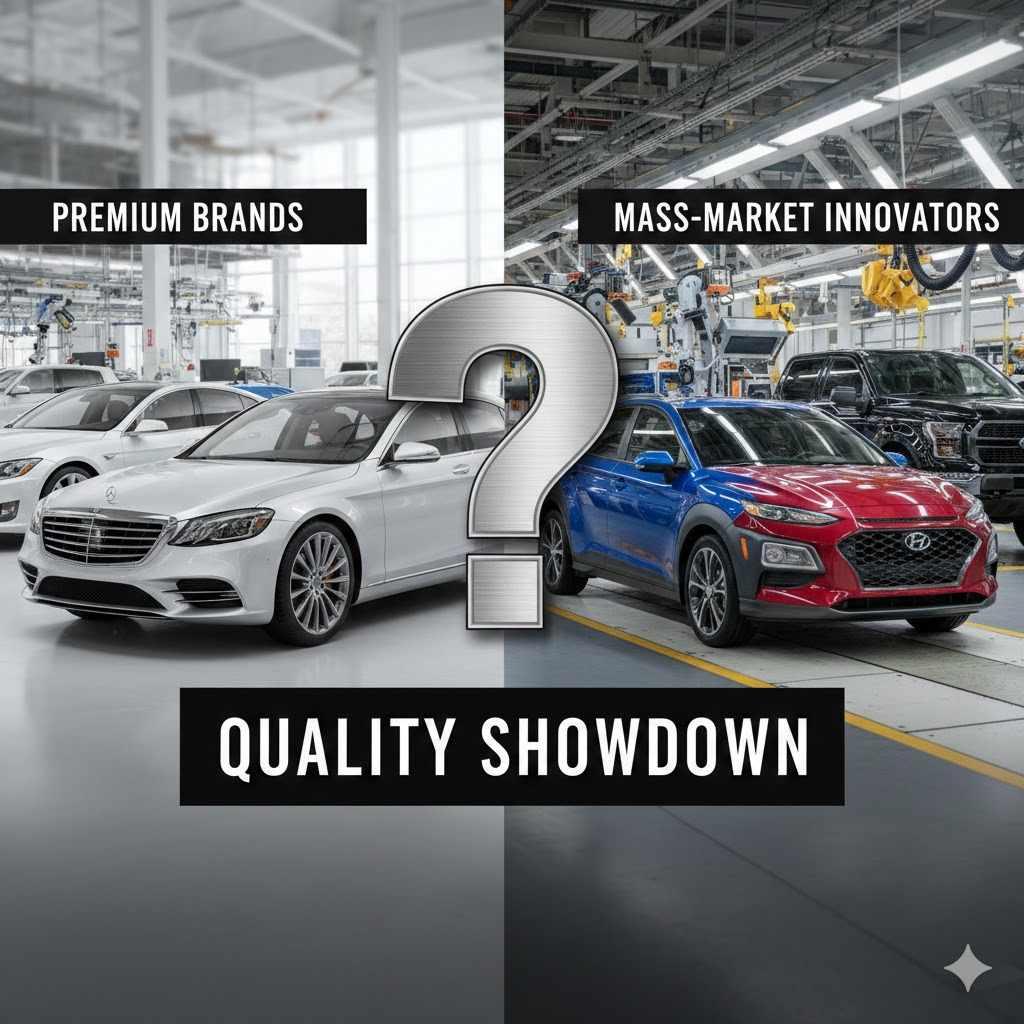
Several car companies consistently stand out when it comes to building high-quality vehicles. These brands often invest heavily in research, development, and stringent manufacturing processes. They aim to minimize defects and ensure their cars offer a superior ownership experience.
We look at various reports from organizations that track car reliability and owner satisfaction to identify these leaders. Their commitment to quality is reflected in their sales numbers and customer loyalty. People trust these brands to deliver dependable vehicles year after year.
Top Brands Based On Recent Data
Based on recent automotive studies and consumer reports, brands like Lexus, Toyota, and Mazda frequently rank high for overall quality and reliability. These Japanese manufacturers have built a strong reputation for producing vehicles that are not only well-engineered but also stand the test of time. Their focus on durability and minimizing issues has earned them a loyal customer base.
Consumers often choose these brands knowing they are likely to get a car that requires fewer repairs and offers a consistent driving experience.
- Lexus
Lexus, Toyota’s luxury division, is renowned for its exceptional build quality and attention to detail. They consistently receive top marks in customer satisfaction surveys, with owners reporting very few problems. This is due to rigorous quality control and the use of premium materials in their vehicles. - From the smoothness of the ride to the craftsmanship of the interior, Lexus aims for perfection.
- Toyota
Toyota has a long-standing reputation for building incredibly reliable cars. Models like the Camry and Corolla are known for their longevity and low maintenance costs. This reputation is built on decades of experience and a commitment to producing dependable vehicles that owners can count on. - Their engineering focuses on simplicity and durability, which often translates to fewer parts that can break.
- Mazda
Mazda has been steadily climbing quality rankings. They are praised for offering well-built cars with engaging driving dynamics. Their interiors often feel more premium than their price point suggests, and their vehicles demonstrate good long-term reliability.
Mazda’s philosophy seems to be about creating cars that are fun to drive and also built to last.
Why These Brands Excel
These leading brands excel due to a relentless focus on quality at every stage of production. They invest heavily in advanced manufacturing techniques and employ strict quality control measures. For instance, Toyota has a philosophy called “The Toyota Way,” which emphasizes continuous improvement and respect for people.
This approach permeates their entire organization, from the factory floor to the design studio.
Their commitment goes beyond just assembling parts. It involves thorough testing of components, ensuring materials are durable, and designing systems that are less prone to failure. This proactive approach to quality means that potential issues are identified and fixed before a car ever reaches a customer.
This deep dedication to excellence is why these companies consistently earn high marks for quality.
Example Quality Control Process
At a Toyota plant, for example, every car undergoes multiple quality checks. Workers are trained to spot even the smallest flaws. Robots and advanced inspection systems are used to check for paint imperfections, panel gaps, and the proper function of all systems.
If a problem is found, the car is stopped, and the issue is fixed before it moves on. This attention to detail ensures that each vehicle leaving the factory meets the company’s high standards.
Statistic On Owner Loyalty
According to a 2023 J.D. Power study, brands that consistently rank high in initial quality and dependability tend to have higher customer loyalty rates. For example, owners of top-ranked quality brands are significantly more likely to repurchase the same brand for their next vehicle compared to owners of lower-ranked brands.
This shows that when a car company delivers on quality, it builds lasting trust with its customers.
Factors Influencing Future Car Quality
Looking ahead to 2026 and beyond, several trends will significantly shape car quality. The increasing complexity of vehicle technology, the shift towards electric vehicles (EVs), and new manufacturing methods all play a role. Companies that can adapt and maintain high standards across these evolving landscapes will likely be the ones defining top quality.
Electric Vehicle Quality Considerations
Electric vehicles are becoming more common, and their quality is a major topic. While EVs have fewer moving parts than gasoline cars, their batteries and complex electronic systems present new challenges. Ensuring the longevity and reliability of battery packs, as well as the seamless integration of advanced software and charging systems, will be key to EV quality.
Companies that master these aspects will lead the EV market.
Battery degradation is a key concern. How well a battery holds its charge over many years and thousands of miles is a direct measure of quality. Similarly, the reliability of the charging port, the onboard charger, and the software that manages the battery’s performance are critical.
A high-quality EV will offer a consistent range, quick and reliable charging, and a smooth, efficient driving experience throughout its lifespan.
- Battery Longevity and Performance
The electric car battery is the most expensive component and crucial for performance. High-quality EVs will offer batteries that retain a large percentage of their original capacity for many years. This means a longer usable life for the vehicle and less worry about needing a costly battery replacement soon after purchase. - Manufacturers are developing new battery chemistries and management systems to improve lifespan.
- Software Reliability and Updates
EVs rely heavily on software for everything from power delivery to infotainment. For quality, this software must be bug-free, intuitive, and receive reliable over-the-air updates. A poorly coded system can lead to glitches, slow performance, or even affect driving functions. - Companies that excel in software development will ensure a smooth and dependable user experience.
- Charging Infrastructure Integration
Seamless integration with charging networks is vital for EV owners. High-quality EVs should be compatible with various charging standards and offer straightforward charging experiences, whether at home or on public stations. This includes accurate charging status information and reliable communication with charging infrastructure. - Thermal Management Systems
Batteries and electric motors generate heat, especially during fast charging or hard driving. Effective thermal management systems keep these components within optimal temperature ranges, preventing overheating and premature wear. A well-designed system ensures consistent performance and extends the life of critical EV components.
Example EV Battery Warranty
Many electric car manufacturers offer long warranties on their battery packs, often 8 years or 100,000 miles, whichever comes first. This warranty typically covers defects and ensures the battery retains a minimum percentage of its original capacity, say 70%. This commitment from manufacturers is a good indicator of their confidence in battery quality and longevity.
It gives buyers peace of mind.
Scenario: Choosing An EV
Imagine you’re looking to buy an electric car in 2026. You’ve narrowed it down to two models. Model A offers a longer stated range and a slightly lower price but has had reports of software glitches in earlier versions.
Model B has a slightly shorter range but comes from a brand known for its extremely reliable electronics and robust battery warranty. Based on quality, Model B might be the safer, more dependable long-term choice, despite a minor difference in initial specs.
Advancements In Manufacturing
The way cars are built is constantly improving. New technologies like artificial intelligence (AI) in factories, advanced robotics, and new materials are changing the game. These advancements can lead to even more precise construction, stronger yet lighter car bodies, and better overall durability.
Companies that adopt these cutting-edge manufacturing techniques are likely to produce vehicles with superior quality.
AI, for example, can analyze vast amounts of production data to identify potential issues before they become widespread problems. Robots can perform tasks with incredible precision and consistency, reducing human error. New lightweight yet strong materials like advanced alloys and composites can improve a car’s efficiency and structural integrity.
These innovations are all geared towards creating better, more reliable vehicles.
AI In Quality Control
Many car factories now use AI to inspect parts and car bodies. AI-powered cameras can spot tiny imperfections in paint, welding, or assembly that a human eye might miss. This technology helps catch flaws early in the production process, ensuring that only perfect vehicles move forward.
It’s a significant step up from traditional inspection methods, leading to more consistent quality across the board.
New Materials For Durability
Car makers are using new materials to make cars stronger and lighter. For example, high-strength steel alloys allow for a more rigid car frame without adding much weight. This makes the car safer in a crash and also improves its handling.
Some parts might use advanced polymers that are resistant to heat and wear, increasing their lifespan. These material innovations directly contribute to a car’s long-term quality and durability.
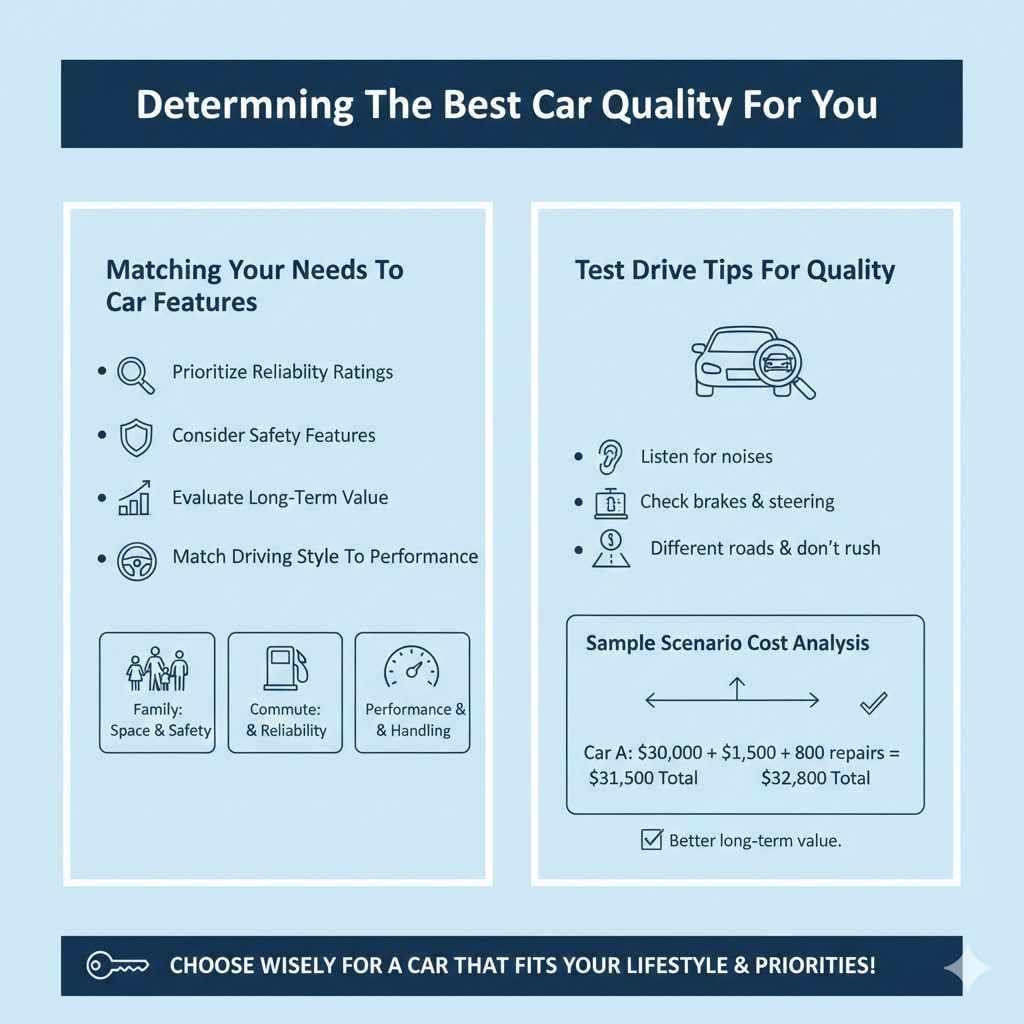
Determining The Best Car Quality For You
While certain brands consistently rank high, the “best” car quality often depends on your personal needs and priorities. What one person values most in a car might differ for another. For example, someone who drives long distances might prioritize fuel efficiency and reliability above all else.
Another person might focus more on advanced technology or luxury features.
It’s important to look beyond just brand names and consider specific models. Even within a high-quality brand, some models might perform better than others. Doing your homework, reading reviews, and even test-driving different vehicles will help you find a car that meets your definition of quality.
Matching Your Needs To Car Features
Think about how you use your car. Do you commute in heavy traffic? Do you often take long road trips?
Do you need space for a family or for hauling cargo? Answering these questions will help you decide which features are most important. For instance, if you often drive in the city, a smaller, more maneuverable car with good fuel economy might be ideal.
If you have a large family, you’ll want a car with ample seating and cargo space.
Reliability ratings are crucial for everyone, but especially if you want to minimize unexpected costs and hassle. Safety features are also a major consideration, offering protection for you and your passengers. Consider also the long-term cost of ownership, including maintenance, insurance, and fuel.
A car that seems affordable upfront might end up costing more over time if it’s not reliable or efficient.
- Prioritize Reliability Ratings
When looking at different models, check their reliability scores from reputable sources like Consumer Reports or J.D. Power. These ratings are based on real-world owner experiences and predict how likely a car is to have problems. - A high reliability rating means fewer headaches and potentially lower repair bills down the road, making it a key aspect of quality for most buyers.
- Consider Safety Features
Modern cars come with a wide array of safety technologies, from airbags and anti-lock brakes to advanced driver-assistance systems like automatic emergency braking and lane-keeping assist. These features are vital for protecting occupants and can help prevent accidents. When evaluating quality, look at the car’s safety ratings from organizations like the IIHS (Insurance Institute for Highway Safety). - Evaluate Long-Term Value
A quality car should also hold its value well. This means that when you decide to sell or trade it in, it will still be worth a significant amount. Cars from brands known for durability and reliability tend to depreciate less over time. - Considering the resale value is part of assessing the overall quality and smartness of your purchase.
- Match Driving Style To Performance
Think about how you like to drive. Do you prefer a car that accelerates quickly, or is a smooth, comfortable ride more important? Some cars offer sporty handling, while others are designed for maximum comfort. - The “best” performance is subjective and depends on your personal driving preferences and the type of roads you usually travel on.
Sample Scenario Cost Analysis
Let’s compare two cars. Car A costs $30,000 new and has a predicted 5-year repair cost of $1,500. Car B costs $32,000 new but has a predicted 5-year repair cost of $800.
If both cars have similar fuel economy and resale value, Car B might offer better overall value and a higher sense of quality due to its lower expected maintenance expenses, even with a higher initial price.
Test Drive Tips For Quality
When you test drive a car, pay attention to how everything feels. Listen for strange noises. Do the brakes feel strong and smooth?
Does the steering feel responsive? Try out the infotainment system and all the controls. A car that feels solid, quiet, and easy to operate suggests good build quality.
Don’t rush the test drive; try it on different road types if possible.
Frequently Asked Questions
Question: How do I know if a car company is truly high quality
Answer: Look at independent reliability reports from groups like Consumer Reports and J.D. Power. Also, check owner reviews and see if a brand consistently gets good feedback for fewer problems and durability.
Question: Are electric cars generally as reliable as gas cars
Answer: Electric cars often have fewer moving parts, which can mean fewer mechanical issues. However, battery longevity and software reliability are key quality factors that are still being perfected and vary by manufacturer.
Question: Should I trust car reviews from magazines
Answer: Car magazines can offer good initial impressions and reviews. However, long-term reliability and owner satisfaction surveys are often more important for judging true quality over several years.
Question: Do more expensive cars always mean better quality
Answer: Not necessarily. While luxury brands often have premium features and materials, some more affordable brands are known for exceptional reliability and build quality, offering great value.
Question: What is the most important factor for car quality
Answer: The most important factor is dependability. This means a car that starts every time, requires minimal repairs, and performs its functions smoothly and consistently over its lifespan.
Conclusion
When you ask Which Car Company Has the Best Quality in 2026?, the answer involves looking at dependability, build, and owner happiness. Brands like Lexus, Toyota, and Mazda often lead due to their commitment to making cars that last. Future quality will be shaped by electric vehicle tech and smart manufacturing.
Your personal needs will help you pick the best car. Always check reliability ratings and take test drives to find a car that feels right and performs well for you.
Related pick: Check today's price on Amazon
Products related to this article
Sponsored / affiliate links. As an Amazon Associate I earn from qualifying purchases. I may earn additional commission from eligible campaigns.
 Car Scratch Repair Wax, 2026 New Scratch Remover for Vehicles – Universal Polishing Paste for Deep Scratches & Various Surfaces, with Wipe & Sponge (1)
 Auto Car Dent Repair Puller Head Paintless-Dent Repair Removal Kit for Slide Hammer Pulling Tab Adapter Pulling Tabs Car Aluminum-alloy Puller Head Adapter Screw Glue-tabs for Slide Hammer and