Car Tyres Starting to Crack? Here’S What You Should Do
Car Tyres Starting To Crack? Here’s What You Should Do
Few things unsettle a driver more than spotting cracks on the sidewalls or treads of their car tyres. Whether you’re preparing for a long road trip or just doing your regular vehicle check, discovering these small but significant imperfections can raise serious concerns about safety, performance, and cost.
Despite their rugged appearance, car tyres are surprisingly vulnerable to environmental stressors and natural aging. Neglecting early signs of cracking can lead to unexpected blowouts or accidents, making it vital for every car owner to understand what causes these cracks, how dangerous they are, and what to do next.
In this comprehensive guide, we’ll break down the science behind tyre cracking, common causes, signs of dangerous versus superficial cracks, and practical steps you should take immediately. You’ll also find expert advice on prevention, cost comparisons, and real-world case studies to help you make informed decisions.
Whether you’re a seasoned driver or new to vehicle maintenance, this article equips you with everything you need to know to keep your wheels — and your journeys — safe.
Key Takeaways
- Cracks in car tyres signal aging, environmental stress, or poor maintenance and should never be ignored.
- Sidewall cracks are particularly dangerous and may require immediate action, such as tyre replacement.
- Regular inspection, correct inflation, and proper storage are key to preventing premature tyre cracking.
- Driving with cracked tyres poses significant safety risks, including blowouts and loss of control.
- Professional assessment is essential to determine if tyres can be repaired or must be replaced.
- Proactive care extends tyre lifespan, saves money, and ensures maximum road safety.

Credit: us.gooloo.com
Understanding Tyre Cracking: Causes And Risks
Cracking in car tyres, often referred to as “weather checking” or “dry rot,” is a common yet potentially hazardous phenomenon. To fully understand the implications, it’s important to examine why tyres crack and what risks are associated with this form of degradation.
What Causes Tyres To Crack?
Several factors contribute to the development of cracks in tyres:
- UV Radiation: Prolonged exposure to sunlight breaks down the rubber’s chemical structure, causing it to become brittle and crack. Even on cloudy days, UV rays can penetrate and affect rubber compounds.
- Ozone Exposure: Ozone in the atmosphere reacts with rubber, accelerating the aging process and leading to visible cracks. Urban areas with higher pollution levels tend to have increased ozone, which intensifies this effect.
- Temperature Extremes: Repeated cycles of heating and cooling, especially in regions with wide temperature swings, stress the rubber and induce cracking. Freezing temperatures cause contraction, while heat causes expansion, weakening the tyre structure over time.
- Underinflation/Overinflation: Incorrect tyre pressure distorts the tyre’s shape, placing abnormal stress on the sidewalls and tread, which can result in cracks. Tyres running underinflated are particularly susceptible as more of the tyre surface flexes, building up heat and stress.
- Aging: Over time, the oils and resins that keep rubber flexible evaporate, making the tyre prone to cracking, even if not heavily used. Tyres on infrequently driven vehicles, such as classic cars or trailers, may age faster than those in daily use.
- Chemicals and Pollutants: Contact with oils, solvents, cleaning agents, and road salts can degrade rubber compounds. Even using the wrong tyre cleaning products can accelerate cracking by stripping away protective coatings.
- Improper Storage: Tyres stored in conditions with excessive humidity, direct sunlight, or near electrical equipment (which produces ozone) deteriorate more quickly. Stacking tyres incorrectly can also deform and weaken their structure, making them more prone to cracking when eventually used.
Types Of Tyre Cracks
Understanding the location and pattern of cracks can help assess their severity:
- Sidewall Cracks: Appear on the tyre’s side, often due to aging or environmental exposure. These are particularly dangerous as they compromise the tyre’s structural integrity, potentially leading to sudden failures.
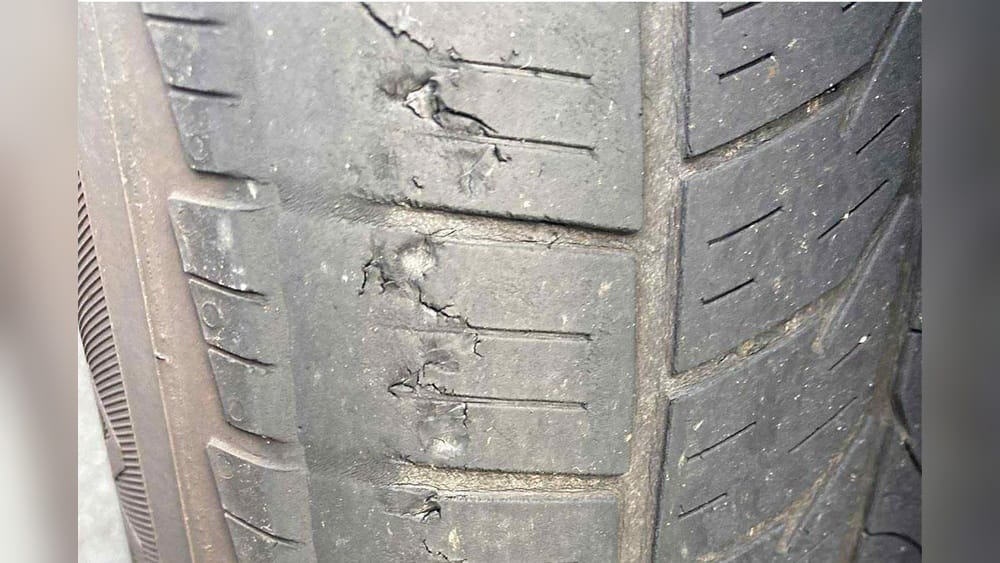
- Tread Cracks: Form on the surface that contacts the road. While minor cracks may not immediately threaten safety, deeper or spreading cracks are cause for concern, especially if they begin to connect or show signs of spreading across multiple tread blocks.
- Bead Area Cracks: Occur where the tyre meets the rim, usually resulting from mounting errors or prolonged low inflation. These can lead to air leaks and make it difficult to maintain proper pressure.
- Shoulder Cracks: Develop between the tread and sidewall, often due to aggressive cornering or underinflation. Although less common, shoulder cracks are a warning sign of excessive flexing or overloading.
Why Are Cracked Tyres Dangerous?
Cracks are a visible sign that the rubber’s elasticity and strength are diminishing. This can lead to:
- Reduced Grip: Cracks make it harder for tyres to maintain contact with the road, especially in wet or icy conditions. Water can seep into cracks and further degrade the internal structure, increasing the risk of hydroplaning or reduced braking efficiency.
- Higher Blowout Risk: Structural weakness increases the likelihood of sudden tyre failure at high speeds. Blowouts are particularly dangerous on highways, where loss of control can have catastrophic consequences.
- Loss of Air Pressure: Cracks may allow slow leaks, reducing fuel efficiency and causing further tyre damage. Driving on underinflated tyres also increases rolling resistance, accelerating wear and heat buildup.
- Legal and Insurance Issues: Many regions consider driving with visibly cracked tyres a violation of road safety regulations, potentially affecting insurance claims. In some countries, tyre condition is routinely checked during annual vehicle inspections, and severe cracks can lead to a failed inspection or fines.
Data Snapshot: Tyre Failure Statistics
According to the National Highway Traffic Safety Administration (NHTSA), about 11,000 tire-related crashes occur annually in the US alone, with a significant portion linked to tyre aging and cracking (NHTSA). In a study by Michelin, tyres older than 5 years showed a 50% increase in failure rates compared to newer models. Additionally, research by the Rubber Manufacturers Association indicates that nearly 20% of tyre-related breakdowns could be traced back to visible cracking or other signs of advanced rubber deterioration.

Credit: www.rmwindowtint.com
Identifying Cracks: How To Spot The Warning Signs
Regular inspections are the frontline defense against tyre-related hazards. Spotting cracks early can be the difference between a safe drive and a roadside emergency.
Where To Look For Cracks
- Sidewalls: Inspect both the outer and inner sidewalls for tiny lines or splits. These areas are often exposed to the most environmental stress, especially on parked cars or vehicles left in direct sunlight.
- Tread Surface: Look for cracks between tread blocks or across the tread face. Pay special attention to areas where the tread appears dry, faded, or discolored, as these may indicate advanced aging.
- Bead Area: Check the edges where the tyre contacts the rim for hidden cracks. These can sometimes be obscured by dirt or brake dust, so use a brush if necessary to clear the area.
- Spare Tyre: Don’t overlook the spare. Since it may be older than the tyres on your vehicle, it’s equally important to inspect it for cracks, especially if you rarely use it.
How To Perform A Thorough Inspection
- Park in a Well-Lit Area: Good visibility is key. Daylight is best, but a bright garage light can also work.
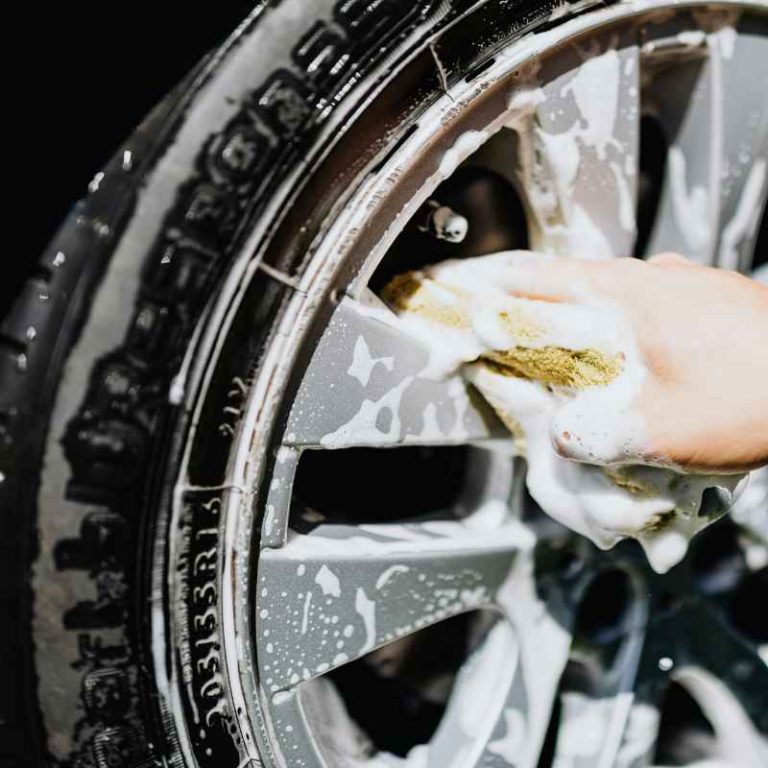
- Clean the Tyres: Remove dirt and debris to expose fine cracks. Use a soft brush or sponge and mild soap to avoid damaging the rubber.
- Use a Flashlight: Shine light across the tyre’s surface at a low angle. This technique makes even hairline cracks stand out.
- Feel for Texture Changes: Run your hand over the tyre to detect roughness or splits. If you feel any raised edges or depressions, inspect them closely.
- Check All Tyres: Don’t forget the spare and inner sidewalls. Move the vehicle slightly to access the part of the tyre resting on the ground.
Recognizing Dangerous Cracks
While some superficial cracking is common as tyres age, certain signs indicate immediate action is needed:
- Deep Cracks: More than 1mm deep or wide enough to see fabric or steel cords. These cracks may expose the internal structure and compromise safety.
- Spreading Patterns: Cracks that grow quickly or radiate from a single area. This may be a sign of progressive deterioration or manufacturing defects.
- Bulges or Deformations: Combined with cracks, these signal imminent failure. Bulges are caused by internal air pressure pushing through weakened spots.
- Multiple Large Cracks: Suggest advanced rubber degradation. If cracks are visible across the majority of the tyre’s surface, replacement is urgent.
- Presence of Foreign Objects: Cracks that contain embedded debris, such as stones or glass, may worsen quickly and further damage the tyre.
Real-world Example: Early Detection Saves Lives
In 2026, a driver in Phoenix, AZ, noticed fine cracks on the sidewall of his 6-year-old tyres during a routine check. He replaced the tyres within a week. Days later, a similar aged tyre on his neighbor’s car suffered a blowout on the highway, leading to a multi-car accident. This underscores the importance of regular inspections and proactive replacement. Similar stories can be found in automotive forums and roadside assistance reports, further illustrating that vigilance pays off.
The Science Behind Tyre Aging And Cracking
Understanding the chemistry and engineering behind tyre construction can shed light on why and how cracks form, and what manufacturers do to combat this inevitable process.
Tyre Composition And Vulnerabilities
Car tyres are engineered from a combination of natural and synthetic rubber, fabric, steel wires, and various chemical additives. Key components include:
- Tread: Provides traction and absorbs road shock. The tread is formulated to resist abrasion and provide grip but is still vulnerable to environmental factors.
- Sidewall: Protects the carcass and absorbs flexing forces. The sidewall is generally thinner and more flexible, making it a common site for cracking.
- Bead: Ensures an airtight seal with the rim. The bead contains steel wires and is coated with special compounds to maintain elasticity.
Despite additives like antioxidants and antiozonants to slow degradation, rubber remains susceptible to environmental stress. Manufacturers are constantly researching new materials and compounds to enhance durability, but even the best tyres have a finite lifespan.
Chemical Processes Leading To Cracks
- Oxidation: Oxygen reacts with the rubber, causing it to harden and lose flexibility. Over time, this process leads to the formation of microcracks which expand as the rubber becomes increasingly brittle.
- Ozonolysis: Ozone breaks down double bonds in rubber molecules, creating cracks on exposed surfaces. This process is accelerated in areas with high traffic emissions or industrial activity.
- Volatilization: Loss of softening agents over time leads to brittleness. The rubber’s flexibility decreases, making it more prone to cracking under stress or flexing.
- Hydrolysis: Moisture in the air can also contribute to chemical breakdown, particularly in tyres stored in humid environments.
Data Table: Tyre Life Expectancy Vs. Environmental Exposure
| Environment | Typical Tyre Lifespan | Average Time to First Cracks |
|---|---|---|
| Garage-kept, mild climate | 6-10 years | 6+ years |
| Outdoor, hot/sunny climate | 3-5 years | 2-3 years |
| Cold, snowy climate | 4-7 years | 4-5 years |
| High pollution/urban | 3-6 years | 2-4 years |
Manufacturer Recommendations
Most major tyre manufacturers, including Michelin, Goodyear, and Bridgestone, recommend replacing tyres every 6 to 10 years regardless of tread depth (Michelin). This is due to the inevitable aging of rubber compounds. Always consult your vehicle’s manual and the tyre manufacturer’s guidelines for specifics, as high-performance or specialty tyres may have different recommendations.
Case Study: Ozone Exposure And Cracking
A study by the Rubber Manufacturers Association found that tyres stored outdoors in urban environments developed visible cracks 30% faster than those kept indoors, even when unused. This highlights the importance of proper storage to extend tyre life. In a related experiment, tyres exposed to elevated ozone levels aged at nearly twice the rate of those stored in filtered air, demonstrating the dramatic impact of environmental conditions on tyre longevity.

Credit: www.toyotaofnorthcharlotte.com
What To Do When You Find Cracks In Your Tyres
If you’ve discovered cracks, your next actions will determine your safety and potentially save you money in the long run. Here’s how to proceed.
Assess The Severity
- Minor/Superficial Cracks: Fine lines less than 1mm deep, not spreading. Monitor regularly but continue driving with caution. Such cracks often appear as a faint network of lines and may not pose an immediate danger if the tyre is otherwise in good condition.
- Moderate Cracks: Cracks deeper than 1mm, especially on the sidewall, or spreading over time. Seek professional advice. A tyre technician can use specialized tools to measure crack depth and assess internal damage.
- Severe Cracks: Deep, long, or multiple cracks, especially with bulging or exposed cords. Replace tyres immediately. Severe cracks can lead to sudden catastrophic failure, and driving on such tyres is highly unsafe.
Decide: Repair Or Replace?
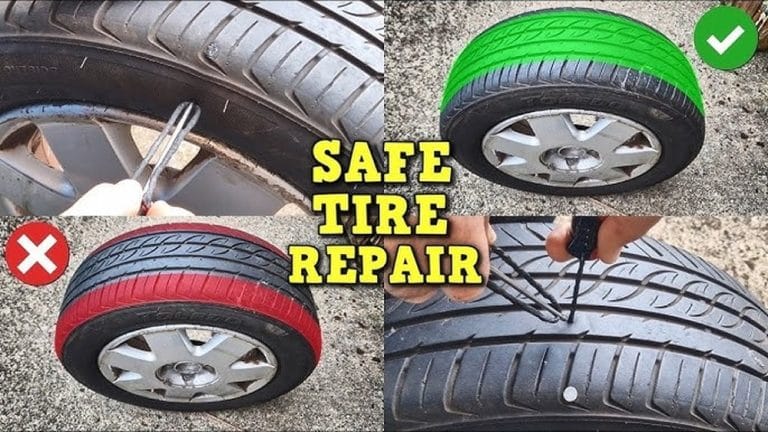
While some superficial tread cracking is considered cosmetic, sidewall cracks are almost always a reason to replace. Tyre repair shops can sometimes seal minor tread cracks, but this is a temporary measure and not recommended for long-term use. Remember, the sidewall is critical to the tyre’s strength, and repairs here are not considered safe by industry standards.
Comparison Table: Repair Vs. Replacement
| Action | When Applicable | Pros | Cons | Estimated Cost |
|---|---|---|---|---|
| Repair (Tread crack) | Minor, shallow cracks on tread only | Quick, low cost | Short-term fix, not suitable for sidewall | $15–$30 per tyre |
| Replacement | Sidewall cracks, deep/multiple cracks | Restores full safety, peace of mind | Higher upfront cost | $80–$300+ per tyre |
Steps To Take Immediately
- Reduce Driving Speed: Lower speeds reduce stress on compromised tyres. Avoid sudden acceleration or sharp turns.
- Avoid Long Journeys: Delay unnecessary travel until tyres are inspected. Limit driving to only essential trips.
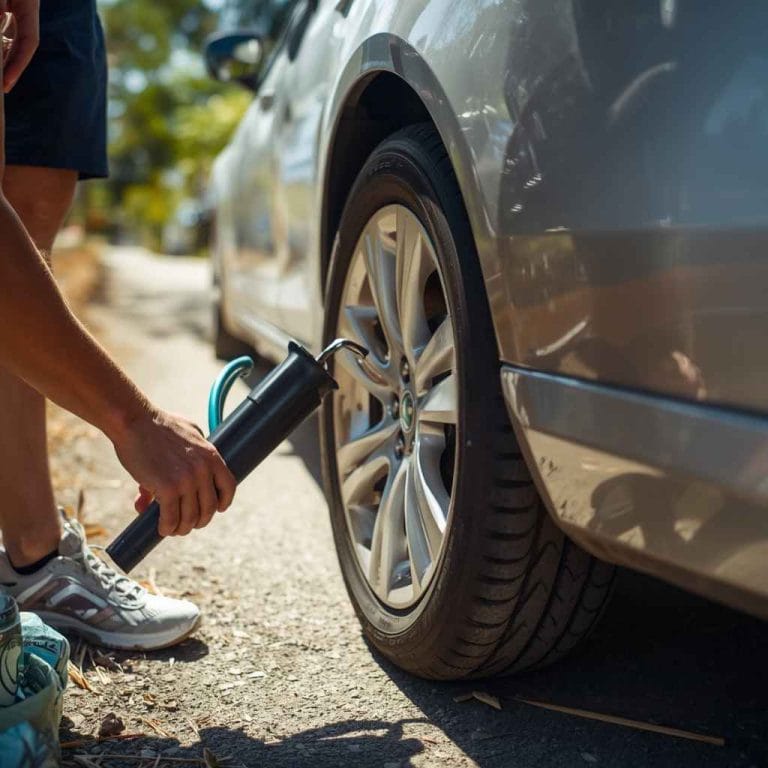
- Check Pressure: Ensure tyres are inflated to manufacturer specifications. Underinflated tyres are more likely to suffer additional damage.
- Consult a Professional: Visit a certified tyre shop for an expert assessment. A professional will have the tools to inspect for internal damage not visible to the naked eye.
- Replace if Necessary: Don’t delay if cracks are severe or on the sidewall. Remember, the cost of replacement is far less than the potential consequences of a blowout.
Real-world Example: Cost Of Delay
A 2019 report from the Automobile Association (AA) highlighted a case where a driver delayed replacing cracked tyres to save money. The tyre burst at highway speed, causing an accident and ultimately costing thousands in repairs and medical bills. Immediate replacement, though initially expensive, would have prevented the incident. This scenario is all too common, and similar cases are frequently cited in insurance claim disputes.
When Is It Safe To Keep Driving?
- Superficial cracks, regular monitoring: You can continue driving short distances but plan for replacement soon. Monitor the cracks for any changes in size or depth.
- Cracks with bulges, deep splits, or rapid growth: Stop driving and replace immediately. If you’re unsure about the severity, always err on the side of caution and consult a professional.
Preventing Tyre Cracks: Maintenance And Best Practices
Prevention is not only safer but also more cost-effective. Simple habits and proper care can significantly extend the life of your tyres and delay the onset of cracking.
Regular Inspection And Cleaning
- Inspect Monthly: Look for cracks, bulges, or discoloration. Set a reminder or incorporate inspections into your monthly vehicle maintenance routine.
- Clean Regularly: Remove debris and wash tyres with mild soap to prevent buildup of chemicals or salts. Rinse thoroughly to avoid leaving any residue.
- Rotate Tyres: Every 5,000 to 8,000 miles to ensure even wear. Uneven wear increases the risk of localized cracking.
Maintain Correct Tyre Pressure
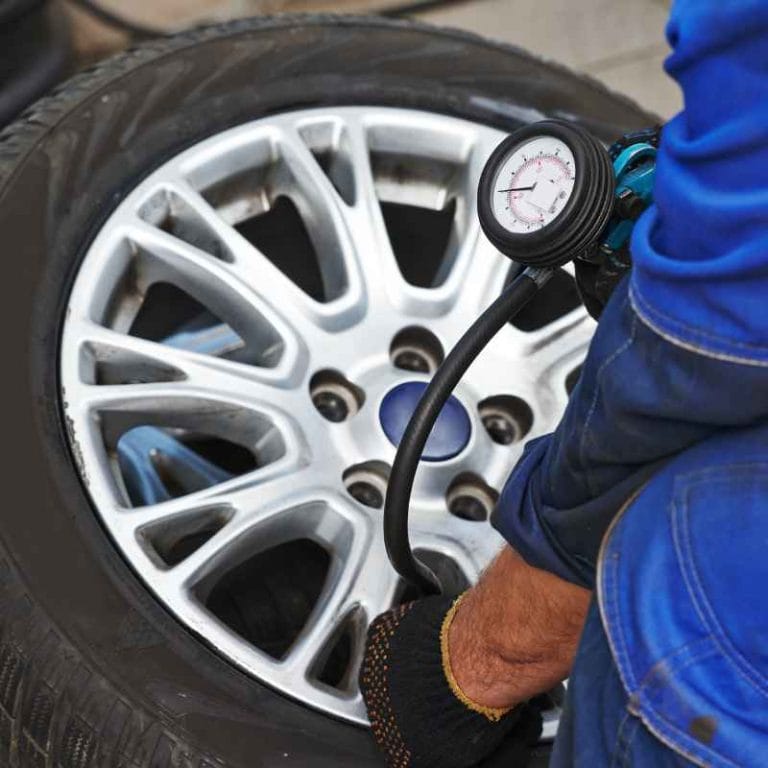
- Check Pressure Monthly: Use a reliable gauge to match manufacturer recommendations. Tyre pressure should be checked when tyres are cold for the most accurate reading.
- Adjust for Load and Temperature: Underinflated or overinflated tyres are more prone to cracking. Remember that air pressure can fluctuate with temperature changes, so check more frequently during seasonal transitions.
Avoid Excessive Uv And Ozone Exposure
- Park in Shade or Indoors: Reduces direct sun and ozone exposure. If indoor parking isn’t available, consider portable carports or parking under trees.
- Use Tyre Covers: Especially for vehicles stored outdoors or unused for long periods. Tyre covers are inexpensive and provide a significant barrier against UV rays.
Mind Your Driving Habits
- Avoid Aggressive Driving: Hard cornering, braking, and acceleration increase stress on tyres. Smooth, gradual movements extend tyre life.
- Reduce Speed over Bumps: Prevents sudden impact damage. Potholes and curbs can cause internal damage that may not be immediately visible but can lead to cracking.
Store Tyres Properly
If storing spare or off-season tyres:
- Keep Indoors: Store in a cool, dry place away from direct sunlight and heat sources.
- Position Vertically: Reduces deformation. If stacking is necessary, avoid placing heavy objects on top.
- Use Protective Bags: To shield from ozone and dust. Specialized storage bags are available at most auto parts retailers.
Use Of Tyre Dressings: Helpful Or Harmful?
Some tyre dressings claim to protect against UV and cracking. However, products containing petroleum distillates can accelerate rubber degradation. Use only water-based, silicone-free dressings (Tire Rack). Always read product labels and avoid anything that leaves a greasy residue.
Data Table: Best Practices And Their Impact
| Best Practice | Estimated Increase in Tyre Lifespan |
|---|---|
| Monthly inspection/cleaning | +12–18 months |
| Proper inflation | +10–15% |
| Indoor parking/storage | +2–3 years |
| Tyre rotation | +10–20% |
Case Study: Fleet Maintenance Success
A delivery company in Chicago implemented a strict monthly inspection and tyre care protocol for its 60-vehicle fleet. Over three years, they reported a 28% reduction in tyre failures and saved over $15,000 in replacement costs, demonstrating the value of proactive maintenance. Fleet managers reported improved driver confidence and fewer roadside incidents, further emphasizing the importance of routine care.
Choosing The Right Replacement Tyres
If replacement is necessary, choosing the right tyres is crucial for long-term safety and value. Here’s how to make an informed choice.
Assess Your Driving Needs
- Urban vs. Rural: City drivers may prioritize comfort and wet traction; rural drivers may need durability for rough roads and puncture resistance.
- Climate: All-season, summer, or winter tyres depending on your region. In areas with heavy snow or ice, dedicated winter tyres provide superior grip and safety.
- Load Requirements: Check your vehicle’s load index and speed rating. Overloading tyres beyond their rated capacity can accelerate cracking and other forms of damage.
Tyre Age And Production Date
Always check the DOT code stamped on the tyre sidewall. The last four digits indicate the week and year of manufacture (e.g., 2519 = 25th week of 2019). Avoid buying tyres older than two years, even if unused, as rubber begins to degrade from the moment it’s manufactured.
Compare Brands And Warranties
Major brands offer different warranties, performance standards, and technologies to combat cracking. Consider not only the initial purchase price but also the length and terms of the warranty, which can provide added value and peace of mind.
Comparison Table: Leading Tyre Brands And Anti-cracking Technologies
| Brand | Anti-Cracking Technology | Warranty | Average Price (per tyre) |
|---|---|---|---|
| Michelin | EverGrip, advanced antioxidants | 6 years | $120–$250 |
| Bridgestone | Ozone-resistant compounds | 5 years | $100–$220 |
| Goodyear | Silica-reinforced tread | 6 years | $90–$210 |
| Pirelli | Pirelli Seal Inside | 4 years | $130–$260 |
Professional Installation And Balancing
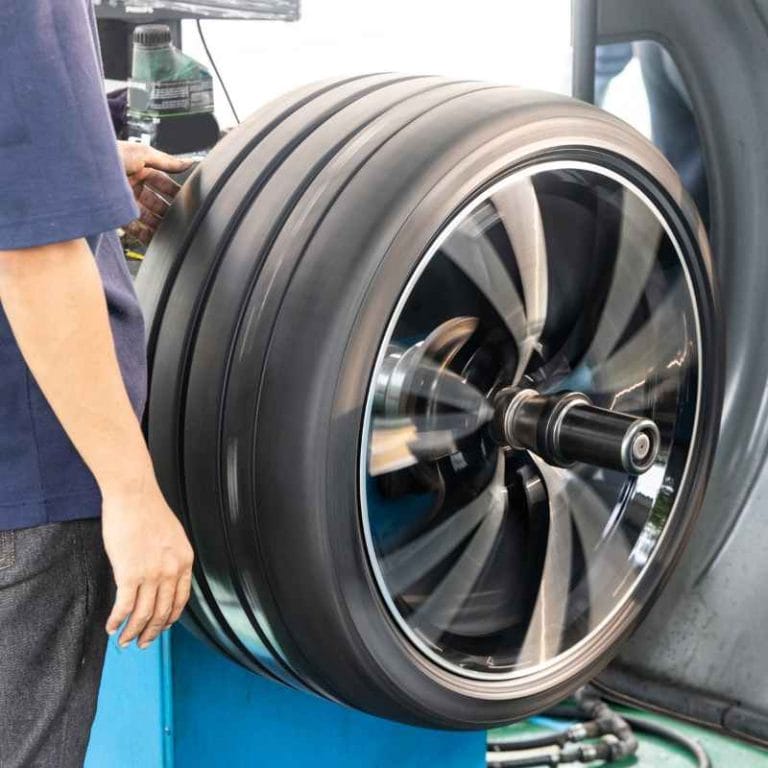
Have your new tyres installed, balanced, and aligned by certified professionals. Improper installation can lead to premature wear and increase the risk of cracking. Alignment checks should be performed at installation and periodically thereafter, especially if you notice uneven wear.
Recycle Or Properly Dispose Of Old Tyres
Don’t forget to recycle your old tyres responsibly. Many retailers offer recycling services, and improperly discarded tyres can become environmental hazards (EPA). Upcycling options also exist, such as using old tyres for playground surfaces or construction materials.
The Impact Of Driving With Cracked Tyres
The decision to keep driving on cracked tyres carries significant risks that go beyond personal safety. Understanding the broader impact can help you make more responsible choices.
Safety Risks
- Loss of Vehicle Control: Cracks can lead to sudden deflation or blowouts, resulting in loss of steering or braking ability. Such events often happen without warning, leaving little time to react.
- Accident Liability: If an accident occurs due to tyre failure, you could be held liable, especially if cracks were previously identified. Police and insurance investigators frequently inspect tyres at the scene of an accident.
Financial And Legal Consequences
- Insurance Denials: Many insurers may refuse claims if tyres are found to be unroadworthy (Forbes Advisor). This can leave you personally responsible for repair and medical costs.
- Fines or Penalties: Driving on unsafe tyres can result in fines or points on your license in many jurisdictions. In some places, repeat offenders may face vehicle impoundment or suspension of driving privileges.
Environmental Concerns
Cracked tyres break down faster, contributing to microplastic pollution and landfill waste. Proper replacement and recycling help mitigate environmental impact (ScienceDirect). Additionally, burning or improper disposal of tyres can release toxic chemicals into the air and soil.
Real-world Example: Fleet Downtime
A logistics company in Texas experienced a week-long operational shutdown after multiple trucks suffered blowouts due to ignored tyre cracks. The total cost in lost revenue and emergency repairs exceeded $40,000. This case illustrates the heavy price of neglect. Proactive maintenance and timely replacement would have minimized downtime and protected the company’s reputation.
Frequently Asked Questions
What Causes Car Tyres To Crack?
The primary causes include UV exposure, ozone, temperature extremes, improper inflation, and aging. Environmental factors and chemical exposure accelerate the breakdown of rubber, resulting in visible cracks. Inadequate storage and aggressive driving habits can also contribute.
Are Small Cracks In My Tyres Dangerous?
Small, superficial cracks on the tread may not be immediately dangerous but signal aging. Sidewall cracks or deep, spreading cracks increase the risk of blowouts and should be addressed immediately by a professional. If in doubt, always seek expert advice.
Can I Repair Cracked Tyres, Or Do I Need To Replace Them?
Minor tread cracks may be temporarily repaired, but sidewall cracks or deep splits always require tyre replacement. Repairs are only stopgap solutions and do not restore the tyre’s structural integrity. Never attempt to repair sidewall cracks, as this area bears the most stress during driving.
How Can I Prevent My Tyres From Cracking?
Preventive steps include regular inspections, maintaining proper pressure, avoiding excessive sun exposure, rotating tyres, and storing them properly when not in use. Use only water-based, silicone-free tyre dressings if applying protectants. Driving sensibly and parking in shaded areas also help.
How Often Should I Replace My Car Tyres To Avoid Cracking?
Most manufacturers recommend replacing tyres every 6 to 10 years, regardless of tread depth. If you notice cracks or your tyres are over 6 years old, have them inspected by a professional for safety. For vehicles that see limited use, check the tyres annually after the fifth year.
Keeping your tyres in optimal condition is not just about prolonging their lifespan or saving money — it’s a fundamental aspect of road safety. By understanding the causes, risks, and remedies for tyre cracking, you can drive confidently, knowing you’ve taken every step to protect yourself and others on the road.
Regular maintenance and timely replacement are small investments compared to the potentially severe consequences of tyre failure. Stay vigilant, inspect often, and never underestimate the importance of healthy tyres for every journey.
Products related to this article
Sponsored / affiliate links. As an Amazon Associate I earn from qualifying purchases. I may earn additional commission from eligible campaigns.