Why Do Car Tyres Blow Out? Causes And How to Prevent It
A sudden, thunderous tire blowout is every driver’s nightmare. One moment, you’re cruising comfortably; the next, you’re struggling to control your vehicle. Blowouts not only disrupt travel but can lead to severe accidents, injuries, and even fatalities. In the U.
S. alone, the National Highway Traffic Safety Administration (NHTSA) attributes nearly 11,000 crashes and hundreds of deaths annually to tire-related issues, with blowouts being a significant contributor.
But why do car tires blow out in the first place? Is it just bad luck, or are there clear causes and preventable factors at play? Understanding the science and practical realities behind tire blowouts is crucial for every driver.
With the right knowledge, you can dramatically reduce your risk and ensure safer journeys for yourself and others on the road.
Key Takeaways

SARDVISA
SARDVISA 20 Pcs Air Compressor Tool Kit…
- WHAT YOU'LL GET?: 1 x air blow gun + 1 x tire air chuck + 1 x tyre gauge + 1 x ball chuck + 6 x 1/4 quick connect fittings +2 x do…
- 1/4 NPT QUICK CONNECT: The air chuck kit contains various required air tool fittings. All air connections are standard American 1/…
- PROFESSIONAL TIRE CHUCK: We are committed to providing professional air tools. The air nozzle blow gun set includes a dual head ti…
As an Amazon Associate I earn from qualifying purchases.
- Underinflation, overloading, and road hazards are the most common causes of tire blowouts.
- Regular maintenance and proper tire inflation can prevent most blowouts.
- High temperatures and old, worn-out tires significantly increase blowout risks.
- Recognizing warning signs and adopting safe driving habits are key to prevention.
- Immediate, calm response is essential if a blowout occurs to avoid loss of control.
- Investing in quality tires and routine inspections pays off in safety and peace of mind.
Understanding Tire Blowouts: The Basics
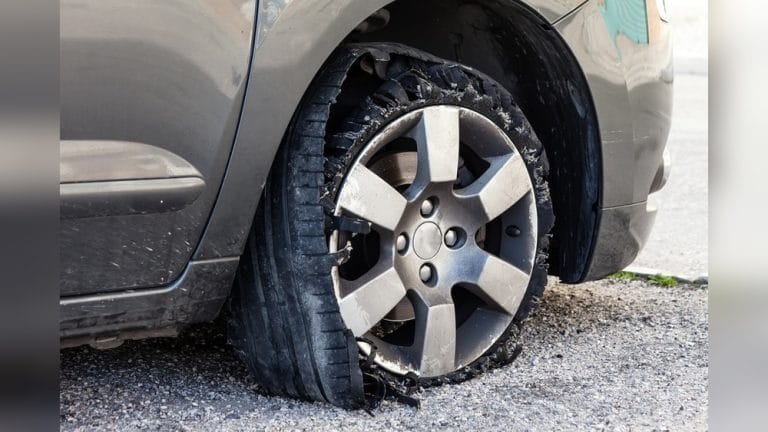
A tire blowout is not simply a flat tire. It’s a rapid and explosive loss of air pressure that can cause the tire to disintegrate or detach from the wheel rim, making vehicle control extremely difficult. To appreciate why and how blowouts happen, it’s important to grasp the basic mechanics of tire construction and performance.
What Exactly Is A Tire Blowout?
A tire blowout occurs when a tire suddenly loses air pressure, typically due to a structural failure. This leads to the tire rapidly deflating, often accompanied by a loud bang or popping sound. Unlike a slow puncture, a blowout causes an almost instantaneous loss of tire integrity.
Drivers often describe the feeling as a sudden jolt or sharp pull to one side, especially if a front tire is affected. The sound can range from a loud “pop” to a sustained flapping or grinding, depending on the speed and severity of the failure.
This dramatic loss of pressure and structure can destabilize even the most advanced vehicles, especially if it happens at highway speeds or while cornering.
How Car Tires Are Constructed
Modern car tires consist of several layers:
- Tread: The part that contacts the road, providing grip and channeling water away to prevent hydroplaning.
- Belts and Plies: Steel and fabric layers beneath the tread that give strength and flexibility, helping the tire maintain its shape under varying loads and speeds.
- Sidewalls: The vertical sides that absorb shocks and provide lateral stability during cornering.
- Inner Liner: A synthetic rubber layer that holds air and maintains pressure.
The synergy of these components allows tires to withstand significant forces. However, if any layer fails—especially under stress or damage—a blowout can occur. For example, a punctured sidewall or broken steel belt weakens the tire’s integrity, making it susceptible to catastrophic failure.
The Physics Behind A Blowout
Tires are engineered to withstand immense forces. However, when a weak spot forms (due to underinflation, aging, or damage), the internal pressure can cause the tire to rupture. Heat, speed, and external impact can hasten this process. The result: a sudden, catastrophic loss of air and control.
As a tire spins, centrifugal forces push outward, and friction with the road generates heat. Underinflation increases flexing, compounding heat generation, which weakens the rubber and internal bonds. If the internal air pressure exceeds what the weakened structure can hold, the tire fails explosively—often with little or no warning.
Common Misconceptions
- “Blowouts only happen to old or cheap tires.” Even new, high-quality tires can blow out if abused or improperly maintained. For example, running over a sharp object or consistently driving with underinflated tires can cause even premium models to fail.
- “I’ll always see a warning first.” Blowouts often happen without warning, especially at high speeds. Sometimes, damage from a road hazard may be hidden inside the tire, invisible during a cursory inspection.
Understanding the fundamentals helps drivers appreciate the importance of vigilant tire care and recognize that blowouts are preventable, not inevitable.

Credit: www.gotodobbs.com
Top Causes Of Tire Blowouts
Knowing what leads to a blowout is the first step in prevention. Let’s examine the most frequent causes, supported by industry studies and real-world incidents.
Underinflation: The Silent Killer
According to the NHTSA, underinflated tires are the number one cause of blowouts. When a tire operates below its recommended pressure:
- Excessive Flexing: The sidewalls bend more, creating heat and stress.
- Heat Buildup: Increases risk of structural failure, especially during long drives or in hot weather.
- Uneven Wear: Weakens the tire over time, making it susceptible to rupture.
A 2026 study by the Rubber Manufacturers Association found that 85% of drivers don’t properly check tire pressure, leaving them vulnerable to underinflation-related blowouts. Even a seemingly small pressure loss—such as 5 to 10 psi below the recommended level—can double the risk of a blowout, particularly when combined with other risk factors like high loads or road hazards.
Overloading Your Vehicle
Every car and tire has a maximum load rating. Exceeding this limit:
- Stresses the tire’s structure beyond its design specifications.
- Increases heat generation due to greater friction and flexing.
- Compounds effects of underinflation, making failure more likely.
A loaded vehicle on a summer road trip is especially at risk. Overloading is a frequent factor in blowouts involving SUVs, vans, and trucks. It’s not just about what’s inside the vehicle—towing trailers or carrying roof boxes also adds significant stress to tires.
Road Hazards: Potholes, Debris, And Curbs
Hitting sharp objects or deep potholes can cause immediate or delayed blowouts:
- Cuts or punctures in the tire structure, which may not be immediately visible.
- Internal damage that weakens the tire, leading to a blowout days or weeks later.
A 2018 AAA report highlighted that 16% of tire blowouts are linked to hitting road hazards. Even a brief brush with a curb or running over construction debris can create a weak spot or internal bruise that later gives way.
High Speeds And Excessive Heat
Speed increases tire temperature, especially in hot weather. Overheated tires are much more likely to fail:
- Friction and heat degrade internal materials, accelerating the breakdown of rubber and adhesives.
- Rubber softens, leading to blowouts, especially if the tire is already compromised by wear or underinflation.
Summer months see a spike in blowout incidents, especially on highways where sustained speeds and pavement temperatures can exceed 140°F (60°C). Urban stop-and-go driving in extreme heat can also stress tires beyond their limits.
Old, Worn-out, Or Poor-quality Tires
Tires deteriorate over time—even if they look fine. Key risks include:
- Cracked sidewalls and tread separation due to age, UV exposure, and ozone.
- Expired rubber compounds (most tires should be replaced every 6 years), regardless of tread depth.
- Poor-quality or counterfeit tires may lack proper safety testing, leading to higher failure rates.
Cheap or counterfeit tires may lack adequate safety features, further elevating blowout risk. Many drivers are unaware that tires age even when not in use—spare tires or those stored for long periods can become brittle and unsafe.
Manufacturing Defects And Improper Repairs
Though rare, defects in tire construction can cause blowouts, as can improper repairs (e. g. , using a plug on a sidewall). Always use reputable tire shops and check for recalls. An improperly patched tire, especially if the damage is near the shoulder or sidewall, can fail suddenly due to the weakened area.
Table: Common Causes Of Tire Blowouts And Their Percentage Contribution
| Cause | Estimated Contribution (%) | Example Scenario |
|---|---|---|
| Underinflation | 45% | Neglecting monthly pressure checks |
| Overloading | 15% | Packed car for vacation |
| Road Hazards | 16% | Striking a pothole at speed |
| High Heat/Speed | 10% | Summer highway driving |
| Old/Worn Tires | 9% | Using tires over 6 years old |
| Defects/Improper Repairs | 5% | Poor-quality or patched sidewall |

Credit: harristirecompany.com
Warning Signs And How To Spot Them
While blowouts are often sudden, vigilant drivers can spot early warning signs and take preventive action. Here’s what to look for during routine checks and while driving.
Tread Wear And Depth
Uneven or excessive tread wear is a major red flag. Tires with low tread cannot dissipate heat effectively and are more prone to punctures and ruptures. Use the “penny test” or check the tread wear indicator bars:
- Penny Test: Insert a penny into the tread with Lincoln’s head upside down. If you see his entire head, the tread is too shallow.
- Wear Bars: If the tread is level with the indicator bars, it’s time to replace.
Excessive or uneven wear can also indicate alignment or suspension issues, which further compromise safety and tire longevity. Cupping, feathering, or bald patches all signal that the tire is not gripping the road evenly, increasing the risk of sudden failure.
Sidewall Damage
Inspect for:
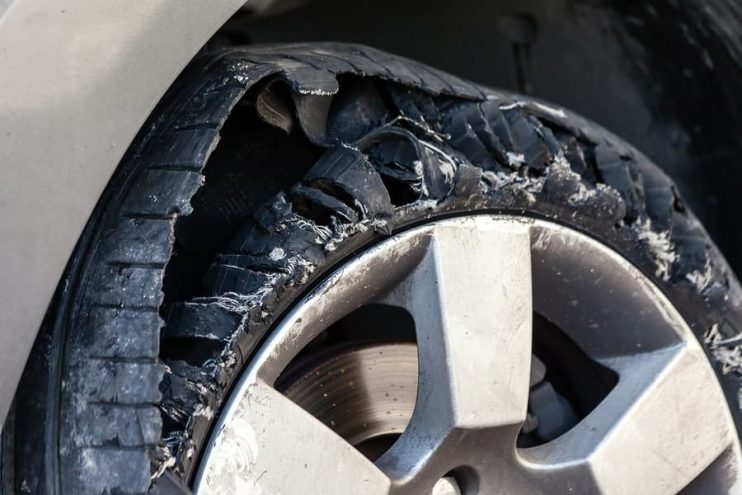
- Bulges or blisters: Indicate weak spots prone to rupture. These can develop from hitting potholes or curbs, or as a result of manufacturing flaws.
- Cracks or cuts: Signal aging or damage. Cracks indicate the rubber is drying out, often from exposure to sunlight or ozone.
- Puncture repairs: Only safe if done in the tread area, not the sidewall. Sidewall repairs are not reliable, as this area flexes more and is structurally weaker after damage.
Even a small sidewall bulge can be a ticking time bomb. If you see any abnormality, have a professional inspect the tire immediately.
Vibration And Handling Issues
Unusual vibration, pulling, or thumping noises while driving may mean:
- Internal tire damage such as broken belts or shifted plies.
- Tread separation, which can escalate into a blowout at speed.
- Imbalanced or misaligned wheels, causing uneven tire stress.
Don’t ignore these symptoms; have a professional inspect your tires immediately. Sometimes, what feels like a minor vibration can be the only external symptom of internal damage.
Dashboard Warnings And Tpms Alerts
Modern cars are equipped with Tire Pressure Monitoring Systems (TPMS). If the TPMS warning illuminates, check your tire pressures right away. TPMS can alert you to slow leaks or significant underinflation before a blowout occurs.
However, not all systems are created equal—direct TPMS measures pressure in each tire, while indirect TPMS infers pressure from wheel speed sensors. Both require prompt action if an alert is triggered. Don’t assume it’s a false alarm; check all tires as soon as possible.
Real-world Example: Preventing Disaster With Early Detection
In 2026, a driver in Arizona noticed slight vibration on the highway and pulled over. Upon inspection, he found a sidewall bulge on his front tire. Replacing the tire prevented what could have been a catastrophic blowout at 75 mph—demonstrating the value of regular checks and not ignoring warning signs.
Regularly scheduled maintenance and a keen eye for subtle changes in vehicle handling can save lives. It’s always better to err on the side of caution, especially during long trips or in extreme conditions.
Credit: www.breakerlink.com
Consequences Of Tire Blowouts
The aftermath of a blowout can range from inconvenient to catastrophic. Understanding the risks underscores why prevention is so vital.
Loss Of Vehicle Control
A blowout—especially on a front tire—can cause:
- Sudden steering pull to one side, making it difficult to keep the car straight.
- Loss of traction, which can lead to skidding or spinning.
- Increased stopping distance, especially if the blowout occurs at speed.
According to the NHTSA, loss of control is the leading cause of blowout-related accidents. In some scenarios, a blowout can even cause the driver to overcorrect, leading to a rollover or collision with other vehicles or roadside objects.
Risk Of Rollovers And Collisions
SUVs and trucks are particularly prone to rollovers after a tire blowout due to their higher center of gravity. On highways, blowouts can trigger chain-reaction crashes involving multiple vehicles.
Data from the Insurance Institute for Highway Safety (IIHS) shows that nearly 36% of fatal SUV rollovers were initiated by tire-related events, underscoring the danger for larger vehicles. Even in sedans, a high-speed blowout can result in crossing into oncoming traffic or colliding with barriers.
Personal Injury And Fatalities
The Fatality Analysis Reporting System (FARS) reports that approximately 200 fatalities per year in the U.S. are directly linked to tire blowouts. Serious injuries are even more common, often occurring when vehicles leave the roadway or collide with barriers.
Blowout accidents frequently result in ejections, especially if passengers are not wearing seatbelts. Injuries can range from broken bones and concussions to more severe trauma, depending on the speed, vehicle type, and crash dynamics.
Financial And Legal Consequences
A blowout often means:
- Costly repairs for your car (and possibly others), as bodywork and suspension components are frequently damaged.
- Insurance claims and higher premiums, especially if negligence is proven.
- Potential legal liability if negligence (e.g., bald tires) is proven. In some cases, drivers have been found legally responsible for injuries or damages caused by blowout-related accidents.
The ripple effects can impact your driving record and financial stability for years.
Case Study: The 2018 Florida Interstate Incident
In 2018, a family minivan suffered a rear tire blowout on I-75 near Gainesville, Florida. The vehicle lost control, rolled over, and tragically, two passengers lost their lives. Investigation revealed the tire was over 10 years old—highlighting the deadly consequences of ignoring tire age and maintenance.
This case is a stark reminder that tire blowouts are not just an inconvenience; they can have life-altering and irreversible consequences for families and communities.
How To Prevent Tire Blowouts
The good news: most blowouts can be prevented with proactive care and smart driving habits. Here’s how you can dramatically reduce your risk.
Maintain Proper Tire Pressure
Check tire pressure at least once a month and before long trips:
- Use a reliable gauge—don’t trust visual inspection alone. Digital gauges are often more accurate than dial or stick versions.
- Inflate to the vehicle manufacturer’s recommended PSI (usually found on the driver’s door jamb or in the owner’s manual).
- Don’t forget the spare tire—it’s useless if underinflated during an emergency.
Proper inflation not only prevents blowouts but also improves fuel efficiency and handling.
Regular Tire Inspections
Inspect tires visually and physically:
- Look for cuts, cracks, bulges, and embedded objects. Stones, nails, and glass can cause slow leaks or sudden failures.
- Check tread depth and evenness. Uneven wear often points to alignment issues.
- Rotate tires every 5,000–7,500 miles to ensure even wear, which prolongs tire life and safety.
Professional inspections during oil changes or seasonal checks can catch issues you might miss.
Avoid Overloading
Consult your vehicle’s Gross Vehicle Weight Rating (GVWR) and tire load ratings. Don’t exceed:
- The maximum load per tire (printed on the sidewall), which factors in passengers and cargo.
- The total vehicle load (found in your owner’s manual).
Remember that adding a full roof box or towing a trailer increases the load on your tires. Plan accordingly and redistribute weight if necessary.
Drive Defensively And Avoid Hazards
- Slow down when approaching potholes, debris, or rough roads. Even moderate impacts can damage internal tire components.
- Don’t “curb” your tires when parking. Hitting or scraping curbs can cause sidewall bruising.
- Avoid sudden or sharp turns at high speed, especially when loaded, as this increases sidewall flex and risk of failure.
Remaining vigilant and adjusting your speed for conditions can help you avoid most road hazards.
Replace Tires As Needed
- Replace tires every 6 years regardless of tread, or sooner if worn/damaged. Check the DOT code on the tire for the manufacturing date.
- Don’t use tires with visible damage or repairs outside the tread area.
- Buy quality, reputable brands—avoid used or counterfeit tires. While the upfront cost is higher, the investment in safety is invaluable.
Regular replacement ensures that you are not relying on aged or compromised rubber, which may not perform as intended.
Table: Recommended Tire Maintenance Schedule
| Maintenance Task | Frequency | Key Benefits |
|---|---|---|
| Check Tire Pressure | Monthly | Prevents under/overinflation |
| Visual Tire Inspection | Monthly / Before trips | Detects damage and wear |
| Tire Rotation | Every 5,000–7,500 miles | Ensures even tread wear |
| Wheel Alignment | Annually / As needed | Prevents uneven wear |
| Tire Replacement | Every 6 years / As needed | Maintains safety and performance |
Use Tire Pressure Monitoring Systems (tpms)
TPMS can alert you to drops in pressure before a blowout occurs. Familiarize yourself with the warning lights and respond promptly. Remember, some TPMS systems only trigger when pressure is significantly low, so manual checks remain essential.
Example: Preventive Measures In Fleet Management
A major delivery company in Texas reduced blowout incidents by 75% after implementing a strict tire maintenance protocol, including monthly pressure checks, using only high-quality tires, and mandatory driver training on hazard avoidance. This resulted in lower accident rates and significant cost savings.
Fleet vehicles often cover tens of thousands of miles annually, making them particularly vulnerable. Their success demonstrates the value of a disciplined, data-driven approach to tire safety.
Responding To A Blowout: What To Do
Despite best efforts, blowouts can still occur. Knowing how to react can make the difference between a close call and a disaster.
Stay Calm And Maintain Control
- Grip the steering wheel firmly with both hands. A sudden jolt can try to pull the vehicle off course.
- Do not slam on the brakes; instead, gently release the accelerator. Braking abruptly can cause a spin, especially if a rear tire fails.
- Steer straight and keep the vehicle stable. If possible, guide the car gradually toward the roadside.
Allow The Vehicle To Slow Down
- Let the car decelerate naturally. Sudden maneuvers can worsen loss of control.
- Gradually steer toward the side of the road or a safe area, such as a wide shoulder or exit ramp.
Brake Gently When Safe
- Once at a low speed and off the main roadway, use brakes gently to stop.
- Turn on hazard lights to warn other drivers and increase your visibility, especially in low-light conditions.
Exit Safely And Call For Assistance
- If possible, exit the vehicle from the side away from traffic. On busy highways, stay inside with seatbelts fastened if it’s unsafe to exit.
- Call roadside assistance or change the tire only if it is absolutely safe to do so. Set up reflective triangles or flares if you have them.
Case Study: Averted Tragedy On I-95
In 2026, a driver experienced a blowout on I-95 in Connecticut. Following proper blowout response protocols, she maintained control, safely moved to the shoulder, and avoided a multi-car pileup. Her quick thinking—and knowledge of what to do—likely saved lives.
Proper preparation and understanding of emergency procedures can turn a potentially deadly incident into a manageable roadside inconvenience.
Tire Blowouts: Data, Trends, And Real-world Impact
To fully understand the scope of tire blowouts, let’s review some recent data, trends, and the tangible impact on road safety.
Data On Tire Blowouts And Road Safety
- The NHTSA estimates 11,000 tire-related crashes annually in the U.S.
- Approximately 200 fatalities and over 6,000 injuries are attributed to tire blowouts each year.
- Blowouts are more common in summer months and in regions with poor road conditions.
The majority of these incidents occur at highway speeds, where the consequences are most severe. Data also show a correlation between higher rates of blowouts and areas with frequent temperature fluctuations, which can accelerate tire degradation.
Table: Tire Blowout Incidents By Vehicle Type (u.s., 2026)
| Vehicle Type | Estimated Blowout Incidents | % of Total Incidents |
|---|---|---|
| Passenger Cars | 5,000 | 45% |
| SUVs | 3,000 | 27% |
| Light Trucks | 2,000 | 18% |
| Commercial Vehicles | 1,000 | 9% |
| Other | 300 | 1% |
Industry Trends And Innovations
- Increasing use of run-flat tires and advanced TPMS is lowering the risk and impact of blowouts. Run-flat technology enables safe driving even after a loss of air pressure, allowing drivers to reach a repair facility without stopping on the highway.
- Major tire manufacturers are investing in smart tire technology to monitor real-time condition and warn drivers of imminent failure. Some new systems use embedded sensors to track temperature, pressure, and even tread wear, sending alerts to your smartphone or in-car display.
- Tire compounds are being engineered for better heat resistance and longer lifespans, reducing the risk of age-related failures. Additionally, self-sealing tire designs are beginning to address the problem of small punctures before they can escalate into blowouts.
External Resources For Further Reading
- NHTSA: Tire Safety
- AAA: Understanding Tire Blowouts
- Consumer Reports: Tire Buying Guide
- SaferCar.gov: Tire Information
- Wikipedia: Tire Blowout
- Rubber Manufacturers Association: Tire Maintenance and Safety
Frequently Asked Questions
What Is The Difference Between A Blowout And A Flat Tire?
A blowout is a sudden, explosive loss of air pressure, often accompanied by a loud noise and immediate loss of control. A flat tire usually results from a slow leak, allowing air to escape over time, and often gives more warning and less dramatic loss of vehicle control. Blowouts are more dangerous due to their abrupt onset and potential for causing a loss of control at high speed.
How Often Should I Check My Tire Pressure To Prevent Blowouts?
Check your tire pressure at least once a month and before long trips. Use a reliable gauge, as visual inspection alone is not accurate. Don’t forget to check the spare tire as well. Checking more frequently is advised during temperature extremes, as cold or hot weather can cause significant pressure changes.
Can I Drive On A Tire After A Blowout?
No. Once a tire has suffered a blowout, it is no longer structurally sound and must be replaced. Driving on a blown-out tire risks further damage to your vehicle and is extremely unsafe. In some cases, driving even a short distance can destroy the wheel or suspension components.
Are Certain Tires More Prone To Blowouts?
Yes. Older tires, worn-out tires, and low-quality or counterfeit brands are more susceptible. Tires that are underinflated, overloaded, or poorly repaired are also at greater risk. Always choose reputable brands and replace tires as recommended. High-performance tires with ultra-low profiles may also be at greater risk due to thinner sidewalls, especially if used inappropriately.
What Should I Do Immediately After A Tire Blowout?
- Stay calm and keep a firm grip on the wheel.
- Do not slam on the brakes.
- Allow the vehicle to slow down naturally while steering straight.
- Move safely to the side of the road and turn on hazard lights.
- Exit the vehicle only if safe and seek professional help.
Even the most experienced drivers can be caught off guard by a tire blowout. But with a clear understanding of the causes, warning signs, and preventive steps, you can minimize your risk. Regular maintenance, careful driving, and prompt response to issues not only protect you and your passengers but also everyone sharing the road.
In the world of motoring, a few minutes of attention to your tires can make the difference between disaster and a safe arrival at your destination. For more on this, see the difference between 8 ply and 10 ply tires.
Related pick: Check today's price on Amazon
Products related to this article
Sponsored / affiliate links. As an Amazon Associate I earn from qualifying purchases. I may earn additional commission from eligible campaigns.