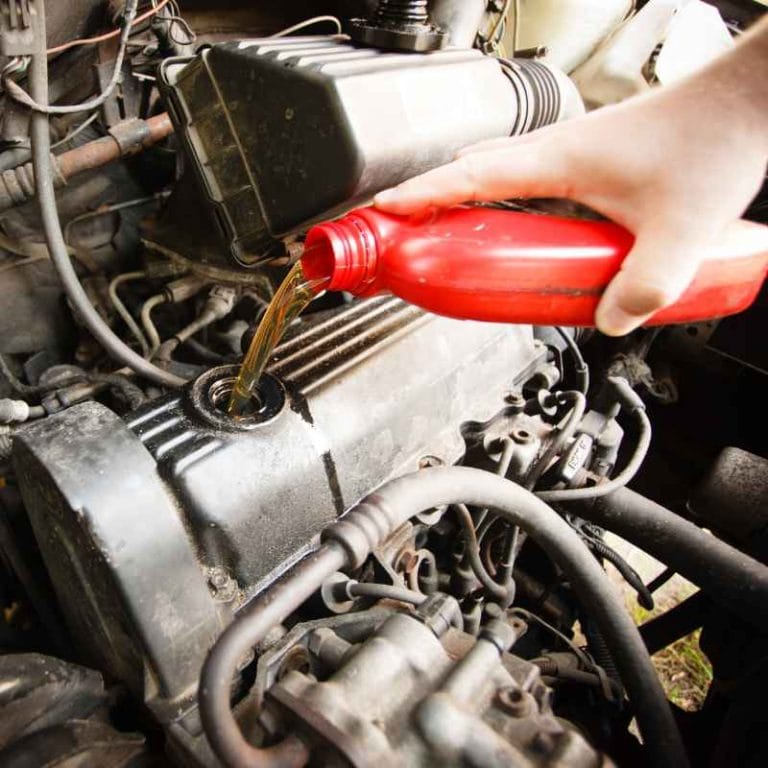
When to Change Car Engine Oil: Signs You Shouldn’T Ignore
Few tasks in vehicle ownership are as critical to longevity and performance as regular engine oil changes. Yet, many drivers ignore or misinterpret the signs, risking severe engine damage, costly repairs, and even total engine failure. Whether you drive a brand-new sedan or a time-tested truck, understanding when to change your car’s engine oil is essential for maintaining optimal engine health and avoiding preventable headaches.
In my experience as an automotive enthusiast, neglecting oil changes is one of the most common, and costly, mistakes car owners make. Despite advancements in oil and engine technology, the warning signs remain largely the same. This article unpacks the most critical signals that your car needs an oil change, offers data-driven guidance, and shares real-world examples to help you safeguard your vehicle’s heart: its engine.
Key Takeaways
- Engine oil is vital for lubrication, cooling, and preventing wear in your engine.
- Ignoring oil change signs can cause severe engine damage and expensive repairs.
- Look for indicators like dirty oil, low oil level, dashboard warning lights, and engine noise.
- Manufacturer recommendations are a good starting point, but driving conditions and habits matter.
- Synthetic and conventional oils have different lifespans, choose based on your vehicle’s needs.
- Regular oil analysis and maintenance can extend engine life and save money long-term.
The Critical Role Of Engine Oil
Engine oil does far more than simply lubricate moving parts. It acts as a coolant, prevents corrosion, cleans away debris, and forms a crucial barrier against friction. Without regular changes, oil degrades, becoming less effective at protecting your engine.
How Engine Oil Works
When your engine runs, thousands of metal parts move at high speeds and temperatures. Engine oil forms a thin film between these parts, reducing friction and wear. It also:
- Absorbs and dissipates heat
- Suspends contaminants, preventing sludge buildup
- Neutralizes acids from fuel combustion
Oil Degradation Over Time
Over time, oil breaks down due to heat, pressure, and contamination from dirt, fuel, and water. As its viscosity and chemical properties change, it loses its ability to protect your engine.
Warning: Driving with degraded oil accelerates wear, leading to engine knocking, reduced efficiency, and potentially catastrophic failure.
Manufacturer Recommendations Vs. Real-world Needs
Most carmakers recommend oil changes every 5,000 to 7,500 miles for modern vehicles, though some high-performance or turbocharged engines require more frequent service. Always consult your owner’s manual, but tailor intervals based on:
- Your driving style (e.g., frequent short trips, towing, stop-and-go traffic)
- Climate (extreme heat or cold accelerates oil degradation)
- Oil type (synthetic vs. conventional)

Credit: www.mistertransmission.com
Top Signs You Shouldn’t Ignore
Ignoring warning signs of old or depleted oil can put your entire engine at risk. Here are the most important symptoms to watch for:
1. Oil Change Or Check Engine Light
When your dashboard’s oil change or check engine light comes on, don’t dismiss it. Modern vehicles have sensors that track oil life and quality. If illuminated, it’s a clear message from your car: the oil’s condition is no longer adequate.
- Oil pressure warning usually means dangerously low oil levels or a pump issue.
- Oil life monitor triggers based on time, mileage, and sometimes driving habits.
2. Dirty Or Dark Oil
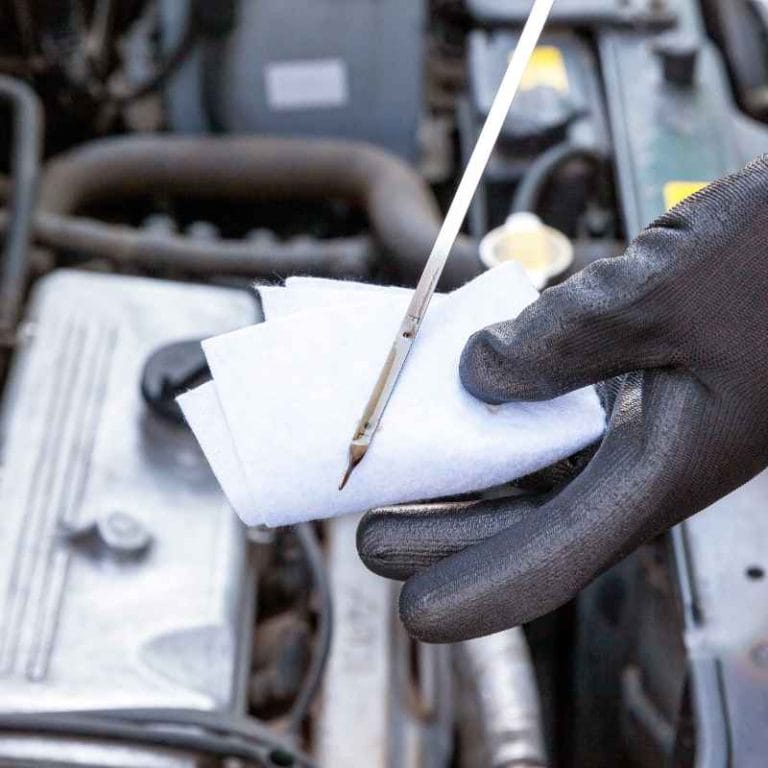
Healthy engine oil is amber and translucent. As it circulates, it collects soot and debris, becoming darker and grittier. Check your oil monthly:
- Park on level ground and let the engine cool.
- Pull the dipstick, wipe it, reinsert, then check again.
- Look for color, consistency, and level.
If the oil is black, opaque, or has visible particles, it’s time to change it.
3. Knocking Or Louder Engine Noise
Engine noise is a classic sign of insufficient lubrication. If you notice:
- Tapping, knocking, or rumbling sounds, especially when starting or accelerating
- Increased engine vibration
This means metal components are colliding without enough oil cushion, causing accelerated wear.
4. Oil Smell Inside The Car
A strong oil smell, particularly with exhaust or burning odors, often indicates an oil leak or that the oil is breaking down and burning. Overheated oil can emit acrid fumes that may seep into the cabin.
Pro Tip: If you smell burning oil, check for leaks under the car and around the engine block immediately.
5. Excess Exhaust Smoke
Some visible vapor from your tailpipe is normal, especially in cold weather. But if you see thick, blue or gray smoke, your oil may be leaking into the combustion chamber, a sign of worn piston rings or seals.
6. Oil Level Drops Rapidly
Needing to top up your oil frequently, even between changes, suggests a leak or internal consumption. Both are clear red flags that should prompt immediate attention.
7. Poor Fuel Economy And Performance
Old, degraded oil increases friction and engine effort. If you notice:
- Decreased miles per gallon (MPG)
- Sluggish acceleration
- Engine running hotter than usual
It could be due to oil losing its lubricating properties.
8. Time And Mileage
Even if you don’t notice symptoms, oil degrades with age. Follow the shorter interval between:
- Manufacturer’s mileage recommendation (e.g., 5,000 miles)
- Time elapsed (e.g., every 6 months), especially if you drive infrequently
Real-world Example: The Cost Of Delayed Oil Changes
A 2017 case study from a major US auto repair chain showed that a neglected oil change led to complete engine seizure in a 5-year-old sedan, costing the owner over $4,000 in repairs, ten times the cost of annual oil maintenance.

Credit: www.racewaykiapa.com
Factors Affecting Oil Change Frequency
While warning signs are vital, several factors impact how often you should change your oil. Understanding these can help you customize your maintenance schedule.
Driving Habits And Conditions
If you regularly drive in severe conditions, your oil degrades faster. These include:
- Short trips (under 5 miles) where the engine doesn’t reach optimal temperature
- Heavy stop-and-go traffic
- Towing or carrying heavy loads
- Extreme climates (very hot or cold weather)
- Dusty or unpaved roads
For example, the AAA recommends oil changes as often as every 3,000 miles for vehicles used in severe conditions.
Oil Type: Synthetic Vs. Conventional
Synthetic oils last longer and perform better under extreme temperatures. Conventional oils are less expensive but break down quicker.
| Oil Type | Typical Change Interval | Best For | Cost per Quart |
|---|---|---|---|
| Conventional | 3,000, 5,000 miles | Older engines, low-mileage use | $4, $6 |
| Synthetic Blend | 5,000, 7,500 miles | Mixed driving, moderate loads | $6, $8 |
| Full Synthetic | 7,500, 15,000 miles | Modern engines, extreme conditions | $8, $12 |
*Source: Edmunds*
Vehicle Age And Engine Design
Older vehicles, especially those with high mileage, may require more frequent oil changes. Newer models with advanced filtration and tighter tolerances can often go longer between changes.
- High-mileage engines can burn or leak more oil.
- Turbocharged or high-performance engines stress oil more intensely.
Manufacturer Specifications
Always defer to your car’s owner’s manual for baseline intervals. Some luxury brands recommend up to 15,000-mile intervals with specific synthetic oils, while others may require shorter periods. Neglecting to use the recommended oil type or interval can void warranties.
Example: Comparing Two Vehicles
| Vehicle | Recommended Oil Type | Change Interval | Special Notes |
|---|---|---|---|
| 2019 Honda Accord (Turbo) | 0W-20 Full Synthetic | 7,500 miles/12 months | Frequent short trips require more frequent changes |
| 2010 Ford F-150 (V8) | 5W-30 Conventional/Synthetic Blend | 5,000 miles/6 months | Towing or heavy loads reduce interval |
Credit: www.electronautomotive.com
How To Check And Interpret Engine Oil Condition
Monitoring your oil doesn’t require advanced tools, just a little time and attention.
The Dipstick Test
- Make sure your engine is cool and the car is parked on level ground.
- Remove the dipstick, wipe it, reinsert, then pull it out again.
- Inspect the oil’s color (should be amber, not black), consistency (smooth, not gritty), and level (between min and max marks).
Using The Oil Life Monitor
Many modern vehicles have an oil life monitoring system. This system uses driving data and algorithms to predict oil degradation. Don’t ignore alerts from this system, reset it only after a proper oil change.
Oil Analysis
For a more technical approach, some owners send small oil samples to labs for analysis. Labs test for:
- Metal particles (signs of engine wear)
- Viscosity breakdown
- Contaminants (water, fuel dilution)
While this is more common in fleet or high-performance applications, it can be invaluable for diagnosing engine health.
Example: Fleet Maintenance
A commercial delivery fleet implemented routine oil analysis. This practice detected coolant contamination in one truck, prompting early repair and saving the company thousands in potential engine replacement costs.
The Dangers Of Skipping Oil Changes
Delaying oil changes can have dramatic consequences, both immediate and long-term.
Increased Engine Wear
Old oil loses its ability to reduce friction and suspend contaminants. This causes:
- Accelerated wear of bearings, pistons, and other moving parts
- Formation of engine sludge, which clogs oil passages and starves critical components
Overheating And Seizure
Oil that’s too old can’t dissipate heat efficiently, leading to:
- Overheated engine components
- Warped cylinder heads and gaskets
- Complete engine seizure (a catastrophic failure)
Expensive Repairs
Neglected oil changes are a leading cause of:
- Timing chain/belt failure
- Worn piston rings
- Blown head gaskets
Repair costs can quickly exceed $2,000, $5,000 depending on the damage and vehicle type.
Reduced Resale Value
A spotty maintenance record, especially with missed oil changes, can lower your car’s resale value. Potential buyers and dealerships often request service history, frequent oil changes signal a well-maintained vehicle.
Example: Used Car Purchase
A 2026 Carfax survey found that vehicles with documented regular oil changes sold for up to 10% more than those with incomplete records (Carfax).
Best Practices For Engine Oil Maintenance
Protecting your engine is straightforward with a proactive approach to oil changes.
Follow A Maintenance Schedule
- Mark your calendar or set smartphone reminders based on mileage or time.
- Keep a dedicated maintenance log for receipts and dates.
- Don’t rely solely on “feel”, stick to a consistent schedule.
Use The Correct Oil
Always use oil that meets your manufacturer’s specifications, including viscosity (e. g. , 5W-30) and certification (API, ILSAC).
- Synthetic oils are best for high-tech, high-performance, or extreme-weather applications.
- Conventional oils may suffice for older or less-demanding engines.
Check Oil Regularly
- Inspect oil level and condition every month.
- Top up if necessary, but never ignore rapid drops or dirty oil.
Watch For Leaks
Look for oil spots under your car or wetness around the engine block and oil pan. Address leaks immediately to prevent engine starvation.
Don’t Forget The Oil Filter
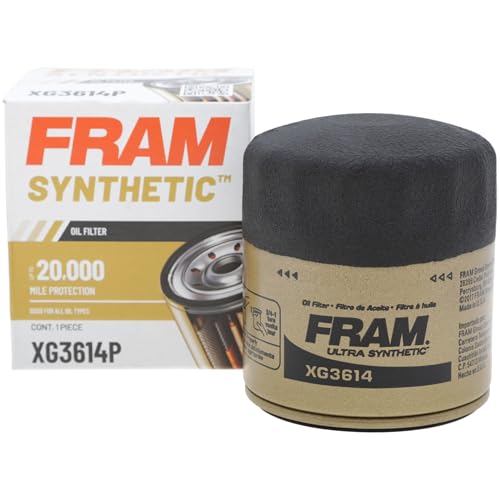
Replace the oil filter with every oil change. A clogged filter traps contaminants and starves your engine of clean oil.
Pro Tip: Track Your Driving Conditions
If you frequently drive in severe conditions, shorten your oil change interval by 25, 50%. Use a simple log or app to note towing, idling, or dusty drives.
Engine Oil Change Myths Debunked
Misconceptions about oil changes abound. Let’s separate fact from fiction.
Myth 1: Change Oil Every 3,000 Miles, No Exceptions
While this was true decades ago, modern oils and engines often last 5,000, 10,000 miles between changes. Always use your owner’s manual as a guide.
Myth 2: Black Oil Means It’s Time To Change
Oil can turn dark quickly as it suspends contaminants. Color alone isn’t a perfect indicator, use the dipstick test and follow your maintenance interval.
Myth 3: Synthetic Oil Causes Leaks
Synthetic oil is more refined but doesn’t cause leaks in healthy engines. If leaks appear after switching, pre-existing gaskets or seals may already be failing.
Myth 4: You Can’t Switch Between Oil Types
It’s safe to switch between conventional and synthetic oils as long as both meet your engine’s requirements. Some manufacturers even recommend synthetic blends.
Myth 5: Topping Up Is As Good As Changing
Adding oil replaces lost volume but doesn’t remove contaminants or restore protective additives. Full oil changes are essential for engine health.
Frequently Asked Questions
How Do I Know If I’m Using The Right Type Of Engine Oil?
The best way is to check your vehicle’s owner’s manual for the recommended viscosity and oil specification (like API or ILSAC ratings). If you’re unsure, consult with a certified mechanic or your dealership to avoid voiding warranties or damaging your engine.
Can I Change My Engine Oil Myself, Or Should I Always Go To A Professional?
Changing oil yourself is feasible if you have the right tools and a safe workspace. However, professional service centers offer proper disposal of old oil, inspect for leaks, and ensure the filter is replaced correctly. If you’re new to car maintenance, starting with professional service is a good idea.
Is It Okay To Drive If My Oil Level Is Low But The Warning Light Hasn’t Come On?
It’s risky to drive with low oil, even if the dashboard light isn’t illuminated. The sensor may not detect low pressure until it’s dangerously low. Always check and top up your oil as soon as you notice a drop on the dipstick to avoid engine damage.
Does My Warranty Require That I Follow Specific Oil Change Intervals?
Most new car warranties require that you follow the manufacturer’s recommended intervals and use approved oil types. Failing to do so can void warranty coverage for engine-related issues. Always document your oil changes for warranty claims.
What Should I Do With Used Engine Oil After A Diy Oil Change?
Never dispose of used oil in the trash, on the ground, or down drains. Most auto parts stores and service centers accept used oil for recycling. Check your local municipal regulations for approved oil disposal or recycling centers.
Regular engine oil changes are not just a maintenance routine, they’re a critical investment in your vehicle’s reliability, performance, and value. By recognizing the signs that your oil needs changing and adopting best practices, you’ll extend your engine’s life and enjoy smoother, safer driving for years to come.
Remember, a little attention to your oil today can prevent major headaches tomorrow.
Products related to this article
Sponsored / affiliate links. As an Amazon Associate I earn from qualifying purchases. I may earn additional commission from eligible campaigns.