Is It Bad To Not Have Matching Tires On Your Car?
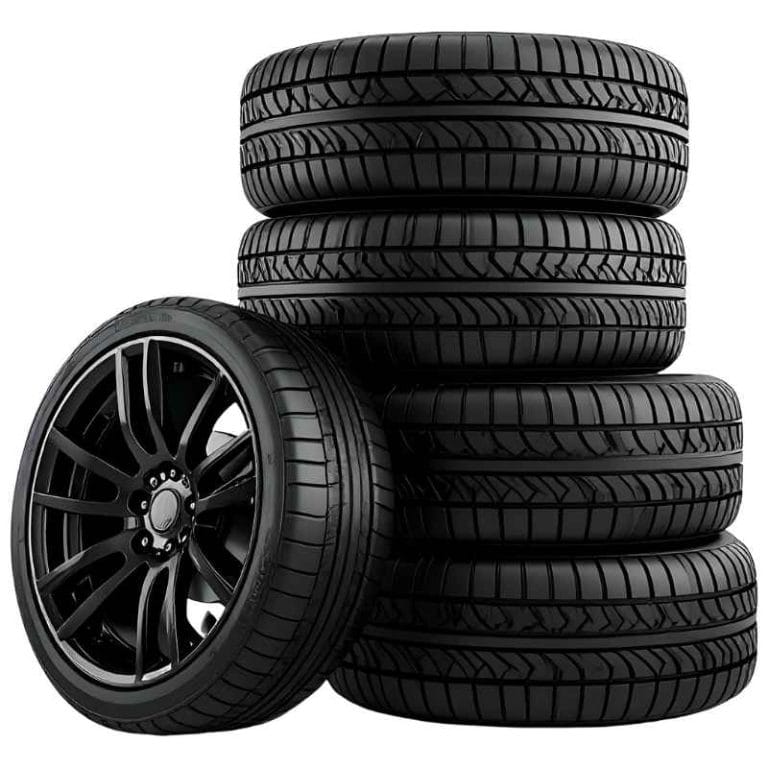
Not having matching tires on your car can affect handling, braking, and safety. While not always illegal, it’s generally not recommended for optimal performance and tire wear. Mismatched tires can lead to uneven stress on your vehicle’s systems.
What Happens When Tires Don’t Match
When we talk about matching tires, we mean more than just looking the same. It’s about similar performance. This includes things like size, tread depth, and type.
When they don’t match, your car’s systems can get confused. This is especially true for cars with all-wheel drive (AWD) or four-wheel drive (4WD).
These systems use sensors. They check how fast each tire is spinning. They do this to help your car grip the road better.
If one tire spins faster than the others, the system might think it’s losing traction. It then adjusts power to the wheels. This can cause jerky movements or damage over time.
Even on cars without AWD/4WD, mismatched tires are not ideal. Different tread depths mean different grip levels. One side of your car might brake harder than the other.
This can make your car pull to one side. It can also make it harder to control your car in tough situations.
My Own Tire Scare
I remember a time a few years back. I had a slow leak in one tire. I kept putting off getting it fixed.
Then, one rainy afternoon, I had to brake suddenly. My car just didn’t stop straight. It veered sharply to the left.
My heart jumped into my throat.
I was lucky. No one was hurt. But it scared me.
I realized my tires were really worn down unevenly. One had much less tread. The wet road made the difference obvious.
That day taught me a big lesson about tire care. It’s not just about looks; it’s about safety.
Tire Matching Basics: What to Look For
When buying new tires, aim for these matches:
- Size: Always match the tire size on your car’s sticker or manual.
- Brand & Model: The same brand and model offer predictable performance.
- Tread Depth: Tires should have similar wear. A difference of 2/32 inch or more is a concern.
- Type: Match all-season, winter, or performance tires.
Why Matching Matters for Safety
Safety is the biggest reason to have matching tires. Your tires are your car’s only connection to the road. When they all work together, your car performs as designed.
This means predictable braking and steering.
Imagine one tire has lots of grip, and another has very little. When you brake hard, the tire with less grip will spin more. This causes a longer stopping distance.
It can also make your car swerve. This is very dangerous, especially in emergencies.
In curves, tires with different grip levels can cause your car to lean or slide. Your steering wheel might feel odd. You might oversteer or understeer.
All these things reduce your control. They increase the risk of an accident. This is why many experts say to match all four tires.
When Mismatched Tires Are Less of a Concern
There are times when having slightly different tires might be okay:
- Temporary Spare: The small “donut” spare is for emergencies. It’s not meant for long drives.
- Minor Tread Depth Difference: A slight difference between new and older tires can be okay if all other factors match.
- Front vs. Rear (RWD/FWD): For some rear-wheel or front-wheel drive cars, it’s sometimes okay to have different tires on the front and rear. However, front and rear tires should still match each other.
The Impact on Your Car’s Systems
Modern cars have complex systems. Think about Anti-lock Braking Systems (ABS) and Electronic Stability Control (ESC). These systems rely on sensors at each wheel.
These sensors measure wheel speed. They help keep your car stable when you brake or steer sharply.
If your tires have different grip levels, the wheel speed sensors get mixed signals. This can cause ABS or ESC to activate when they shouldn’t. Or, they might not activate when you need them most.
This defeats their purpose. It can even lead to system errors or damage.
For cars with AWD or 4WD, the issue is even bigger. These systems actively manage power to each wheel. They do this to improve traction.
If one tire has a different diameter or grip, it spins at a different rate. The AWD/4WD system can get confused. It might constantly try to correct a problem that isn’t there.
This constant correction puts extra stress on the drivetrain. Components like the differential or transfer case can wear out faster. This leads to costly repairs.
It’s best to avoid this by using matching tires.
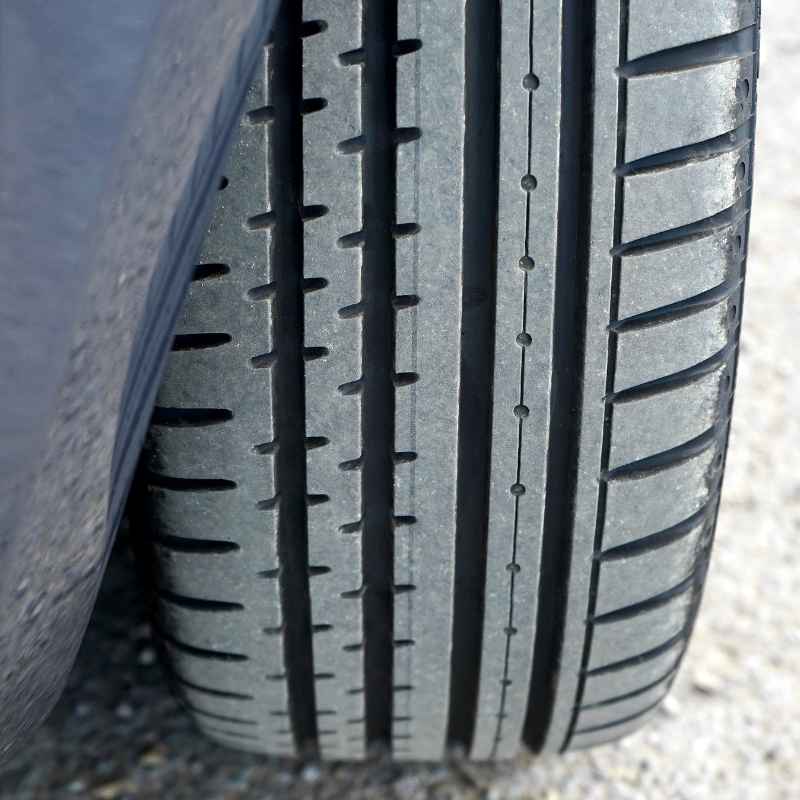
Understanding Tire Tread Depth
Tread depth is crucial for grip. Here’s a quick guide:
| Tread Depth (32nds of an inch) | Condition | Advice |
|---|---|---|
| 8/32 or more | New | Excellent grip. |
| 4/32 | Worn | Good grip in dry conditions. Reduced grip in wet. |
| 2/32 | Very Worn | Legal minimum in most places. Very poor grip, especially in rain. Replace soon. |
What the Law Says (And Doesn’t Say)
In the United States, there aren’t many specific laws that say you must have matching tires on your car. The primary concern for law enforcement is tire condition. This means checking for adequate tread depth and any obvious damage like cracks or bulges.
However, many states do have laws about tire safety. These laws imply that your tires should be in good working order. If mismatched tires lead to poor handling or unsafe driving, you could be cited.
This is especially true if it contributes to an accident.
Insurance companies might also look at tire condition after an accident. If it’s found that mismatched tires contributed to the crash, it could affect your claim. It’s always best to err on the side of caution.
Following best practices for tire maintenance is wise.
Quick Check: Are Your Tires Matched?
Take a look at your tires. Ask yourself:
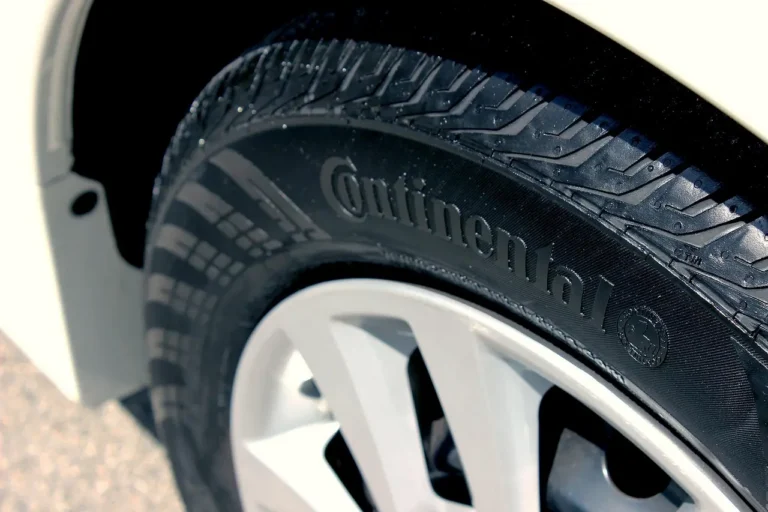
- Size: Do all four tires have the same numbers and letters on the sidewall?
- Brand/Model: Are they all the same brand and model?
- Tread Wear: Do they look about the same? Use a coin to check tread depth if you’re unsure.
- Age: Tires age out even if they have good tread. Check the DOT code for the manufacturing date.
The Cost Factor: Why People Mismatch
Let’s be honest. Tires can be expensive. Sometimes, people choose to replace only one or two tires when they wear out.
This is often done to save money in the short term. They might put a brand-new tire on one axle, or even just one wheel.
This can seem like a good idea at first. You get a good tire for a specific spot. But it often leads to bigger problems down the road.
As we’ve discussed, it can affect how your car drives and handles. It can also lead to premature wear on other parts of your car.
In the long run, buying a full set of matching tires can be more economical. It ensures your car performs at its best. It also helps prevent costly repairs to your drivetrain or suspension.
Plus, it gives you peace of mind knowing your car is safer.
AWD and 4WD: The Special Case
If you drive an all-wheel drive (AWD) or four-wheel drive (4WD) vehicle, listen up. These systems are designed to use all four wheels for maximum traction. They work best when all four tires are the same.
This is the most critical situation for matching tires.
The reason is that AWD/4WD systems use sensors to monitor wheel speed. If one tire has a different diameter or tread depth, it spins at a different rate. The computer in your car can interpret this as slippage.
It then sends more power to that wheel or other wheels.
This can happen even if you are driving on dry, clear pavement. The system is being fooled. Over time, this constant, unnecessary adjustment can damage expensive components.
This includes the center differential or the transfer case. Replacing these parts can cost thousands of dollars.
Many car manufacturers strongly advise against mixing tires on AWD/4WD vehicles. They recommend replacing all four tires at once. This ensures the system operates as intended.
It protects your vehicle from potential damage. Always check your owner’s manual for specific recommendations.
Myth vs. Reality: Mismatched Tires
- Myth: It’s fine to mix tires as long as they look similar.
- Reality: Matching involves more than looks. Size, tread depth, and type all matter for consistent performance.
- Myth: Only AWD/4WD cars need matching tires.
- Reality: While AWD/4WD are most sensitive, mismatched tires affect braking and handling on any car, impacting safety.
- Myth: Putting two new tires on the front is always okay for FWD cars.
- Reality: It’s better for handling and braking if all tires match. If not, at least replace tires in pairs on the same axle.
What About Mixing on the Same Axle?
If you can’t replace all four tires at once, the next best option is to replace them in pairs. This means putting two matching tires on the same axle. For example, you’d replace both front tires or both rear tires.
This is much better than mixing all four. It helps keep the braking and handling more balanced on that specific axle. However, it’s still not ideal.
The front tires will still have different grip and tread depth than the rear tires.
This difference can still cause some handling issues. It can also lead to uneven wear on the tires. For example, if your front tires are much newer and grippier than the rear, your car might tend to oversteer more.
This can be less stable, especially in turns.
So, while replacing in pairs is a compromise, it’s a step in the right direction. It’s a more budget-friendly approach than replacing all four at once. But always aim to get a full set when possible.
When is it Okay to NOT Have Matching Tires?
There are a few very specific situations where not having matching tires is generally accepted:
1. The Temporary Spare Tire: Almost every car comes with a small, temporary spare tire. This tire is designed only for short-term use at reduced speeds.
It is not meant to match your other tires in size, type, or performance. Its sole purpose is to get you to a repair shop.
2. Brand New Tires vs. Slightly Older Tires (with caution): If you have three tires that are still in good condition with plenty of tread, and you need to replace just one, it’s a tricky situation.
Ideally, you’d match the tread depth as closely as possible. Some tire shops can shave down a new tire to match the depth of an older one. This is a specialized service, though.
3. Front-Wheel Drive (FWD) vs. Rear-Wheel Drive (RWD): For cars that are strictly front-wheel drive or rear-wheel drive, there’s a bit more flexibility.
It’s often recommended to have the same type of tire on the front axle and the same type on the rear axle. For example, all-season tires on the front, and all-season tires on the rear. However, the front tires should still match each other, and the rear tires should match each other.
Even in these cases, performance can be slightly different. The best scenario for optimal safety and performance is always a set of four matching tires.
Real-World Consequences: What Can Go Wrong
We’ve touched on the risks, but let’s get specific. What can actually happen if you drive with mismatched tires?
1. Uneven Tire Wear: This is almost a guarantee. Tires with different tread depths or stiffness will wear out at different rates.
This means you’ll need to
2. Poor Braking Performance: In a panic stop, your car’s braking force will be uneven. One side will stop faster than the other.
This can cause the car to spin or swerve. This is incredibly dangerous, especially in wet or slippery conditions.
3. Compromised Handling and Steering: Your car’s steering and cornering ability depend on balanced grip. Mismatched tires disrupt this balance.
You might feel the car pulling to one side, or it might feel unstable when turning. This makes driving less predictable.
4. Strain on Drivetrain Components: As mentioned, especially for AWD/4WD vehicles, mismatched tires put extra stress on the transmission, differentials, and transfer case. This can lead to premature wear and expensive repairs.
5. ABS and Stability Control Malfunctions: The safety systems in your car rely on consistent data. Mismatched tires can confuse these systems, making them less effective or causing them to activate improperly.
Signs Your Tires Might Be Mismatched (And Causing Issues)
- Car pulls to one side when driving straight.
- Braking feels uneven or causes the car to swerve.
- Steering wheel feels off-center or vibrates.
- You notice significantly different tread wear between tires.
- Your AWD/4WD system warning light comes on.
What This Means for Your Car and Wallet
So, what’s the takeaway? Is it bad to not have matching tires? Yes, it generally is.
While not always illegal, it’s a compromise that affects your car’s safety, performance, and longevity.
For your car’s systems, mismatched tires mean inconsistent inputs. This can lead to errors, increased wear, and reduced effectiveness of safety features. For your wallet, it means potential for more frequent tire replacements and costly repairs to other components.
Think of it like wearing one hiking boot and one slipper. You can walk, but not very well, and it’s not comfortable or safe. Your car’s tires are its foundation.
They need to work together to provide the best performance.
When to Worry Most About Mismatched Tires
You should be especially concerned if:
- You have an AWD or 4WD vehicle.
- Your tires have a large difference in tread depth.
- You experience any pulling or braking issues.
- You plan on driving in challenging weather conditions (rain, snow, ice).
Quick Fixes and Best Practices
The best practice is simple: buy tires in sets of four. When you need new tires, invest in a complete set. This ensures they are all the same size, brand, model, and have the same tread depth.
If budget is a major concern, consider these tips:
1. Buy Tires in Pairs: If you can’t afford four, buy two matching tires for the same axle. This is better than just one.
2. Rotate Your Tires Regularly: Proper tire rotation helps ensure all four tires wear down more evenly over time. This can extend the life of your tires and keep them closer in tread depth for longer.
3. Maintain Proper Tire Pressure: Correct tire pressure ensures even contact with the road. This also contributes to more uniform wear.
4. Check Tread Depth Frequently: Don’t wait for your tires to look bald. Regularly check the tread depth.
Use a simple tread depth gauge or the penny test.
5. Consider Tire Shaving: If you must replace just one tire, ask your tire shop if they can “shave” the new tire to match the tread depth of the other tire on that axle. This is a specialized service but can help mitigate some issues.
Frequently Asked Questions
Do I really need to match all four tires?
For optimal safety and performance, yes. Matching all four tires ensures consistent handling, braking, and reduces strain on your car’s systems, especially AWD/4WD. While not always strictly illegal, it’s highly recommended by car manufacturers and safety experts.
Can I put two new tires on the front and keep my old ones on the back?
For front-wheel drive cars, it’s a common compromise to replace tires in pairs on the same axle. However, it’s still best for your car’s overall handling and stability if all four tires match. Mixing can still lead to imbalances.
What if my spare tire doesn’t match?
Temporary spare tires are designed for emergency use only. They are not meant to match your regular tires in size or performance. You should use them only for short distances at reduced speeds to get to a tire shop.
How much difference in tread depth is too much?
A difference of more than 2/32nds of an inch between tires on the same axle is generally considered significant. For AWD/4WD vehicles, even smaller differences can be problematic. Always check your owner’s manual for specific recommendations.
Will mismatched tires void my car’s warranty?
While most manufacturers won’t void your entire warranty for mismatched tires, damage caused by mismatched tires, especially to the drivetrain of an AWD/4WD vehicle, might not be covered under warranty. Always refer to your owner’s manual.
What are the risks of mismatched tires in bad weather?
In rain, snow, or ice, mismatched tires are much more dangerous. Tires with different tread depths or grip levels will react differently to slippery surfaces. This can lead to significant loss of control, longer stopping distances, and a higher risk of accidents.
Conclusion: A Small Investment for Big Peace of Mind
The question of whether it’s bad to not have matching tires has a clear answer. Yes, it is. While your car might still drive, you’re compromising its safety and performance.
You’re also risking damage to other expensive parts.
Investing in a set of four matching tires is one of the smartest choices you can make for your vehicle. It ensures predictable handling, reliable braking, and protects your car’s complex systems. It’s a small price to pay for safety and peace of mind on the road.
See also do tires expire if not used what every driver must know. See also how many car tires make a ton the answer may surprise you.
Products related to this article
Sponsored / affiliate links. As an Amazon Associate I earn from qualifying purchases. I may earn additional commission from eligible campaigns.