How Often Do Car Headlights Need To Be Replaced? Key Facts
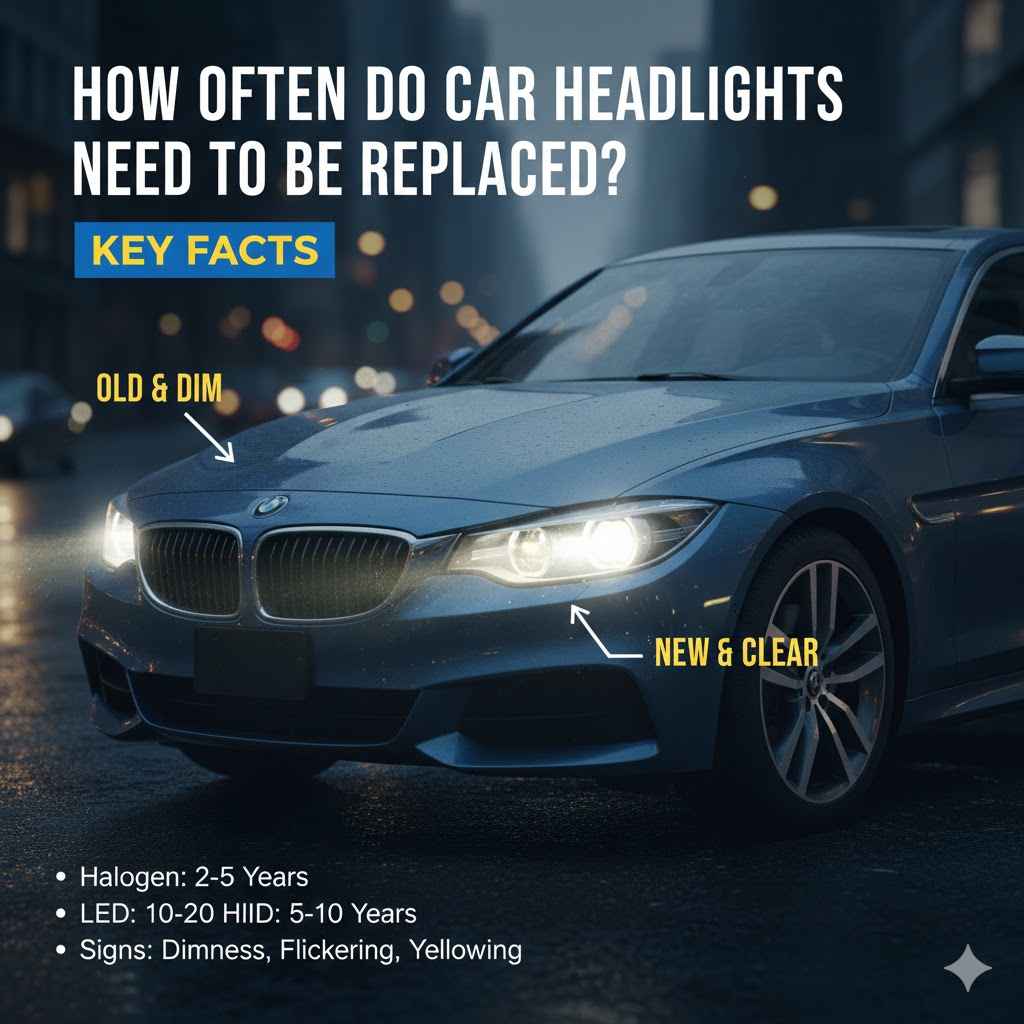
Car headlights should be replaced every 500 to 3,000 hours for halogen bulbs, or every 5 to 10 years for modern LED and HID bulbs. However, it’s best to replace them when you notice dimming, flickering, or color changes, not just when they burn out. Always replace headlights in pairs for balanced vision and safety.
Have you ever felt like you’re squinting to see the road at night? Or maybe a friendly driver flashed their lights at you, and you realized one of your own was out. It’s a common issue that can feel a bit frustrating. Driving with dim or burnt-out headlights isn’t just inconvenient—it’s a major safety risk. But don’t worry, figuring out when and how to replace them is much easier than you think. This guide will walk you through everything, step by step, so you can feel confident and see clearly on the road ahead.
Why Your Headlights Matter More Than You Think
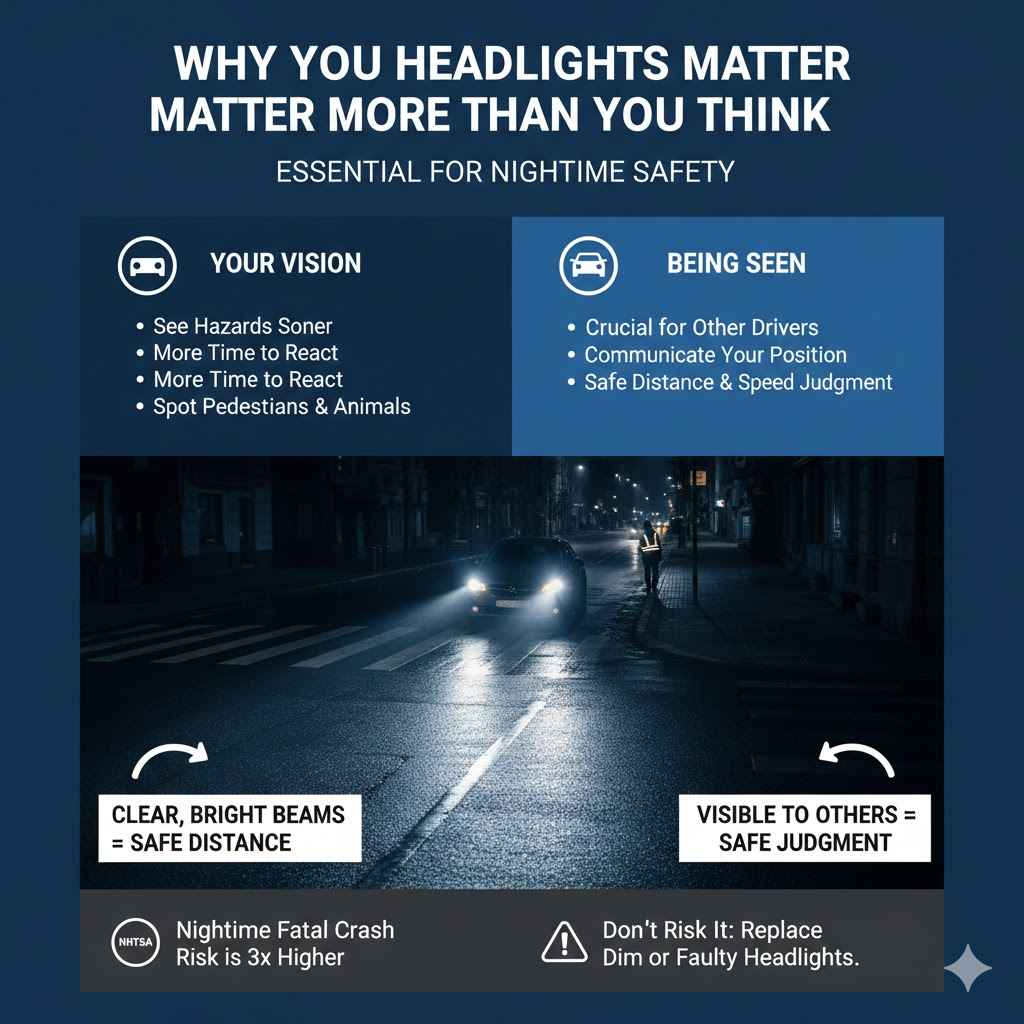
Your car’s headlights are one of its most critical safety features. They do two very important jobs: they light up the road so you can see what’s ahead, and they make sure other drivers can see you. When your headlights are working perfectly, you can spot potential hazards like pedestrians, animals, or debris from a safe distance. This gives you more time to react, brake, or steer away from danger.

SYLVANIA
SYLVANIA H6024 XtraVision PAR56 Sealed Beam Halogen…
- Lights Dim Over Time, Replace In Pairs: Your lights are a pair, one is never turned on without the other. If one bulb burns out, t…
- Bright Headlight Equals More Down Road: See more aspects of the road better with Sylvania's H6024 XtraVision Sealed Beam headlight…
- White Light For Clarity: Sealed Beam headlight that helps provide more white light compared to Sylvania Basic OE bulbs. More clari…
As an Amazon Associate I earn from qualifying purchases.
According to the National Highway Traffic Safety Administration (NHTSA), the risk of a fatal crash is three times higher at night. Properly functioning headlights can dramatically reduce that risk. Dim, misaligned, or burnt-out bulbs shrink your field of vision and can make it nearly impossible for other drivers to judge your car’s position and speed. Think of them as your car’s eyes—keeping them bright and healthy is key to a safe journey for everyone.
Understanding the Different Types of Car Headlights
Not all headlights are created equal. The type of bulbs in your car determines how long they last, how bright they are, and how much they cost to replace. Knowing which ones you have is the first step to proper maintenance. Let’s break down the most common types you’ll find on the road today.
Halogen Headlights: The Classic Choice
Halogen bulbs are the most common and traditional type of headlight. They work much like a standard household incandescent bulb, using a tungsten filament inside a glass capsule filled with halogen gas. When electricity heats the filament, it glows, producing a warm, yellowish light.
- Lifespan: Typically 500 to 1,000 operating hours.
- Pros: They are very inexpensive and widely available at any auto parts store. Replacing them is usually a simple DIY job.
- Cons: They are the least bright and least energy-efficient option. Their light output also degrades slowly over time, meaning they get dimmer long before they burn out completely.
High-Intensity Discharge (HID/Xenon) Headlights: The Bright Upgrade
Often called “Xenon” headlights, HIDs were the premium lighting option before LEDs became common. Instead of a filament, they create an electrical arc between two electrodes inside a glass tube filled with xenon gas. This arc excites the gas, producing a very bright, bluish-white light.
- Lifespan: Around 2,000 to 3,000 operating hours.
- Pros: They are two to three times brighter than halogen bulbs and use less energy. They provide excellent visibility.
- Cons: HIDs are more expensive and complex. They require a ballast to regulate the voltage and can be more difficult for a beginner to replace. They also take a few seconds to reach full brightness after being turned on.
Light-Emitting Diode (LED) Headlights: The Modern Standard
LEDs are now the standard on most new vehicles. They produce light by passing an electrical current through a semiconductor (a diode), which causes it to emit photons of light. This process is highly efficient and generates very little heat compared to halogen or HID bulbs.
- Lifespan: Extremely long, often 30,000 hours or more. They are designed to last the lifetime of the vehicle.
- Pros: Incredible energy efficiency, very long lifespan, and instant brightness. They produce a crisp, white light that closely mimics daylight.
- Cons: When they do fail, it’s often the entire headlight assembly that needs to be replaced, which can be very expensive. Replacement is almost always a job for a professional mechanic.
Laser Headlights: The Future of Automotive Lighting
Laser headlights are the newest and most advanced technology, found only on high-end luxury and performance vehicles. They don’t shine a laser beam directly onto the road. Instead, lasers are fired at a phosphor-coated lens, which then glows to create an incredibly intense and focused white light. They are often used for high beams to provide unparalleled long-distance visibility.
- Lifespan: Similar to or even longer than LEDs.
- Pros: Up to 1,000 times more intense than LEDs and can illuminate the road up to 600 meters ahead. They are also extremely compact and energy-efficient.
- Cons: The technology is exceptionally expensive, making it rare and costly to repair or replace.
Headlight Lifespan Comparison: How Long Do They Really Last?
It can be helpful to see the differences side-by-side. This table gives you a clear idea of what to expect from each type of headlight in terms of lifespan, brightness, and cost.
| Headlight Type | Average Lifespan (Hours) | Average Lifespan (Years) | Brightness Level | Replacement Cost |
|---|---|---|---|---|
| Halogen | 500 – 1,000 hours | 1 – 3 years | Standard | Low ($15 – $30 per bulb) |
| HID (Xenon) | 2,000 – 3,000 hours | 4 – 6 years | High | Medium ($50 – $150 per bulb) |
| LED | 30,000+ hours | 10+ years (often lifetime) | Very High | High ($100+ for bulb, up to $1,000+ for full assembly) |
| Laser | 30,000+ hours | 10+ years (often lifetime) | Exceptional | Very High (often several thousand for full assembly) |
Top 5 Signs It’s Time to Replace Your Headlights
Your headlights will give you warning signs before they fail completely. Paying attention to these clues can help you replace them before you’re left in the dark. Here are the key things to watch for:
- Dimming Headlights: This is the most common sign, especially with halogen bulbs. If the road ahead seems darker than it used to, your bulbs are likely losing their brightness. This happens so gradually that you might not notice it right away. A good test is to park facing a garage door or wall at night and see if the light beams look weak or yellowish.
- Flickering or Intermittent Operation: If a headlight flickers, it could be a sign that the bulb’s filament is damaged or there’s a loose electrical connection. Don’t ignore it—a flickering light is unreliable and will likely fail soon.
- One Headlight is Out: This one is obvious. If one bulb has burned out, the other one is probably not far behind. They were installed at the same time and have endured the same conditions. This is the perfect time to replace both.
- The Light Has Changed Color: HID/Xenon bulbs will often shift toward a pink or purplish hue as they near the end of their life. If you notice a color change, it’s a clear signal that the gas inside the bulb is depleted and it’s time for a replacement.
- Visible Damage or Yellowing: This isn’t about the bulb itself, but the headlight housing—the clear plastic cover. Over time, UV rays from the sun can cause the plastic to become cloudy, yellow, and hazy. This oxidation can block up to 70% of the light from getting through, making even new bulbs seem dim. If your lenses are cloudy, they may need to be restored or replaced.
Factors That Shorten Your Headlight’s Lifespan
Several factors beyond just hours of use can cause your headlights to fail prematurely. Being aware of these can help you get the most out of your bulbs.
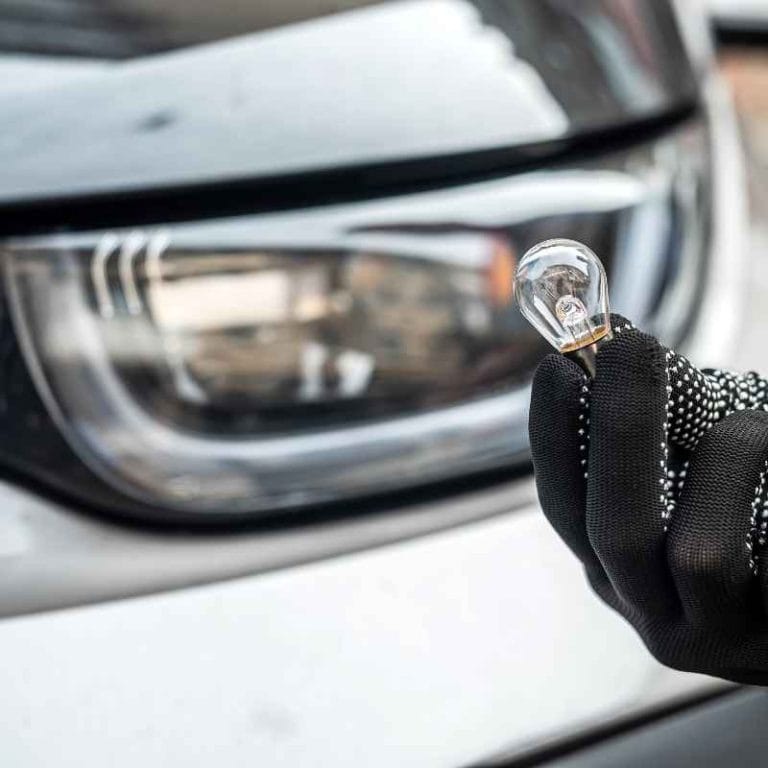
- Touching the Glass Bulb: This is a big one for halogen bulbs. The oils from your fingertips can create a “hot spot” on the glass when the bulb heats up. This intense heat can cause the glass to weaken and crack, leading to a much shorter lifespan. Always use gloves or a clean cloth when handling a new halogen bulb.
- Excessive Vibration: Driving frequently on bumpy or poorly maintained roads can cause the delicate filament inside a halogen bulb to vibrate and break sooner than expected.
- Moisture Inside the Headlight Housing: A cracked or poorly sealed headlight assembly can allow water to get inside. This moisture can cause the bulb to short out or even shatter from the rapid temperature change.
- Electrical System Problems: Issues with your car’s alternator or wiring can cause voltage spikes, which can overload the bulb’s filament and burn it out quickly.
- Poor Quality Bulbs: As with most things, you get what you pay for. Cheaper, off-brand bulbs may not be manufactured to the same quality standards and will often fail much faster than bulbs from reputable brands.
Should You Replace One Headlight or Both? The Answer is Clear
If one headlight burns out, you might be tempted to save a few dollars by only replacing that one. However, automotive experts universally recommend replacing headlights in pairs. Here’s why:
First, headlights of the same age and type have similar lifespans. If one has failed, the other is likely on its way out. Replacing both at once saves you the hassle of having to do the same job again in a few weeks or months.
Second, and more importantly, is balanced visibility. A new bulb will always be brighter and whiter than an old, degraded one. If you only replace one, you’ll have uneven lighting on the road—one bright side and one dim side. This can be distracting and can negatively affect your depth perception at night. For consistent brightness, color, and safety, always replace both headlights at the same time.
DIY vs. Professional Headlight Replacement: What’s Right for You?
Deciding whether to change your headlights yourself or take your car to a mechanic depends on your car’s model, the type of bulb, and your comfort level with basic tools.
| Aspect | DIY (Do-It-Yourself) | Professional Mechanic |
|---|---|---|
| Cost | Much cheaper. You only pay for the bulbs. | More expensive. You pay for bulbs and labor, which can be $50-$200+. |
| Difficulty | Easy for halogen bulbs on many older cars. Can be very difficult on modern cars where bumpers or other parts must be removed. | No difficulty for you. The mechanic handles everything. |
| Best For | Simple halogen bulb replacements where the bulb is easily accessible from the engine bay. | HID and LED systems, or any vehicle that requires removing parts to access the bulbs. |
| Tools Needed | Usually requires no tools, or just a simple screwdriver or socket wrench. | The mechanic has all the specialized tools required. |
| Time | Can take 5-15 minutes for an easy replacement, or several hours for a complex one. | Typically done in under an hour. |
A Simple Guide to Choosing the Right Replacement Bulb
Buying the right bulb is crucial—an incorrect one won’t fit or work properly. Luckily, finding the right one is easy if you know where to look.
1. Check Your Owner’s Manual
Your car’s owner’s manual is the best place to start. It will have a section on maintenance and bulb replacement that lists the specific part number for your headlights (e.g., H11, 9006, D2S). This is the most reliable source of information.
2. Use an Online Bulb Finder
Nearly all major auto parts stores and bulb manufacturers have an online tool to help you. Reputable brands like Sylvania or Philips have websites where you can enter your car’s year, make, and model, and it will tell you exactly which bulbs you need for your low beams, high beams, and fog lights.
3. Look at the Old Bulb
If you’ve already removed the old bulb, the part number is usually printed on its base. You can take the old bulb with you to the auto parts store to ensure you get an exact match.
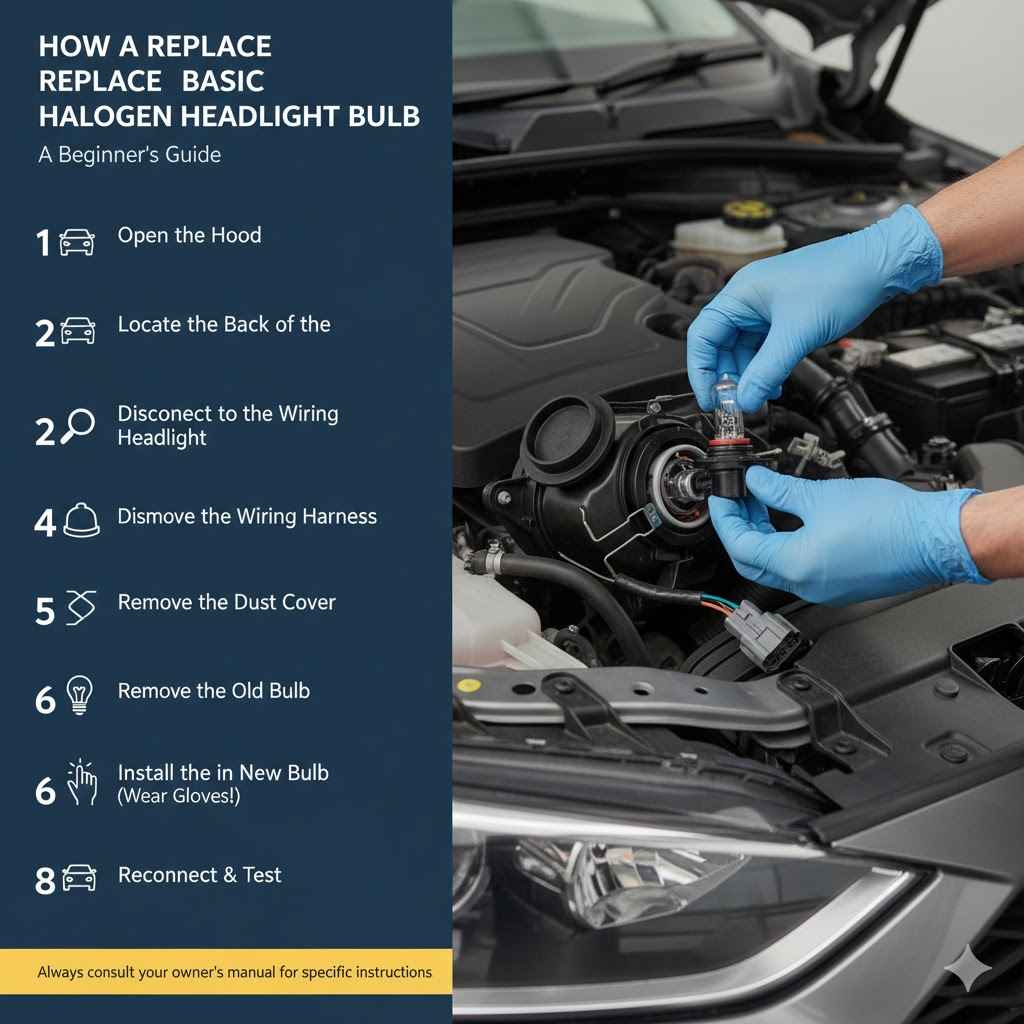
How to Replace a Basic Halogen Headlight Bulb (A Beginner’s Guide)
Replacing a halogen bulb is a great first DIY project for many car owners. While every car is different, the basic steps are often very similar. Here’s a general guide. Always consult your owner’s manual for specific instructions for your vehicle.
Safety First: Make sure your car is turned off, the engine is cool, and the parking brake is on before you begin.
- Open the Hood: Securely prop the hood open so you can work safely.
- Locate the Back of the Headlight Assembly: Find the headlight you need to replace. From inside the engine bay, you will see the back of the assembly. There will be a plastic cap or a wiring harness connected to the bulb.
- Disconnect the Wiring Harness: Carefully unplug the electrical connector from the base of the bulb. There may be a small clip you need to press to release it. Don’t pull on the wires themselves; wiggle the plastic connector.
- Remove the Dust Cover: Some cars have a plastic or rubber dust cover over the bulb. Twist it or pull it off to expose the bulb.
- Release the Bulb: The bulb is usually held in place by a wire clip or by a simple twist-lock mechanism. If it’s a clip, press down and push it to the side to release the tension. If it’s a twist-lock, turn the bulb counter-clockwise about a quarter turn to unlock it.
- Remove the Old Bulb: Gently pull the old bulb straight out of the headlight housing.
- Install the New Bulb: Wearing gloves or using a clean cloth, insert the new bulb. Do not touch the glass with your bare hands. Make sure it is seated correctly and then secure the retaining clip or twist it into the locked position.
- Reconnect and Test: Reconnect the wiring harness, put the dust cover back on, and turn on your headlights to make sure the new bulb works. Test both your low beams and high beams before closing the hood.
Conclusion: Stay Bright, Stay Safe
Keeping your car’s headlights in top condition is one of the easiest and most important things you can do for your safety on the road. It’s not about waiting for a bulb to burn out; it’s about being proactive. By understanding the type of headlights you have, recognizing the signs of failure, and knowing when to replace them, you can ensure you always have a clear, bright view of the road ahead. Whether you choose to do it yourself or visit a trusted mechanic, maintaining your headlights is a small effort that makes a huge difference in keeping you, your passengers, and other drivers safe.
Frequently Asked Questions (FAQ)
Is it illegal to drive with one headlight out?
Yes, in virtually every state and country, it is illegal to drive with a burnt-out headlight. It is considered a safety violation and you can be pulled over by law enforcement and issued a ticket. It’s best to replace a burnt-out bulb as soon as you notice it.
Why did my new headlight bulb burn out so fast?
There are a few common reasons for this. The most likely cause is that you accidentally touched the glass part of a halogen bulb during installation. Oils from your skin can cause the bulb to overheat and fail prematurely. Other causes could be a loose connection, moisture in the headlight housing, or an underlying electrical issue with your vehicle.
Can I upgrade my halogen headlights to LED or HID?
Yes, you can, but it’s not as simple as just swapping the bulbs. Upgrading to HID or LED requires a conversion kit that includes ballasts (for HIDs) or drivers (for LEDs). It’s also important to use kits designed for your specific headlight housing to ensure the beam pattern is correct and doesn’t blind other drivers. For the best and safest results, professional installation is often recommended.
What’s the difference between low beams and high beams?
Low beams are your standard headlights used for normal night driving. They are aimed downward and to the side to illuminate the road ahead without glaring into the eyes of oncoming drivers. High beams are aimed straight ahead and are much brighter, designed to illuminate the road much farther away. They should only be used on empty roads when there is no oncoming traffic.
How much does it cost to have a headlight bulb replaced by a mechanic?
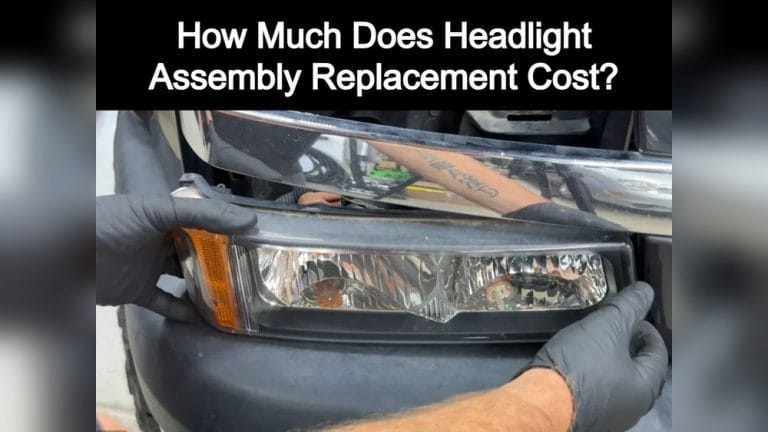
The cost can vary widely depending on your car and the type of bulb. For a simple halogen bulb replacement, you can expect to pay between $50 and $100 for parts and labor. For more complex HID or LED systems, where the bumper or entire headlight assembly might need to be removed, the cost can range from $200 to over $1,000.
My headlight lenses are cloudy. Do I need new headlights?
Not necessarily. If the bulbs are bright but the light is being blocked by a foggy or yellowed lens, you can often restore them. You can buy a DIY headlight restoration kit for around $20-$30, which uses a series of sanding and polishing steps to remove the oxidation and clear up the lens. If the damage is very severe or on the inside of the lens, you may need to replace the entire headlight assembly.
Do I need to get my headlights aimed after replacing the bulbs?
If you are just replacing the bulb and not the entire headlight assembly, you typically do not need to have them re-aimed. The alignment is determined by the housing itself. However, if you replace the entire assembly or feel that your lights are pointing too high or too low, it’s a good idea to have a professional check and adjust the alignment.
Related pick: Check today's price on Amazon
Products related to this article
Sponsored / affiliate links. As an Amazon Associate I earn from qualifying purchases. I may earn additional commission from eligible campaigns.