What Is The Meaning Of Light Vehicle Driver? Full Answer
A light vehicle driver is someone who operates a motor vehicle that is generally designed for carrying passengers or a small amount of cargo. These vehicles are typically smaller and lighter than heavy trucks or buses. The driver must be licensed and follow traffic laws.
Understanding Light Vehicle Driver
So, what exactly is a light vehicle? Think about the cars you see every day. These are the most common examples.
They are built for everyday use. This includes getting to work, taking kids to school, or going on a weekend trip. They are not for hauling huge loads or moving lots of people.
The definition helps separate these vehicles from bigger ones. We’re talking about cars, SUVs, and even smaller pickup trucks. These are the workhorses for most families and individuals.
They are designed for personal transport and light commercial tasks.
The driver of such a vehicle has specific duties. They need to know how to handle it safely. They must also understand the rules of the road.
This knowledge is key to preventing accidents and keeping everyone safe. It’s about more than just having a driver’s license.

Types of Light Vehicles
When we talk about light vehicles, a few types come to mind. Most people picture a standard car. But the category is a bit broader than that.
It includes vehicles that are not classified as heavy goods vehicles or buses.
Here are some common types that fall under the light vehicle umbrella:
- Passenger Cars: This is the most common type. Sedans, coupes, and hatchbacks all fit here. They are designed to carry a few people comfortably.
- Sport Utility Vehicles (SUVs): These offer more space and a higher driving position. They are popular for families and can handle some light off-road use.
- Crossovers: Similar to SUVs, but often built on car platforms. They blend the features of a car and an SUV.
- Minivans: Designed for maximum passenger capacity in a car-like package. Perfect for larger families.
- Pickup Trucks (Light Duty): Small to medium-sized trucks, often used for personal transport or light hauling. Think Ford Ranger or Toyota Tacoma. They are not the huge commercial trucks.
- Vans (Cargo or Passenger): Smaller vans used for delivery or transporting small groups. They are distinct from large panel vans used for heavy goods.
- Convertibles and Sports Cars: These are also light vehicles, focused on performance or leisure driving.
The key factor is their weight and purpose. They are not built for long-haul freight or carrying dozens of passengers like a semi-truck or a city bus. Their design focuses on agility, fuel efficiency, and ease of parking.
The Driver’s Responsibilities
Being a light vehicle driver comes with clear responsibilities. It’s not just about getting from point A to point B. Safety is always the top priority.
This means being aware of your surroundings and other road users.
Here are some key duties:
- Safe Operation: This is the most critical duty. Drivers must operate their vehicles in a controlled and safe manner. This includes obeying speed limits and maintaining safe distances from other vehicles.
- Following Traffic Laws: All drivers must adhere to traffic signals, signs, and road markings. This includes laws regarding stopping, yielding, and lane usage.
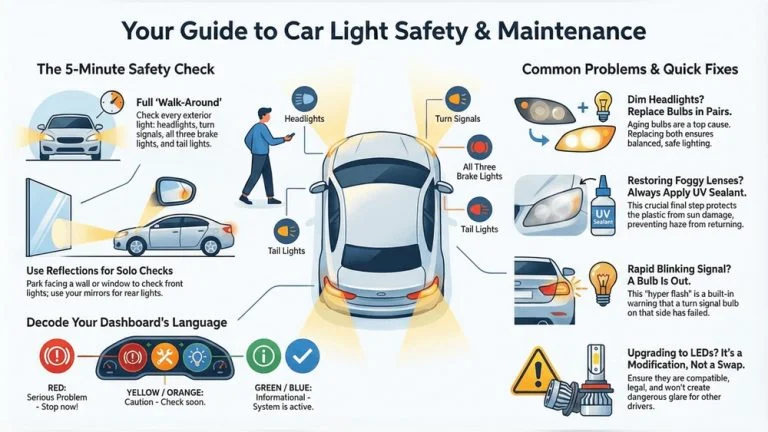
- Vehicle Maintenance: Drivers are responsible for ensuring their vehicle is in good working order. This means checking tires, brakes, lights, and other essential components regularly.
- Passenger Safety: If carrying passengers, the driver must ensure everyone is buckled up. They should also drive in a way that is comfortable and safe for those inside.
- Awareness and Focus: Distractions can be dangerous. Drivers need to stay focused on the road and avoid activities like using phones or eating excessively.
- Understanding Vehicle Limits: Light vehicles have limits on how much they can carry. Overloading can affect handling and braking.
These responsibilities are standard for anyone operating a vehicle on public roads. They are designed to create a predictable and safe environment for everyone.
Light Vehicle vs. Heavy Vehicle: Key Differences
Weight Class: Light vehicles are significantly lighter. Heavy vehicles include large trucks, buses, and specialized equipment. Classification often depends on Gross Vehicle Weight Rating (GVWR).
Purpose: Light vehicles are mostly for personal travel or small-scale business. Heavy vehicles are for commercial transport of goods or large numbers of passengers.
Licensing: Driving heavy vehicles requires special licenses (e.g., Commercial Driver’s License – CDL in the US). Light vehicles generally need a standard driver’s license.
Maneuverability: Light vehicles are more agile. Heavy vehicles require more space and slower speeds to turn and stop.
Driving Regulations and Licensing
To be a legal light vehicle driver, you need more than just a car. You need official permission. This comes in the form of a driver’s license.
The requirements for getting this license vary by location, but the core idea is the same.
In the United States, each state has its own Department of Motor Vehicles (DMV) or equivalent agency. They set the rules for driver licensing. Generally, you must pass written tests and practical driving tests.
The written test checks your knowledge of traffic laws, road signs, and safe driving practices. The practical test assesses your ability to handle the vehicle in real-world driving situations. This includes parking, changing lanes, and navigating intersections.
Beyond the initial license, there are ongoing requirements. Drivers must keep their licenses valid by renewing them periodically. They also need to follow any specific rules tied to their license, such as restrictions for new drivers.
It’s important to remember that traffic laws are designed to protect everyone. They create a framework for predictable behavior on the road. Ignoring them can lead to fines, accidents, and even loss of driving privileges.
Quick Scan: Light Vehicle Driver Essentials
Experience: A Close Call on the Road
I remember one evening, driving home from a client meeting. The sun had just set, and a light drizzle had started. I was in my trusty sedan, a common light vehicle, navigating a familiar highway.
I was a little tired, thinking about dinner.
Suddenly, a car two lanes over swerved erratically. It was drifting towards my lane. My heart jumped.
I had maybe three seconds to react. In that moment, all the training and experience kicked in. I checked my mirrors quickly, saw no one immediately beside me, and gently steered into the shoulder lane.
The swerving car corrected itself at the last second, missing me by what felt like inches. My hands were sweating on the wheel, but I was still moving. It was a stark reminder of how quickly things can change.
One moment you’re driving along, the next you’re in a critical situation.
That close call made me even more mindful. I learned how important it is to always be scanning the road ahead and around you. Even when driving a familiar route in a reliable light vehicle, you can’t afford to switch off.
The other drivers are unpredictable. Your reaction time and clear decision-making are your best defenses.
Understanding Vehicle Weight Classifications
The terms “light vehicle” and “heavy vehicle” are not just casual descriptions. They often refer to official weight classifications used by transportation authorities. These classifications are important for everything from licensing to road regulations and insurance.
In the U.S., the Federal Highway Administration (FHWA) categorizes vehicles partly by weight. While there isn’t one single definition that applies everywhere, weight is a primary factor. Generally, vehicles under 10,000 pounds GVWR (Gross Vehicle Weight Rating) are considered light.
This GVWR is the maximum allowed weight of the vehicle itself, plus its fuel, passengers, and cargo. It’s usually found on a sticker inside the driver’s door jamb or in the owner’s manual.
For instance, a typical sedan might have a GVWR of around 4,000-5,000 pounds. A large SUV or a light-duty pickup truck might have a GVWR of 6,000-8,000 pounds. Even some larger cargo vans might stay under the 10,000-pound threshold.
Anything above this can start to fall into different categories, requiring different licenses or permits, and subject to different road taxes or restrictions. Understanding GVWR helps ensure you’re operating within the legal and safe limits of your vehicle.
Common Light Vehicle GVWR Ranges
Passenger Cars: 3,500 – 5,500 lbs
SUVs/Crossovers: 4,500 – 7,500 lbs
Light Pickup Trucks: 5,000 – 8,500 lbs
Vans (Small to Medium): 5,000 – 8,500 lbs
Note: These are approximate ranges and can vary by make and model.
The Impact of Vehicle Type on Driving
The type of light vehicle you drive affects how you drive. A small, nimble sports car handles very differently from a larger, heavier SUV. Even within the light vehicle category, these differences matter.
For example, a car with a lower center of gravity will feel more stable in turns. It might allow for quicker cornering. An SUV, with its higher center of gravity, might feel less stable in sharp turns and is more prone to body roll.
This means a driver needs to adjust their speed and steering input accordingly.
Braking distances can also vary. While all vehicles must meet safety standards, the mass of the vehicle plays a role. A heavier vehicle will generally require more braking force and distance to stop.
When you’re a light vehicle driver, understanding these nuances is part of safe operation. It’s about knowing your machine. It’s also about adapting your driving to suit the vehicle’s capabilities and limitations.
Manufacturers design these vehicles with specific purposes in mind. A family minivan prioritizes comfort and space. A performance car prioritizes speed and handling.
Recognizing these design goals helps drivers use the vehicle as intended.
Real-World Scenarios for Light Vehicle Drivers
Light vehicles are everywhere, and they are used in countless situations. Think about your daily commute. You’re surrounded by cars, SUVs, and perhaps some delivery vans.
Each one is operated by a light vehicle driver.
Urban Driving: Navigating city streets involves frequent stops and starts, pedestrian traffic, and tight turns. Light vehicles are ideal for this because of their size and maneuverability. Drivers need to be extra vigilant for unexpected actions from pedestrians, cyclists, and other drivers in close proximity.
Suburban Commuting: This often involves driving on roads with higher speed limits than in cities. Drivers need to maintain safe distances and be aware of merging traffic from side streets. Family vehicles like SUVs and minivans are very common here.
Rural Roads: While often less crowded, rural roads can present unique challenges. These can include uneven surfaces, poor lighting, wildlife crossing, and less predictable conditions like mud or gravel. Drivers need to be prepared for slower speeds and potential hazards that are not obvious.
Road Trips and Travel: For longer journeys, comfortable sedans, SUVs, and minivans are preferred. Drivers need to manage fatigue, plan for stops, and be aware of changing weather conditions. Proper vehicle maintenance becomes even more critical for extended trips.
Light Commercial Use: Many small businesses rely on pickup trucks and cargo vans for deliveries or service calls. These drivers must balance efficiency with safety, ensuring cargo is secured and they operate within legal weight limits.
In all these scenarios, the driver’s skill, awareness, and adherence to rules are paramount. The vehicle is a tool, but the driver is the one making critical decisions.
What This Means for You
If you drive a car, SUV, or a small pickup truck, you are a light vehicle driver. This means you have specific responsibilities on the road. It also means you benefit from the design and accessibility of these types of vehicles.
When it’s normal: It’s normal to drive your light vehicle daily for commuting, errands, and family outings. It’s normal to follow traffic laws, maintain your vehicle, and be aware of other road users. It’s normal to feel confident in your ability to navigate familiar roads.
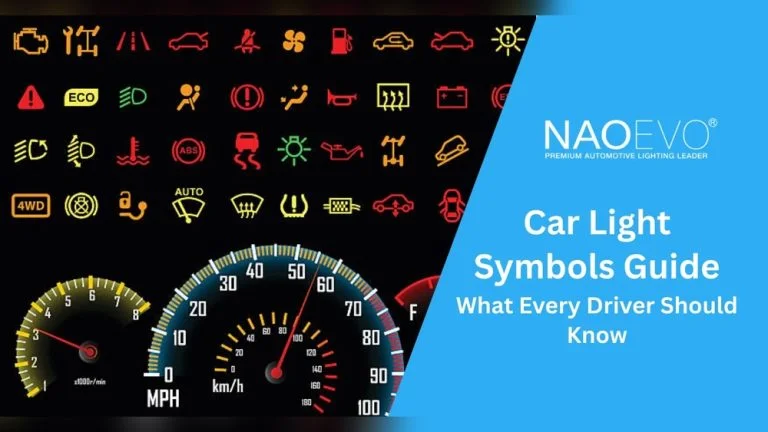
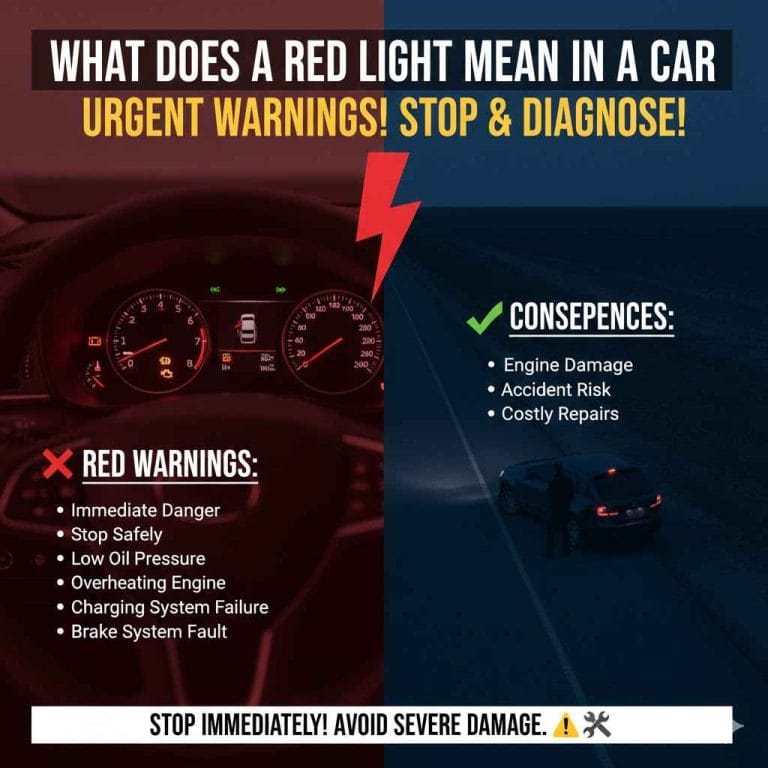
When to worry: You should worry if you notice recurring issues with your vehicle’s performance, such as strange noises, warning lights, or changes in braking. You should also worry if you find yourself frequently distracted, speeding, or getting stressed behind the wheel. These are signs that your driving habits or your vehicle’s condition need attention.
Simple checks: Regularly check your tire pressure and tread depth. Make sure all your lights are working. Keep your fluid levels (oil, coolant, windshield washer fluid) topped up.
Most importantly, ensure your seatbelt is always fastened and that any passengers are too.
The goal is to be a responsible and safe operator. This contributes to a safer road network for everyone. Your everyday driving choices have an impact.
Driver Checklist: Before You Go
- Mirrors: Are they adjusted correctly for optimal visibility?
- Seatbelt: Is it properly fastened for you and all passengers?
- Tires: Do they have enough air and good tread?
- Lights: Are headlights, taillights, and turn signals working?
- Distractions: Is your phone put away? Is the radio at a good volume?
- Route: Do you know where you are going?
Quick Tips for Light Vehicle Drivers
Being a good light vehicle driver isn’t just about avoiding tickets. It’s about making smart, safe choices every time you get behind the wheel. Here are a few simple tips to help you be a better and safer driver.
- Scan Ahead: Don’t just look at the car in front of you. Look further down the road to anticipate what might happen. This gives you more time to react.
- Smooth Inputs: Avoid sudden braking, accelerating, or sharp turns. Smooth actions are easier on your vehicle and make your driving more predictable for others.
- Know Your Blind Spots: Every vehicle has blind spots where other cars can disappear from view. Make sure to physically turn your head to check them before changing lanes.
- Weather Awareness: Rain, snow, or fog can dramatically change road conditions. Slow down and increase your following distance.
- Stay Calm: Driving can be frustrating, but getting angry rarely helps. Take a deep breath and focus on driving safely.
- Regular Breaks: If you’re on a long drive, stop every couple of hours to stretch your legs and refresh your focus.
These are small habits that can make a big difference in your safety and the safety of those around you. They are easy to adopt and become second nature with practice.

Frequently Asked Questions
What is the main difference between a light vehicle and a heavy vehicle?
The main difference is weight and purpose. Light vehicles are smaller, lighter, and mainly for personal use. Heavy vehicles are larger, heavier, and used for commercial transport of goods or many passengers.
Do I need a special license to drive a light vehicle?
Generally, no. A standard driver’s license issued by your state or region is sufficient to operate most light vehicles.
Are pickup trucks always considered light vehicles?
Most common pickup trucks, like those used for personal use or light commercial tasks, fall under the light vehicle category. However, very large, heavy-duty pickup trucks might be classified differently based on their weight rating.
What is GVWR and why is it important for light vehicles?
GVWR stands for Gross Vehicle Weight Rating. It is the maximum weight the vehicle is designed to carry, including its own weight, passengers, and cargo. It’s important for staying within legal limits and ensuring safe operation.
What are the most common types of light vehicles?
The most common types include passenger cars (sedans, coupes), SUVs, crossovers, minivans, and light-duty pickup trucks.
Are there any restrictions for light vehicle drivers?
Yes, all drivers must follow traffic laws. New drivers may have restrictions like limits on nighttime driving or the number of passengers they can carry. These vary by state and age.
Conclusion
So, a light vehicle driver is simply someone operating a standard car, SUV, or similar vehicle. It’s a role that most adults in developed countries take on. The key is to drive safely, responsibly, and with awareness.
Understanding the vehicle you’re in and the rules of the road ensures a safer journey for everyone.
See also how to clean car headlights like a pro step-by-step .
Products related to this article
Sponsored / affiliate links. As an Amazon Associate I earn from qualifying purchases. I may earn additional commission from eligible campaigns.