What Causes a Car’s Electrical System to Suddenly Stop Working?
Every driver expects their car to start and run smoothly. But sometimes, you turn the key or press the button, and nothing happens. The lights are out, the dashboard is dark, and the engine refuses to make a sound. When a car’s electrical system suddenly stops working, it can be a confusing and stressful experience.
Understanding why this happens is the first step to solving the problem and getting back on the road.
Many things can cause a car’s electrical system to fail without warning. From a dead battery to a broken alternator or even hidden wiring issues, each part plays a role in keeping your vehicle powered. Some problems are simple and easy to fix, while others can require an expert’s help.
Knowing the most common causes, how to spot early warning signs, and what steps to take can save you time, money, and frustration.
This guide will explain every major reason behind sudden electrical failure in cars. You’ll learn how each component works, what can go wrong, and what you can do about it. We’ll also look at examples, common mistakes, and useful tips for both beginners and experienced drivers.
By the end, you’ll feel confident about handling unexpected electrical issues with your car.
The Basics Of A Car’s Electrical System
Before diving into the causes, it’s helpful to know what makes up a car’s electrical system. Most cars have three main components:
- Battery: Stores and supplies electrical power, especially for starting the car.
- Alternator: Recharges the battery and powers electrical systems when the engine runs.
- Wiring and fuses: Carry electricity to different parts of the car and protect circuits from overload.
Other important parts include the starter motor, relays, switches, sensors, and control modules. Modern vehicles also have many computers and electronic features, making the system more complex.
Here’s a simple comparison of basic and modern car electrical systems:
| Component | Older Cars | Modern Cars |
|---|---|---|
| Battery | Basic lead-acid, fewer demands | Advanced, supports more electronics |
| Alternator | Lower output | High output, often with built-in regulators |
| Wiring | Simple, fewer circuits | Complex, many sensors and modules |
| Control Modules | Minimal or none | Multiple computers (ECU, BCM, etc.) |
Common Causes Of Sudden Electrical Failure
When your car’s electrical system stops working out of nowhere, it’s usually due to one of several common issues. Let’s explore each one in detail.
1. Dead Or Failing Battery
The battery is the heart of your car’s electrical system. If it fails, everything stops. Batteries can die suddenly due to age, extreme weather, or a sudden drain (like leaving lights on overnight). Even a new battery can fail if there’s an internal short or manufacturing defect.
Signs of a dead battery include:
- No dashboard lights or sounds when you turn the key
- Clicking sound when trying to start
- Car electronics (radio, windows) don’t work
Many drivers miss the fact that a battery can seem fine one day and be completely dead the next, especially in hot or cold climates. Also, a battery that’s weak but not fully dead can cause random electrical glitches before total failure.
2. Faulty Alternator
The alternator keeps the battery charged and powers the car’s electronics when the engine is running. If it fails, the battery drains quickly, and the car shuts down—sometimes without warning.
Symptoms of a bad alternator:
- Battery warning light on the dashboard
- Dimming headlights or interior lights
- Electrical accessories (radio, power windows) stop working
- Engine stalls while driving
A common mistake is to blame the battery, when the real problem is the alternator. Replacing the battery won’t help if the alternator isn’t charging it.
3. Blown Main Fuse Or Fusible Link
Fuses protect your car’s wiring from too much current. The main fuse or a special “fusible link” can blow due to a short circuit or electrical surge. When this happens, power to large parts of the car is cut off instantly.
What you might notice:
- Complete loss of power to all systems
- No response from starter or electronics
- Sometimes a burning smell or visible damage near the fuse box
Many owners forget to check the main fuse, focusing only on smaller fuses for accessories. The main fuse is larger and often located under the hood, separate from other fuses.
4. Bad Electrical Ground Connection
Your car’s electrical system relies on ground connections to complete circuits. A loose, corroded, or broken ground strap can stop the entire system from working.
Warning signs:
- Electrical components work sometimes, then stop
- Flickering dashboard lights
- Problems start after repairs or modifications
Ground issues are often missed because they can cause random, hard-to-explain problems. Checking and cleaning ground points is a simple fix that solves many mysterious electrical failures.
5. Damaged Or Disconnected Wiring
Wiring carries electricity to every part of your car. Over time, wires can become damaged by heat, vibration, corrosion, or even rodents. A single broken or disconnected wire can shut down the whole system.
Possible symptoms:
- Sudden loss of power while driving
- Only certain systems fail (e.g., lights but not starter)
- Visible damage or frayed wires under the hood
One insight many beginners miss: Wiring problems can happen even in new cars, especially after an accident or poor-quality repairs.
6. Faulty Ignition Switch
The ignition switch sends power from the battery to the starter and other systems. If it fails, turning the key or pressing the button does nothing.
Look for these clues:
- No sound or lights when key is turned
- Key turns but nothing happens
- Electrical accessories don’t work in “on” position
Ignition switches often fail gradually, with occasional trouble starting before complete failure. A worn key or heavy keychain can speed up wear.
7. Failed Starter Motor Or Relay
The starter motor turns the engine over. If it or its relay fails, the car won’t start, but other electrical systems (like lights) may work.
How to recognize it:
- Clicking sound when turning the key
- Engine doesn’t turn over
- Lights and radio work, but car won’t start
Many people confuse starter failure with a dead battery. Testing the starter or relay can quickly reveal the cause.
8. Corroded Battery Terminals
Even if your battery is healthy, corroded terminals can block power flow. Corrosion appears as white, green, or blue powder on the terminals.
Common signs:
- Intermittent electrical problems
- Need to wiggle battery cables to start
- Dim lights or slow cranking
Cleaning the terminals is a simple fix, but many drivers overlook this step.
9. Short Circuits
A short circuit happens when electricity takes a shortcut, often due to damaged insulation or water entering connectors. Shorts can blow fuses or burn wires, causing sudden system failure.
What to watch for:
- Blown fuses that keep returning
- Burning smell or smoke
- Sudden loss of power to one or more systems
Shorts can be hard to find, especially in modern cars with complex wiring.
10. Faulty Control Module Or Computer
Today’s vehicles rely on control modules to manage everything from the engine to the lights. If a main module fails, large parts of the car can stop working instantly.
Typical symptoms:
- Electronics behave strangely or not at all
- Car won’t start or stalls suddenly
- Warning lights that don’t clear with a restart
Replacing a control module is expensive, and it often requires special tools to diagnose and program.
11. Aftermarket Accessories Causing Issues
Adding aftermarket electronics (alarms, stereos, remote starts) can overload circuits or create wiring problems, especially if not installed properly.
Problems might include:
- Electrical system fails after new accessory is installed
- Blown fuses or drained battery
- Random electrical glitches
A non-obvious insight: Even high-quality accessories can cause problems if the installer cuts into main wires or ignores proper grounding.
12. Faulty Sensors Or Relays
Modern cars use many sensors and relays to control power flow. If a key relay or sensor fails, it can stop the entire system.
You might notice:
- No response from starter or fuel system
- Only some systems work (e.g., lights but not fuel pump)
- No error codes, making diagnosis tricky
Relays are often easy and cheap to replace, so swapping them with a known good one is a fast troubleshooting step.
13. Physical Damage From Accidents
A car accident can damage wiring, fuses, or connectors, even if the outside looks fine. Sometimes, problems appear days or weeks after the crash.
Look for:
- Electrical issues right after body repairs
- Systems that work, then fail suddenly
- Wires pinched or cut under trim panels
Insurance often covers this, but many drivers don’t think to check for hidden electrical damage after minor collisions.
14. Water Intrusion Or Moisture
Water entering the car—through leaks, floods, or high-pressure washing—can cause immediate or delayed electrical failure. Moisture corrodes connectors and shorts circuits.
Warning signs:
- Wet carpets or trunk
- Electrical issues after heavy rain or car wash
- Foggy windows inside the car
An overlooked fact: Even a small leak can cause big problems if water reaches main wiring harnesses.
15. Extreme Temperatures
Both heat and cold can trigger electrical problems. High heat damages batteries, melts insulation, and stresses alternators. Extreme cold thickens fluids and can crack old batteries.
Possible effects:
- Car won’t start on very hot or cold days
- Electronics behave differently in certain weather
- Sudden failures after a heatwave or freeze
Temperature-related issues often appear suddenly, especially after the car was fine the previous day.
Diagnosing Sudden Electrical Failure
When your car’s electrical system stops working, a careful approach saves time and money. Here’s how to start:
- Check the battery: Is it charged? Are the terminals clean?
- Look for blown fuses: Inspect both the main fuse and smaller ones.
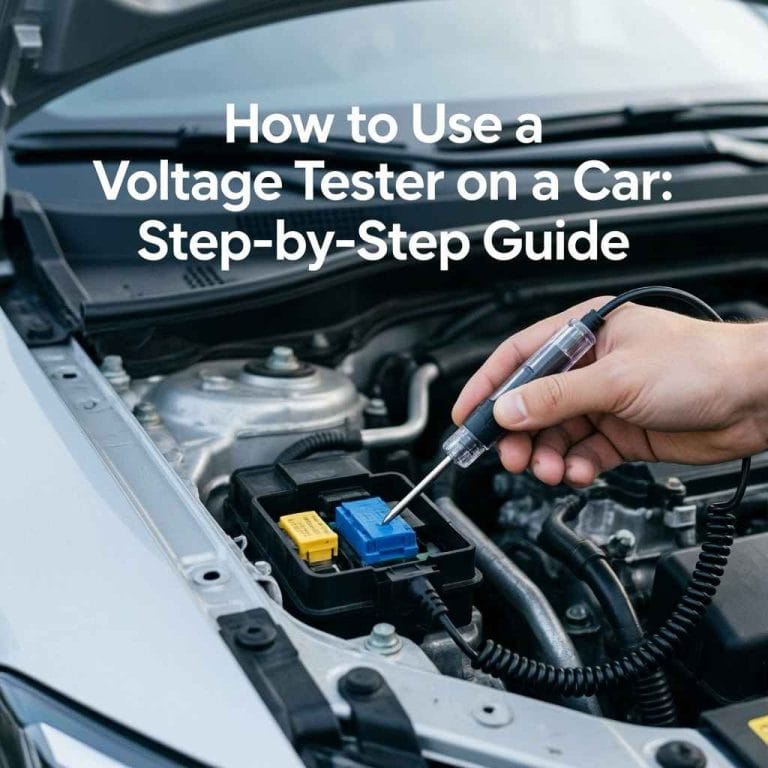
- Test the alternator: With the car running (if possible), measure voltage at the battery. Healthy systems show 13.8–14.4 volts.
- Inspect wiring: Look for obvious damage or loose connectors under the hood and near the battery.
- Try a jump start: If the car starts, the problem is likely battery or alternator related.
- Listen for sounds: Clicking often means starter or relay trouble, while silence points to battery, ignition switch, or main fuse.
- Check for water: Is there moisture in the fuse box or around connectors?
- Think back: Did the problem start after an accessory was added or after repairs?
This table compares symptoms and likely causes for faster troubleshooting:
| Symptom | Likely Cause | What To Check First |
|---|---|---|
| No power at all | Battery, main fuse, ground, wiring | Battery voltage, main fuse, ground strap |
| Lights work, engine won’t start | Starter, ignition switch, relay | Starter relay, ignition switch function |
| Sudden stall while driving | Alternator, wiring, control module | Alternator output, wiring, diagnostic scan |
| Power loss after rain | Water intrusion, short circuit | Moisture in fuse box, connectors |
Preventing Electrical System Failure
While some failures are unpredictable, many can be prevented with regular checks and smart habits:
- Inspect the battery every few months, especially before winter and summer.
- Clean terminals and check for corrosion.
- Replace old batteries before they fail (most last 3–5 years).
- Listen for odd sounds when starting or driving.
- Have wiring checked after any accident or body repair.
- Ask about wiring before adding aftermarket accessories.
- Keep the car dry and fix leaks quickly.
- Check fuses if something stops working—never use foil or coins as substitutes.
A non-obvious tip: Many cars have hidden fuse boxes or relays under seats, in the trunk, or behind panels. Always check the owner’s manual for all fuse and relay locations.
When To Call A Professional
Some electrical problems are simple, like a dead battery or dirty terminal. But others need special tools and knowledge. Call a qualified mechanic if:
- The main fuse keeps blowing
- There’s a burning smell or visible melted wires
- The problem returns after a battery or alternator change
- The car’s computers or sensors are involved
- You’re not comfortable working with car electronics
Modern cars are complex, and guessing can make things worse. A professional can test, diagnose, and fix the issue safely.
Real-world Example
Imagine you park your car after work, and everything seems fine. The next morning, you turn the key—nothing happens. No lights, no sound, just silence. After checking, you see corrosion on the battery terminals. Cleaning them with a wire brush and reconnecting the cables brings your car back to life.
In another case, a driver adds a new stereo system. A week later, the car randomly loses power while driving. An inspection reveals a poorly connected ground wire near the fuse box. Fixing the connection solves the problem.
These stories show how both simple and hidden issues can cause sudden electrical failure.
Frequently Asked Questions
Why Does My Car Have No Electrical Power At All?
If your car has no electrical power (no lights, sounds, or dashboard response), the most likely causes are a dead battery, blown main fuse, or a bad ground connection. Start by checking the battery voltage and looking for obvious signs of damage or corrosion at the battery terminals.
Can A Bad Alternator Cause A Car To Lose All Power Suddenly?
Yes, a bad alternator can cause total power loss while driving. If the alternator stops working, the battery quickly drains, and the car will shut down without warning. Warning lights or dimming headlights often appear before a complete failure, but not always.
How Do I Know If A Fuse Is Blown?
A blown fuse often looks melted or has a broken wire inside. You can check by removing the fuse and holding it up to the light. If you’re unsure, many auto parts stores offer free fuse testing. Always replace fuses with the same type and rating.
What Should I Do If My Car’s Electrical System Fails After Heavy Rain?
If your car has electrical problems after rain, check for water under the carpets, around the fuse box, and inside connectors. Dry out any wet areas, and avoid driving until the problem is fixed. Water can cause shorts that damage sensitive electronics.
Is It Safe To Jump-start A Car With Electrical Problems?
Jump-starting is safe if you follow the correct steps and the problem is only a dead battery. If you suspect wiring damage, a burning smell, or a blown main fuse, do not attempt a jump start. This can cause further damage or even start a fire.
For more on car electrical systems and troubleshooting, visit the Automotive Electronics Wikipedia page.
A car’s electrical system is complex, but understanding the main causes of sudden failure can help you act quickly and prevent bigger problems. With regular checks and smart habits, you can keep your car reliable and ready for the road.