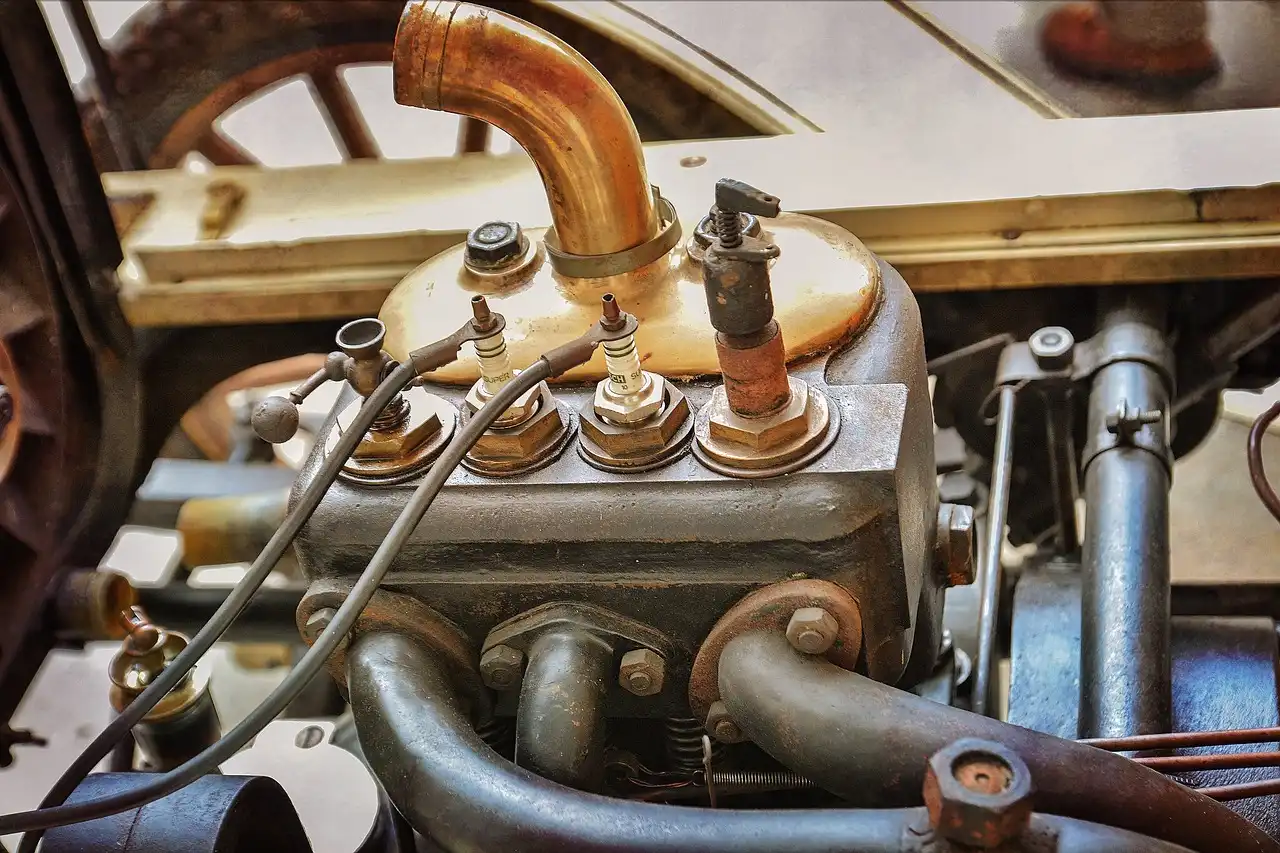
Best Engine Parts for Preventive Maintenance: research shows
Start with the lowest-cost risk cuts first: serpentine belt, coolant hoses, thermostat, spark plugs, PCV valve, and air filter. Add the water pump, tensioner, and timing components when labor overlaps or the service interval is near. Skip them and you can pay for overheating, misfires, or a second teardown later. This guide ranks the best replacements by risk reduction per dollar and shows which parts to bundle together so you do not pay labor twice.
Quick comparison
| Product | Badge | Best for | Price | ||
|---|---|---|---|---|---|
 |
HuaviRise15400-PLM-A02 15400-PLM-A01 Oil FilterHuaviRise | Budget pick | 3-pack Honda engine oil filters | $15.99
Price as of 9 Oct 2026
|
View |
 |
Champion RC12MCC4 (439) Copper Plus Spark Plug, Pack of 4Champion | Also great | 4-pack Copper Plus spark plugs | $14.45
Price as of 9 Oct 2026
|
View |
 |
Mann Filter CU 25 002 Automotive Cabin Air Filter, Car andMann Filter | Our pick | Mercedes Benz cabin air filter | $18.20
Price as of 9 Oct 2026
|
View |
 |
Gates K060612 Micro-V Serpentine Drive BeltGates | Pair with it | Micro-V serpentine drive belt | $22.14
Price as of 9 Oct 2026
|
View |
 |
BOSCH 09850 Premium Spark Plug Wire SetBosch | Upgrade pick | Bosch premium spark plug wires | $386.26
Price as of 9 Oct 2026
|
View |
This quick view separates mileage-based jobs from condition-based ones. That split matters because a belt set or water pump can be “due” even when it still looks acceptable, while an air filter or PCV valve may need attention only after inspection.
The ranking below favors parts that prevent expensive damage, protect other components, or let you combine labor into one visit.
How we chose
The ranking uses a few filters, including the risk of ignoring the part, the labor saved by bundling, how clear the service interval is, and whether inspection gives you a usable discard rule.
High-mileage cars, turbo engines, and severe-service driving move some parts up the list because heat and load shorten life.
That is why a low-cost thermostat can beat a higher-cost cosmetic item in value. It can prevent a second cooling-system teardown.
What engine parts should I replace during preventive maintenance?
Replace the parts that protect the engine from heat, contamination, ignition loss, and belt-drive failure. For most daily drivers, that starts with engine oil and the oil filter, then moves to spark plugs, air and fuel filters, the PCV valve, belts, and cooling-system parts when age or mileage point to them.
Preventive maintenance lowers repair bills and cuts the odds of a roadside breakdown. Skip oil changes, and you invite wear, sludge, poorer fuel economy, and engine failure. Worn spark plugs can cause misfires, poor fuel efficiency, hard starting, and reduced power.
Do not treat every part as a same-day replacement. Mileage-based items belong on a schedule. Condition-based items get replaced when inspection shows cracking, leakage, noise, restriction, or worn seals.
Which engine parts wear out first on a daily driver?
The first parts to age on a daily driver are usually oil, the oil filter, air filter, spark plugs, belts, hoses, the thermostat, and the PCV valve. These parts see heat cycles, vibration, and contamination every day, so they tend to show wear before major internal engine parts do.
Severe-service use moves them up faster. Short trips, idling in traffic, hot climates, dusty roads, towing, and turbocharged engines all shorten service life. A turbo engine can cook oil faster, and dusty driving can clog the air filter early.
One common rule of thumb: the cheapest parts often fail in a way that threatens the expensive parts. A clogged filter can stress a pump. A weak belt can strand the car. A stuck thermostat can overheat the engine.
Typical first-to-fail pattern
- Engine oil and oil filter lose protection with time and mileage.
- Air filter and PCV valve collect dirt, oil vapor, and deposits.
- Spark plugs wear from heat and gap growth.
- Serpentine belt, tensioner, and idler bearings age from flexing and heat.
- Hoses, thermostat, and water pump show age-related cooling-system wear.
How often should spark plugs, belts, and filters be replaced?
Use the owner’s manual first, then adjust for vehicle type and driving severity. Spark plugs, belts, and filters do not share one fixed interval. Conventional plugs usually come sooner than iridium or platinum plugs, and belt-drive parts are often replaced by age, noise, cracks, or mileage.
Oil should be changed on the mileage or time interval listed for the engine, because oil breakdown and additive depletion can reduce lubrication and heat control. The oil filter is generally replaced with each oil service. Air filters, fuel filters, and PCV valves vary by engine and driving conditions.
For a practical rule: if a part has a mileage interval, track mileage. If it has a condition trigger, inspect it at every service and replace it when the symptom or wear pattern appears.
Service pattern by part type
- Engine oil and oil filter: every scheduled oil service, by mileage or time.
- Air filter: inspect regularly; replace when dirty, restricted, or service interval is reached.
- Spark plugs: interval depends on plug type; copper wears sooner than iridium or platinum.
- Belts and tensioners: inspect for cracks, glazing, noise, and age; replace when wear appears or interval is reached.
- Fuel filter: interval depends on fuel system design; some systems have long-life or tank-mounted filters.
Quick comparison
| Part | Replacement trigger | Failure consequence | Bundle with | Mileage-based or condition-based | Priority score |
|---|---|---|---|---|---|
| Engine oil | Scheduled mileage or time; oil darkening alone is not enough | Wear, sludge, reduced fuel economy, engine failure | Oil filter | Mileage-based | 5 |
| Oil filter | Every oil service | Contaminant bypass, faster oil wear | Engine oil | Mileage-based | 5 |
| Air filter | Visible dirt, restriction, or service interval | Reduced airflow, poorer fuel economy, dirt entry | PCV valve, throttle-body cleaning | Condition-based | 4 |
| Spark plugs | Plug-type interval or misfire/hard-start symptoms | Misfire, poor fuel efficiency, reduced power | Coils or wires, intake service | Mileage-based | 5 |
| Timing belt system | Age or mileage interval; inspect tensioner, idler, seals | Interference-engine valve and piston damage | Water pump, seals, tensioner, idler | Mileage-based | 5 |
| Serpentine belt | Cracks, glaze, noise, age | Loss of charging, cooling, accessories; possible overheating | Tensioner, idler pulley | Condition-based | 5 |
| Water pump | Leak, whine, shaft play, or timing-service overlap | Coolant loss, overheating, engine damage | Timing belt parts, thermostat, hoses | Condition-based | 5 |
| Coolant hoses | Soft spots, cracks, bulges, seepage | Burst hose, leak, overheating | Thermostat, water pump, coolant | Condition-based | 4 |
| Thermostat | Overheating or slow warm-up | Overheating or poor efficiency | Coolant, hoses, water pump | Condition-based | 4 |
| Fuel filter | Restricted-flow symptoms or service interval | Poor power, pump stress, injector starvation | Fuel pump service | Condition-based | 3 |
| PCV valve | Oil consumption, sludge, rough idle, deposits | Crankcase pressure issues and contamination buildup | Valve cover gasket, air filter | Condition-based | 4 |
| Tensioner / idler pulley | Bearing noise, wobble, weak tension | Belt slip, belt throw, accessory loss | Serpentine belt | Condition-based | 5 |
Which engine parts should you replace on schedule?
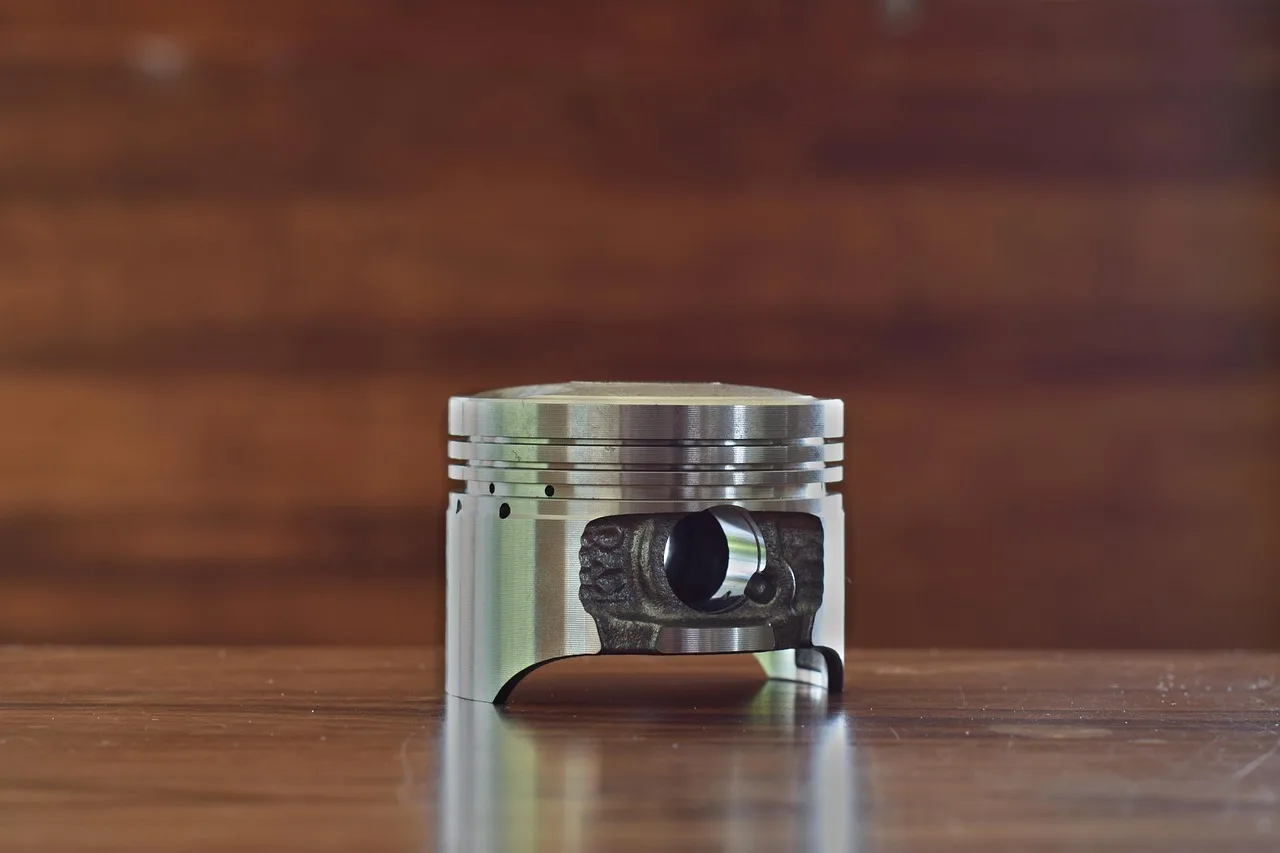
On-schedule parts are the ones with predictable wear. Engine oil, the oil filter, spark plugs, and many timing-belt systems belong here. Air filters, fuel filters, and coolant service also fit this group when the manufacturer gives a mileage or time interval.
The oil and filter are the first essential service item because oil controls lubrication and heat, while the filter captures contaminants. Use the correct oil specification and change the filter every time. OEM fit matters for filters because a poor seal or weak bypass design can defeat the service entirely.
Oil, oil filter, air filter, and PCV valve
Oil breaks down from heat and combustion byproducts. Additives deplete, and the oil loses part of its ability to control wear and heat. The oil filter should always be replaced with the oil service.
An air filter blocks dirt and debris before they reach the intake. A clogged filter can reduce airflow and fuel economy. The right service interval depends on the engine and the driving environment, so dusty roads and stop-and-go use call for earlier checks.
The PCV valve is often overlooked. It controls crankcase ventilation, helps prevent sludge, and can reduce oil consumption problems when it is working correctly.
Spark plugs and fuel filter
Spark plug interval depends on plug type. Conventional plugs usually wear sooner than iridium or platinum variants. Worn spark plugs can cause misfires and hard starting, and they can reduce power before a drivability complaint becomes obvious.
Fuel filter intervals differ by fuel system. Some older return-style systems use a replaceable external filter, while many newer systems place filtration inside the tank module. Restricted flow can starve injectors or load the pump.
Which engine parts should you replace together?
Replace parts together when one job opens access to another part that is already aged or cheap enough to justify the overlap. Commonly bundled jobs include timing belt work with the water pump and seals, serpentine belt work with the tensioner and idler, and cooling-system work with hoses and the thermostat.
This is where labor savings matter most. If the front of the engine is already apart, paying for a second teardown later wastes money. If a hose or thermostat is buried under drained coolant, replacing it during the same service usually costs little extra.
Timing belt, tensioner, idler, seals, and water pump
Timing belt service is the highest-stakes bundle for many engines. In interference engines, timing belt failure can bend valves, damage pistons, and cause complete engine failure. That risk alone puts belt systems near the top of the list.
Replace the belt with the tensioner, idler, and any front seals that show seepage. If the water pump is driven by the timing belt or sits behind the same cover, replace it at the same time unless the engine layout makes access trivial.
Picture a V6 with a buried water pump and 90,000 miles on the belt. If the pump leaks six months later, the owner pays for much of the same labor twice.
Serpentine belt, tensioner, and idler pulley
The serpentine belt drives the alternator, water pump, power steering pump, and air conditioning compressor. A broken serpentine belt can leave a vehicle stranded and may lead to overheating. Replace it when it is noisy, glazed, cracked, or old enough that the accessory drive system is due.
Bundle the tensioner and idler pulley when their bearings are noisy or the arm no longer holds steady tension. If one component has aged out, the others are close behind.
Cooling service bundle
Replace the thermostat with coolant service when access is already open, especially if the engine has a history of overheating or slow warm-up. A faulty thermostat can cause overheating and reduce fuel efficiency. A failed water pump can cause coolant leaks, overheating, and engine damage.
Coolant hoses should be checked for burst risk, seepage, soft spots, bulges, and surface cracking. Rubber deteriorates with age even when the outside still looks acceptable.
What engine parts can fail if I skip preventive engine maintenance?
If you skip preventive maintenance, the failure chain often starts small and ends expensive. Oil neglect can damage bearings and sludge passages. A weak belt can stop charging or cooling. A bad thermostat can overheat the engine. Ignored plugs can turn into misfires, catalyst damage, or no-start complaints.
Some failures stay localized. Others spread. Timing belt loss can destroy an interference engine. Cooling-system neglect can warp heads or crack hoses under pressure. A restricted fuel filter can strain the pump and starve the injectors.
Old transmission fluid can cause slipping, harsh shifting, and premature wear. Brake pads are designed to wear gradually, and ignoring them can damage rotors and calipers. Brake fluid absorbs moisture over time and contaminated fluid can reduce braking performance.
What are the most cost-effective engine parts to replace before they fail?
The highest-value replacements are the ones that cost little, prevent large damage, or let you combine labor. For most cars, that means the serpentine belt, tensioner, idler pulley, thermostat, coolant hoses, spark plugs, PCV valve, and the oil service package. Timing-belt parts jump to the top when the interval is near.
The best value usually comes from parts that fail in pairs. Belts and tensioners age together. Hoses and thermostats age in the same hot coolant environment. Water pumps often make sense only when the timing service is already open.
Value ranking by risk reduction per dollar
- Oil and oil filter: cheap protection against wear and sludge.
- Serpentine belt with tensioner or idler: low cost, high stranded-vehicle risk.
- Spark plugs: small parts, clear drivability gains, easy labor when access is open.
- Thermostat and hoses: low parts cost, large overheating prevention value.
- Timing belt system and water pump: higher cost, but major damage avoidance.
What engine maintenance parts save the most money long term?
The long-term savings come from parts that prevent collateral damage. Oil and filters protect the engine internally. Spark plugs prevent misfire-driven waste. Belts, tensioners, and idlers keep the charging and cooling systems alive. Cooling parts protect the engine from heat damage.
For turbo engines, oil quality and change discipline matter even more because heat load is higher. For high-mileage cars, the return on replacing hoses, belts, plugs, and the PCV valve is often better than waiting for the first roadside failure.
Say your daily driver is a 12-year-old sedan with 128,000 miles and a slight belt chirp at idle. Replacing the belt alone may not fix the real wear point if the tensioner is weak. Do the pair and avoid repeating the job.
How do I know which engine parts are due based on mileage or age?
Start with the service schedule, then inspect the parts that can be judged by condition. Mileage-based items are due when the interval arrives. Condition-based items are due when heat, cracks, leaks, noise, or restriction show up. If both apply, replace the part now.
Use age as a backstop. Rubber parts harden over time even if mileage is low. That matters on garage-kept cars, weekend drivers, and short-trip vehicles, where time can age belts and hoses faster than miles.
Inspection checklist with discard criteria
- Oil: change at the scheduled interval; do not wait for obvious breakdown.
- Oil filter: replace every oil service.
- Air filter: replace if heavily loaded with dirt, damaged, or visibly restricted.
- Spark plugs: replace if worn, fouled, eroded, or if misfire and hard-start symptoms point to them.
- Belts: replace if cracked, glazed, frayed, noisy, or oil-soaked.
- Tensioner/idler: replace if noisy, loose, wobbling, or weak in spring force.
- Hoses: replace if soft, swollen, cracked, leaking, or brittle.
- Thermostat: replace if the engine overheats or warms up too slowly.
- Water pump: replace if it leaks, whines, or shows shaft play.
- Fuel filter: replace if the system is serviceable and flow is restricted.
- PCV valve: replace if it sticks, clogs, or fails to control crankcase flow.
Best choice for tight budgets: HuaviRise oil filter with the oil service
- Reinforced materials resist deformation and crushing
- Metal end caps provide stability and wear resistance
- Compatible with many Honda and Acura models
For a tight budget, the oil filter is the cheapest risk cut because it is already part of the oil service. This HuaviRise three-pack fits many Honda and Acura applications, so it makes sense as a basic stock-up item for owners who expect more than one oil change before they shop again.
What stands out is the reinforced construction and metal end caps, which should help resist deformation during installation and service. The drawback is obvious: fit is application-specific, and any aftermarket filter still needs the correct seal, bypass behavior, and dimensions for the engine.
Best choice for spark plug service: Champion RC12MCC4 copper plugs
- Genuine Champion parts with original packaging
- Direct replacement auto parts for easy fitting
- Copper Plus design for reliable ignition performance
These Champion Copper Plus plugs suit engines that call for this specific plug number and a conventional copper design. They are a practical buy when you want to restore ignition performance on a compatible engine without spending iridium-level money.
The upside is direct replacement fit and a standard ignition design that is easy to understand. The drawback is shorter life than many iridium or platinum plugs, so they are not the best choice for long-interval maintenance if the engine specification calls for extended-life plugs.
Best choice for cabin air service: Mann Filter CU 25 002 cabin filter
- Filters dust, dirt, and pollutants for cleaner air
- Supports air conditioning systems by limiting dirt buildup
- Simple installation instructions for a perfect fit
This is not an engine air filter; it is a cabin filter, so it belongs in the broader maintenance plan rather than the engine itself. It suits Mercedes-Benz owners who want cleaner passenger air and less debris loading in the HVAC system.
What stands out is OEM-style fit and simple installation guidance. The drawback is that it does nothing for intake airflow or engine fuel economy, so do not confuse cabin filtration with the engine’s air filter service.
Best choice for drive belt replacement: Gates K060612 serpentine belt
- Exact OEM aramid cord construction for longevity
- Reduces noise, vibration, and harshness in drive
- Extends life of accessory drive components
This Gates Micro-V belt is the obvious bundle item when a worn accessory drive belt is due. It suits owners who want an OEM-style aramid cord construction and a belt that should reduce noise, vibration, and harshness in the drive.
The main strength is fit and construction quality. The drawback is that a belt alone is only part of the job; if the tensioner or idler pulley is noisy or weak, replacing just the belt can leave the real failure point behind.
Best choice for older ignition systems: Bosch 09850 spark plug wire set
- Stainless steel Mag winding delivers maximum voltage
- Pure silicone jacket resists oil penetration for protection
- Backed by a no hassle lifetime guarantee
This wire set is for engines that still use plug wires and match the listed fitment. It is a useful preventive replacement when wire insulation has aged, oil has seeped onto the jacket, or misfire trouble points to secondary ignition leakage.
The silicone jacket and stainless steel winding are the selling points. The drawback is price and fit specificity. Many modern engines use coil-on-plug designs with no conventional wire set, so this part only applies to the right hardware.
Which one should you buy
If the budget is tight, buy the part that closes the biggest risk gap for the least money. That usually means oil service parts first, then a belt, thermostat, spark plugs, or the PCV valve if inspection points to them. Do not buy a water pump just because it is cheap; buy it when the timing service or a leak justifies the labor.
For a high-mileage daily driver, prioritize belts, hoses, plugs, the PCV valve, and cooling parts before cosmetic or comfort items. For a turbo engine, move oil service, plugs, and cooling-system condition checks to the front because heat and load shorten intervals. If timing service is due, buy the full kit and do the water pump and seals at the same time.
If you are deciding between one part and a bundle, pick the bundle when it prevents a second teardown. A timing belt without the tensioner and water pump is often false economy. A serpentine belt without a suspect tensioner can also be short-term thinking.
Frequently asked questions
What engine parts should I replace during preventive maintenance?
Start with engine oil and the oil filter, then move to spark plugs, air and fuel filters, the PCV valve, belts, hoses, the thermostat, and water pump when age or mileage points to them. The exact list depends on the service schedule, but the goal is the same: stop small wear from becoming expensive damage.
Which engine parts wear out first on a daily driver?
Oil service parts, spark plugs, the air filter, the PCV valve, belts, and cooling hoses usually age first because they live in heat and vibration. On many vehicles, the accessory drive system and ignition parts show problems before major internal engine components do.
How often should spark plugs, belts, and filters be replaced?
Use the owner’s manual, because intervals vary by engine and part type. Spark plugs depend on whether they are copper, platinum, or iridium. Belts and tensioners are often replaced by age, noise, or cracks. Oil filters change with every oil service, while air and fuel filters depend on the vehicle and driving conditions.
Should I replace the water pump with the timing belt?
Usually, yes, if the water pump is driven by the timing belt or sits behind the same cover. That bundle saves labor and prevents a second teardown later. If the pump is easy to reach separately, the calculation changes, but bundled replacement is often the safer value play.
What parts can fail if I skip preventive engine maintenance?
Oil neglect can lead to wear, sludge, reduced fuel economy, and engine failure. Worn plugs can trigger misfires and hard starts. A broken serpentine belt can strand the vehicle and may cause overheating. Timing belt failure can bend valves and damage pistons in interference engines.
How do I know which engine parts are due based on mileage or age?
Use mileage for scheduled items like oil, filters, plugs, and timing components. Use age and inspection for rubber parts such as belts and hoses, plus the thermostat, PCV valve, and water pump. When a part has both a time limit and visible wear, replace it sooner rather than later.
Products related to this article
Sponsored / affiliate links. As an Amazon Associate I earn from qualifying purchases. I may earn additional commission from eligible campaigns.