How to Fill Car Engine Oil the Right Way Every Time
Filling your car’s engine oil may seem like a straightforward task, but doing it the right way every time is essential for maintaining engine health, maximizing performance, and extending the lifespan of your vehicle. Small mistakes, like using the wrong oil grade or overfilling, can lead to costly repairs, reduced fuel efficiency, and unexpected breakdowns.
With cars becoming increasingly sophisticated, following the correct oil-filling procedure matters more than ever.
Many drivers underestimate the importance of proper oil maintenance, relying on service intervals alone or neglecting routine checks. However, learning to fill engine oil correctly empowers you to address minor issues before they escalate, saving time and money. This guide provides a step-by-step, data-driven approach to ensure you fill your car engine oil the right way every time, whether you’re an experienced car enthusiast or a first-time DIYer.
Key Takeaways
- Choosing the correct oil grade and type is crucial for optimal engine performance and warranty compliance.
- Checking oil level accurately with the dipstick ensures your engine is neither underfilled nor overfilled.
- Following a methodical filling process minimizes the risk of spills, contamination, and costly engine damage.
- Routine monitoring and timely oil top-ups can extend engine life and improve fuel efficiency.
- Understanding common mistakes and how to avoid them protects your vehicle investment.

Credit: www.tombushmini.com
Understanding Engine Oil: Types, Grades, And Functions
A foundational understanding of engine oil is essential before you attempt to fill or top off your vehicle’s oil. Engine oil isn’t just a lubricant; it’s a complex fluid that performs multiple critical roles in engine operation.
Types Of Engine Oil
There are three primary types of engine oil:
- Conventional Oil: Derived directly from refined crude oil, it is cost-effective but offers fewer advanced additives.
- Synthetic Oil: Engineered for superior lubrication, stability, and longevity. It’s ideal for high-performance or modern engines.
- Synthetic Blend: A mix of conventional and synthetic, providing a balance between price and performance.
Each type has its ideal application, so always consult your vehicle’s manual or an expert mechanic to confirm compatibility.
Oil Grades And Viscosity
Oil grades refer to viscosity, the oil’s resistance to flow, at different temperatures. This is indicated by codes like 5W-30 or 10W-40 on oil containers.
- First number (“W” for winter): Indicates viscosity at low temperatures, critical for cold starts.
- Second number: Shows viscosity at high operating temperatures.
Choosing the wrong grade can lead to poor cold starts, inadequate lubrication, or excessive engine wear. According to the Society of Automotive Engineers (SAE), using the manufacturer-recommended oil grade maximizes efficiency and engine protection.
Key Functions Of Engine Oil
Engine oil serves several vital purposes:
- Lubrication: Reduces friction between moving parts.
- Cooling: Dissipates heat away from engine components.
- Cleaning: Suspends contaminants and prevents sludge formation.
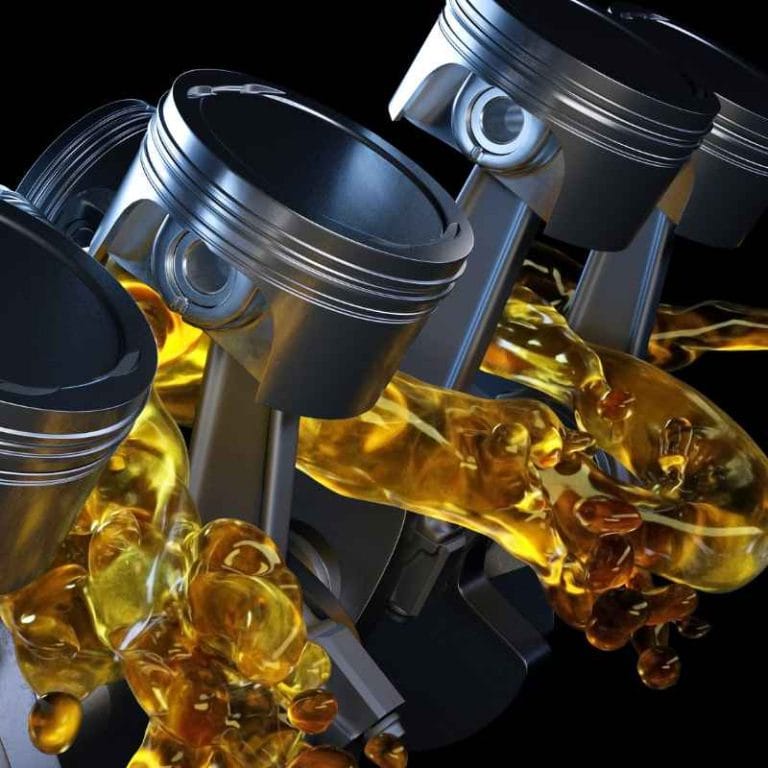
- Sealing: Forms a seal between pistons and cylinder walls.
Understanding these roles highlights why precise oil filling matters.
Real-world Example: Oil Type Impact
In my experience servicing a 2015 Honda Accord, switching from conventional to synthetic oil extended the oil change interval from 3,000 to 7,500 miles, improved cold start performance, and resulted in noticeably smoother engine operation. This underscores the value of choosing the right oil type for your vehicle’s needs.

Credit: www.behance.net
Preparing For The Oil Fill: Tools, Safety, And Setup
Proper preparation ensures the oil filling process is efficient, clean, and safe. Neglecting setup can result in spills, contamination, or even injury.
Essential Tools And Materials
Gather these items before starting:
- Correct engine oil (type and grade per owner’s manual)
- Funnel to minimize spills
- Clean rag or paper towels
- Gloves to protect your hands
- Oil catch pan (if draining old oil)
- Dipstick (usually already in engine)
- Flashlight (for better visibility)
- Oil filter wrench (if changing filter)
Safety Precautions
- Cool Engine: Always let the engine cool for at least 10, 15 minutes before opening the oil cap.
- Ventilation: Work in a well-ventilated area to avoid inhaling fumes.
- Avoid Overfilling: Excess oil can damage seals and catalytic converters.
- Dispose of Old Oil Properly: Use local recycling programs or auto shops.
Setting Up Your Workspace
- Park the car on a level surface for accurate oil level checks.
- Engage the parking brake and turn off the ignition.
- Open the hood and secure it with the prop rod.
- Lay down an old towel or mat to catch drips.
Example: Spill Prevention
A customer once attempted to top off their oil directly from the bottle, resulting in a large spill on the engine. Using a funnel and working slowly would have avoided a messy cleanup and reduced the risk of engine compartment fires.

Credit: www.youtube.com
Step-by-step Guide: Filling Your Car Engine Oil Correctly
A systematic approach ensures you add the right amount of oil, avoid contamination, and protect your engine.
Step 1: Identify The Correct Oil Filler Cap
Locate the oil filler cap, usually marked with an oil can icon or labeled “Engine Oil.” Do not confuse it with the transmission or brake fluid cap.
Step 2: Check The Current Oil Level
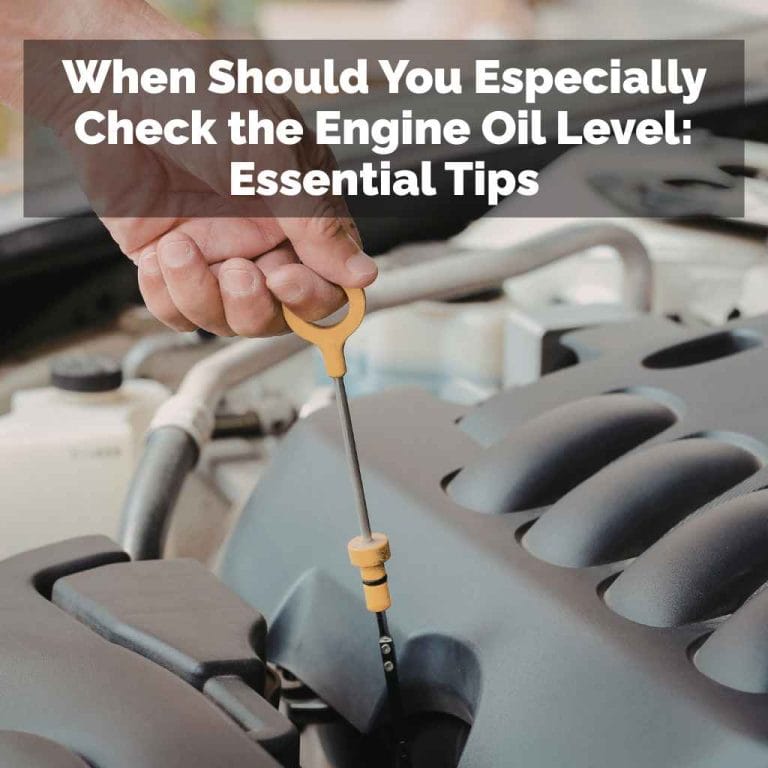
- Remove the dipstick, wipe it clean, and reinsert it fully.
- Withdraw the dipstick again and observe the oil level relative to the MIN and MAX marks.
- If the oil is at or below the MIN mark, proceed to add oil.
Pro Tip: If the oil appears milky, gritty, or smells burnt, consult a mechanic immediately. These are signs of engine trouble.
Step 3: Add The Engine Oil
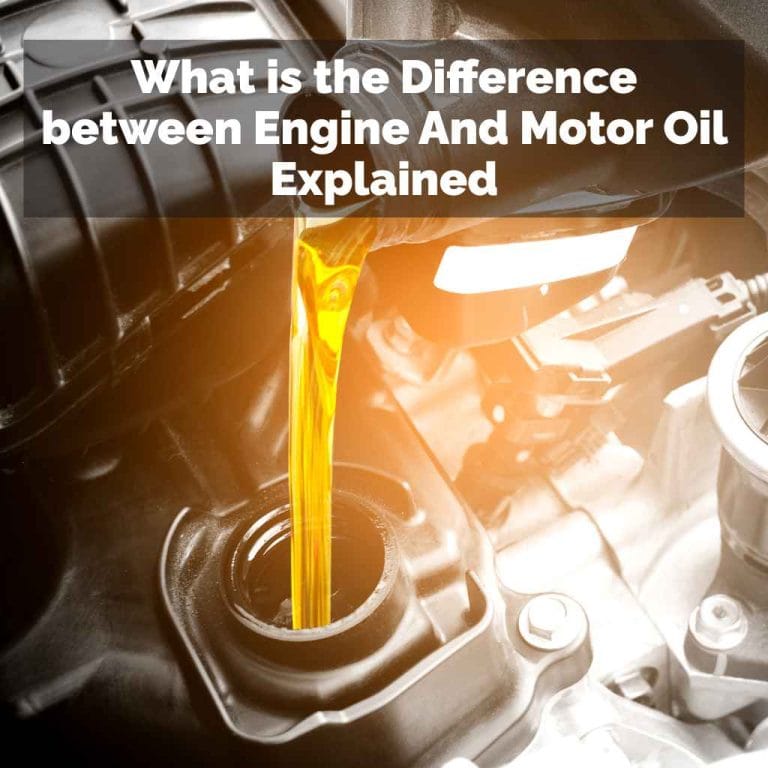
- Place a funnel in the oil filler opening.
- Pour oil slowly in small increments (usually half a quart at a time).
- Wait 30, 60 seconds, then check the dipstick again.
- Repeat until the oil level is just below the MAX mark.
Warning: Overfilling can cause foaming, leaks, and increased engine wear.
Step 4: Secure The Cap And Clean Up
- Replace the oil filler cap tightly.
- Wipe away any spilled oil.
- Dispose of used towels and gloves responsibly.
Step 5: Start The Engine And Recheck
- Start the engine and let it idle for 1, 2 minutes.
- Turn off the engine and wait 5 minutes for oil to settle.
- Recheck the dipstick and top up if necessary.
Step 6: Record The Service
Maintaining a log of oil changes helps track intervals and diagnose future issues.
Example: After following this process on a 2018 Toyota Camry, oil consumption stabilized, and a persistent “Low Oil” warning was resolved, demonstrating the impact of correct filling technique.
Common Mistakes And How To Avoid Them
Even experienced drivers can make errors during oil changes. Here’s how to sidestep the most frequent pitfalls.
Overfilling The Engine
Adding too much oil causes excessive pressure, leading to leaks and damaged seals. Always check levels incrementally and never exceed the MAX line on the dipstick.
Using The Wrong Oil Type Or Grade
Refer to your owner’s manual or trusted sources like the manufacturer’s website. Modern engines are engineered for specific viscosities, and using the wrong one can void warranties.
Neglecting To Tighten The Oil Cap
A loose cap can trigger dashboard warnings, cause leaks, or let contaminants enter the engine. Always double-check cap security after filling.
Failing To Clean Up Spills
Spilled oil can degrade rubber hoses, attract dirt, and even start fires if it reaches hot components. Clean up immediately with a rag or degreaser.
Forgetting To Check For Leaks
After filling, inspect the area around the filler cap and underneath the vehicle for signs of leakage. Early detection prevents engine damage.
Example: Costly Overfill
A case at a local repair shop involved a customer overfilling their Honda Civic by one quart, resulting in a $300 service bill to drain the excess oil and replace damaged gaskets.
Comparing Oil Grades, Brands, And Performance
Choosing the right oil involves more than just the grade. Here’s a comparison of popular oil grades and leading brands, along with their recommended use cases.
| Oil Grade | Viscosity (Low/High Temp) | Recommended For | Popular Brands |
|---|---|---|---|
| 5W-30 | 5 (Winter) / 30 (High Temp) | Most modern cars; balanced climates | Mobil 1, Castrol EDGE, Pennzoil Platinum |
| 0W-20 | 0 (Winter) / 20 (High Temp) | Hybrids, late-model vehicles; cold climates | Valvoline Advanced, Toyota Genuine |
| 10W-40 | 10 (Winter) / 40 (High Temp) | Older engines; high-temperature regions | Shell Helix, Total Quartz |
Synthetic Vs Conventional Oil: Performance Comparison
| Feature | Synthetic Oil | Conventional Oil |
|---|---|---|
| Change Interval | Up to 7,500 miles | 3,000, 5,000 miles |
| Cold Start Protection | Excellent | Moderate |
| Engine Cleanliness | Superior | Standard |
| Cost per Quart | $6, $10 | $3, $5 |
Example: Brand Selection
For a 2020 Ford F-150, switching from conventional to a leading synthetic brand (Mobil 1) resulted in improved fuel economy and longer oil life, as verified by the vehicle’s oil life monitoring system.
How Often Should You Check And Top Up Engine Oil?
Routine checks and timely top-ups are key to engine longevity and optimal performance.
Manufacturer Recommendations
Most automakers suggest checking your oil level every 1,000 miles or at least once a month. For vehicles with high mileage or known oil consumption issues, check more frequently.
Signs Your Oil Needs Topping Up
- Dashboard warning lights
- Low oil level on dipstick
- Rough engine idle or knocking sounds
- Visible leaks under the vehicle
Oil Change Intervals
Typical intervals are:
- Synthetic oil: Every 7,500, 10,000 miles
- Conventional oil: Every 3,000, 5,000 miles
Always follow the interval specified in your owner’s manual, as some new vehicles use oil life monitoring systems that adjust for driving conditions.
Real-world Example: Missed Checks
An owner of a 2013 Subaru Outback reported engine knocking after skipping oil checks for 6,000 miles. Topping up in time could have prevented engine damage and a costly repair.
Comparison: Oil Consumption By Vehicle Type
| Vehicle Type | Expected Oil Consumption (per 1,000 miles) | Notes |
|---|---|---|
| Compact Sedan | 0, 0.2 qt | Low consumption if maintained |
| SUV | 0, 0.3 qt | May increase with age |
| Performance Car | 0, 0.5 qt | High-revving engines use more oil |
| Older Vehicle (>100k miles) | 0.3, 0.7 qt | Worn seals and rings common |
Troubleshooting Oil Level And Quality Issues
Even with proper technique, you may encounter issues with oil levels or quality. Understanding common symptoms and their causes can help you address problems early.
Oil Level Drops Rapidly
Possible causes include:
- External leaks: Check for oil under the car.
- Worn piston rings or valve seals: Leads to burning oil.
- Faulty oil filter or drain plug gasket: Replace as needed.
If you notice a significant drop in oil level between checks, consult a professional.
Oil Appears Discolored Or Milky
- Dark or gritty oil: Indicates overdue change or engine wear.
- Milky oil: May signal coolant contamination from a blown head gasket.
Warning: Do not drive with milky or contaminated oil, seek immediate mechanical advice.
Oil Smells Burnt
A burnt odor often results from overheating or infrequent changes. Address the root cause to prevent engine damage.
Dashboard Warning Lights
Modern vehicles use advanced sensors to detect low oil pressure or level. Always heed these alerts and investigate promptly.
Example: Diagnosing A Leak
A client’s 2012 Chevrolet Malibu lost half a quart of oil in 500 miles. Inspection revealed a failing valve cover gasket, which was replaced to restore normal oil consumption.
Environmental And Legal Considerations When Handling Oil
Proper disposal and handling of engine oil are not just best practices, they are legal requirements in many regions.
Safe Disposal Of Used Oil
Never pour used oil down drains, onto the ground, or in regular trash. According to the U.S. Environmental Protection Agency (EPA), used oil from a single oil change can contaminate up to one million gallons of water.
- Use designated recycling centers or auto parts stores with recycling programs.
- Store used oil in sealed, labeled containers until disposal.
Preventing Environmental Contamination
Spilled oil can harm soil and wildlife. Clean up leaks promptly and use absorbent mats if working in a driveway or garage.
Legal Compliance
Many states and localities impose fines for improper disposal. Always follow your area’s regulations and seek guidance from resources like EPA Used Oil Management Programs.
Example: Community Recycling
A local car club organized a used oil recycling drive, collecting over 200 gallons of oil and filters and preventing environmental harm.
Professional Vs Diy Oil Filling: When To Seek Help
While most drivers can safely top off or even change their engine oil, some situations warrant professional assistance.
When Diy Is Appropriate
- Routine top-ups between changes
- Simple oil changes on accessible engines
- Vehicles without complex underbody shields or sensors
When To Consult A Professional
- Unusual oil consumption or leaks
- Dashboard alerts that persist after topping up
- Contaminated or milky oil
- Hybrid/electric vehicles with unique lubrication systems
Pros And Cons Of Diy Vs Professional Service
| Aspect | DIY | Professional Service |
|---|---|---|
| Cost | Lower (oil + filter only) | Higher (labor, shop fees) |
| Convenience | At home, flexible | Quick, expert handling |
| Expertise Required | Basic mechanical skill | None (handled by techs) |
| Warranty Protection | May risk warranty if done incorrectly | Usually guaranteed |
Example: Hybrid Vehicles
Some hybrids require specialized low-friction oils and have unique service procedures. Consult your dealer or a qualified mechanic for these vehicles.
Frequently Asked Questions
How Do I Know If I’m Using The Right Amount Of Oil For My Engine?
Check your vehicle’s owner’s manual for the engine oil capacity specification. Most cars require between 4, 6 quarts, but it varies by model and engine size. Always use the dipstick to verify the oil level after adding, aiming for a level just below the MAX mark. For turbocharged or high-performance engines, the correct capacity is especially important to avoid foaming or starvation.
Can I Mix Different Brands Or Grades Of Engine Oil In An Emergency?
It’s generally safe to mix brands of the same grade and type (e.g., two brands of 5W-30 synthetic), but avoid mixing different grades (like 5W-20 with 10W-40) or synthetic with conventional oils unless necessary. Mixing can slightly alter performance characteristics, but it’s better than running low on oil in an emergency. Replace with the correct oil at your next service.
What Should I Do If I Accidentally Overfill The Engine Oil?
If you’ve added a small amount over the MAX line, drive to a safe location and let the engine cool. Use an oil suction pump or drain plug to remove excess oil. If you’ve significantly overfilled, avoid driving and have the excess removed by a professional to prevent damage to seals, sensors, or the catalytic converter.
Is It Normal For Some Cars To Use Oil Between Changes?
Yes, especially for older vehicles or those with high-performance engines. Manufacturers like BMW and Subaru note that using up to 1 quart of oil per 1,000 miles can be within normal limits. However, sudden increases in consumption may indicate leaks or internal engine wear, have your vehicle inspected if usage rises unexpectedly.
How Can I Tell If My Oil Needs To Be Changed, Not Just Topped Up?
Beyond low oil level, look for oil that is dark, thick, gritty, or smells burnt. You may also experience reduced fuel economy, sluggish acceleration, or persistent warning lights. Some modern vehicles have oil life monitors that recommend changes based on driving conditions, follow these alerts for best results. For more on oil life systems, see Wikipedia: Oil Life Monitor.
Properly filling your car’s engine oil is a simple yet critical skill for every driver. By understanding oil types, following a precise filling process, and avoiding common mistakes, you safeguard your engine’s health and performance. Routine checks, choosing the right oil, and knowing when to seek professional help all contribute to a reliable, efficient vehicle.
With these steps, you can confidently fill engine oil the right way every time, protecting your investment and ensuring peace of mind on every journey.
Products related to this article
Sponsored / affiliate links. As an Amazon Associate I earn from qualifying purchases. I may earn additional commission from eligible campaigns.