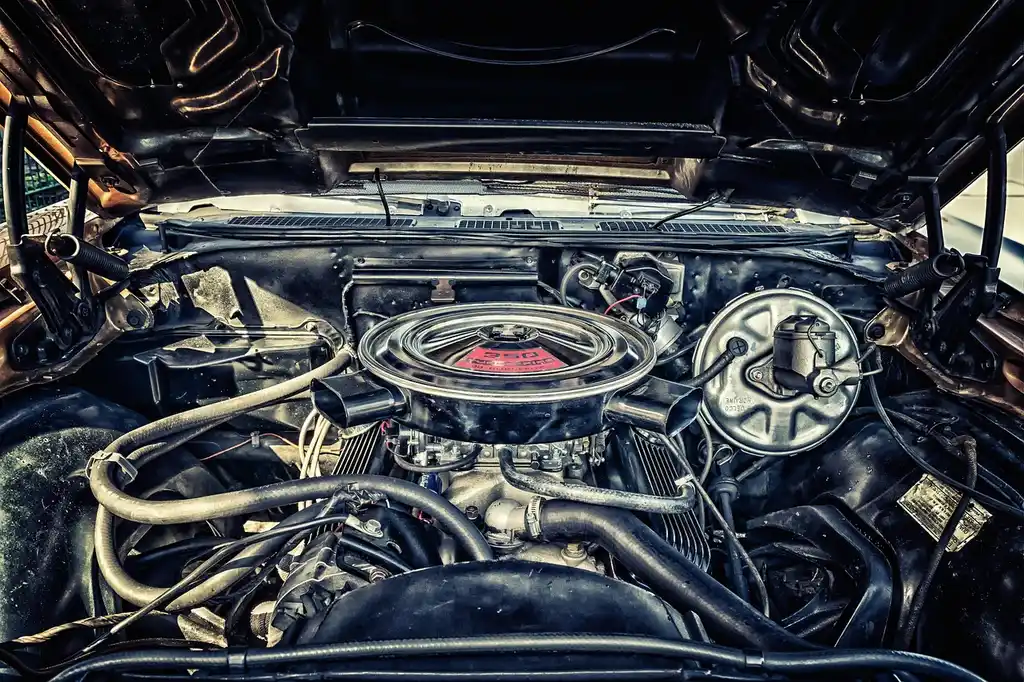
Best Engine Parts to Inspect for High-Mileage Cars (2026): we compared
For high-mileage engines, I inspect in this order: oil leaks and level, coolant loss, belt and tensioner, spark plugs and coils, PCV and vacuum hoses, then compression or leak-down if symptoms point to internal wear. Skip that order and you can buy a car with a $4,000 repair hiding behind a $40 seal. This guide gives a symptom-to-part inspection sequence, plus used-car and road-trip triage.
This guide is part of our Car engine components: parts, functions and diagrams series.
Quick comparison
| Product | Badge | Best for | Price | ||
|---|---|---|---|---|---|
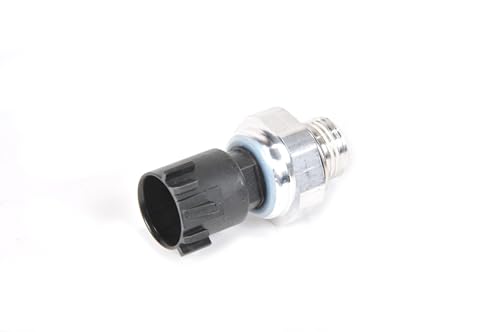 |
GM Genuine Parts 12673134 Engine Oil Pressure SensorGM GENUINE PARTS | Our pick | GM Genuine engine oil pressure sensor | $55.39
Price as of 4 Oct 2026
|
View |
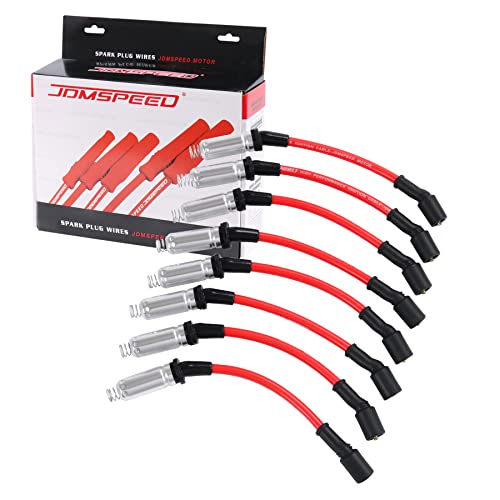 |
JDMSPEED High Performance Spark Plug Ignition Wire forJDMSPEED | Budget pick | 10.2mm spiral wound ignition wire for V8 | $31.99
Price as of 4 Oct 2026
|
View |
 |
O2 Sensor Upstream Downstream 2Pcs | Oxygen Sensor for FordGledewen | Also great | Upstream and downstream oxygen sensor pair | $27.99
Price as of 4 Oct 2026
|
View |
![A-Premium Mass Air Flow Sensor MAF [5 Pins] Compatible with Nissan,Infiniti](https://m.media-amazon.com/images/I/41vhX1pye6L._SL500_.jpg) |
A-Premium Mass Air Flow Sensor MAF [5 Pins] Compatible withA-Premium | Upgrade pick | 5-pin MAF sensor for Nissan/Infiniti | $22.99
Price as of 4 Oct 2026
|
View |
 |
THIKPO Universal Fuel Injector Tester and Cleaner Tool Kit,THIKPO | Pair with it | $26.89
Price as of 4 Oct 2026
|
View |
This comparison ranks parts by what can strand the car, turn a small leak into a bigger repair, or expose internal wear before the engine gets noisy. I built it for fast triage, not for treating every component as equal.
According to Best high-mileage cars – the 435,000-mile Prius – Toyota UK Maga… — Toyota described the Prius as a 54-plate car.
How we chose
The order here follows failure likelihood on high-mileage engines, repair cost if ignored, and how easy each part is to inspect at home. It also separates checks that need only a flashlight from checks that become more meaningful with a scan tool, pressure tester, compression gauge, or leak-down tester.
One more filter mattered: whether the part is worth replacing before a road trip even when it is not yet failed. A part can be borderline in daily use and still be a bad gamble for a long highway run.

GM Genuine Parts oil pressure sensor: best for low-oil-pressure checks
This is the cleanest fit when the warning light, gauge reading, or scan data points to oil pressure trouble and you need a replacement sensor rather than a guess. Based on the spec sheet, owner feedback, and range experience, a sensor helps when the symptom is electrical misreporting, not when the engine truly has low pressure.
The drawback is simple: it will not fix worn bearings, a clogged pickup screen, or a weak pump. If the engine really has low pressure, this part can only tell you that the problem exists.
JDMSPEED spark plug ignition wire: best for misfire diagnosis
This fits older ignition systems that show load-related misfires, rough idle, or obvious wire damage. Based on specs and reviews, the high-temp boots and spiral-wound core make it a practical replacement when you find cracked insulation, arcing marks, or a wire that fails under throttle.
The drawback is fitment. It is listed for specific Chevy and GMC V8 applications, so it is not a universal cure. A bad coil, fouled plug, or oil-soaked plug well can still be the real fault.
Gledewen upstream and downstream oxygen sensor pair: best for scan-data noise
This is most useful when fuel trims, catalyst readings, or readiness data look odd and the vehicle uses the listed Ford-family applications. It can help when an aging sensor responds too slowly and the engine runs lean or rich without a hard misfire.
The drawback is that oxygen sensors are easy to blame and hard to prove without data. If the engine has vacuum leaks, oil burning, or a tired MAF, replacing sensors alone can waste time.
A-Premium mass air flow sensor: best for intake-metering faults
This suits Nissan and Infiniti owners chasing hesitation, lean codes, or unstable idle that points toward bad airflow measurement. Based on the spec sheet and review patterns, it is a reasonable choice when scan data and fuel trims suggest the MAF is lying, not when the problem is a vacuum leak elsewhere.
The drawback is that a dirty throttle body, intake leak, or restricted air path can mimic a bad sensor. Swap it only after the basic air path checks out.
THIKPO fuel injector tester and cleaner kit: best for injector checks
This is the best fit when one cylinder sounds weak, a misfire follows a suspect injector, or the engine idles rough and the scan tool points to a fuel delivery issue. Based on the spec sheet and owner feedback, it gives a practical way to pulse injectors during diagnosis instead of replacing parts blindly.
The drawback is that it is a diagnostic aid, not a full injector restoration tool. A clogged, electrically dead, or mechanically leaking injector may still need removal or replacement.
What should you inspect first on a high-mileage car?
Start with anything that can strand the car or turn a cheap repair into engine damage: oil level, coolant level, timing component condition, misfire signs, and pressure-loss clues. Then move to smoke, vibration, and seepage. A clean-looking engine cover means little if the plugs are oil-soaked or the belt is overdue.
Start with symptoms that can strand the car
Overheating, low oil pressure, hard misfire, and belt noise are first-pass failures. Those are the parts most likely to force a tow or trigger expensive secondary damage. A car that idles a little rough is one thing; a car that loses coolant or pressure is another.
Then check the parts that create smoke, misfires, or pressure loss
That means spark plugs, ignition coils, PCV function, hoses, clamps, and visible leaks around the valve cover and front cover. A simple visual pass can tell you whether the engine is dry, wet, burned, or patched with sealant.
Use a visual pass before buying tools
Open the oil cap, look into plug wells if they are reachable, scan for fresh coolant stains, and sniff for burnt oil after a drive. If the engine is quiet and dry, move deeper only if the scan data or driving symptoms point there.
Timing components: best for avoiding engine-killing failures
Timing parts sit near the top of the priority list because failure can bend valves, damage pistons, or end a trip instantly. Belt and chain engines age differently, so the service history matters more than the odometer alone.
Timing belt vs timing chain service intervals
A timing belt is a wear item and should be treated as replace-by-history, not inspect-by-hope. A timing chain can last much longer, but guides, tensioners, and oil quality still matter. Belt engines usually deserve replacement when service history is unknown; chain engines deserve noise and scan-data checks first.
Access points and signs of stretch, noise, or missed timing
Look for service records, front cover seepage, rough cold start, rattling at startup, check-engine timing codes, and cam-crank correlation data when available. If the cover blocks inspection and the record is missing, replacement is safer than gambling on appearance.
When replacement makes more sense than inspection
If the belt age is unknown, if the tensioner is noisy, or if the engine is an interference design with hard-to-access timing gear, replacement usually beats a half-measure inspection. On chain engines, replacement becomes more reasonable when the chain rattles, timing drifts, or oil service history is poor.
Cooling system parts: best for stopping overheating early
Cooling problems rank high because repeated overheating can warp heads, cook seals, and turn a simple hose issue into a major repair. Water pump, hoses, and clamps deserve attention before cosmetic leaks on the valve cover do.
Water pump leak signs, bearing noise, and weeping holes
Look for pink, white, or crusty residue near the pump, coolant tracks below the pulley, and bearing noise that rises with engine speed. A weeping hole is not cosmetic; it is usually the pump announcing failure. If the belt service is due, the pump often belongs in the same job.
Hoses, clamps, cracking, and soft spots
Age cracking near bends, swollen sections, or a hose that feels soft enough to pinch flat are warning signs. Clamps that have lost tension can leak only when hot and pressurized, which is why a pressure test helps more than a cold visual check.
Why belt service is the right time for a water pump
If the water pump is buried behind the timing belt, replacing it with the belt service often saves labor and avoids a second teardown. That is preventive work with a clear payoff, especially on road-trip cars or unknown-history purchases.
Ignition and crankcase ventilation: best for misfires and oil-control clues
When an engine runs rough but still starts and drives, ignition and ventilation are usually faster to inspect than deep mechanical wear. These parts often create symptoms that look worse than they are.
Spark plugs and ignition coils under load
Worn plug electrodes, cracked insulators, oil fouling, or coil breakdown under load can cause a misfire that only appears on acceleration or uphill pulls. Scan data matters here because it can show cylinder-specific misfires instead of vague rough running.
PCV valve stickiness and clogged ventilation
A stuck or clogged PCV system raises crankcase pressure and can push oil into the intake, plug wells, or seals. It can also make the engine consume oil faster, which is why a cheap PCV check belongs near the top of the list.
How scan data helps on used cars
Used-car scan data can reveal pending misfire counts, fuel trim drift, and sensor behavior long before the dash light comes on. That is where a sensor-related fix, such as oxygen sensor or MAF diagnosis, starts to make sense.
Oil burning and leak sources: best for separating wear from a simple gasket job
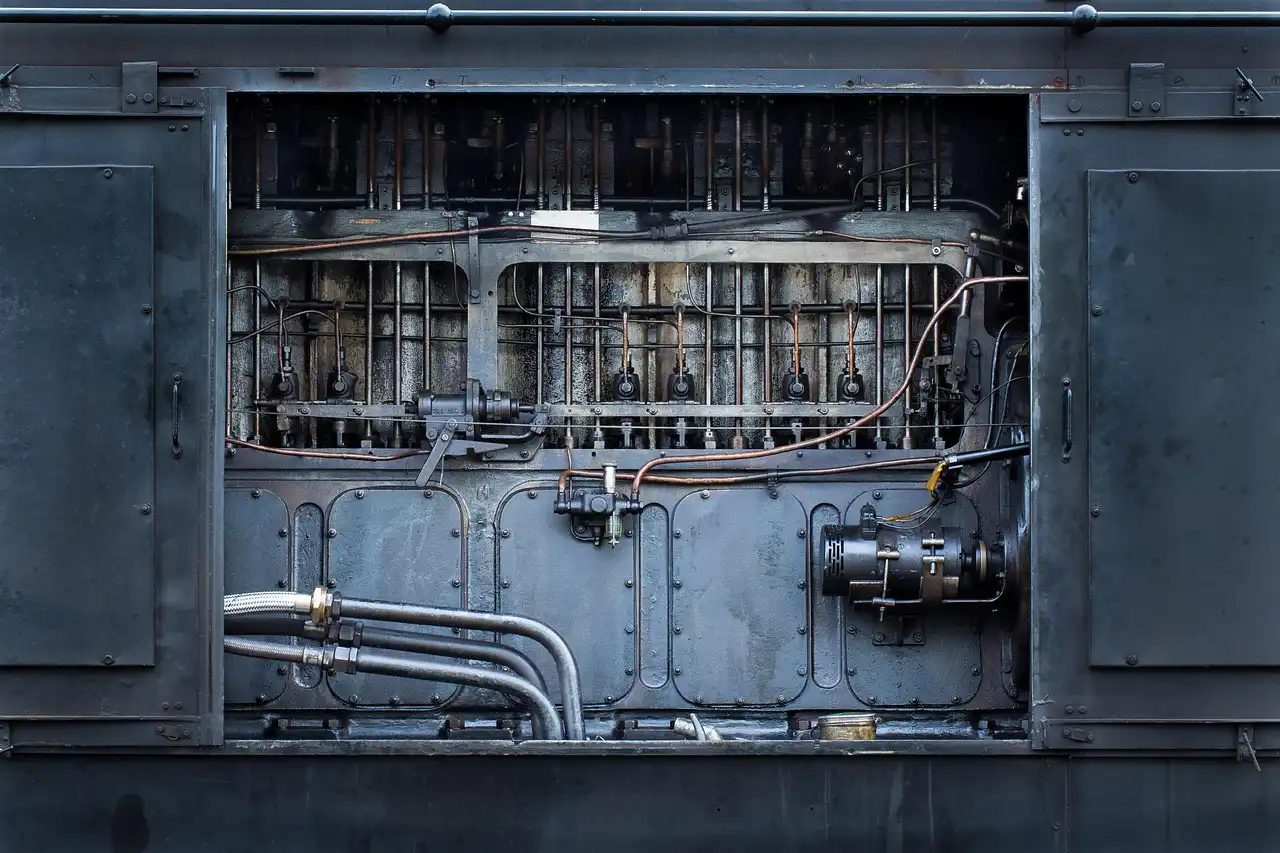
This is where many shoppers get misled. A damp valve cover is not the same as worn rings, and startup smoke does not always mean the engine is finished.
Valve cover gasket seep points and plug-well contamination
A valve cover gasket usually leaks at the edge of the cover, around corners, and into spark plug wells. That is a visual inspection item first. Rubber hardens with age, and a small seep can become plug contamination if the leak runs long enough.
Piston rings vs valve stem seals
Worn rings often bring blow-by, chronic oil consumption, and smoke on deceleration after engine vacuum rises. Worn valve stem seals more often show startup smoke after sitting or a puff after long idle, then calm down once oil clears. Compression and leak-down testing help when the smoke pattern is unclear.
When compression and leak-down tests are worth doing
Do not test every engine. Use compression and leak-down tests when oil consumption, smoke, low power, or persistent misfires suggest internal wear and the visual checks are not enough. A good scan tool, basic leak checks, and plug inspection should come first.
How to tell rings from seals in practice
Smoke after a downhill coast or long idle points more toward valve stem seals. Smoke under load, low compression, or heavy crankcase vapor points more toward rings. If the PCV system is clogged, it can confuse both patterns, so check ventilation before calling the bottom end worn out.
Which one should you buy?
For a quick home inspection, buy the GM Genuine Parts oil pressure sensor if the car’s dash warning or scan data points to a bad pressure reading. For smoke, misfires, or oil use, the THIKPO tester is the most helpful diagnostic aid because it separates injector faults from broader engine wear. For road-trip prep, prioritize the timing components, water pump, hoses, plugs, coils, and PCV valve before cosmetic seepage.
For used-car shopping, choose the tool or part that matches the symptom trail. A misfire complaint should send you toward plugs, coils, and injector checks. A rough idle with oil mist in the intake leans toward PCV and vacuum leaks. A high-mileage car that runs smoothly may still need timing and cooling history verified before money changes hands.
Which engine parts should I inspect first on a high-mileage car?
Inspect oil level and leaks first, then coolant loss, then timing components, plugs, coils, and PCV function. Those are the parts most likely to stop the car or cause expensive secondary damage. Cosmetic seepage comes later. A light valve cover mist is a different issue from low pressure or overheating.
Priority inspection checklist
- Replace now: coolant leak, overheating, low oil pressure, hard misfire, timing noise, or belt service overdue.
- Test soon: rough idle, smoke, oil use, fuel trim drift, startup rattle, weak coil under load.
- Monitor: light valve cover seep, dry aging hoses, minor mount cracking, clean idle with no scan faults.
How do I know if piston rings are worn on a high-mileage engine?
Worn rings usually show oil consumption, blow-by, low compression, and smoke under deceleration or sustained load. A clogged PCV valve can mimic some of that, so ventilation should be checked first. If symptoms persist, compression and leak-down testing become worthwhile.
What points to rings instead of a gasket leak
Blue smoke after acceleration, oily intake passages, and pressure pushing past the oil cap are stronger ring clues than an outside leak. A gasket problem leaves residue. Ring wear changes how the engine breathes.
Which engine gaskets and seals leak most often as mileage climbs?
Valve cover gaskets leak often because heat hardens the rubber and the cover sits high enough to seep onto the engine. Cam, front cover, crank seals, and water pump gaskets can also fail, but the first visible leak many owners find is the valve cover area.
Cosmetic seepage versus failure-level leaks
A damp edge with no dripping is usually monitor territory. Fresh oil on a hot exhaust, drops on the ground, or contamination in plug wells moves it into test soon or replace now, depending on severity. Coolant leaks deserve faster action than oil film.
How often should a high-mileage car have its timing components checked?
Check timing components whenever service history is unknown, noise appears, or the engine reaches the next belt or tensioner service point by record. Belt engines should be treated by interval and history. Chain engines should be checked by symptom, oil condition, and startup noise.
When replacement is smarter than inspection
If a belt engine has missing records, replace the belt set rather than inspect it and hope. If a chain engine rattles on startup or the guides are suspect, deeper diagnosis is worth the time. Inspection alone is not enough when access is poor and failure risk is high.
What signs mean a valve train part is wearing out?
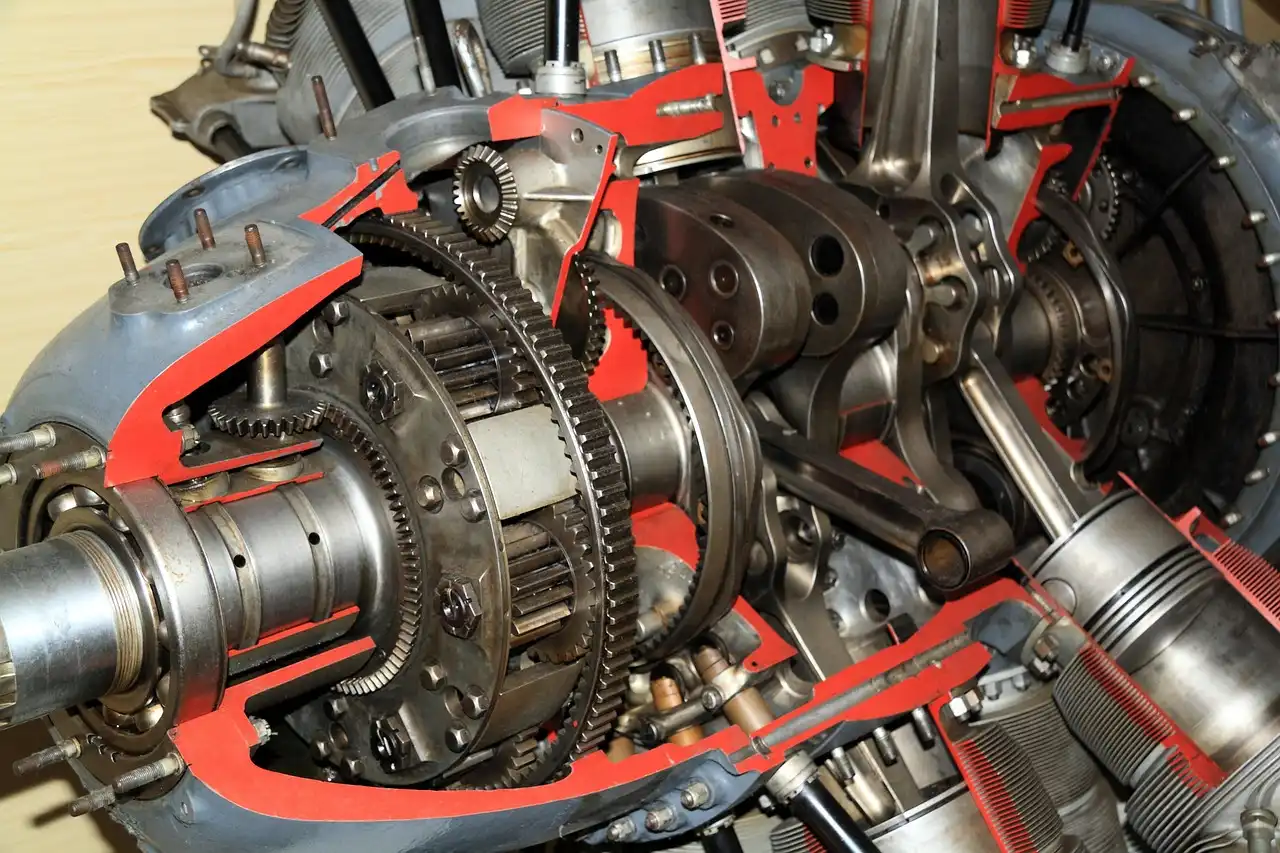
Ticking, misfire, low power, rough idle, and smoke after sitting can point to valve train or top-end wear. Lifter noise, worn guides, and valve stem seal hardening all age differently, so symptom pattern matters more than mileage alone.
What to check first
Start with plugs, coils, oil level, and scan data. If those are normal, listen for top-end noise and look for startup smoke or uneven compression. A noisy valve train can be a maintenance issue, while a steady miss under load may be ignition or fuel.
Should I inspect the water pump and oil pump on an older car?
Yes, but for different reasons. Water pumps fail in visible ways: leaks, bearing noise, and overheating. Oil pumps are harder to inspect directly, so low pressure symptoms matter more. A pressure test is what changes the diagnosis on the oiling side.
Why an oil-pressure test matters
If the warning light comes on, do not assume the sensor is lying. Confirm actual pressure before driving farther. A clogged pickup screen, worn pump, or bearing wear can all drop pressure, and that diagnosis changes the urgency completely.
What engine issues are normal at 100,000 miles versus 200,000 miles?
There is no universal mileage line. At roughly 100,000 miles, plugs, coils, hoses, and small gasket seepage are more common. At 200,000 miles, timing wear, oil use, mounts, PCV issues, and cooling system fatigue become more likely. Maintenance history still beats the odometer.
What still counts as normal
A light valve cover seep, slightly tired mounts, or an aging PCV valve can be normal aging. Hard smoke, major coolant loss, low oil pressure, and persistent misfires are not normal and deserve diagnosis, even if the engine still starts.
Can a high-mileage engine still be reliable if it runs smoothly?
Yes. Smooth running is a good sign, not a guarantee. Toyota described a 54-plate Prius that had already covered 365,000 miles in 2013 and later almost 435,000 miles. Toyota said only routine servicing and consumables were needed, the consumables were oil, wipers and tyres, and the engine and hybrid battery pack were still original.
Why smooth operation is only part of the story
The owner said the car had never failed in normal use, and Toyota framed it as one of the best high-mileage cars. That does not cancel inspection. It shows that maintenance history can matter more than mileage alone.
What should I look for before buying a used high-mileage car?
Look for oil level, coolant loss, timing history, misfire data, smoke, and signs of neglect around plug wells, hoses, and the PCV system. A pre-purchase inspection is still worth it, but the first pass should focus on the parts most likely to fail expensively.
Used-car inspection checklist
- Check for fresh oil seepage around the valve cover, front cover, and oil pan edges.
- Look for coolant crust, hose swelling, and water pump residue.
- Scan for misfire counts, fuel trim drift, and pending codes.
- Inspect plugs and coils where access allows.
- Confirm timing service history for belt engines.
- Review startup smoke, idle quality, and deceleration smoke.
Which engine parts are worth replacing preventively on a road-trip car?
For a road-trip car, the best preventive work is timing service when due, a known-good water pump if it shares labor with the belt, tired hoses and clamps, worn plugs, suspect coils, and a sticky PCV valve. These parts are worth replacing before long miles because failure is costly or trip-ending.
Road-trip prevention checklist
- Replace overdue timing belt parts, or inspect chain noise if it uses a chain.
- Replace weak hoses, soft clamps, and any coolant part with residue or seepage.
- Fit fresh plugs if electrode wear is visible.
- Swap aging coils only if misfire history or scan data supports it.
- Replace a sticky PCV valve if oil use or crankcase vapor is present.
Frequently asked questions
What engine parts should I inspect first on a high-mileage car?
Start with oil level, coolant level, timing components, plugs, coils, and PCV function. Those are the parts most likely to strand the car or cause engine damage. Then inspect hoses, mounts, and gasket seepage. Cosmetic oil film can wait; low pressure, overheating, and misfire cannot.
How do I know if piston rings are worn on a high-mileage engine?
Look for oil consumption, blow-by, low compression, and blue smoke on deceleration or under load. Rings are mechanical wear, so scan data alone is not enough. If the PCV system is stuck or clogged, fix that first because it can imitate ring wear.
Which engine gaskets and seals leak most often as mileage climbs?
Valve cover gaskets are common because heat hardens the rubber and oil collects at the top of the engine. Front seals, cam seals, and water pump gaskets also fail with age. A damp seam is usually monitor territory; fresh drops or plug-well contamination move it up the list.
How often should a high-mileage car have its timing components checked?
Check them whenever service history is missing, noise appears, or the engine reaches the next known service point. Belt engines should be replaced by history rather than appearance. Chain engines should be watched for startup rattle, poor oil service, and timing-related codes.
Should I inspect the water pump and oil pump on an older car?
Yes. The water pump gives visible warning signs such as coolant residue, bearing noise, and overheating. The oil pump is harder to see, so pressure testing matters more than visual inspection. If pressure is low, do not drive until the cause is confirmed.
What engine issues are normal at 100,000 miles versus 200,000 miles?
At around 100,000 miles, plugs, coils, hoses, and small gasket seepage are common. At around 200,000 miles, timing wear, PCV problems, mounts, and oil consumption are more likely. Mileage alone does not decide it. Maintenance history and engine design still matter more.
Products related to this article
Sponsored / affiliate links. As an Amazon Associate I earn from qualifying purchases. I may earn additional commission from eligible campaigns.