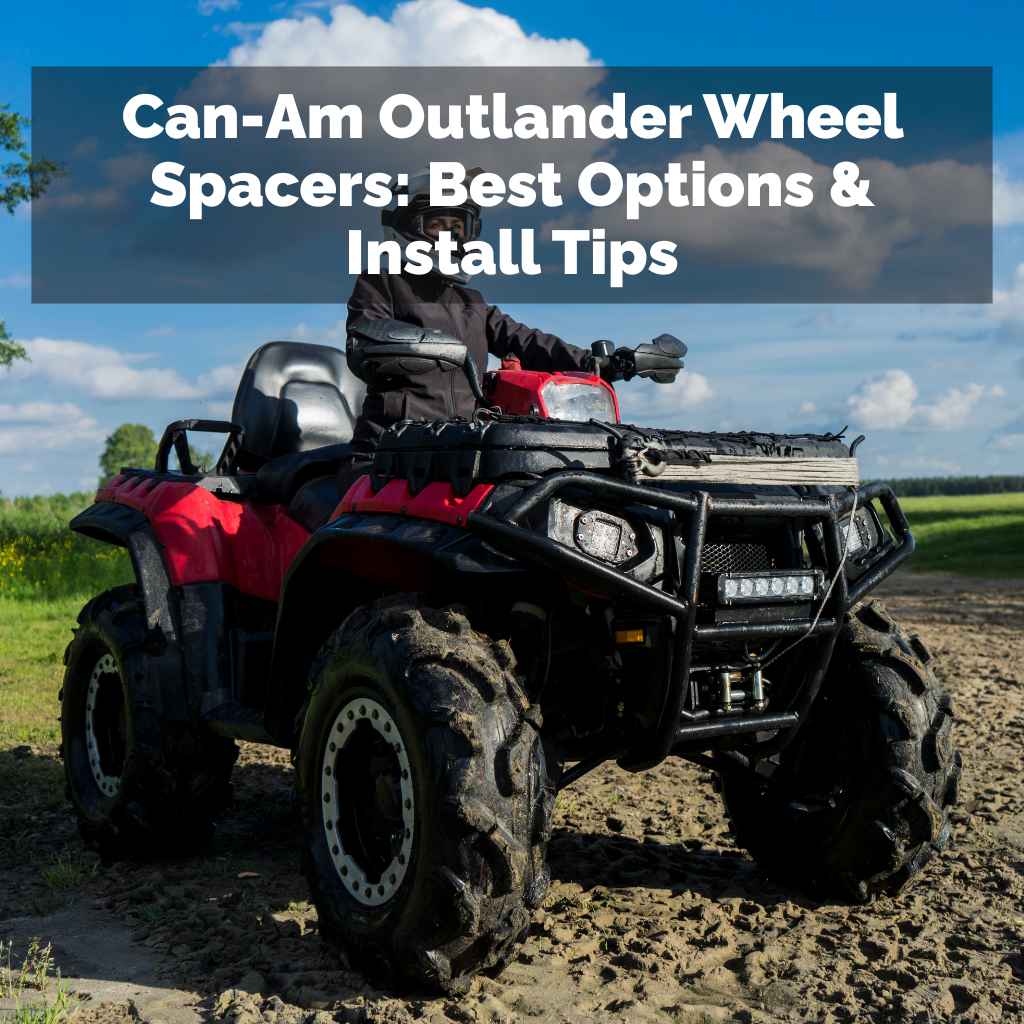
Can-Am Outlander Wheel Spacers: Best Options & Install Tips
It’s okay to feel a bit lost. There’s a lot to sort through. This guide is here to help.
We’ll break down everything you need to know about Can-Am Outlander wheel spacers. You’ll learn about the different types, what benefits they really offer, and how to get them installed safely. We want your Outlander to perform its best for you.
Can-Am Outlander wheel spacers can improve your ATV’s stability and off-road handling by widening its stance. Choosing the right material, thickness, and ensuring proper installation are key to maximizing benefits and safety for your ride.
What Are Can-Am Outlander Wheel Spacers?
Think of wheel spacers like small, sturdy plates. They fit between your ATV’s hub and the wheel. Their main job is to push the wheel outward.
This makes your ATV wider. This added width changes how your machine handles.
When you add spacers, your wheels move further apart. This increases the track width of your ATV. It’s like giving your Outlander a wider footprint on the ground.
This wider stance can make a big difference in how stable your machine feels.
Why do people use them? Many riders want a more aggressive look. A wider ATV often looks tougher.
But the benefits go beyond looks. Improved stability is a big one. It helps prevent your ATV from tipping over.
This is super helpful when you’re on uneven ground or going through tight turns.
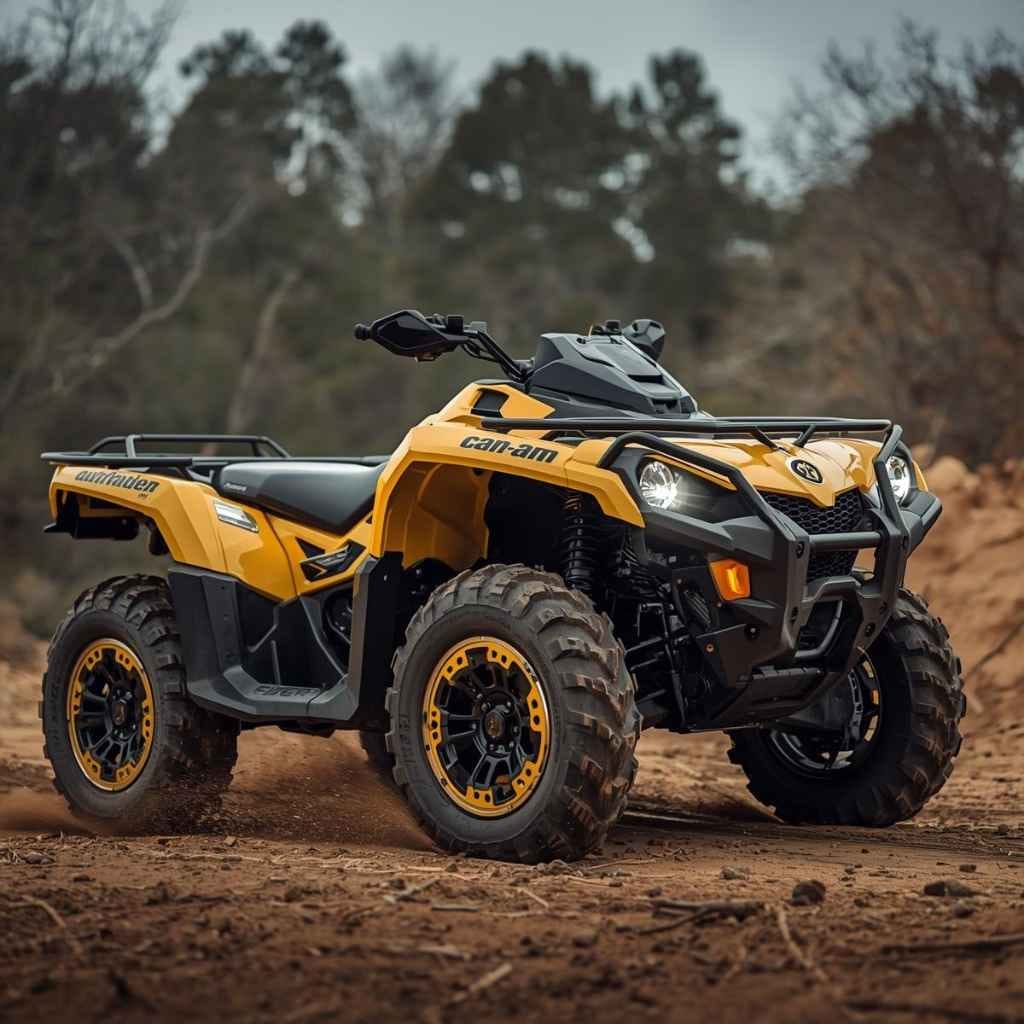
My Own “Wider is Better” Moment
I remember one trip into the woods a few years back. My Can-Am Outlander was my go-to for exploring. We were on this trail that had a lot of off-camber sections.
You know, where the ground slopes sharply to one side? I was constantly fighting the steering wheel. It felt like the ATV wanted to lean over way too much.
I was getting really nervous. My buddy, who has done a lot of ATV mods, saw me struggling. He mentioned wheel spacers.
I hadn’t really thought about them much before. He explained how they push the wheels out. This makes the ATV less likely to roll.
I was skeptical but desperate.
We found a set of 2-inch spacers. The installation was pretty straightforward. The first thing I noticed was how much more planted the Outlander felt.
On those same off-camber sections, I didn’t have to fight the steering nearly as much. It was like the ATV was more confident. That day, I became a believer in the power of a wider stance.
Spacer Materials Matter
When looking at wheel spacers, you’ll see a few common materials. Aluminum is very popular. It’s strong yet lightweight.
Steel is another option. It’s incredibly durable. Some might be made of alloys.
Always check what the spacer is made of. This affects its strength and weight.
Types of Can-Am Outlander Wheel Spacers
There are a couple of main types of wheel spacers. The kind you choose depends on your needs and how you want to install them. Understanding these differences helps you pick the best option for your Outlander.
Bolt-On Spacers
These are the most common type. They bolt directly to your ATV’s wheel hub. Then, your wheel bolts onto the spacer.
They essentially extend the hub. You’ll need longer lug nuts or studs for this type. They are usually thicker.
This is because they need their own studs to attach your wheel.
Bolt-on spacers are great for adding a significant amount of width. They are robust and can handle tough conditions. They also distribute stress well.
This makes them a reliable choice for serious off-roading. You get a very secure connection.
Stud-Style or Lug-Style Spacers
These spacers are a bit different. They have studs that pass through them. These studs then thread into your ATV’s original hub.
Your wheel then attaches to the studs on the spacer. They are typically thinner than bolt-on spacers. They don’t require changing your original studs.
These are simpler to install for some people. They also often don’t add as much width as bolt-on types. They are a good choice if you only need a little extra offset.
They maintain a strong connection to the hub. This is important for safety.
Thickness Breakdown
1 inch spacers: Good for a subtle look. Adds just a little extra stability. Easy to install.
Less chance of rubbing.
1.5 inch spacers: A popular middle ground. Noticeable width increase. Good balance of stability and tire clearance.
2 inch spacers: Significant width increase. Best for aggressive looks and maximum stability. May require adjustments for tire clearance.
2.5+ inch spacers: For extreme builds. Require careful consideration for suspension and tire fitment. Not for everyone.
What Benefits Do They Really Offer?
So, why would you bolt these things onto your ATV? The advantages are real, and they can make your riding experience much better. It’s not just about looks.
Though, let’s be honest, a wider stance looks pretty sweet.
Improved Stability
This is a huge one. When your wheels are spaced out more, your ATV becomes more stable. Think of a tall, skinny chair versus a wide, sturdy table.
The wider stance helps prevent your ATV from tipping over. This is crucial on side hills, rough terrain, or when making sharp turns. You’ll feel more confident taking on challenging paths.
This stability is not just about avoiding rollovers. It also means less body roll. When you lean into a turn, your ATV feels more planted.
It doesn’t feel like it’s about to flip. This makes for a much more enjoyable and safer ride. You can focus on the trail ahead.
Better Handling
With a wider track, your ATV can often handle better. The increased stability means less wobble. It can feel more predictable.
Some riders also report a more responsive steering feel. It’s like your ATV is more eager to go where you point it.
This improved handling is especially noticeable at higher speeds or on uneven ground. You won’t feel as much vibration transmitted through the steering. The ATV feels more controlled.
This can reduce fatigue on long rides. You’re not fighting the machine as much.
More Tire Clearance
Sometimes, you want to put bigger tires on your Outlander. But bigger tires can rub against the fenders or suspension components. Wheel spacers can push the wheels out.
This gives you a bit more room. It helps prevent tire rub. You might be able to fit those larger, more aggressive tires you’ve been wanting.
It’s important to note that this isn’t a magic fix for all tire rub. You still need to consider the overall fitment. But spacers can be a key part of making larger tires work.
They can solve clearance issues with certain suspension parts. This allows for better off-road performance.
Key Benefits Summary
Enhanced Stability: Reduces the risk of rollovers on uneven terrain and in turns.
Improved Handling: Provides a more planted and predictable feel, especially at speed.
Increased Tire Clearance: Can help accommodate larger aftermarket tires.
Aggressive Stance: Offers a more muscular and visually appealing look.
Factors to Consider Before Buying
Buying wheel spacers isn’t just about grabbing the first set you see. There are important things to think about. You want to make sure you get the right ones.
This saves you hassle and ensures they work well for your Outlander.
ATV Model and Year
This sounds obvious, but it’s crucial. Your Can-Am Outlander has specific bolt patterns and hub designs. Spacers are made for particular models and years.
A spacer designed for a different ATV might not fit at all. Always double-check that the spacers are listed as compatible with your exact Outlander model and year.
Manufacturers often list compatibility. Look for things like “Fits 2015 Can-Am Outlander 500” or “Compatible with all Outlander models.” This ensures the bolt circle, offset, and stud sizes are correct. Getting this wrong means the spacers won’t mount securely.
That’s a big safety issue.
Spacer Thickness
How much width do you need? This is a personal choice, but it impacts other things. Thicker spacers (like 2 inches) will give you the most dramatic change in stance and stability.
Thinner spacers (like 1 inch) offer a more subtle change.
Consider your tires. If you have stock tires, thinner spacers might be fine. If you plan to upgrade to larger tires, thicker spacers might be necessary.
But, very thick spacers can sometimes cause tires to rub on the fenders or bodywork. It’s a balance.
Material and Build Quality
You want spacers that are strong and durable. Most good quality spacers are made from aircraft-grade aluminum or strong steel alloys. These materials are lightweight but can withstand the forces of off-roading.
Look for anodized finishes on aluminum spacers. This helps prevent corrosion and wear. For steel spacers, a good powder coating is important.
Check reviews. See what other riders say about the durability of the spacers. You don’t want them to bend or break.
Quick-Scan Spacer Checklist
| Checklist Item | What to Look For |
|---|---|
| Compatibility | Exact Outlander Model & Year Match |
| Thickness | Based on desired stance & tire size |
| Material | Aircraft Aluminum or Strong Steel Alloy |
| Finish | Anodized (Aluminum) or Powder Coated (Steel) |
| Hardware Included | Longer studs/lug nuts if needed |
| Brand Reputation | Check reviews for durability and fit |
Installation: A Step-by-Step Guide
Putting on Can-Am Outlander wheel spacers isn’t rocket science. But it does require care and the right tools. Doing it right ensures safety and proper fitment.
Always follow the manufacturer’s specific instructions too.
Tools You’ll Need
- Jack and jack stands
- Lug wrench or socket set (with correct sizes for your Outlander’s lug nuts)
- Torque wrench
- Wire brush
- Penetrating oil (optional, for stubborn lug nuts)
- Thread locker (medium strength)
Step-by-Step Installation
1. Prepare Your ATV: Park your Outlander on a level surface. Engage the parking brake.
Loosen the lug nuts on the wheel you’ll be working on. Do not remove them yet.
2. Jack Up the ATV: Place your jack under the frame or a strong point near the wheel. Lift the ATV until the tire is off the ground.
Secure the ATV with jack stands. Never rely solely on the jack.
3. Remove the Wheel: Now, fully unscrew the lug nuts. Carefully remove the wheel.
Set it aside.
4. Clean the Hub and Rotor: Use a wire brush to clean the wheel hub and brake rotor surface. Remove any dirt, rust, or debris.
This ensures the spacer sits flush against the hub. A clean surface is key for a secure fit.
5. Install the Spacer:
For Bolt-On Spacers: Place the spacer against the hub. Align the holes in the spacer with the studs on your ATV’s hub.
Then, attach the spacer to the hub using the provided bolts or lug nuts. Tighten these securely, but do not fully torque yet. For Stud-Style Spacers: Slide the spacer over the original studs.
Align the spacer’s bolt holes with the wheel’s lug nut holes. Your Outlander’s original studs should pass through the spacer.
6. Reinstall the Wheel: Place your Outlander’s wheel back onto the hub or the spacer’s studs. Make sure it’s seated correctly.
7. Tighten Lug Nuts (Initial Pass): If using bolt-on spacers, thread the new lug nuts onto the spacer studs. If using stud-style spacers, thread your original lug nuts onto the spacer’s studs.
Tighten the lug nuts in a star pattern. This ensures the wheel is drawn on evenly. Do this by hand or with a socket wrench until snug.
8. Torque the Lug Nuts: This is critical for safety. Use your torque wrench.
Tighten the lug nuts to the manufacturer’s recommended torque specification for your Can-Am Outlander. Tighten them in a star pattern again. Consult your Outlander’s manual for the correct torque value.
For stud-style spacers, you’ll torque the wheel nuts. For bolt-on spacers, you’ll torque the nuts holding the spacer to the hub, and then torque the wheel nuts to the spacer studs.
9. Lower the ATV: Carefully lower the ATV off the jack stands. Remove the jack.
10. Final Torque Check: With the wheel back on the ground, re-torque all lug nuts. They might settle after the first torque pass.
This is an important safety step.
11. Repeat for Other Wheels: Do the same process for all the wheels you are adding spacers to. It’s common to add them to both front or both rear wheels for even width.
Adding to just one side is generally not recommended.
Post-Installation Check
Crucial Step: After about 50 miles of riding, re-check the torque on ALL lug nuts. They can loosen slightly as components settle. This is a vital safety check!
Real-World Scenarios: When Spacers Shine
Let’s talk about when you’ll really appreciate those wheel spacers. It’s not just about having them; it’s about how they perform in action. They become most valuable in specific situations.
Navigating Rough Trails
Imagine you’re on a rocky trail. Your Outlander’s wheels are trying to climb over obstacles. If the wheels are too close together, the chassis can get caught.
Or, the ATV can tilt precariously. A wider stance from spacers helps the wheels find their own path. It gives the machine more room to maneuver.
You feel more in control, less likely to high-center or tip.
Muddy trails are another place they help. If you’re pushing through thick mud, a wider track can give your tires better traction. The ATV might not dig itself in as easily.
It can help maintain momentum. It’s like giving your tires more solid ground to grip.
Hauling and Towing
When you’re hauling gear or towing a trailer, your ATV’s weight distribution changes. This can sometimes make it feel less stable. Adding wheel spacers can help counteract this.
The wider stance provides a more stable platform. This is especially true if you’re carrying heavy loads on a rack.
It’s like adding weight to the base of a lamp. It becomes harder to knock over. The same principle applies here.
A wider base means the ATV is more resistant to leaning when under load. This can make towing feel safer and more controlled.
Mudding and Trail Riding Aesthetics
Let’s not forget the look. A wider stance just looks more aggressive and ready for action. When you’re out on the trails, your ATV can stand out.
It gives it a more powerful presence. Many riders opt for spacers purely for the visual upgrade. It completes the look of a custom ATV build.
This visual appeal is tied to performance in a way. When your ATV looks capable, you often feel more capable riding it. It’s a confidence booster.
For many enthusiasts, the aesthetic improvement is a significant part of the appeal.
When Spacers Help Most
Situation | How Spacers Help
|
Rocky Terrain | Improves stability, reduces chassis contact
Muddy Trails | Can aid traction and momentum
Side Hill Climbing | Increases rollover resistance
Hauling Loads | Provides a more stable base
Aggressive Looks | Creates a wider, more powerful stance
Potential Drawbacks and Things to Watch For
While wheel spacers offer great benefits, they aren’t without potential downsides. It’s important to be aware of these. This helps you use them wisely and avoid problems.
Increased Stress on Bearings and Suspension
When you push your wheels out further, you change the leverage on your wheel bearings and suspension components. This can put extra stress on them. Over time, this could potentially lead to faster wear.
This is more of a concern with very thick spacers or aggressive riding.
It’s why choosing quality spacers and proper installation is vital. If the spacers aren’t perfectly flat or the lug nuts aren’t torqued correctly, you can create uneven pressure. This is bad for your bearings.
Always use the correct torque settings. Don’t overload your suspension with excessive spacer thickness.
Tire Rubbing
As mentioned before, wider spacers can cause your tires to rub. This is especially true if you have larger-than-stock tires. The tires might hit the fenders, the plastic body panels, or even suspension components when the suspension compresses or when you turn the steering wheel.
You might need to trim fenders or make other modifications to prevent this. It’s a trade-off for the wider stance. Always check for rubbing after installation.
Test it by turning the wheels fully in both directions and compressing the suspension.
Alignment Issues
While spacers themselves don’t directly change your alignment angles, they can highlight existing issues or make them more noticeable. If your alignment was already a bit off, the wider stance might make it feel worse. Some riders report feeling a slight pull or wandering after installation.
It’s always a good idea to check your alignment after any significant suspension modifications. But for most riders, quality spacers installed correctly don’t cause major alignment problems. They simply change the geometry.
Potential Concerns to Note
Increased Strain: Can place more stress on wheel bearings and suspension parts.
Tire Clearance: May lead to tire rubbing on fenders or body panels.
Wear and Tear: Potentially accelerate wear on certain components if not installed correctly.
Alignment Sensitivity: Can sometimes highlight or worsen existing alignment issues.
What This Means for Your Outlander
So, after all this, what’s the takeaway for your Can-Am Outlander? Wheel spacers are a modification with real benefits, but they need careful consideration.
When It’s a Smart Upgrade
If you frequently ride on rough, uneven terrain, and stability is a concern, spacers are a smart move. If you want to fit larger tires for better off-road performance, they can be a necessary component. For riders seeking a more aggressive look and feel, they definitely deliver.
They are a relatively affordable way to make a noticeable difference in your ATV’s capability and appearance. For many recreational riders, they offer a great balance of cost and performance improvement. It’s about enhancing your current setup.
When to Be Cautious
If your riding is mostly on smooth trails or paved surfaces, the stability benefits might be less impactful. If you’re not planning on larger tires, the clearance benefits might not be needed. If your budget is extremely tight, you might prioritize other upgrades first.
Also, if your Outlander is brand new or under warranty, check how modifications might affect that. Some manufacturers can be strict about aftermarket parts. Always prioritize safety.
If you’re unsure about installation, seek professional help.
Simple Checks to Perform
- Lug Nut Torque: Always check your lug nut torque after installation and again after about 50 miles.
- Tire Clearance: Make sure your tires aren’t rubbing on anything. Turn the steering wheel lock to lock. Compress the suspension.
- Vibrations: Notice any new vibrations? This could indicate an imbalance or installation issue.
- Strange Noises: Listen for any clunks or grinding sounds from the wheels or suspension.
Spacer Installation Wisdom
Good Idea: Adds width for stability and tire fitment.
Bad Idea: Puts excessive stress on components.
Smart Move: Choose quality, install carefully, and re-torque regularly.
Avoid: Overly thick spacers without considering tire and suspension fit.
Frequently Asked Questions About Can-Am Outlander Wheel Spacers
What is the main purpose of Can-Am Outlander wheel spacers?
The main purpose is to push your wheels outward from the hub. This widens your ATV’s stance. This leads to improved stability, better handling, and can create more clearance for larger tires.
How much width can I add with wheel spacers?
This depends on the spacer thickness. Common sizes range from 1 inch to 2.5 inches or more. Thicker spacers provide a more dramatic increase in width and stability.
Will wheel spacers affect my ATV’s alignment?
Wheel spacers do not directly change your alignment angles. However, they can sometimes highlight or make existing alignment issues more noticeable. It’s good practice to check alignment after installation.
Can I install wheel spacers on just one side of my Outlander?
No, it’s highly recommended to install spacers in pairs. Add them to both front wheels or both rear wheels. This ensures even width and balanced handling.
Installing on only one side can lead to uneven stress and poor handling.
How do I know if my tires will rub after installing spacers?
After installation, turn your steering wheel completely in both directions. Also, try to compress the suspension. Watch closely for any contact between the tires and the fenders, body panels, or suspension components.
If rubbing occurs, you may need to trim fenders or choose a thinner spacer.
What kind of torque should I use for the lug nuts with spacers?
Always refer to your Can-Am Outlander’s owner’s manual for the correct lug nut torque specification. It’s crucial to use a torque wrench and tighten the nuts in a star pattern. Re-check torque after about 50 miles of riding.
Final Thoughts on Widening Your Stance
Adding Can-Am Outlander wheel spacers can be a fantastic upgrade. They bring real benefits for stability and performance. They can also give your ATV that awesome, rugged look.
Just remember to choose wisely. Pick the right thickness and material. And always, always install them with care and precision.
Happy trails!
See also can chrome wheels be powder coated what you should know.