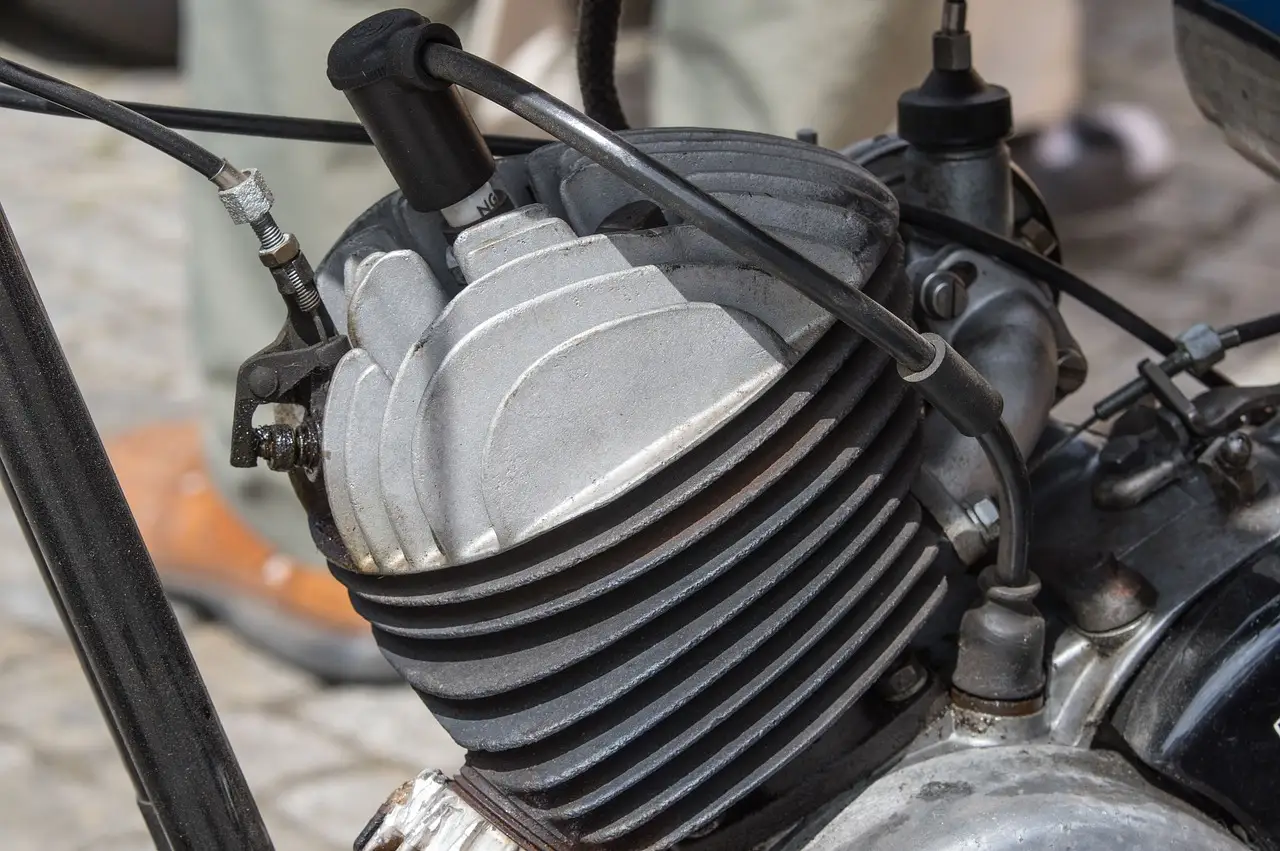
Engine Misfire Causes: Parts That May Be to Blame
The likely engine misfire cause depends on the symptom pattern: a one-cylinder misfire often points to a spark plug, coil, injector, or compression issue; a random misfire often points to air, fuel, or vacuum faults. Ignoring it can hurt the catalyst and burn fuel fast. This guide maps rough idle, shaking, hesitation, and misfire codes to the parts most likely at fault so you can narrow the diagnosis before replacing anything.
What is an engine misfire?


A misfire means one or more cylinders are not burning the air-fuel mixture the way they should. The cause can be weak spark, poor fuel delivery, extra air, or low compression. The result is uneven power. You may feel shaking at idle, hesitation on acceleration, poor mileage, or a flashing Check Engine Light.
How combustion fails in one cylinder
Each cylinder needs air, fuel, and spark in the right amount and at the right time. If a spark plug cannot ignite the mixture, a coil cannot make strong voltage, an injector cannot meter fuel correctly, or compression is too low, the cylinder may not fire. The engine then runs rough because one power stroke is missing.
The basic signs you can feel
Common symptoms include rough idle, shaking, hesitation, power loss, poor fuel economy, and a check engine light. Rough idle is often the first clue because the engine shakes while stationary. A misfire under load often feels like jerking or a flat spot when you press the throttle.
Why the check engine light may flash or stay
An OBD-II system can store cylinder-specific misfire codes, which help identify the affected cylinder. A flashing light usually means the misfire is active and severe enough to threaten the catalytic converter. A steady light can still matter, but it often points to a less urgent fault or a stored code from an earlier event.
Which parts are most likely to blame?
Start with the parts that fail most often and are easiest to inspect: spark plugs, ignition coils, fuel injectors, vacuum leaks, and fuel pressure problems. Then check the sensor and mechanical causes. The pattern matters. A single-cylinder misfire points somewhere different from a random misfire across several cylinders.
Spark plugs and wear-related misfires
Spark plugs wear, foul, and slowly open up their gap. As the gap grows, the ignition system must work harder to jump it, and the cylinder may misfire under load or at idle. Replacement intervals vary by plug type and engine design.
Look for carbon fouling, oil fouling, cracked porcelain, or a plug that is far past its service interval. A worn plug can create a weak or inconsistent spark without obvious external damage.
Ignition coils and coil-on-plug failures
Modern vehicles often use a single coil per cylinder in a coil-on-plug setup. If one coil fails, that cylinder can shake the engine, jerk under acceleration, or trigger a cylinder-specific misfire code. Ignition coils create the high-voltage spark, so a weak coil often looks like a plug problem at first.
Damaged coil boots can also leak spark or track carbon to the plug well. If the misfire is ignored, unburned fuel can reach the catalytic converter and raise repair costs fast.
Fuel injectors, vacuum leaks, and fuel pressure faults
Fuel injectors meter fuel precisely. If an injector is clogged, contaminated, or spraying poorly, the cylinder may run lean or unevenly. That often shows up as rough idle, hesitation, or poor mileage. A weak fuel pump or clogged filter can also starve the engine of fuel, especially under load.
Vacuum leaks bring in unmetered air from cracked hoses, intake gaskets, or PCV-related leaks. That extra air leans out the mixture, so the engine may idle rough and misfire most clearly at stoplights or during cold start.
Air measurement faults
A dirty or faulty mass airflow sensor can upset fueling calculations. If the engine control module misreads incoming air, it may command the wrong amount of fuel. That can create an air-fuel imbalance that feels like a misfire, especially at idle or during a quick throttle change.
Adjacent faults can mimic the same symptom set. Damaged ignition boots, intake manifold gasket leaks, and PCV leaks are easy to miss because they often look like a plug or coil issue from the driver’s seat.
Misfire triage table
This table ranks symptom patterns by the part most likely to be at fault, plus the fastest check you can do before buying anything. Treat the confidence column as a clue, not a verdict. More than one fault can produce the same symptom.
| Symptom pattern | Likely failing part | Quick roadside or driveway check | Diagnostic confidence |
|---|---|---|---|
| Rough idle at stop | Vacuum leak, spark plug, ignition coil | Listen for hissing, inspect hose ends, scan for idle misfire codes | Medium |
| Misfire under acceleration | Ignition coil, spark plug, fuel pressure fault | Note if the stumble appears only under throttle; check for cylinder-specific codes | Medium to high |
| Cold-start misfire | Fouled plug, vacuum leak, injector issue | See whether the idle smooths out after warmup; inspect plug boots and hoses | Medium |
| Random cylinder misfire | Vacuum leak, fuel pressure problem, MAF sensor fault | Look for lean running symptoms and shared causes rather than one bad cylinder | High for air or fuel faults |
| Misfire plus fuel smell | Injector stuck open, coil failure, flashing misfire | Stop if the check engine light flashes; inspect for raw fuel smell around the tailpipe | High |
| Shaking plus jerking on acceleration | Ignition coil, spark plug, fuel injector | Compare the affected cylinder code to the coil and plug location | High |
| Poor mileage with rough idle | MAF sensor, vacuum leak, injector contamination | Check intake ducting, air filter box seals, and dirty sensor wiring | Medium |
| One-cylinder misfire that moves after part swap | Ignition coil or spark plug | Swap the coil or plug to another cylinder and see whether the code follows | Very high |
Say your sedan idles fine in Park, then starts shaking at every stoplight and the scan tool shows a single-cylinder misfire code. That pattern points first to the plug, coil, or injector on that cylinder, not the whole fuel system. A vacuum leak becomes more likely if the idle improves when the throttle opens.
Suppose the engine bucks hard only when merging onto a highway, but idles smoothly in the driveway. That leans toward an ignition coil, weak fuel pressure, or a plug that cannot fire under load. A compression problem can still do it, but it usually needs a tighter check before parts are swapped.
Could a vacuum leak or sensor fault be the cause?
Yes. A vacuum leak or bad air measurement can create a lean mixture that feels like a misfire, especially at idle. Cracked hoses, intake manifold gasket leaks, and PCV leaks are common entry points for unmetered air. A dirty mass airflow sensor can produce the same result by sending bad airflow data to the computer.
Cracked hoses, intake gaskets, and PCV leaks
Vacuum leaks often make a hissing sound and can cause a rough idle before they affect cruising. Because extra air enters without being measured, the mixture goes lean. That can trigger a misfire code even if ignition parts are still good. Small leaks can be hard to hear, so inspect hose elbows, brake-booster lines, and intake gasket edges closely.
Mass airflow sensor errors and lean fuel trims
The mass airflow sensor helps the engine calculate fuel delivery. If it is dirty or faulty, the engine may run too lean or too rich depending on the error. Scan data can help here: fuel trims that are strongly positive at idle often point toward unmetered air, while odd airflow readings can point toward the sensor itself.
Why these faults often show up at idle first
At idle, the engine moves less air, so a small leak has a bigger effect on mixture balance. That is why a vacuum leak often shows up as rough idle before it becomes a highway complaint. An MAF fault can also be more obvious during low-load running, when fueling corrections are small and sensitive.
What do the codes and tests tell you?
Scan data is the fastest way to sort a cylinder problem from a whole-engine problem. Cylinder-specific misfire codes can identify the affected cylinder, while live data, fuel pressure testing, and injector checks help separate spark, fuel, air, and compression causes. If ignition and fuel checks do not settle it, compression testing becomes the next step.
Reading cylinder-specific OBD-II misfire codes
Codes tied to one cylinder are useful because they narrow the fault to a plug, coil, injector, wiring issue, or compression loss in that cylinder. A random misfire code can point more toward shared causes such as vacuum leaks, fuel pressure problems, or a faulty MAF sensor. That split matters before any parts are ordered.
Using fuel pressure and injector checks
Fuel pressure should be checked when the engine starves under load or misfires across multiple cylinders. A weak pump or clogged filter can create a low-pressure starvation path that looks like several bad parts at once. Injector balance checks or simple cylinder swap tests can help if only one cylinder is affected.
When compression testing becomes the next step
If spark, fuel, and air checks do not explain the misfire, look at the engine’s internal condition. Worn piston rings or damaged valves can cause compression loss in one cylinder. A compression test confirms whether the cylinder can seal and build pressure properly. That is the right next move when ignition parts keep testing good.
- Read the codes first, including any cylinder-specific misfire codes.
- Inspect the easiest items next: plug condition, coil boot damage, loose hoses, and intake leaks.
- Check fuel pressure if the misfire affects more than one cylinder or gets worse under load.
- Compare live scan data, including fuel trims and airflow readings.
- Move to compression testing if the first checks do not isolate the fault.
- Replace the failed part last, after the symptom pattern and tests agree.
Is it safe to keep driving?
Sometimes, but not always. If the check engine light is flashing, treat the misfire as urgent and stop driving as soon as it is safe. A severe misfire sends unburned fuel into the catalytic converter, which can overheat and fail. A mild, steady misfire may allow only short-distance driving to a repair shop.
When the warning means stop driving
A flashing light, strong fuel smell, heavy shaking, or a dead-feeling engine under acceleration points to a misfire that can harm the catalytic converter quickly. That is tow-only territory. The same applies if the engine is bucking so badly that it cannot hold speed safely in traffic.
When short-distance driving may still be possible
If the engine idles rough but still drives smoothly enough for a short trip, you may be able to move it a short distance to a shop. Keep the trip brief and avoid hard throttle. Even then, do not keep driving for days. Misfires can damage the catalytic converter if ignored, and the repair bill grows fast.
Frequently asked questions
What parts can cause an engine misfire?
The usual suspects are spark plugs, ignition coils, fuel injectors, vacuum leaks, low fuel pressure, and a faulty mass airflow sensor. If those check out, look at compression loss from worn piston rings or damaged valves. The symptom pattern, especially whether the misfire is one cylinder or random, helps narrow the part list.
How do I tell if spark plugs or ignition coils are causing the misfire?
Start with the code and the cylinder number. If it is safe to do so and the engine design allows access, a swapped coil or plug can help show whether the misfire follows the part, but use manufacturer torque specs and make sure the coil boot is in good condition. Plugs often show wear, fouling, or gap growth, while coils often fail under load and may cause shaking or jerking. Coil boot damage can blur the difference.
Can clogged fuel injectors cause an engine misfire?
Yes. A clogged or contaminated injector can weaken fuel delivery or distort the spray pattern, which can cause rough idle, hesitation, and poor mileage. If only one cylinder is affected, an injector issue becomes more likely. If several cylinders misfire, check fuel pressure and shared air-fuel causes first.
Could a vacuum leak make my engine misfire?
Yes. A vacuum leak lets unmetered air enter through cracked hoses, intake gaskets, or PCV-related leaks, which leans out the mixture. That often shows up as a hiss and rough idle. These faults commonly appear at idle first because small leaks have a larger effect when airflow is low.
What does a cylinder misfire feel like while driving?
A cylinder misfire often feels like a stumble, shake, or jerk when you press the throttle. At idle, the engine may shake while stationary. Under acceleration, power can drop suddenly, then return. If the light flashes or the misfire gets worse under load, stop driving and check it sooner rather than later.
How do mechanics find the exact part causing a misfire?
They start with scan data, especially cylinder-specific misfire codes, then inspect the plug, coil, boot, hoses, and injector on the affected cylinder. Fuel pressure checks, injector tests, and compression testing sort out shared causes from internal engine damage. That sequence keeps parts replacement tied to evidence, not guesses.
What internal engine parts cause a misfire if ignition parts are fine?
Low compression from worn piston rings or damaged valves can cause a misfire even when spark and fuel delivery look normal. Mechanical faults usually need a compression test to confirm. If only one cylinder is weak, the problem is often local to that cylinder rather than the whole engine.
Products related to this article
Sponsored / affiliate links. As an Amazon Associate I earn from qualifying purchases. I may earn additional commission from eligible campaigns.