Car engine components list: Every major part explained
A car engine is easiest to learn in 3 groups: power-making parts, timing parts, and support systems. Miss a failing part in any group, and you can get hard starting, overheating, oil loss, low power, or a ruined engine. This guide maps the major components, explains what each one does, and points out which parts tend to fail first.
This guide is part of our Car engine components: parts, functions and diagrams series.
Most internal combustion engines have a four-stroke combustion cycle: intake, compression, combustion, and exhaust. Air and fuel enter, get squeezed, ignite, and leave as exhaust gas. The moving parts inside the block turn that pressure into crankshaft rotation.
What are the main parts of a car engine?
Which parts belong on most passenger cars?
A basic passenger-car engine usually includes the engine block, cylinder head, pistons, connecting rods, crankshaft, camshaft, valves, timing belt or timing chain, spark plugs on gasoline engines, piston rings, oil pan, and water pump. Diagrams typically include spark plugs and the oil pan, and the timing belt appears on many major-parts lists.
📊 An electric vehicle takes that number down to around 20 parts. Source: 40 Basic Parts of The Car Engine with Diagram.
Engine block and cylinder head: the main structures
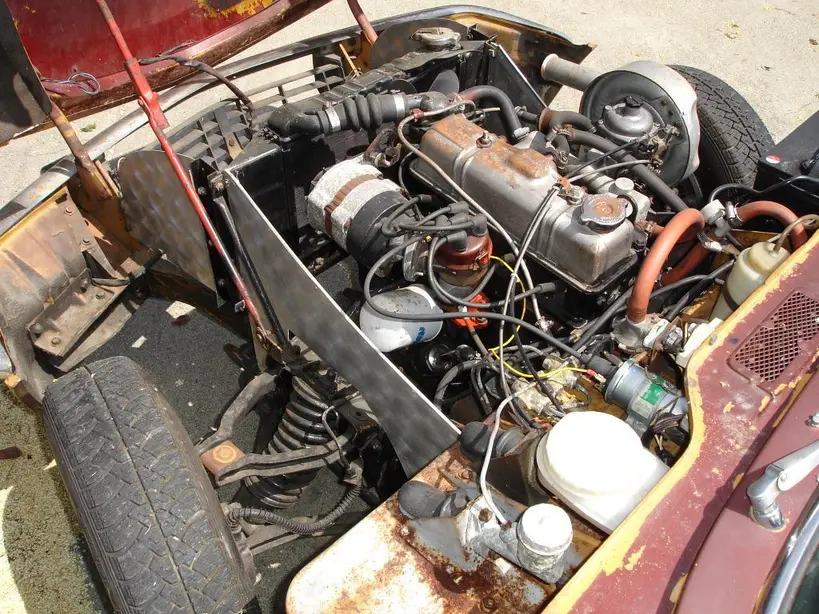
The engine block and cylinder head form the engine’s main shell. The block is the lower, heavier section of the engine, and the detachable head sits on top to seal the combustion chamber. Together they hold the moving parts, coolant passages, oil passages, and combustion chambers in alignment.
Engine block, also called cylinder block
The engine block, also called the cylinder block, is the foundation of the engine. It houses the crankshaft, and the cylinder block contains the cylinder, piston, and other internal components. In many engines, the block also carries the main oil and coolant passages that feed the rest of the assembly.
Cylinder head and combustion chamber sealing
The cylinder head is the detachable upper cover. It contains the valves and passages that route air, fuel mixture, coolant, and exhaust gases. Its gasketed joint with the block has to seal combustion pressure, so head-gasket leaks often show up as coolant loss, white exhaust, or cross-contamination between oil and coolant.
How the block and head work together
The block provides strength and support, while the head manages airflow and combustion at the top of each cylinder. That division matters because a problem in either half can look like engine trouble elsewhere. A cracked block, warped head, or failed head gasket can all cause compression loss.
How pistons, rods, and crankshaft make power
Pistons, connecting rods, cylinder walls, and the crankshaft form the motion-conversion group. Combustion pushes the piston down, the rod transfers that force, and the crankshaft turns the back-and-forth movement into rotation. That rotation is what ultimately drives the drivetrain.
Pistons and cylinder walls
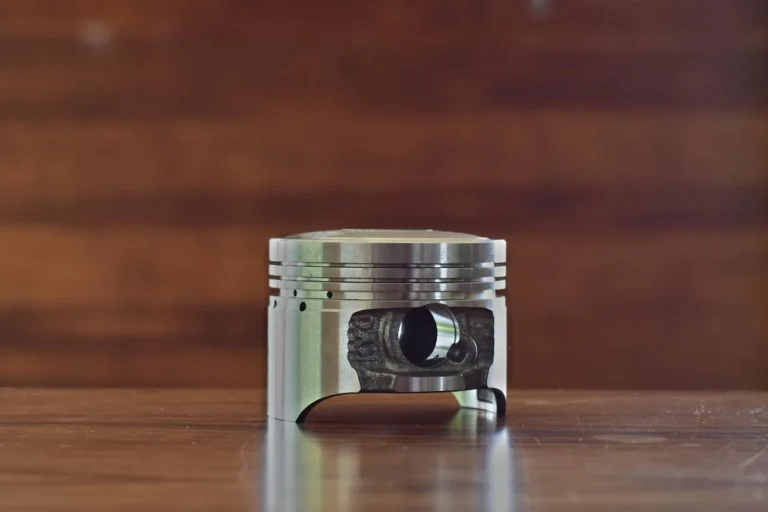
Pistons move up and down inside the cylinders. During combustion, pressure pushes the piston downward; during compression, the piston moves upward and squeezes the air-fuel charge. The cylinder walls guide that motion and must stay smooth enough to limit wear and sealing loss.
Connecting rods and the link to the crankshaft
The connecting rod links the piston to the crankshaft and works under high load. It transmits force through each stroke, which is why rod damage often shows up as knocking, low oil pressure warnings after bearing wear, or sudden internal noise under load.
Crankshaft output and drivetrain connection
The crankshaft turns reciprocating motion into rotary motion. The block houses the crankshaft, and its output goes onward to the transmission and drivetrain. If the crankshaft journals or bearings fail, the engine can lose oil pressure, make deep knocking sounds, or stop turning at all.
Piston rings and why compression matters
Piston rings seal the combustion chamber and manage oil control. They help keep pressure above the piston instead of leaking into the crankcase, and they limit how much oil reaches the combustion chamber. Worn rings usually show up as low compression, blue exhaust smoke, or rising oil consumption.
How do valves, camshaft, and timing parts work together?
The camshaft, valves, and timing belt or timing chain control when each cylinder breathes. The crankshaft and camshaft must stay synchronized so the intake and exhaust valves open at the correct point in the four-stroke cycle. When that timing slips, power loss and no-start conditions follow quickly.
Camshaft location: in-block or in-head designs
The camshaft opens and closes the valves, and its location varies by engine design. Some engines place it in the block, while many modern passenger cars place it in the cylinder head. Either way, the camshaft timing has to match piston position exactly. (en.wikipedia.org)
Intake and exhaust valves
Engine valves control air-fuel in and exhaust out. Intake valves let the charge enter during the intake stroke, and exhaust valves release burned gases during the exhaust stroke. Sticky, burnt, or bent valves can cause rough idle, misfire, compression loss, or poor starting.
Timing belt or timing chain function and service role
The timing belt or timing chain synchronizes the crankshaft and camshaft and controls valve timing. It is a service item on many engines, especially when a belt is used. If a belt slips or breaks on an interference engine, valve damage can follow fast. (en.wikipedia.org)
Picture a 4-cylinder commuter car that begins cranking longer each morning and then runs rough at idle. A worn timing belt, weak tensioner, or stretched chain can shift valve timing enough to cause that pattern before a complete failure appears.
What do spark plugs and piston rings do?
Spark plugs ignite the air-fuel mixture in gasoline engines, and piston rings keep that combustion pressure where it belongs. These parts sit at the center of starting, compression, and smooth running. When either part wears, the first complaint is often misfire, hard starting, or a noticeable drop in power.
Spark plugs in gasoline engines
Spark plugs fire during the combustion stroke in gasoline engines. They create the spark that lights the compressed mixture inside the cylinder. Fouled, worn, or cracked plugs often cause rough idle, hesitation under acceleration, and one-cylinder misfire before any major mechanical symptom appears.
Piston rings for sealing and oil control
Piston rings seal combustion pressure and help control oil on the cylinder wall. That matters because compression loss and oil consumption often start together when rings wear out. If rings cannot seal, the engine may still run, but it will usually run weaker and burn more oil.
Why these parts affect compression and starting
Compression is the pressure the engine traps before ignition. Spark plugs start combustion, while piston rings help keep that pressure sealed long enough to produce force. If either part fails, the engine may crank normally yet struggle to start, especially when cold.
What do the oil pan and water pump do?
The oil pan and water pump belong to the support systems that keep the engine alive. The oil pan stores lubricant at the bottom of the engine, and the water pump circulates coolant through the engine and radiator circuit. These parts do not make power, but they protect the parts that do.
Oil pan and drain plug
The oil pan is the bottom half of the crankcase and stores lubricating oil. It usually sits low under the engine and has a drain plug at its lowest point. A leaking pan or plug can cause oil spots, low oil level, and eventually oil-starvation damage.
Water pump and coolant circulation
The water pump circulates coolant and helps control engine temperature. It is attached to the engine, often at the front or side, and may be driven by the timing belt, serpentine belt, or a chain depending on design. Failure often first appears as a leak, noise, or overheating.
Why lubrication and cooling belong in the basic engine map
Lubrication and cooling are not optional extras. The oil pump draws oil from the oil pan and sends it to working parts, while the cooling system keeps temperature in range. If either system fails, moving parts wear faster and can seize or warp.
How many parts does a typical car engine have?
A typical internal combustion engine has around 200 parts to maintain or replace, though the exact count varies by design. That number rises once you include hardware, seals, sensors, and accessories, and it is one reason a full engine map is more useful than a flat parts list.
Why the count changes by engine design
Some engines use overhead camshafts, others place the camshaft in the block. Some use a timing belt, others a chain. Add turbocharging, variable valve timing, or direct injection, and the number of parts climbs quickly. An electric vehicle takes that number down to around 20 parts.
12 common engine parts, where they sit, and the first symptom of failure
This table focuses on common passenger-car parts beginners should learn first. It groups each part by location and gives the first symptom its failure usually causes, so you can move from recognition to diagnosis without guessing.
| Component | Where to find it in the engine bay or engine assembly | First symptom its failure usually causes |
|---|---|---|
| Engine block | Lowest major casting in the engine assembly, below the cylinder head | Coolant or oil leak, compression loss, or a deep internal knock if damage is severe |
| Cylinder head | Top section of the engine, bolted to the block | Hard starting, misfire, coolant loss, or exhaust smoke if sealing fails |
| Pistons | Inside the cylinders within the block | Low compression, misfire, or heavy blow-by |
| Connecting rod | Inside the engine, between piston and crankshaft | Knocking noise under load or sudden loss of smooth running |
| Crankshaft | Bottom center of the engine, supported inside the block | Knock, loss of oil pressure, or engine lock-up in severe cases |
| Camshaft | In the block on some engines or in the cylinder head on many modern engines | Misfire, rough idle, or no-start if valve timing is badly off |
| Timing belt or timing chain | Covered front or side section between crankshaft and camshaft | Cranking with no start, loud rattle, or sudden loss of power |
| Engine valves | Inside the cylinder head, above each cylinder | Misfire, poor compression, or rough idle |
| Spark plugs | Threaded into the cylinder head on gasoline engines | Hard starting, hesitation, or one-cylinder misfire |
| Piston rings | Grooves around each piston inside the cylinder | Oil use, blue smoke, or low compression |
| Oil pan | Lowest part of the engine, under the crankcase | Oil spots under the car or low oil warning |
| Water pump | Front or side of the engine, attached to the engine block | Coolant leak or rising temperature gauge |
What engine parts are common failure points?
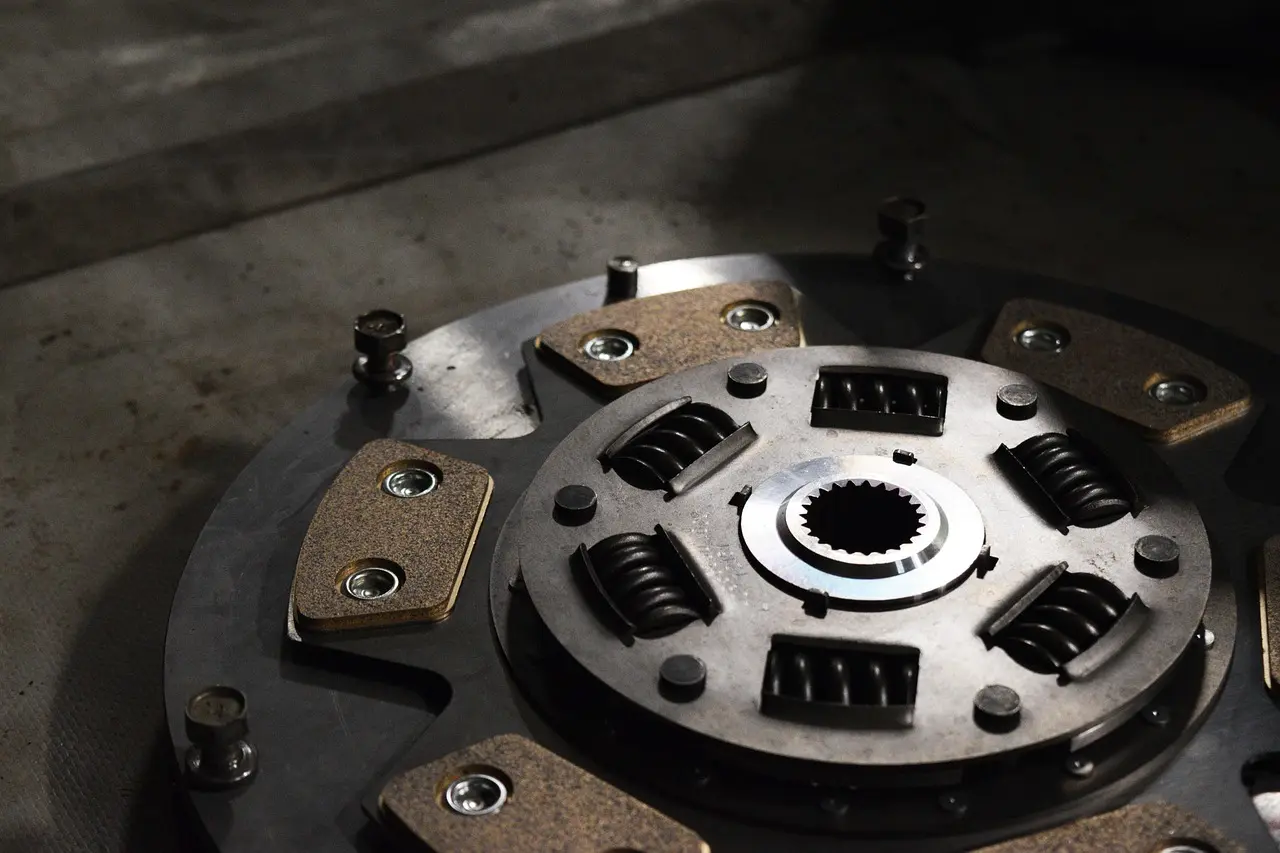
Common failure points are usually the parts that move, seal, or manage heat. Timing parts, spark plugs, piston rings, valves, the water pump, and oil pan seals tend to create the first warning signs. A no-start, misfire, overheating, or oil-loss complaint usually points to one of those groups first.
Parts that often cause no-start, misfire, overheating, or oil loss
No-start problems often begin with spark plugs, timing issues, or compression loss. Misfires commonly trace to plugs, valves, or sealing problems in the cylinder head area. Overheating usually puts the water pump and coolant passages in the spotlight. Oil loss often begins at the oil pan, drain plug, or worn rings.
Why timing, sealing, and cooling parts matter early
Timing parts control when the engine breathes, sealing parts keep pressure inside the cylinders, and cooling parts protect the metal from heat damage. When one of those systems fails, the symptom usually appears before complete breakdown. That makes early diagnosis much easier than waiting for a major failure.
What to inspect first before assuming a major repair
- Check the oil level and coolant level.
- Look for leaks around the oil pan, valve cover area, and water pump.
- Listen for rattles from the timing cover area during start-up.
- Check for misfire, rough idle, or cranking with no start.
- Separate a spark or timing problem from a compression problem before replacing large parts.
A common first-timer mistake is blaming the cylinder head for every rough-running engine. A loose spark plug, worn plug, or failed timing component can cause similar symptoms, but each part points to a different next step.
What engine parts should I know under the hood?
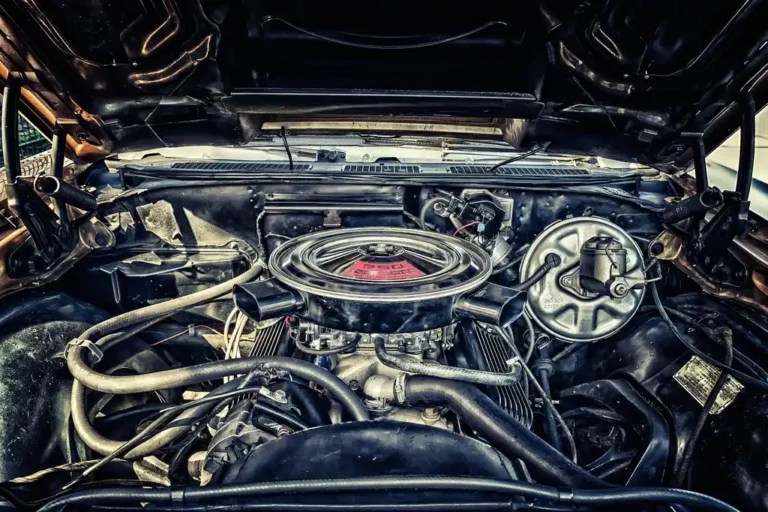
Under the hood, start with the parts you can identify by shape and location: the engine block, cylinder head, oil pan, water pump, timing cover area, and spark plugs on gasoline engines. Those are the landmarks that help you read the rest of the engine without memorizing every bolt and bracket.
Look for the large lower casting, the flatter top cover, the low oil pan beneath the engine, and the belt- or chain-covered front section. Once you can spot those, the camshaft, valves, pistons, and crankshaft make more sense as a connected system rather than separate names.
What is the difference between the cylinder block and cylinder head?
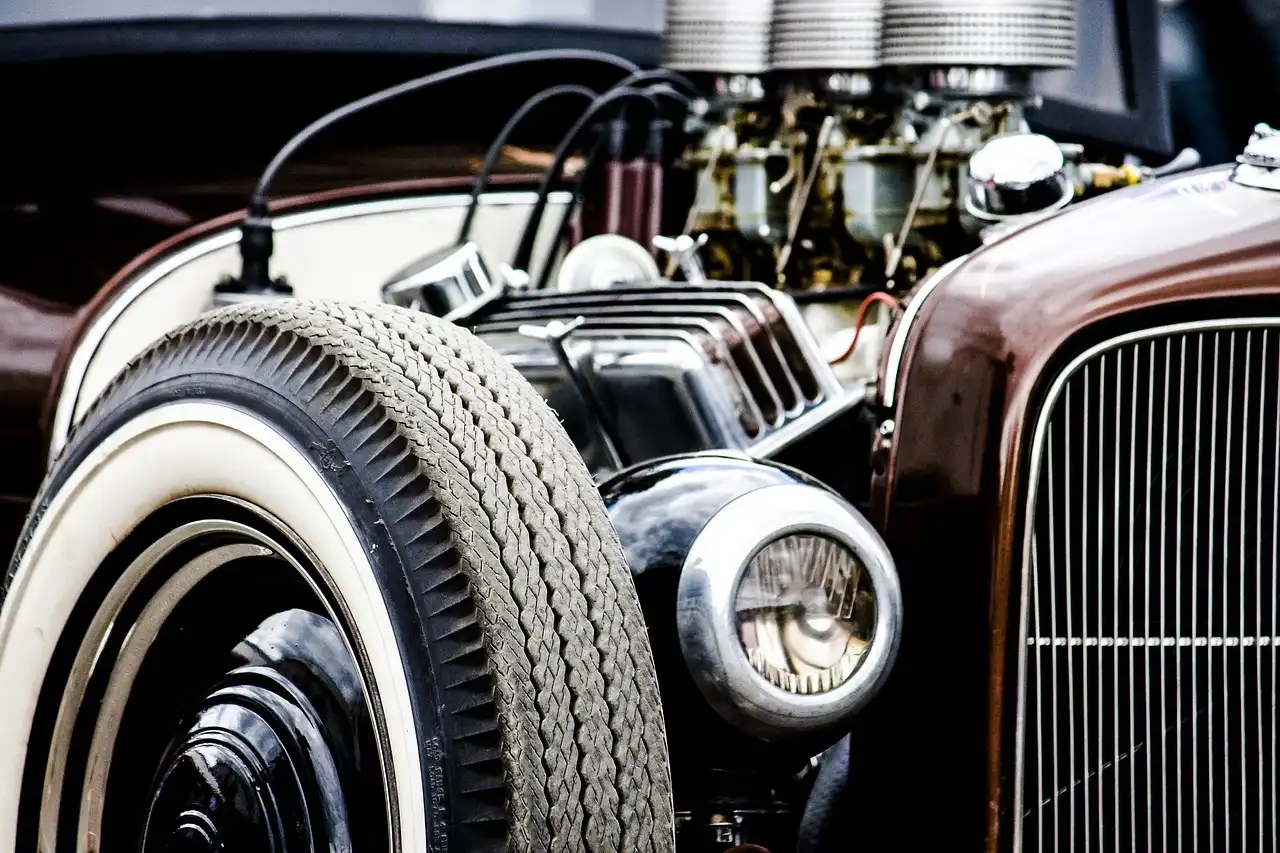
The cylinder block is the lower, heavier section of the engine, and the cylinder head is the detachable upper cover. The block holds the cylinders, pistons, and crankshaft, while the head contains the valves and passages that seal the combustion chamber and control airflow.
In simple terms, the block is the engine’s base, and the head is its breathing and sealing top. A failure in the block usually affects the engine’s structure or rotating parts. A failure in the head usually affects compression, valve operation, or coolant sealing.
How do pistons, valves and crankshaft work together?
Pistons, valves, and the crankshaft are the core of the four-stroke cycle. Valves let air-fuel in and exhaust out, pistons move up and down in the cylinders, and the crankshaft turns that movement into usable rotation. If one part is out of sync, the whole cycle loses efficiency.
During intake, the intake valve opens and the piston moves down. During compression, both valves stay closed as the piston rises. During combustion, the spark plug ignites the mixture and forces the piston down, and during exhaust the exhaust valve opens so burned gases can leave.
What is the function of the timing belt or timing chain?
The timing belt or timing chain synchronizes the crankshaft and camshaft so valve timing matches piston position. That control is essential because the valves must open and close at the right moment in the four-stroke cycle. If timing is off, the engine can run badly or stop running.
Belts are common service items and chains can also wear, stretch, or lose tension. The exact design varies by engine, but the job stays the same: keep the top and bottom of the engine working together without conflict.
What do the oil pan and water pump do?
The oil pan stores engine oil, and the water pump moves coolant through the engine. The pan is the bottom half of the crankcase and includes the drain plug. The pump is attached to the engine and helps prevent overheating by keeping coolant circulating.
Those parts matter because the engine cannot survive long without either oil flow or temperature control. Oil from the pan is drawn upward by the oil pump, and the water pump keeps heat moving out of the engine before metal damage begins.
What engine parts are expensive to repair?
The cylinder head, engine block, crankshaft, camshaft, and timing-related parts are often the most expensive repairs because they involve major internal work. Labor rises fast when the engine has to be opened, and damaged valves, pistons, or rods can turn a simple symptom into a large job.
If you are sorting a warning light or rough-running engine, start with the easiest-to-check parts first: spark plugs, oil level, coolant level, leaks, and timing symptoms. That order helps separate small repairs from major mechanical damage before you commit to a big teardown.
Frequently asked questions
What are the main parts of a car engine?
The main parts are the engine block, cylinder head, pistons, connecting rods, crankshaft, camshaft, valves, timing belt or timing chain, spark plugs on gasoline engines, piston rings, oil pan, and water pump. Those parts cover power production, timing, lubrication, and cooling in a basic passenger-car engine.
What does each car engine component do?
The block holds the engine together, the head seals the top, pistons move in the cylinders, rods connect pistons to the crankshaft, and the crankshaft turns motion into rotation. Valves control airflow, the camshaft times them, spark plugs ignite gasoline, and the oil pan and water pump support the system.
How do pistons, valves and crankshaft work together?
Valves open to let air-fuel in and let exhaust out, pistons move up and down inside the cylinders, and the crankshaft turns that motion into usable rotation. Their timing has to stay synchronized through the camshaft and timing drive, or the engine will lose power and may stop starting.
What is the difference between the cylinder block and cylinder head?
The cylinder block is the lower, heavier section of the engine and holds the cylinders, pistons, and crankshaft. The cylinder head is the detachable upper cover and contains the valves and passages that seal the combustion chamber. They work together, but they do different jobs.
What is the function of the timing belt or timing chain?
The timing belt or timing chain keeps the crankshaft and camshaft synchronized so the valves open and close at the correct time. That keeps the four-stroke cycle working properly. If timing slips, the engine may misfire, run badly, or fail to start at all.
What engine parts are expensive to repair?
Big-ticket repairs often involve the cylinder head, block, crankshaft, camshaft, pistons, or timing-related damage, because they require major engine disassembly. Parts that are hard to reach or tied to compression and valve timing usually cost more than external parts like spark plugs or hoses.
Products related to this article
Sponsored / affiliate links. As an Amazon Associate I earn from qualifying purchases. I may earn additional commission from eligible campaigns.
 DongJinK Engine Oil Level Gage Dipstick Compatible with Toyota 4Runner 1984-1995 for Toyota Celica 1984-1985 for Toyota Pickup 1984-1995 Replace# 15301-35020 1530135020
 ACROPIX Engine Oil Level Indicator Dipstick for Ford Fusion 2010-2012 for Ford Escape 2010-2012 for Ford Fusion 2006-2007 No.6E5Z6750AC Car Parts