Can I Use Prestone Power Steering Fluid in My Car?
If you drive a vehicle, you know that regular maintenance is essential for keeping your car running smoothly, and one often-overlooked fluid is power steering fluid. For many, Prestone is a familiar name in the automotive aisle, but the question arises: Can you use Prestone Power Steering Fluid in your car? The answer isn’t as straightforward as grabbing the nearest bottle off the shelf. The right (or wrong) power steering fluid can affect everything from steering performance to long-term system health.
Choosing the proper fluid involves understanding your vehicle’s requirements, the formulation of Prestone’s products, and the risks of using an incompatible fluid. This article explores these topics in detail, providing real-world examples, expert recommendations, and actionable insights. Whether you drive a sedan, SUV, or truck, you’ll find guidance to make an informed decision and avoid costly repairs.
Key Takeaways
- Prestone Power Steering Fluid is compatible with many vehicles but not all, always check your owner’s manual before use.
- Using the wrong fluid can cause steering noise, leaks, and potential system failure.
- Compare fluid specifications, OEM recommendations, and product labels for best results.
- Some vehicles (especially European and Asian models) may require specialized fluids.
- Regular fluid checks and maintenance prolong your power steering system’s lifespan.
- Consult a professional mechanic if you’re unsure which fluid to use.
Understanding Power Steering Fluid Requirements
What Does Power Steering Fluid Do?
Power steering fluid serves as a hydraulic medium that transfers force within the steering system, making it easier for drivers to turn the wheel. It also lubricates internal components, reduces wear, and helps dissipate heat. Without the right fluid, your steering can become stiff, noisy, or unresponsive.
Types Of Power Steering Fluids
There are three primary categories:
- Mineral-based fluids: Traditional, widely used in older vehicles.
- Synthetic fluids: Engineered for modern systems, often with enhanced temperature stability and longevity.
- Specialty/OEM fluids: Designed to meet unique manufacturer specifications (e.g., Honda, European brands).
How Manufacturers Specify Fluid Types
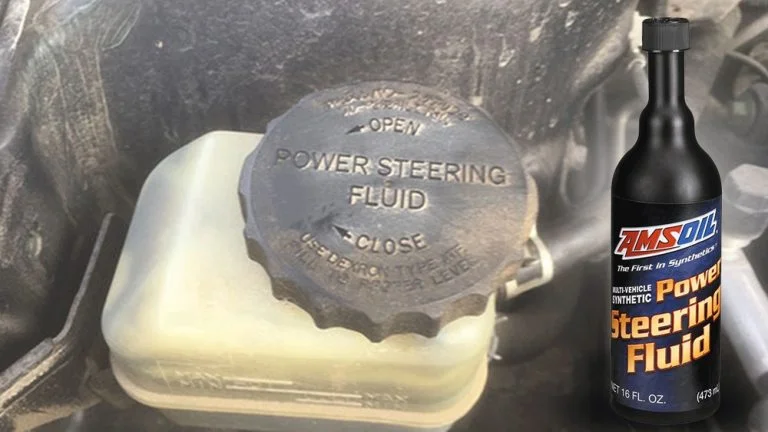
Vehicle manufacturers specify the required fluid type in the owner’s manual and sometimes on the power steering reservoir cap. Common specifications include:
- Dexron/Mercon ATF: Used by many US brands.
- Pentosin CHF 11S/202: Popular in European cars.
- OEM-specific fluids: Honda, Toyota, and others may require proprietary blends.
Using the correct fluid maintains system integrity and warranty compliance.
Risks Of Using The Wrong Fluid
- Seal swelling or shrinking: Leads to leaks.
- Corrosion: Incompatible additives can damage system metals.
- Increased wear: Poor lubrication causes pump and rack failure.
- Warranty voidance: Manufacturers may deny claims if incorrect fluids are used.
Prestone Power Steering Fluid: Features And Compatibility
Overview Of Prestone Power Steering Fluid
Prestone offers several power steering fluids, including:
- Prestone Power Steering Fluid
- Prestone Power Steering Fluid + Stop Leak
- Prestone Asian, European, and American Vehicle Formulas
These products are designed to meet or exceed the requirements of many US vehicles and some import models.
Formulation And Additives
Prestone’s fluids typically include:
- Anti-wear additives: Extend pump and component life.
- Corrosion inhibitors: Protect metal surfaces.
- Seal conditioners: Prevent leaks by maintaining rubber flexibility.
Their Stop Leak variant can help address minor leaks, though it’s not a substitute for repairs.
Compatibility Table
Here’s a simplified comparison of Prestone fluids versus common vehicle requirements:
| Vehicle Type | Typical OEM Spec | Prestone Standard | Prestone Specialty | Compatibility |
|---|---|---|---|---|
| US (Ford, GM, Chrysler) | Dexron/Mercon ATF | Yes | , | Generally Compatible |
| Honda/Acura | Honda OEM Fluid | No | Asian Vehicle Formula | Special Formula Recommended |
| Toyota/Lexus | Dexron II/III | Yes | Asian Vehicle Formula | Check Manual |
| European (VW, BMW, Mercedes) | Pentosin CHF 11S/202 | No | European Vehicle Formula | Special Formula Required |
How To Check For Compatibility
- Read your owner’s manual: Identify the recommended fluid.
- Compare product labels: Look for statements about OEM compatibility.
- Visit Prestone’s official compatibility guide: Their website and product sheets list supported vehicles.
- Consult a professional: If uncertain, ask a trusted mechanic.
Real-world Example: Ford F-150
A 2015 Ford F-150 owner found that Prestone Power Steering Fluid met the Dexron III/Mercon specification. After flushing the system and replacing with Prestone, steering remained smooth and quiet for 30,000 miles, validating compatibility in this application.
Potential Risks Of Using Incompatible Fluids
Short-term And Long-term Effects
Using the wrong fluid can cause:
- Immediate noise or stiffness: The steering may groan or resist movement.
- Progressive leaks: Non-compatible fluids degrade seals.
- Accelerated wear: Metal-to-metal contact increases, reducing system life.
Example: European Imports
A BMW 3 Series owner added standard Prestone fluid instead of CHF 11S. Within weeks, the steering grew noisy, and leaks appeared at the rack. Switching back to OEM fluid reduced the symptoms but did not reverse all the damage.
Manufacturer Warnings
Many automakers, including Honda and Volkswagen, explicitly warn against using generic fluids. Failure to comply can void warranties and lead to expensive repairs.
Table: Common Consequences By Fluid Mismatch
| Fluid Used | Vehicle Type | Short-Term Effect | Long-Term Risk |
|---|---|---|---|
| Standard Prestone | Honda Accord | Stiff steering | Pump failure, leaks |
| OEM Fluid | Ford Explorer | Normal operation | Long system life |
| Pentosin CHF | Chevy Silverado | Noisy operation | Seal incompatibility |
Pro Tip:
If you’ve accidentally used the wrong fluid, have your system flushed and refilled with the correct type as soon as possible to minimize damage.
How To Choose The Right Power Steering Fluid For Your Car
Step 1: Identify Manufacturer Specifications
- Owner’s manual: Always your primary source.
- Online databases: Sites like Wikipedia or OEM websites can provide additional guidance.
Step 2: Compare Fluid Types
- Standard fluids: Suitable for many American vehicles.
- Specialty fluids: Required for European, Asian, or high-performance vehicles.
Step 3: Evaluate Aftermarket Options
Prestone offers both universal and vehicle-specific formulas. If your car requires a specialty fluid, use the Prestone product that matches your OEM spec.
Step 4: Check Product Labels And Certifications
Look for:
- Meets or exceeds: Indicates compatibility with OEM requirements.
- Formulated for (brand/model): Suggests special additives or viscosity.
- Seal compatibility: Ensures longevity.
Step 5: When In Doubt, Ask A Professional
A certified mechanic or dealership can confirm fluid compatibility and help prevent costly mistakes.
Example: Toyota Camry
A 2010 Toyota Camry specifies Dexron II/III. Prestone’s standard fluid lists this compatibility, making it a suitable choice. However, the owner should avoid using Prestone European or Stop Leak variants unless specifically recommended.
Comparing Prestone To Other Power Steering Fluids
Key Competitors
- Valvoline
- Lucas Oil
- OEM-branded fluids (e.g., Honda, Pentosin)
Table: Feature Comparison
| Brand | OEM Compatibility | Specialty Formulas | Additive Technology | Price Range |
|---|---|---|---|---|
| Prestone | High (US, Some Imports) | Yes | Seal Conditioner, Anti-Wear | $$ |
| Valvoline | Moderate | Limited | Anti-Foam, Anti-Wear | $$ |
| Lucas Oil | Moderate | No | Leak Stop | $$$ |
| OEM Fluid | Exact Match | Yes | Manufacturer Specific | $$$$ |
When To Use Prestone
- You drive a US-brand vehicle (Ford, GM, Chrysler)
- Your manual specifies Dexron/Mercon or standard power steering fluid
- You need a Stop Leak additive for minor leaks
When To Avoid Prestone Standard Fluid
- European vehicles (BMW, Audi, Mercedes) requiring CHF fluids
- Honda/Acura unless using Prestone’s Asian Vehicle Formula
- Any vehicle with explicit OEM-only requirements
Example: Mechanic’s Perspective
In my experience, using Prestone’s specialty formulas in vehicles with non-standard requirements has produced satisfactory results. However, using the standard formula in a European car almost always leads to issues.
Maintenance Tips For Power Steering Systems
Regular Inspection
- Check fluid level monthly or as recommended.
- Inspect for leaks around the pump, hoses, and rack.
Fluid Replacement Intervals
Most manufacturers recommend fluid replacement every 30,000, 60,000 miles. However, some modern vehicles claim “lifetime” fluid, though periodic checks are still wise.
Signs You Need To Change Fluid
- Steering noise (whine, groan)
- Difficulty turning the wheel
- Visible contamination (dark or gritty fluid)
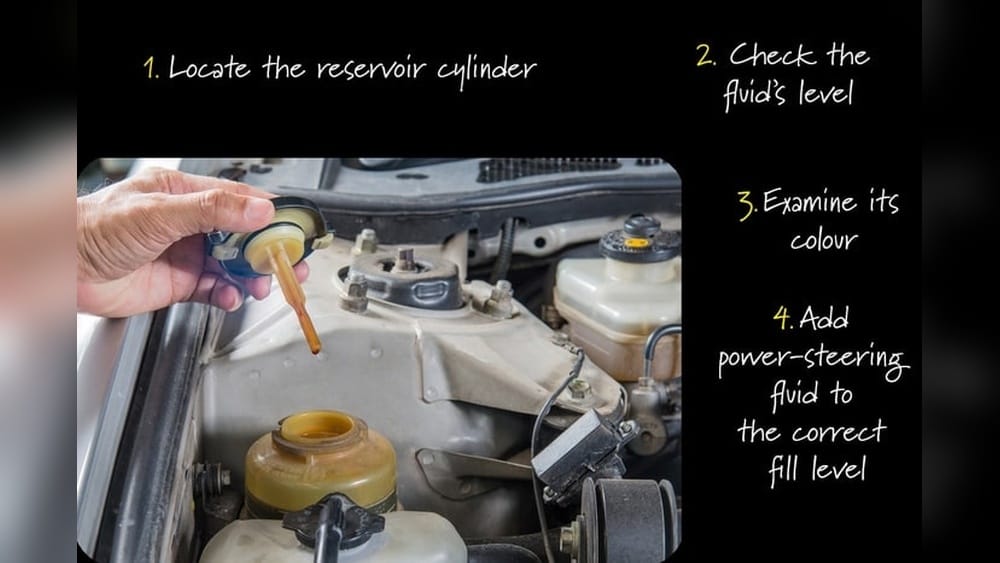
How To Change Power Steering Fluid
- Locate the reservoir and check fluid type.
- Siphon out old fluid or disconnect a return hose for a full flush.
- Refill with the correct fluid to the proper level.
- Bleed the system by turning the wheel lock-to-lock several times with the engine running.
Example: Preventive Maintenance
A 2012 Chevy Malibu owner scheduled fluid changes every 40,000 miles and used Prestone Power Steering Fluid as specified. After 120,000 miles, the steering system operated without leaks or pump failure, demonstrating the value of proper maintenance.
Environmental And Safety Considerations
Fluid Disposal
Power steering fluid is toxic and must be disposed of at a certified recycling center. Never pour used fluid down drains or onto the ground.
Handling Spills
- Wear gloves: Fluid can irritate skin.
- Clean immediately: Use absorbent pads on spills.
- Avoid prolonged inhalation: Vapors can be harmful.
Environmental Impact
Improper disposal contributes to water and soil pollution. Many auto parts stores offer free recycling, take advantage of these programs.
Regulatory Compliance
Some states have specific regulations about hazardous waste handling. Check your local Department of Environmental Protection for guidance.
Frequently Asked Questions
Can I Mix Prestone Power Steering Fluid With Another Brand?
Mixing Prestone with another compatible brand is generally safe if both meet your vehicle’s specification. However, avoid mixing different fluid types (e. g. , synthetic with mineral, or standard with CHF) as it may lead to performance issues or seal degradation.
If you are unsure, flush the system before switching brands.
How Do I Know If My Car Requires A Specialty Power Steering Fluid?
Signs your car needs a specialty fluid include references in the owner’s manual to “OEM only,” “synthetic,” “CHF,” or a specific brand (e. g. , Honda, Pentosin). European and some Asian vehicles are most likely to require specialty fluids. If you can’t find the information, consult a dealership or a certified mechanic.
What Should I Do If I Accidentally Used The Wrong Power Steering Fluid?
If the wrong fluid was added, do not drive the vehicle extensively. Have the system professionally flushed and refilled with the correct fluid as soon as possible. Delaying this process can result in leaks, system damage, or costly repairs, especially for vehicles with sensitive components.
Is Prestone Power Steering Fluid Safe For Electric Power Steering (eps) Systems?
No, electric power steering (EPS) systems do not use hydraulic fluid. If your vehicle has EPS, it operates via electronic motors and sensors. Adding any fluid to an EPS system will not benefit performance and may cause damage. Always verify your system type before adding fluid.
Where Can I Find The Most Up-to-date Compatibility Information For Prestone Products?
For the latest compatibility charts and product guides, visit the official Prestone website. Manufacturer sites and reputable automotive forums can also provide valuable insights, but always prioritize information from official sources.
Choosing the right power steering fluid is a crucial step in maintaining your vehicle’s performance and longevity. While Prestone Power Steering Fluid is suitable for many cars, it’s essential to confirm compatibility with your vehicle’s specifications. Always consult your owner’s manual, compare product labels, and when in doubt, seek advice from a professional mechanic. By taking these precautions, you’ll ensure responsive steering, avoid unnecessary repairs, and keep your car running smoothly for years to come.
Products related to this article
Sponsored / affiliate links. As an Amazon Associate I earn from qualifying purchases. I may earn additional commission from eligible campaigns.