How the Cylinder Head Works in a Car Engine
The cylinder head seals each cylinder at the top, directs intake charge and exhaust gas through the valves, and carries coolant passages plus spark plugs or injectors through all four strokes. If it warps, cracks, or leaks, compression drops, overheating starts, and repair costs climb fast. This guide explains the head’s cycle-by-cycle job and the signs of head trouble you can spot before teardown.
What a cylinder head does
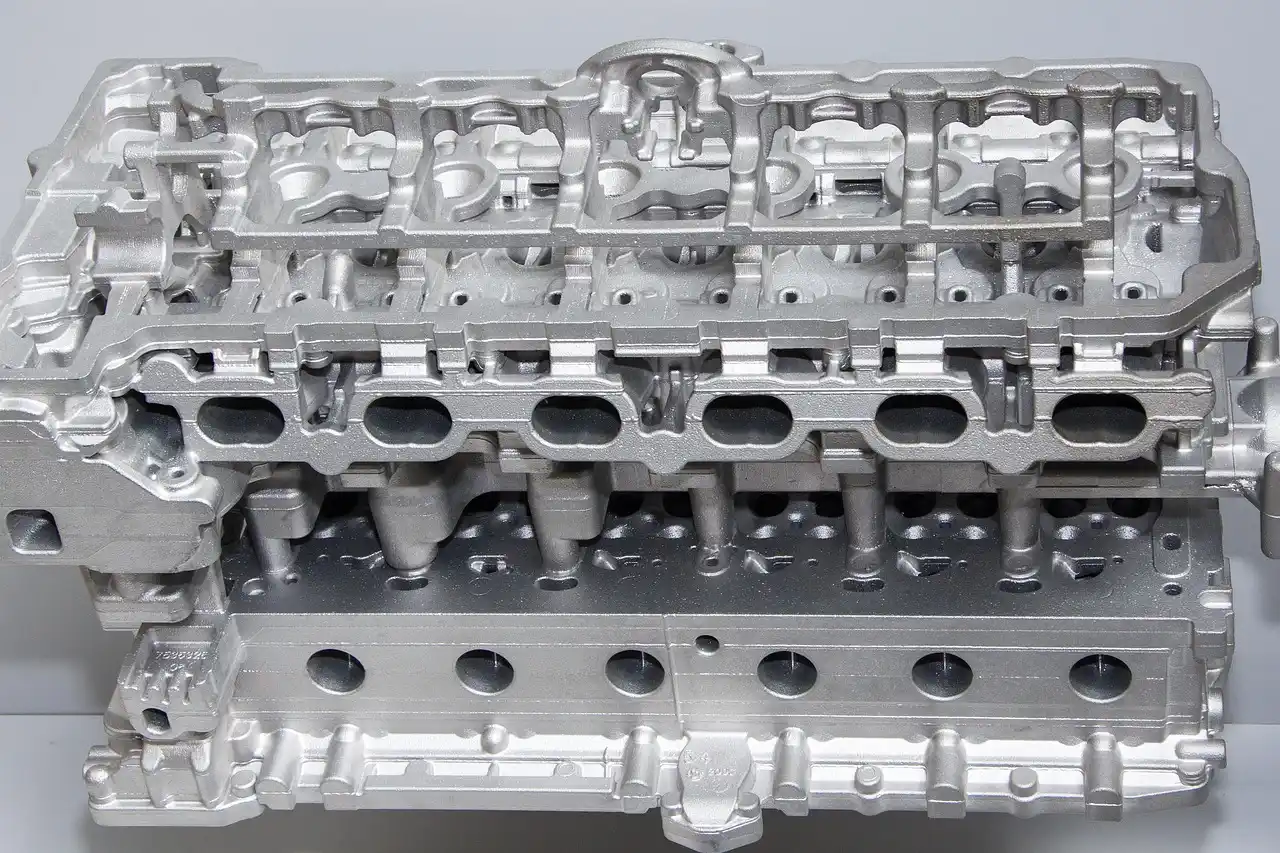
The cylinder head bolts to the engine block above the cylinders. It seals the top of the cylinder, forms the roof of the combustion chamber, and carries the parts that control airflow, ignition, and heat transfer. In liquid-cooled engines, it also contains water jackets that move coolant through the head and block.
Where it sits and what it closes off
The head bolts to the block at the deck face. That joint has to contain combustion pressure while keeping coolant and oil in separate passages. If the mating surfaces are not flat or the gasket cannot hold clamp load, the engine loses sealing where it matters most.
The combustion chamber is the space where the air-fuel mixture burns. It is formed by the head, cylinder walls, and piston crown together. Chamber shape affects turbulence, flame travel, and burn quality, so the head is not just a cover; it helps decide how cleanly the charge burns.
How it seals the cylinder and forms the chamber roof
The cylinder-head gasket sits between the head and block and seals the joint. Its job depends on surface flatness and bolt load. A failure here can let compression leak into a coolant passage, or let coolant move into a cylinder or oil gallery.
Common chamber shapes include wedge, hemi, and pent-roof. Pent-roof chambers are most commonly used on engines made in the past thirty years, because the shape can support better valve placement and fast burn characteristics when the ports and valves are arranged well.
What passages and hardware it contains
The head houses valve gear and spark plugs, and in diesel engines it usually carries injectors instead of spark plugs. It also contains oil and coolant passageways. That makes the head both a structural part and a fluid-routing part, which is why damage there can affect compression, lubrication, and temperature at the same time.
How does it work in the four-stroke cycle?
Modern engines have four strokes per cycle: intake, compression, power, and exhaust. The cylinder head acts like the traffic controller for those strokes, opening and closing the gas path, sealing pressure when needed, and sending heat into coolant and metal so the chamber stays within operating range.
Intake stroke: filling the cylinder
During intake, the intake valve opens while the piston travels down the bore. Air, or air-fuel mixture on some older designs, enters through the intake port and into the combustion chamber. Port shape and valve angle affect how quickly the cylinder fills and how much mixture motion is created as the charge enters.
Compression stroke: sealing pressure
During compression, both valves close and the piston rises. The head, gasket, and valve seats must hold pressure. If a valve does not seal, or if the gasket leaks, pressure escapes and the engine may crank longer, idle poorly, or misfire under load.
Power stroke: containing combustion force
When the mixture burns, pressure rises sharply in the chamber. The head must contain that force while moving heat away through metal and coolant passages. A good seal keeps the force on the piston instead of bleeding into the cooling system or past the valves.
Exhaust stroke: moving burned gas out
During exhaust, the exhaust valve opens and the piston pushes burned gas out through the exhaust port. Port size and shape matter here too. A port that is too restrictive can trap exhaust gas, raise temperature, and reduce cylinder filling on the next intake stroke.
What parts are inside the head?
Most cylinder heads contain valves, valve springs, rocker gear, and camshaft-related hardware. On gasoline engines, they also carry spark plugs. On diesel heads, injectors are the common top-end fuel hardware. Oil galleries and coolant passages run through the casting to feed lubrication and cooling where the head works hardest.
Valves, springs, and rocker gear
Valves control gas exchange timing. The springs close the valves after the cam opens them, and rocker gear may transfer motion from the camshaft to the valves. A worn spring, burnt valve, or damaged seat can create a leak even when the gasket is fine.
Camshaft hardware in OHC heads
In an overhead-camshaft layout, the camshaft is in the head. That puts more of the valvetrain above the cylinder and usually shortens the path between cam lobes and valves. It also adds more head-side parts to remove and inspect if the top end needs service.
Spark plugs in gasoline engines and injectors in diesels
Gasoline heads typically have spark plugs threaded into the chamber area. Diesel heads commonly use injector bores instead. That difference matters during diagnosis because a leak, carbon track, or cracked seat around those openings can mimic a gasket fault.
Oil galleries and coolant passages
The head contains passageways for oil and coolant. Oil feeds cam bearings, lifters, or rocker gear, while coolant moves heat out of the chamber roof and valve area. If one of those passages cross-leaks into another, you can see coolant loss, oil contamination, or bubbling in the tank.
Cylinder head chamber and ports
Chamber shape and port design work together. The chamber controls how the flame starts and spreads, while the ports control how air and exhaust gas move. A good head matches chamber volume, valve angle, and port shape to the engine’s intended speed range and load.
Combustion chamber shapes
Wedge chambers tend to be compact and simple. Hemi chambers place the valves at wider angles. Pent-roof chambers use a peaked roof with four-valve style geometry on many engines. The shape changes turbulence, plug location, and how quickly the flame front covers the chamber.
Intake and exhaust ports
Intake and exhaust ports are passageways cast into the head. A crossflow head is by far the most common design, with intake on one side and exhaust on the other. That separation helps hot exhaust leave one side while cooler intake charge enters from the other.
Port size and shape affect flow. A smaller port can keep air speed high, while a larger port may move more volume at high rpm. Sharp turns, rough transitions, or poor valve angle can disrupt flow and reduce burn quality.
Suppose a 4-cylinder gasoline engine has a rough idle and one cylinder shows repeated misfire after a coolant loss event. The head-side causes to suspect first are a leaking valve seat, a gasket leak into that cylinder, or a coolant passage crack near the chamber. Do not assume the injector is the only issue.
How is a cylinder head made?
Many heads begin as castings, then go through machining for the deck face, valve seats, guides, and threaded openings. Lost-foam casting is one method used to form complex internal cavities. A polystyrene model is placed in the mold, then replaced by molten aluminium after vaporization.
Lost-foam casting and internal cavities
Lost-foam casting helps create the cooling and oil passage geometry inside the head. That matters because the head needs hollow spaces that would be hard to machine directly. The process is especially useful for complex aluminum castings with water jackets and port passages.
Machining the deck face and critical surfaces
The deck face is the lower surface that mates with the block. It can warp over time from heat cycling, especially if the engine has overheated. If the face is not flat, a machine shop may deck or skim the head to help restore a proper sealing surface.
A common first-timer mistake is bolting a head back on after a cooling failure without checking flatness. That can leave a damaged gasket trapped under a warped deck face, and the same leak returns quickly.
Why aluminum and iron heads are built differently
Cast aluminium heads offer considerable weight-saving and dissipate heat better than cast iron. Virtually all production gasoline engines use an aluminium head. Cast iron is still commonly used for diesels due to higher strength, especially where combustion loads and durability targets are higher. (Howacarworks)
Cylinder head materials and layouts
Material choice and layout affect weight, heat flow, service access, and how the engine is packaged. The head may sit over one cylinder bank or several, and the camshaft may live in the head or in the block depending on the design.
| Feature | Cast aluminium head | Cast iron head | Practical clue |
|---|---|---|---|
| Weight | Considerable weight-saving | Heavier | Aluminum is easier to handle during removal |
| Heat transfer | Dissipates heat better than cast iron | Slower heat rejection | Cooling system condition matters more on hot-running aluminum heads |
| Common use | Virtually all production gasoline engines | Common on diesels | Material often hints at engine type before teardown |
| Strength | Good, but less than iron | Higher strength | Diesel heads often tolerate higher cylinder pressure |
OHC versus OHV layouts
OHC places the camshaft in the head. OHV places the camshaft in the block and uses pushrods to move the valves. Removing a cylinder head is more complicated on overhead-camshaft engines. Removing a cylinder head is straightforward on pushrod engines.
That difference matters for diagnosis and repair planning. OHC heads usually carry more top-end hardware and timing-related parts. OHV designs can be simpler to remove once the intake, exhaust, and pushrod components are out of the way.
Single head and multiple-head layouts
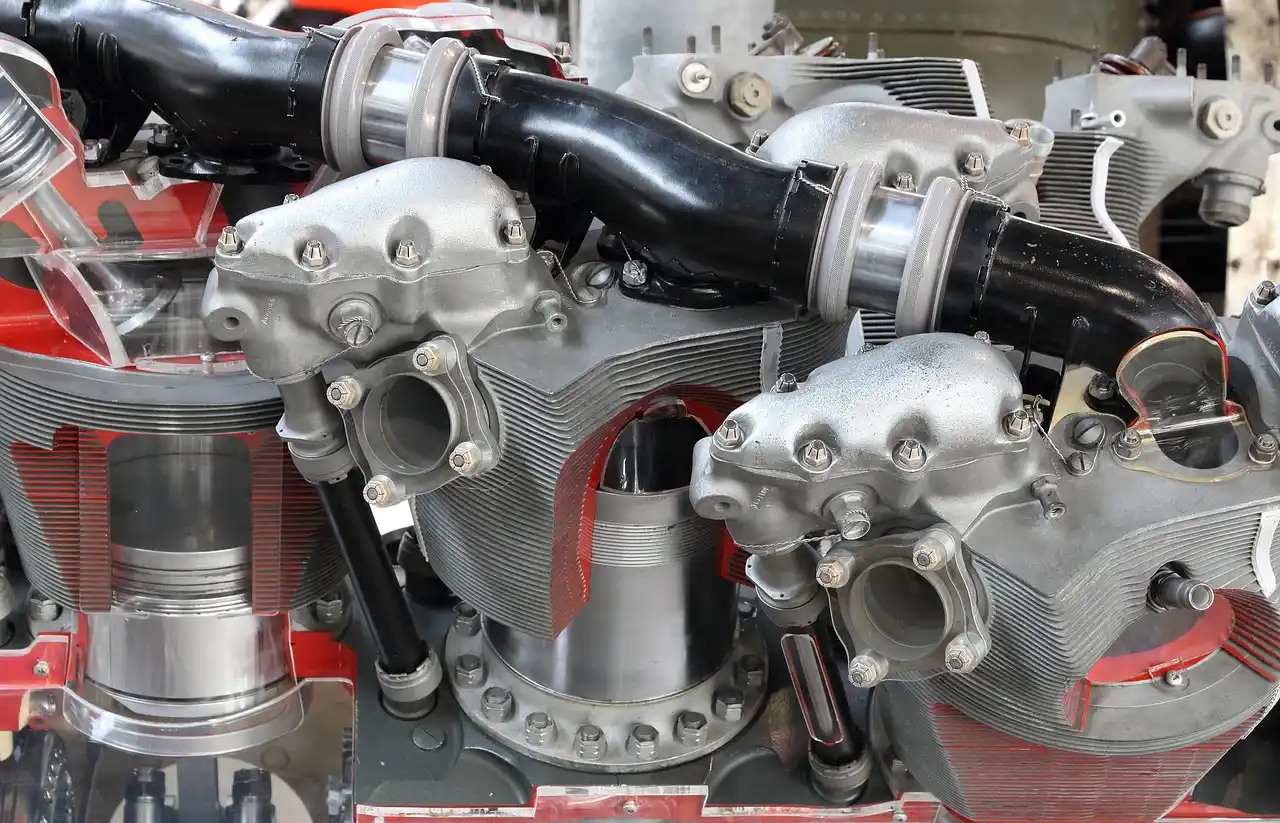
Some engines use one head per bank, while others use multiple heads on V, flat, or W engines. The layout affects access, gasket count, and service time. It also changes how coolant, oil, and exhaust heat move through the engine package.
Cylinder head symptom matrix
The table below maps common symptoms to the most likely head-related cause and the first check to make before teardown. Start with the simplest visible test. Then move to compression or leak checks if the clue points toward sealing loss.
| Symptom | Most likely head-related cause | First check to perform |
|---|---|---|
| Overheating | Warped deck face or restricted coolant passage | Check coolant level, radiator flow, and whether the upper hose hardens quickly from pressure |
| Coolant loss | Head-gasket leak or cracked coolant passage | Inspect for external seepage at the head-to-block joint and pressure-test the cooling system |
| White exhaust smoke | Coolant entering the chamber through gasket, crack, or damaged seat area | Check the coolant tank level and look for sweet-smelling exhaust after warm-up |
| Misfire | Combustion leakage, burnt valve, or coolant intrusion in one cylinder | Pull spark plugs and compare one cylinder’s plug with the others |
| Low compression | Leaking valve seat or failed head gasket | Run a compression test and note whether one cylinder is much lower than the rest |
| Hard starting | Low compression from a sealing fault | Check cranking speed and compare compression on all cylinders |
| Oil contamination | Coolant cross-leak into oil galleries or gasket failure | Inspect the dipstick and oil cap for milky residue |
| Bubbling in the coolant tank | Combustion gas entering the cooling system | Watch for bubbles in the tank with the engine running and test for exhaust gas in coolant |
| Rough idle | Valve sealing issue or gasket leak between cylinders | Listen for uneven exhaust note and check for a single-cylinder misfire code if available |
| Power loss | Poor airflow from port restriction or low compression from head-side leakage | Check for restricted intake path, then compare cylinder compression |
Say your engine starts to overheat only after a long idle in traffic, and the coolant tank begins to bubble. That points first to combustion gas entering the cooling system, not a random thermostat fault. A leak-down or pressure test comes before any major disassembly.
Frequently asked questions
What does the cylinder head do?
The cylinder head seals the top of the cylinder, forms the combustion chamber roof, and houses valve gear, spark plugs, or injectors. It also carries oil and coolant passageways. In operation, it controls gas flow, helps seal compression, and moves heat out of the chamber area.
How does a cylinder head seal the engine?
The head seals the block through the head-gasket joint and the flatness of the deck face. Proper bolt load keeps the gasket compressed so combustion pressure stays in the cylinder and coolant stays in its passageways. If flatness or clamp load is wrong, leaks follow.
What parts are inside a cylinder head?
Inside or on the head are valves, valve springs, rocker gear, camshaft-related hardware in OHC engines, spark plugs in gasoline engines, and injectors in diesels. Oil galleries and coolant passages are also cast into the head, which is why internal damage can affect several systems at once.
How do intake and exhaust ports work in a cylinder head?
Intake and exhaust ports are cast passageways that guide air in and exhaust gas out. A crossflow head, which is the most common design, places intake and exhaust on opposite sides. Port size, shape, and valve angle shape airflow speed, mixture motion, and exhaust clearing.
Why does a cylinder head overheat or warp?
Overheating usually comes from coolant loss, blocked passages, or a cooling system fault that lets the head run too hot for too long. Heat can distort the deck face, especially on aluminum heads. Once the face warps, the gasket may stop sealing even after the overheating is fixed.
What is the difference between an OHV and OHC cylinder head?
In OHC engines, the camshaft sits in the head and operates the valves directly or through short followers. In OHV engines, the camshaft stays in the block and pushes valves through pushrods and rocker arms. Pushrod engines are simpler to remove a head from, while OHC engines usually need more top-end disassembly.
How do I know if a cylinder head is damaged?
Look for repeated overheating, coolant loss, white exhaust smoke, rough idle, low compression, or coolant bubbling in the tank. Also check for oil contamination and a single-cylinder misfire. If those symptoms point to sealing loss, the next steps are compression testing, cooling-system testing, and a flatness check.
Products related to this article
Sponsored / affiliate links. As an Amazon Associate I earn from qualifying purchases. I may earn additional commission from eligible campaigns.