What are the Three Main Purposes of Engine Oil Explained
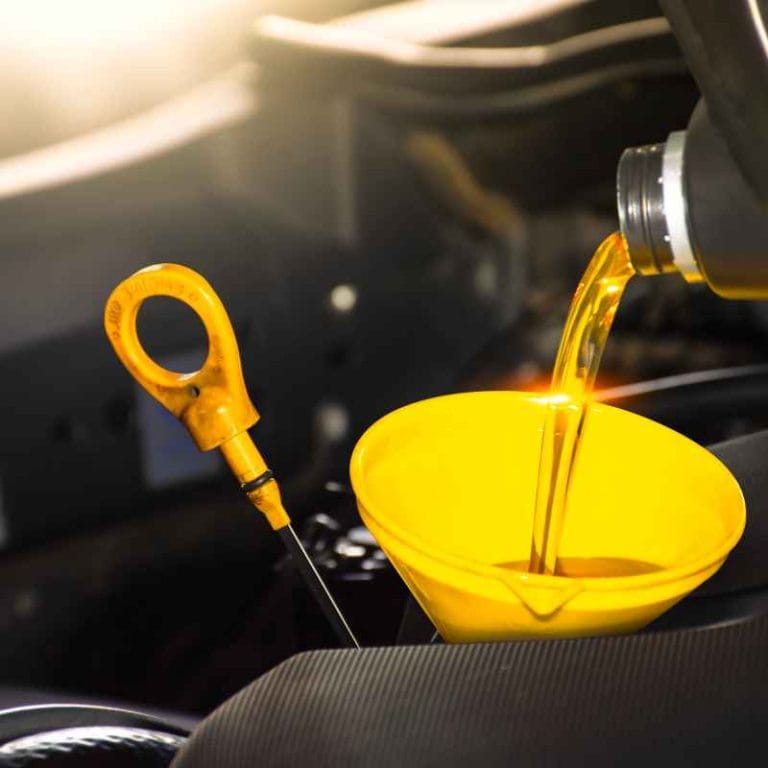
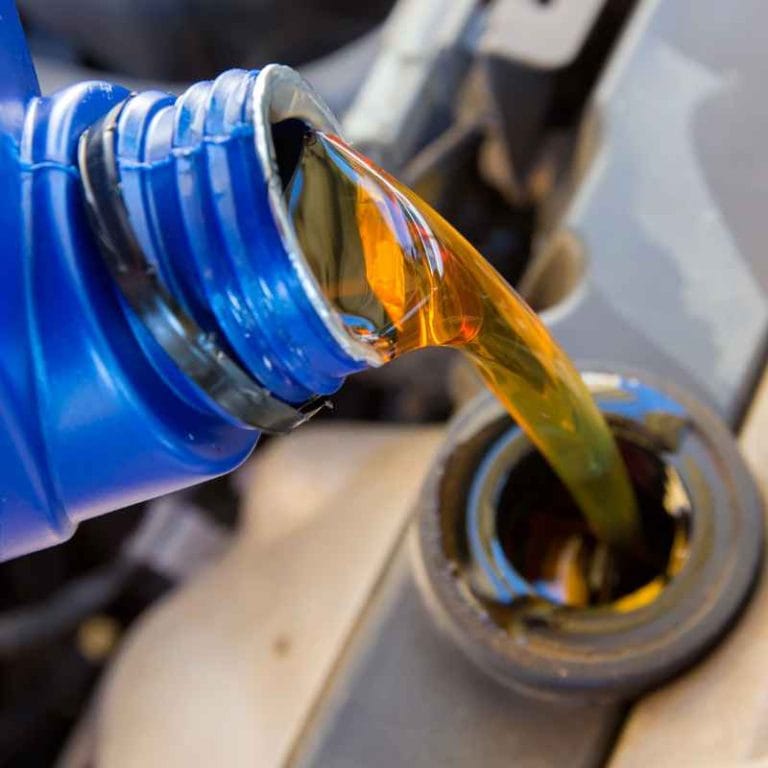
Every car, truck, or motorcycle you see on the road relies on a hidden hero: engine oil. Many drivers know they need to change it regularly, but few truly understand why it matters so much. Engine oil is not just a slippery liquid inside your engine. It is a complex product with several jobs that keep your vehicle running smoothly, reliably, and safely. If engine oil fails, your engine’s life can be cut short—sometimes in just a few minutes of overheating or grinding metal. But what exactly does engine oil do, and why is it so essential for modern engines?
Let’s dive deep into the three main purposes of engine oil, uncovering the science, practical details, and real consequences behind each one. Whether you’re new to cars or you’ve been driving for years, understanding these three roles will help you protect your engine, save money, and avoid common mistakes that even experienced drivers make.
Lubrication: Reducing Friction And Wear
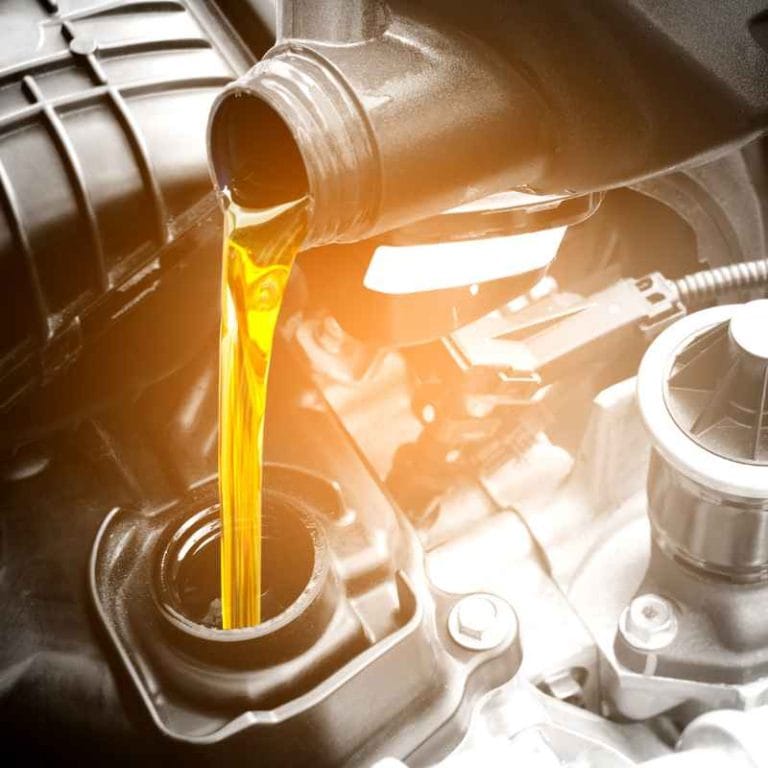
The primary and most critical job of engine oil is lubrication. Inside your engine, hundreds of metal parts move rapidly and in close contact. Pistons slide up and down thousands of times per minute, connecting rods spin, and valves open and close in a precise dance. Without oil, these metal surfaces would grind directly against each other, causing heat, wear, and, eventually, engine failure.

DKNzCNzaD
Engine Overhaul Rebuilding Kit Compatible With AJ126…
- Model Compatibility: Fits vehicles equipped with the 3.0L AJ126 V6 engine as specified in the title.
- Component Coverage: Includes engine connecting rod and crankshaft components for overhaul and rebuilding purposes.
- Engine Specification: Designed specifically for the 3.0L displacement AJ126 V6 engine configuration.
As an Amazon Associate I earn from qualifying purchases.
How Lubrication Works
Lubrication is about creating a protective film between moving metal parts. This thin oil layer separates surfaces, allowing them to slide smoothly rather than scrape. Modern engine oils are engineered to be thick enough to stay in place under pressure, yet thin enough to flow quickly to all parts of the engine.
Example: Piston And Cylinder Wall
Imagine a piston moving up and down inside its cylinder. The piston moves at speeds up to 3,000 times per minute in a typical engine running at 3,000 RPM. Without oil, the rough surfaces would quickly overheat and wear out. The oil film keeps them apart, allowing smooth, friction-free motion.
Types Of Friction In Engines
Engines face two main types of friction:
- Sliding Friction: Occurs where parts slide against each other, such as piston rings against cylinder walls.
- Rolling Friction: Found in bearings, where shafts rotate within sleeves or balls.
Engine oil’s ability to reduce both types of friction is vital. By lowering friction, oil helps the engine run more efficiently, saving fuel and reducing emissions.
How Lubrication Prevents Wear
Friction causes wear—the gradual removal of material from surfaces. Over time, this wear can lead to increased engine noise, loss of power, and even catastrophic failure. Oil not only reduces friction but also provides a cushion that absorbs shock loads. Additives in modern oils further enhance protection by forming chemical layers on metal surfaces, making them even smoother.
Table: Impact Of Lubrication On Engine Life
| Oil Condition | Engine Wear Rate | Expected Engine Life |
|---|---|---|
| Clean, full oil | Minimal | 200,000+ miles |
| Old, dirty oil | Moderate | 80,000–120,000 miles |
| Low or no oil | Severe | Few minutes to 20,000 miles |
Common Mistake: Ignoring Oil Level
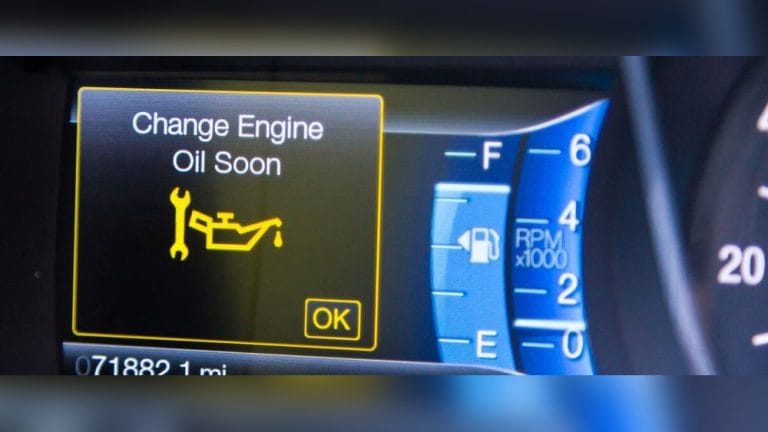
Many drivers assume that as long as the oil light is off, all is well. In fact, running just a quart low on oil can leave some engine areas unprotected, greatly speeding up wear. Always check your oil level regularly—not just during oil changes.
Advanced Insight: Oil Viscosity And Lubrication
Engine oil comes in different viscosities (thicknesses), like 5W-30 or 10W-40. Thinner oils flow faster and reach small parts quickly at startup, while thicker oils provide stronger protection at high temperatures. Using the right viscosity for your climate and engine is crucial. Too thick, and oil won’t flow fast enough; too thin, and it can’t protect under pressure.
Cooling: Removing Excess Heat
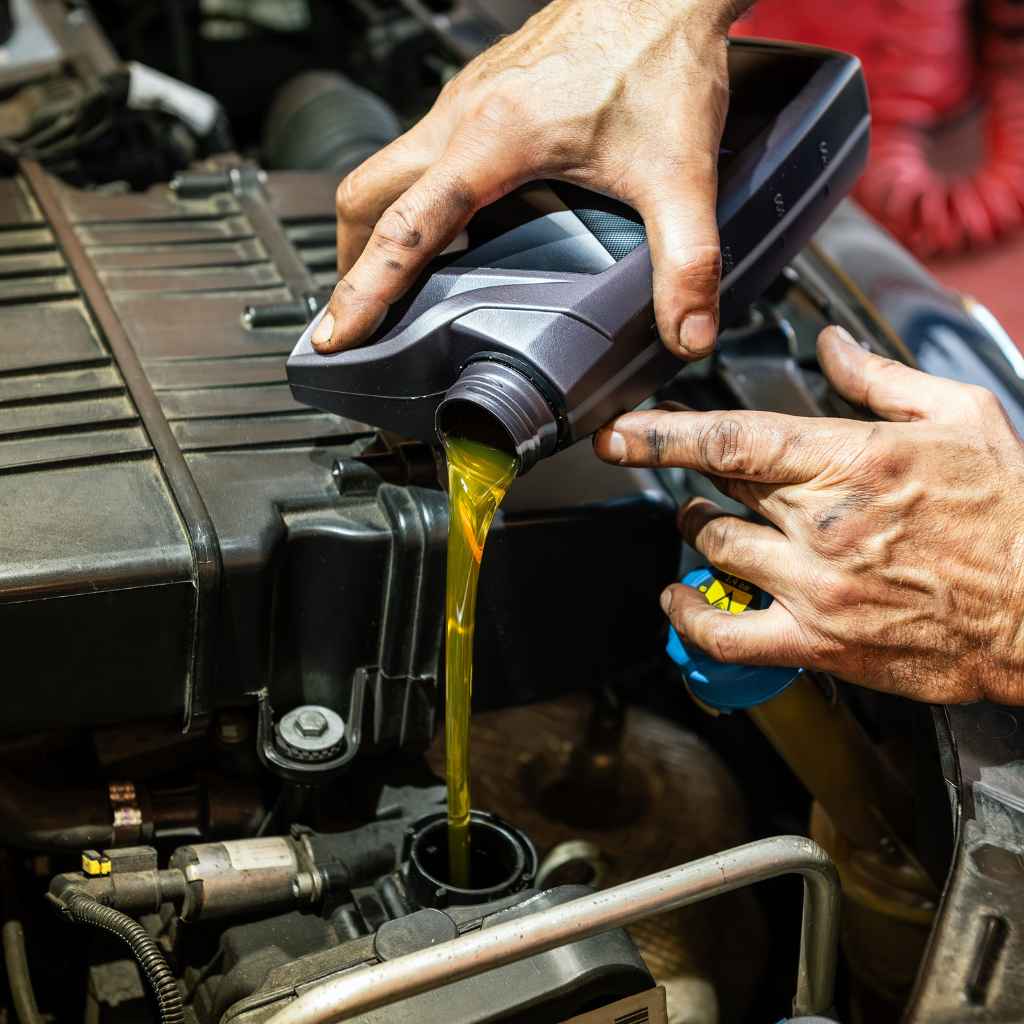
While many think the radiator is the only part responsible for engine cooling, engine oil plays a major role in controlling temperature. As engine parts move and rub together, they create heat—not just in the combustion chamber, but throughout the engine.
How Engine Oil Cools
Oil absorbs heat from hot engine surfaces and carries it away as it circulates. Some of this heat is transferred to the oil pan, where air flow helps cool it. In high-performance or large engines, there may even be a dedicated oil cooler—like a small radiator—for this purpose.
Example: Turbocharged Engines
Turbochargers spin at up to 200,000 revolutions per minute and get extremely hot. Oil not only lubricates the turbo’s bearings but also removes heat, preventing damage. Overheated oil can “cook” and turn into hard carbon deposits, blocking oil flow and causing failure.
Comparison: Oil Vs. Coolant
Both oil and coolant help manage engine temperature, but in different ways.
| Fluid | Main Cooling Role | Heat Absorption | Where It Cools |
|---|---|---|---|
| Engine Oil | Removes heat from moving parts | High (esp. bearings, pistons) | All over engine, especially hard-to-reach areas |
| Coolant | Absorbs heat from combustion chamber | Very high (mainly cylinder head, block) | Water jackets around cylinders |
Why Cooling Matters
Heat is the enemy of engines. Too much heat causes metal to expand, parts to warp, and oil to break down. If oil loses its cooling ability, your engine can overheat even if the radiator is working properly. This is why oil changes are so important—old oil loses its ability to carry heat effectively.
Non-obvious Insight: Oil Breakdown From Heat
Many drivers believe oil only gets dirty, but oil also breaks down from heat. High temperatures can change oil’s chemical structure, turning it into sludge or varnish. This thick, sticky material blocks oil passages and reduces cooling, creating a cycle of rising heat and damage.
Practical Tip: Watch For Overheating
If your engine starts to run hotter than usual, check the oil first, not just the coolant. Low oil or old oil is often the hidden cause of overheating, especially in older cars or those used for towing.
Cleaning: Keeping The Engine Free From Contaminants
The third main purpose of engine oil is often overlooked: cleaning. As your engine runs, it produces tiny particles of metal, soot, dust, and combustion byproducts. If left unchecked, these can build up and form sludge, block oil passages, or scratch sensitive surfaces.
How Engine Oil Cleans
Oil contains detergents and dispersants—additives designed to keep dirt, soot, and particles suspended in the oil. Instead of sticking to engine parts, these contaminants stay mixed in the oil and are eventually trapped by the oil filter.
Example: Modern Engines And Tight Tolerances
Newer engines are built with very small gaps between moving parts. Even tiny bits of dirt can cause big problems. The cleaning action of oil is more important than ever, as even a thin layer of sludge can block vital oil channels.
The Role Of The Oil Filter
The oil filter works together with engine oil to remove particles. As oil circulates, it passes through the filter, which traps dirt, metal shavings, and other debris. Over time, the filter fills up and must be replaced—usually at every oil change.
Table: Engine Contaminants And Oil’s Cleaning Action
| Type of Contaminant | How Oil Handles It | Potential Risk |
|---|---|---|
| Dust/Dirt | Suspends particles | Abrasive wear |
| Metal Shavings | Carries to oil filter | Scoring, engine damage |
| Soot/Carbon | Disperses in oil | Sludge formation |
| Combustion Byproducts | Neutralizes acids | Corrosion |
Why Cleaning Is Essential
Without the cleaning action of oil, contaminants would stick to engine parts, forming sludge—a thick, tar-like goo that blocks oil flow and starves parts of lubrication. Over time, this causes engines to lose power, run rough, or even seize.
Insight: Short Trips And Sludge Risk
Engines that are only run for short distances (like in city driving) face a higher risk of sludge. The oil does not get hot enough to evaporate water and fuel vapors, so these stay in the oil, creating more sludge. For these vehicles, regular oil changes are even more important.
Mistake: Skipping Oil Changes
Some drivers believe they can delay oil changes if they don’t drive much. In reality, oil degrades over time even if the car isn’t used. Moisture, acids, and contaminants build up, so always follow the calendar intervals in your manual, not just mileage.
Secondary But Important Functions Of Engine Oil
While lubrication, cooling, and cleaning are the three main purposes, engine oil also performs several secondary functions that improve engine life and efficiency. Understanding these can help you make smarter choices when selecting oil or planning maintenance.
Sealing
Oil helps seal the tiny gap between piston rings and cylinder walls, keeping combustion gases from leaking into the crankcase. This improves engine power and reduces emissions.
Protection Against Rust And Corrosion
Additives in oil protect metal surfaces from water and acids, preventing rust and corrosion. This is especially important for engines that are not used often or are exposed to humid environments.
Shock Absorption
Oil cushions moving parts against sudden impacts—like when a piston reverses direction—reducing stress on metal surfaces and bearings.
Sound Dampening
A well-lubricated engine runs quieter, as oil helps absorb vibrations and noise caused by metal-to-metal contact.
How To Choose The Right Engine Oil
Selecting the right engine oil is not just about picking any bottle off the shelf. The right oil ensures all three main purposes—lubrication, cooling, and cleaning—are performed at their best.
Key Factors To Consider
- Viscosity Grade: Check your owner’s manual for recommended oil grades (like 5W-30). This is vital for engine protection in your climate.
- Type of Oil: Choose between conventional, synthetic, or blends. Synthetic oils offer better performance in extreme temperatures and resist breakdown longer.
- Additive Package: Look for oils with detergents, dispersants, and anti-wear additives. These help with cleaning and protection.
- Certification: Use oils that meet standards set by organizations like the American Petroleum Institute (API) or manufacturer-specific certifications.
Mistake: Using The Wrong Oil
Using oil that’s too thick or thin for your engine can cause poor lubrication, overheating, or increased wear. Always follow the manufacturer’s advice.
Advanced Tip: Synthetic Oil For Turbo Engines
If you drive a turbocharged or high-performance car, synthetic oil is often the best choice. It resists high heat and flows better at cold starts, protecting your engine under stress.
The Real-world Impact Of Engine Oil: Examples And Data
Stories of engine failure are often traced back to oil problems. Here are some practical examples:
- Taxi fleets in large cities have shown engines lasting over 300,000 miles with regular oil changes, while neglected engines may fail before 100,000 miles.
- A study by the U.S. Department of Energy found that using the correct synthetic oil can improve fuel economy by 2%–3% due to lower friction.
- The famous “oil sludge” problem in some Toyota engines in the early 2000s led to thousands of failures—almost all caused by skipping oil changes, not oil quality.
These real-world cases show that respecting oil’s three main jobs is more than just good maintenance—it’s essential for the life of your vehicle.
Myths And Misunderstandings About Engine Oil
Many drivers believe a few common myths that can harm their engines:
- “Oil never wears out, only gets dirty.” In reality, oil breaks down chemically over time and loses its ability to lubricate, cool, and clean.
- “Any oil will do.” Modern engines are designed for specific oils. Using the wrong type can void warranties and cause damage.
- “If the oil is still golden, it’s good.” Color is not a reliable indicator. Oil can lose its cleaning and protective power long before it turns dark.
Understanding the science behind oil can help you avoid these mistakes and get the most from your engine.
Frequently Asked Questions
What Happens If I Forget To Change My Engine Oil?
If you skip oil changes, the oil loses its ability to lubricate, cool, and clean. This leads to increased friction, overheating, sludge formation, and eventually engine damage. In the worst case, the engine can seize and require a full rebuild or replacement.
How Often Should I Change My Engine Oil?
Most modern cars recommend oil changes every 5,000 to 7,500 miles, but always check your owner’s manual. For older vehicles, short trips, or extreme conditions, more frequent changes may be needed. Remember, oil also ages with time, so follow both mileage and time intervals.
Can I Use Synthetic Oil In Any Engine?
Most modern engines can use synthetic oil, but always check for manufacturer recommendations. Synthetic oil offers better protection in extreme temperatures and lasts longer, but older engines with worn seals may develop leaks when switching from conventional oil.
What Is Oil Viscosity, And Why Does It Matter?
Viscosity is a measure of how thick or thin the oil is. The right viscosity ensures oil flows quickly to all engine parts at startup but remains thick enough to protect under high heat. Using the wrong viscosity can lead to poor lubrication, increased wear, or overheating.
Does Engine Oil Affect Fuel Economy?
Yes, using the correct engine oil reduces friction, helping the engine run more smoothly and efficiently. Studies show that the right oil can improve fuel economy by 2%–3%. Using oil that’s too thick or dirty can decrease efficiency and increase fuel costs.
If you want to learn more about how engine oil works and the latest research in lubrication technology, you can visit the Wikipedia page on motor oil for detailed information and references.
Engine oil is much more than just a maintenance item. It’s the lifeblood of your vehicle, quietly performing its three main purposes—lubrication, cooling, and cleaning—every time you turn the key. By understanding these roles, choosing the right oil, and changing it regularly, you can help your engine last longer, run better, and save money in the long run. Don’t overlook this simple step—your car’s health depends on it.
Related pick: Check today's price on Amazon
Products related to this article
Sponsored / affiliate links. As an Amazon Associate I earn from qualifying purchases. I may earn additional commission from eligible campaigns.
 ECOGARD X10023 Cartridge Engine Oil Filter for Conventional Oil - Premium Replacement | Fits 2018-2023 Volkswagen Atlas 3.6L; 2020-2023 Atlas Cross Sport 3.6L
 ECOGARD X10040 Cartridge Engine Oil Filter for Conventional Oil - Premium Replacement | Fits 2011-2026 Jeep Grand Cherokee, Dodge Durango 3.6L; 2012-2026 Wrangler 3.6L; 2014-2022 Cherokee 3.2L