How Often Should Car Engine Oil Be Changed? Mechanic Advice
Most cars need an oil change every 5,000 to 7,500 miles, but modern synthetic-oil engines can often go 10,000 miles or more — always check your engine oil type and owner’s manual for the exact interval.
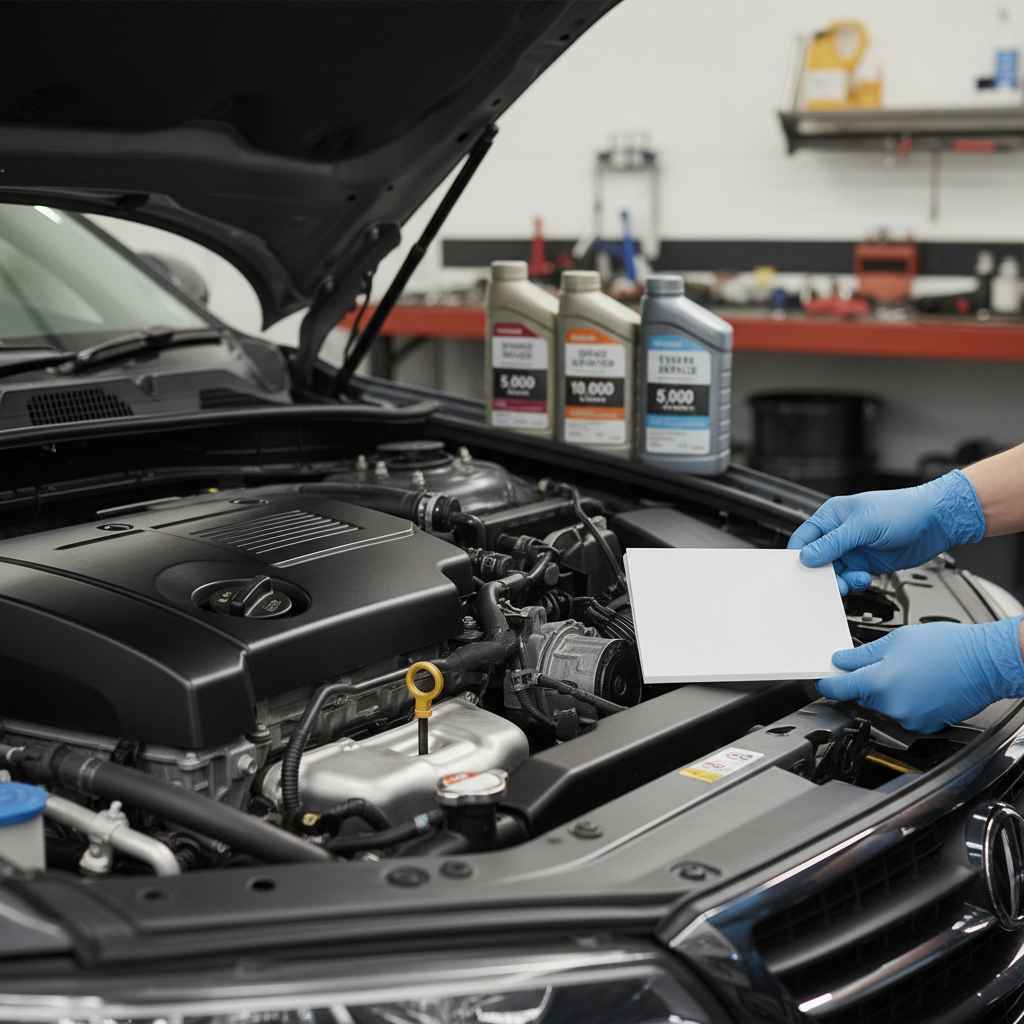
Generally, most cars need an oil change every 5,000 to 7,500 miles. However, this can vary. Some modern cars with synthetic oil can go 10,000 miles or more.
Always check your car’s owner’s manual for the exact recommendation. Factors like driving habits and oil type also play a big role.
Understanding Your Car’s Engine Oil Needs
Engine oil is like the lifeblood of your car’s engine. It does so many important jobs. It helps keep all the moving parts clean.
It also reduces friction between these parts. This keeps them from wearing out too fast. Plus, it helps keep the engine cool.
Think of it as a tiny, all-in-one service crew working inside your car.
Over time, this oil gets dirty. It collects dust, metal bits, and other gunk. This dirt makes the oil less effective.
It can’t protect your engine as well anymore. Old oil can also get thick. This makes it harder for the engine to work smoothly.
That’s why changing the oil is so crucial. It’s a simple task that makes a big difference.
My Own Oil Change Scare
I remember a time a few years back. I’d bought a used sedan. It was a great car, and I loved driving it.
I was so focused on work back then. I’d drive everywhere. Weeks turned into months.
I honestly lost track of when I’d last looked at the oil. One day, I heard a strange noise. It was a faint ticking sound coming from under the hood.
My stomach dropped. I immediately pulled over. I grabbed my owner’s manual.
It clearly stated a recommended oil change interval. I had definitely passed it. I felt a mix of panic and annoyance with myself.
I’d always thought I was pretty good with car maintenance. This felt like a big oversight. I learned then and there that even small things matter.
I got the oil changed right away. Thankfully, the ticking stopped. The mechanic said I was lucky.
That was a real wake-up call for me.
Engine Oil: The Essential Tasks
Lubrication: Reduces friction between metal parts.
Cleaning: Carries away dirt and debris.
Cooling: Helps dissipate heat from engine parts.
Sealing: Fills gaps between piston rings and cylinder walls.
Protection: Shields against rust and corrosion.
The Mileage Maze: What Does 5,000, 7,500, or 10,000 Miles Mean?
So, you see numbers like 5,000, 7,500, or even 10,000 miles. What’s the deal? It’s not just a random number.
It’s based on tests and how oil breaks down. Most car makers set these intervals. They do it based on how much driving the car does.
The type of oil you use is a big part of this. Conventional oil usually needs changing more often. Synthetic oil is a bit different.
It’s engineered to last longer. It holds up better under tough conditions. So, if your car uses synthetic oil, you might be able to go further between changes.
But, again, the owner’s manual is your best friend here.
Think about the oil in your car. It’s like a sponge. It soaks up all the bad stuff.
Eventually, that sponge gets full. It can’t soak up anymore. That’s when the oil starts to lose its power.
Changing it is like getting a new, clean sponge. It’s ready to do its job again.
Oil Type Matters: Quick Look
Conventional Oil: Standard, good for basic needs. Usually needs changing around 3,000-5,000 miles.
Synthetic Blend: Mix of conventional and synthetic. Offers better protection than conventional. Often good for 5,000-7,500 miles.
Full Synthetic Oil: High-performance oil. Best protection and longest life. Often good for 7,500-10,000+ miles.
Driving Habits: The Silent Factor
Your driving habits can really change how often you need an oil change. It’s not just about the miles you clock. It’s also about how you drive those miles.
Short trips are tough on oil. If you only drive a few miles to the store and back, your engine doesn’t get very hot. This means water and fuel can build up in the oil.
This can make it sludgy. It’s like giving your engine a cold, short shower all the time. It doesn’t really get clean.
On the other hand, if you do a lot of highway driving, that’s often better for the oil. The engine runs hot. This helps burn off the water and fuel.
It keeps the oil cleaner for longer. Driving in extreme heat or cold can also make a difference. Stop-and-go traffic is another strain.
All these things tell the oil to work harder.
So, if you mostly drive in the city for short trips, you might need to change your oil sooner than the manual suggests. It’s good to be aware of this. It’s a bit like taking care of a pet.
You need to know their specific needs. Your car has its own needs too.
Driving Styles & Oil Life
Frequent Short Trips: Engine doesn’t reach optimal temp. Oil can accumulate moisture and fuel. This shortens its life.
Consider earlier oil changes.
Highway Driving: Engine runs at consistent, high temps. Helps burn off contaminants. Oil lasts longer.
Stop-and-Go Traffic: Engine works harder, cycles on/off. Puts more stress on oil. May need more frequent changes.
Towing or Heavy Loads: Engine works harder. Oil experiences higher temps and stress. Change oil more often.
Extreme Temperatures: Very cold starts or very hot climates. Both can affect oil performance and life.
The Owner’s Manual: Your Golden Rule
I can’t stress this enough. The absolute best place to get your answer is your car’s owner’s manual. It’s written by the people who designed and built your car.
They know it best. It will tell you the recommended oil type.
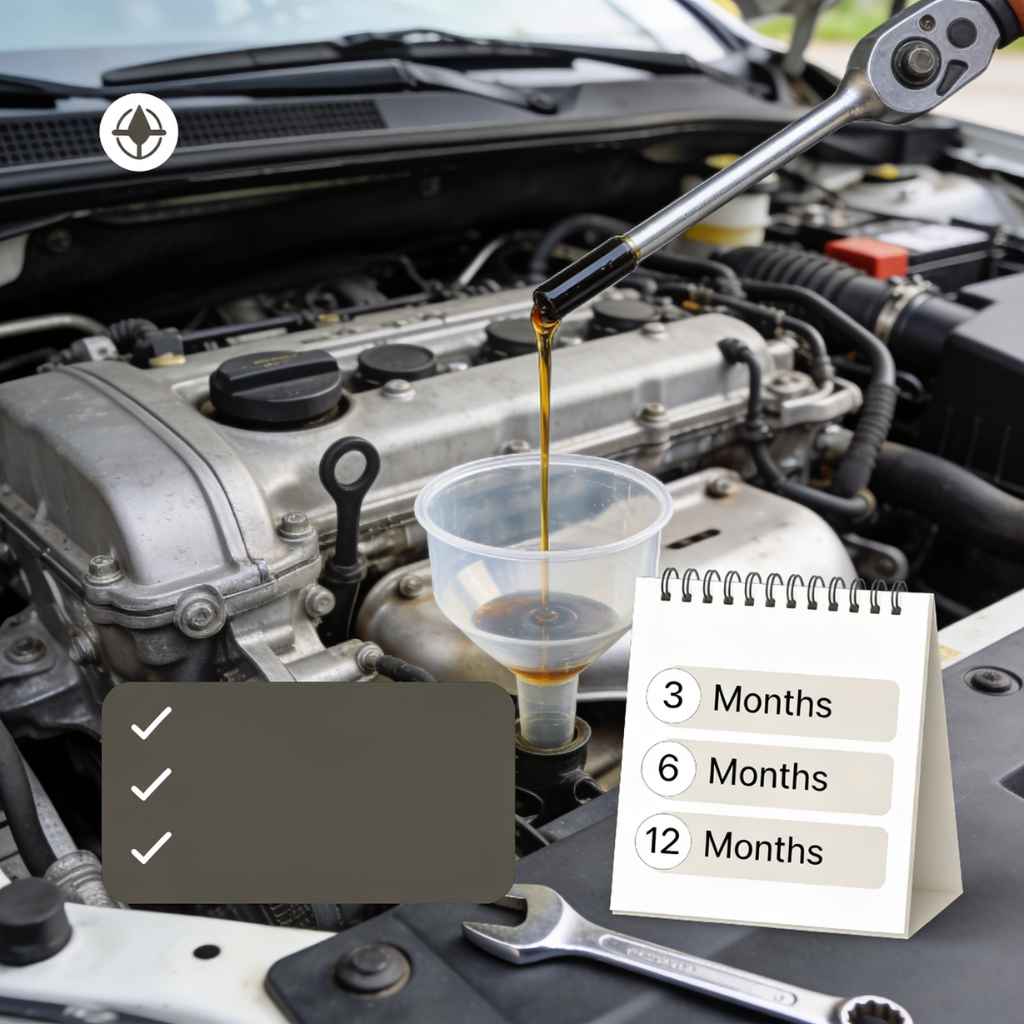
It will also tell you the recommended oil change interval. This is usually given in miles. Sometimes, it’s also given in time, like every 6 months or 12 months.
This is important if you don’t drive much. Even if oil is sitting there, it can degrade over time.
Why is it so important to check? Because cars are different. A small compact car might have different needs than a big SUV.
The engine size, the type of materials used, and the car’s design all play a role. Trust the manual. It’s there to help you keep your car running smoothly for a long, long time.
Signs Your Car Needs an Oil Change (Beyond the Mileage)
Sometimes, your car will give you hints. It’s trying to tell you something. You just have to listen.
Or, in this case, look and feel. These signs can be super helpful. They can let you know it’s time for an oil change even if you’re not exactly at the mileage mark.
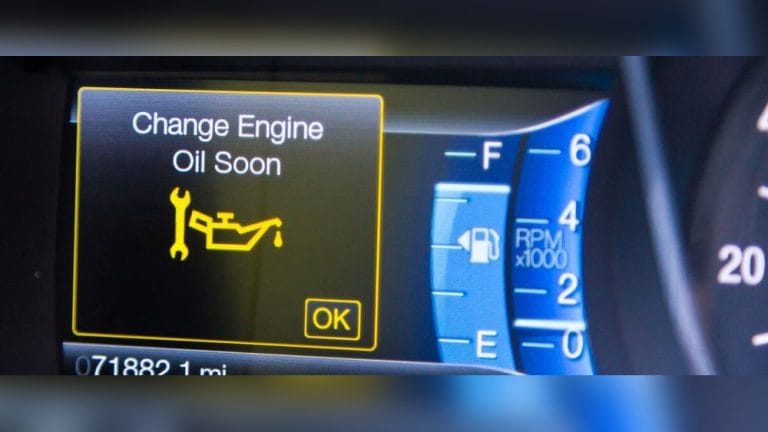
One of the most common signs is the oil light. Most cars have a dashboard light that indicates low oil pressure or that the oil needs changing. Don’t ignore this!
It’s a direct signal from your car.
You might also notice the engine making more noise. That ticking sound I heard? It’s a classic sign.
When oil gets old and dirty, it can’t cushion the engine parts as well. This leads to more friction and noise. The engine might sound rougher than usual.
The smell of the oil can change too. If you’re under the hood and you smell burning oil, that’s not good. It could mean the oil is overheating or leaking.
This is a serious sign. You should get it checked out right away.
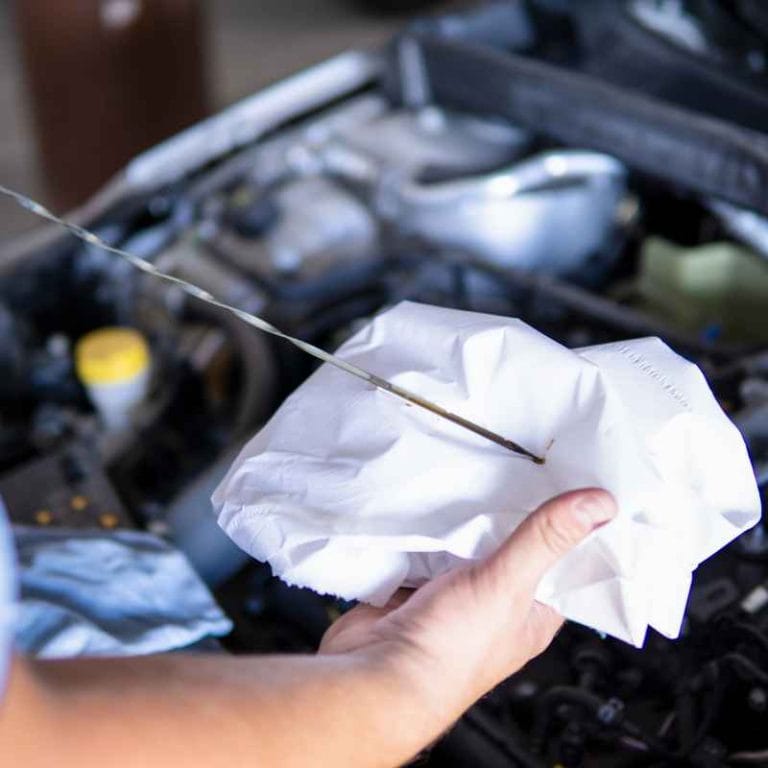
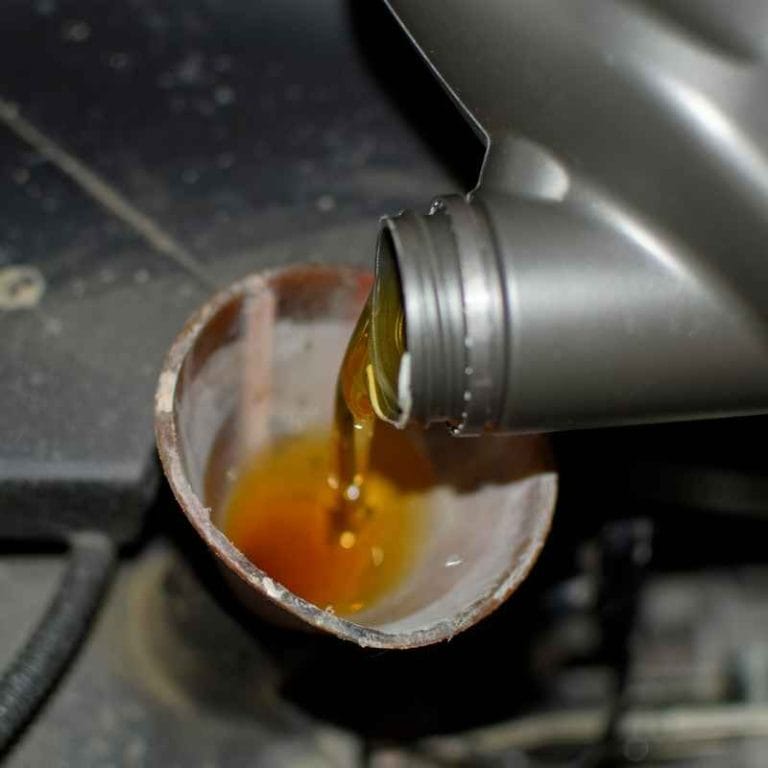
What about the oil itself? If you check the dipstick and the oil looks dark and gritty, it’s time for a change. New oil is usually a clear, amber color.
As it does its job, it collects dirt and turns dark. If you see little bits of metal in the oil, that’s a bad sign too. It means parts are grinding together.
Warning Signs Your Oil Needs Changing
Oil Light On: Dashboard indicator for oil pressure or service.
Engine Noise: Ticking, knocking, or rougher engine sounds.
Burning Smell: Indicates oil overheating or leaking.
Dark, Gritty Oil: Visible dirt and debris in the oil on the dipstick.
Exhaust Smoke: Blueish smoke from the exhaust can mean oil is burning.
Reduced Performance: Car feels sluggish or less responsive.
The Role of Oil Filters
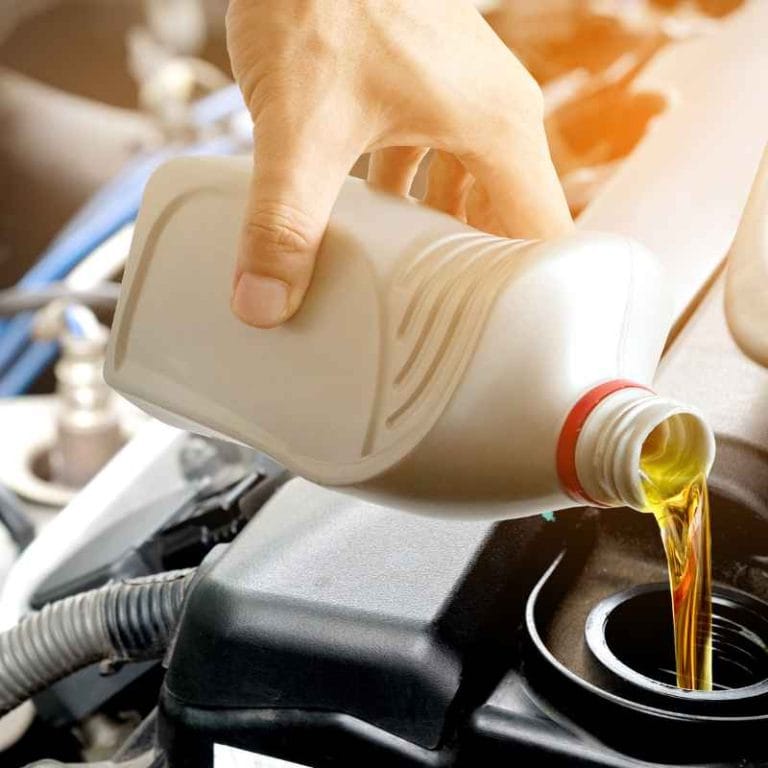
When you change your engine oil, you should always change the oil filter too. They go hand-in-hand. The oil filter’s job is to catch all those nasty particles.
It cleans the oil as it circulates.
Over time, the filter gets clogged. It can’t filter the oil effectively anymore. If you don’t change it, dirty oil will keep circulating.
Some filters have a bypass valve. If the filter gets too clogged, this valve opens. It lets dirty oil flow through to protect the engine from damage.
But that’s not ideal. Clean oil is what you want flowing.
Think of it like a coffee filter. When it’s full of grounds, you
Synthetic vs. Conventional Oil: A Deeper Look
We touched on this, but it’s worth digging a little deeper. The difference between conventional and synthetic oil is pretty significant. And it affects your oil change schedule.
Conventional oil is made from crude oil. It’s refined and treated. It works well for many cars.
It’s also usually less expensive. But it breaks down more easily under extreme temperatures. It also doesn’t have as many additives for cleaning or protection.
Full synthetic oil is engineered in a lab. It starts with a base oil that is chemically pure. Then, special additives are blended in.
These additives help the oil resist heat and cold. They keep it flowing smoothly. Synthetic oil is also much better at cleaning engine parts and preventing sludge.
It’s a more robust oil. It can handle more stress.
Because of this, synthetic oil typically lasts much longer. Many manufacturers are now recommending synthetic oil for their newer cars. They design their engines to take advantage of its properties.
If your car is designed for synthetic, using conventional might actually hurt its performance and longevity in the long run. Always check what your car needs!
Synthetic Oil Benefits
Superior Protection: Resists breakdown at high temps, flows better at low temps.
Cleaner Engine: Better at preventing sludge and deposits.
Extended Drain Intervals: Can last longer between oil changes.
Fuel Efficiency: Can sometimes lead to slightly better gas mileage.
Reduced Wear: Protects engine parts more effectively.
What Does “Severe Driving Conditions” Really Mean?
Car manuals often talk about “severe driving conditions.” This is where the 5,000-mile oil changes might come into play for some cars, even if they use synthetic oil. So, what counts as “severe”?
It’s basically any driving that puts more strain on your engine than typical, gentle highway cruising. Here’s a breakdown of what that often includes:
- Short Trips: As we discussed, lots of short trips (less than 5-10 miles) where the engine doesn’t fully warm up.
- Stop-and-Go Traffic: Heavy city driving with lots of idling and frequent acceleration/braking.
- Extreme Temperatures: Driving in very hot weather (above 90°F) or very cold weather (below 0°F).
- Towing or Hauling: Pulling a trailer, carrying heavy loads in the trunk, or frequent passenger overloading.
- Dusty or Dirty Roads: Driving in areas with lots of dust, dirt, or sand can clog the air filter and put stress on the engine.
- Frequent Idling: Letting the car run for long periods without moving.
- Performance Driving: Track days or aggressive driving that pushes the engine hard.
If your daily commute involves a lot of these, it’s wise to lean towards the more frequent oil change schedule. Your car will thank you for it with a longer, healthier life.
Severe Driving Conditions Checklist
Short Commutes: Most trips under 10 miles.
City Traffic: Frequent stopping and starting.
Hot/Cold Weather: Consistently extreme temperatures.
Towing Loads: Regularly hauling trailers or heavy cargo.
Off-Roading: Driving on dirt, gravel, or dusty roads.
Long Idling: Extended periods of engine running while stationary.
When to Worry: Red Flags in Your Oil Change Routine
Most of the time, sticking to your car’s recommended oil change schedule is enough. But sometimes, things can go wrong. It’s good to know when a simple oil change isn’t enough.
You might need to consult a mechanic.
If you check your oil and the level is extremely low, that’s a red flag. This could mean you have a leak. Or your engine might be burning oil.
Both of these need professional attention. Low oil levels are dangerous for your engine.
The oil pressure light is another major concern. This light means the engine isn’t getting enough lubrication. Driving with this light on can cause severe engine damage very quickly.
If it comes on, pull over safely and turn off the engine immediately. Then call for help.
Also, if you notice significant changes in your car’s performance. Like a sudden loss of power, rough idling, or stalling. These could be linked to lubrication issues.
Don’t just assume it’s a minor problem. Get it checked out.
A really important thing to remember is that oil changes are preventive maintenance. They help stop big problems before they start. But if you’ve ignored oil changes for a long time, or if you see major warning signs, it’s best to get a professional inspection.
They can spot issues you might miss.
Major Warning Signs
Extremely Low Oil Level: Indicates a leak or burning oil.
Oil Pressure Light: Engine is not getting enough lubrication.
Sudden Performance Drop: Car feels weak or acts strangely.
Grinding Noises: Loud, unusual sounds from the engine.
Visible Leaks: Puddles of oil under the car.
Quick Tips for Optimal Oil Change Practices
Here are some straightforward tips to help you stay on top of your oil changes:
- Read Your Manual: Seriously, it’s the most important step.
- Note Your Mileage: Keep a small logbook or use an app to track your mileage and when you last changed the oil.
- Consider Time: If you don’t drive much, remember the time interval recommended in your manual.
- Use the Right Oil: Always use the type and weight of oil recommended by your car maker.
- Change the Filter: Always replace the oil filter when you change the oil.
- Check Your Oil Level: Make it a habit to check your oil level every few weeks.
- Note Driving Conditions: Be honest about your driving habits. If they are severe, adjust your schedule accordingly.
- Find a Trusted Mechanic: Have a go-to person or shop for your car maintenance.
Frequently Asked Questions About Car Oil Changes
How often should I change the oil in a new car?
For a new car, follow the manufacturer’s recommendations in your owner’s manual. Some may suggest an initial oil change earlier than the regular interval, often around 1,000 to 3,000 miles. This helps remove any metal shavings from the engine’s break-in period.
After that, stick to the recommended mileage or time schedule.
Can I use a different weight of oil than recommended?
It’s best to stick to the oil weight (like 5W-30) recommended in your owner’s manual. The weight affects how the oil flows at different temperatures. Using the wrong weight could impact engine performance and protection.
If you’re unsure, ask a mechanic or check your manual.
What happens if I don’t change my car’s oil at all?
If you never change your car’s oil, it will eventually break down completely. It will become thick sludge. This sludge won’t lubricate the engine parts.
Friction will increase, causing overheating and severe wear. Eventually, the engine will seize up and stop working. This is a very expensive problem to fix.
Is it okay to top off oil instead of changing it?
Topping off oil is a temporary fix if your oil level is low. It’s not a substitute for a full oil change. Old, dirty oil still contains contaminants and has lost its protective qualities.
You need to replace the old oil to get the full benefits of fresh lubrication and cleaning.
How do I check my car’s oil level?
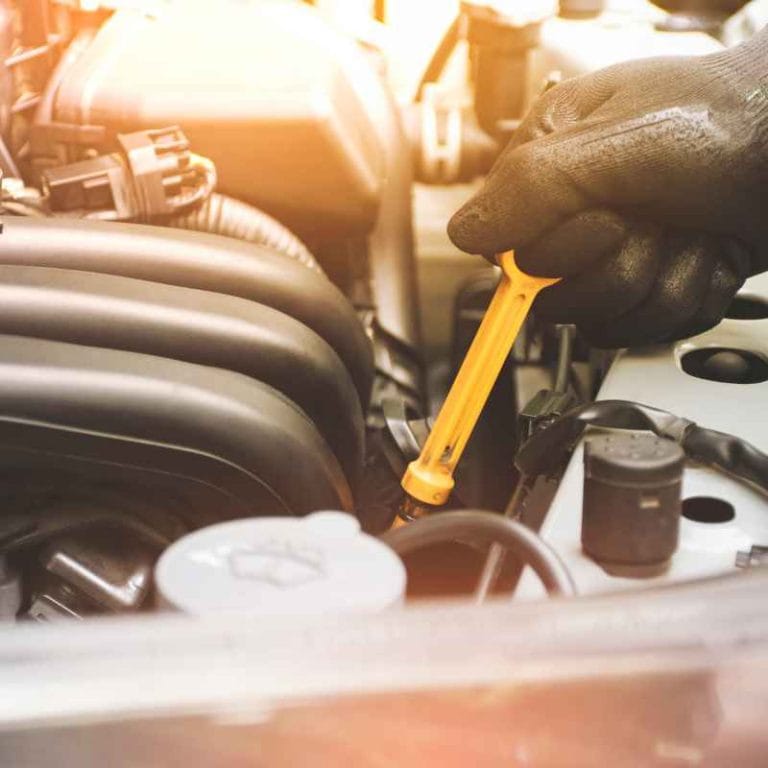
Park your car on a level surface. Turn off the engine and let it cool for a few minutes. Open the hood and find the oil dipstick (it usually has a bright handle).
Pull it out, wipe it clean with a cloth, and then re will be ‘min’ and ‘max’ or ‘add’ and ‘full’ lines.
Are oil changes more expensive for synthetic oil?
Yes, synthetic oil itself is more expensive than conventional oil. The labor cost for an oil change is often similar, but the higher price of synthetic oil means the total cost will be higher. However, the longer interval between changes with synthetic oil can sometimes make it cost-effective over time, especially for newer cars designed for it.
Conclusion: Your Car’s Best Friend is Regular Maintenance
Keeping your car’s engine healthy is all about consistent care. Changing your engine oil is one of the most impactful things you can do. It’s a simple service that prevents costly repairs down the road.
By understanding your car’s needs and your driving habits, you can easily stick to the right schedule. Always trust your owner’s manual first. Your car works hard for you.
Giving it a regular oil change is a small act of kindness that pays off in miles and years of reliable service.
Products related to this article
Sponsored / affiliate links. As an Amazon Associate I earn from qualifying purchases. I may earn additional commission from eligible campaigns.
 ECOGARD X10023 Cartridge Engine Oil Filter for Conventional Oil - Premium Replacement | Fits 2018-2023 Volkswagen Atlas 3.6L; 2020-2023 Atlas Cross Sport 3.6L
 ECOGARD X10040 Cartridge Engine Oil Filter for Conventional Oil - Premium Replacement | Fits 2011-2026 Jeep Grand Cherokee, Dodge Durango 3.6L; 2012-2026 Wrangler 3.6L; 2014-2022 Cherokee 3.2L