Can Engine Oil Cause A Car To Overheat? Here’S The Truth
We’ve all been there, right? That moment of unease when a warning light blinks or the needle nudges past the safe zone. It makes you wonder about the complex parts under the hood.
Let’s dive into this topic. We’ll break down how engine oil plays a role in your car’s temperature. We’ll explore the truth in a way that makes sense.
You’ll learn why it matters and what to look out for.
The primary role of engine oil is to lubricate moving parts, reduce friction, and carry away heat. If the oil level is too low or the oil is old and degraded, it cannot perform these functions effectively. This leads to increased friction, which generates more heat. Without adequate lubrication and cooling, the engine’s temperature rises, potentially causing it to overheat.
What Engine Oil Does for Your Car’s Temperature
Your car’s engine is a busy place. Lots of metal parts move very fast. This creates a lot of heat.

Lucas Oil
Lucas Oil 10016 Complete Engine Treatment -…
- Cleans and lubricates the entire fuel system from the tank to injectors
- Removes harmful deposits on intake valves and cylinder heads
- Lubricates the upper cylinder walls as well as the compression rings and oil rings
As an Amazon Associate I earn from qualifying purchases.
Think of it like a tiny, powerful furnace inside your car. This heat needs to go somewhere. That’s where engine oil comes in.
It’s not just about making things slide smoothly. It’s also a major part of your car’s cooling system.
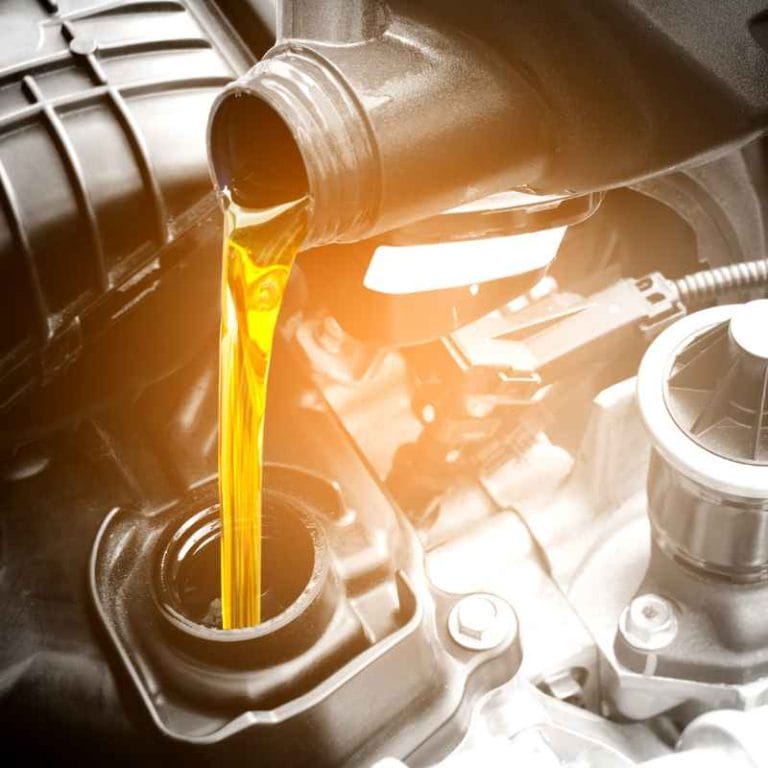
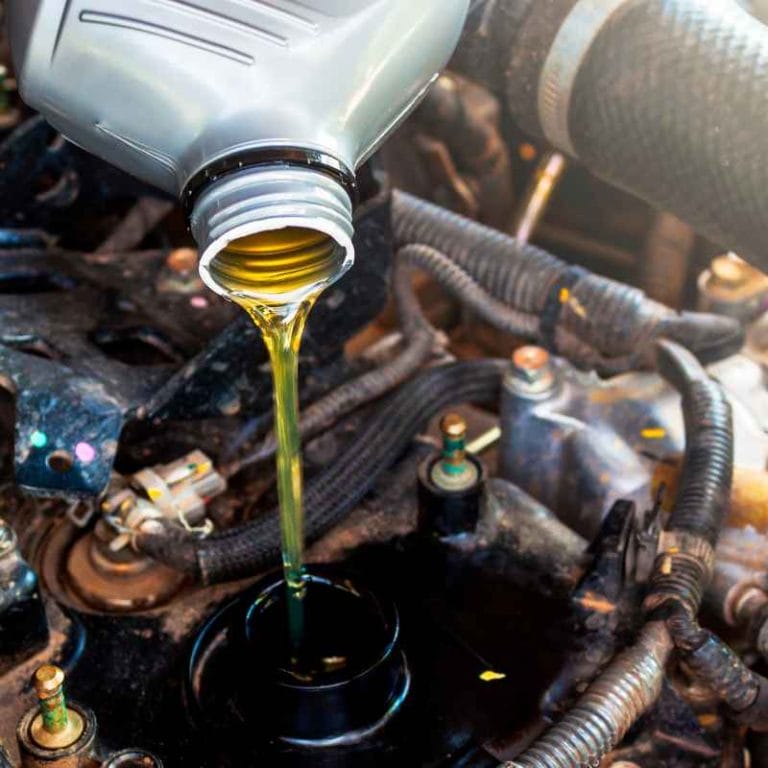
Oil flows everywhere. It gets into all the tiny spaces between engine parts. As it flows, it picks up heat.
This heat is then carried away. It goes to the oil pan at the bottom of the engine. From there, the air flowing around the car helps cool the oil.
This cycle keeps everything at a safe temperature. It’s a constant process happening every time your engine runs.
Why Low Engine Oil Causes Overheating
Imagine trying to run a marathon with barely any water. You’d get tired and hot very quickly. Your car’s engine is similar.
If the engine oil level is too low, it can’t do its job properly. There simply isn’t enough oil to go around. This means some parts of the engine won’t get the oil they need.
When parts don’t get enough oil, they start to rub against each other. This is called friction. Friction creates a lot of heat.
It’s like rubbing your hands together fast. They get warm, right? In an engine, this friction gets much hotter.
This extra heat has nowhere to go. The oil that is there is spread too thin. It can’t carry away all the heat being made.
Think about the oil pump. It needs a certain amount of oil to work. If the level is too low, the pump might suck in air.
This stops it from circulating oil effectively. This means the engine gets even less lubrication and cooling. That’s when the temperature gauge starts to climb.
This can lead to serious engine damage if not fixed quickly.
Signs of Low Engine Oil
Warning Light: A red oil can symbol often appears on your dashboard. Don’t ignore this!
Engine Noise: You might hear knocking or ticking sounds. This means parts are rubbing.
Slower Performance: The car might feel sluggish or less powerful.
Dark or Dirty Oil: Old or contaminated oil is less effective.
The Role of Old or Dirty Oil
It’s not just about how much oil you have. It’s also about the condition of that oil. Over time, engine oil breaks down.
It gets dirty. It picks up tiny bits of metal from the engine. It also collects gunk and carbon.
This makes the oil less effective at its jobs.
Old oil loses its ability to lubricate. The molecules that make it slippery start to break apart. This means more friction.
Old oil also becomes less able to hold onto heat. It can’t carry it away as well. Instead of cooling the engine, it might even add to the problem.
Dirty oil is like trying to drink through a straw filled with sand. The oil can’t flow smoothly. It can get thicker.
This makes it hard for the oil pump to push it through the engine. Blocked oil passages mean some parts get starved of oil. This leads to friction and heat.
It’s a double whammy for your engine.
This is why regular oil changes are so important. Mechanics have recommended schedules. Following these keeps your oil fresh and clean.
It ensures your engine stays protected and cool. Most car manuals list the oil type and change intervals. Checking this is a simple step for a healthy engine.
Why Oil Changes Matter
Lubrication: Fresh oil keeps parts moving smoothly.
Cooling: It carries heat away from hot engine parts.
Cleaning: It picks up dirt and debris.
Protection: It prevents corrosion and wear.
How Oil Helps Cool the Engine
We often think of the radiator as the main cooling part. But the oil system is a vital partner. The engine oil acts like a secondary cooling fluid.
It circulates through hot areas. It absorbs heat from places the coolant might not reach easily. These are often the high-friction zones.
When oil gets hot, it travels to the oil pan. The oil pan is usually at the bottom of the engine. Air flows around the car as you drive.
This airflow helps cool the oil in the pan. Some cars also have an oil cooler. This is a small radiator just for the oil.
It helps cool it down even faster.
This constant circulation and cooling are crucial. It prevents hot spots from forming. Hot spots can cause serious damage to engine components.
They can even warp metal parts. A healthy oil system means the engine can run at its optimal temperature. This makes it run more efficiently and last longer.
Friction and Heat: The Vicious Cycle
When oil levels are low, or the oil is old, the lubrication suffers. This leads to increased friction between metal parts. Think of pistons moving in cylinders.
Normally, a thin film of oil separates them. This prevents metal-on-metal contact.
If there’s not enough oil, or it’s too thick and sticky, this film breaks. The parts grind against each other. This grinding generates intense heat.
This heat then makes the oil that is present even hotter and thinner. It loses its lubricating ability faster. The friction increases more.
This creates a vicious cycle. More friction means more heat. More heat breaks down the oil faster.
The oil breaks down faster, leading to more friction. It’s a downward spiral for your engine. If this continues, parts can seize up.
This is a very expensive repair. It can even mean a completely ruined engine.
My Own Experience: A Close Call with Oil
I remember one summer a few years back. It was a really hot day. I was driving my old sedan on a long road trip.
I had been so focused on making good time. I barely checked anything before I left. About three hours in, the temperature gauge started inching up.
It was moving faster than I liked.
At first, I thought maybe the coolant was low. Or perhaps a fan wasn’t working. But the gauge kept climbing.
I started to get a knot in my stomach. I pulled over to a rest stop. I turned off the engine.
I waited a bit. When I popped the hood, I could feel the heat radiating off everything. I checked the coolant.
It looked fine.
Then I remembered the oil. I hadn’t checked it in a while. I found the dipstick.
I pulled it out. It was dry. Not a drop of oil was on the end.
My blood ran cold. I had been driving for hours with almost no oil. That explains the heat.
The engine was screaming for lubrication. It was a terrifying moment.
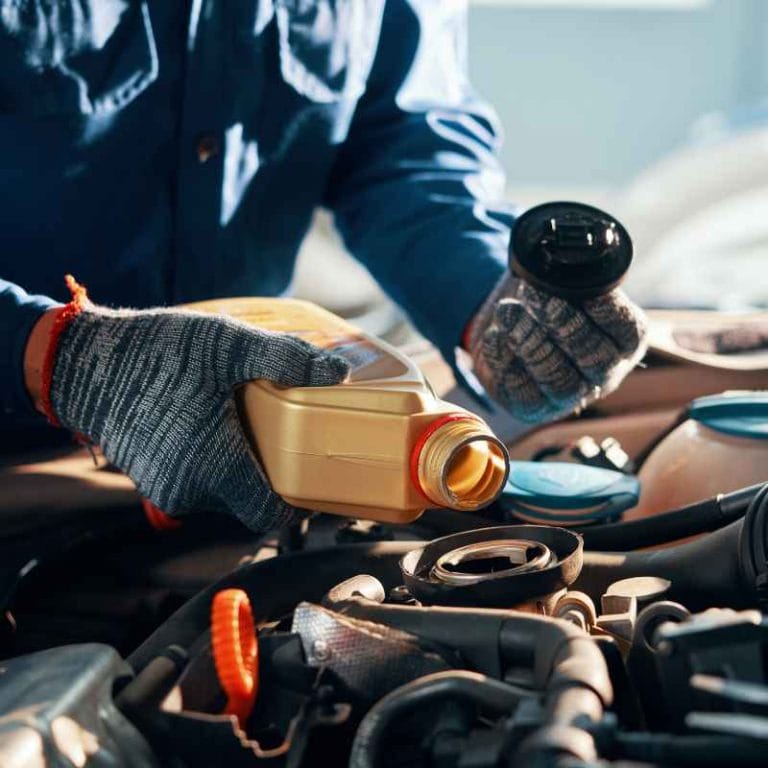
Luckily, there was a gas station nearby. I bought a few quarts of oil. I carefully added it.
I waited a few minutes. Then I started the engine again. The temperature gauge slowly started to drop back to normal.
It was such a relief. That experience taught me a huge lesson. Never neglect your oil.
It’s the lifeblood of your engine. And it’s directly tied to temperature.
When Oil Issues Mimic Other Problems
Sometimes, the symptoms of low or bad oil can look like other issues. This is where it gets tricky. An overheating engine is a common problem.
But the cause isn’t always obvious. If your car is overheating, it’s important to think about all the possibilities.
For instance, a faulty thermostat can make your engine run hot. A clogged radiator can do the same. A broken water pump is another culprit.
Even a blown head gasket can cause overheating. These are all serious issues. But so is a lack of oil.
Or oil that has lost its power.
If you notice your car overheating, don’t just assume it’s one specific thing. Do a quick check of the basics first. The oil level is one of the easiest things to check.
It can save you a lot of time and money. And prevent a lot of headaches.
Troubleshooting Overheating: What to Check First
Engine Oil Level: Is it within the safe marks on the dipstick?
Coolant Level: Is the reservoir full when the engine is cool?
Radiator Fan: Does it turn on when the engine gets hot?
Leaks: Look for puddles of oil or coolant under the car.
The Science Behind Oil Degradation
Engine oil is a complex blend of base oils and additives. These additives help with things like cleaning, anti-wear, and reducing foam. But over time and with exposure to high heat and pressure, these components break down.
Oxidation: Heat and air react with the oil. This creates acids. These acids can corrode engine parts.
It also makes the oil thicker. Thermal Breakdown: Very high temperatures can actually break the oil molecules apart. This reduces its viscosity (thickness).
Thinner oil doesn’t lubricate as well. Contamination: Fuel, water, and combustion byproducts get into the oil. These contaminants can form sludge.
Sludge can clog oil passages. Additive Depletion: The special chemicals in the oil wear out. They can no longer perform their protective functions effectively.
When oil is degraded, its ability to manage heat is severely compromised. It can no longer carry heat away from critical engine components as efficiently. This means those parts get hotter.
And the cycle of overheating begins. Clean, fresh oil is vital for optimal engine function and temperature control.
Real-World Scenarios: When Oil Becomes a Problem
Let’s look at some common times when oil might cause overheating.
Scenario 1: The Neglected Commuter Car
Situation: Someone drives the same car for years. They skip oil changes for a long time. Maybe they just top it off when the light comes on.
Why it Overheats: The oil is old, thick, and full of gunk. It can’t flow well. It can’t pick up heat.
The engine gets too hot.
Scenario 2: The Leaky Oil Pan
Situation: A car has a slow oil leak. It might be from a worn gasket or a tiny crack. The owner doesn’t notice or fix it.
Why it Overheats: The oil level drops over time. The car runs on less and less oil. Eventually, it’s too low to lubricate properly.
Friction and heat increase.
Scenario 3: Heavy Towing or Extreme Conditions
Situation: A car is used to tow a heavy trailer. Or it’s driven in very hot weather with lots of stop-and-go traffic. Why it Overheats: The engine is working much harder.
This creates more heat than normal. The oil system is put under more stress. If the oil is not in top condition, or the level is borderline, it can’t keep up.
Overheating is more likely.
What This Means for You: Normal vs. Concerning
It’s good to know what’s normal for your car. Most cars have a temperature gauge. It usually sits in the middle of the range.
That’s the “normal” zone. A slight fluctuation is okay. Especially when going uphill or in hot weather.
When should you worry? If the needle climbs steadily into the red zone. Or if it stays there.
If a warning light comes on related to temperature or oil pressure. These are signs something is wrong. Don’t ignore them.
Pull over safely if you can.
For oil-related overheating, here are simple checks:
- Check the dipstick: Is the oil level correct? Is it dark and thick?
- Look for leaks: Are there oil spots under your car?
- Listen for sounds: Are there unusual knocking or grinding noises from the engine?
If you find any of these issues, it’s time to get professional help. Continuing to drive with low oil can cause severe engine damage.
Quick Fixes and Tips for Maintaining Your Oil
While I can’t give specific repair advice, I can share general tips. These help maintain your engine oil.
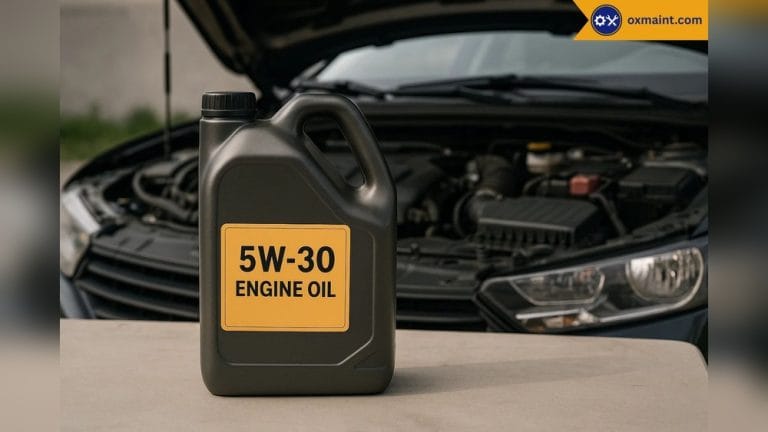
- Regular Oil Changes: Follow your car’s maintenance schedule. This is the single most important thing you can do. Use the correct type and viscosity of oil.
- Check Oil Level Often: Make it a habit. Check it weekly or before long trips. It only takes a minute.
- Inspect for Leaks: Look under your car after it’s been parked. Small drips can become big problems.
- Pay Attention to Your Dashboard: Warning lights are there for a reason. Don’t dismiss them.
- Listen to Your Engine: Unusual noises can indicate problems.
- Use Quality Oil Filters: A good filter keeps the oil cleaner for longer.
These simple steps can prevent many oil-related issues. They help your engine run cooler and last longer.
Frequent Questions About Engine Oil and Overheating
Can I drive my car if the oil light is on and it’s overheating?
No, you should not drive your car if the oil light is on and the engine is overheating. This is a critical warning sign. Driving under these conditions can cause severe and permanent engine damage.
Pull over safely as soon as possible and turn off the engine.
How often should I check my engine oil level?
It’s a good practice to check your engine oil level at least once a month. Many car owners prefer to check it every time they fill up with gas. For long trips, checking it before you leave is also wise.
Regular checks help catch low oil levels before they cause serious issues.
What is the difference between synthetic and conventional oil regarding overheating?
Synthetic oil generally offers better protection against high temperatures than conventional oil. It resists breaking down and oxidizing at extreme heat. This means it can maintain its lubricating properties for longer.
If your car runs hot or you drive in harsh conditions, synthetic oil can provide better cooling and protection.
Can just adding oil fix an overheating problem caused by low oil?
Adding oil can fix an overheating problem if the sole cause was a low oil level and the engine hasn’t suffered permanent damage yet. If the engine has been running hot for a while, there might already be damage. It’s always best to check the oil level and condition regularly.
What temperature is too hot for an engine?
Most car engines operate efficiently between 195°F and 220°F (90°C to 104°C). If your temperature gauge enters the red zone, or your car’s warning light comes on, it’s likely too hot. Typically, anything above 230°F (110°C) is considered dangerously hot and can lead to damage.
If my car overheats, should I add coolant or oil first?
If your car is overheating, it’s important to determine the cause. If your oil level is critically low, it needs immediate attention by adding oil. If your coolant is low, it also needs to be topped up.
Often, overheating involves both systems or other components. A mechanic can properly diagnose the issue.
Conclusion: Oil is Key to a Cool Engine
So, yes, engine oil can absolutely contribute to a car overheating. It’s not always the main player, but its condition and level are vital. Low or old oil means more friction, less lubrication, and poor heat transfer.
This all adds up to a hotter engine.
Taking care of your oil is one of the simplest, most effective ways to protect your engine. It keeps it running smoothly and at the right temperature. Make it a priority, and your car will thank you for it.
Related pick: Check today's price on Amazon