How To Know When Car Tyres Need Replacing
Figuring out how do you know when car tyres need replacing can feel tricky at first. It’s easy to put off checking, especially if you’re new to driving or car maintenance. You might wonder if they still look okay or if a little wear is normal.
Don’t worry, it’s not as hard as it seems! We’ll walk through it step by step. Let’s look at the simple signs to watch for.
Checking Tyre Tread Depth
How Do You Know When Car Tyres Need Replacing
This section is all about the most important sign that your car tyres are getting old. Tyre tread is what grips the road, helping you steer, stop, and stay safe. When the tread wears down, your car can slip, especially in wet weather.

Antego Tire & Wheel
Antego 18x8.50-12 Flat Free Golf Cart Tire…
- Set of 4 Tire & Wheel Assemblies: Includes four Antego branded 18x8.50-12 flat free golf cart tire and wheel assemblies. These com…
- Flat Free Golf Cart Tire Design: Built to help eliminate flat tires, air pressure checks, tubes, and puncture-related downtime. Th…
- 18x8.50-12 Golf Cart Size: Designed for carts that use 18x8.50-12, 18x8.5-12, or 18x8.50x12 tires. This low-profile 18-inch tire o…
As an Amazon Associate I earn from qualifying purchases.
We’ll cover how to check this easily and what the numbers mean. Keeping your tread healthy is key to safe driving.
What is Tyre Tread and Why It Matters
Tyre tread is the patterned surface on the outside of your tyres. These grooves and blocks are not just for looks; they are vital for safety. They channel water away from under the tyre, preventing aquaplaning.
They also provide the grip needed to accelerate, brake effectively, and corner without skidding.
When your tyres lose tread depth, their ability to grip the road is reduced. This means longer braking distances, especially on wet roads. It also makes your car harder to control, increasing the risk of accidents.
Think of it like wearing smooth-soled shoes on a slippery floor – it’s easy to fall.
How to Measure Tyre Tread Depth
You can check your tyre tread depth yourself with a few simple tools. The easiest way is using a tread depth gauge, which is a small, inexpensive tool you can buy at auto parts stores. You can also use a ruler or even a coin.
To use a tread depth gauge, simply insert the probe into one of the main grooves of the tyre tread. Push it down until it stops, and then read the measurement on the gauge. Most gauges will give you a reading in millimeters or fractions of an inch.
If you don’t have a gauge, a coin can work. For example, in the US, you can use a quarter. Insert the coin into the deepest part of a tread groove with Washington’s head facing you.
If you can see the top of Washington’s head, your tread is likely too low. In the UK, a 20 pence coin can be used similarly; if you can see the outer rim of the coin when inserted into the tread, it’s time for new tyres.
Legal Tread Depth Limits
Most countries have legal minimums for tyre tread depth to ensure road safety. In many places, this minimum is 1.6 millimeters (about 2/32nds of an inch). However, some safety experts recommend changing tyres before they reach this limit, especially if you drive in areas with frequent rain or snow.
Driving with tread below the legal limit can result in fines if you are stopped by the police. More importantly, it significantly compromises your safety and the safety of others on the road. Always aim to replace your tyres well before they reach the absolute minimum.
Signs of Tyre Damage and Wear
Tyre Wear Patterns Indicate When to Replace
Besides the overall tread depth, how your tyres wear down can tell you a lot. Different wear patterns can signal problems with your car’s alignment or suspension. They also indicate if your tyres are ready for a change.
Looking closely at the wear is just as important as measuring the depth.
Uneven Tyre Wear
Tyres should wear down evenly across the tread surface. If you notice that one side of the tyre is more worn than the other, or if there are bald patches in specific areas, this is a sign of uneven wear. This can happen for several reasons.
One common cause is improper wheel alignment. If your wheels are not pointed straight, they can drag or scrub against the road, causing one edge of the tyre to wear out faster. Another cause is unbalanced tyres.
When tyres are unbalanced, they can bounce or vibrate while you drive, leading to uneven wear patterns.
Worn suspension parts, like ball joints or bushings, can also lead to uneven tyre wear. These parts help keep your wheels stable and aligned. If they are worn out, they can allow the wheel to move in ways it shouldn’t, affecting how the tyre contacts the road.
Feathering and Cupping
Feathering is when the tread blocks on the tyre are worn down on one edge, creating a “feather” effect. This often happens with toe alignment issues, where the wheels are angled inward or outward too much.
Cupping, also known as scalloping, is characterized by dips or scoops that appear in the tread. This pattern is often caused by wheel imbalance or worn suspension components. Both feathering and cupping are clear indicators that something is wrong and that your tyres might need replacing sooner than expected.
Cracks and Cuts in the Tyre Sidewall
The sidewall of a tyre is the part between the tread and the wheel rim. This area is flexible and contains cords that provide structural support. Damage to the sidewall can be very serious.
Look for any cracks, cuts, or bulges on the sidewalls of your tyres. Cracks can form over time due to age, exposure to sunlight and ozone, or if the tyre is run with low air pressure. Cuts can happen from hitting curbs or road debris.
Bulges are particularly dangerous as they indicate internal damage and a potential for the tyre to burst.
Any visible cracks, deep cuts, or bulges on the sidewall are a strong signal that the tyre is compromised and needs immediate replacement. These are not issues that can be repaired. A damaged sidewall can lead to a sudden tyre failure, which is extremely dangerous.
Punctures and Leaks
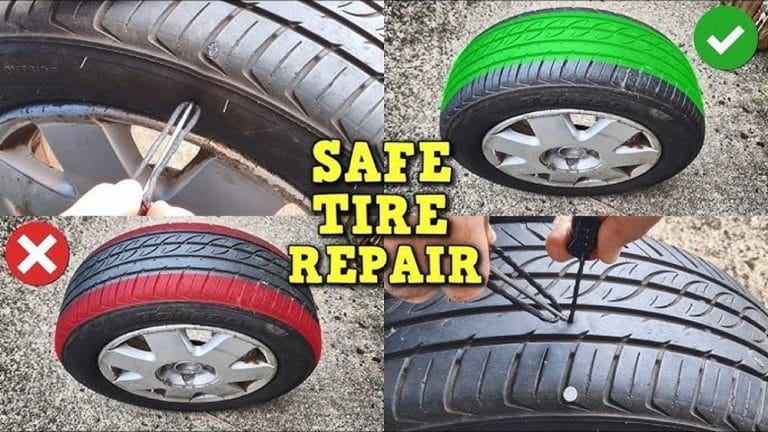
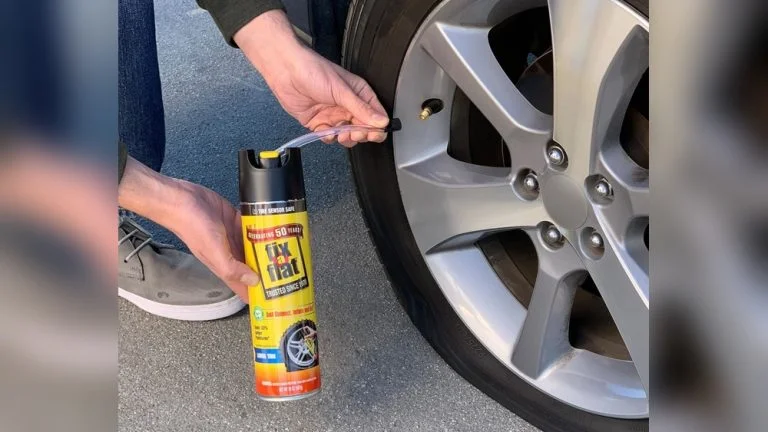
If your tyre frequently loses air pressure, even after being repaired, it might be time to replace it. Small punctures can often be patched, but repeated leaks or damage to the sidewall are more serious.
Sometimes, a puncture might be too close to the sidewall to be safely repaired. Also, if a tyre has been driven on for an extended period with very low air pressure, the internal structure can be damaged, making it unsafe to keep using even after a repair.
Age of the Tyres
Tyres degrade over time, even if they have plenty of tread left. The rubber compounds that make up the tyre can become brittle and less flexible with age. This can lead to an increased risk of cracking and reduced performance.
Tyres typically have a manufacturing date code on the sidewall. This is a four-digit number where the first two digits represent the week of the year and the last two digits represent the year. For example, ‘2418’ means the tyre was made in the 24th week of 2018.
While there’s no strict rule, many manufacturers and safety organizations recommend replacing tyres that are six years old or older, and definitely by ten years old, regardless of tread depth. The rubber simply loses its integrity over time.
Understanding Tyre Age Codes and Material Degradation
When Do Car Tyres Need Replacing Due to Age
This section delves into the unseen enemy of tyres: time. You might think a tyre is good as long as the tread is visible, but the rubber itself ages. We’ll explain what those codes on your tyre mean and why age matters, even if the tyres look fine.
It’s about the material’s ability to do its job safely.
Decoding the Tyre’s Manufacturing Date
Every tyre has a sidewall that contains a lot of information, including its age. Look for a series of letters and numbers that looks like this: DOT
For example, if you see the number ‘3221’, it means the tyre was manufactured in the 32nd week of the year 2021. The first two digits tell you the week of manufacture, and the last two digits tell you the year of manufacture.
Knowing this date is crucial for assessing the age of your tyres. It helps you determine when they were made and, consequently, how old they are. This is especially important when buying used cars or even inspecting tyres that have been on your car for a while.
The Impact of Material Degradation
Tyres are made from a complex mix of natural and synthetic rubbers, carbon black, and other chemicals. These materials are designed to be durable and flexible. However, over time, exposure to elements like sunlight (UV rays), oxygen, heat, and even cold can cause them to degrade.
UV radiation from the sun is a primary culprit in breaking down the rubber. This process, known as oxidation, can make the rubber harder, more brittle, and prone to cracking. Heat accelerates this degradation process, which is why tyres parked in direct sunlight for long periods might age faster.
As the rubber degrades, the tyre’s ability to grip the road, absorb impacts, and maintain its shape diminishes. This means that even a tyre with seemingly good tread depth might not perform as well as a newer tyre, especially under demanding conditions like braking or cornering.
When Age Becomes a Safety Concern
While tread wear is often the most obvious indicator for tyre replacement, age is a critical, often overlooked, factor. Many automotive experts and tyre manufacturers suggest that tyres should be inspected thoroughly after five years of service and replaced by the time they are ten years old, regardless of their tread condition.
If you live in a hot climate or park your car in the sun frequently, the degradation process can be accelerated. This means you might need to consider replacement even sooner than the general ten-year guideline. Always check for any signs of cracking or hardening on the sidewalls, as these are clear indications of age-related wear.
For drivers who put a lot of miles on their car, tread wear will likely be the primary reason for replacement before age becomes a major issue. However, for cars that are driven infrequently, or those parked for extended periods, age-related degradation is a significant safety concern that should not be ignored.
Practical Tips for Tyre Maintenance
Maintaining Your Tyres to Extend Their Life
Now that you know how do you know when car tyres need replacing, let’s talk about how to keep them in good shape for as long as possible. Proper maintenance is key to safety and can save you money by making your tyres last longer. We’ll go over simple checks and habits that make a big difference.
Regular Air Pressure Checks
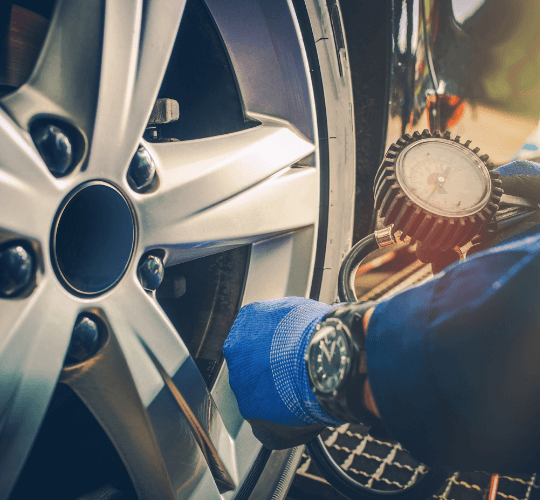
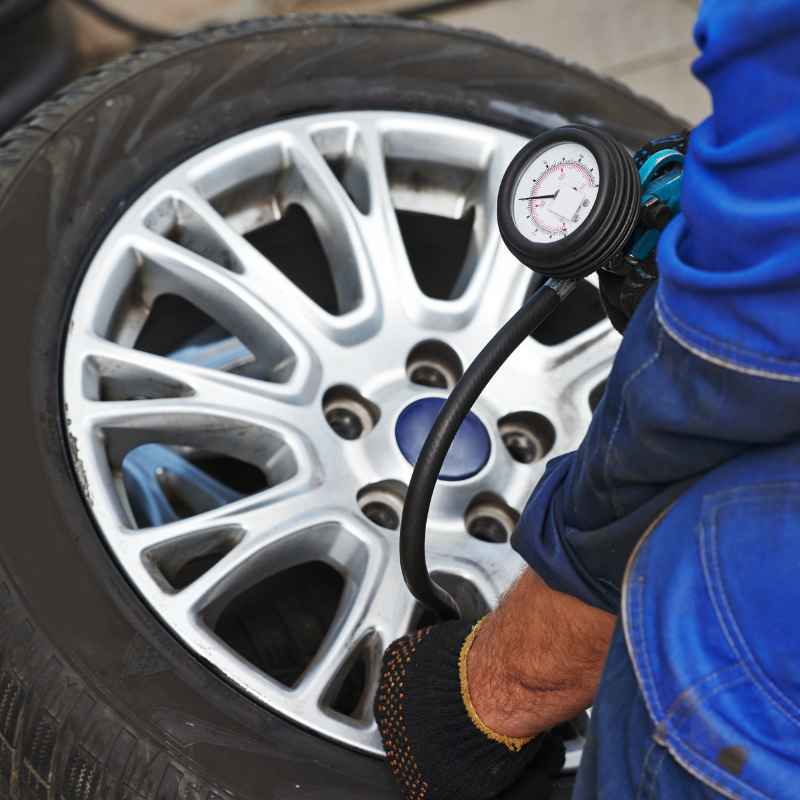
Ensuring your tyres are inflated to the correct pressure is one of the easiest and most important maintenance tasks. Under-inflated tyres can overheat, leading to blowouts, and they wear out faster on the edges. Over-inflated tyres can lead to a harsher ride and wear out faster in the center of the tread.
You can find the recommended tyre pressure for your vehicle on a sticker located on the driver’s side doorjamb or in your car’s owner’s manual. It’s usually listed in PSI (pounds per square inch). Check your tyre pressure at least once a month, and also before long trips.
It’s best to check tyre pressure when the tyres are cold, meaning the car hasn’t been driven for at least three hours. Heat from driving can increase the pressure inside the tyre, giving you an inaccurate reading. A simple tyre pressure gauge is an inexpensive tool to keep in your glove box.
Tyre Rotation Schedule
Rotating your tyres means moving them from one position on the car to another. This helps them wear down more evenly. If you have front-wheel drive, the front tyres tend to wear faster than the rear ones due to steering and braking forces.
Rotating them helps balance this out.
A common recommendation is to rotate your tyres every 5,000 to 7,500 miles (8,000 to 12,000 kilometers). However, your car’s owner’s manual will have the most accurate recommendation for your specific vehicle.
There are different patterns for tyre rotation depending on whether your car has front-wheel drive, rear-wheel drive, or all-wheel drive, and whether your tyres are directional or non-directional. A mechanic can perform this for you, or if you’re comfortable with car maintenance, you can do it yourself.
Wheel Alignment and Balancing
As mentioned earlier, improper wheel alignment and unbalanced tyres can cause uneven wear and reduce tyre life. It’s a good idea to have your wheel alignment checked periodically, especially if you notice any signs of uneven wear or if your car pulls to one side.
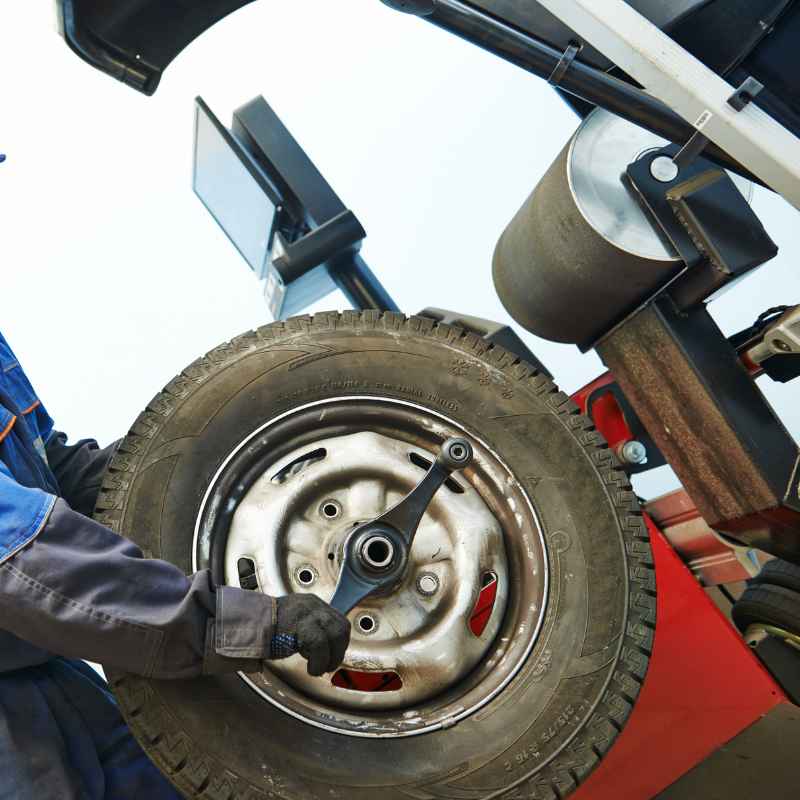
Wheel balancing involves adding small weights to the wheel to counteract any heavy spots. This ensures the tyre and wheel assembly spins smoothly and evenly. You might notice vibrations in the steering wheel or the car at certain speeds if your wheels are out of balance.
Most tyre shops recommend balancing tyres when they are installed and during rotations. Some manufacturers suggest checking alignment every 10,000 to 15,000 miles or if you hit a pothole or curb.
Driving Habits
How you drive can significantly impact how long your tyres last. Aggressive driving, such as rapid acceleration, hard braking, and sharp cornering, puts extra stress on your tyres, causing them to wear out faster.
Driving smoothly and avoiding sudden movements will help extend the life of your tyres. Also, be mindful of road conditions. Avoiding potholes, rough surfaces, and debris whenever possible can prevent damage to your tyres and wheels.
Think of your tyres as partners in your driving experience. Gentle handling and considerate driving habits not only make for a more comfortable ride but also contribute to the longevity of your tyres, saving you money and ensuring your safety.
Frequently Asked Questions
Question: What is the most important thing to check on my tyres?
Answer: The most important thing to check is the tread depth. If the tread is worn down, your tyres won’t grip the road well, especially in wet conditions.
Question: How often should I check my tyre pressure?
Answer: You should check your tyre pressure at least once a month, and before any long trips. It’s best to do this when the tyres are cold.
Question: Can I ignore the age of my tyres if they have good tread?
Answer: No, you should not ignore the age. Rubber degrades over time, becoming brittle and prone to cracking, even if the tread looks fine. It’s recommended to replace tyres that are around ten years old.
Question: What does it mean if my tyres wear out unevenly?
Answer: Uneven tyre wear often indicates a problem with your car’s wheel alignment, balance, or suspension. You should have your car checked by a mechanic.
Question: How can I tell when my tyres were made?
Answer: Look for the DOT code on the tyre’s sidewall. The last four digits of this code show the week and year the tyre was manufactured (e.g., 3221 means the 32nd week of 2021).
Summary
Knowing how do you know when car tyres need replacing is about looking for simple signs. Check your tread depth regularly using a coin or gauge. Watch for uneven wear patterns, cracks, or bulges on the sidewalls.
Don’t forget to note the tyre’s age from the DOT code. Regular checks and proper maintenance like correct air pressure and rotations keep you safer. See also best car tire pressure gauge in 2026 top picks reviewed .
Related pick: Check today's price on Amazon
Products related to this article
Sponsored / affiliate links. As an Amazon Associate I earn from qualifying purchases. I may earn additional commission from eligible campaigns.
 ACARLUOY 150 PSI portable car tire air pump -Equipped with a digital pressure gauge, Fit for Toyota RAV4 2009-2011, For Toyota RAV4 tire accessories,tire inflator 12v,150 psi tire pump
 Car Air Compressor Digital Tire Inflator with Auto Stop – Portable Air Compressor w/LED Light, 4 Pressure Units (PSI/BAR/KPA/kg/cm²), 8ft Cord & Needles for Cars, Bikes, Balls