Why Is My Car Losing Engine Oil? Find & Fix The Problem
Engine oil loss in a car can happen from leaks, where oil escapes the engine, or from oil being burned, where it enters the combustion chamber and is expelled through the exhaust. Both issues require investigation to prevent engine damage and ensure safe operation.
Understanding Engine Oil Loss: What’s Really Happening?
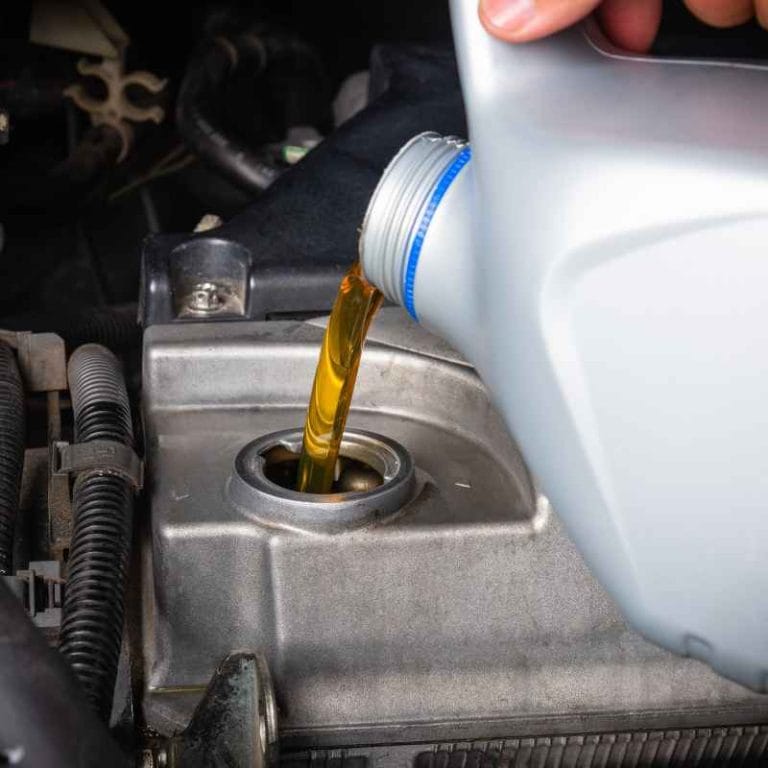
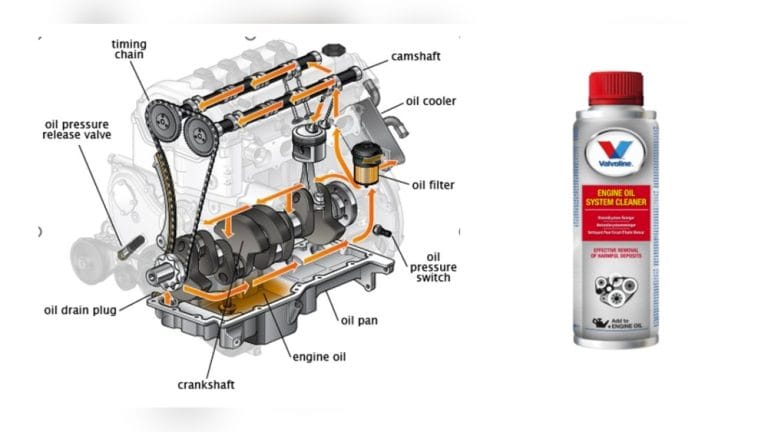
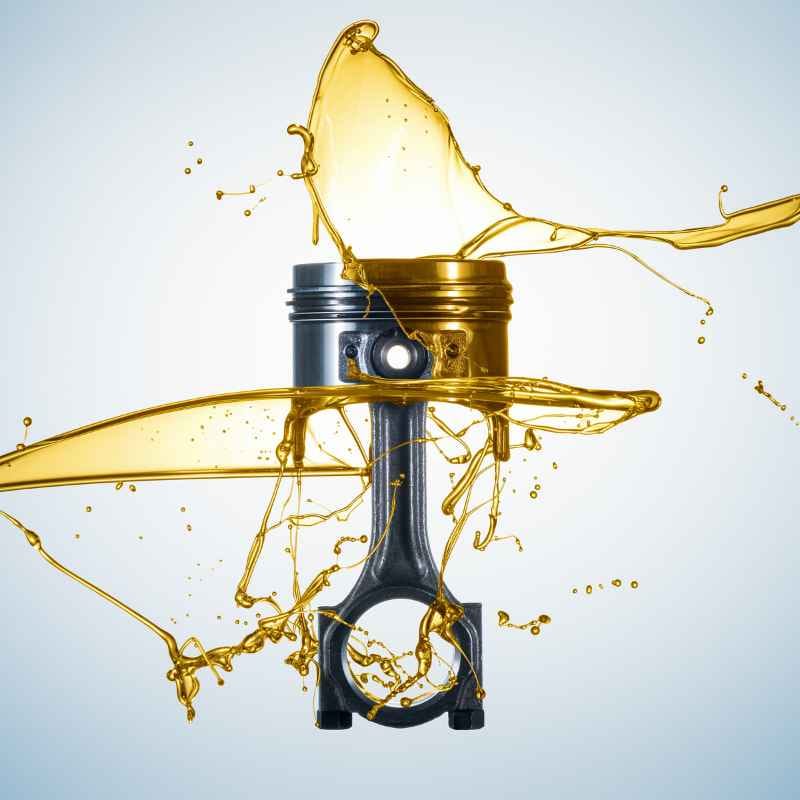
Engine oil does a lot of vital jobs. It lubricates moving parts. This stops them from grinding together. It also cools the engine. It carries away heat. Plus, it cleans out gunk and debris. It even helps seal gaps between parts. So, when oil levels drop, these jobs don’t get done as well. This can lead to wear and tear. It can also cause the engine to overheat.

STP
STP Premium Synthetic Blend 4 Cycle Small…
- SAE 10W-30 MOTOR OIL FOR SMALL ENGINES: One 32 fl oz bottle of STP Premium Synthetic Blend 4 Cycle Small Engine Oil SAE 10W-30, fo…
- FIGHTS THERMAL BREAKDOWN: Antioxidants fight thermal breakdown to enhance oil durability, helping the SAE 10W-30 oil handle high t…
- PREVENTS BUILDUP: Detergents help keep small engine components clean and control carbon deposits, preventing buildup that can affe…
As an Amazon Associate I earn from qualifying purchases.
There are two main ways oil goes missing. One is leaks. Oil finds a way out of the engine. The other is burning oil. Oil gets into the parts where fuel and air burn. Then it comes out the tailpipe as smoke. Knowing the difference helps figure out the problem.
Most cars use a bit of oil over time. This is normal. Manufacturers expect this. But a lot of oil loss is not okay. It can be a simple fix. Or it could be a bigger deal. The key is to spot it early.
My Own Oil Scare: A Small Spot, A Big Worry
I remember one crisp autumn morning. I had parked my trusty sedan in the driveway. The night before had been chilly. I got out to grab my coffee. That’s when I saw it. A small, dark puddle beneath the front of my car. My heart did a little flip. Oil? I had just had my oil changed a few weeks ago. Panic started to set in. Was it serious? Was the engine going to die?
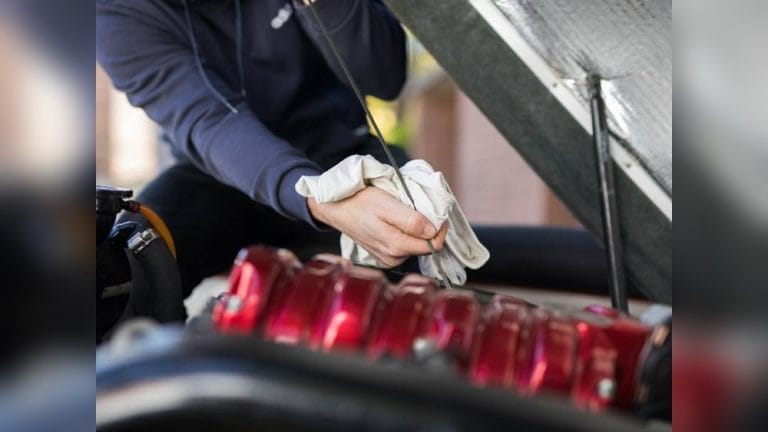
I rushed back inside to grab my owner’s manual. Then I found the dipstick. I pulled it out. The oil level was indeed lower than the full mark. Not critically low, but definitely down. I felt a wave of relief mixed with annoyance. It wasn’t a catastrophic failure, but I still had a leak. The smell of exhaust fumes filled the air as I started the car to check. I thought about all the things that could be wrong. A cracked oil pan? A bad gasket? The possibilities raced through my mind.
That day taught me a lot. It showed me how important it is to just check. Don’t wait for warning lights. A small spot on the ground can tell a big story. It also showed me that sometimes, the answer is simpler than you think. I just needed to follow the clues.
Common Culprits: Where Does the Oil Go?
So, why is oil really vanishing? Let’s break down the most common reasons. Understanding these helps you know what to look for. It also helps you talk to a mechanic if you need to.
Leaky Gaskets and Seals
Engines have many gaskets. These are like seals. They keep oil in its place. Over time, these seals can get old and hard. Heat and pressure make them weak. Then, oil can start to seep out. Common spots are the valve cover gasket or the oil pan gasket. Seals on the crankshaft are also common leak points.
Worn Piston Rings
Piston rings are metal rings inside the engine. They go around the pistons. They seal the gap between the piston and the cylinder wall. This stops oil from getting into the combustion chamber. If these rings wear out, oil can slip past. It then gets burned with the fuel.
Valve Stem Seals
Valves open and close to let air and fuel in. They also let exhaust out. Valve stems go through guides. Seals around these guides keep oil from dripping down. When these seals wear out, oil can leak into the cylinders. This often causes smoke when you start the car.
Cracked Engine Block or Cylinder Head
This is a more serious issue. The engine block and cylinder head are big metal parts. They can develop cracks. This might happen from overheating or damage. If a crack is in an oil passage, oil can leak out. This is often a very visible leak or causes oil to mix with coolant.
Loose or Damaged Oil Filter or Drain Plug
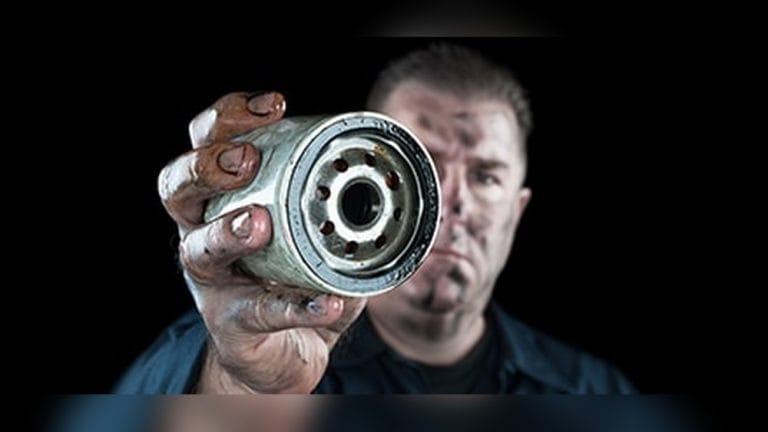
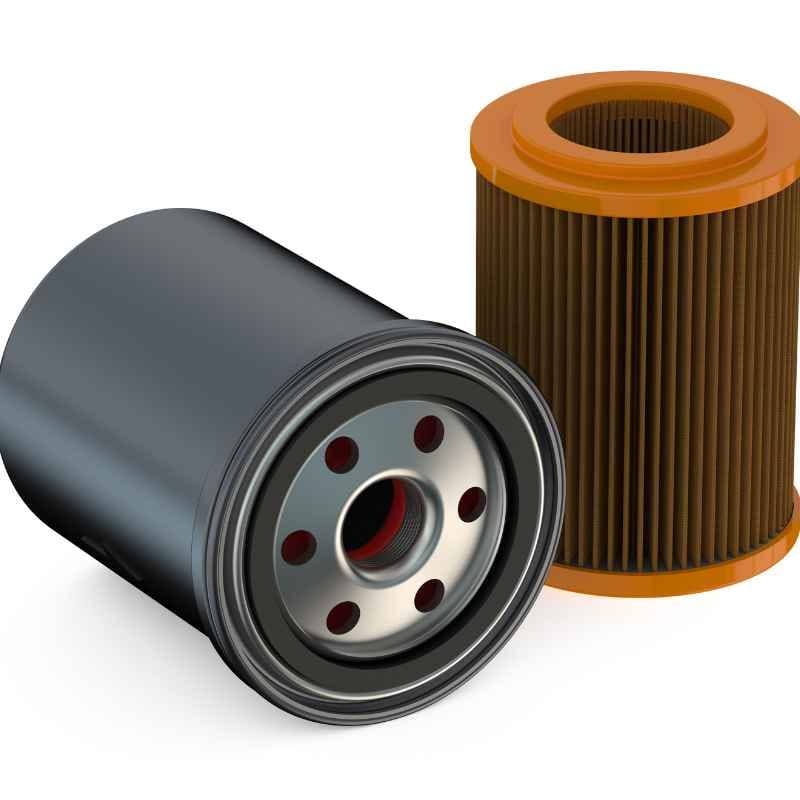
The oil filter cleans the oil. The drain plug lets oil out for changes. If the oil filter isn’t screwed on tight, it can leak. The rubber gasket on the filter might also be bad. The drain plug needs a good washer. If it’s loose or missing, oil will drip from the bottom of the oil pan.
PCV System Issues
The PCV system is the Positive Crankcase Ventilation system. It removes harmful gases from the engine. It sends them back to be burned. If the PCV valve gets clogged, pressure builds up. This pressure can push oil out through seals and gaskets. It’s a common but often overlooked cause of oil loss.
How to Find the Leak: Become a Detective
Finding an oil leak can feel like a treasure hunt. But with a few steps, you can narrow down the search. This makes it easier to fix. Or at least easier to explain to a mechanic.
Step 1: Look for the Puddle
The first clue is often a spot on the ground. Note where the car is parked. Is it always the same spot? Does it happen after the car has been running? Or only after it sits cold?
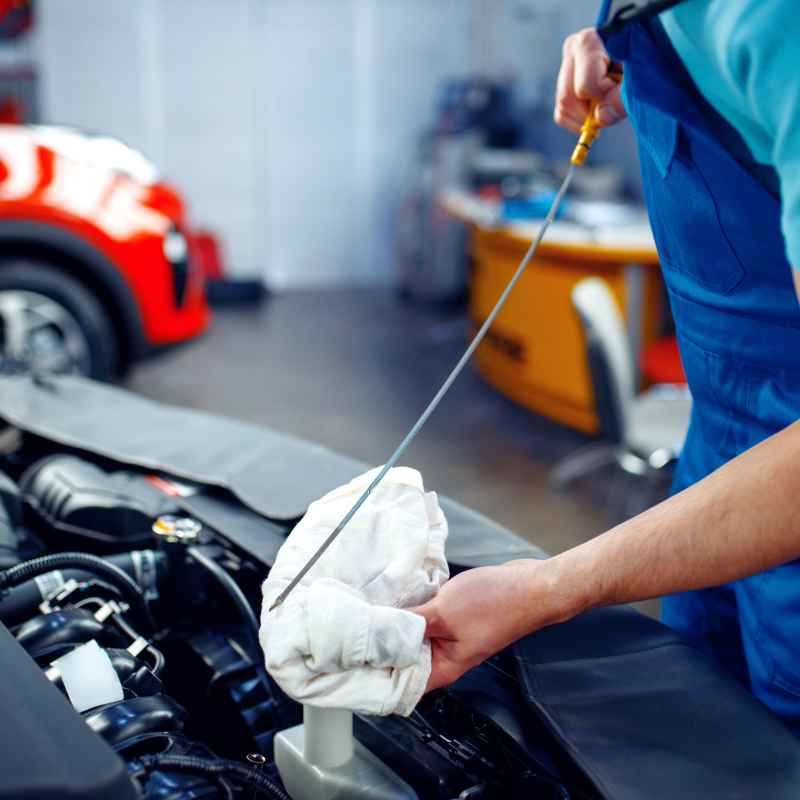
Step 2: Check the Dipstick Regularly
Make checking your oil a habit. Do it at least once a month. Or before a long trip. Write down the date and the oil level. This helps you see if it’s dropping fast or slow.
Step 3: Visual Inspection (When Cool!)
Safety first. Make sure the engine is cool. Open the hood. Look for obvious signs of oil. Check the top of the engine. Look around the oil filter and drain plug. You might see dark, greasy spots. Or even wet drips.
Quick Scan: Top Suspects for Leaks
- Oil Pan: Look underneath the engine. Is it wet?
- Oil Filter: Is it tight? Any oil around its base?
- Valve Covers: These are on top. Check the edges for leaks.
- Crankshaft Seals: Often at the front or back of the engine. Harder to see.
Step 4: Clean Up and Observe
Sometimes, cleaning a greasy spot helps. Use a degreaser. Then run the engine for a few minutes. Turn it off. Look again. You might see a fresh drip forming.
Step 5: Check for Smoke
If you don’t see a leak but the oil is low, it might be burning. Look at the exhaust pipe. Does it puff out blue smoke? Especially when you start the car or accelerate? Blue smoke means oil is burning.
When Oil is Burning: Signs and Causes
Oil burning is different from leaking. It means oil is getting into the combustion chamber. This is where the fuel and air mix and ignite. The oil then burns with the fuel. The result is smoke from your exhaust pipe.
What to Look For:
- Blue Smoke: This is the main sign. If you see blueish smoke coming from your tailpipe, especially when you start your car or speed up, oil is likely burning.
- Oil Smell: You might notice a burning oil smell in the car or outside.
- Fouled Spark Plugs: Oil burning can coat spark plugs. This makes them not work well. The engine might run rough.
- Low Oil Level: If you don’t see leaks but the oil level drops fast, it’s probably burning.
Why It Happens:
As mentioned before, worn piston rings are a big reason. They can’t seal the cylinder anymore. Oil slips by. Worn valve stem seals also let oil drip into the combustion chambers. Sometimes, a worn engine can also cause this. The parts just aren’t as tight as they used to be. The turbocharger, if your car has one, can also fail and leak oil into the intake or exhaust system.
Contrast: Leaking vs. Burning Oil
| Leaking Oil | Burning Oil |
| Visible puddles under the car. | Blue smoke from the exhaust pipe. |
| Grease or oil stains on engine parts. | Oil smell, especially when running. |
| Oil level drops, but no smoke. | Oil level drops quickly, sometimes with no visible leak. |
Real-World Scenarios: When Does This Happen?
Let’s look at some real situations where you might notice oil loss. These are common experiences for many car owners.
Scenario 1: The First Cold Snap
It’s November. The first really cold morning hits. You start your car to go to work. You notice a bit of blue smoke from the tailpipe. It goes away after a minute or two. This often points to valve stem seals. They can be a bit stiff when cold. Oil drips past them into the cylinder. As the engine warms up, the seals expand and seal better.
Scenario 2: Long Highway Drive
You just got back from a long road trip. You check your oil. It’s lower than you expected. You don’t see any puddles under the car. This could mean your engine is burning a little oil. Many engines will consume a small amount of oil over long, hard drives. But if it’s more than a quart over 3,000 miles, it’s worth looking into.
Scenario 3: The Old Beater
You have an older car. It’s got many miles on it. You start to see small drips on your garage floor. They seem to be coming from all over underneath. This is often a sign of multiple aging gaskets and seals. The heat and time have made them brittle. The entire sealing system might be failing.
Scenario 4: After an Oil Change
You just had your oil changed. A day later, you notice a puddle. This is often caused by a mistake during the oil change. The oil drain plug might not be tightened properly. Or the oil filter might not be screwed on all the way. Or the old drain plug washer wasn’t replaced and is now leaking.
What This Means For You: When to Worry
Seeing your oil level drop can be worrying. But not all oil loss is a disaster. It’s important to know when it’s normal and when it’s a sign of a bigger problem.
When It’s Probably Normal
Older cars naturally use a bit more oil. High mileage engines can have more wear. Driving habits matter too. If you do a lot of high-speed driving or towing, your engine works harder. This can increase oil consumption slightly. Also, some engines are just designed to use a little oil over time. Your owner’s manual is the best guide here.
When You Should Get Concerned
A sudden drop in oil level is a red flag. If you see large puddles of oil under your car. If you notice persistent blue smoke from your exhaust. If your engine light comes on, especially if it’s the oil pressure light. If you have to add oil very frequently, like every few days. These are signs you need to act quickly.
Simple Checks You Can Do
- Check oil level: Always start here. Is it below the minimum mark?
- Look for leaks: Inspect the ground under your car. Check engine parts for wet spots.
- Observe exhaust: Is there blue smoke? When does it appear?
- Listen to your engine: Strange noises could mean low oil pressure.
Quick Fixes and Tips for Managing Oil Loss
If you’ve found a minor oil leak or your car just uses a bit of oil, here are some things you can do. These tips can help manage the situation and prevent bigger problems.
Regular Oil Checks
This is the most important step. Make it a habit. Check your oil at least once a month. Check it more often if you know you have a slow leak or your car tends to use oil.
Use the Right Oil
Your car’s manual tells you the correct type and weight of oil. Using the wrong oil can make leaks worse. Some thicker oils might help reduce minor burning in older engines. But always follow your manufacturer’s recommendations first.
Consider Oil Additives (with Caution)
There are additives that claim to help seal minor leaks. They can sometimes swell old rubber seals. Use these with caution and research them well. They are not a fix for major problems.
Address Small Leaks Quickly
If you find a small leak from a gasket or seal, it’s best to get it fixed. Ignoring it means more oil loss and potential damage. A small leak can become a big one.
Maintain Your PCV System
A clogged PCV valve can cause pressure issues. It’s usually a cheap part. Having it checked or replaced as part of regular maintenance can prevent oil leaks.
Frequently Asked Questions About Engine Oil Loss
Why is my car smoking after an oil change?
This can happen if a small amount of oil was spilled on the engine or exhaust system during the change. As the engine heats up, this spilled oil will burn off and create smoke. It usually stops after a short drive. If the smoke is blue and persistent, or if you see a large leak, check that the oil drain plug is tight and the oil filter is properly installed.
Can I drive my car if it’s losing oil?
You can drive if you are keeping the oil level topped up and the oil pressure warning light is NOT on. However, if the oil pressure light comes on, stop driving immediately. Continuous driving with low oil pressure will cause severe engine damage. It’s always best to fix leaks or address oil burning issues promptly.
How much does it cost to fix an oil leak?
The cost varies a lot. A simple fix like tightening a drain plug or replacing an oil filter might be very cheap, maybe $50-$150. Replacing a valve cover gasket might be $200-$500. More complex leaks, like crankshaft seals or internal engine repairs, can cost $500 to over $2,000.
What is the difference between oil leak and burning oil?
An oil leak means oil is escaping the engine and you might see puddles or stains. Burning oil means oil is entering the combustion chamber and is expelled as blue smoke from the exhaust. Both result in the oil level dropping.
Should I use thicker oil to stop a leak?
For very minor leaks in older engines, a slightly thicker oil might help. It can sometimes swell old seals a bit. However, it’s not a reliable fix and can cause other issues. Always use the oil type recommended by your car’s manufacturer. A professional diagnosis is better than guessing with oil types.
How often should I check my car’s engine oil?
It’s best to check your oil at least once a month. If your car is older, known to consume oil, or you’re going on a long trip, check it more often. Many people check it every other time they fill up with gas. Always check when the engine is cool and on a level surface.
Final Thoughts on Keeping Your Engine Happy
Seeing your engine oil level drop is a common concern for car owners. But with careful observation and a bit of detective work, you can often figure out why. Remember to check your oil regularly. Look for leaks or signs of burning oil. Most issues are fixable. Addressing them early saves you money and keeps your car running smoothly for years to come.
See also how many litres of oil does a car engine actually need .
Related pick: Check today's price on Amazon
Products related to this article
Sponsored / affiliate links. As an Amazon Associate I earn from qualifying purchases. I may earn additional commission from eligible campaigns.