How Long Should Car Tires Last? What Experts Say
For most cars, tires should last around 3 to 5 years, or about 50,000 miles. This is a general guide. Many things can change how long your tires actually stay good. It’s important to check them often for wear and any damage.
Understanding Tire Lifespan: More Than Just Miles
The idea of how long car tires should last isn’t a single, simple answer. It’s more like a range, and that range depends on a lot of factors. Think of it like asking how long a pair of shoes should last.
It depends on how much you walk, where you walk, and how well you take care of them.
Your tires are the only part of your car that touches the road. They handle stopping, starting, and turning. They also carry all the weight of your vehicle and its passengers.
Because of this, their condition is super important for your safety. Worn-out tires can make it harder to control your car, especially in wet or slippery conditions. They can also lead to blowouts, which are very dangerous.
So, when we talk about how long tires last, we are really talking about how long they stay safe and effective. This involves looking at both their physical wear and their age. Both can become a problem over time, even if they look okay.
The Key Factors That Influence Tire Life
Let’s break down what really makes a difference in how long your tires will serve you well. It’s a mix of how you use your car, the kind of tires you have, and even the weather.
Tire Wear and Tear: What to Look For
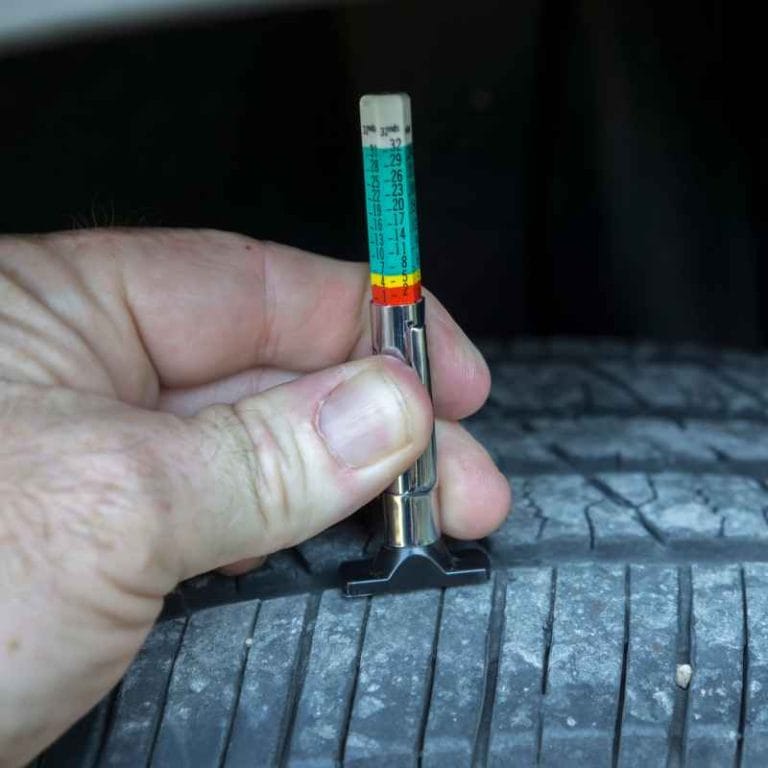
Tread Depth: This is the most obvious sign. Your tire has grooves in it called the tread. This tread grips the road.
As you drive, the tread wears down. Most tires have small bars in the grooves called wear indicators. When the tread is worn down to these bars, the tire is at its minimum safe depth.
You should replace it then. For safety, many recommend replacing tires before they reach this point, especially if you drive in rain or snow.
Even Wear: Tires should wear down evenly across the surface. If one side is more worn than the other, or if there are bald spots, it’s a sign of other issues. This could be with your car’s alignment or tire pressure.
Uneven wear means your tires won’t perform as well and won’t last as long.
Driving Habits Matter
How you drive has a huge impact. Quick stops and fast starts put a lot of stress on your tires. They make the rubber wear down much faster.
Burning rubber or doing “donuts” will destroy tires very quickly. Even taking turns too fast can wear down the edges of your tires unevenly.
Smooth driving is best for tire longevity. Gradual acceleration and braking are kind to your tires. Also, try to avoid rough roads, potholes, and curbs as much as possible.
Hitting a pothole hard can cause damage you might not see right away. This damage can lead to premature tire failure.
Tire Type and Quality
Not all tires are created equal. Some are made for high performance, meaning they grip the road really well. But this often means they are made of softer rubber, which wears out faster.
Other tires are made for longer life and better fuel economy. These might not offer the same level of grip.
When you buy tires, look at the UTQG rating. This stands for Uniform Tire Quality Grading. It has three parts: Treadwear, Traction, and Temperature resistance.
The Treadwear number gives you an idea of how long the tire might last compared to other tires. A higher number usually means longer life. But remember, this is a general guide.
Actual mileage will vary.
Tire Pressure: The Unsung Hero
Keeping your tires properly inflated is one of the easiest and most important things you can do. Underinflated tires flex too much. This causes them to overheat and wear down unevenly, especially on the edges.
Overinflated tires have less contact with the road. This means they wear out faster in the center of the tread.
Check your tire pressure at least once a month. You can find the correct pressure for your car on a sticker in the driver’s side doorjamb or in your owner’s manual. Never use the pressure listed on the tire’s sidewall itself; that’s the maximum pressure the tire can hold, not the recommended pressure for your car.
Wheel Alignment and Balancing
If your car’s wheels are not aligned properly, your tires will wear out much faster and unevenly. Think of it like trying to push a shopping cart with a wobbly wheel. It’s harder to steer and the wheel wears down funny.
Proper alignment means all the wheels are pointed straight and are at the correct angles relative to each other and the road.
Wheel balancing is also crucial. This makes sure the weight of the tire and wheel assembly is spread out evenly. If a wheel is out of balance, it can cause vibrations, which leads to uneven tire wear and can also damage your car’s suspension parts.
You should get your alignment checked if you notice your car pulling to one side or if your tires are wearing unevenly. Balancing is usually done when new tires are mounted or if you feel vibrations.
Environmental Factors
The climate you live in plays a role. Extreme heat can cause rubber to degrade faster. Very cold temperatures can make the rubber harder and more prone to cracking over time.
If you live in an area with lots of salt on the roads in winter, this can also affect tire materials.
Sunlight is also a factor. UV rays can dry out and crack the rubber over many years. Parking your car in a garage or using a car cover can help protect your tires from the sun’s damaging effects when the car is not in use.
The Age Factor: Why Old Tires Can Be Dangerous
Even if your tires have plenty of tread left, they can still become unsafe with age. Rubber is an organic material. Over time, it breaks down.
It loses its flexibility and strength. This process is called degradation.
The process of aging happens slowly. It’s not always visible. But older tires can become brittle.
They are more likely to fail suddenly, like developing a sudden leak or a blowout. This is a risk for anyone.
Most tire manufacturers and safety organizations recommend replacing tires that are 6 years old or older, regardless of tread depth. Some suggest 10 years as an absolute maximum, but 6 years is a safer bet for peace of mind. How do you know how old your tires are?
Look for the DOT code on the sidewall.
Decoding the DOT Code
The DOT code is a series of letters and numbers stamped on the tire’s sidewall. It tells you important information about the tire’s manufacturer and when it was made. The last four digits of the DOT code are the key to its age.
The first two digits represent the week of the year it was manufactured. The last two digits represent the year.
For example, a DOT code ending in ‘2319’ means the tire was made in the 23rd week of 2019. If you see a DOT code with only three digits at the end (like ‘239’), it means the tire was made before the year 2000. Tires made that long ago are definitely past their safe lifespan and should be replaced immediately.
My Own Experience: A Close Call With Old Tires
I learned this lesson the hard way a few years back. I had a sedan that I wasn’t driving much anymore. It was my “weekend car.” The tires looked perfectly fine.
The tread was deep, and I didn’t see any obvious cracks. I figured they had at least another year or two left on them. I was wrong.
I was driving on a quiet highway, heading out of town for a short trip. It was a warm summer day. Suddenly, I heard a loud bang from the rear passenger side of the car.
The car swerved violently. My heart leaped into my throat. I managed to wrestle the car to the shoulder, my hands shaking.
When I got out to check, the tire had completely blown out. It looked like it had just disintegrated. The rubber was brittle and cracked.
It was clear that the tire had failed simply because it was old, even though it had good tread. It was a terrifying experience, and I was incredibly lucky that no one was hurt. It was a stark reminder that age is just as important as tread depth when it comes to tire safety.
When Is It Time for New Tires? A Practical Guide
So, how do you know for sure when it’s time to replace your tires? It’s not just about hitting a specific mileage number. You need to combine a few checks.
Quick Tire Check Checklist
- Tread Depth: Use a penny. Stick it into the deepest part of the tread groove. If you can see the top of Lincoln’s head, your tread is too low. You need about 2/32 of an inch of tread for safe operation.
- Age: Check the DOT code on the sidewall. If your tires are more than 6 years old from the manufacture date, consider replacing them.
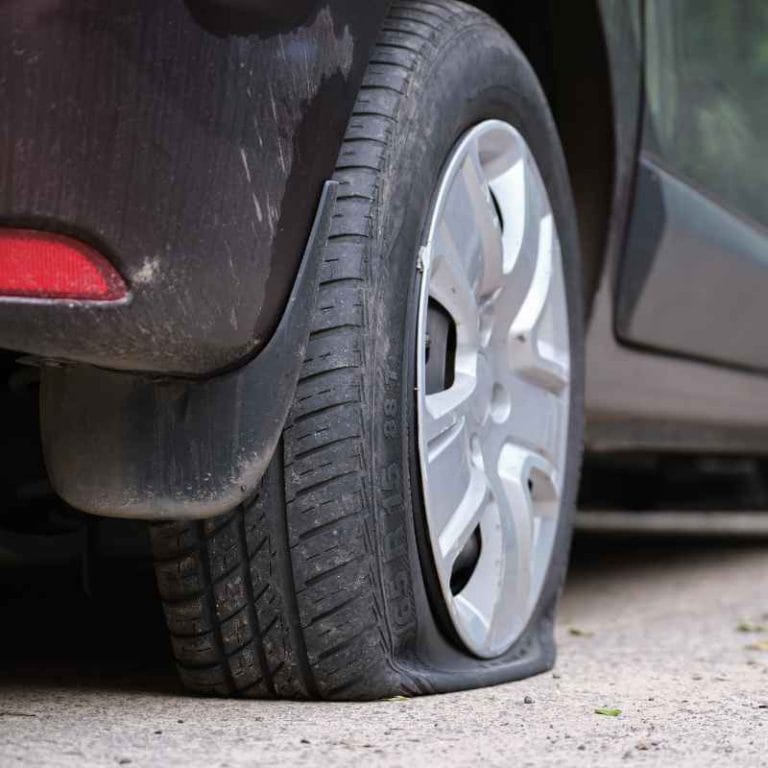
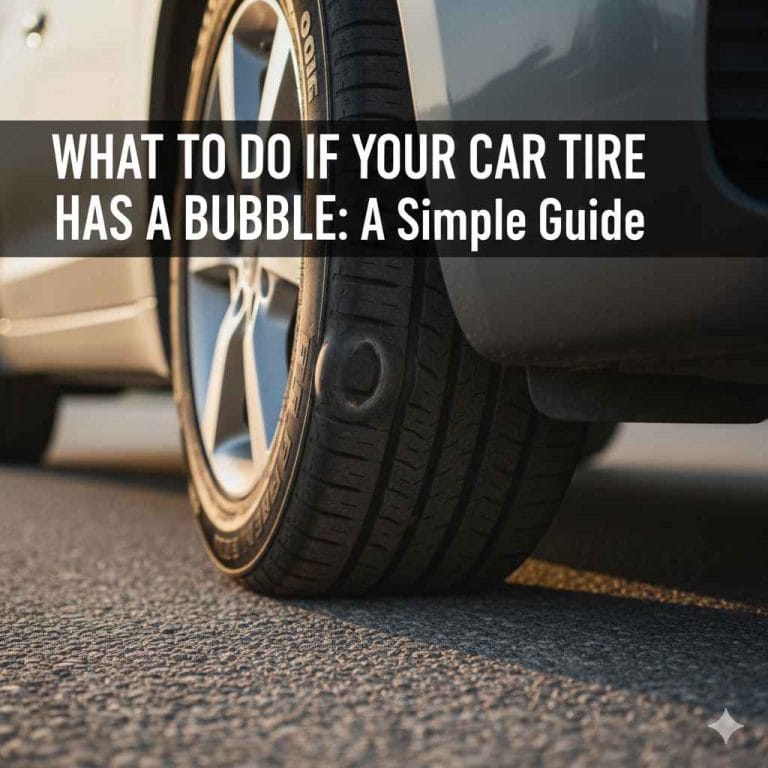
- Visible Damage: Look for cuts, cracks, bulges, blisters, or embedded objects (like nails or screws) in the sidewall or tread. Any of these could mean the tire needs immediate replacement.
- Uneven Wear: If your tires are wearing down much faster on one side than the other, or in the center versus the edges, it signals an underlying problem that needs fixing before you get new tires.
These checks should be part of your regular car maintenance. Doing them monthly is a good habit. It helps you stay ahead of potential problems.
Can You Extend the Life of Your Tires? Yes, You Can!
The good news is that you’re not just a passive victim of tire wear and tear. There are proactive steps you can take. These steps can help your tires last longer and perform better.
Smart Tire Care Tips
- Regular Pressure Checks: As mentioned, do this monthly. Adjust as needed.
- Tire Rotation: Rotate your tires every 5,000 to 7,000 miles. This moves tires from front to back and side to side. This helps them wear down more evenly. Follow your car’s owner manual for the recommended rotation pattern.
- Wheel Alignment and Balancing: Get these checked annually, or if you notice any issues like pulling or vibrations.
- Inspect for Damage: Do a quick visual check every time you fill up your gas tank. Look for anything unusual.
- Avoid Hard Driving: Accelerate and brake smoothly. Take corners at a safe speed.
- Proper Storage (if applicable): If you switch to seasonal tires, store the off-season set in a cool, dry place away from direct sunlight and chemicals.
These simple steps can add thousands of miles to your tires’ life. They also contribute to a safer, more comfortable ride.
Understanding Tire Warranties
Many new tires come with a warranty. These warranties typically cover defects in materials or workmanship. Some also include a mileage warranty.
This means the manufacturer guarantees the tire will last for a certain number of miles under normal driving conditions.
It’s important to read the fine print of any tire warranty. You usually need to keep records of your maintenance, like tire rotations, to keep the warranty valid. If your tires wear out prematurely due to a defect, the warranty can help you get a replacement or a credit towards new tires.
However, warranties rarely cover wear and tear from normal use, hitting potholes, or improper inflation. They are not a substitute for diligent inspection and care.
What About Retreaded Tires?
Retreaded tires, also known as recapped tires, are used tires that have had their worn tread buffed off and
Retreading is a safe and environmentally friendly process when done correctly by reputable companies. The new tread is applied to the tire’s existing casing. The quality of the original tire casing and the retreading process itself are critical.
Reputable retreaders inspect casings very carefully. Many people use retreaded tires without issue. However, they are generally not recommended for high-performance driving or for people who prioritize the absolute newest materials.
For everyday driving, they can be a good budget option if you trust the source.
How Long Do Different Types of Tires Last?
The type of tire you choose can also affect its lifespan. Here’s a general idea:
Common Tire Types and Their Lifespans
All-Season Tires: These are the most common type. They are designed to perform reasonably well in various conditions, from dry heat to light snow. They typically offer a good balance of tread life and performance.
Expect around 40,000 to 60,000 miles, depending on quality and driving habits.
Performance Tires: Made for better grip and handling, especially at higher speeds and on dry roads. They often use softer rubber compounds, which means they wear out faster. Mileage can range from 20,000 to 40,000 miles.
All-Terrain Tires: These are popular for SUVs and trucks. They offer better traction off-road and in mud or snow compared to all-season tires. Their more aggressive tread pattern can sometimes lead to slightly faster wear on pavement.
Lifespan is often similar to all-season tires, around 40,000 to 60,000 miles, but can vary greatly with off-road use.
Winter Tires: Designed for extreme cold and snow. They have special rubber compounds and tread patterns for maximum grip. Because they are made of softer rubber and are used in harsh conditions, they wear out more quickly.
They are typically swapped out for all-season tires when the weather warms up. If used only in winter, they can last several seasons, but you’ll notice wear faster than on all-season tires.
What Happens If You Drive on Bad Tires?
Driving on tires that are old, worn, or damaged is like playing with fire. The risks are significant:
- Reduced Traction: Worn treads can’t channel water away from the tire. This greatly increases the risk of hydroplaning on wet roads.
- Longer Stopping Distances: The ability to stop quickly is essential. Worn tires take longer to bring your vehicle to a halt, especially in emergencies.
- Increased Risk of Blowouts: Old or damaged tires are prone to sudden failure. A blowout can cause you to lose control of your vehicle instantly.
- Poor Fuel Economy: Underinflated or improperly aligned tires create more rolling resistance. This means your engine has to work harder, using more fuel.
- Damage to Your Vehicle: Problems with tires can put extra strain on other car parts, like suspension and steering components.
The cost of replacing tires is far less than the cost of an accident, injury, or damage to your vehicle. Safety should always come first.
When to Consult a Professional
While you can do many basic checks yourself, there are times when you need an expert. If you notice any of the following, it’s a good idea to take your car to a trusted mechanic or tire shop:
- Your car pulls to one side when you drive.
- You feel vibrations in the steering wheel or seat, especially at higher speeds.
- You notice significant or uneven wear on your tires.
- You suspect a tire has been damaged by a pothole or curb.
- You are unsure about the condition of your tires.
Professionals have the tools and expertise to accurately diagnose tire and suspension issues. They can recommend the right course of action to keep you safe.
Real-World Scenarios: Putting It All Together
Let’s imagine a couple of scenarios to show how these factors play out in real life.
The Bottom Line: When to Replace Your Tires
So, to circle back to the big question: How long should car tires last? Most experts agree that a good set of quality tires, with proper care and maintenance, should last between 3 to 5 years or around 50,000 miles. However, this is just a guideline.
Always prioritize safety. Regularly inspect your tires for tread depth, age, and any signs of damage. If your tires are old, even with good tread, or if they show signs of wear or damage, it’s time to replace them.
Don’t wait until it’s too late. Your safety and the safety of others on the road depend on it.
Frequently Asked Questions About Tire Lifespan
How often should I check my tire pressure?
You should check your tire pressure at least once a month. Also, check it before any long road trips. It’s best to check when the tires are cold, meaning the car hasn’t been driven for at least three hours.
What is the minimum legal tread depth for tires?
The minimum legal tread depth is generally 2/32 of an inch. However, for safety, especially in wet or snowy conditions, it’s recommended to replace tires when they reach 4/32 of an inch. Many tires have wear bars that indicate when they are at 2/32 of an inch.
Can extreme temperatures damage my tires?
Yes, extreme temperatures can affect tire lifespan. Very high heat can cause rubber to degrade faster. Very cold temperatures can make the rubber harder and more brittle over time.
Proper inflation helps mitigate some of these effects.
Should I replace all four tires at once?
It is generally recommended to replace all four tires at the same time. This ensures consistent handling and braking performance. If you must replace only two, install them on the rear axle to help prevent oversteer, especially on front-wheel-drive vehicles.
Always ensure the new tires match the size and speed rating of your existing tires.
How does driving style affect tire wear?
Aggressive driving habits significantly reduce tire life. Frequent hard acceleration, sudden braking, and fast cornering create excessive friction and stress on the tire rubber, leading to much faster wear. Smooth, gradual driving is best for maximizing tire longevity.
What does “tire rotation” mean and why is it important?
Tire rotation means moving your tires from one position on your car to another (e.g., front to back, or cross-corner). This is important because tires wear at different rates due to factors like front-end weight distribution and steering geometry. Rotating them helps them wear more evenly, extending the life of the entire set.
Conclusion: Keeping Your Tires Healthy
Understanding how long car tires should last is a vital part of car ownership. It’s about more than just mileage. It involves checking age, looking for damage, and paying attention to how you drive.
By staying informed and performing regular checks, you can ensure your tires keep you safe on the road for as long as possible.
See also car noise sounds like a flat tire here’s how to diagnose.
Products related to this article
Sponsored / affiliate links. As an Amazon Associate I earn from qualifying purchases. I may earn additional commission from eligible campaigns.