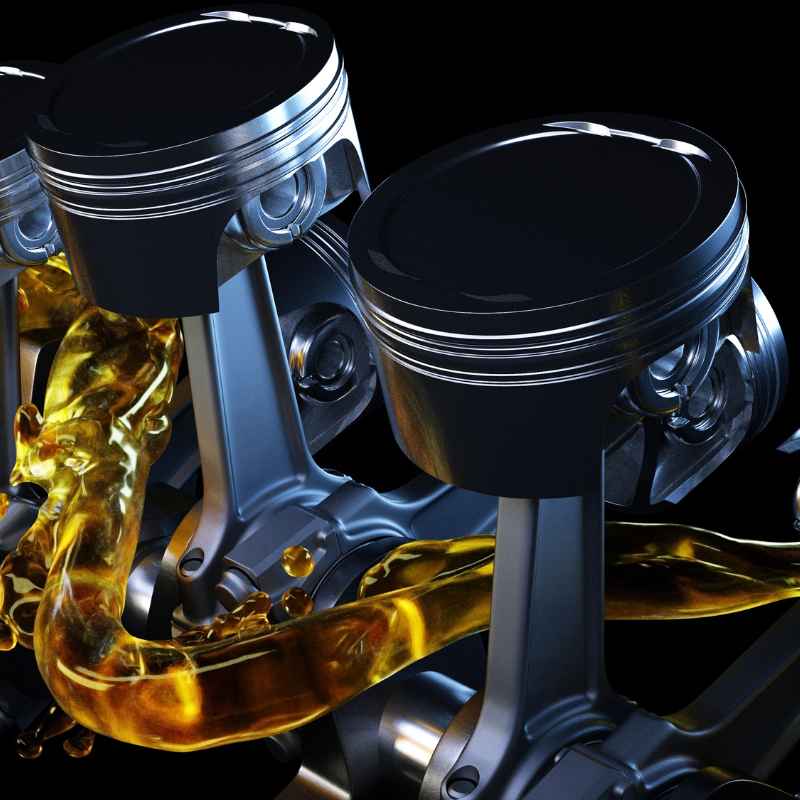
What Is The Best Car Engine Oil? Our Top Recommendations
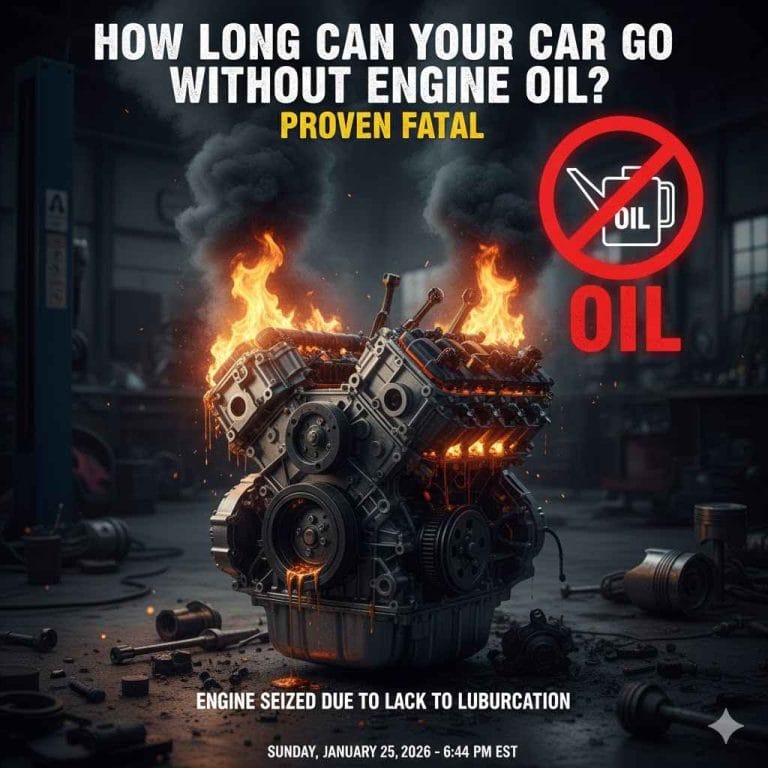
The best car engine oil is one that meets your vehicle manufacturer’s specific recommendations for viscosity grade and performance standard. For most modern cars, this often means a synthetic or synthetic blend oil with a viscosity like 0W-20 or 5W-30, and meeting API SP or ILSAC GF-6 standards. Always check your owner’s manual for exact specifications.
Understanding Engine Oil: What It Does
Your car’s engine is a busy place. Lots of metal parts move very fast. They rub against each other.
This creates heat and wear. Engine oil is like a superhero for your engine. It does many important jobs to keep things running well.
First, oil is a lubricant. It creates a slippery film between moving parts. This film stops metal from grinding on metal.
Think of it like putting butter on a hot pan. It stops things from sticking and burning. This reduces friction.
Less friction means less wear and tear on your engine.
Oil also helps cool your engine. As it flows over hot parts, it carries heat away. This heat goes to the oil pan.
Then, it gets released into the air. This prevents your engine from overheating. Some parts get super hot.
The oil is essential for keeping them at a safe temperature.
Another key job is cleaning. Engines make tiny bits of dirt and metal. These bits can clog up small spaces.
Oil has detergents in it. These detergents help pick up this gunk. They keep it suspended in the oil.
Then, the oil filter traps this dirt. This keeps your engine clean inside.
Oil also seals gaps. For example, between the piston rings and cylinder walls. This seal helps maintain pressure.
This pressure is needed for power. It also stops exhaust gases from leaking out. A good seal means your engine works more efficiently.
Finally, oil protects against rust and corrosion. Engine parts are made of metal. They can rust.
Especially if water or other fluids get in. Oil coats these parts. It forms a protective barrier.
This barrier stops rust from forming.
The Numbers Game: Viscosity Explained
You’ve seen oil bottles with numbers like 5W-30. What do these numbers mean? They tell you about the oil’s thickness.
This thickness is called viscosity. It’s how well the oil flows.
The “W” in the number stands for “Winter.” The first number before the W is the oil’s viscosity when it’s cold. A lower number means the oil flows better when it’s cold. This is important for starting your car on a chilly morning.
Thinner oil circulates faster. It reaches all the parts that need it right away.
The second number after the W is the oil’s viscosity when it’s hot. This number tells you how thick the oil is at normal engine operating temperatures. A higher number means the oil is thicker when hot.
This thicker oil provides a stronger protective film at high temperatures.
So, what’s the difference between 5W-30 and 10W-40? A 5W-30 oil is thinner when cold than a 10W-40. It flows better in winter.
When hot, 5W-30 is thinner than 10W-40. It offers less protection at very high temperatures compared to the 10W-40.
Why does this matter? Your car’s engine is designed to work best with a certain oil viscosity. The car maker tests this carefully.
Using the wrong viscosity can cause problems. Too thin an oil at high temps might not protect parts well. Too thick an oil when cold might not flow fast enough.
This can lead to engine damage over time.
Most modern cars use lighter oils. These are often 0W-20 or 5W-20. Older cars might use thicker oils like 10W-30 or 10W-40.
Always check your owner’s manual. It will tell you the exact viscosity your car needs.
Viscosity Quick Guide
Cold Flow: First number (before W). Lower is better for cold starts.
Hot Flow: Second number (after W). Higher is generally thicker when hot.
Your Manual is Key: Always follow the manufacturer’s recommendation.
Types of Engine Oil: What’s the Difference?
There are three main types of engine oil. They are conventional, synthetic blend, and full synthetic. Each has its own pros and cons.
And its own price point too.
Conventional Oil: This is the oldest type. It’s made directly from crude oil. It’s refined to remove impurities.
Conventional oil is the most affordable option. It works well for many older cars. Or cars that don’t put a lot of stress on the engine.
However, it breaks down faster than other types. It doesn’t offer as much protection in extreme temperatures.
Synthetic Blend Oil: This is a mix. It combines conventional oil with synthetic oil. It’s a step up from conventional.
It offers better protection than basic oil. It’s also a bit more resistant to heat and cold. Synthetic blends are a good middle-ground option.
They offer enhanced performance without the full cost of synthetic oil.
Full Synthetic Oil: This is the top tier. It’s engineered in a lab. It uses highly refined base oils.
They have uniform molecular sizes. This makes synthetic oil very stable. It offers superior performance in many ways.
It flows very well when cold. It also maintains its thickness at high temperatures. This provides excellent protection.
Synthetic oil lasts longer too. It resists breaking down and forming sludge. Many high-performance cars and modern vehicles use full synthetic oil.
Many people ask if they can switch between oil types. Generally, yes. You can switch from conventional to synthetic.
Or from synthetic to conventional. Your car’s engine is usually designed to handle it. However, if you have an older car with many miles on conventional oil, switching to full synthetic might reveal leaks.
This is because synthetic oil can clean out sludge that was blocking small leaks.
Oil Type Comparison
- Conventional: Most affordable, good for older/light-duty cars. Breaks down faster.
- Synthetic Blend: Mix of conventional and synthetic. Better protection, mid-price.
- Full Synthetic: Lab-engineered, best performance and protection. Most expensive.
Performance Standards: What Do the Letters Mean?
Besides viscosity, oil also has performance standards. These are like grades for oil. They tell you how well the oil protects your engine.
You’ll see labels like API and ILSAC on oil bottles. These are important to look for.
API stands for the American Petroleum Institute. They set standards for oil quality. For gasoline engines, you’ll usually see something like “API SP.” The “SP” is the latest standard.
Older standards include “SN,” “SM,” and so on. Newer standards offer better protection. They protect against things like pre-ignition.
They also improve fuel economy and engine cleanliness.
ILSAC stands for the International Lubricant Specification Advisory Committee. This group is a partnership of U.S. and Japanese automakers.
They set standards for fuel economy and emissions. You might see labels like “ILSAC GF-6A” or “ILSAC GF-6B.” These standards often go hand-in-hand with API standards. They ensure the oil meets specific fuel-saving and wear-protection needs.
Always look for the most current standard recommended by your car’s maker. For most cars made after 2010, API SP and ILSAC GF-6 are common. Your owner’s manual is the best place to find this information.
Why are these standards important? They ensure the oil has the right additives. Additives are chemicals mixed into the oil.
They provide extra benefits. Things like detergents, anti-wear agents, and antioxidants. These additives help the oil do its job better.
They extend the life of the oil and your engine.
Think of it like food labeling. You check for nutrition facts. These standards are like nutrition facts for your engine oil.
They tell you what the oil is designed to do. And how well it will perform.
Performance Standards at a Glance
- API: American Petroleum Institute. Sets quality and protection standards. Look for the latest (e.g., API SP).
- ILSAC: International Lubricant Specification Advisory Committee. Focuses on fuel economy and emissions. Look for the latest (e.g., ILSAC GF-6).
- Owner’s Manual: Always the final authority on what your car needs.
My Experience: The Day My Car Made a Strange Noise
I was driving home from a weekend trip. It was late. The highway was dark and mostly empty.
Suddenly, my car started making a weird noise. It wasn’t a smooth sound. It was more of a clatter.
A metallic, unhappy sound. My heart sank. I immediately pulled over to the shoulder.
I turned off the engine. The noise stopped. I waited a few minutes.
Then, I started the engine again. The noise was gone. I was confused but relieved.
I drove slowly for a while. The noise didn’t come back. I chalked it up to a one-time fluke.
Maybe a loose bit of gravel under the car?
A few days later, the noise returned. This time, it was louder. And it happened more often.
Especially when the engine was warm. I started to panic a little. I’m not a car expert.
I just want my car to run. I called my friend, Mark. He’s the one person I know who actually likes cars.
Mark asked me about my last oil change. I thought about it. It had been a while.
Much longer than I usually waited. I remembered grabbing whatever was on sale at the auto parts store. I didn’t really pay attention to the numbers.
Mark sighed. He said, “Did you use the right oil, with the right viscosity?”
That was the moment of realization. I had been so focused on saving a few dollars. I didn’t consider what my engine actually needed.
Mark explained that older oil can lose its protective qualities. It gets thicker. Or it breaks down.
This can lead to engine noises. And serious damage if ignored.
He told me to check my owner’s manual. I did. It clearly stated a specific viscosity and standard.
The oil I had used was completely different. I felt so foolish. And a bit scared for my car.
Mark recommended I get an oil change immediately. He said to use a full synthetic oil. One that matched the manual’s specs exactly.
I went straight to a trusted mechanic. I explained the situation. They used a high-quality synthetic oil.
The kind that met all the car’s requirements. After the oil change, the car ran like new. The strange noise was completely gone.
It was a huge relief. That experience taught me a valuable lesson. The right engine oil is not a place to cut corners.
It’s a critical part of keeping your car healthy.
Choosing the Right Oil for Your Car
So, how do you pick the best oil for your car? It’s simpler than you might think. The most important thing is to consult your owner’s manual.
It’s like a secret guide just for your car.
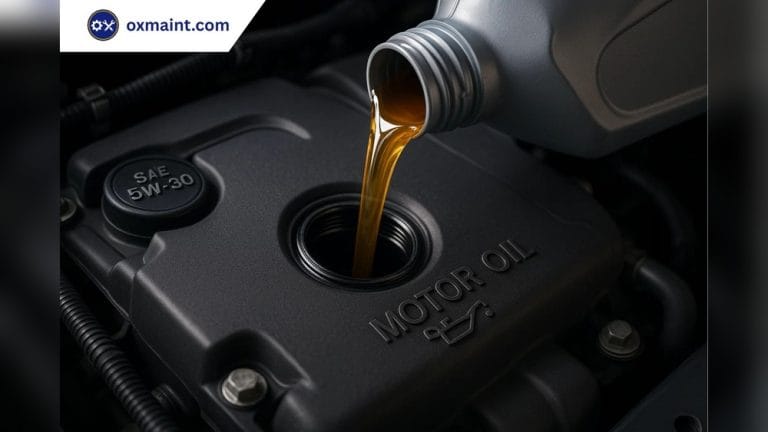
Open it up to the section on maintenance or fluid capacities. It will tell you the exact viscosity grade your car needs. For example, it might say “SAE 0W-20” or “SAE 5W-30.” It will also list the required performance standard.
This might be “API SP” or “ILSAC GF-6A.”
Once you have that information, you can shop for oil. For most everyday cars, a good quality synthetic blend or full synthetic oil is recommended. Full synthetic oil offers the best protection.
It lasts longer. It performs better in extreme temperatures. This can save you money in the long run on repairs.
If your car is older, or if you drive in mild conditions, a conventional oil might be acceptable. But even then, a synthetic blend is often a better choice. It offers a little more protection for a small price increase.
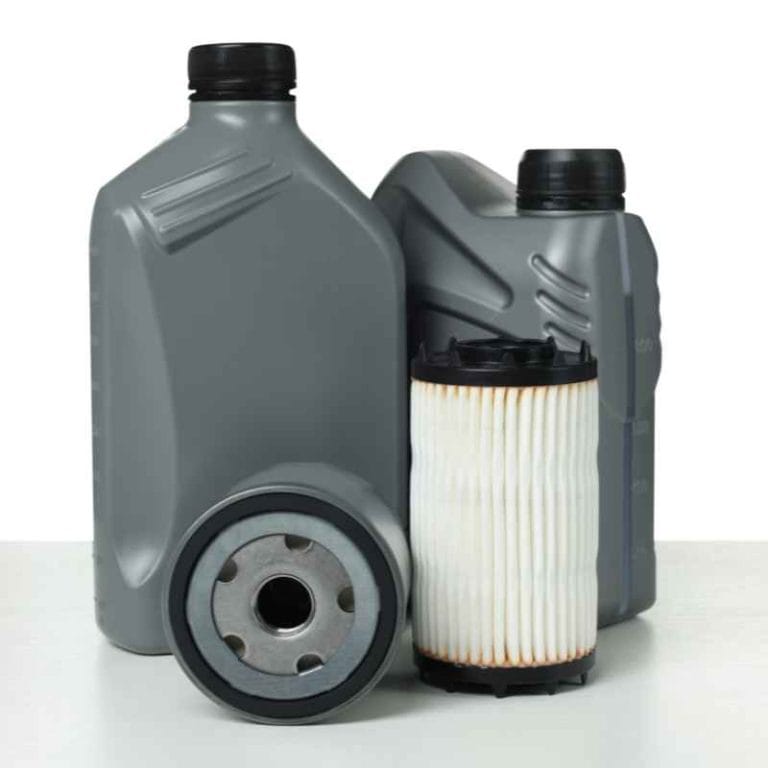
Don’t forget about the oil filter! It works with the oil to keep your engine clean. Always use a good quality oil filter.
And replace it at every oil change. Some filters are better than others. A good filter can catch more dirt.
Step-by-Step Oil Selection
1. Find Your Owner’s Manual: This is your primary guide.
2. Note the Viscosity: Look for numbers like 0W-20, 5W-30.
3. Note the Performance Standard: Look for API and ILSAC ratings (e.g., API SP, ILSAC GF-6).
4. Choose Oil Type: Full synthetic, blend, or conventional based on manual and driving habits.
5. Select a Quality Filter: Always replace your oil filter too.
When to Change Your Oil
Knowing when to change your oil is just as important as choosing the right oil. There are two main ways to know: by mileage or by time. And sometimes, by what your car tells you.
Mileage Intervals: Many car manufacturers used to recommend oil changes every 3,000 miles. That’s a common number people remember. However, with modern oils and engines, this interval has changed.
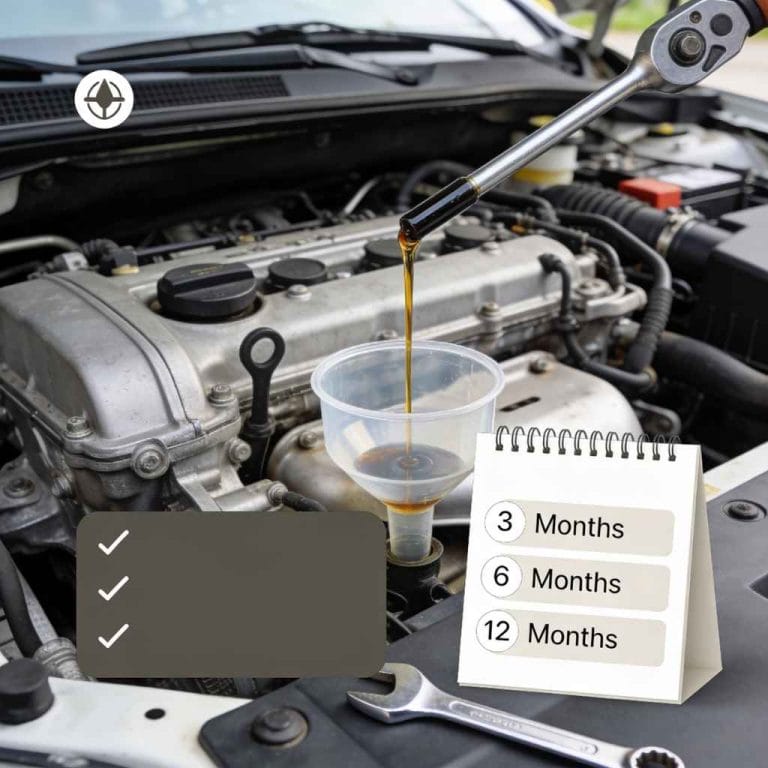
For many cars, the recommended mileage is now 5,000 to 7,500 miles. Some full synthetic oils can even go 10,000 to 15,000 miles. Always check your owner’s manual for the recommended mileage interval.
Time Intervals: Oil can degrade over time, even if you don’t drive much. Moisture can get into the oil. This can cause it to break down.
Most experts recommend changing your oil at least twice a year. Even if you haven’t reached the mileage limit. So, if your manual says change it every 7,500 miles, but you only drive 5,000 miles in a year, you should still change it.
Oil Life Monitoring Systems: Many modern cars have a system that tells you when your oil needs changing. This system calculates oil life based on driving conditions. It looks at factors like engine temperature, idle time, and mileage.
The dashboard will display a message like “Oil Change Due” or a percentage of remaining oil life. These systems are usually quite accurate. They take the guesswork out of it.
However, even with these systems, it’s still a good idea to change the oil at least once a year.
Driving habits matter too. If you do a lot of short trips, stop-and-go driving, or drive in very dusty or hot conditions, your oil might need changing more often. These conditions are harder on the oil.
They make it break down faster. This is often called “severe service.” Your owner’s manual might have a separate, shorter interval for severe service.
I learned this the hard way. My car was only getting driven for short errands. The oil life monitor still said I had plenty of life left.
But my mechanic pointed out that the oil looked dark. He recommended changing it anyway. He said the frequent starts and stops were harder on the oil.
He was right. My engine felt smoother afterwards.
Oil Change Reminder
- Check Manual: Always follow the manufacturer’s recommended mileage and time intervals.
- Don’t Ignore Time: Change oil at least twice a year, even with low mileage.
- Monitor Systems: Pay attention to your car’s oil life monitor.
- Consider Driving Habits: Severe driving may require more frequent changes.
What About Additives?
You might see engine oil additives for sale. These are extra products you can add to your oil. They claim to improve performance.
They might promise better fuel economy, more power, or longer engine life. But are they necessary?
For most modern cars, the answer is generally no. High-quality engine oils today are already packed with additives. They are formulated to meet specific performance standards.
These standards ensure the oil has all the necessary detergents, anti-wear agents, and other protective chemicals.
Adding aftermarket additives can sometimes do more harm than good. They might upset the delicate balance of chemicals in the oil. This can reduce its effectiveness.
Or even cause problems. Some additives might even void your car’s warranty. If your car is under warranty, it’s best to stick to what the manufacturer recommends.
If you have an older car, or a car with very high mileage, you might consider an additive designed for that specific situation. Some are made to help reduce oil consumption or quiet noisy lifters. But even then, it’s wise to do your research.
And perhaps talk to a trusted mechanic first.
The best way to ensure your engine is protected is to use the correct type of oil. And change it at the recommended intervals. This is far more effective than using an additive.
Think of it like eating a balanced diet. You get all the nutrients you need. You don’t need to take a bunch of extra pills.
Additives: Use with Caution
Modern Oils Are Complete: High-quality oils already contain all necessary additives.
Potential Risks: Adding aftermarket products can disrupt the oil’s balance.
Warranty Concerns: Some additives may void your car’s warranty.
Best Practice: Stick to the oil recommended in your owner’s manual.
Real-World Context: My Neighbor’s Classic Car
My neighbor, Mr. Henderson, has a beautiful classic car. It’s a 1965 Mustang.
He’s owned it for over 30 years. He loves that car dearly. He’s very particular about its care.
He’s old-school when it comes to car maintenance. He believes in changing the oil religiously. But for his Mustang, he doesn’t use the latest synthetic oils.
He insists on using a high-quality conventional oil. It’s a specific blend designed for older engines. It has higher levels of zinc and phosphorus.
These are called ZDDP. Older engines need these additives.
He told me that modern synthetic oils, while great for new cars, can sometimes be too “slippery” for older engines. They might not offer the same level of protection for flat-tappet camshafts. These are common in older engines.
Modern oils have reduced ZDDP levels. This is to protect catalytic converters in newer cars.
Mr. Henderson also changes his oil much more frequently than recommended for modern cars. He does it every 2,000 miles.
He uses a classic car oil filter too. He believes this old-school approach keeps his Mustang’s engine in perfect condition. And after seeing how beautifully that car runs, I tend to believe him.
It’s a great example of how different vehicles have different needs.
His situation highlights a key point. While synthetic oils are generally the “best” for most new cars, understanding your specific vehicle is crucial. For classic cars, vintage race cars, or highly modified engines, specialized oils might be necessary.
Always research what’s best for your unique situation. Your owner’s manual is your starting point for modern cars. For classics, it might involve talking to marque experts.
What This Means for You: When is it Normal? When to Worry?
Understanding engine oil is about peace of mind. It’s knowing your car is protected. So, when is everything normal, and when should you pay closer attention?
Normal Signs:
Slight Darkening: Oil naturally darkens as it picks up dirt. This is a sign it’s doing its job. Smooth Engine Operation: Your car starts easily.
It runs quietly. It accelerates smoothly. This means the oil is lubricating well.
* Consistent Performance: Your car performs as expected in different weather. This shows the oil is handling temperature changes.
When to Worry:
Very Dark or Gritty Oil: If the oil is black and feels gritty between your fingers, it might be overdue for a change. Or it could indicate internal engine wear. Low Oil Level: If you constantly need to add oil, you might have a leak.
Or your engine could be burning oil. This requires immediate attention. Oil Sludge: Thick, tar-like deposits in the engine mean the oil is not circulating or being changed often enough.
Unusual Engine Noises: Tapping, knocking, or grinding sounds often point to lubrication issues. * Check Engine Light: Sometimes, engine oil problems can trigger this warning light.
If you see any of the “when to worry” signs, it’s best to have your car inspected by a qualified mechanic. It’s always better to be safe than sorry.
Quick Tips for Optimal Engine Oil Performance
Here are some simple tips to help your engine oil do its best job:
- Always Check Your Manual: This is the golden rule. Never guess the viscosity or standard.
- Use Quality Oil and Filters: You don’t always need the most expensive brand. But choose reputable brands that meet your car’s specifications.
- Stick to the Schedule: Don’t skip oil changes. Follow the mileage and time intervals in your manual.
- Consider Your Driving: If you drive in tough conditions, adjust your change intervals accordingly.
- Check Oil Level Regularly: Make it a habit to check your oil level when you fill up with gas.
- Look for Seals of Approval: API and ILSAC certifications are your assurance of quality.
Frequently Asked Questions About Car Engine Oil
Can I mix different brands of oil?
Yes, you can generally mix different brands of oil. As long as they are the same viscosity grade and meet the same performance specifications (API, ILSAC). However, it’s always best to stick to one brand and type if possible.
Mixing doesn’t hurt, but consistency is often preferred by manufacturers.
What happens if I use the wrong oil viscosity?
Using the wrong oil viscosity can cause problems. If the oil is too thin when hot, it might not provide enough lubrication. This leads to increased wear.
If the oil is too thick when cold, it might not flow properly at startup. This can starve parts of lubrication. Both can lead to engine damage over time.
How often should I check my oil level?
It’s a good habit to check your oil level at least once a month. Or every time you fill up your gas tank. This helps you catch any potential leaks or oil consumption issues early.
Is full synthetic oil worth the extra cost?
For most modern vehicles, full synthetic oil is often worth the extra cost. It offers superior protection in extreme temperatures. It resists breaking down longer.
This can lead to extended engine life and potentially fewer repairs over time. It also often allows for longer oil change intervals.
Can I use diesel engine oil in my gasoline car?
No, you should not use diesel engine oil in a gasoline car. Diesel oils are formulated differently. They have different additive packages.
They are designed for the specific conditions in diesel engines. Using diesel oil in a gasoline engine can cause poor performance and damage.
What is oil sludge and how do I avoid it?
Oil sludge is a thick, tar-like substance. It forms when oil breaks down and mixes with contaminants. It can clog oil passages and starve the engine of lubrication.
You can avoid sludge by changing your oil and filter regularly. Also, use high-quality oil that resists breakdown. And by driving your car normally, not just for very short trips.
Conclusion: Give Your Engine the Best
Choosing the right engine oil might seem complicated. But it’s really about understanding your car’s needs. Your owner’s manual is your best friend here.
It tells you exactly what your engine craves. Using the correct viscosity and performance standard is key.
Full synthetic oils offer the most protection for most modern cars. They handle extreme heat and cold well. They last longer.
While they cost a bit more upfront, they can save you money on repairs down the road. Regular oil changes are also non-negotiable. They keep your engine running smoothly.
Give your car the gift of good oil. Your engine will thank you with miles of reliable performance.
See also why do car engines burn oil and how to stop it.
Products related to this article
Sponsored / affiliate links. As an Amazon Associate I earn from qualifying purchases. I may earn additional commission from eligible campaigns.