How Often Should You Change Car Lights? Here’S The Truth
It’s a little nagging feeling, isn’t it? You’re driving along, maybe humming to your favorite song, and then you notice it. A faint flicker.
Or perhaps a bulb that just seems dimmer than the others. It’s easy to brush it off at first. After all, cars have so many parts, and who has time to think about every single light bulb?
But the truth is, those little lights are more important than you might think. They keep you safe. They let others see you.
And when they aren’t working right, it can cause real problems. Let’s dive into the real story about how often you should really be thinking about changing your car’s lights. We’ll cover why it matters, what signs to look for, and how to keep your car shining bright.
Your car’s lights are vital for safe driving, both for seeing the road ahead and for being seen by others. While there’s no single “change by date” for every bulb, regular checks and understanding common failure signs are key. Most standard headlight bulbs last between 2 to 5 years, but factors like driving conditions and bulb type can change this.
Understanding Your Car’s Lighting System
Your car’s lights are a complex system. They do more than just light up the dark road. They communicate with other drivers.
Think about your turn signals. They tell people where you plan to go. Your brake lights warn drivers behind you that you’re slowing down.
Even your hazard lights have a special job. They signal a problem or a slow-moving vehicle. So, each light has a purpose.
Understanding these roles helps us appreciate why they need to work perfectly. The main lights we talk about are headlights. These are crucial for night driving.
They have two main types: low beams and high beams. Low beams light up the road directly in front. High beams cast light further away.
But they can also blind other drivers if used wrong. Beyond headlights, there are also taillights. These are usually red.
They make your car visible from the back. They also house your brake lights and turn signals. Then you have side marker lights.
These help show the full width of your car. And don’t forget interior lights. These help you see inside your car.
They make finding things much easier.
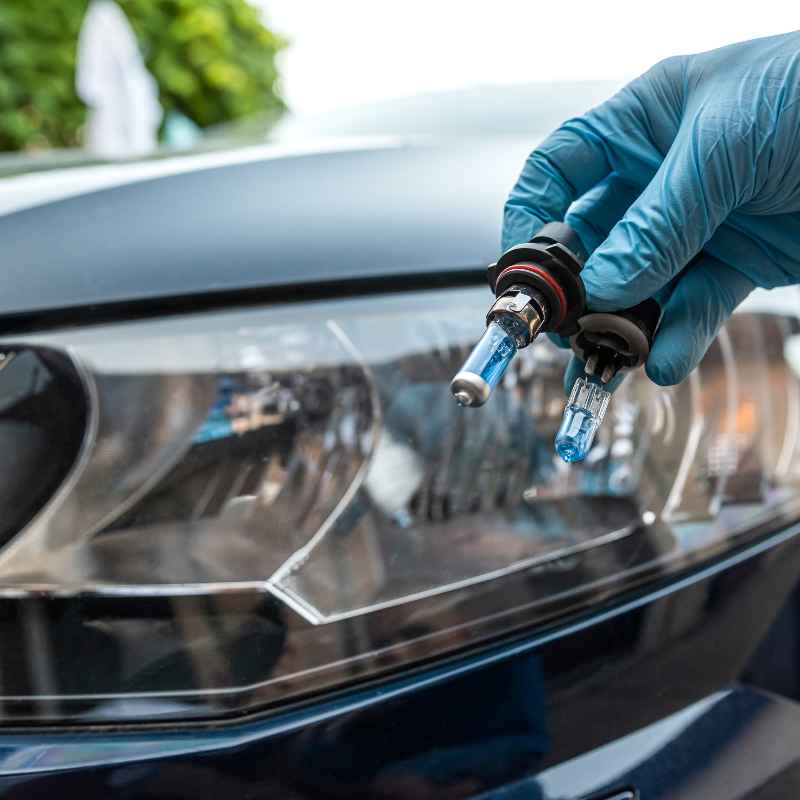
Different types of bulbs are used for these lights. The most common used to be halogen bulbs. They use a heated wire filament.
This filament glows when electricity passes through it. They are reliable and affordable. But they don’t last as long as newer types.
Many modern cars use HID (High-Intensity Discharge) bulbs. These are also called xenon lights. They create light by using an electric arc.
This arc jumps through a gas. This gas is mixed with metal salts. HID bulbs are brighter than halogens.
They also tend to last longer. A newer, very popular type is LED (Light Emitting Diode). LEDs are tiny electronic lights.
They use semiconductors to make light. They are very energy efficient. They also last a very, very long time.
Some LED lights can last the lifetime of the car. They are also very bright. And they turn on instantly.
There are no warm-up times like with HIDs.
Each bulb type has its own lifespan. Halogen bulbs often last between 500 to 1,000 hours. This sounds like a lot.
But if you drive a lot at night, these hours add up fast. HID bulbs can last much longer. They might give you 2,000 to 3,000 hours of use.
LEDs are the champions of longevity. They can easily last 15,000 to 25,000 hours. Some can go even higher.
To put that in perspective, driving 15,000 miles a year, a 1,000-hour bulb might need replacing every few years. An LED bulb could last over a decade. But lifespan isn’t the only factor.
How you use your lights matters. Frequent use, like always having your headlights on during the day, will shorten their life. Driving in bumpy conditions can also cause vibrations.
These vibrations can damage filaments in older bulbs. Extreme temperatures, both hot and cold, can also affect bulb life. So, it’s not just about the bulb itself.
It’s about how and where you use your car.
My Own Headlight Scare: A Night to Remember
I remember one evening, I was driving home from a friend’s house. It was late, past midnight. The highway was mostly empty.
The moon was hidden behind clouds, so it was really dark out. I was tired, and my mind was wandering. Suddenly, I felt a weird sensation.
It was like the world just got a lot darker. I glanced at my dashboard. The headlight warning light wasn’t on.
That was strange. I tapped my brights. Nothing.
Then I looked ahead. My headlights were completely out. Just gone.
My heart did a little lurch. Panic started to bubble up. I was on a highway, in the dark, with no headlights.
That’s a terrifying situation. Other cars were still on the road. I could see their headlights coming towards me.
But they couldn’t see me well at all. It felt like I was driving blindfolded. I remember gripping the steering wheel so tight my knuckles were white.
I immediately turned on my hazard lights. That was the only light I had left. I slowed down to a crawl.
I pulled over to the shoulder as carefully as I could. I felt so vulnerable out there. It was a stark reminder of how crucial those simple headlights are.
I called a tow truck. It was a long, cold wait on the side of the road. It taught me a huge lesson: don’t wait for a warning light.
Check your lights regularly.
Quick Check Guide: Headlights
What to do: Park your car on a flat surface. Turn on your headlights. Walk around your car and look at each bulb.
Do they look bright and steady? Are they both the same color? Then, try your high beams.
Do they engage and look brighter?
What to watch for: Dimness, flickering, strange colors (like yellow or purple), or a bulb that is completely out.
When to act: If you see any of these signs, it’s time to get them checked. Don’t wait until it’s dark or you’re on a highway.
Signs Your Car Lights Need Attention
So, how do you know if your car lights are starting to fail? There are several tell-tale signs. The most obvious one is a bulb that goes out completely.
You’ll notice it when it happens. One headlight is off, or a taillight is dark. But sometimes, the problem is more subtle.
A bulb might start to dim. It won’t be as bright as it used to be. This can happen slowly over time.
You might not notice it until you compare it to a new bulb. Or until you’re driving in really dark conditions. Then you’ll see the difference.
Another common sign is a change in color. Halogen bulbs should be a clear, bright white light. If they start to look yellow or even brown, they are getting old.
They’re probably not producing much light anymore. HID bulbs can sometimes turn a purplish color when they’re failing. LEDs are less prone to color changes, but they can also dim.
Flickering is another big clue. If a headlight or taillight flickers on and off, it’s a sign of a problem. This could be the bulb itself.
It could also be a loose connection. Or it could be an issue with the car’s electrical system. Whatever the cause, flickering lights are a safety hazard.
They distract other drivers. And they make it hard to see. You might also notice condensation inside the light housing.
This can happen if a seal is broken. Water and moisture can get inside. This can damage the bulb.
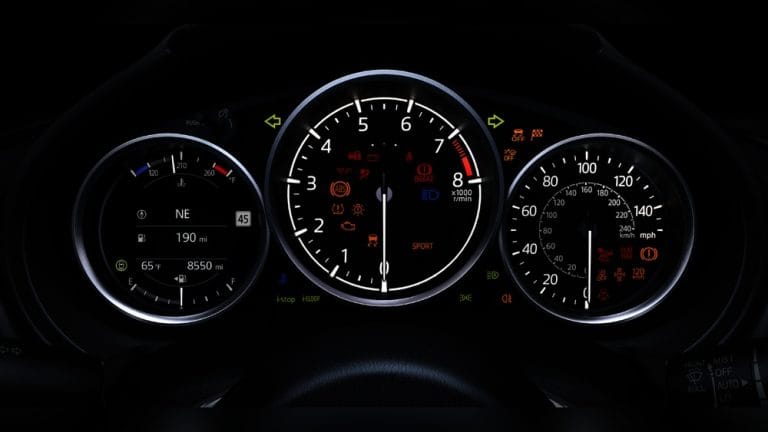
It can also lead to corrosion. Sometimes, you might get a warning light on your dashboard. This light often looks like a little bulb with rays coming out of it.
This is your car telling you a bulb is out. Don’t ignore this light. It’s there for a reason.
Beyond just the lights themselves, consider how well you can see. If you find yourself constantly straining your eyes at night. If you feel like your headlights aren’t cutting through the darkness like they used to.
That’s a strong sign that your bulbs are weakening. It’s not just about being seen; it’s about your ability to see the road, pedestrians, and other obstacles. This is where the “personal experience” part comes in.
You feel the difference. It’s not just a technical spec. It’s a change in your actual driving experience.
I’ve had friends mention that after I
Common Bulb Types and Lifespans
| Bulb Type | Typical Lifespan (Hours) | Brightness Level | Notes |
| Halogen | 500 – 1,000 | Standard | Affordable, common, but shorter life. |
| HID (Xenon) | 2,000 – 3,000 | High | Brighter, longer life than halogen. Can be pricier. |
| LED | 15,000 – 25,000+ | Very High | Most energy-efficient, longest lasting. Premium cost. |
Lifespans are approximate and can vary by manufacturer and usage.
How Often Should You Proactively Change Car Lights?
This is the million-dollar question, right? When should you just go ahead and change them, even if they seem okay? For standard halogen headlight bulbs, many experts suggest thinking about
For HID and LED lights, the
What about other lights? Your taillights and brake lights are crucial. While they might not have the same mileage as headlights, they can still fail.
Many of these are also halogen bulbs. So, a proactive check every 2 to 3 years makes sense. Turn signals, interior lights, and license plate lights can also be checked during your regular maintenance.
It’s easy to overlook these smaller lights. But they all contribute to your safety and the legality of your vehicle on the road. Think about it: if your license plate light is out, you could get a ticket.
If your brake lights aren’t working, someone could rear-end you. It’s a good habit to get into. Make a note on your calendar.
Maybe every spring and fall. Do a quick walk-around of your car. Check all your lights.
It takes just a few minutes. It could save you a lot of trouble.
Light Replacement Interval Guide (General)
Headlights (Halogen): 2-3 years (proactive) or immediately upon signs of dimming/failure.
Headlights (HID/Xenon): Replace when signs of failure appear (flickering, color change). Lifespan often 5+ years.
Headlights (LED): Replace if the unit fails or dims significantly. Often lasts 10+ years.
Taillights/Brake Lights (Halogen): 3-5 years (proactive) or upon failure.
Turn Signals/Interior Lights: Replace as needed when they burn out.
License Plate Lights: Replace as needed.
Real-World Scenarios and Light Performance
Let’s talk about where and how you drive. This has a big impact on your lights. If you live in a very sunny climate, like Arizona, you might use your headlights less during the day.
But when night falls, the darkness can be intense. Your headlights need to be in top shape. In a place like Seattle, it’s often cloudy or rainy.
People tend to use their headlights more often, even during the day. This constant use can wear out halogen bulbs faster. Cold climates can also be tough on car batteries and electrical systems.
This can sometimes affect light output. Extreme temperature swings can put stress on bulbs too.
Consider your driving habits. Do you drive a lot on unlit country roads? These roads require your headlights to do all the heavy lifting.
You need maximum visibility. If you primarily drive in well-lit city streets, your lights might not be under as much strain. However, you still need them to be bright enough to see potential hazards on the edges of the road, like cyclists or debris.
Are you someone who likes to “off-road” your vehicle? Or perhaps you have a truck that sees heavy-duty use? Constant vibrations from rough terrain can be hard on the delicate filaments inside halogen bulbs.
This can shorten their lifespan.
The design of your car also plays a role. Some car models have complex headlight housings. These can be difficult to access.
Changing a bulb might require removing other parts. This can make routine maintenance more time-consuming and expensive. Other cars have very simple access panels.
For those, changing a bulb might be a quick DIY job. Also, the quality of the replacement bulbs matters. Always try to buy reputable brands.
Cheap, no-name bulbs might save you money upfront. But they often don’t last as long. They might not be as bright.
They can even cause electrical problems. Stick to brands recommended by your car manufacturer or trusted auto parts stores. They offer better reliability and performance.
Factors Affecting Bulb Lifespan
Usage Intensity: How often and how long you use your lights.
Driving Environment: Well-lit cities vs. dark country roads.
Climate: Extreme heat or cold can impact performance.
Road Conditions: Bumpy roads cause vibrations that can damage filaments.
Bulb Quality: Reputable brands generally last longer and perform better.
Vehicle Design: Ease of access for bulb replacement.
When Are Dim or Failing Lights a Real Problem?
This is where we really focus on safety. Dimming headlights are not just an annoyance. They can be a serious safety issue.
In fact, a study by AAA found that headlights can lose up to 70% of their light output over time. That’s a huge amount of light. Imagine trying to drive at night with only 30% of your normal vision.
You might not be able to see hazards until it’s too late. You might not see a deer on the side of the road. You might not see a pedestrian stepping out.
You might not see a pothole that could damage your car. This significantly increases your risk of an accident. The National Highway Traffic Safety Administration (NHTSA) emphasizes the importance of working lights for visibility.
They have regulations for minimum light output. Dim lights mean you are not meeting those safety standards.
Failing taillights or brake lights are equally dangerous. If your brake lights aren’t working, the driver behind you might not know you’re stopping. This is a recipe for a rear-end collision.
This can cause serious injury. It can also lead to costly repairs. If your turn signals are out, other drivers won’t know your intentions.
They might make unsafe maneuvers. This can lead to sideswipes or head-on crashes. Even a burnt-out license plate light can be a problem.
It can lead to a traffic stop. It can also make it difficult for law enforcement to identify your vehicle.
Beyond the immediate safety concerns, there are legal implications. In all U.S. states, it’s illegal to drive with burnt-out lights.
Law enforcement officers can pull you over. You could receive a ticket. The fines can add up.
More importantly, having faulty lights can affect your insurance claims. If an accident occurs and it’s found that your lights were not working properly, your insurance company might deny your claim. Or they might reduce the payout.
This could leave you responsible for significant damages. So, it’s not just about being seen; it’s about being legal and protected. It’s about peace of mind knowing you’ve done your part to drive safely.
Simple Checks You Can Do Yourself
The good news is, you don’t need to be a master mechanic to check your car’s lights. You can do most of these checks yourself with just a few minutes. The first step is a visual inspection.
Park your car on a level surface during daylight. Turn on your headlights. Walk around the vehicle.
Look at all the lights. Make sure each one is on and looks bright. Compare the brightness of your headlights.
Do they look the same? Then, have a friend or family member help you. Have them stand behind the car while you operate the brake pedal.
Check that both brake lights come on. Then, have them stand in front. You operate the turn signals.
Watch the front and rear signals. Make sure they flash correctly. Test your hazard lights too.
Make sure all four turn signals flash.
Next, try your high beams. Flip the switch and see if they activate and appear brighter. Listen for any unusual sounds.
Sometimes, a failing headlight motor can make a whirring noise. Check your interior lights as well. Turn on your dome light.
Test your vanity mirror lights if your car has them. Don’t forget your license plate lights. These are often small bulbs.
Make sure they are both working. If you see any signs of moisture or condensation inside any of the light housings, that’s a sign of a potential leak. This can damage the bulbs and reflectors over time.
It’s a good idea to address this promptly.
If you notice a problem, like a dim bulb or one that’s out, you can often find replacement bulbs at auto parts stores. Most common headlight bulbs are pretty easy to replace. Many cars have a simple access panel under the hood.
You can often swap them out yourself. For some cars, though, changing a headlight bulb can be tricky. It might require removing the entire headlight assembly.
If you’re not comfortable doing it yourself, it’s always best to take it to a qualified mechanic. They have the tools and expertise to do it safely and correctly. Remember, safety first.
If you’re unsure, get professional help.
DIY Light Check Checklist
What to do:
- Park on a flat surface.
- Turn on headlights (low beams).
- Walk around the car, check all lights for brightness and color.
- Compare left vs. right headlight brightness.
- Test high beams.
- Have someone press the brake pedal; check brake lights.
- Operate turn signals (front and rear); check flashing.
- Test hazard lights.
- Check interior lights (dome, vanity, etc.).
- Inspect license plate lights.
- Look for moisture inside light housings.
When to get help: If you find any issues and aren’t comfortable replacing the bulb yourself.
When to Call a Professional
While many bulb replacements are simple, there are times when you should definitely call a professional. For starters, if you’ve checked your lights and discovered a bulb is out, but you don’t know how to access it, that’s your cue. Some modern cars have headlights that are integrated into the bumper or have very tight engine compartments.
Replacing a bulb might involve removing other parts. Trying to force it can damage your car. A mechanic has the right tools and knowledge for these jobs.
Another situation is if you’re experiencing electrical issues. If a light flickers constantly, or if multiple lights are acting strangely, it might not be the bulb itself. It could be a problem with the wiring, a fuse, or even the car’s computer system.
These kinds of problems require diagnostic tools and expertise that only a professional has. Also, if you replace a bulb and it still doesn’t work, there’s a deeper issue at play. It could be a faulty socket, a bad connection, or a blown fuse.
These are things a mechanic can diagnose and fix.
For high-intensity discharge (HID) or LED headlights, professional help is often recommended. These systems are more complex than traditional halogens. They can involve ballasts, converters, and sophisticated wiring.
Improper handling can lead to damage or electrical shorts. If you notice any problems with these types of lights, it’s best to consult your dealership or a trusted automotive repair shop. They will have the specific knowledge and parts needed for these advanced lighting systems.
And remember, when in doubt, always err on the side of caution. It’s better to pay a mechanic a little bit than to risk damaging your car or, more importantly, compromising your safety.
Frequently Asked Questions About Car Lights
How do I know if my car needs new headlights?
Your headlights need new bulbs if they are visibly dim, flickering, have changed color (like turning yellow or purple), or are completely out. A visual check and comparison to a new bulb can help determine if they are dimming.
Can I just replace one headlight bulb?
Yes, you can replace just one headlight bulb. However, it’s often recommended to replace them in pairs. New bulbs can have different brightness and color tones than older ones, which can be noticeable. Replacing in pairs ensures consistent light output and color for both sides.
What does it cost to replace car headlights?
The cost varies greatly. For simple halogen bulbs you can replace yourself, the cost might be $20-$50 per bulb. If you have a mechanic replace them, expect to pay for labor, which can add $50-$150 or more depending on the car model and complexity. HID and LED units can cost much more, often hundreds of dollars per unit.
Are LED headlights worth the extra cost?
LED headlights offer superior brightness, energy efficiency, and a much longer lifespan compared to halogen bulbs. While they have a higher upfront cost, their longevity and lower power draw can make them a cost-effective choice over the vehicle’s lifetime, in addition to improved visibility.
My car has daytime running lights. Do I need to change those too?
Daytime running lights (DRLs) are also subject to burning out. They often use a similar type of bulb as your main headlights or taillights. You should check them regularly, just like your other lights, and replace them if they dim, flicker, or go out.
How can I keep my car’s lights clean?
Keeping your headlight lenses clean is important for maximum light output. Use a mild soap and water with a soft cloth. For foggy or yellowed plastic lenses, you can use a plastic headlight restoration kit, available at most auto parts stores. Regular cleaning helps ensure your lights can shine their brightest.
Final Thoughts on Keeping Your Car Lit
Taking care of your car’s lights is a simple yet crucial part of vehicle maintenance. It’s not just about passing an inspection or avoiding a ticket. It’s about ensuring your safety and the safety of everyone around you on the road.
By understanding the different types of bulbs, recognizing the signs of failure, and performing regular checks, you can keep your car well-lit and your driving secure. Don’t wait for a dark highway scare like I had. Make light checks a regular habit.
Your peace of mind, and your visibility, will thank you.
See also how to turn off auto lights on your car quick fix .