Do Cars Have 2 Or 4 Brake Pads? What You Need To Know
It’s a question that pops into your head at the most unexpected moments. Maybe you’re at the mechanic, or perhaps you’re just curious about your car. You’re wondering, “Do cars have 2 or 4 brake pads?” It’s a simple question, but the answer is super important for keeping you safe on the road.
Let’s break it down together.
Most cars have four brake pads. Two are located on the front wheels, and two are on the rear wheels. Each wheel has its own set of brake pads and a rotor that they press against to slow down your vehicle.
Understanding Your Car’s Braking System
Think about how your car stops. When you press the brake pedal, a lot happens fast. This system is what keeps you safe.
It’s made of several key parts. These parts work together to bring your car to a smooth halt. Understanding these parts helps explain why you have four brake pads.
The main goal of the braking system is friction. Friction is what slows things down. Imagine rubbing your hands together fast.
They get warm. That heat is friction at work. Your car’s brakes use a similar idea.
They create friction between two surfaces. This friction converts the car’s movement into heat. This heat then dissipates into the air.
The more friction, the quicker your car stops.
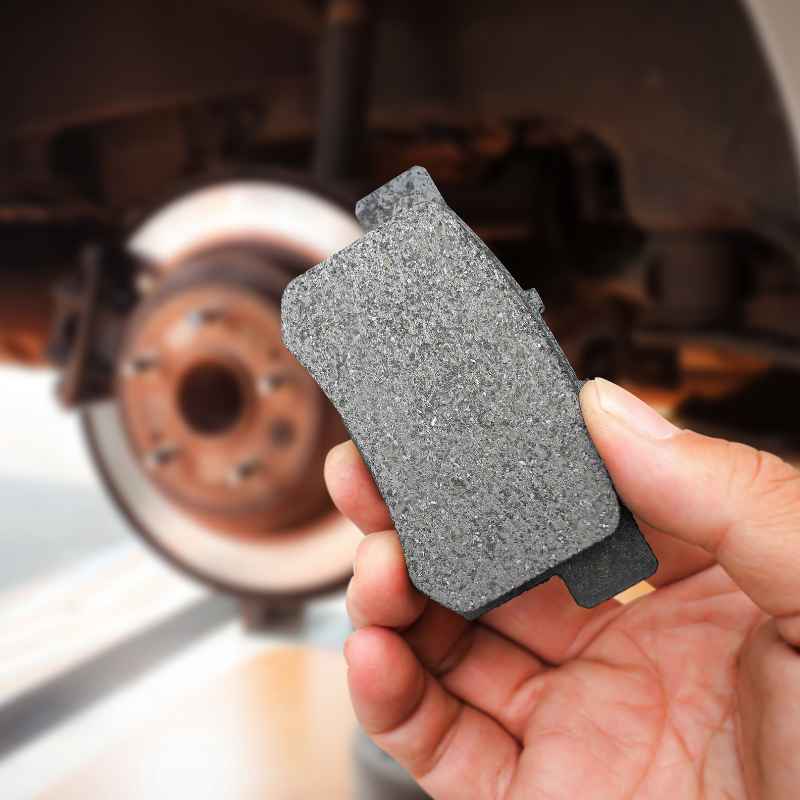
At the heart of this friction system are the brake pads. Brake pads are not just simple pieces of metal. They are specially made.
They have a high-friction material attached to a metal backing plate. This friction material is designed to wear down over time. That’s why they need to be replaced.
The metal backing plate provides strength and structure.
When you hit the brake pedal, it pushes fluid through a system. This fluid is called brake fluid. The fluid goes to what are called brake calipers.
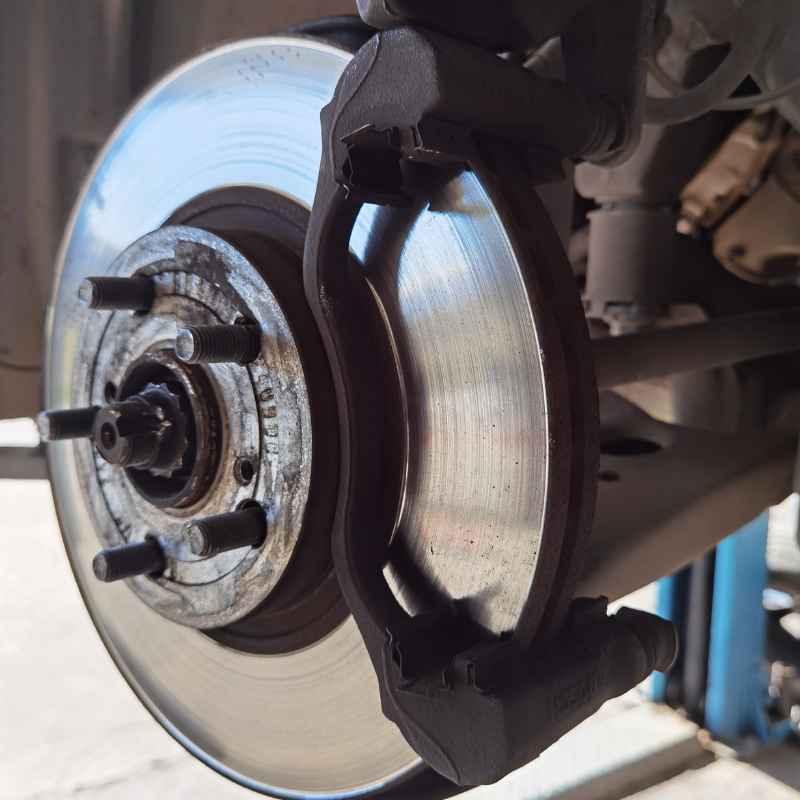
The calipers are like a clamp. They hold the brake pads. Inside the caliper are pistons.
These pistons are pushed by the brake fluid. The pistons then push the brake pads.
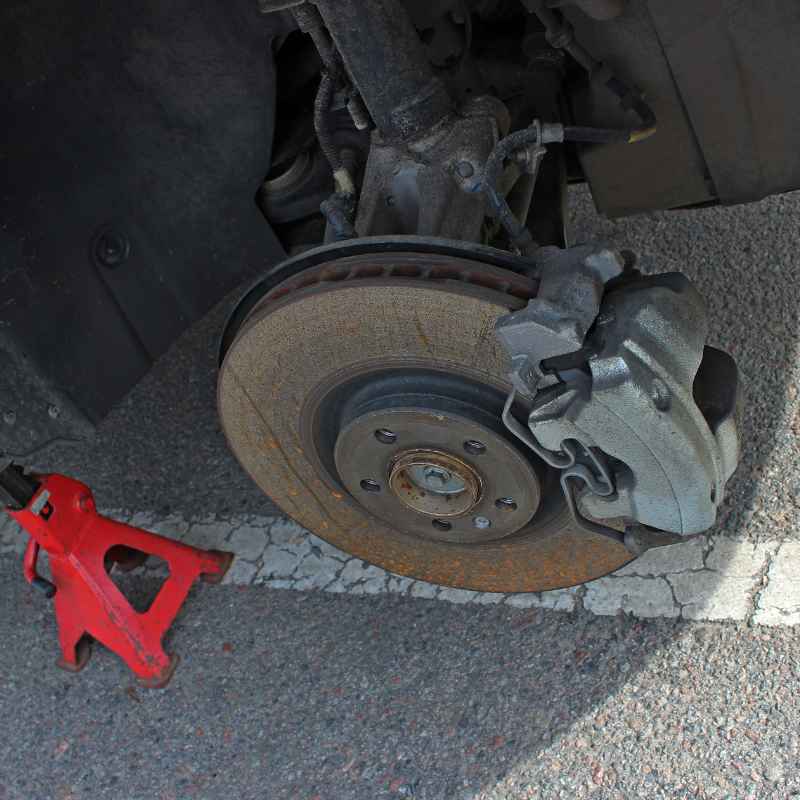
The brake pads are squeezed against a spinning metal disc. This disc is called a brake rotor. So, the pads clamp down on the rotor.
This clamping action is what creates the friction. It slows the rotor down. Since the rotor is attached to the wheel, the wheel slows down too.
This is how your car stops moving.
Why Four Brake Pads? The Logic Behind It
So, why four pads? It’s all about balance and stopping power. Your car has four wheels.
Each wheel needs a way to slow down. The most effective place to put this stopping power is on each wheel. This ensures even braking.
Even braking is crucial for control.
Imagine if only the front wheels had brakes. When you hit the brakes hard, the car would want to dive forward. This would make steering difficult.
It could even cause the front tires to lock up. This is dangerous. It would lead to skidding.
The car would be much harder to control.
Similarly, if only the rear wheels had brakes, the back of the car would want to swing out. This is also a recipe for disaster. It would make the car unstable.
You could spin out. So, having brakes on all four wheels is essential for safe driving. It provides the best stability.
The front brakes on most cars do a lot of the work. This is because of a principle called weight transfer. When you brake, the car’s weight shifts forward.
More weight on the front wheels means they can provide more stopping force. That’s why front brake pads often wear out faster than rear ones. They do more heavy lifting.
However, the rear brakes are still very important. They help to balance the braking force. They also prevent the car from becoming unstable.
They contribute to a shorter overall stopping distance. So, even though the front does more, the rear is vital. It’s a team effort for safety.
Brake pads are usually sold in sets. When you buy brake pads for your car, you’re typically buying a set of four. This is because you need two for the front axle and two for the rear axle.
Sometimes, you might hear them referred to as a “set of front pads” and a “set of rear pads.” This means one set for each end of the car. So, you’re replacing all four at once.
Brake System Components at a Glance
Brake Pedal: What you push with your foot.
Master Cylinder: Converts pedal force into hydraulic pressure.
Brake Lines: Tubes that carry brake fluid.
Brake Fluid: The liquid that transmits pressure.
Brake Caliper: Houses the brake pads and pistons.
Brake Pads: The friction material that presses against the rotor.
Brake Rotor: The spinning metal disc that the pads grab.
My Own Brake Pad Scare: A Personal Story
I remember one time, I was driving home late. It was raining pretty hard. The roads were slick.
I was on a highway, and traffic slowed down suddenly. I had to brake hard. My car just didn’t feel like it was stopping as quickly as it should.
It was a scary moment. My heart really jumped into my throat.
I thought maybe something was wrong with the brakes. I noticed a strange grinding sound too. It was a high-pitched squeal at first.
Then it turned into a deep rumble. It sounded rough. When I got home, I parked the car.
I looked at the wheels. I didn’t really know what I was looking for back then. But I saw that the brake rotors looked really worn down.
They were almost shiny and discolored.
The next day, I took it to my mechanic. He told me my brake pads were completely gone. He showed me the old ones.
They were paper-thin. The friction material had worn away. The metal backing plates were grinding against the rotors.
That’s what caused the noise and the poor stopping. He said if I had waited much longer, I would have ruined the rotors. That would have cost a lot more to fix.
I felt so foolish for not noticing the signs earlier. That experience really taught me a lesson about paying attention to my car.
How Brake Pads Work in Action
Let’s dive a bit deeper into the mechanics. When you press the brake pedal, it’s not just a simple push. It’s a process that involves hydraulics.
The brake pedal is connected to a lever. This lever pushes a rod into the master cylinder. The master cylinder is full of brake fluid.
Pushing the rod into the master cylinder increases the pressure inside. This pressure then travels through the brake lines. These lines are like tiny pipes.
They go to each wheel. At each wheel, there’s a brake caliper. The brake caliper is a metal housing.
It has one or more pistons inside it.
The hydraulic pressure from the brake fluid pushes these pistons. The pistons, in turn, push the brake pads. These pads are positioned on either side of the brake rotor.
Think of it like squeezing a sandwich. The rotor is the filling. The two brake pads are the bread slices.
They are pressed firmly against the rotor.
This friction is what slows the rotor down. Since the rotor is bolted to the wheel hub, it slows the wheel. This process happens very quickly.
It’s designed to be strong and reliable. Modern cars also have anti-lock braking systems (ABS). ABS helps prevent the wheels from locking up during hard braking.
This lets you maintain steering control. It’s a safety feature that works with the brake pads.
The friction material on the brake pad is designed to wear down. This is intentional. It’s a sacrificial part.
As it wears, it generates heat. It also creates brake dust. This dust is mostly from the pad material.
It can be a sign that your brakes are working. But excessive dust can also mean the pads are wearing quickly.
Understanding Brake Pad Wear
Normal Wear: Brake pads gradually wear down with use. This is expected.
Fast Wear: Can be caused by aggressive driving, constant heavy braking, or faulty components.
Uneven Wear: Might indicate a problem with the caliper, piston, or brake lines.
Squealing/Grinding: Often means the pads are worn very thin and need immediate replacement.
When It’s Normal and When to Worry About Your Brakes
It’s important to know the difference between normal brake behavior and signs of trouble. Your brakes will make some noise. They will also produce some dust.
But there are limits.
Normal Sounds: You might hear a slight squeak when you first start driving. This is often due to moisture on the rotors. It usually goes away quickly.
You might also hear a light dusting sound. This is the pad material. It’s a normal part of friction.
Concerning Sounds: A loud, high-pitched squeal that doesn’t go away is often a warning. Many brake pads have a small metal tab. This tab is called a wear indicator.
When the pad wears down enough, this tab scrapes against the rotor. It makes a loud squeal. This is a signal to get them checked.
A grinding noise is much more serious. This means the friction material is gone. Metal is rubbing on metal.
This is bad. It can damage your rotors. It will make your car unsafe to drive.
You need to stop driving and get it fixed immediately if you hear grinding.
Normal Dust: You’ll see some dark dust on your wheels. This is brake dust. It’s normal.
It’s from the pad material wearing away. Some higher-performance pads produce more dust.
Concerning Dust: If you suddenly see a lot more dust than usual, it could mean your pads are wearing out very fast. This might signal an issue.
Normal Feel: The brake pedal should feel firm. It shouldn’t feel mushy or go all the way to the floor.
Concerning Feel: If the pedal feels soft or sinks to the floor, there’s a problem. This could be a leak in the brake lines or an issue with the master cylinder. If the car pulls to one side when you brake, it might mean the brake system on one side isn’t working as well as the other.
Quick Brake Checks You Can Do
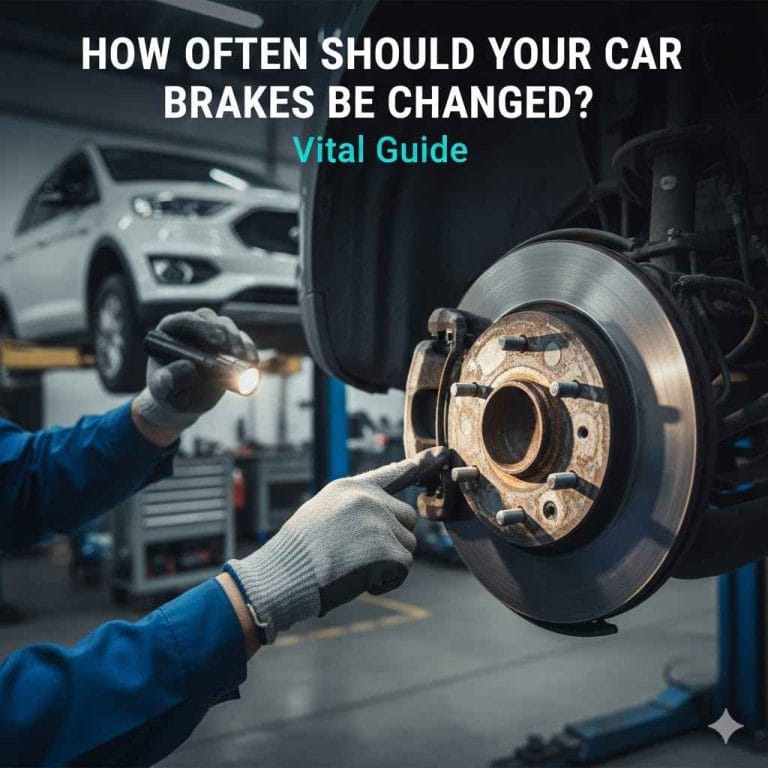
Visual Inspection: Look at your brake pads through the spokes of your wheels. Can you see the thick pad material? Or is it very thin?
Listen Carefully: Pay attention to any new noises when braking.
Feel the Pedal: Notice if the brake pedal feels different. Is it softer? Does it sink?
Car Pull: Does the car pull to one side when you brake? This needs attention.
Real-World Scenarios: When Brake Pads Matter Most
Brake pads are critical in many driving situations. Think about driving in stop-and-go traffic. Your brakes are used constantly.
They get hot. They wear down faster. This is normal.
Your car’s design accounts for this.
Driving in hilly areas also puts more stress on your brakes. Going downhill, you’ll need to brake to control your speed. This causes more wear.
It’s why people who live in mountainous areas might need to replace their brakes more often.
Then there’s extreme weather. In snowy or icy conditions, you need reliable brakes. But these conditions can also cause wear.
Salt and sand from roads can get into the braking system. This can speed up corrosion and wear. It’s a good idea to have your brakes checked after a harsh winter.
Your driving habits also play a huge role. If you tend to brake late and hard, your pads will wear out faster. If you anticipate stops and brake gently, your pads will last longer.
It’s like using a tool. Gentle use makes it last longer.
Materials matter too. Brake pads are made from different materials. Organic pads are quieter and gentler on rotors.
But they wear faster. Semi-metallic pads offer better performance and heat resistance. They can be noisier and produce more dust.
Ceramic pads are known for being quiet, clean, and durable. They offer good performance but can be more expensive.
Brake Pad Material Types
Organic: Quiet, less dust, good for gentle driving. Wear faster.
Semi-Metallic: Good stopping power, durable. Can be noisy, more dust.
Ceramic: Quiet, very little dust, long-lasting. Good performance. Higher cost.
What This Means for You and Your Car
Knowing that cars have four brake pads is just the start. What’s really important is understanding how to maintain them. This keeps you and your passengers safe.
It also saves you money in the long run.
First, listen to your car. Any new squeaks or grinding sounds should not be ignored. They are your car’s way of telling you something is wrong.
Don’t delay in getting them checked. It’s better to deal with a worn pad than a damaged rotor or caliper.
Second, pay attention to how your brakes feel. If the pedal sinks, or if the car pulls to one side, get it checked out. These are signs that your braking system is not working correctly.
It’s essential for your safety and the safety of others.
Third, know the recommended service intervals. Your car’s owner’s manual will suggest when to inspect your brakes. It’s a good idea to follow these recommendations.
Mechanics often check brakes during regular oil changes too. This is a great time to catch potential issues early.
Replacing brake pads is a common maintenance task. It’s not something to be afraid of. When one set of pads wears out, the other set usually isn’t far behind.
Mechanics will typically recommend replacing pads in pairs. That means both front pads or both rear pads at the same time. This ensures even braking.
You’ll usually replace the front set together and the rear set together.
The cost can vary. It depends on the type of car and the quality of the pads. But it’s a necessary expense for safety.
Think of it as an investment in your well-being. It’s much cheaper than dealing with an accident.
When To Get Brakes Checked
Every 6 Months: A good general rule for inspection.
During Oil Changes: Most shops will do a quick visual check.
After Hearing Strange Noises: Don’t wait!
If Pedal Feels Soft: Address immediately.
If Car Pulls When Braking: Needs professional diagnosis.
Quick Tips for Brake Care
Taking good care of your brakes doesn’t require being a car expert. Small habits can make a big difference. Here are some simple things you can do.
Gentle Braking: Try to anticipate stops. Ease off the gas pedal early. This allows your car to slow down naturally.
Then, apply the brakes gently. This reduces wear on your pads and rotors.
Avoid Riding the Brake: Don’t rest your foot on the brake pedal while driving. This causes constant slight pressure. It heats up the brakes unnecessarily.
It leads to faster wear.
Clear Debris: If you drive on gravel roads or in areas with a lot of dirt, try to rinse your wheels periodically. This can help remove abrasive materials that might get lodged in the braking system.
Know Your Car: Familiarize yourself with the normal sounds and feel of your brakes. This way, you can spot any changes quickly.
Choose Quality Parts: When it’s time for
Check Tire Pressure: Properly inflated tires help with overall braking performance. They ensure your tires grip the road well.
Don’t Ignore Warning Signs: This is the most important tip. If you suspect a problem with your brakes, get it checked by a qualified mechanic. Your brakes are your car’s most important safety feature.
Frequent Questions About Brake Pads
Do all cars have brake pads on all four wheels?
Yes, virtually all modern cars have brake pads on all four wheels. This is essential for balanced and safe braking. Two pads are on the front wheels, and two are on the rear wheels, totaling four pads.
How often do brake pads need to be replaced?
This varies a lot. It depends on driving habits, the type of pads, and the car. Many people replace front pads every 30,000 to 40,000 miles.
Rear pads might last longer, perhaps 50,000 to 70,000 miles. Listening for noises and feeling the brakes are key indicators.
Can I replace just two brake pads instead of four?
Mechanics generally recommend replacing brake pads in pairs for each axle. So, you’d replace both front pads at the same time or both rear pads at the same time. Replacing only one pad on an axle can lead to uneven braking, which is dangerous.
What is the difference between brake pads and brake shoes?
Brake pads are used with disc brakes, which are found on the front wheels of most cars and all four wheels of many modern cars. Brake shoes are used with drum brakes, which are typically found on the rear wheels of older or some less expensive vehicles. Both create friction to stop the car.
Is it safe to drive with worn brake pads?
No, it is not safe to drive with worn brake pads. Worn pads significantly reduce your stopping power. They can also damage other, more expensive brake components like the rotors.
If you hear noises or the pedal feels soft, get them checked immediately.
How can I tell if my brake pads are worn out?
Signs include hearing a high-pitched squeal or grinding noise when braking, the brake pedal feeling spongy or sinking to the floor, or the car pulling to one side when you brake. You can also visually inspect them through the wheel if possible.
Conclusion
So, to clear things up, cars have four brake pads, two for the front wheels and two for the rear. They are a vital part of your car’s safety system. Understanding how they work and recognizing the signs of wear can help you stay safe on the road and save on repairs.
Regular checks are your best bet for peace of mind.
See also why is my car brake grinding causes and quick fixes. See also when to apply brakes in a car for maximum safety.
Products related to this article
Sponsored / affiliate links. As an Amazon Associate I earn from qualifying purchases. I may earn additional commission from eligible campaigns.