How Long Should Car Brakes Last? 30000-40000 Miles
Most car brakes last 30,000 to 40,000 miles, though the full range runs 20,000 to 70,000 depending on driving habits and pad material. Front brakes wear faster than rear because they carry more weight under braking.
This guide covers what actually shortens brake life, the real signs to watch for, and how mechanics decide when a replacement is genuinely needed.
Let’s make sure your brakes keep you safe—and your wallet happy.
How Car Brakes Work: Basics And Parts
Before you understand brake lifespan, it’s important to know how brakes function. Most modern cars use disc brakes, though older models and some trucks use drum brakes.
Bendix Premium Ceramic Front Brake Pads — $54.99
Since front brakes wear faster than rear (the exact reason this article gives), a ceramic front pad set is the most common replacement most drivers need first.
- Best for: Drivers whose front pads have hit the 30,000-40,000 mile range this article covers
- Why picked: Ceramic compound reduces dust and noise compared to standard metallic pads
- Main drawback: Vehicle-specific fitment — use Amazon’s “Make sure this fits” tool before buying, this exact listing does not fit every car
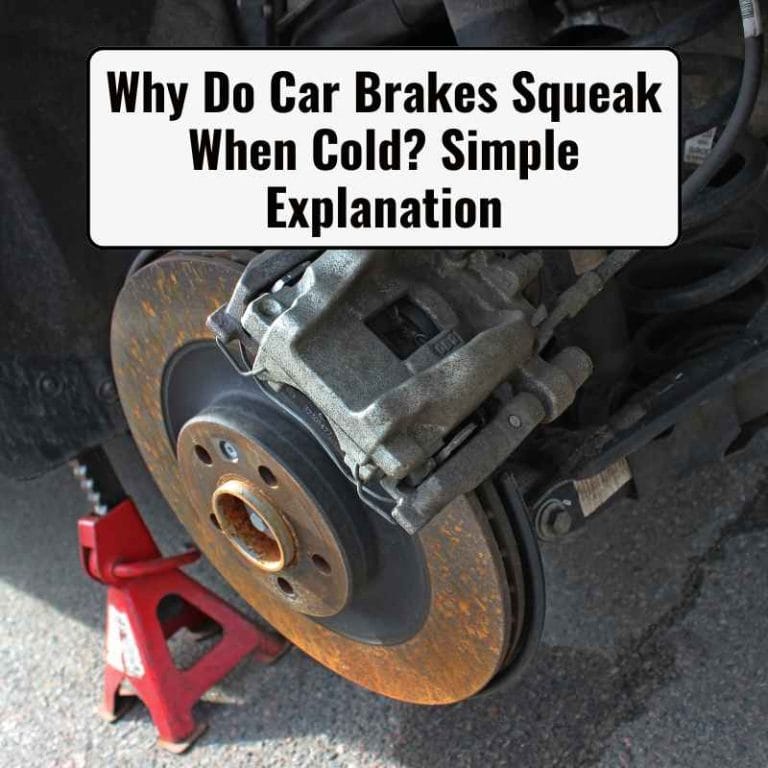
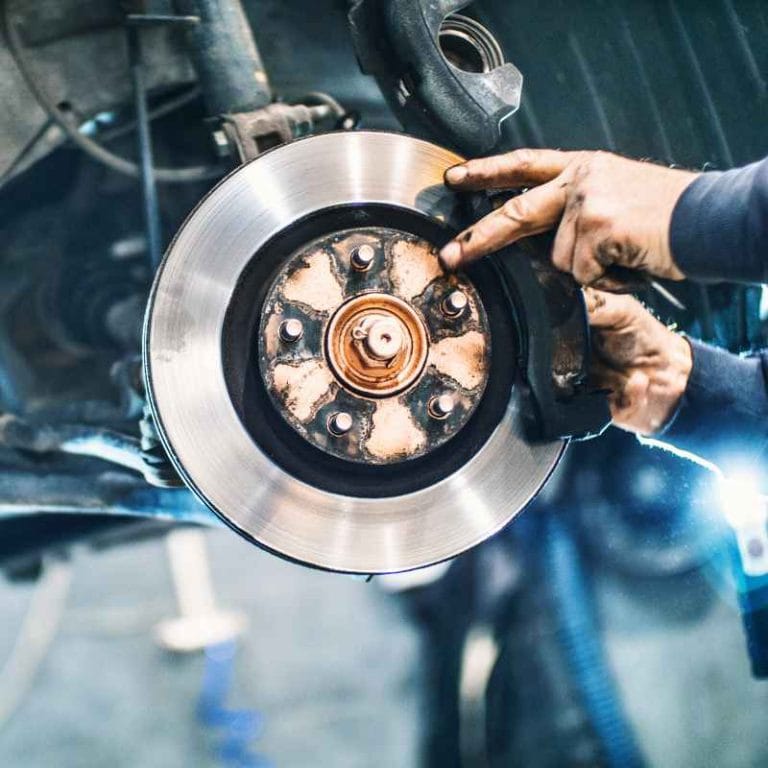
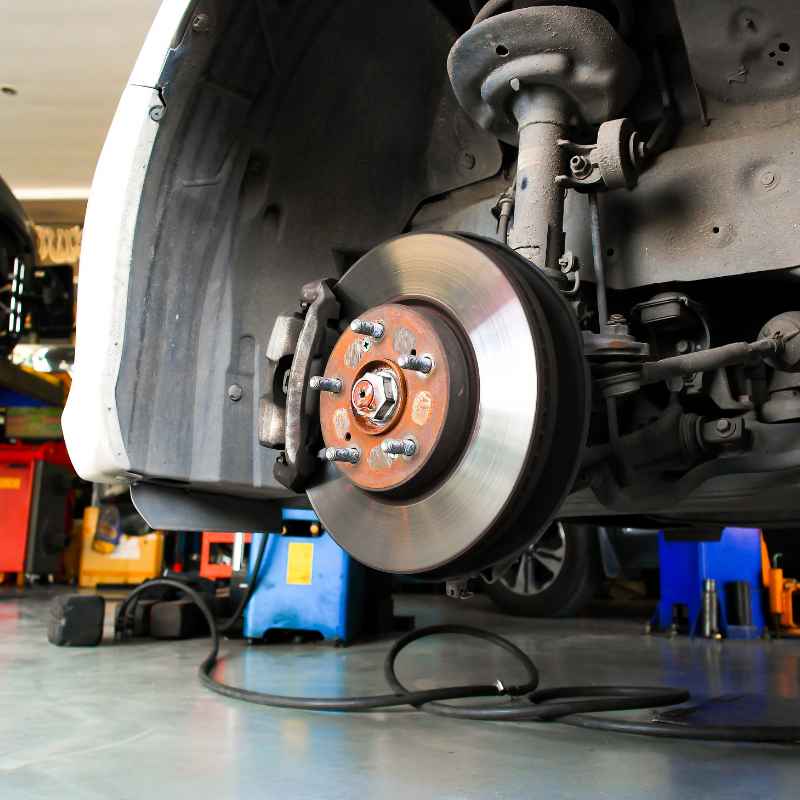
Disc brakes have four key parts:
- Brake pads: These are pressed against the brake rotor to slow the car.
- Rotors (discs): Flat metal disks attached to the wheel.
- Calipers: Squeeze the pads against the rotors.
- Brake fluid: Transfers force from your foot to the brakes.
Drum brakes use a different system. The pads press outward against a drum, rather than a flat rotor. Both types wear down over time.
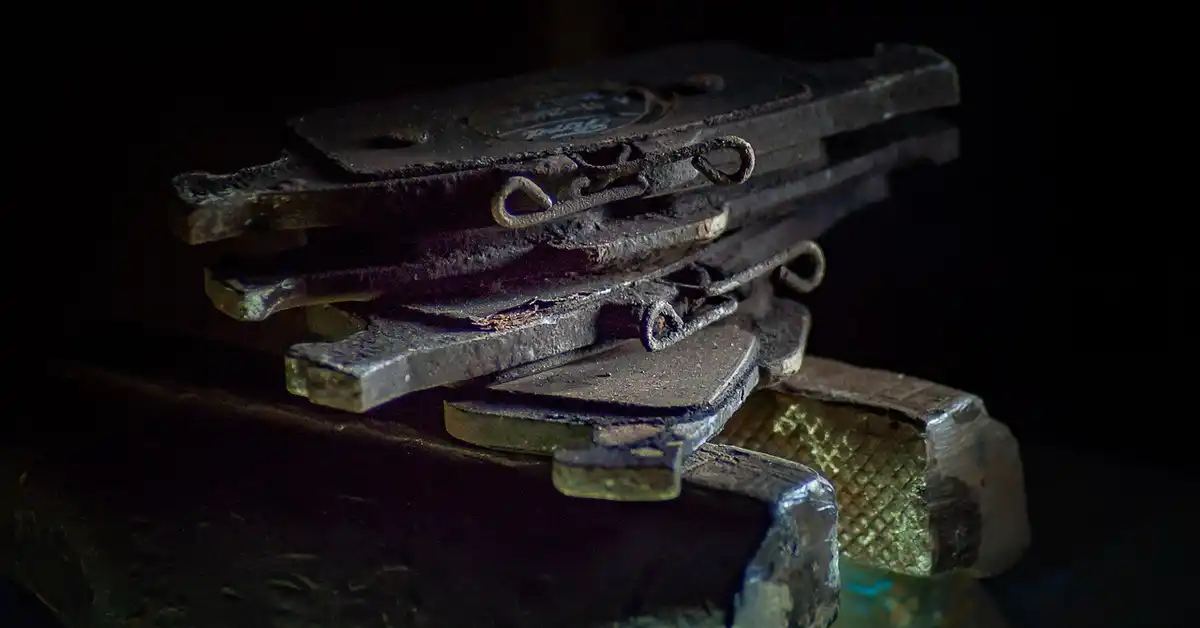
The part that wears fastest is the brake pad. Rotors last longer, but can get grooves or warp if pads are ignored. Calipers and brake fluid usually last much longer, unless there’s a leak or failure.
How Long Should Car Brakes Last? Real Numbers
Most guides say brakes last between 25,000 and 70,000 miles. But this range is wide for a reason—there’s no one-size-fits-all answer. Brake pads, the part you replace most often, can last:
- 30,000 miles (if you drive in traffic, brake hard, or tow heavy loads)
- Up to 70,000 miles (if you drive highways, brake gently, and avoid heavy loads)
Rotors can last 50,000–70,000 miles or more. Drum brakes often last even longer. Some drivers need new pads every year, others every five years. If you’re looking for averages, here’s a comparison:
| Brake Type | Average Lifespan (Miles) | Typical Replacement Interval |
|---|---|---|
| Disc Brake Pads | 30,000–70,000 | 2–5 years |
| Drum Brake Shoes | 50,000–100,000 | 4–8 years |
| Brake Rotors | 50,000–70,000 | 4–6 years |
| Brake Calipers | 100,000+ | 8–12 years |
But these are only averages. Let’s see what changes brake life.
What Shortens Brake Life? Factors Mechanics Rarely Mention
Mechanics often blame “wear and tear,” but there are hidden factors they rarely discuss. Here are some key things that can make brakes wear faster—or slower.
1. Driving Style
Aggressive braking is the biggest cause of fast pad wear. If you:
- Brake hard at stoplights
- Drive in city traffic
- Tailgate and stop suddenly
Your pads wear much faster than someone who coasts to a stop. Smooth braking can double pad life.
2. Climate And Environment
Living in hilly areas means more braking. If you drive in snow or rain, brakes can wear faster as well. Salt used in winter can also corrode rotors and calipers.
3. Car Weight And Load
Heavier vehicles (SUVs, trucks) need more force to stop. More weight means faster brake wear. Towing trailers also stresses brakes.
4. Brake Pad Material
Not all pads are equal. Some types last longer, but cost more. Here’s a quick look:
| Pad Type | Average Lifespan (Miles) | Performance | Cost |
|---|---|---|---|
| Organic | 25,000–40,000 | Quiet, soft | Low |
| Semi-metallic | 40,000–60,000 | Good stopping | Medium |
| Ceramic | 60,000–80,000 | Excellent, clean | High |
5. Maintenance Habits
Ignoring brake fluid changes, or letting pads get too thin, can damage rotors and calipers. Regular checks extend brake life.
6. Driving Frequency
Cars driven daily wear brakes quicker than weekend-only vehicles. But unused cars can suffer from rust on rotors, making brakes noisy and less effective.
7. Hidden Factors
Two overlooked factors are:
- Wheel alignment: Poor alignment makes brakes work harder.
- Tire condition: Worn tires slip and force brakes to compensate, adding extra wear.
Signs Your Brakes Need Attention
You shouldn’t wait for a mechanic’s advice. Here are warning signs to watch for:
- Squealing or grinding noises: Most pads have a metal wear indicator. When pads get thin, they squeal. Grinding means the pad is gone—rotor is wearing.
- Longer stopping distance: If your car takes longer to stop, pads or rotors may be worn.
- Vibration or pulsation: Warped rotors cause the pedal or steering wheel to shake.
- Soft brake pedal: This can mean air in the brake fluid, or a leak.
- Pulling to one side: Brakes may be worn unevenly, or calipers are sticking.
- Dashboard warning lights: Many new cars have brake wear sensors.
Ignoring these signs risks safety—and expensive repairs.
How Mechanics Decide When To Replace Brakes
You might think mechanics use a strict rule, but most rely on pad thickness and visual checks. The key measurement is:
- Pad thickness: New pads are 10–12mm thick. Most shops recommend replacement at 3–4mm.
But some mechanics suggest early replacement for profit, or wait too long to save you money. It’s smart to check yourself, or ask for the old parts.
Rotors are replaced if:
- They’re below the minimum thickness stamped on the rotor (usually 1–2mm less than new)
- They’re warped, grooved, or rusted
Calipers are only replaced if leaking, sticking, or seized.
What Mechanics Won’t Tell You
Mechanics often avoid these truths:
- You can check pads yourself: Many cars have a small window in the caliper. You can see the pad thickness without removing anything.
- Pads can last longer than quoted: If you drive gently, pads can double the “average” lifespan.
- Rotors can be resurfaced: Instead of replacing rotors, you can have them “turned” or resurfaced. This is cheaper, but only possible if rotors are thick enough.
- Cheap pads may wear faster: Low-cost pads can save money short-term, but need replacement sooner.
- Aftermarket parts may differ: Not all pads fit perfectly. Poor fit can cause noise or uneven wear.
- Brake fluid matters: Old brake fluid absorbs water, lowering braking power and causing rust inside.
- Some noises are harmless: Brake squeal doesn’t always mean pads are gone. Sometimes it’s dust, humidity, or pad type.
- You don’t need to replace all pads at once: Often only the front or rear pads are worn.
How To Check Your Brakes At Home
You can check brakes yourself with simple steps:
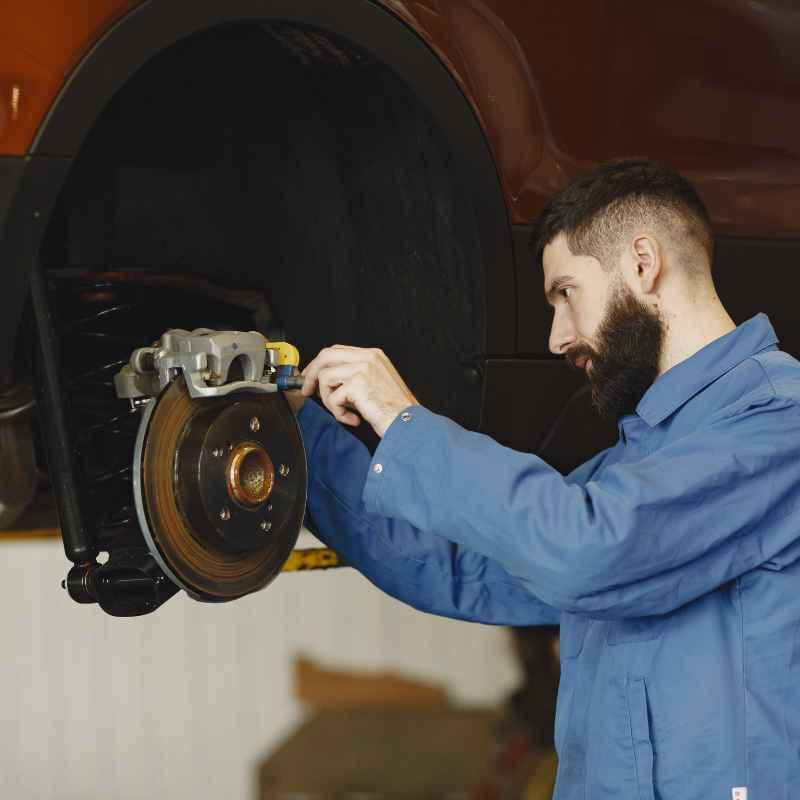
- Look through the wheel spokes: Find the brake caliper. You’ll see the pad pressed against the rotor.
- Measure pad thickness: If the pad is less than 3mm, it’s time for replacement.
- Inspect rotors: Look for grooves, rust, or warping.
- Listen for noises: Squealing or grinding is a clear sign.
- Check brake fluid: Open the hood, find the brake fluid reservoir. Fluid should be clear, not dark.
For drum brakes, you need to remove the wheel and drum. If you’re not comfortable, ask a mechanic to show you.
Practical Tips To Make Brakes Last Longer
You don’t have to accept average brake life. Here are practical ways to extend it:
- Brake smoothly: Ease off the pedal early, avoid sudden stops.
- Avoid riding the brakes: Don’t keep your foot on the pedal downhill—use engine braking.
- Reduce weight: Remove heavy items from your car.
- Rotate tires and check alignment: Keeps wear even.
- Change brake fluid every 2–3 years: Prevents corrosion and keeps braking strong.
- Buy quality pads: Ceramic pads cost more but last longer.
- Clean brakes regularly: Dust and debris can cause noise and extra wear.
- Drive highways when possible: City driving wears brakes faster.
- Avoid high-speed stops: They stress pads and rotors.
- Don’t ignore warning signs: Early fixes prevent big repairs.
Two extra tips most beginners miss:
- Parking brake use: Using the parking brake regularly keeps drum brakes (or rear calipers) working smoothly.
- Brake break-in: After new pads, follow “bed-in” instructions (usually several gentle stops from moderate speed) to ensure maximum life.
Brake Replacement Costs: What To Expect
Brake service isn’t cheap, but prices vary. Here’s a quick comparison:
| Service | Low-End Cost | High-End Cost |
|---|---|---|
| Brake Pad Replacement (per axle) | $100 | $300 |
| Rotor Replacement (per axle) | $150 | $400 |
| Brake Fluid Flush | $70 | $120 |
| Caliper Replacement (per caliper) | $150 | $350 |
Luxury cars and trucks cost more. Some shops may quote higher prices for “premium” pads or rotors. Always ask for a detailed bill, and check if labor is included.
Common Brake Myths That Cost You Money
Some beliefs about brakes are outdated or wrong. Here are myths mechanics rarely correct:
- “All pads are the same.” Cheap pads wear faster, make more noise, and can damage rotors.
- “Brakes last longer if you drive slow.” Not always. Frequent stops at low speed can wear pads more than highway driving.
- “You must change rotors every time you change pads.” Not true. Rotors can be reused if they’re within thickness specs and not damaged.
- “Brake fluid never needs changing.” Brake fluid absorbs moisture. It should be changed every 2–3 years.
- “Noise means brakes are bad.” Sometimes, noise is just dust or humidity.
- “You must change all four brakes at once.” Usually, only the front or rear need replacement.
When To Trust A Mechanic—and When To Ask Questions
Most mechanics are honest, but some may push early replacement or upsell services. Here’s how to protect yourself:
- Ask to see the worn parts: Good shops will show you the pads and rotors.
- Get a second opinion: If you’re quoted a high price, check another shop.
- Request measurements: Ask for pad thickness and rotor measurements.
- Check shop reputation: Look for reviews and certifications.
An extra insight: Some shops rotate pads (move less-worn pads to another wheel) to stretch replacement intervals. This is not always safe—pads wear unevenly.
Brake Technology: New Trends And Their Impact
Modern cars use advanced brake systems:
- Electronic brake sensors: Warn you when pads are low.
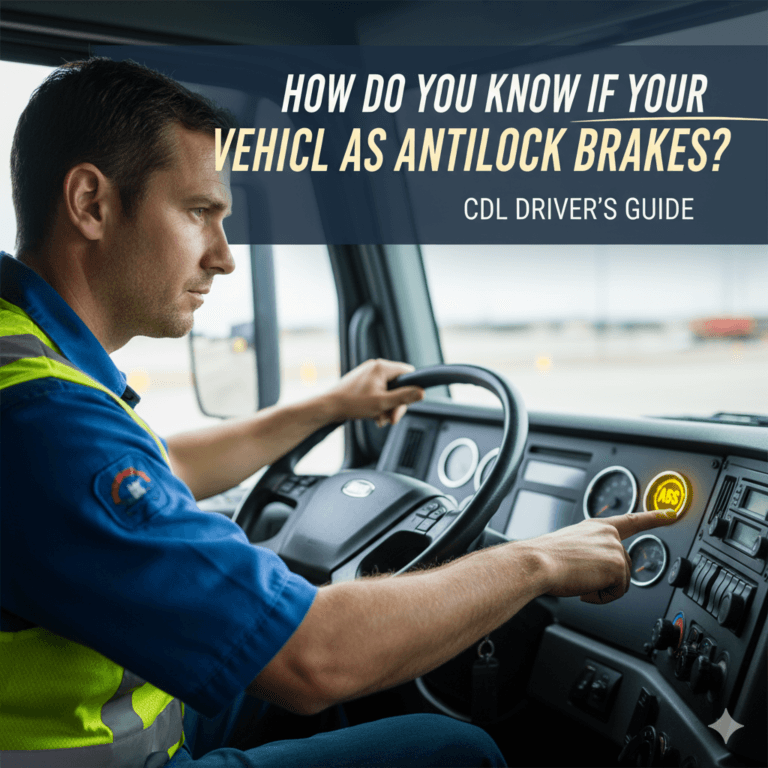
- Anti-lock brakes (ABS): Prevent skidding, but can stress pads with rapid pulses.
- Regenerative braking (hybrid/electric cars): Uses the motor to slow the car. This reduces brake pad wear—but pads can still age from time and moisture.
Electric cars often need new pads less often. But you still need to check for rust, especially on rotors.
How Weather And Environment Change Brake Life
Weather can shorten or extend brake lifespan:
- Wet climates: Moisture causes rust. Pads may stick to rotors after sitting.
- Dry, dusty areas: Dust can build up, causing noise and extra wear.
- Cold climates: Salt corrodes metal parts. Clean brakes often.
- Urban areas: Frequent stops, heavy traffic mean faster wear.
If you park outside, check brakes after storms or snow. Rust can form quickly.
How To Choose The Right Brake Pads
If you’re buying pads, consider:
- Driving style: Aggressive drivers need tougher pads.
- Car type: Heavy vehicles need semi-metallic or ceramic pads.
- Budget: Organic pads are cheapest but wear fastest.
- Noise tolerance: Ceramic pads are quiet, semi-metallic may squeal.
- Brake dust: Ceramic pads produce less dust.
Don’t just buy the cheapest option. Quality pads last longer and save money over time.
How To Avoid Common Brake Mistakes
Some mistakes can cut brake life in half:
- Ignoring pad thickness: Waiting until pads are gone damages rotors.
- Mixing pad types: Using different pads front and rear can cause uneven wear.
- Skipping fluid changes: Old fluid causes corrosion and poor braking.
- Letting rust build up: Clean rotors if you see rust.
- Driving with worn tires: Tires and brakes work together. Bad tires stress brakes.
- Overloading the car: Extra weight makes brakes work harder.
A non-obvious tip: If you replace pads, always “bed in” the new pads. This means making several gentle stops from moderate speed, so the pad surface matches the rotor. It prevents noise and improves life.
How Often Should You Check Your Brakes?
You should check brakes at least every 6 months, or at every oil change. If you drive in tough conditions, check more often. Most shops check brakes during tire rotation or inspection.
Some cars have brake wear sensors—these are helpful, but not perfect. Don’t ignore regular checks, even if you have sensors.
Brake Warranty: What You Need To Know
Many pads come with a warranty—often 12 months or 12,000 miles. Some brands offer “lifetime” warranties, but these cover only the part, not labor. Rotors and calipers rarely have long warranties.
Always keep your receipt and ask about warranty terms. If pads wear out early, you may get free replacements.
Environmental Impact Of Brake Wear
Brakes don’t just cost money—they affect the environment. Dust from brake pads contains metal and chemicals. Ceramic pads produce less dust, but cost more.
Some cities are banning certain pad types to reduce pollution. If you care about air quality, choose pads with low copper or metal content.
Frequently Asked Questions
How Do I Know If My Brakes Are Worn Out?
Listen for squealing or grinding noises. Check pad thickness through the wheel—less than 3mm means replacement. If your car stops slower, or the pedal feels soft, it’s time to check brakes.
Can I Replace Brake Pads Myself?
Yes, if you have basic tools and knowledge. Most cars allow pad replacement with simple wrenches. Always follow safety instructions. If you’re unsure, watch a video or ask a mechanic for guidance.
Do I Need To Replace Rotors Every Time I Change Pads?
Not always. Rotors can be reused if they’re not worn, grooved, or warped, and are above minimum thickness. Some shops push replacement for profit. Ask for measurements and visual proof.
Is It Safe To Drive With Brake Warning Lights On?
No. Brake warning lights mean pad wear, low fluid, or system fault. Driving with warning lights risks brake failure. Get your brakes checked right away.
What’s The Best Brake Pad Type For My Car?
For most drivers, ceramic pads are best—they last longer and are quiet. For heavy vehicles or towing, semi-metallic pads are stronger. If you want to save money, organic pads are cheaper but wear faster.
Brakes are your car’s most important safety system. Understanding how long they last—and the real reasons behind their wear—can save you money, prevent accidents, and help you make smart choices. Don’t just trust averages or shop advice. Use the facts, check your brakes often, and pick quality parts. For more technical details, see the Wikipedia page on brakes. Stay safe, drive smart, and keep your brakes in top shape. See also how much does it cost to change brakes honest breakdown.
Products related to this article
Sponsored / affiliate links. As an Amazon Associate I earn from qualifying purchases. I may earn additional commission from eligible campaigns.