Why Car Brakes Squeak When Reversing?
Have you ever driven your car and heard a strange squeaking noise when you back up? It can be a bit unnerving, especially if you’re new to driving. Many drivers wonder, Why Do Car Brakes Squeak When Reversing? This common issue might seem tricky, but understanding the simple reasons behind it can help you feel more confident.
We’ll break down this mystery step by step, making it easy to grasp. Let’s find out what’s causing that noise and what it means for your car.
Understanding Brake Squeaks When Reversing
Brake squeaks when reversing are a common occurrence that can puzzle many drivers. This sound often happens because the brake system works a little differently when the car is moving backward compared to forward. The angle of the brake pads against the rotor, the direction of friction, and even small debris can all contribute to this noise.

Squeal Out
Squeal Out Anti-Squeal Disc Brake Paste, Stops…
- ENHANCED PERFORMANCE: Achieve smoother braking with brake lube that reduces friction and wear on components
- NOISE REDUCTION: Experience quieter rides with brake pad lubricant that minimizes annoying sounds
- LONG-LASTING PROTECTION: Effectively eliminate unwanted noise with brake squeak stop and brake anti squeal paste for reliable perf…
As an Amazon Associate I earn from qualifying purchases.
For new drivers, it can be a source of worry, making them question if something is seriously wrong with their vehicle. Rest assured, in many cases, it’s a normal part of how brakes operate under specific conditions.
The Mechanics Behind Brake Noises
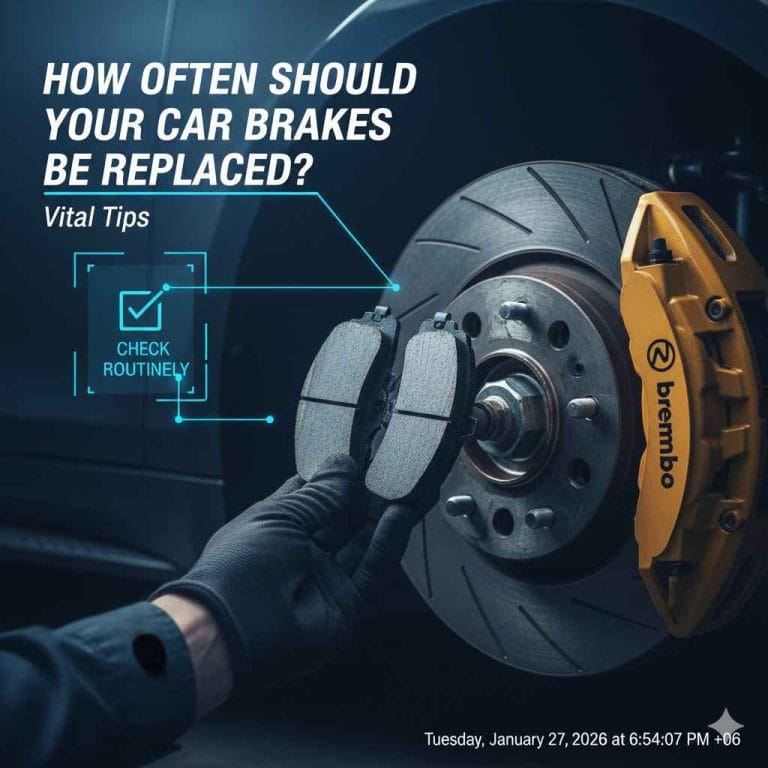
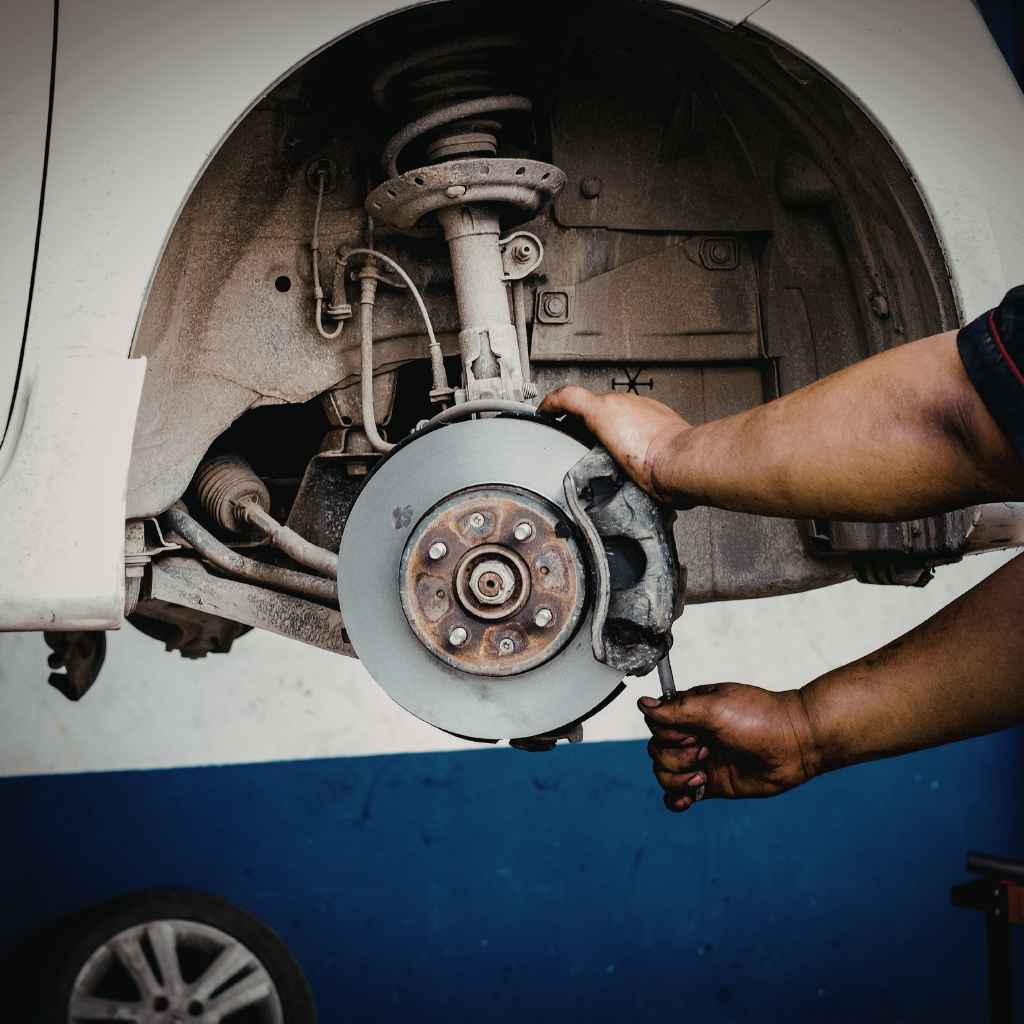
Brake systems are designed to create friction to slow down or stop your car. This friction is generated between the brake pads and the brake rotors (also called brake discs). When you press the brake pedal, hydraulic fluid pushes a caliper, which squeezes the brake pads onto the spinning rotor.
This squeezing action creates friction, converting kinetic energy into heat and slowing the car. The materials of the brake pads and rotors, along with their condition and any moisture or dust present, play a significant role in the sounds produced during braking.
The squeaking sound itself is essentially a high-frequency vibration. Think of it like running your finger around the rim of a wet wine glass. The vibration of the glass creates a distinct sound.
Similarly, when brake pads and rotors vibrate at a specific frequency, they produce a squeal. This vibration can be amplified or dampened by various factors within the braking system.
Factors Affecting Brake Squeaks
- Pad Material and Design: Different brake pad materials have different friction coefficients and vibration tendencies. Some performance pads, designed for high friction, might be more prone to squealing than standard ceramic or semi-metallic pads. The shape and the way the pad is chamfered (angled) can also influence noise.
- Rotor Surface Irregularities: Over time, brake rotors can develop minor imperfections like glazing, uneven wear, or rust. These can cause the brake pads to vibrate erratically, leading to squeaks. A rotor that has become slightly warped can also induce vibrations.
- Moisture and Contaminants: Even a thin layer of moisture, such as dew overnight or after a car wash, can cause temporary brake squeaks. Dust, dirt, or small particles of grit caught between the pad and rotor can also create high-pitched noises.
These elements interact to create the sounds we hear. Even perfectly functioning brakes can sometimes produce a squeak, especially under specific conditions like low speeds or when the brakes are cold. Understanding these basic components helps us appreciate why these noises happen.
Reversing Dynamics and Brake Sounds
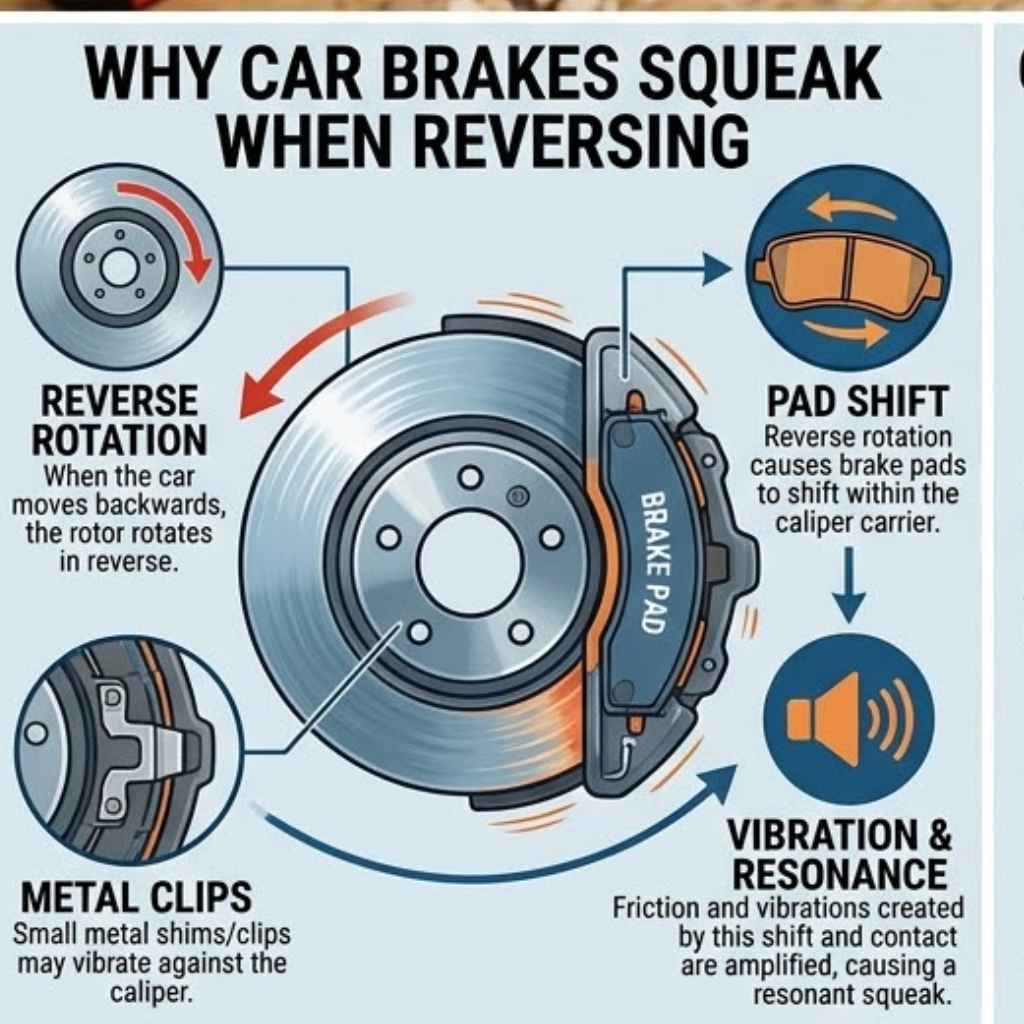
The primary reason brakes might squeak specifically when reversing, rather than going forward, is due to the change in the angle of the brake pads against the rotor. When a car moves forward, the brake pads are typically pulled into the caliper assembly at a consistent angle. However, when reversing, the rotor’s direction of rotation is reversed, which can slightly alter the angle at which the brake pad contacts the rotor.
This change in contact angle can shift the vibration frequencies, making squeaks more noticeable.
Imagine the brake pad as a tiny wedge being pushed against a spinning wheel. In forward motion, the wedge might slide smoothly. In reverse, the same wedge might catch or chatter slightly due to the reversed motion.
This subtle difference in how the friction surfaces interact is often the culprit behind the distinctive reversing squeal.
Directional Friction Differences
- Altered Pad Engagement Angle: In reverse, the trailing edge of the brake pad contacts the rotor first. This can lead to a different type of friction and vibration compared to the leading edge contact during forward braking. This altered engagement can excite different vibration modes within the brake components.
- Caliper Piston Dynamics: The way the caliper piston applies force can also play a role. In reverse, the pressure distribution might be slightly uneven, leading to localized vibrations.
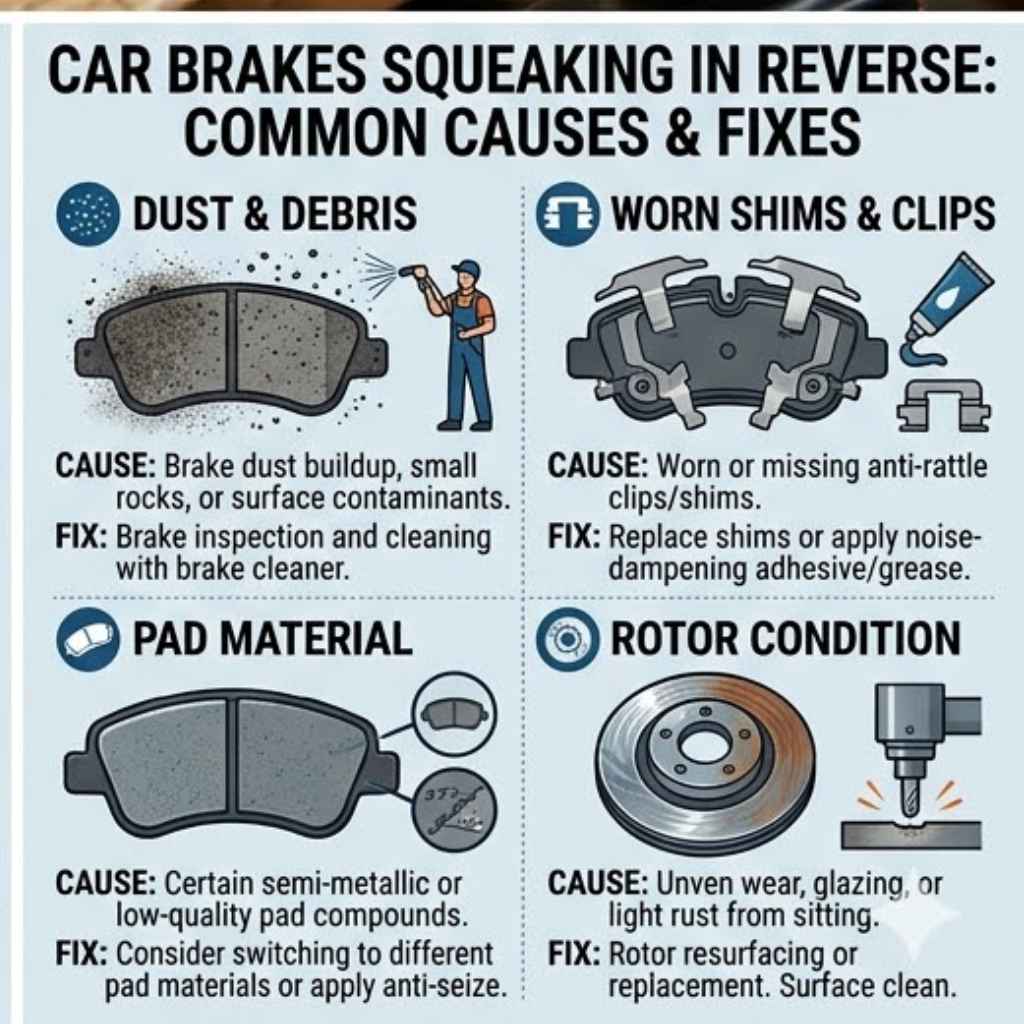
- Brake Dust Accumulation: Brake dust, a fine powder created from brake pad wear, can accumulate in specific areas. When reversing, this dust might be agitated and trapped between the pad and rotor, causing the squeal.
This change in mechanical interaction, however slight, is enough to alter the acoustic output of the braking system. It’s a subtle shift in physics that many drivers notice. It’s often temporary and may disappear after a few stops in the forward direction.
Common Causes of Brake Squeaks in Reverse
When your car’s brakes squeak specifically when you’re backing up, it usually points to a few common culprits. These aren’t always signs of imminent brake failure but rather conditions that make the brakes more prone to vibrating and producing noise in that specific direction of movement. Identifying these causes can help you decide if you need to take action or if it’s something that will resolve on its own.
Worn Brake Pads
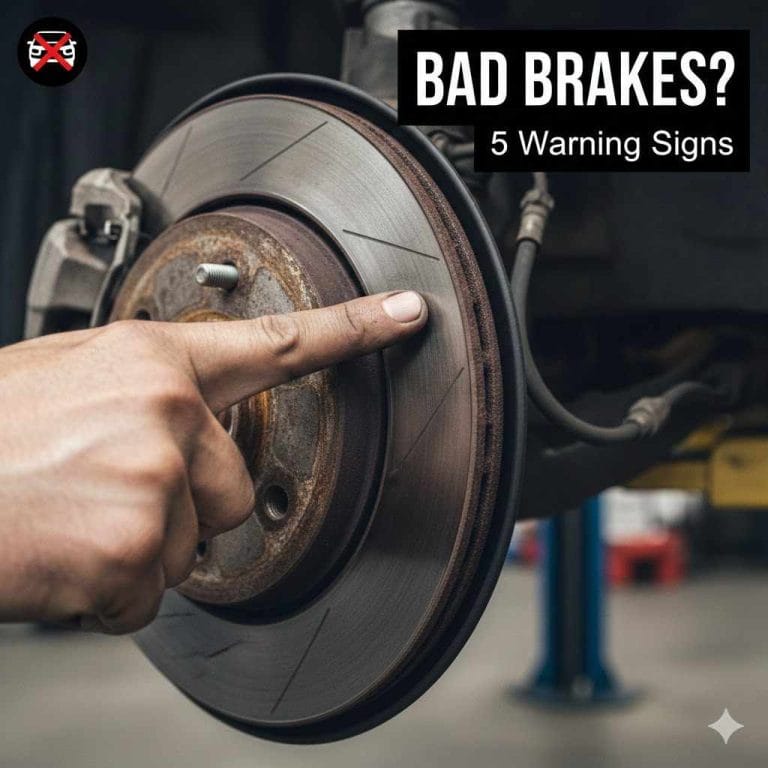
Brake pads have a limited lifespan and are designed to wear down over time. As they get thinner, the metal backing plate of the brake pad may start to make contact with the rotor. Most brake pads have a small metal tab called a “wear indicator” that is designed to scrape against the rotor and create a squealing or grinding sound when the pads are worn down to a critical level.
This is a safety feature to alert you that your brake pads need replacing soon. When reversing, the angle of contact might make this wear indicator more sensitive or prone to touching the rotor, thus producing the squeak.
A worn brake pad loses its ability to effectively grip the rotor. The material that creates friction is significantly reduced. This means the metal backing plate is closer to the rotor surface.
Even a slight vibration can cause this metal-on-metal contact, which is much louder and more noticeable than pad-on-rotor friction. The sensation is often described as a high-pitched screech.
Signs of Worn Brake Pads
- Thinning Pad Material: Visually inspect the brake pads. If the friction material (the part that contacts the rotor) is less than about 1/4 inch thick, they are likely worn. You can often see this through the spokes of your wheels or by removing the wheel.
- Squealing Noise: As mentioned, the wear indicator is designed to make noise when pads are low. This noise is usually consistent, not just during reversing. However, the reversed motion can sometimes exacerbate it.
- Grinding or Scraping Sounds: If you hear a deep grinding or scraping sound, it means the metal backing plate is likely already in direct contact with the rotor. This is a serious issue that requires immediate attention to prevent further damage.
- Longer Stopping Distances: Worn brake pads reduce your car’s ability to stop quickly. If you notice your car taking longer to stop than usual, it’s a strong indicator that your brakes need checking.
Replacing worn brake pads is a standard maintenance item. Ignoring this can lead to more expensive rotor damage and compromised braking safety. The typical lifespan of brake pads varies greatly depending on driving habits and the type of pads, but ranges from 20,000 to 70,000 miles.
Glazed Brake Rotors
Glazing occurs when the surface of the brake rotor becomes hardened and smooth from excessive heat and friction. This smooth surface can reduce the effectiveness of the brake pads and cause them to slip and vibrate. When this happens, the brake pads can’t “bite” into the rotor as well as they should.
Instead, they might slide over the hardened surface, creating a squealing noise. Reversing can sometimes highlight this glazing because the altered contact angle might cause the pads to chatter against the super-smooth surface more readily.
Glazed rotors are like trying to get a good grip on a perfectly polished mirror. The friction is reduced. This means that while you might still be able to stop, the braking performance won’t be as strong.
The excessive heat that caused the glazing can also lead to uneven wear patterns on the rotor itself.
Identifying Glazed Rotors
- Shiny Surface: Glazed rotors will have a very smooth, almost mirror-like appearance. You can usually tell by looking at the surface where the brake pads make contact.
- Reduced Braking Performance: While not always dramatic, you might notice a slight decrease in your car’s stopping power.
- Squeaking Noise: This is the most common symptom, especially when the brakes are hot or when reversing. The noise might be more of a continuous squeal or a high-pitched whine.
- Brake Dust Variations: Sometimes, glazing can affect how brake dust is produced and expelled, leading to noticeable differences in dust patterns on your wheels.
If your rotors are glazed, they might need to be resurfaced (machined to remove the glazed layer and create a fresh surface) or replaced entirely. The decision depends on the severity of the glazing and the remaining thickness of the rotor. Often, resurfacing is a cost-effective solution if the rotor is still thick enough.
Moisture and Rust
Brake systems are exposed to the elements. Moisture, whether from rain, snow, car washes, or even morning dew, can cause a thin layer of rust to form on the surface of the brake rotors. This rust is usually minimal and gets quickly scraped away by the brake pads during normal driving.
However, when you first start driving after the moisture has been present, especially when reversing at low speeds, the rust particles can create friction and vibration, leading to a temporary squeaking sound.
This is a very common cause of temporary squeaks. Think of it like the sound you might hear if you try to slide a slightly rough object across a wet surface. The water lubricates, but any microscopic imperfections create noise.
The same happens with rust on your rotors. It’s usually harmless and goes away after a few brake applications.
Dealing with Moisture-Related Squeaks
- Post-Washing Squeaks: After washing your car, you might notice squeaks. Driving forward and braking a few times usually clears this up as the water and any surface rust are removed.
- Morning Squeaks: If your car has been sitting overnight, especially in humid conditions, a light layer of rust can form. Reversing can sometimes make this noise apparent.
- Light Rust Patches: If you see light, reddish-brown patches on your rotors, that’s the rust. It’s typically superficial if it disappears after a few miles of driving.
- Persistent Squeaks: If the squeaking persists for more than a few miles or seems to be getting worse, it might indicate a more serious issue than just surface rust.
For light rust, a few normal stops are usually all that’s needed to clean the rotors. If the rust appears heavy or is accompanied by other braking issues, it’s wise to have them inspected by a mechanic. Severe rust can weaken the rotor and impact braking performance.
Brake Hardware and Lubrication Issues
The brake system has various components that slide and move, such as the brake pads in their caliper brackets, and the caliper slide pins. These parts need to be clean and properly lubricated to function smoothly. If brake hardware like anti-rattle clips or shims are loose, bent, or missing, they can vibrate and cause squeaking.
Similarly, if the caliper slide pins are not lubricated, the caliper may not move freely, leading to uneven pad wear and potential squeaking, especially during reversing when the forces are applied differently.
Think of the brake system like a well-oiled machine. Every part needs to move with minimal resistance. When parts become dry or sticky, they can bind, vibrate, and create noise.
Brake hardware is designed to dampen vibrations, so if it’s not in place or functioning correctly, the squeaks can become very noticeable.
Common Hardware Problems
- Loose Anti-Rattle Clips/Shims: These small metal pieces are crucial for keeping the brake pads snug. If they are bent or come loose, the pads can rattle or vibrate, causing squeaks.
- Dry or Corroded Caliper Slide Pins: These pins allow the caliper to move freely. If they are dry or corroded, the caliper can bind, leading to uneven pressure on the brake pads and potential squealing.
- Sticking Calipers: A caliper that is sticking will not release pressure on the brake pads evenly. This can cause constant drag, overheating, and noise, which might be more pronounced in reverse.
- Improper Pad Installation: If brake pads are not installed correctly, or if the correct types of lubricant are not used on the mounting points, squeaking can occur.
Regular maintenance, including cleaning and lubricating brake hardware, is part of ensuring a quiet and efficient braking system. This is often overlooked during simple brake pad changes but is vital for long-term performance and noise reduction.
Diagnosing Brake Squeaks When Reversing
When you hear that familiar squeak from your brakes in reverse, it’s time to play detective. Pinpointing the exact cause requires a systematic approach. Instead of just ignoring the sound, taking a moment to observe when and how it happens can provide valuable clues.
This diagnostic process helps you understand if it’s a minor issue or something that needs immediate professional attention.
Visual Inspection of Brake Components
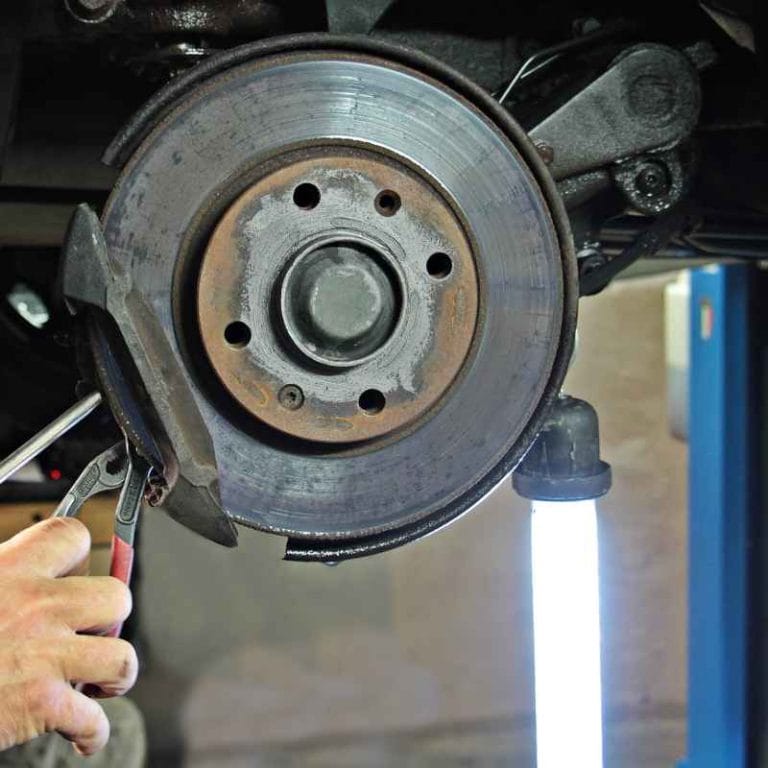
The first step in diagnosing brake squeaks is to visually inspect the key components. This can often be done safely by looking through the wheel spokes, but for a thorough inspection, you might need to remove the wheel. Look for obvious signs of wear or damage on the brake pads, rotors, and calipers.
This visual check can reveal a lot about the health of your braking system and quickly identify many common problems.
A good visual inspection goes beyond just looking. It involves checking for specific signs of wear and tear. This methodical approach can prevent more serious issues down the line by catching problems early.
What to Look For During Inspection
- Brake Pad Thickness: Check the thickness of the friction material on the brake pads. If it’s less than about 1/4 inch (6mm), they are likely due for replacement. Look for uneven wear across the pad surface as well.
- Rotor Surface Condition: Examine the brake rotor’s surface. Look for deep grooves, scoring, rust pitting, or a glazed, shiny appearance. Small amounts of surface rust after rain are normal, but heavy pitting or deep grooves are not.
- Caliper Condition: Ensure the caliper is not seized or leaking brake fluid. Check if the dust boot around the caliper piston is intact. Look for any signs of damage or corrosion on the caliper body.
- Hardware Presence: Make sure all retaining clips, anti-rattle springs, and shims are in place and appear to be in good condition. Loose or missing hardware is a common cause of noise.
A visual inspection is your first line of defense. It can often tell you whether the issue is a simple fix or something more complex that requires specialized tools and knowledge. For instance, if pads are visibly very thin, replacement is straightforward.
If rotors are heavily grooved, they will likely need to be replaced.
Listening to the Sound’s Characteristics
The type of sound your brakes make can offer clues about the problem. Is it a high-pitched squeal, a dull groan, or a grinding noise? Does it happen every time you reverse, or only under specific conditions (like when the brakes are cold or hot)?
Paying close attention to these details can help narrow down the possibilities considerably.
Sound is a language the car is speaking to you. Learning to interpret it is key to proactive maintenance. Even subtle differences in sound can point to different issues within the braking system.
Interpreting Brake Sounds
- High-Pitched Squeal: Often indicates worn brake pads (wear indicator), glazed rotors, or light surface rust. This is typically the most common sound for reversing squeaks.
- Grinding or Scraping: This is a serious sound, usually meaning the brake pads are completely worn, and the metal backing plate is grinding against the rotor. It requires immediate attention to prevent severe damage.
- Dull Groan or Moan: This could be caused by issues with the caliper hardware, uneven pad wear, or a sticky caliper. It might also occur if the brake fluid is contaminated.
- Clicking Sound: Sometimes, a clicking sound can indicate loose lug nuts or a caliper issue where the pad is not seated correctly.
The context of the sound is also important. Does it happen only when reversing at low speeds? Does it happen every time, or intermittently?
These details help a mechanic diagnose the problem more accurately. For example, if the sound only occurs when brakes are cold and stops after a few miles, it strongly suggests moisture or light rust.
When to Seek Professional Help
While many brake squeaks can be minor and temporary, there are times when it’s best to let a qualified mechanic take a look. If the squeaking is accompanied by other symptoms, or if it persists for an extended period, it’s a good indicator that something more significant might be wrong. Safety is paramount when it comes to brakes, so err on the side of caution.
Don’t hesitate to consult a professional if you’re unsure about the cause or if the problem seems beyond basic maintenance. Mechanics have the specialized tools and experience to accurately diagnose and repair brake issues, ensuring your vehicle’s safety.
Red Flags for Mechanic Intervention
- Persistent Loud Squealing: If the squeal is very loud and continuous, even after a few miles of driving, it might signal severely worn pads or damaged rotors.
- Grinding or Metal-on-Metal Sounds: These are critical warning signs that your brakes are severely damaged and require immediate service to avoid further harm to your vehicle.
- Reduced Braking Performance: If you notice your car taking longer to stop, the brake pedal feeling spongy or sinking, or if the steering wheel vibrates when braking, it’s a definite sign of a problem.
- Brake Warning Light On: If your car’s dashboard displays a brake warning light, it indicates a potentially serious issue that needs immediate professional diagnosis.
- Uneven Pad Wear or Rotor Damage: If your visual inspection reveals significantly uneven wear on the brake pads or visible damage like deep grooves on the rotors, it’s best to have it checked by a professional.
A professional diagnosis can provide peace of mind. They can perform a comprehensive check of your entire braking system, including hydraulic components, and recommend the most effective repair solution. This ensures your brakes are functioning optimally and safely.
Preventing Future Brake Squeaks
Keeping your brakes in good condition is key to preventing those annoying squeaks, especially when reversing. Regular maintenance and a few simple practices can go a long way in ensuring your brakes stay quiet and perform reliably. Proactive care is always better than reactive repairs.
Regular Brake Maintenance
Just like any other part of your car, brakes require routine checks and maintenance. Following your vehicle’s recommended service schedule is crucial. This includes periodic inspections of brake pads, rotors, and brake fluid.
Catching potential issues early can prevent them from developing into more significant problems, such as squeaking.
Routine checks allow for early detection of wear or minor problems. This means you can address them before they become serious and costly. Think of it as a tune-up for your stopping power.
Key Maintenance Practices
- Scheduled Inspections: Have your brakes inspected by a qualified mechanic at least once a year, or as recommended by your car manufacturer. This check should include pad thickness, rotor condition, and caliper function.
- Brake Fluid Checks: Ensure your brake fluid is at the proper level and clean. Brake fluid absorbs moisture over time, which can reduce its effectiveness and contribute to corrosion within the brake system.
- Cleaning and Lubrication: When brake pads are replaced, it’s good practice to have the caliper hardware cleaned and lubricated. This ensures smooth operation and reduces the likelihood of squeaks.
- Rotors Resurfacing or Replacement: If rotors show signs of glazing, warping, or significant wear, they should be resurfaced or replaced to ensure optimal braking performance and to prevent noise.
Following these maintenance tips ensures your braking system remains in top condition, minimizing the chances of unexpected squeaks and ensuring your safety on the road. The cost of regular maintenance is often far less than major repairs.
Driving Habits That Help Brakes
How you drive can also impact the wear and tear on your brakes. Smooth braking and avoiding unnecessary harsh stops can help prolong the life of your brake pads and rotors. When possible, anticipate stops and allow your vehicle to coast to a stop, rather than slamming on the brakes.
This reduces the stress on the braking system.
Gentle driving habits contribute to the longevity of many car parts, and brakes are no exception. Smooth actions mean less friction and heat, which are primary causes of wear and noise.
Driving Tips for Brake Longevity
- Smooth Braking: Avoid sudden, hard braking whenever possible. Gentle, progressive braking is much better for your brake pads and rotors.
- Anticipate Stops: Look ahead on the road and anticipate when you’ll need to slow down or stop. This allows you to reduce speed gradually rather than relying on aggressive braking.
- Avoid Riding the Brakes: Don’t rest your foot on the brake pedal while driving, especially on downhill stretches. This causes unnecessary friction and heat buildup.
- Reduce Unnecessary Weight: Carrying excessive weight in your vehicle forces your brakes to work harder. Remove any unneeded items from your car.
By adopting these simple driving habits, you can significantly reduce the stress on your braking system. This not only helps prevent squeaks but also extends the lifespan of your brake components, saving you money in the long run. A mindful driver is often a cost-effective driver.
Frequently Asked Questions
Question: Is a squeaking brake when reversing dangerous?
Answer: Usually, a light squeak when reversing is not dangerous, especially if it only happens briefly and disappears after a few miles. It often relates to moisture, light rust, or slight vibration changes. However, if the squeak is loud, persistent, or accompanied by changes in braking feel or performance, it could indicate a more serious issue like worn-out pads and requires immediate inspection.
Question: How often should I check my brake pads?
Answer: It’s recommended to have your brake pads inspected at least once a year during routine maintenance. Many mechanics will check them every oil change. However, if you drive in extreme conditions or notice any unusual sounds or changes in braking performance, you should get them checked sooner.
Question: Can I fix brake squeaks myself?
Answer: For minor issues like surface rust, driving normally usually resolves the squeak. For more involved problems like worn pads, rotor issues, or hardware problems, it’s generally recommended to have them serviced by a qualified mechanic unless you have experience and the proper tools.
Question: Do all cars squeak when reversing?
Answer: Not all cars will squeak when reversing, but it is a common occurrence. The specific design of the brake system, the materials used, and environmental factors can make some vehicles more prone to squeaking than others, especially under specific conditions like reversing.
Question: What does it mean if my brakes grind when reversing?
Answer: A grinding sound is a serious warning sign. It typically means the brake pads have worn down to the metal backing, and the metal is grinding directly against the rotor. This can cause significant damage and severely compromise your ability to stop.
You should have your brakes inspected and repaired immediately.
Conclusion
When your car’s brakes squeak during reverse, it’s often a simple matter of temporary surface rust, moisture, or a change in friction dynamics. Many times, these noises clear up on their own. However, always pay attention to the sound and if it persists or changes, it’s wise to have them checked.
Regular brake maintenance and smooth driving habits can help prevent these sounds and keep your brakes working safely.
Related pick: Check today's price on Amazon
Products related to this article
Sponsored / affiliate links. As an Amazon Associate I earn from qualifying purchases. I may earn additional commission from eligible campaigns.
 Brake Bleeder Kit Automotive,Brake Fluid Bleeder Exchanger Machines,Brake Oil Fluid Extractor Pump,Professional Pulsating Brake Oil Fluid Bleeding Tool,Automatic Vacuum Brake Bleeder One Person
 Yekoaru 3.93 Ft Brake Fluid Bleeder Hose, Car Oil Fluid Extractor Tool, Brake Bleeding Change Hose with Adapter, Universal Replacement Tube for Car Motorcycle Braking System Repair Tool