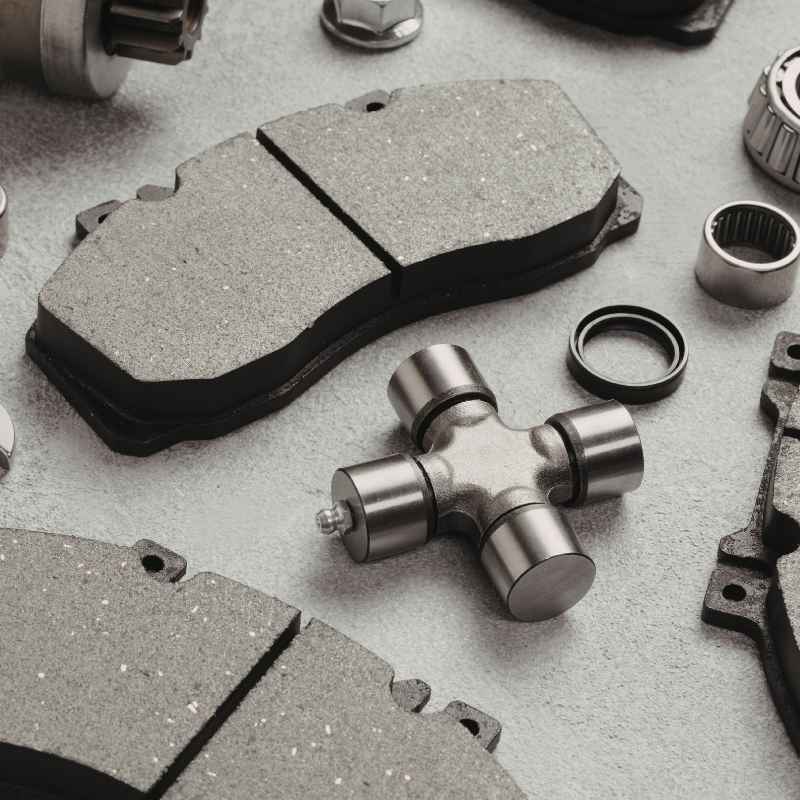
When Do Car Brake Pads Need Replacing? Signs To Watch
It’s a sound no driver wants to hear. That awful screech or grinding noise when you press the brake pedal. It’s often a sign that your car’s brake pads are worn out.
Knowing when to replace them is super important. It keeps you safe and helps avoid bigger, more expensive problems down the road. Let’s talk about these signs and how to spot them.
Car brake pads usually need replacing when you hear loud squealing or grinding noises, feel a spongy pedal, or see the brake warning light. Visual checks can also show wear. Regular checks every 6 months or 12,000 miles are recommended.
What It Means When Your Brake Pads Wear Out
Brake pads are the part of your braking system that rubs against the brake rotor. This rubbing creates friction. Friction slows down your car.
Think of them like the soles of your shoes. They wear down with use. Over time, the friction material on the brake pad gets thin.
When the friction material is almost gone, the metal part of the brake pad starts to touch the metal brake rotor. This is when you get those bad noises. It’s also really bad for your rotors.
They can get damaged. Damaged rotors cost much more to fix than just new brake pads.
This wear happens over thousands of miles. It depends on how you drive. Hard braking wears them out faster.
City driving, with lots of stops and starts, is harder on brakes than highway driving. Weather can play a part too. Salt and moisture can speed up wear.
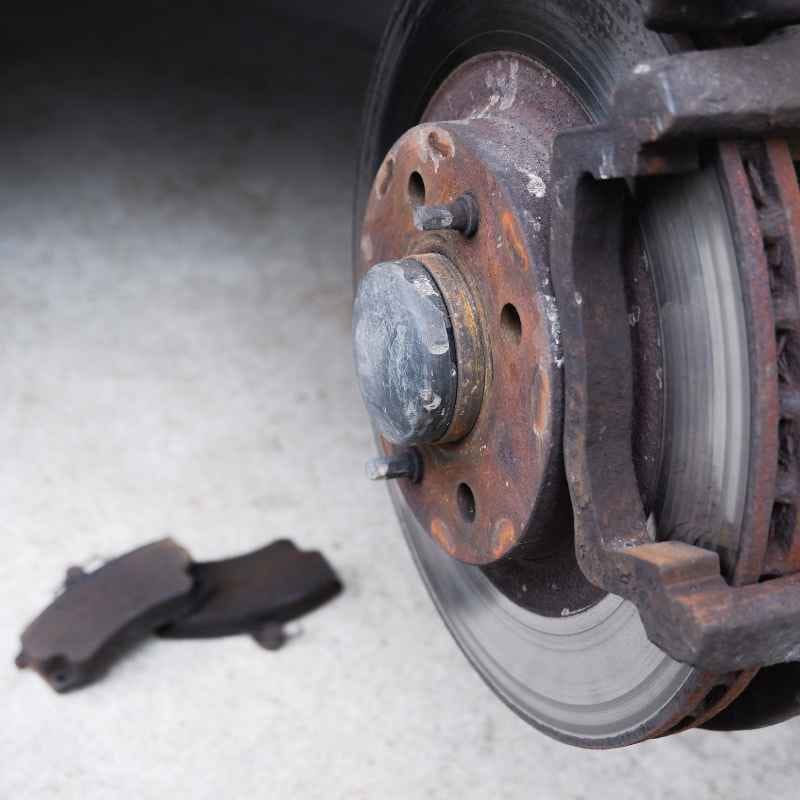
My Own Brake Pad Scare
I remember one time, I was driving home late from a friend’s house. It was dark and raining hard. I was on a winding country road.
Suddenly, I had to slam on the brakes. A deer had jumped out right in front of me. The car stopped, but I heard this awful, horrible grinding sound.
My heart jumped into my throat. I was so scared. I slowly drove the rest of the way home, my ears straining for any noise.
That grinding was the sound of my worn-out brake pads. I learned my lesson that night: don’t ignore those warning signs, no matter how tired you are.
Common Brake Pad Warning Signs
Squealing or Grinding: This is the most obvious sign. A high-pitched squeal often means the wear indicator is hitting the rotor. Grinding is more serious and means metal-on-metal contact.
Spongy Brake Pedal: If your brake pedal feels soft or goes further down than usual, it could mean air in the brake lines or worn pads.
Vibrations: Shaking or pulsing when you brake can point to warped rotors, often caused by overheating due to worn pads.
Brake Warning Light: Your dashboard has a light for your brakes. If it comes on, check your brakes right away.
The Sounds Your Brakes Make
Let’s break down the sounds. There are a few different ones. Each tells a slightly different story.
Some are minor. Others are urgent.
High-Pitched Squeal: Many brake pads have a small metal tab called a wear indicator. When the pad wears down to a certain point, this tab rubs against the rotor. It makes a high-pitched, annoying squeal.
This sound usually happens when you first start driving or when you lightly apply the brakes. It’s a clear warning that your pads are getting thin. It’s your car’s way of saying, “Hey, pay attention!”
Grinding Noise: This is the one that really makes you sweat. Grinding means the friction material on your brake pads is gone. The metal backing plate is now scraping against the metal rotor.
This is bad. It’s like scraping metal on metal. It makes a loud, harsh grinding sound.
If you hear this, you need to get your brakes checked immediately. You could be damaging your rotors.
Clicking Sound: Sometimes, a clicking sound when you start moving or turn might mean something else. It could be loose brake hardware. But it’s always wise to have it checked if you hear new noises.
What the Sounds Tell Us
Squeal (New Car): If your car is new, a slight squeal might be normal. New pads can sometimes make noise as they bed in. This usually goes away after a few hundred miles.
Squeal (Consistent): If the squeal is constant or gets worse when you brake, it’s the wear indicator. Time to think about new pads.
Grinding (Any Time): This is an emergency. Stop driving if possible and get it fixed. Safety first!
Feeling the Difference in Your Pedal
Your brake pedal is your direct link to stopping your car. Any change in how it feels is a big deal. It’s not just about noise.
How your brake pedal feels is a vital clue.
Spongy or Soft Pedal: Imagine pushing on a sponge. That’s how a spongy brake pedal feels. It sinks further down than it should when you press it.
You might have to push it almost to the floor to get your car to slow down. This can happen for a few reasons. Air in the brake lines is one.
Leaks in the brake system are another. Worn-out brake pads can also contribute. The caliper might have to travel further to make contact.
Hard Pedal: Sometimes, the pedal feels stiff. It takes a lot of effort to push it down. This could mean a problem with the brake booster.
This part helps you apply pressure. It’s less common with worn pads but still a sign of brake trouble.
Pulsing Pedal: If you feel a throbbing or pulsing sensation through the brake pedal when you apply pressure, especially during hard stops, this is a strong indicator. Warped brake rotors are the usual culprit. Warping happens when rotors get too hot and uneven.
Worn brake pads can lead to overheating. They don’t dissipate heat as well.
Pedal Feel Checklist
Normal: Firm pedal, stops the car effectively with moderate pressure.
Spongy/Soft: Pedal goes further down. Feels less responsive. Needs more force.
May indicate air or low fluid.
Hard/Stiff: Requires significant force to press. Feels resistant. Could be booster issue.
Pulsing: Rhythmic vibration felt in the pedal. Often means warped rotors.
Visual Clues: What to Look For
Sometimes, you can see the problem before you hear or feel it. Regular visual checks are a smart move. They give you a heads-up.
You can do this yourself. It doesn’t take long.
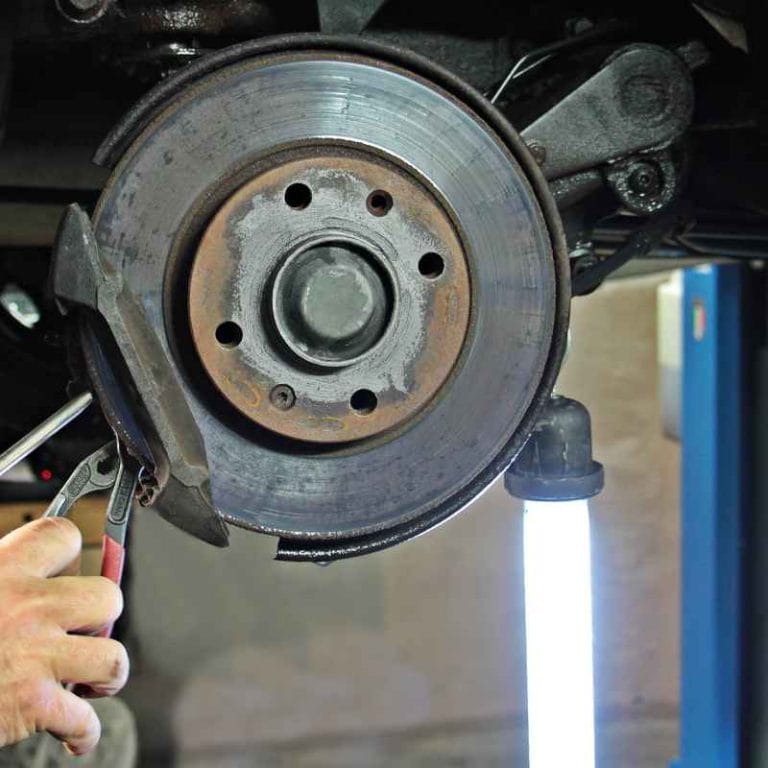
Checking Pad Thickness: Look through the spokes of your wheels. You should be able to see the brake caliper. The caliper is what squeezes the pads onto the rotor.
Inside the caliper, you’ll see the brake pad. It has a metal backing and a friction material. You want to see at least about a quarter of an inch of friction material.
If it looks very thin, like a few layers of paper, it’s time for new pads.
The Rotor Surface: While you’re looking, check the brake rotor. It’s the shiny metal disc. It should be smooth.
If you see deep grooves, scoring, or a bluish tint (from heat), the rotor might be damaged. Damaged rotors often need replacing along with the pads.
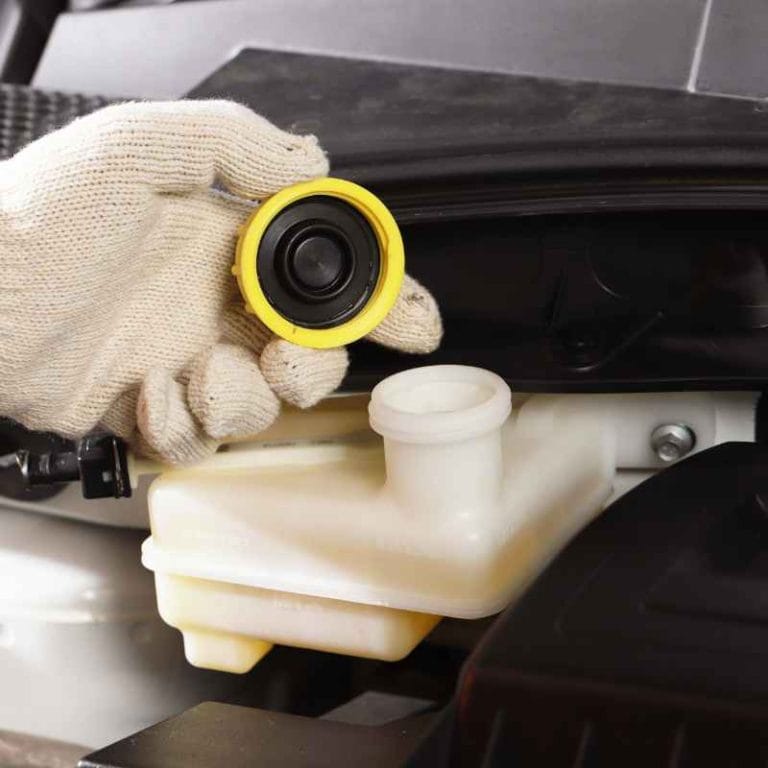
Brake Fluid Level: Your brake fluid reservoir is usually a small, clear plastic container under the hood. Check the level. If it’s low, it could mean a leak.
Or, it could just mean your pads are very worn. As pads wear, the caliper pistons extend further. This uses more fluid.
So, low fluid can be a sign of worn pads, but always check for leaks too.
Quick Visual Inspection Tips
When: Best done when your wheels are clean.
Where: Look through the wheel spokes at the brake caliper and rotor.
What to See: About 1/4 inch of pad material. Smooth rotor surface.
Red Flags: Very thin pad material. Deep scratches or grooves on rotor. Blueish rotor color.
The Dashboard Warning Light
Most modern cars have a warning light system for your brakes. This light is very important. It’s usually a circle with an exclamation mark inside, or it might say “BRAKE”.
What It Means: This light can come on for several reasons. It could mean your parking brake is still engaged. That’s an easy fix!
But it can also signal a more serious problem. It might indicate low brake fluid. It could mean there’s an issue with the anti-lock braking system (ABS).
Or, it could be triggered by severely worn brake pads.
What to Do: If the brake warning light comes on, don’t ignore it. First, check if your parking brake is on. If it’s not, have your brakes inspected by a professional as soon as possible.
Don’t take chances with your brakes. Safety is the top priority.
Real-World Scenarios and Habits
How and where you drive makes a big difference in brake pad life. It’s not just about the miles you put on your car.
City Driving vs. Highway Driving: If you do a lot of stop-and-go driving in a city, your brake pads will wear out much faster. Every stop and start uses friction.
Highway driving involves fewer stops. So, pads last longer. Think about rush hour traffic versus a long road trip.
The brakes work much harder in traffic.
Towing and Hauling: If you often tow a trailer or carry heavy loads, your brakes have to work harder. This extra weight puts more strain on the braking system. This means your brake pads will wear out sooner than they would on a lighter vehicle.
The braking system needs to be robust enough for these tasks.
Driving Style: Aggressive driving, like rapid acceleration followed by hard braking, wears down pads quickly. Smooth, gradual braking is much easier on your brake system. It extends the life of your brake pads and rotors.
Being gentle with your brakes can save you money.
Environmental Factors: Living in a place with lots of hills means more braking to control speed going downhill. Driving in areas with heavy salt use on roads in winter can also accelerate wear. Salt can cause corrosion on brake components.
Driving Habits That Affect Brakes
Aggressive: Fast acceleration, sudden braking. → Shorter pad life.
Smooth: Gradual acceleration, gentle braking. → Longer pad life.
Towing: Extra weight. → Increased wear rate.
Hills: Constant speed control. → More frequent braking.
When Brake Pad Wear is Normal
Brake pad wear is a normal part of car ownership. It’s not a sign that something is wrong. It’s just a sign of use.
Typical Lifespan: For most passenger cars, front brake pads typically last between 30,000 and 50,000 miles. Rear brake pads often last longer, sometimes up to 70,000 miles or more. These are just averages, though.
Factors Affecting Lifespan: As we talked about, how you drive is key. Your car’s weight matters too. Smaller, lighter cars might get more miles from their pads.
Heavier SUVs or trucks will likely go through them faster.
Material Matters: Brake pads come in different materials. Organic pads are quieter and gentler on rotors but wear faster. Semi-metallic pads offer good stopping power and heat resistance but can be noisier and wear rotors faster.
Ceramic pads are durable, quiet, and produce less dust, but can be more expensive and might not stop as well in extreme cold.
Brake Pad Lifespan Averages
Front Pads: 30,000 – 50,000 miles
Rear Pads: 50,000 – 70,000+ miles
Factors: Driving style, vehicle weight, environment, pad material.
When to Worry About Your Brakes
While wear is normal, certain signs mean you need to act fast. Ignoring these can be dangerous.
Sudden Change in Performance: If your brakes suddenly feel much weaker, or the pedal drops significantly, this is a serious issue. It could indicate a major leak or failure in the hydraulic system.
Persistent Grinding: As mentioned, grinding is metal-on-metal. This damages rotors and can lead to brake failure if left unchecked. It needs immediate attention.
Brake Warning Light (Constant): If the light stays on, it’s not just a reminder. It’s a warning of an active problem. Don’t delay getting it checked.
Pulling to One Side: If your car pulls to one side when you brake, it can mean a problem with a brake caliper on one side. Or, it could be a blockage in a brake line. This affects your ability to steer straight.
When to See a Mechanic Immediately
Emergency Stops: Any hesitation or lack of power during a critical stop.
Loud Grinding: Metal-on-metal sounds.
Brake Light On: If the light stays lit.
Car Pulls: Vehicle veers left or right when braking.
Simple Checks You Can Do
You don’t need to be a mechanic to do a few basic checks. These simple steps can save you trouble.
Listen When Braking: Pay attention to new sounds. Is it a squeal? A grind?
A click? Note when it happens.
Feel the Pedal: Does it feel different today? Spongy? Harder?
Does it vibrate?
Look Through the Wheels: A quick peek at the brake pads and rotors can tell you a lot. Is the pad material very thin? Are there deep scratches on the rotor?
Check Brake Fluid: Make sure the fluid level is between the MIN and MAX lines on the reservoir. If it’s low, note if you see any wet spots under your car.
Your Simple Brake Check Routine
Listen: For squealing or grinding.
Feel: For spongy or pulsing pedal.
Look: For thin pads or damaged rotors.
Check: Brake fluid level.
When to Replace Brake Pads: A Summary
So, when exactly do car brake pads need replacing? It’s a mix of listening, feeling, and looking.
You should consider replacing your brake pads when:
- You hear a high-pitched squeal consistently when braking (wear indicator).
- You hear a loud grinding noise (metal-on-metal).
- Your brake pedal feels spongy or goes very low.
- You feel pulsing or vibration in the pedal when braking.
- Visual inspection shows the friction material is very thin (less than 1/4 inch).
- Your brake warning light comes on and stays on.
- Your car pulls to one side when braking.
It’s always better to be safe than sorry. If you’re unsure, a mechanic can give you a professional opinion. They can inspect your entire braking system.
The Importance of Professional Inspection
While you can spot many signs yourself, a professional mechanic has the tools and expertise to diagnose issues accurately. They can see things you might miss. They understand the complex system of your brakes.
What a Mechanic Does: They’ll remove the wheels for a full view. They measure pad thickness precisely. They check the rotors for wear and damage.
They inspect brake lines for leaks. They check the brake fluid condition. They test the brake fluid for moisture.
They can also check other brake components like calipers and hoses.
Why It Matters: Brakes are one of the most critical safety systems in your car. Relying on worn-out or damaged brakes puts you, your passengers, and others on the road at risk. A professional inspection ensures everything is working as it should.
They can also recommend the right type of brake pads for your car and driving needs.
Professional Brake Inspection Points
Pad Thickness: Precise measurement and comparison to minimum spec.
Rotor Condition: Checking for warping, scoring, thickness, and surface finish.
Brake Fluid: Level, color, and moisture content.
Calipers & Hardware: Ensuring smooth operation and checking for leaks.
Brake Lines & Hoses: Inspecting for cracks, leaks, or wear.
Conclusion: Keeping Your Brakes in Top Shape
Taking care of your brake pads isn’t just about avoiding noise. It’s about your safety. It’s about keeping your car reliable.
Pay attention to what your car is telling you. Those sounds and feelings are important clues. Regular checks, whether by you or a mechanic, are key.
They help you know when brake pads need replacing. This keeps you driving safely.
Frequently Asked Questions About Brake Pad Replacement
How often should I check my brake pads?
It’s a good idea to check your brake pads at least twice a year, or every 6 months. Many people do this when they get their oil changed. Also, if you hear any new noises or feel changes in your pedal, check them right away.
Can I replace brake pads myself?
Yes, if you have some mechanical knowledge and the right tools, you can replace brake pads yourself. However, brakes are a critical safety system. If you are not confident, it’s best to have a professional do it.
Incorrect installation can be very dangerous.
Do front or rear brake pads wear out faster?
Typically, front brake pads wear out faster than rear brake pads. This is because about 70% to 80% of a car’s braking force comes from the front wheels. They do most of the stopping work.
What happens if I ignore worn brake pads?
Ignoring worn brake pads can lead to serious problems. You risk damaging your brake rotors, which are more expensive to replace. Your stopping distance will increase, making your car less safe.
In severe cases, brake failure can occur.
How much does it cost to replace brake pads?
The cost varies depending on your car’s make and model, the type of brake pads used, and your location. For front brake pads, expect to pay anywhere from $100 to $300 or more for parts and labor. Rear brakes can be similar or slightly more.
How do I know if my rotors need replacing too?
Rotors often need replacing when they are worn too thin, have deep grooves or scoring, are warped (causing pedal pulsation), or have a bluish tint from overheating. A mechanic can measure your rotors and tell you if they are still within specifications.
See also how much do brakes cost to repair what to expect in 2026.
Products related to this article
Sponsored / affiliate links. As an Amazon Associate I earn from qualifying purchases. I may earn additional commission from eligible campaigns.