What Is the Life of a Car Brake Pad
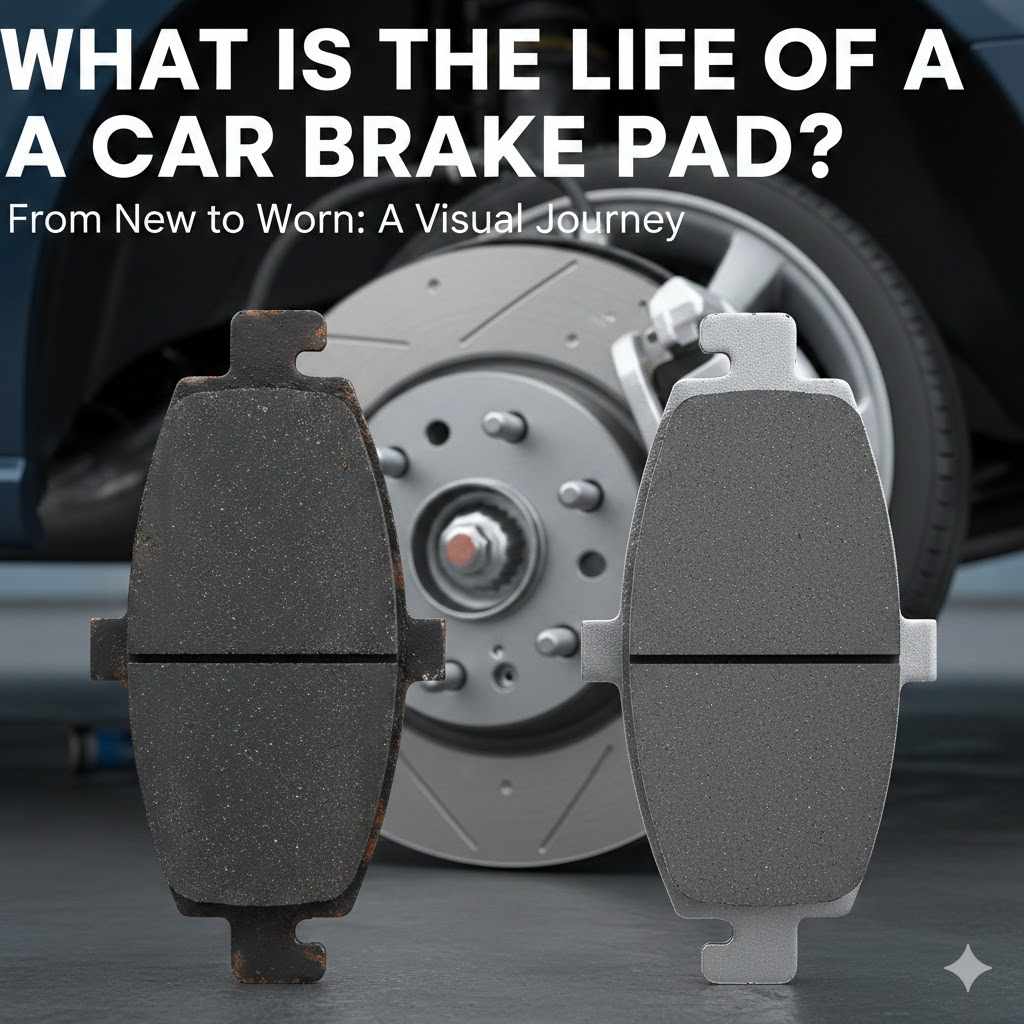
Many car owners wonder about their vehicle’s brakes. Specifically, the question “What Is the Life of a Car Brake Pad?” can feel a bit confusing for people new to car care. It’s not always clear when they need changing or how long they last.
This guide will make it super simple. We will break down everything you need to know, step by step, so you can feel confident about your car’s brakes. Get ready to learn all about what goes on with your brake pads.
Understanding Car Brake Pad Lifespan
The lifespan of a car brake pad is a key topic for anyone who owns and drives a vehicle. Many drivers aren’t sure how to tell if their brake pads are wearing out or how to estimate when they might need replacement. This section will explore the various factors that influence how long brake pads last and how you can keep an eye on their condition.

SCITOO
SCITOO Ceramic Front Rear Disc Brake Pad…
- COMPATIBLE VEHICLES : ATD815C,D815-7318 ATD905C,D905-7784 Ceramic disc brake pad kit for 2003-2005 For INFINITI For G35, 2003-2005…
- LONGER SERVICE LIFE : Each brake pad also is treated with the scorch friction process to help lower break-in time, and ensure a mo…
- ULTRA-QUIET : The gasket serves as a buffer between the caliper piston and the brake pad back plate. They act to absorb vibrations…
As an Amazon Associate I earn from qualifying purchases.
We will cover the basics to help you understand the normal life of these important parts.
What Determines Brake Pad Life
Several things affect how long your brake pads will last. The way you drive plays a big role. If you brake gently and smoothly, your pads will last much longer than if you tend to slam on the brakes frequently.
Think of it like shoes; if you drag your feet, they wear out faster.
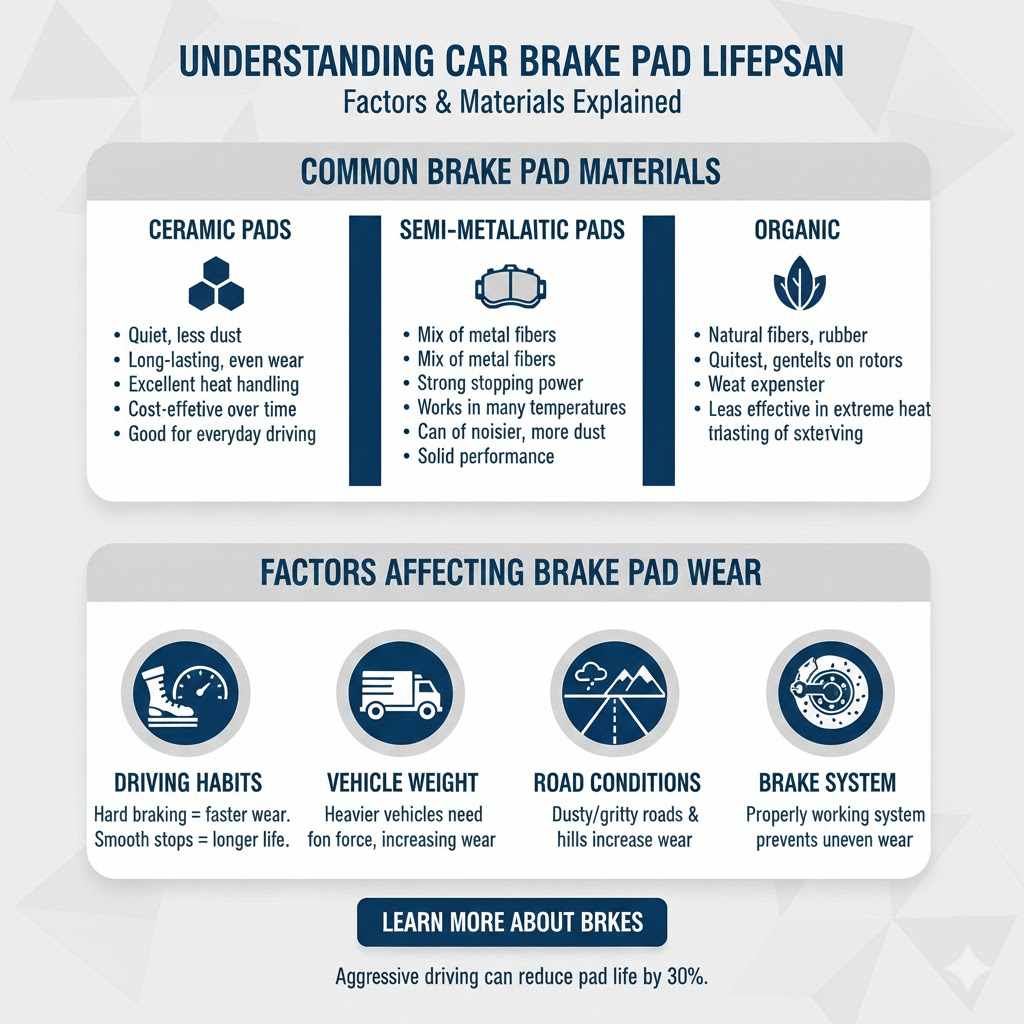
The type of brake pad material also makes a difference. There are different kinds, like ceramic, semi-metallic, and organic. Ceramic pads often last longer and are quieter.
Semi-metallic ones are good for performance but can wear down a bit faster. Organic pads are usually the least expensive but wear out the quickest.
The quality of the brake pad is also important. Higher-quality pads tend to be made with better materials and last longer. Cheaper pads might seem like a good deal at first, but you could end up replacing them more often.
Common Brake Pad Materials Explained
Brake pads are made from various materials, and each has its own set of characteristics. Understanding these materials helps you know why one set of pads might last longer or perform differently than another. It’s like choosing the right tool for a job; the material matters.
Ceramic Brake Pads
Ceramic brake pads are made from dense ceramic fibers mixed with fillers and bonding agents. They are known for being very quiet and producing less dust, which keeps your wheels cleaner. Ceramic pads also tend to wear down slowly and evenly, meaning they can last for a good while.
They are excellent at handling heat, which is important during heavy braking. This makes them a popular choice for everyday driving. While they might be a bit more expensive upfront, their longevity and cleaner operation can make them a cost-effective option over time.
They are generally good for a wide range of driving conditions.
Semi-Metallic Brake Pads
Semi-metallic brake pads are made of a mix of metal fibers (like steel or iron) and fillers, bound together. These are a very common type because they offer a good balance of performance and cost. They provide strong stopping power and work well in many different temperatures.
However, they can create more brake dust than ceramic pads, which can make your wheels look dirty faster. They can also be a bit noisier. Semi-metallic pads might wear down a little quicker than ceramic ones, especially with aggressive driving.
They are a solid choice for drivers who want reliable stopping performance without breaking the bank.
Organic Brake Pads
Organic brake pads, also called non-asbestos organic (NAO) pads, are made from a blend of materials like glass, rubber, and natural fibers. These pads are typically the quietest and gentlest on your brake rotors, which are the metal discs your pads clamp onto. They are also usually the least expensive option.
The main drawback of organic pads is their lifespan and performance in extreme conditions. They tend to wear out faster than ceramic or semi-metallic pads, and they may not perform as well when the brakes get very hot. If you do a lot of stop-and-go driving or gentle braking, they can work fine, but for high-performance driving, other types are usually better.
Factors Affecting Brake Pad Wear
The lifespan of your brake pads isn’t just about the material. Many other daily factors contribute to how quickly they wear down. Being aware of these can help you manage their lifespan better.
- Driving Habits: Your braking style has a huge impact. Frequent hard braking wears pads down much faster than smooth, gentle stops. Imagine constantly hitting a nail hard versus tapping it gently; the hard hits do more damage.
- Vehicle Weight: Heavier vehicles require more force to stop. This extra force puts more stress on the brake pads, causing them to wear out faster. A large truck will go through brake pads quicker than a small car.
- Road Conditions: Driving in dusty or gritty environments can cause particles to get between the brake pad and rotor. This can act like sandpaper, speeding up wear. Driving in hilly areas also means more frequent braking.
- Brake System Maintenance: If other parts of your brake system aren’t working right, like a sticky caliper, it can cause uneven or accelerated wear on the brake pads. Regular checks are important.
For instance, a study showed that drivers who accelerate quickly and then brake hard can reduce the life of their brake pads by up to 30% compared to smooth drivers. This means if a set of pads might normally last 30,000 miles, aggressive driving could cut that down to around 21,000 miles.
How to Tell When Brake Pads Need Replacing
Knowing when to replace your car’s brake pads is crucial for safety. Ignoring worn-out pads can lead to bigger problems and reduce your ability to stop. This section will guide you through the signs that indicate it’s time to get new brake pads.
Signs Your Brake Pads Are Worn
There are several clear indicators that your brake pads are nearing the end of their life. Paying attention to these signs can help you avoid potential safety issues and costly repairs down the line. It’s like listening to your body when something doesn’t feel right.
- Screeching or Squealing Noises: Many brake pads have a small metal indicator built into them. When the pad material wears down to a certain point, this metal tab starts to rub against the rotor, creating a high-pitched squealing sound when you brake. This is a warning sign designed to get your attention.
- Grinding Sounds: If you hear a deep grinding noise when braking, this is a more serious sign. It usually means the pad material has completely worn away, and the metal backing plate of the pad is grinding directly against the metal brake rotor. This can damage the rotors and needs immediate attention.
- Vibrations or Pulsations: If you feel a shaking or pulsating sensation in the brake pedal when you apply the brakes, it could mean your brake pads are unevenly worn or the rotors are warped. Warped rotors are often a result of overheated and overused brake pads.
- Brake Pedal Feels Spongy or Low: If the brake pedal feels softer than usual or sinks closer to the floor when you press it, this might indicate a problem with the brake pads or the brake fluid. Low brake fluid can also be a sign of worn pads, as the caliper pistons extend further to compensate.
A technician might recommend replacing brake pads when they are worn down to about 3 millimeters (around 1/8 inch) of thickness. Some pads have wear indicators that make noise when they reach this point.
Visual Inspection Tips
You can often check your brake pads yourself with a little effort and a flashlight. This simple check can save you money and worry. It’s a practical way to stay on top of your car’s health.
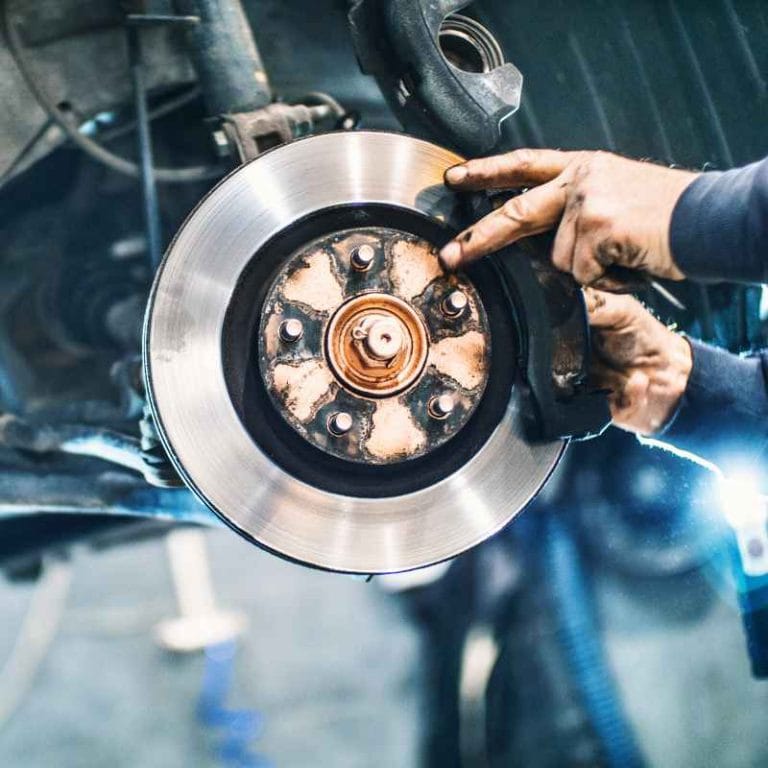
- Locate the Brake Caliper: The brake caliper is the part that clamps down on the brake rotor to stop your car. It’s usually located inside the wheel assembly.
- Look Through the Wheel Spokes: Most modern wheels have openings that allow you to see the brake components inside. If your wheels are solid or the openings are too small, you might need to remove the wheel for a better view, or ask a mechanic.
- Observe Pad Thickness: Once you can see the brake pad, notice how thick the friction material is. Compare it to the thickness of the metal backing plate. If the friction material is very thin, close to the thickness of a credit card or less, it’s time for replacement.
- Check for Cracks or Damage: While you’re looking, also inspect the brake pad for any signs of cracking, chipping, or uneven wear. These can also indicate a need for replacement.
For example, a visual inspection might reveal that the friction material on the inner pad is significantly thinner than on the outer pad. This could indicate a problem with the caliper not releasing properly, leading to uneven wear and needing attention.
The Role of Brake Pad Wear Indicators
Many brake pads come with built-in warning systems to alert you when they’re getting thin. These are really helpful for everyday drivers.
- Audible Warning Slots: As mentioned, some pads have a small metal tab. When the pad wears down, this tab makes contact with the rotor, creating a high-pitched squeal during braking. This sound is designed to be noticeable and annoying enough to prompt a check.
- Electronic Sensors: Higher-end vehicles may use electronic wear sensors. These are small wires embedded in the brake pad. When the pad wears down to a certain point, the wire is cut, completing a circuit and triggering a warning light on your dashboard.
- Visual Wear Lines: Some brake pads might have a small groove in the center. When this groove disappears, it’s a sign that the pad is worn down significantly.
These indicators are a simple but effective way for manufacturers to ensure drivers are alerted to potential brake issues before they become dangerous. They take the guesswork out of knowing when it’s time to service your brakes.
Average Lifespan of Car Brake Pads
The question, “What Is the Life of a Car Brake Pad?” often leads to wanting a specific number. While there’s no single answer that fits every car, we can talk about averages and ranges. This section aims to give you a realistic idea of how long you can expect your brake pads to last.
Typical Mileage Ranges
Brake pads don’t have a set expiration date in terms of time, but rather in terms of miles driven. The general mileage for replacing brake pads can vary quite a bit.
- Average Wear: For typical passenger cars and normal driving conditions, brake pads often last between 30,000 to 70,000 miles. This is a broad range because, as we’ve discussed, driving habits and vehicle type play a huge role.
- Aggressive Drivers: Drivers who accelerate hard and brake suddenly will likely see their brake pads wear out much sooner, possibly in the 10,000 to 20,000-mile range. This is especially true if they drive in stop-and-go traffic frequently.
- Gentle Drivers and Highway Driving: Those who drive very smoothly and do a lot of highway miles, where braking is less frequent, might get more than 70,000 miles out of a set of brake pads. Some can even last up to 100,000 miles under ideal conditions.
It’s important to remember that these are just averages. A realistic expectation depends heavily on your personal driving style and the environment you drive in. For example, a car used for city deliveries will likely need new pads more often than a car used for long, smooth highway commutes.
Comparing Different Driving Conditions
The environment where you drive has a significant impact on how long your brake pads will last. Different conditions put different types of stress on your braking system.
- City Driving: Lots of stopping and starting in city traffic means your brake pads are used much more often. This constant friction leads to quicker wear. Short trips with frequent braking can reduce pad life significantly.
- Highway Driving: On the highway, you tend to maintain a steady speed for longer periods. Braking is less frequent and often less forceful. This type of driving is much easier on brake pads, allowing them to last longer.
- Mountainous or Hilly Terrain: Driving in areas with steep inclines and declines requires more frequent and sustained braking to control speed. This constant work can cause brake pads to overheat and wear down faster than in flat areas.
- All-Weather Conditions: Driving in rain, snow, or on icy roads can also affect brake pad life. In wet conditions, the pads might get dirty or corroded. In extreme cold, brake performance can be affected.
Statistics show that brake pad replacement frequency can vary by up to 50% between city and highway drivers, even for the same vehicle model and driver age. This highlights the importance of considering your local driving conditions.
The Lifespan of Different Brake Pad Types
As we touched on earlier, the material of the brake pad is a major factor in its lifespan. Some materials are inherently more durable than others.
Ceramic brake pads are generally designed for longevity. They wear down slowly and evenly, often lasting between 40,000 to 70,000 miles, and sometimes even more for careful drivers. Their heat resistance also helps them maintain their integrity over time.
Semi-metallic brake pads offer a good compromise. They typically last between 30,000 to 50,000 miles. Their performance is strong, but the metallic content can lead to slightly faster wear compared to ceramic, especially with aggressive braking.
Organic brake pads usually have the shortest lifespan, often lasting from 20,000 to 40,000 miles. They are less durable and wear down more quickly, particularly under stress. They are the most budget-friendly option upfront but may require more frequent replacement.
For example, a car with ceramic pads driven gently on highways might see those pads last for 80,000 miles. The same car, with organic pads, driven aggressively in the city, might need new pads after only 25,000 miles.
What Happens If Brake Pads Aren’t Replaced
Ignoring the need to replace worn brake pads is a serious safety concern. It can lead to more damage to your car and create dangerous driving situations. This part explains the consequences of neglecting brake maintenance.
Damage to Brake Rotors
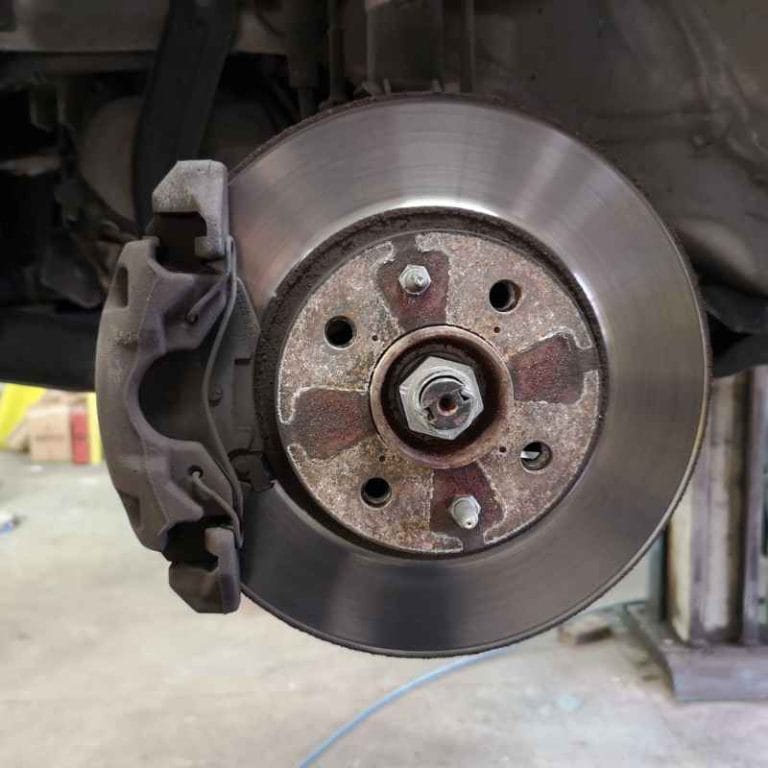
One of the most common and costly consequences of not replacing worn brake pads is damage to your brake rotors. Rotors are the metal discs that the brake pads press against to slow down your car. They are a critical part of your braking system, and they are expensive to replace.
When brake pads wear down completely, the metal backing plate of the pad comes into direct contact with the rotor. This metal-on-metal contact causes severe scratching, grooving, and scoring of the rotor surface. This not only reduces braking effectiveness but can also cause the rotor to warp.
If the rotors become too damaged, they will need to be replaced. In many cases, if the pads are worn down to the metal, the rotors are also compromised and require replacement. This is a much more expensive repair than simply replacing the brake pads.
Replacing rotors can add hundreds of dollars to the repair bill.
Reduced Braking Performance
Worn brake pads simply cannot provide the stopping power they are designed to. As the friction material gets thinner, less force is applied to the rotors when you press the brake pedal. This means your car takes longer to stop.
In emergency situations, this reduced braking performance can be critical. A few extra feet to stop might be the difference between avoiding an accident or being involved in one. The braking system is your primary safety feature, and its effectiveness should never be compromised.
Furthermore, if the brake fluid level is also low due to worn pads needing more fluid to push the caliper pistons, the pedal can feel spongy. This further diminishes the driver’s confidence and control over the vehicle’s stopping ability. It’s a chain reaction that starts with simple wear.
Potential for Complete Brake Failure
In the most extreme cases of neglecting brake pad replacement, you risk complete brake failure. If the pads wear away entirely, and the metal backing plates grind into the rotors so severely, it can cause the brake components to seize or break. This can lead to a sudden and complete loss of braking power.
Additionally, if the brake pads are severely worn, the caliper piston might be pushed out too far. If the caliper itself is damaged or the piston seal fails, brake fluid can leak out, leading to a loss of hydraulic pressure and therefore, a loss of braking. This is a dangerous scenario that can happen with prolonged neglect.
It’s crucial to understand that the brake system is designed with safety margins, but these are not meant to be tested to their absolute limit. Regular maintenance ensures these safety margins remain effective. A small repair now can prevent a catastrophic failure later.
Cost Implications of Neglect
Putting off brake pad replacement might seem like saving money in the short term, but it almost always leads to higher costs down the road. The damage that occurs from severely worn pads extends beyond just the pads themselves.
As mentioned, brake rotors are often damaged and need
Beyond the parts, there’s the labor cost. A simple brake pad replacement might take an hour or two. Replacing pads, rotors, and potentially calipers will take much longer, increasing the labor charges.
A basic brake job might cost a few hundred dollars, while a more comprehensive one due to neglect can easily run into the thousands.
A realistic scenario: Replacing just the front brake pads on a common sedan might cost between $150-$300. If the rotors are also damaged and need replacing, the cost can jump to $400-$700 or more, depending on the parts and labor rates. Ignoring them until they fail completely could lead to much higher repair bills and safety risks.
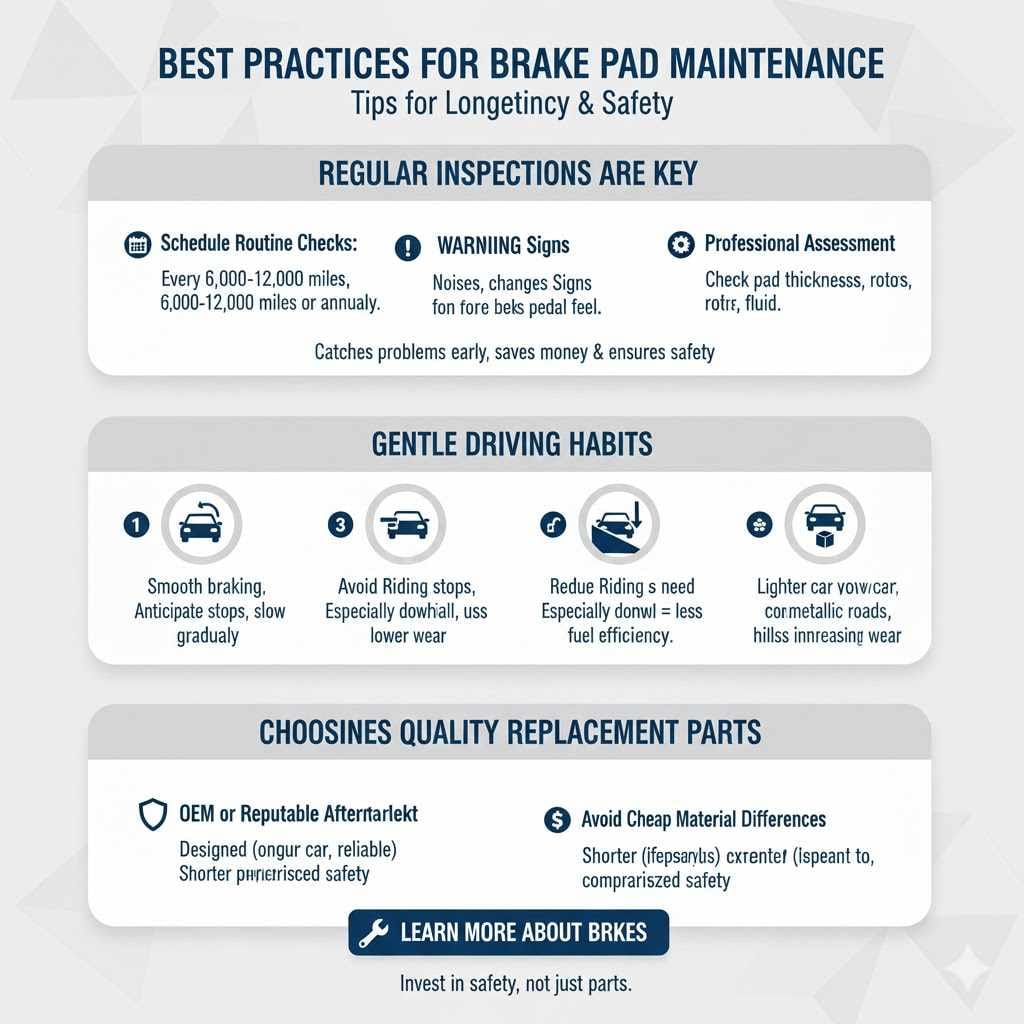
Best Practices for Brake Pad Maintenance
Keeping your brake pads in good condition is essential for safe driving. It’s not just about replacing them when they’re worn out but also about maintaining them properly. This section will cover practical tips to help you get the most out of your brake pads and keep your braking system in top shape.
Regular Inspections Are Key
The most important thing you can do is to have your brakes checked regularly. Don’t wait until you hear strange noises or feel something wrong.
- Schedule Routine Checks: Many car maintenance schedules recommend a brake inspection every 6,000 to 12,000 miles or at least once a year. This is usually done during an oil change or other routine service.
- Look for Warning Signs: Even if it’s not time for a full inspection, be aware of the warning signs we discussed, like noises or changes in pedal feel. If you notice anything unusual, get it checked immediately.
- Professional Assessment: A qualified mechanic can properly assess the thickness of your brake pads, check the rotors for damage, inspect brake fluid levels, and look for any leaks or other issues in the brake system.
Regular inspections catch problems early, often before they become major issues. This proactive approach saves you money and ensures your car remains safe to drive. Think of it as preventative medicine for your car’s most vital safety system.
Gentle Driving Habits
As we’ve highlighted, your driving style has a massive impact on brake pad life. Adopting smoother driving habits can significantly extend their lifespan and reduce wear and tear on your entire braking system.
- Smooth Braking: Avoid hard, sudden stops whenever possible. Anticipate traffic and begin to slow down gradually. This allows the brake pads to work gently over a longer period.
- Anticipate Traffic Lights and Stops: Look ahead for red lights, stop signs, or slowing traffic. Ease off the accelerator and let your car naturally slow down as much as possible before applying the brakes.
- Avoid Riding the Brakes: Especially when going downhill, avoid keeping your foot lightly on the brake pedal for extended periods. This causes the brakes to heat up and wear out faster. Use lower gears to control your speed when possible.
- Reduce Unnecessary Weight: Carrying excessive weight in your vehicle means your brakes have to work harder to stop it. Remove any unnecessary items from your car to lighten the load.
Adopting these habits not only helps your brake pads last longer but also improves your car’s fuel efficiency. It’s a win-win for your wallet and your vehicle’s longevity.
Choosing Quality Replacement Parts
When it’s time to replace your brake pads, choosing the right parts is important. Not all brake pads are created equal, and opting for quality can make a big difference in performance and lifespan.
- OEM or Reputable Aftermarket Brands: Consider using Original Equipment Manufacturer (OEM) parts if your budget allows, as they are designed specifically for your car. Reputable aftermarket brands also offer excellent quality and performance.
- Understand Material Differences: Choose the brake pad material that best suits your driving needs. If you prioritize longevity and quiet operation, ceramic might be best. For performance driving, semi-metallic could be a good fit.
- Avoid Cheap, Generic Parts: While they might seem cheaper upfront, very inexpensive brake pads are often made with lower-quality materials that wear out quickly. This can lead to more frequent replacements and potentially compromise braking performance.
- Consult Your Mechanic: Your mechanic can offer recommendations based on your vehicle and driving habits. They know which brands and types of brake pads perform well in real-world conditions.
Investing in good quality brake pads ensures you get reliable stopping power and a longer lifespan, ultimately saving you money and providing greater peace of mind.
Frequently Asked Questions
Question: How long do car brake pads typically last?
Answer: Car brake pads usually last between 30,000 to 70,000 miles for most vehicles under normal driving conditions. However, this can vary significantly based on driving habits, material type, and road conditions.
Question: What does it mean if my brakes are squealing?
Answer: A squealing sound when braking often means that a small metal indicator on the brake pad has started to rub against the rotor, signaling that the pads are worn and need replacement soon.
Question: Can I replace my own brake pads?
Answer: Yes, some people with mechanical experience can replace their own brake pads. However, it requires specific tools and knowledge. If you are unsure, it is safer to have a professional mechanic do the job.
Question: How often should brake pads be inspected?
Answer: It’s recommended to have your brake pads inspected at least once a year or every 12,000 miles, and ideally during every oil change to catch potential issues early.
Question: What happens if I ignore worn brake pads?
Answer: Ignoring worn brake pads can lead to damage to your brake rotors, reduced braking performance, and in severe cases, complete brake failure, which is a major safety hazard.
Conclusion
Understanding What Is the Life of a Car Brake Pad involves looking at driving habits, material types, and regular checks. Most pads last 30,000 to 70,000 miles, but this varies greatly. Listen for noises, feel for vibrations, and inspect them regularly.
Taking care of your brake pads keeps you safe and saves money on future repairs. Your car’s stopping power is critical, so keep those pads in good shape. See also cheapest car brake shops near you find local deals fast .
Related pick: Check today's price on Amazon