Does It Matter What Engine Oil You Use? Yes, It Does
Using the wrong oil can cause real problems. It can hurt your engine’s performance. It can even shorten the life of your car.
This guide will break down why choosing wisely is so important. We’ll look at the details so you can feel confident next time you need to buy oil. Let’s get this sorted out together.
Yes, the specific engine oil you use makes a big difference. Different types and grades of oil are designed for specific engines and driving conditions. Using the correct oil ensures optimal lubrication, temperature control, and engine protection, which are vital for your car’s health and performance.
What Is Engine Oil and Why Is It So Important?
Think of engine oil as the lifeblood of your car’s engine. It’s a mix of base oils and special additives. Its main job is to keep things running smoothly.
It does this by reducing friction between moving metal parts. Without oil, these parts would grind against each other. They would quickly wear out and overheat.
Oil also helps to cool your engine. As it circulates, it picks up heat from hot engine parts. Then, it carries that heat to the oil pan, where it can dissipate.
This helps prevent your engine from overheating, especially during hard driving or hot weather. It also keeps your engine clean.
Additives in the oil help prevent sludge and deposits from building up. They also protect against rust and corrosion. So, oil does more than just lubricate.
It cleans, cools, and protects your engine’s delicate internal components. This keeps your car running well for a long time.
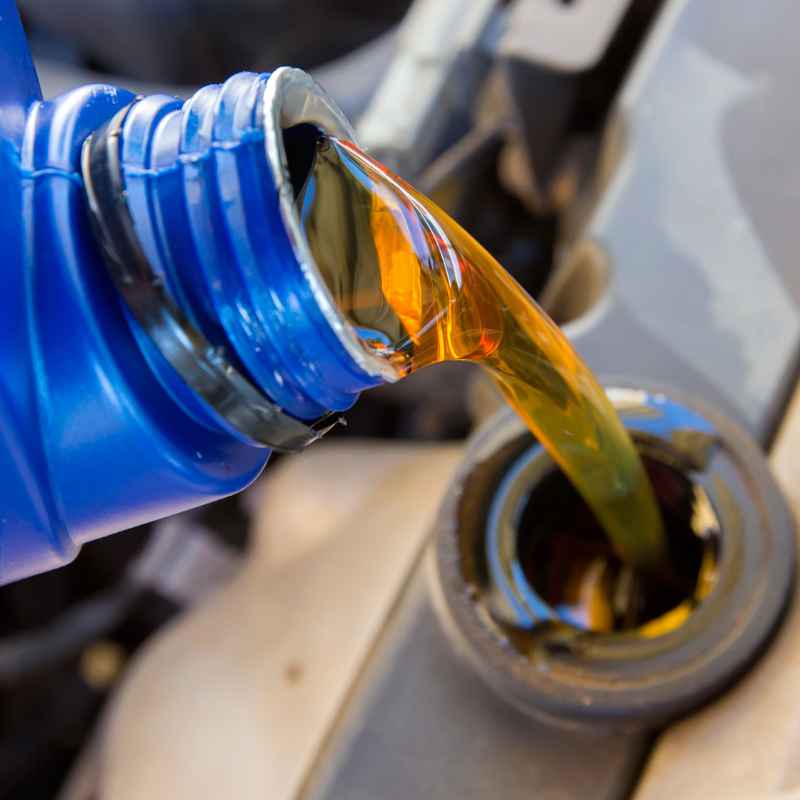
My Engine Oil Mix-Up Story
I remember one crisp autumn evening. I was visiting my parents a few hours away. My car, an older sedan, had been making a slight ticking sound for a few days.
I brushed it off, thinking it was just the weather changing. I pulled into a quick lube shop for an oil change. I was in a hurry to get home before dark.
The young mechanic asked, “What kind of oil do you want?” I blinked. “Uh, just the regular kind?” I said, a little unsure. He pointed to a few options.
One was cheaper, and one was slightly more. “This one is synthetic blend, the other is conventional,” he explained quickly. I felt a surge of panic.
I just wanted to go. “Whichever is fine,” I blurted out. He poured in the cheaper, conventional oil.
The ticking sound seemed to get a little louder on the drive home. I convinced myself it was all in my head. But a week later, the ticking turned into a more persistent rattle.
Then, the check engine light blinked on. A local mechanic took a look. He said the oil was too thick for the engine’s needs at higher temperatures.
He explained that my car’s manual called for a specific type of oil. The conventional oil I chose wasn’t protecting the engine well enough. It was a stressful and costly lesson.
Oil’s Multi-Tasking Job Description
Lubrication: Reduces friction between moving engine parts. This stops wear and tear. Think pistons, bearings, and camshafts.
Cooling: Carries heat away from hot engine parts. This prevents overheating. It’s like a mini radiator system for your engine.
Cleaning: Suspends dirt, soot, and metal particles. It keeps these contaminants away from vital parts. Then, it’s filtered out.
Sealing: Fills small gaps. This helps create a tight seal. It’s especially important between piston rings and cylinder walls.
Corrosion Protection: Forms a barrier. This protects metal surfaces from rust and acids. These can form during combustion.
Understanding Oil Viscosity: The Numbers Game
You see numbers like 5W-30 or 10W-40 on oil bottles. These numbers tell you the oil’s viscosity. Viscosity is simply how thick or thin the oil is.
It’s a very important factor in how well the oil protects your engine.
The first number, followed by a “W” (like the “5” in 5W-30), is the viscosity at cold temperatures. “W” stands for “winter.” A lower number here means the oil flows more easily when it’s cold. This is crucial.
When you start your car on a cold morning, the engine needs oil to flow quickly to all parts. If the oil is too thick, it can take too long to reach critical areas.
The second number (like the “30” in 5W-30) is the viscosity at higher temperatures, when the engine is hot. A higher number means the oil is thicker when the engine is warm. This is also important.
You need an oil that can maintain a protective film between metal parts even when things get hot.
So, a 5W-30 oil flows well in the cold and is a medium thickness when hot. A 10W-40 flows a bit slower when cold but is thicker when hot. Your car’s manufacturer specifies the correct viscosity grade.
This is usually found in your owner’s manual. Using the wrong viscosity can lead to poor lubrication, increased wear, and reduced fuel efficiency.
Viscosity Explained Simply
5W-30: Flows better when cold. Good for most everyday driving in moderate climates.
10W-40: Thicker when hot. Might be used in older cars or hotter climates.
0W-20: Very thin when cold. Great for fuel economy and cold starts in very cold regions.
Always check your owner’s manual! It tells you exactly what your car needs.
Base Oils: Conventional vs. Synthetic
The “base oil” is the main ingredient in motor oil. There are two main types: conventional and synthetic. Each has its own pros and cons.
Conventional Oil: This is the traditional type of motor oil. It’s made from refined crude oil. It’s less expensive than synthetic oil.
For many years, it was the only option. It works well for many engines, especially older ones or those that don’t experience extreme conditions. However, conventional oil can break down faster under heat and pressure.
Synthetic Oil: This oil is created in a lab. It’s chemically engineered for better performance. Synthetic oils have more uniform molecules.
This means they flow more smoothly. They are also more resistant to heat and breakdown. Synthetic oil offers superior protection.
It can last longer between oil changes. It’s often recommended for high-performance engines or vehicles driven in extreme conditions.
Synthetic Blend Oil: This is a mix of conventional and synthetic oils. It offers better protection than conventional oil but is usually less expensive than full synthetic. It’s a good middle-ground option for many drivers.
Modern engines, especially turbocharged ones or those designed for tighter tolerances, often benefit greatly from synthetic or synthetic blend oils. They help these engines run cooler and cleaner. They also provide better protection during start-ups, which is when most engine wear occurs.
Base Oil Comparison
| Type | Origin | Cost | Performance | Best For |
| Conventional | Refined Crude Oil | Low | Basic Protection | Older cars, mild conditions |
| Synthetic Blend | Mix of Conventional & Synthetic | Medium | Improved Protection | Everyday driving, varied conditions |
| Full Synthetic | Chemically Engineered | High | Superior Protection, Longer Life | New cars, high performance, extreme conditions |
The Role of Additives: The Secret Sauce
Additives are like the special ingredients in a recipe. They are chemicals added to base oils in small amounts. They give the oil extra properties and enhance its performance.
Different additives do different jobs.
Detergents: These help to keep engine parts clean. They prevent the buildup of sludge and varnish. They neutralize acidic byproducts of combustion.
This is crucial for keeping your engine running smoothly and preventing deposits.
Dispersants: These work with detergents. They keep small particles suspended in the oil. This prevents them from clumping together and forming sludge.
They also help keep contaminants from sticking to engine surfaces.
Anti-wear agents: These form a protective film on metal surfaces. This film reduces friction and wear, especially under high pressure or impact. ZDDP (zinc dialkyldithiophosphate) is a common example, though its use is changing in modern oils.
Antioxidants: Engine oil can degrade over time due to heat and oxygen. Antioxidants slow down this process. They help the oil last longer and maintain its protective qualities.
Viscosity Index Improvers (VIIs): These help the oil maintain its viscosity over a wider temperature range. They are like thickeners that work better as the oil heats up.
Pour Point Depressants: These help the oil flow better at very low temperatures. They prevent the oil from freezing or becoming too solid.
Anti-foam agents: They prevent the oil from foaming. Foaming can reduce the oil’s ability to lubricate properly.
The specific blend of additives varies greatly between different oil formulations. This is one of the main reasons why different oils perform differently. Always look for oils that meet the standards recommended by your car manufacturer.
These standards ensure the right balance of additives for your engine.
API and SAE Standards: What Do They Mean?
You’ll see labels like “API SP” or “SAE 5W-30” on oil containers. These are important quality and performance standards. Understanding them helps you choose the right oil.
SAE: This stands for the Society of Automotive Engineers. As we discussed, they set the standards for oil viscosity. The “5W-30” or “10W-40” are SAE grades.
They tell you about the oil’s thickness at different temperatures.
API: This stands for the American Petroleum Institute. They set performance standards for engine oils. They test oils to make sure they meet certain criteria for protection and performance.
The “SP” in “API SP” refers to the latest service category for gasoline engines.
Older categories include API SN, SM, and SL. Each new category generally offers improved protection against things like pre-ignition (LSPI), wear, and deposits. Your car’s owner’s manual will specify the API service category your engine needs.
It’s very important to use an oil that meets or exceeds this specification. Using an older or incorrect API category might not provide the necessary protection for modern engines.
Some oils also have specific manufacturer approvals. For example, you might see “Meets or exceeds Mercedes-Benz 229.5.” This means the oil has been tested and approved by that specific car maker. These approvals often indicate a higher level of performance or a more specific formulation.
Quick Guide to Standards
SAE Viscosity Grade: How thick or thin the oil is. (e.g., 5W-30)
API Service Category: Performance level for gasoline engines. (e.g., SP is current)
ACEA European Oil Sequences: Similar to API but for European vehicles. (e.g., C3, A3/B4)
Manufacturer Approvals: Specific certifications from car brands. (e.g., GM dexos1™)
Always follow your owner’s manual recommendations.
When Is It Okay to Use a Different Oil?
For most drivers, sticking to the exact viscosity and API specification recommended in your owner’s manual is the best plan. This is especially true for newer cars. They are engineered with very specific tolerances and requirements.
However, there are a few situations where you might consider a different oil, but always with caution. If you live in a very cold climate, your manual might suggest a 0W-20 oil. If your car is older and you’ve been using conventional oil, switching to a synthetic blend or full synthetic might offer better protection.
Especially if you drive in extreme heat or stop-and-go traffic.
Some people think using a “thicker” oil in an older car with leaks can help. This is generally not a good idea. If your engine is burning or leaking oil, the problem needs to be fixed.
Using a thicker oil might temporarily mask the issue, but it doesn’t solve the root cause. It could even put more strain on your oil pump.
Another common question is about high-mileage oils. These oils are designed for engines with over 75,000 miles. They often contain special conditioners to help rehydrate and swell engine seals.
This can help reduce leaks. They also have higher levels of detergents and anti-wear additives. If your car has high mileage, a high-mileage oil in the correct viscosity and API spec could be beneficial.
The most important thing is to consult your owner’s manual. If you’re unsure, ask a trusted mechanic. Never deviate from the manufacturer’s recommendations without good reason and solid advice.
Real-World Scenarios: Oil Choice in Action
Let’s look at a few scenarios to see how oil choice matters in practice.
Scenario 1: The Desert Heat
Imagine a car driven daily in Phoenix, Arizona, where summer temperatures can consistently reach 100-115°F. This car’s engine is working hard. The oil needs to resist breaking down from the extreme heat.
Using a conventional 5W-30 might be okay, but a full synthetic 5W-30 or even a 0W-40 (if recommended) would provide superior protection. The synthetic oil’s higher heat resistance means it stays more viscous and maintains its lubricating properties longer, preventing engine damage.
Scenario 2: The Minnesota Winter
Now, think about a car parked outside in Duluth, Minnesota, during January, with temperatures dipping to -20°F. When the driver starts the car, the engine oil needs to flow immediately to all critical parts. If a 10W-30 conventional oil were used, it would be very thick.
This slow flow means parts like the camshaft and timing chain could be starved of oil for precious seconds, leading to wear. A 0W-20 or 5W-20 full synthetic oil is ideal here. Its low viscosity at cold temperatures ensures quick lubrication, protecting the engine from the moment it starts.
Scenario 3: The Towing Truck
Consider a pickup truck that regularly tows a heavy load, like a camper or a boat, across hilly terrain. This puts a lot of stress on the engine. The increased load generates more heat and pressure.
A standard 5W-30 conventional oil might struggle. A high-quality synthetic blend or full synthetic oil with a slightly higher viscosity rating (like 5W-40, if recommended) would be a better choice. This ensures the oil can withstand the higher operating temperatures and pressures without breaking down, providing consistent lubrication.
These examples show that the environment and how you use your vehicle play a huge role. The oil that works perfectly for one situation might not be ideal for another. Always consider your driving habits and local climate.
Driving Habits & Oil Choice
Short Trips: Frequent cold starts mean more wear. Synthetic oils offer better cold-start protection.
Long Highway Drives: Sustained high speeds and heat. Oil needs to resist breakdown.
Towing/Hauling: Extra stress and heat. A more robust oil might be needed.
Stop-and-Go Traffic: Constant starting and stopping. Can lead to sludge if oil isn’t optimized for cleaning.
Performance Driving: High RPMs and heat. Full synthetic is often a must.
When Your Engine Might Be Telling You Something
Sometimes, your car might give you subtle (or not so subtle) clues that the oil isn’t quite right. Paying attention to these signals can help you catch potential problems early.
Increased Engine Noise: A common sign is a change in how your engine sounds. If you notice a new ticking, knocking, or rattling sound, especially when the engine is cold or hot, it could mean the oil isn’t lubricating properly. This might happen if the viscosity is wrong, or if the oil has lost its protective additives.
Lowered Oil Pressure: Your car has an oil pressure gauge or warning light. If the oil pressure drops, it’s a serious issue. This can happen if the oil is too thin at operating temperature and can’t create enough pressure to circulate effectively.
Or, if there’s a leak or a failing oil pump.
Engine Overheating: While engines have cooling systems, oil plays a crucial role in managing heat. If the oil is breaking down or isn’t the right viscosity, it might not be able to carry heat away efficiently. This can contribute to the engine running hotter than normal.
Reduced Performance or Fuel Economy: If your car feels sluggish or you notice a drop in your miles per gallon, it could be related to lubrication. Increased friction from the wrong oil means the engine has to work harder, using more fuel and delivering less power.
Sludge or Deposits: If you’ve been using the wrong oil for a long time, or not changing it often enough, you might develop sludge. This is a thick, tar-like substance that can clog oil passages. It’s often discovered during an oil change or when a mechanic inspects the engine.
Signs of sludge can include very dark, thick oil or poor engine performance.
These symptoms aren’t always caused by the wrong oil, but it’s a common culprit. If you notice any of these, it’s a good idea to check your oil level and condition. Then, consult your owner’s manual or a mechanic.
Simple Oil Checks You Can Do
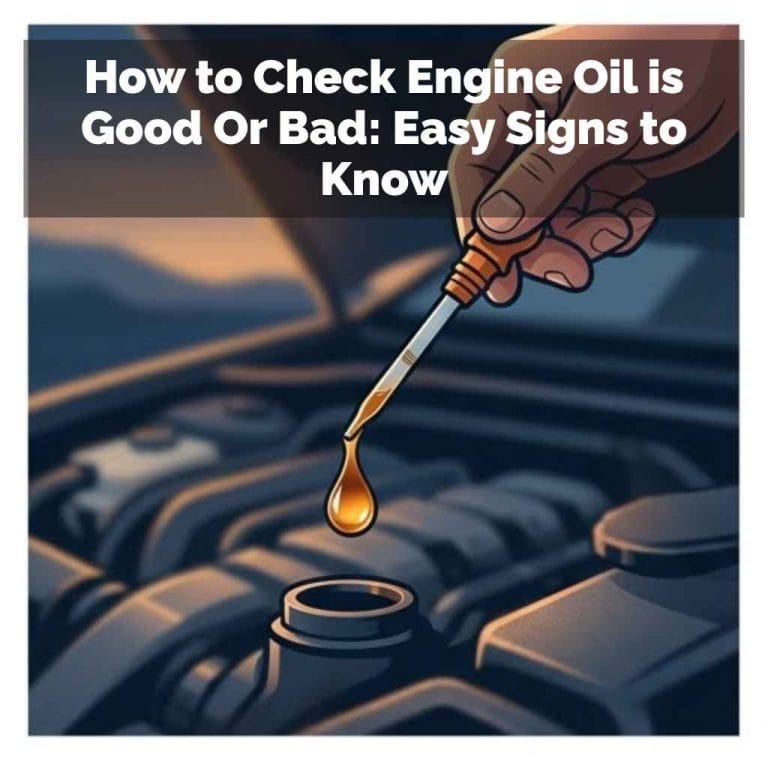
Check the Level: Pull the dipstick, wipe it clean, reinsert, and pull it out again. Check if the oil is between the “add” and “full” marks.
Check the Color: New oil is usually amber. Dark brown or black oil means it’s time for a change. If it looks milky, there might be a coolant leak, which is serious.
Check the Consistency: Rub a little oil between your fingers. If it feels gritty, it might be picking up metal shavings, indicating wear.
Tips for Choosing the Right Oil
Making the right oil choice doesn’t have to be a headache. Here are some straightforward tips to help you out.
1. Consult Your Owner’s Manual: This is the golden rule. Your car’s manufacturer knows your engine best.
The manual will tell you the exact viscosity grade (like 5W-30) and API service category (like API SP) required. Always prioritize this information.
2. Understand Your Driving Conditions: Think about how you use your car. Do you drive mostly short trips in city traffic?
Or long highway cruises? Do you live in a very hot or very cold climate? Tow heavy loads?
These factors can influence whether a conventional, synthetic blend, or full synthetic oil is best.
3. Consider Your Vehicle’s Age and Mileage: Newer cars with advanced engines often perform best with full synthetic oils. Older cars, or cars with over 75,000 miles, might benefit from high-mileage formulations.
4. Don’t Be Afraid of Synthetic Oils: While more expensive upfront, full synthetic oils often provide better protection, last longer, and can improve fuel economy. The total cost of ownership can sometimes be lower.
5. Look for Manufacturer Approvals: If your manual lists specific manufacturer approvals (like dexos1™ for GM vehicles or specific VW/BMW specs), try to choose an oil that carries that approval. This means it meets even stricter standards.
6. Stick to Reputable Brands: Major oil manufacturers invest heavily in research and development. Brands like Mobil 1, Pennzoil, Valvoline, Castrol, and Shell Rotella are generally safe bets.
7. Ask a Trusted Mechanic: If you’re still uncertain, your mechanic is a great resource. They have hands-on experience with many different vehicles and can offer personalized advice.
Frequently Asked Questions About Engine Oil
How often should I change my engine oil?
The frequency depends on your car, the type of oil you use, and your driving habits. Your owner’s manual will give you a recommended mileage interval, often between 5,000 to 10,000 miles for conventional or synthetic blend oil. Full synthetic oils can sometimes extend this to 15,000 miles or more.
Modern cars with oil life monitors can also tell you when it’s time.
Can I mix different brands of the same type of oil?
Yes, you can generally mix brands of the same type and viscosity of oil (e.g., mixing two different brands of 5W-30 synthetic oil). However, it’s best to stick to one brand and type if possible for consistent performance. Mixing different types, like conventional and synthetic, is generally not recommended, though a small amount of mixing might not cause immediate harm.
It’s always best to use the same oil if topping up.
What is oil dilution and is it bad?
Oil dilution happens when fuel or coolant gets into the engine oil. Too much fuel can thin the oil, reducing its lubricating ability and leading to increased wear. Coolant contamination is even worse, as it can cause sludge and corrosion.
If you notice a gasoline smell in your oil or the oil level is rising, it’s a sign of dilution and needs immediate attention from a mechanic.
Does the color of the oil filter matter?
No, the color of the oil filter itself is purely cosmetic and doesn’t affect its performance. What matters is the quality of the filter media, the construction, and ensuring it meets the specifications for your vehicle. Stick to reputable filter brands.
Is it okay to use a thicker oil if my engine is old and makes noise?
While it might seem like a good idea, using a significantly thicker oil than recommended can actually cause more problems. It can strain the oil pump, lead to incomplete lubrication in cooler temperatures, and reduce fuel efficiency. It’s better to address the noise directly, perhaps with a high-mileage oil of the correct viscosity, or by having a mechanic diagnose the noise.
What does “API SP” mean for my car?
API SP” is the latest performance standard for gasoline engine oils set by the American Petroleum Institute. It signifies improved protection compared to older standards, especially against issues like low-speed pre-ignition (LSPI) in modern turbocharged engines, and better overall engine cleanliness and durability. If your owner’s manual specifies API SP or a later standard, use an oil that meets it.
The Takeaway: Your Engine’s Health Depends On It
So, does it matter what engine oil you use? A resounding yes. Choosing the correct oil is one of the most important things you can do for your car.
It’s not just about convenience; it’s about protection, performance, and longevity.
By understanding viscosity, base oils, additives, and industry standards, you can make an informed choice. Always refer to your owner’s manual. Consider your driving habits and climate.
The right oil keeps your engine running smoothly, cool, and clean. It’s a small effort that pays off greatly over the life of your vehicle.
Products related to this article
Sponsored / affiliate links. As an Amazon Associate I earn from qualifying purchases. I may earn additional commission from eligible campaigns.