Can You Use Car Engine Oil in a Motorbike: Expert Guide
Can You Use Car Engine Oil In A Motorbike
Many people wonder if they can use car engine oil in their motorbike. Maybe you run out of motorbike oil, or the store only has car oil. The bottles often look similar. Both types of oil are sold in the same shops, and the price difference can make you curious. But is it safe? Could it hurt your motorbike engine? This is more than just a simple yes or no question. The answer depends on how car engine oil and motorbike oil are made, what your bike needs, and what risks you face if you use the wrong oil.
This article will give you a clear, easy-to-understand guide. You’ll learn the real differences between car and bike oils, what might happen if you use the wrong one, and why motorbikes have special needs. We’ll also look at what the manuals and experts say, check out some real-world examples, and share the advice you need to protect your motorbike.
If you want your bike to last longer and run better, this is for you.
Why Engine Oil Matters For Motorbikes
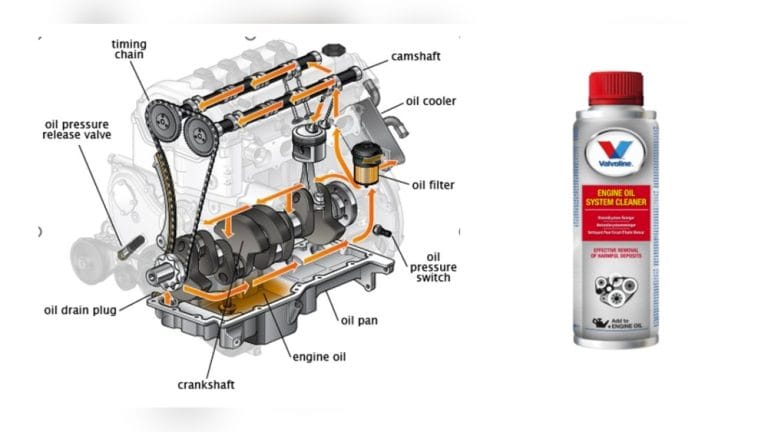
Engine oil is more than just a liquid. It’s the lifeblood of your motorbike’s engine. Its main jobs are to lubricate moving parts, reduce friction, cool the engine, clean away dirt, and protect against wear and corrosion. When oil fails, engines get damaged fast. In bikes, oil often does even more work because many motorbikes use the same oil for the engine, clutch, and gearbox.

STP
STP Premium Synthetic Blend 4 Cycle Small…
- SAE 10W-30 MOTOR OIL FOR SMALL ENGINES: One 32 fl oz bottle of STP Premium Synthetic Blend 4 Cycle Small Engine Oil SAE 10W-30, fo…
- FIGHTS THERMAL BREAKDOWN: Antioxidants fight thermal breakdown to enhance oil durability, helping the SAE 10W-30 oil handle high t…
- PREVENTS BUILDUP: Detergents help keep small engine components clean and control carbon deposits, preventing buildup that can affe…
As an Amazon Associate I earn from qualifying purchases.
A motorbike engine is very compact. It works at higher RPMs (revolutions per minute) compared to car engines. This means it gets hotter and works harder in a smaller space. The clutch in most bikes is a wet clutch, which sits in the oil bath and depends on the right oil chemistry to work smoothly without slipping.
Choosing the right oil is not just about brand or price. It’s about the right protection for your bike’s unique needs.
The Key Differences Between Car Engine Oil And Motorbike Oil
At first glance, car and bike oils might look similar. Both types of oil have the same grades, such as 10W-40 or 20W-50. Both have synthetic and mineral versions. But the differences are important, and they’re not always visible on the label.
Additive Packages
Car engine oils use additives to reduce friction and improve fuel efficiency. This is great for cars, but not always for motorbikes. Many car oils use friction modifiers. These chemicals help the car’s engine use less fuel, but they can make a motorbike’s wet clutch slip. If your clutch slips, you lose power and may damage the clutch plates.
Motorbike oils use a different mix of additives. They avoid friction modifiers and often have stronger anti-wear additives to handle the bike’s higher stress and temperature.
Oil Viscosity And Shear Stability
Both car and motorbike oils come in common viscosities, but motorbike oils are designed to keep their thickness under extreme shear. In a motorbike, the gearbox shares the oil, putting a lot of pressure on the oil molecules. If the oil breaks down (shears), it won’t protect your engine or gears.
Car engines don’t have the same shear stress. Car oils aren’t built for the extra load from gearboxes and wet clutches.
Wet Clutch Compatibility
Most motorbikes use a wet clutch. This means the clutch sits in the engine oil bath. Car engine oil, with friction modifiers, can make the clutch plates too slippery. This leads to clutch slip – you twist the throttle, but the bike doesn’t move as it should.
Bike oils are tested and labeled for wet clutch use (look for JASO MA or MA2 on the bottle). Car oils usually don’t have this rating.
Differences In Operating Temperature And Engine Design
Motorbike engines run hotter and at higher RPMs. The oil must resist breaking down at high temperature. Motorbike oil formulas are made for these high-stress conditions. Car oil formulas focus more on long, steady runs at lower RPMs.
Oil Standards: What Do The Labels Mean?
It’s easy to get lost in the many letters and numbers on oil bottles. But these standards matter.
- JASO (Japanese Automotive Standards Organization): JASO MA and MA2 are ratings for motorbike oils. They show the oil is safe for wet clutches.
- API (American Petroleum Institute): The API rating (like SN, SL, SM) tells you the oil’s performance for cars and trucks.
- SAE (Society of Automotive Engineers): The SAE number (like 10W-40) tells you the oil’s thickness (viscosity) in cold and hot conditions.
Car oils usually only have API and SAE ratings. Bike oils should have JASO MA or MA2, plus API and SAE.
Let’s compare a typical car oil and a motorbike oil:
| Feature | Car Engine Oil | Motorbike Oil |
|---|---|---|
| Viscosity (e.g., 10W-40) | Yes | Yes |
| Friction Modifiers | Often present | Usually avoided |
| JASO MA/MA2 | Rare | Always present |
| Wet Clutch Safe | No | Yes |
| Shear Stability for Gearbox | Low | High |
What Happens If You Use Car Engine Oil In A Motorbike?
You might not see problems right away if you use car oil in your motorbike. But the risks build up over time and can be serious.
Immediate Effects
Sometimes, especially with older or basic bikes, you might not notice any change for a while. The engine runs, and the bike moves. But this doesn’t mean it’s safe.
Medium And Long-term Risks
- Clutch Slippage: The most common issue is the wet clutch slipping. This happens because of the friction modifiers in car oil. Your bike may lose acceleration, especially at higher RPMs.
- Gearbox Wear: Car oil may not protect the gearbox. Motorbike gearboxes put a lot of pressure on oil. Car oil can break down, causing metal-to-metal contact. This leads to gear wear and expensive repairs.
- Oil Breakdown: Under the high heat and RPMs of a bike engine, car oil can break down faster. It turns thin and can’t protect engine parts, leading to increased engine wear.
- Shorter Engine Life: Over time, the engine and gearbox can suffer more wear, reducing your motorbike’s lifespan.
- Warranty Issues: If your bike is new or under warranty, using the wrong oil can void the warranty. Manufacturers check oil type if there’s a failure.
Real-world Example
A rider with a 250cc sport bike used car oil because it was cheaper. After a few months, the clutch started to slip, especially during hard acceleration. When the mechanic checked, he found the clutch plates were glazed and had to be replaced.
The saving was lost in the repair costs.
Why Do Some People Still Use Car Oil In Motorbikes?
Despite the risks, some riders use car oil in their bikes. Why does this happen?
- Cost: Car oil is often cheaper and more widely available. Some people want to save money.
- Lack of Awareness: Not everyone knows the difference. Many believe oil is oil, as long as the viscosity matches.
- Old Habits: In the past, some older bikes were less sensitive to oil type. Riders who learned then may carry this habit forward.
- Emergency Use: Sometimes, riders use car oil in an emergency, planning to change back soon.
While it may seem to work for a while, the risks usually outweigh the small savings.
Manufacturer Recommendations And The Importance Of The Manual
Every motorbike owner’s manual lists the recommended oil type. This includes the viscosity, the required standards (like JASO MA), and sometimes a recommended brand. Manufacturers do this for a reason – they know how their engine is designed.
Ignoring the manual’s advice can lead to engine or clutch damage. If your bike is under warranty, using car oil can void the warranty. Manufacturers may ask for oil change records if you have an engine or clutch problem.
It’s important to know that some high-performance or racing bikes have even stricter oil needs. Using car oil in these engines can cause damage very quickly.
Myths And Common Misunderstandings
There are many myths about using car oil in motorbikes. Let’s clear up some of the most common ones.
Myth 1: “if The Viscosity Matches, It’s Fine.”
This is false. Viscosity (like 10W-40) tells you how thick the oil is at different temperatures. It does not tell you about additives, clutch safety, or shear stability. Two oils with the same viscosity can behave very differently in a motorbike engine.
Myth 2: “older Bikes Can Use Any Oil.”
Older bikes may be less sensitive, but they still need proper lubrication. Many classic bikes have wet clutches and shared engine/gearbox oil. Using car oil can still cause problems, especially with modern car oil formulas.
Myth 3: “i Used Car Oil And Nothing Happened.”
Problems may not show right away. Clutch slip, gear wear, and engine damage can build up slowly. You might not notice until it’s too late.
Myth 4: “all Synthetics Are The Same.”
Synthetic car oils are often made for fuel efficiency and may contain friction modifiers. Synthetic motorbike oils are made for high RPMs, wet clutches, and gearboxes. Always check for JASO MA on the label.
Special Case: Motorbikes With Separate Gearbox Oil
Some larger bikes, especially certain BMWs and Harley-Davidsons, have a separate gearbox and engine oil. These bikes sometimes can use car oil in the engine (not the gearbox). But it’s still best to use the oil recommended in the manual, as these engines may still have special needs.
Can Car Oil Be Used In Motorbikes In An Emergency?
Sometimes, you have no choice. Maybe you’re on a long trip, and your bike is low on oil. The only oil available is car oil. What do you do?
In a true emergency, using car oil for a short period is better than running with no oil. Running an engine with too little oil can cause instant damage. But as soon as possible, you should replace the car oil with the correct motorbike oil.
Don’t make it a habit.
If you do use car oil in an emergency:
- Use an oil with the correct viscosity
- Avoid oils with “Energy Conserving” or “Resource Conserving” marks, as these usually have friction modifiers
- Change back to the right oil as soon as you can
How To Choose The Right Oil For Your Motorbike
Choosing the right oil doesn’t have to be complicated. Here’s what matters most:
- Check Your Manual: Always follow the manufacturer’s recommendations for oil type, viscosity, and standards.
- Look for JASO MA or MA2: This ensures the oil is safe for wet clutches.
- Choose the Correct Viscosity: Match the number (e.g., 10W-40) to your manual.
- Buy From Reliable Brands: Known brands test their oils for bikes.
- Use Bike-Specific Oil: Motorbike oils are easy to find and not much more expensive than car oils.
- Avoid “Energy Conserving” Oils: These have friction modifiers that can harm your wet clutch.
If you ride in very hot or cold climates, or under heavy loads, you might need a different viscosity. Your manual will mention this.
Comparative Data: Motorbike Oil Vs Car Engine Oil
To show the differences clearly, here is a side-by-side comparison of key properties:
| Property | Motorbike Oil | Car Engine Oil |
|---|---|---|
| JASO MA/MA2 Standard | Yes | No |
| Wet Clutch Compatibility | Yes | No |
| Shear Stability for Gearbox | Very High | Moderate |
| Friction Modifiers | Absent | Often Present |
| Price (per liter) | $8–$15 | $5–$10 |
The Costs Of Using The Wrong Oil
Saving a few dollars with car oil can cost you much more later. Here’s what you risk:
- Clutch Replacement: $150–$500 depending on your bike
- Gearbox Repairs: $300–$1500+
- Engine Overhaul: $800–$3000
A small saving on oil can lead to big expenses. Protect your bike and your wallet by using the right oil.
Insights Beginners Usually Miss
Many new riders believe oil is just oil. But two key insights are easy to overlook:
- The Additive Package Is What Matters Most: Not just the viscosity, but the whole chemical mix. The wrong additives can ruin your clutch, not just your engine.
- Long-Term Damage Is Often Invisible: The engine may sound and feel fine for a while. By the time you notice a problem, the damage is usually done.
If you want your bike to last, avoid shortcuts with engine oil.
Expert Opinions And Research
Most manufacturers, mechanics, and experts agree: Use motorbike-specific oil. Even a Wikipedia article on motor oil highlights the need for JASO standards for motorbike engines.
Surveys in the US and Europe show that over 75% of mechanics have seen engine or clutch problems caused by using car oil in bikes. In most cases, the savings are lost in repair costs and lost riding time.
The Bottom Line: Should You Use Car Engine Oil In Your Motorbike?
For most modern motorbikes, the answer is clear: No, you should not use car engine oil in your motorbike. The risks are real and can be expensive. Motorbike engines, especially those with wet clutches and shared oil systems, need oil that’s made for them.
The only time it’s okay is in a true emergency, and even then, you should switch back as soon as possible.
Looking after your bike means using the right oil. Always check your manual, choose oil with JASO MA or MA2, and avoid car oils unless you have a separate engine and gearbox system and your manual says it’s safe.
Frequently Asked Questions
Can I Use Car Engine Oil For My Motorbike If It Has The Same Viscosity?
No. Even if the viscosity matches, car oil may have friction modifiers and lack the right additives for wet clutches and gearboxes. Always use oil with JASO MA or MA2 for safety.
What Will Happen If I Accidentally Put Car Engine Oil In My Motorbike?
If it happens once, your engine may not be damaged right away. But you should change the oil to the correct type as soon as possible. Repeated use can lead to clutch slip, gear wear, and engine damage.
Are There Any Motorbikes That Can Safely Use Car Engine Oil?
Some large touring bikes with separate engine and gearbox oil (like certain BMWs) may allow car oil. Always check your owner’s manual to be sure.
What Is “wet Clutch” And Why Does It Matter For Oil Choice?
A wet clutch runs in the engine oil. It needs oil without friction modifiers (like in motorbike oil) to avoid slipping. Car oil often has these modifiers, which can make the clutch slip.
Is Synthetic Car Oil Better For My Motorbike Than Mineral Motorbike Oil?
Not if the car oil lacks JASO MA or MA2. Even high-quality synthetic car oil can harm your clutch and gearbox. Always choose motorbike-specific oil for best results.
Using the right oil is one of the simplest ways to keep your motorbike running well, avoid costly repairs, and enjoy a smooth, reliable ride. Take care of your engine, and it will take care of you.
Related pick: Check today's price on Amazon
Products related to this article
Sponsored / affiliate links. As an Amazon Associate I earn from qualifying purchases. I may earn additional commission from eligible campaigns.
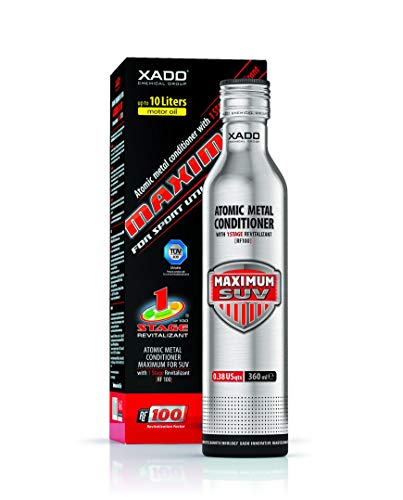 XADO Engine Oil additive - Protection for Engines - additive for wear Protection & rebuilding of Worn Metal Surfaces - Metal Conditioner w. Revitalizant 1Stage Maximum SUV (up to 10qt of Oil Capacity)
 RVS Technology G6 Engine oil Treatment; For Gasoline Engines with a Motor oil capacity up to 6 quarts; Save fuel, Boost Power and Safely Restore and protect your Car, Truck, and all other engines