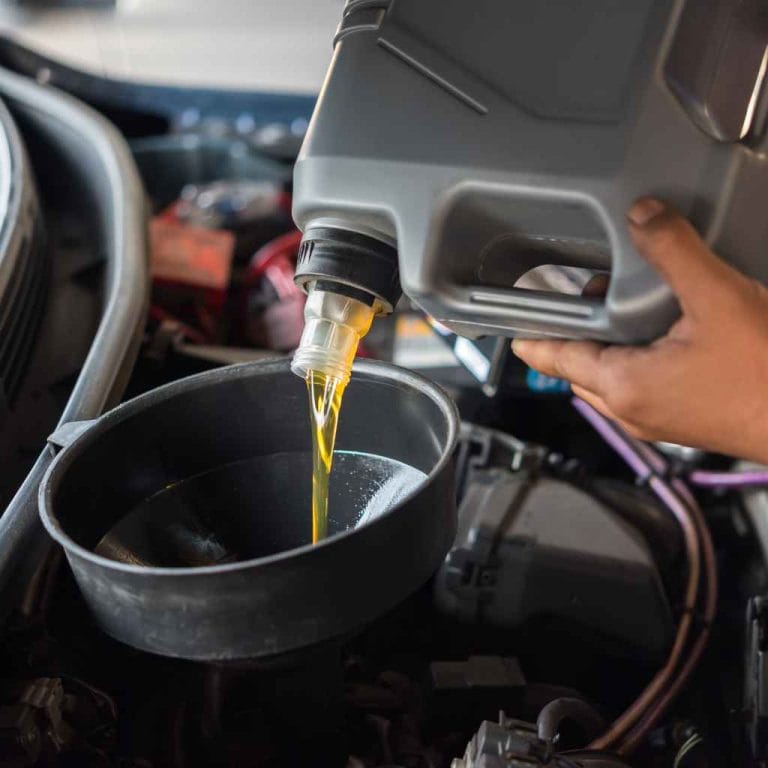
Why Does My Car Have No Oil? Leak vs. Burning Oil
No oil in your car means either a leak (pan gasket, valve cover, or seal) or the engine burning it internally through worn piston rings, a bad valve seal, or a failing PCV valve.
Driving with no oil can seize your engine within minutes. This guide covers how to tell which cause you have and what to check first.
Why Engine Oil Matters
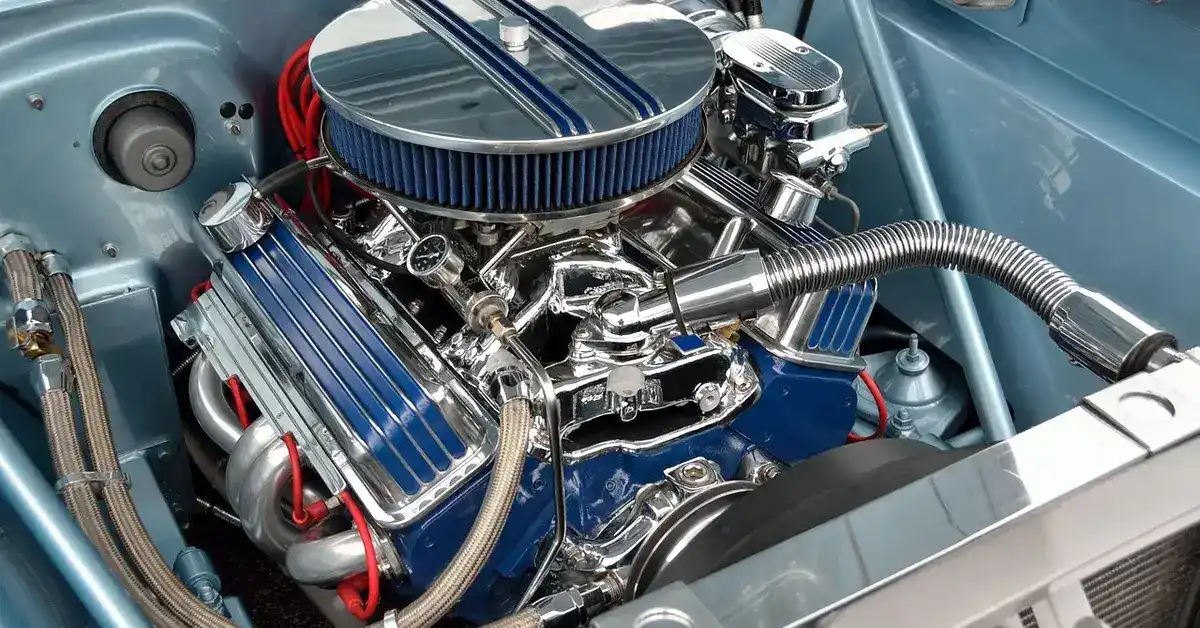
Engine oil is not just a fluid; it’s the lifeblood of your car’s engine. Without enough oil, metal parts rub together, creating heat and friction. This can cause serious engine damage in minutes. Oil also helps to clean, cool, and protect the engine. Even a short drive without oil can ruin an otherwise healthy engine.

Innova
Innova 5210 OBD2 Scanner & Engine Code…
- OBD2 SCANNER & BATTERY TESTER IN ONE – The INNOVA 5210 OBD2 scanner not only reads and clears check engine light and ABS codes (co…
- LIVE DATA & REAL-TIME DIAGNOSTICS – Get instant access to OBD2 live data, including RPM, engine temperature, fuel trims, and oxyge…
- ENGINE CODE READER – This automotive diagnostic tool works with most US, Asian, and European vehicles from 1996 and newer, includi…
As an Amazon Associate I earn from qualifying purchases.
Common Reasons For No Oil In Your Car
Understanding why your car has no oil is the first step to fixing the problem. Here are the most frequent causes:
1. Oil Leaks
One of the most common reasons for low or no oil is a leak. Even a slow drip can empty the engine over time. Leaks can happen from:
- Oil pan gasket
- Valve cover gasket
- Oil filter
- Drain plug
- Oil cooler lines
Puddles or spots under your car are a strong sign of a leak. But not all leaks leave clear marks—sometimes, oil drips onto hot engine parts and burns off, making it harder to notice.
2. Burning Oil
If you don’t see oil under your car, the engine might be burning oil internally. This often happens when:
- Piston rings are worn
- Valve seals are damaged
- Cylinder walls are scored
When oil burns inside the engine, you might notice blue smoke from the exhaust or a strong burning smell. Over time, this can drain your oil level without leaving any visible trace.
3. Delayed Or Missed Oil Changes
Oil breaks down over time and loses its ability to protect the engine. If you wait too long between oil changes, old oil can become thin or burn off faster, leaving your engine with little or no oil.
4. Faulty Oil Filter
A damaged or incorrectly installed oil filter can cause leaks or restrict oil flow. If the filter is loose, not sealed correctly, or the wrong type, oil may escape or not circulate properly.
5. Engine Damage Or Internal Failure
Sometimes, engine problems like a cracked engine block, blown head gasket, or damaged oil passages can cause sudden oil loss. These issues are less common but very serious. You may notice white smoke, overheating, or coolant mixed with oil.
6. Poor Quality Or Wrong Type Of Oil
Using the wrong oil type or cheap, low-quality oil can lead to faster breakdown and higher consumption. Always use the oil recommended by your car’s manufacturer.
7. Oil Pump Failure
The oil pump circulates oil throughout the engine. If it fails, oil won’t reach critical parts, and you may quickly lose pressure and oil level.
8. Overfilling Or Underfilling At Last Oil Change
Mistakes during an oil change—such as not adding enough oil or overfilling—can cause oil to be lost quickly (through burning or foaming).
9. Pcv System Problems
The Positive Crankcase Ventilation (PCV) system controls engine pressure and re-circulates gases. If it’s clogged or broken, it can force oil out of seals or burn oil.
10. Old Or Worn Seals And Gaskets
As your car ages, seals and gaskets dry out, shrink, or crack. Even without a visible leak, old gaskets can allow oil to escape slowly over time.
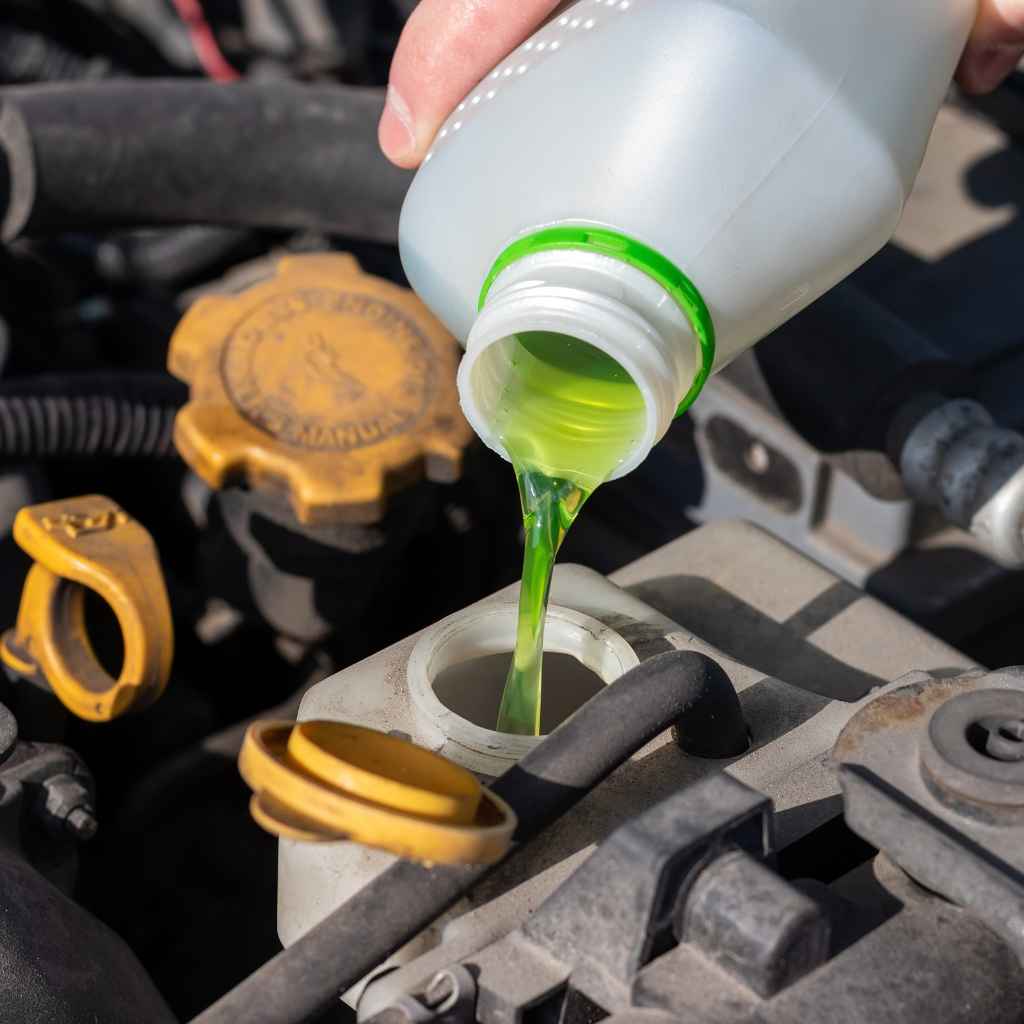
How To Check For Oil Loss
If you suspect your car has no oil, don’t just guess. Follow these steps for a clear answer:
- Park on a Level Surface: Wait for the engine to cool, then remove the dipstick, wipe it clean, reinsert it, and check the oil level.
- Look for Leaks: Inspect under the car and around the engine for oil spots or wet areas.
- Check the Exhaust: Blue smoke means oil is burning inside the engine.
- Listen for Noises: No oil can cause ticking, knocking, or grinding sounds from the engine.
- Smell for Burning: A sharp, burnt odor may signal oil is leaking onto hot engine parts.
- Check the Oil Warning Light: If the oil pressure or check engine light is on, stop driving immediately.
What Happens When You Drive With No Oil
Driving with little or no oil is extremely risky. Here’s what can happen:
- Increased friction: Without oil, metal parts grind together and wear out.
- Overheating: Oil helps cool the engine; no oil means more heat.
- Engine seizure: In minutes, the engine can lock up, sometimes beyond repair.
- Costly repairs: A new engine can cost thousands of dollars.
Many drivers do not realize that even a short trip with no oil can cause permanent damage. Some modern engines use turbochargers or advanced technology, making them even less tolerant of low oil.
How Much Oil Loss Is Normal?
Some oil use is normal, especially as engines age. But losing a full dipstick of oil quickly is not. Here’s a quick comparison of what’s normal vs. a sign of trouble:
| Oil Loss Rate | Possible Cause | What To Do |
|---|---|---|
| 0.5-1 quart per 3,000 miles | Older engine, high mileage | Monitor, check more often |
| 1 quart per 1,000 miles | Worn seals, minor leaks | Check for leaks, repair as needed |
| 1+ quart per 500 miles | Serious leak or burning | Visit mechanic immediately |
| Empty between oil changes | Major leak, burning, or engine failure | Stop driving, tow to shop |
If you ever see the oil warning light, stop the engine right away. Never try to “make it home” if you know your car has no oil.
Signs You Have No Oil (or Very Low Oil)
Many drivers miss early warnings. Here are some clues you shouldn’t ignore:
- Oil warning light on the dashboard
- Knocking, ticking, or grinding noises from the engine
- Engine running hotter than normal
- Burning smell inside or around the car
- Smoke from the exhaust (blue or bluish-gray)
- Visible oil leaks on the ground or engine parts
- Rough idling or loss of engine power
Ignoring these signs can lead to engine failure. If your car shows any of them, check the oil immediately.
What To Do If You Discover No Oil
Finding your engine dry can be stressful. Here’s what to do next:
- Stop driving: Running the engine even for a few minutes with no oil can destroy it.
- Check the dipstick: Confirm there’s no oil. If you see nothing on the stick, add oil before starting the engine again.
- Add oil carefully: Use the type and amount recommended in your owner’s manual. Do not overfill.
- Look for leaks: Inspect around the oil filter, drain plug, and gaskets.
- Check for smoke or strange noises: If you notice either, call a tow truck. Do not try to drive.
- Visit a mechanic: Even if your car runs after adding oil, have a professional check for damage and find the cause of oil loss.
How Oil Loss Damages Your Engine
Oil is more than just a lubricant. Here’s how a lack of oil can harm your engine:
- Friction damage: Metal parts grind and wear out.
- Heat buildup: Without oil to cool, engine parts expand and warp.
- Bearing failure: Main and rod bearings can seize.
- Piston and cylinder damage: Pistons can weld to cylinder walls.
- Turbocharger failure: Turbos spin at high speeds and will fail quickly with no oil.
Some damage may not show up right away. Even if your engine runs after adding oil, hidden issues can develop.
Main Areas Where Oil Can Leak
Knowing where to look can help you find a leak faster. Here are some common leak spots:
- Oil filter: If it’s loose or damaged, oil will drip down the engine.
- Oil pan gasket: This seal keeps oil inside the pan. A bad gasket leaks onto the ground.
- Valve cover gasket: Oil can seep from the top of the engine and run down the sides.
- Drain plug: After an oil change, a loose or stripped plug can leak.
- Oil cooler lines: These hoses carry oil to coolers. Cracks or loose clamps leak oil.
- Timing cover seal: At the front of the engine, this seal can fail with age.
- Rear main seal: Hidden between the engine and transmission, leaks here are harder to spot but can drain a lot of oil.
Diagnosing Oil Loss: Diy Vs. Mechanic
You can do some basic checks yourself, but deeper problems need a mechanic. Here’s a quick guide:
| Check | DIY? | When to Call a Mechanic |
|---|---|---|
| Check dipstick | Yes | If oil is missing or very low |
| Look for leaks under car | Yes | If you see a large puddle or can’t find the source |
| Tighten oil filter/drain plug | Yes (if safe) | If oil keeps leaking or plug is stripped |
| Replace gaskets/seals | No | If leak is from a gasket or seal |
| Check for oil in coolant | Yes (look in radiator/overflow tank) | If you see milky oil or foamy coolant |
| Check PCV system | No | If you suspect pressure issues or oil blowing out |
If you’re unsure, it’s always safer to get professional help. Some problems—like head gasket leaks—are hard to find without special tools.
Preventing Oil Loss: Tips For Car Owners
Staying ahead of oil problems can save you money and stress. Here are some proven ways to prevent oil loss:
- Check your oil regularly: Don’t wait for warning lights. Make it a habit to check your oil every few weeks or before long trips.
- Change oil and filter on time: Follow your car’s service schedule for both oil and filter. Old oil breaks down and can escape faster.
- Use the right oil: Stick to the type and grade recommended by your car’s maker. Synthetic oils often last longer and protect better.
- Inspect for leaks: After parking overnight, look for fresh spots under your car.
- Listen for changes: Unusual noises or smells can be early signs of trouble.
- Watch your oil pressure: If your gauge drops or warning light comes on, stop driving.
- Replace old gaskets and seals: If your car is older, have a mechanic check for worn parts during oil changes.
- Maintain the PCV system: A clogged PCV valve can cause oil to escape. Ask your mechanic to check it during service.
- Avoid harsh driving: Hard acceleration and high engine speeds can burn more oil, especially in older engines.
A less obvious tip: Even after repairs, some engines need time for seals to “re-seat.” For a week or two after fixing a leak, keep checking your oil.
Non-obvious Insights Most Drivers Miss
Many car owners think that if there’s no visible oil on the ground, there’s no leak. But oil can burn off or leak in hidden places. For example, slow leaks onto the exhaust or hot engine parts often leave no trace except a burnt smell.
Another point: If you add oil and it disappears quickly, you might have more than one problem. Sometimes, a minor leak plus oil burning adds up to a major loss. Mechanics often find multiple small issues that together cause big oil loss.
The Cost Of Ignoring Oil Loss
Fixing an oil leak or topping up oil is much cheaper than replacing an engine. Here’s a real-world example:
- Fixing a leaky valve cover gasket: $100–$300
- Replacing a damaged engine: $3,000–$7,000 (or more)
Most cars will give you warning signs before running out of oil completely. Paying attention to these can save you thousands.
When Is It Safe To Drive After Topping Up Oil?
If your car ran out of oil, added oil, and now runs smoothly with no strange noises, you might be safe to drive short distances. But if you hear knocking or ticking, or if the oil light stays on, do not drive.
Even after adding oil, existing damage can get worse.
If in doubt, have a mechanic check your engine. Sometimes the damage is not visible right away.
Should You Use Oil Additives?
Some products promise to stop leaks or reduce burning. While a few can help minor leaks, they are not a cure for serious problems. Using additives instead of real repairs can make things worse in the long run. Always fix the cause, not just the symptoms.
How Mechanics Find Hidden Oil Loss
Modern shops use several tools to detect oil loss:
- UV dye: Added to oil, this glows under UV light to reveal hidden leaks.
- Compression test: Checks for worn piston rings or valves.
- Pressure test: Finds head gasket or internal leaks.
- Borescope: A camera looks inside engine parts for damage.
A skilled mechanic can find the root cause quickly, saving you from guessing or replacing unneeded parts.
Is Oil Loss Covered By Warranty?
If your car is new or still under warranty, some oil issues might be covered. However, most warranties don’t cover oil changes, and severe neglect (like running with no oil) can void the warranty. Always keep records of oil changes and repairs.
For more on car maintenance and manufacturer warranties, you can read about automotive standards at Wikipedia.
Frequently Asked Questions
Why Did My Car Suddenly Have No Oil?
Sudden oil loss is usually from a major leak (like a blown gasket or loose drain plug) or severe internal burning. If you see oil under your car or smoke from the exhaust, stop driving and get your car checked right away.
Can I Just Add Oil And Keep Driving?
You can add oil to get your car moving, but it’s important to find out why the oil was low. If you ignore the root problem, you may end up with engine damage.
How Often Should I Check My Oil Level?
It’s good practice to check your oil every 2-4 weeks and before any long trip. Older cars or those with high mileage may need even more frequent checks.
What Happens If I Drive With No Oil?
Driving with no oil can cause rapid engine wear, overheating, and even total engine failure. Even a few minutes without oil can be enough to destroy an engine.
Can Oil Disappear Without A Leak?
Yes, oil can burn off inside the engine due to worn parts, faulty valve seals, or piston rings. Sometimes, small leaks can also allow oil to escape without leaving a visible puddle.
Taking care of your car’s oil is one of the simplest but most important things you can do. By understanding the reasons behind oil loss and acting quickly, you can avoid expensive repairs and keep your car running smoothly for years to come.
Related pick: Check today's price on Amazon