What Does Oil Do For A Car Engine? Everything Explained
It’s a bit of a mystery, isn’t it? That dark liquid tucked away under the hood of your car. Most of us know we need to check it and change it.
But have you ever stopped to wonder what, exactly, oil does for a car engine? It’s more than just a lubricant. It’s the lifeblood that keeps your engine running smoothly and prevents costly breakdowns.
Let’s dive deep into this essential fluid.
We’ll explore its many jobs. You’ll understand why it’s so important. And you’ll know what happens when it’s not doing its job right.
This guide breaks down the role of engine oil. It’s written to be super easy to follow. You’ll feel confident about your car’s health.
Engine oil is a vital fluid that lubricates moving parts, cools the engine, cleans internal components, prevents corrosion, and improves sealing. Its primary function is to reduce friction between metal parts, preventing wear and heat buildup, ensuring the longevity and optimal performance of the car engine. Regular oil changes are crucial for maintaining these functions.
The Many Jobs of Engine Oil
Think of your car’s engine as a busy city. Lots of parts move around very fast. They bump and rub against each other all the time.
This creates heat and wear. Engine oil steps in to be the city planner and the maintenance crew. It has several key tasks.
Each one is super important for your engine to work well.
First, and most known, is lubrication. Oil creates a thin film. This film sits between moving parts.
Metal parts glide over this film. This stops them from grinding together. It keeps them from wearing out too fast.
This is why we call it a lubricant.
Next, oil acts as a coolant. As parts move, they make heat. The oil picks up this heat.
It carries it away from hot spots. Then it brings the heat to the oil pan. Here, the heat can escape.
This helps keep the engine from getting too hot. Overheating can cause serious damage.
Oil also cleans the engine. As it flows, it picks up tiny bits of dirt and metal. These bits come from wear.
They can also come from burnt fuel. The oil carries these particles to the oil filter. The filter traps them.
This keeps the inside of your engine clean. A clean engine runs better.
Another job is preventing rust and corrosion. Engines can get wet inside from condensation. Oil coats metal parts.
This stops moisture from reaching them. It forms a barrier. This barrier protects the metal from rust.
It keeps your engine from corroding over time.
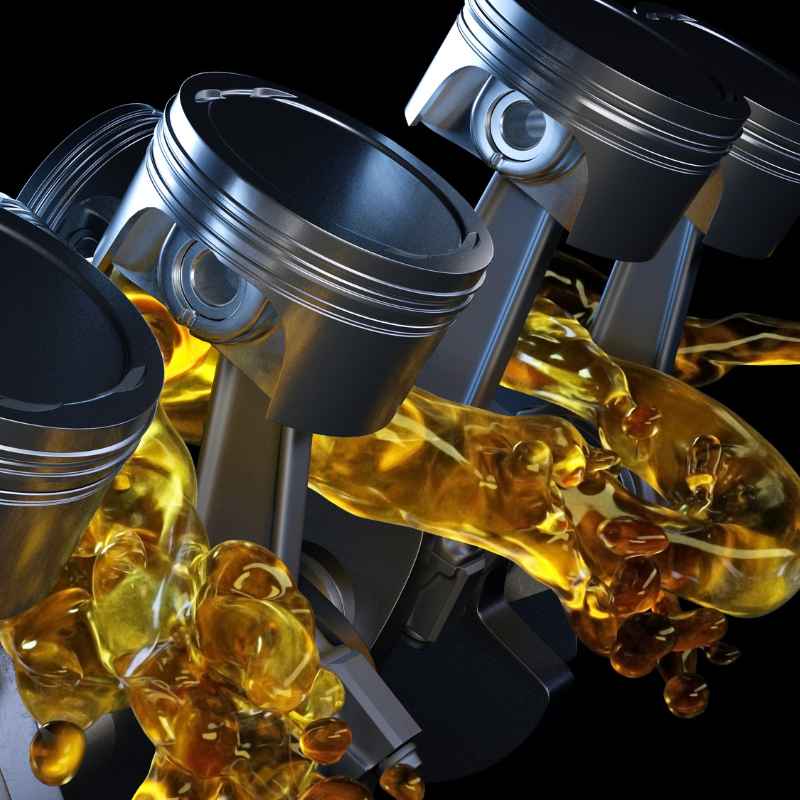
Finally, oil helps create a seal. In the engine cylinders, pistons move up and down. Oil helps seal the gap between the piston rings and the cylinder walls.
This seal stops combustion gases from escaping. It also stops oil from getting into the combustion chamber. A good seal means good power.
A Personal Story: The Day I Ignored the Light
I remember it vividly. It was a crisp autumn morning. I was rushing to get to an important client meeting.
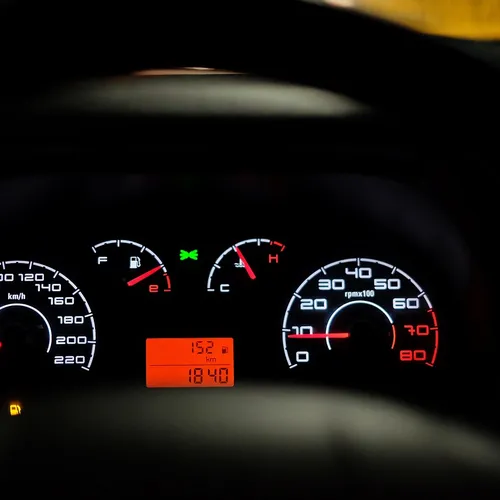
My car, an older sedan I loved, was usually a faithful companion. As I pulled out of my driveway, a tiny light flickered on my dashboard. It was the oil pressure warning light.
My heart sank. My mind raced. “It’s probably nothing,” I told myself.
“It’s just a glitch.” I had been meaning to check the oil for a week. Life got busy. The meeting was more important, I thought.
So, I drove on. The light stayed on, a little red beacon of worry.
About ten miles down the highway, I started hearing a faint ticking sound. It was subtle at first. Then it grew louder.
It sounded like tiny hammers tapping inside the engine. Panic started to set in. The ticking grew into a distinct knocking.
It wasn’t a sound any car owner wants to hear. I should have pulled over immediately. But stubbornness and the pressure of the meeting kept me going.
I was only five miles from my destination. I convinced myself I could make it. That was a huge mistake.
Just as I turned off the highway, the knocking turned into a violent shriek. Smoke started to billow from under the hood. I finally slammed on the brakes.
The engine died with a final, sickening clunk. Stranded on the side of the road, I could feel the heat radiating from the now-silent engine. The smell of burnt oil hung heavy in the air.
It was a costly lesson about what oil does for a car engine and the price of ignoring it.
Engine Oil: The Silent Worker
Lubrication: Reduces friction between moving parts like pistons, crankshaft, and camshafts.
Cooling: Absorbs and dissipates heat generated by friction and combustion.
Cleaning: Carries away dirt, debris, and combustion byproducts to the oil filter.
Corrosion Prevention: Coats metal surfaces, protecting them from moisture and rust.
Sealing: Helps create a seal between piston rings and cylinder walls for better compression.
Understanding Different Types of Oil
Not all oil is the same. You’ll see different types at the auto parts store. They have different jobs and benefits.
Choosing the right one is important. It depends on your car and how you use it.
There are three main types. These are conventional, synthetic blend, and full synthetic oil. Each offers a different level of protection and performance.
Think of them as different grades of care for your engine.
Conventional oil is the most basic. It’s made directly from petroleum. It’s cheaper.
It works well for many cars. But it breaks down faster. It doesn’t perform as well in extreme temperatures.
It’s good for older cars or vehicles that don’t face tough conditions.
Synthetic blend oil is a mix. It has conventional oil plus synthetic additives. This gives it better performance than pure conventional oil.
It offers more protection. It handles temperature changes better. It’s a good middle-ground option for many drivers.
Full synthetic oil is the top tier. It’s made in a lab. It’s engineered for the best performance.
It’s highly resistant to heat. It flows well in cold weather. It lasts longer.
It provides the best protection against wear. It’s often recommended for high-performance cars or vehicles driven in extreme conditions.
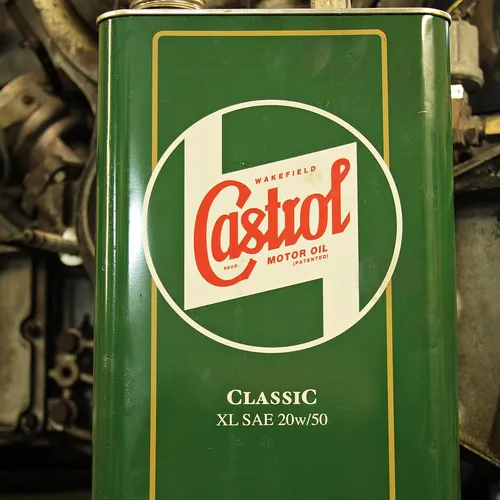
You’ll also see numbers on the oil bottles. This is the oil’s viscosity rating. It’s like how thick the oil is.
The first number is for cold conditions. A lower number means it flows better when cold. The second number is for hot conditions.
A higher number means it stays thicker when hot. For example, 5W-30 is common. It means it flows like a 5 weight oil when cold.
It acts like a 30 weight oil when hot.
Oil Viscosity Explained Simply
Cold Flow (W): How easily the oil flows when your engine is cold. Lower ‘W’ numbers (like 0W or 5W) mean better cold flow.
Hot Flow: How thick the oil stays when your engine is hot. Higher numbers (like 30 or 40) mean the oil is thicker at operating temperature.
Why it Matters: Proper viscosity ensures the oil can reach all parts of your engine, whether it’s freezing outside or the engine is running hot.
How Oil Keeps Your Engine Cool
We talked about oil cooling the engine. Let’s look closer at this. Engines get very hot when they run.
Combustion creates a lot of heat. All those moving metal parts also create friction. Friction creates more heat.
Without oil, parts would overheat very quickly.
Oil acts like a heat transfer fluid. It flows through the engine. It passes by hot metal components.
The oil absorbs the heat from these parts. It’s like a sponge soaking up warmth. Then, the oil carries this heat away.
Where does it go? The oil circulates back to the oil pan at the bottom of the engine. The oil pan is like a radiator for the oil.
Heat radiates from the oil pan into the surrounding air. Some cars have an actual oil cooler. This is a small radiator just for the oil.
This cooling function is vital. If parts get too hot, metal can expand. This can cause parts to seize up.
It can lead to damage. It can even cause the engine to fail. So, the cooling job of oil is just as important as its lubricating job.
It prevents a meltdown.
Think about the hottest parts of your engine. These include the pistons and the cylinder walls. The oil is constantly bathing these areas.
It’s removing heat as quickly as it’s made. This keeps everything within a safe operating temperature range. That’s how oil does for a car engine to prevent disaster.
Quick Scan: Cooling System Comparison
| Component | Primary Role | How Oil Helps |
| Radiator | Cools engine coolant | Indirectly, by keeping engine temps stable |
| Oil Cooler (if present) | Cools engine oil directly | Acts as a dedicated heat exchanger for oil |
| Oil Pan | Reservoir for oil, dissipates heat | Acts as a large surface area for heat to escape |
| Engine Oil | Cools internal engine parts | Absorbs and transports heat away from moving components |
The Cleaning Power of Engine Oil
Engines aren’t always pristine inside. Over time, tiny particles are generated. These come from the normal wear of metal parts.
Think of microscopic metal shavings. There are also byproducts from burning fuel. Some unburned fuel or soot can get into the oil.
Engine oil has special detergents. These detergents are designed to grab onto these particles. As the oil circulates, it acts like a magnet for dirt.
It picks up these unwanted bits. It carries them through the engine.
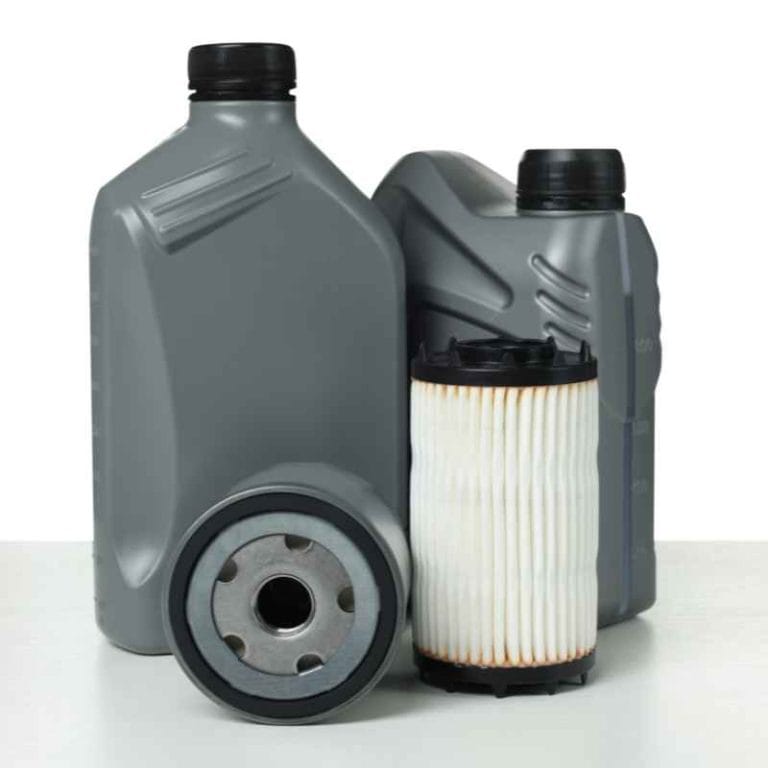
The oil then travels to the oil filter. This filter is like a very fine sieve. It has a special paper or synthetic material inside.
As the dirty oil passes through the filter, the particles get trapped. The cleaner oil then continues its journey through the engine.
This cleaning process is crucial. If these particles aren’t removed, they can cause problems. They can build up.
They can act like sandpaper. This sandpaper effect can cause more wear on engine parts. It can clog small oil passages.
This restricts oil flow. It can lead to parts not getting enough lubrication.
A clogged oil filter means the oil isn’t getting cleaned properly. This is why changing your oil and filter regularly is so important. It ensures the cleaning system works.
It keeps your engine running smoothly and prevents premature wear. It’s a simple yet powerful aspect of what oil does for a car engine.
Preventing Rust and Corrosion
Our cars sit parked sometimes. Especially in humid places or during rainy seasons. Moisture can get into the engine.
It can form through condensation. When metal parts are exposed to moisture, they can rust. Rust weakens metal.
It can cause damage over time.
Engine oil forms a protective barrier. It coats all the metal surfaces inside the engine. This coating acts like a shield.
It prevents water droplets from ever touching the metal. It stops the rusting process before it can even start. This is especially important for parts that don’t move constantly.
Think about the crankshaft or the camshaft. These parts are always moving when the engine is on. But when the car is off, they might not be covered in oil for long periods.
The oil film clings to them. It offers protection even when the engine is resting.
Corrosion is similar to rust. It’s a chemical reaction that degrades metal. The additives in engine oil help fight this too.
They create an environment where corrosion struggles to form. This is why using the right type of oil matters. Some oils have better anti-corrosion properties.
This protective function is often overlooked. But it’s a silent hero. It works constantly to preserve the integrity of your engine’s metal components.
It helps your engine last much longer. It’s a key part of the complete picture of what oil does for a car engine.
Contrast: Normal Engine vs. Neglected Engine
Normal Engine (Well-Oiled):
- Smooth operation, quiet running.
- Good fuel efficiency.
- Longer engine life.
- Parts are clean and protected from rust.
Neglected Engine (Lack of Oil/Old Oil):
- Ticking, knocking, or grinding sounds.
- Reduced power and poor fuel economy.
- Increased wear and potential for major breakdowns.
- Internal parts may show signs of rust or corrosion.
Creating a Seal for Better Performance
Inside each engine cylinder, a piston moves up and down. It’s a tight fit. To make sure the power from burning fuel is used efficiently, there needs to be a good seal.
This seal is between the piston rings and the cylinder wall. Engine oil plays a role here.
The piston rings are designed to create this seal. But they don’t form a perfect metal-to-metal bond. A very thin film of oil is needed.
This oil film helps the rings seal against the cylinder wall. It stops combustion gases from escaping past the piston.
If the oil film is too thin, or gone, gases can escape. This is called blow-by. When gases blow by, they reduce the pressure in the cylinder.
Less pressure means less power. It also means the engine burns fuel less efficiently.
The escaping gases can also carry heat. This heat can damage the piston rings. It can also get into the crankcase.
This contaminates the oil. It can also lead to oil being burned. This is why a proper oil film is so important for performance.
On the other hand, too much oil can also be a problem. It can get past the rings and into the combustion chamber. This causes the oil to burn.
This results in blue smoke coming from the exhaust pipe. It also means you’re using up your oil faster.
So, the oil needs to be just right. It needs to be the correct type and the correct amount. This ensures a perfect seal.
It helps your engine produce its best power. It also helps it run cleanly and efficiently. This sealing function is a less visible but critical job.
What Happens When Oil Gets Old?
Over time, engine oil doesn’t stay fresh. It starts to break down. It also starts to collect a lot of contaminants.
This is why changing your oil is so important. Ignoring it can lead to major engine problems.
As oil ages, its ability to lubricate decreases. The oil molecules get broken down by heat and friction. They can no longer form that strong protective film.
This means more metal-on-metal contact. This leads to increased wear. It also generates more heat.
The detergents in the oil get used up. They can’t grab dirt as well. The oil filter gets clogged.
It can’t trap particles effectively anymore. Dirt and metal bits start to circulate freely. They act like tiny grinders inside your engine.
The oil also loses its ability to fight rust and corrosion. Moisture can start to affect the metal parts. Additives that prevent oxidation also break down.
This can lead to sludge buildup. Sludge is a thick, gooey substance. It can block oil passages.
It starves parts of oil.
When oil gets old, it can also become thicker. Or it can become thinner than it should be. This changes its viscosity.
It can’t flow properly. It won’t reach all the critical parts of the engine. This leads to parts not getting enough lubrication.
This is a fast track to engine damage.
You might notice changes in your car. The engine might run rougher. You might hear new noises.
Fuel economy might drop. A warning light might come on. These are all signs the oil is no longer doing its job effectively.
It’s a critical part of understanding what oil does for a car engine and why it needs fresh oil.
Timeline: Oil Degradation
0-1,000 Miles (New Oil): Optimal lubrication, cooling, cleaning, and protection.
1,000-3,000 Miles: Oil starts to pick up minor contaminants. Detergents begin working.
3,000-5,000 Miles (Typical Change Interval): Oil has collected significant contaminants. Lubricating properties may start to decline. Additives are less effective.
5,000+ Miles (Overdue): Oil is heavily contaminated. Lubrication is poor. Increased wear, sludge formation, and risk of engine damage.
Real-World Scenarios: When Oil Matters Most
The demands on engine oil change depending on how and where you drive. Some situations put more stress on the oil, making its protective functions even more critical. Understanding these scenarios helps you appreciate the full scope of what oil does for a car engine.
Stop-and-Go Traffic: In city driving, your engine is constantly starting and stopping. This means the engine is often at higher temperatures for longer periods. The oil is working harder to cool the engine.
It’s also picking up more contaminants from incomplete combustion when the engine isn’t at full operating temperature. Full synthetic oils are particularly good here because they resist heat breakdown better.
Towing or Hauling: When you tow a trailer or carry heavy loads, your engine works much harder. This generates significantly more heat. The increased strain on the engine means the oil’s cooling and lubricating functions are pushed to their limits.
Using a higher viscosity oil or a synthetic blend might be necessary, as recommended by your car’s manufacturer.
Extreme Temperatures: Driving in very hot weather or very cold weather presents unique challenges. In extreme heat, oil needs to maintain its viscosity and cooling ability. In extreme cold, it needs to flow easily so it can reach all parts of the engine immediately upon startup.
This is where synthetic oils really shine due to their engineered properties.
High-Performance Driving: Enthusiasts who push their cars hard, like on a track or during spirited driving, put immense stress on the engine. The high RPMs and extreme temperatures require the best possible lubrication and cooling. Full synthetic oils are almost always the choice for these applications to prevent catastrophic engine failure.
Long Commutes: While long, steady highway driving is often easier on an engine than stop-and-go traffic, the oil is still working. It’s constantly lubricating and cooling. Over many miles, the oil can still break down and collect contaminants.
Regular oil changes are still essential to maintain its protective qualities.
Driving Conditions & Oil Demands
Condition: City Driving (Stop-and-Go)
Oil Demand: High cooling, frequent contaminant pickup, thermal stress.
Recommended: High-quality conventional or synthetic blend, or full synthetic.
Condition: Towing/Hauling
Oil Demand: Extreme heat, severe lubrication requirements.
Recommended: Synthetic blend or full synthetic, correct viscosity per manufacturer.
Condition: Extreme Cold/Heat
Oil Demand: Cold flow crucial in winter, heat stability crucial in summer.
Recommended: Full synthetic often best, check manufacturer’s viscosity recommendations.
When to Worry: Signs Your Oil Needs Attention
Sometimes, your car will tell you when something is wrong with its oil. Paying attention to these signs can save you from a major repair bill. It’s about being a good listener to your vehicle.
The Oil Pressure Warning Light: This is the most serious. If this light comes on, it means your engine isn’t getting enough oil pressure. This can happen if the oil level is too low or if there’s a problem with the oil pump.
You should stop driving as soon as it’s safe and check your oil level. If the level is okay, have it towed to a mechanic.
Strange Noises: As I learned the hard way, unusual sounds are a big red flag. Ticking, knocking, or grinding noises often mean metal parts are rubbing together. This is usually due to a lack of lubrication.
The sooner you address these sounds, the better.
Exhaust Smoke: If you see blue or gray smoke coming from your tailpipe, it can indicate that oil is burning. This might mean oil is getting into the combustion chamber. This can be due to worn piston rings or seals.
It means your oil is not sealing properly.
Dark, Gritty Oil: When you check your oil dipstick, look at the oil itself. If it’s very dark and feels gritty between your fingers, it’s probably old and full of contaminants. It has done its job of cleaning, but now it’s too dirty to protect.
This is a clear sign it’s time for a change.
Low Oil Level: Regularly checking your oil level is a simple habit. If you find yourself adding oil more often than usual, it could mean you have a leak or the engine is burning oil. Either way, it needs attention.
Engine Overheating: While overheating can have many causes, a lack of proper lubrication and cooling from the oil can contribute to it. If your temperature gauge is consistently climbing higher than normal, it’s worth checking your oil.
Quick Tips for Oil Maintenance
Keeping your engine healthy with oil is simple if you follow a few key practices. These aren’t complicated or expensive. They just require a little bit of regular attention.
Check Your Owner’s Manual: This is the MOST important tip. Your car’s manufacturer knows your engine best. The manual will tell you the recommended oil type (viscosity and specification) and the recommended change interval.
Follow these guidelines.
Check Your Oil Level Regularly: Make it a habit. Once a month, or before a long trip, pull out the dipstick. Wipe it clean, reinsert it fully, then pull it out again.
The oil level should be between the “Add” and “Full” marks. If it’s low, add the correct type of oil.
Change Your Oil and Filter on Schedule: Don’t wait for the engine to complain. Follow the manufacturer’s recommended mileage or time interval. If you often drive in severe conditions (like stop-and-go traffic or towing), you might need to change it more often.
Some cars have oil life monitors that help with this.
Use the Right Type of Oil: Never guess. Always use the oil type recommended in your owner’s manual. Using the wrong oil can cause damage.
It can also void your warranty. Stick to brands you trust.
Look for Deals: Many auto parts stores and quick lube places offer deals on oil changes. Buying oil in bulk might also save you money. However, never sacrifice quality for price.
Ensure you’re getting good oil.
Dispose of Old Oil Properly: Old engine oil is a pollutant. Don’t pour it down the drain or on the ground. Most auto parts stores and service centers will take used oil for recycling.
It’s the responsible thing to do.
Frequently Asked Questions About Engine Oil
What happens if I don’t change my car’s oil?
If you don’t change your car’s oil, it will become dirty and lose its protective properties. This leads to increased friction and wear between engine parts. It can cause sludge to build up, block oil passages, and eventually lead to catastrophic engine failure.
Your engine could seize up.
Can I use a different weight oil than what my manual recommends?
It’s generally not recommended to use a different weight oil unless specifically advised by a mechanic for a particular situation. The recommended oil weight ensures optimal flow and protection across a range of temperatures for your specific engine design. Using the wrong weight can impair lubrication and cooling.
How often should I really change my synthetic oil?
Full synthetic oils typically last much longer than conventional oils, often 7,500 to 15,000 miles or even more, depending on the oil and your driving conditions. Always check your owner’s manual for the manufacturer’s specific recommendation. Oil life monitors in newer cars can also provide guidance.
What is “sludge” in an engine and how is it related to oil?
Sludge is a thick, black, tar-like deposit that forms when oil breaks down and mixes with contaminants like dirt, soot, and moisture. Old, degraded oil that hasn’t been changed can lead to significant sludge buildup, which can clog oil passages and starve parts of the engine of necessary lubrication.
Is it bad to use conventional oil in a car that used synthetic oil?
In most modern cars, switching from synthetic back to conventional oil is generally okay, especially if the car is older or not driven in extreme conditions. However, if your car was designed for synthetic oil, it’s usually best to stick with it to ensure optimal performance and protection. Consult your owner’s manual.
How can I tell if my car is burning oil?
The most common sign of burning oil is blue or gray smoke coming from your exhaust pipe, especially when you accelerate. You might also notice your oil level dropping faster than usual. A persistent burning oil smell inside or outside the car can also be an indicator.
Do I need to change my oil if I don’t drive my car much?
Yes, even if you don’t drive your car much, it’s important to change the oil at least once a year. Over time, oil can still degrade due to condensation and oxidation. Driving less means the oil doesn’t get hot enough to burn off moisture, which can lead to internal corrosion.
Final Thoughts on Engine Oil’s Importance
Engine oil is the unsung hero of your car. It’s working hard behind the scenes, all the time. From keeping things cool to cleaning up messes, its jobs are vital.
Understanding what oil does for a car engine empowers you. It helps you take better care of your vehicle.
Treat your engine oil well. Give it the right type and change it on time. Your engine will thank you with reliable performance for years to come.
It’s a small effort for a big reward.
Products related to this article
Sponsored / affiliate links. As an Amazon Associate I earn from qualifying purchases. I may earn additional commission from eligible campaigns.