How To Fix The Engine Oil Sign On Your Car (Quick Guide)
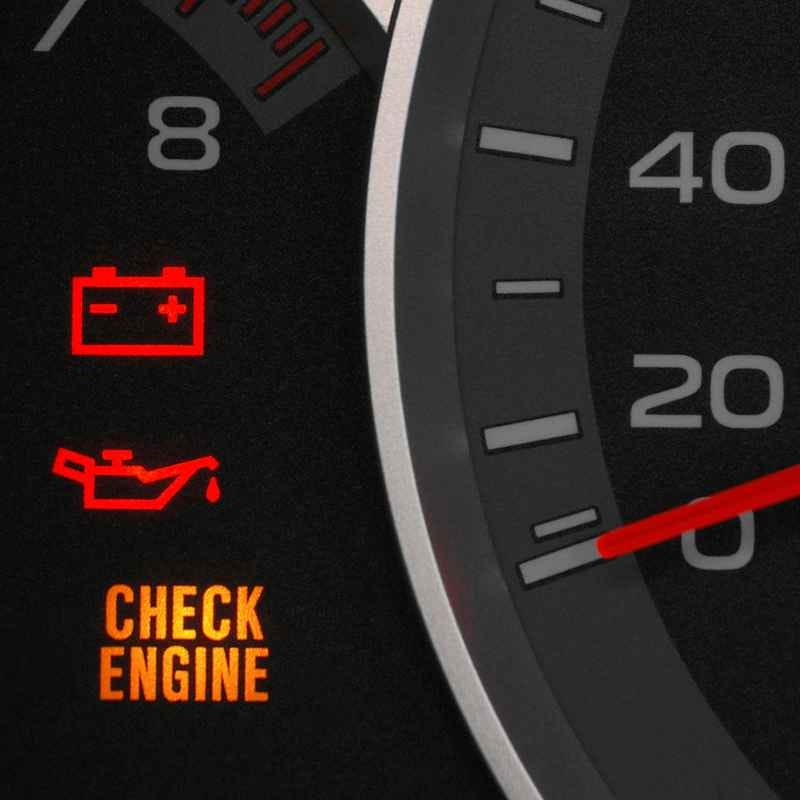
That little red oil can symbol blinking on your dashboard. It’s a common car problem. It often makes people feel a bit worried. This light means your car’s oil system needs attention. It’s not always a disaster, but it’s something you should check right away. This guide will help you understand what that light means. We’ll explore why it shows up and what simple steps you can take.
When your car’s engine oil light comes on, it signals a potential issue with your oil pressure or level. This can range from a simple low oil level to a more serious problem with the oil pump. Checking your oil level and condition immediately is crucial.
What Does the Engine Oil Light Actually Mean?
The engine oil light is a warning. It’s there to protect your engine. Most car experts call it the oil pressure warning light. It tells you that your engine might not have enough oil pressure. Oil is like blood for your engine. It keeps parts moving smoothly. It also keeps them cool. Low oil pressure means parts might rub together. This can cause lots of damage very fast.

Generic
Auto Repair Oil Change Brakes engine repairs…
- Auto Repair Oil Change Brakes engine repairs Advertising Poster Sign 24"X36" with lamination
As an Amazon Associate I earn from qualifying purchases.
Think of your engine as a complex machine. It has many moving metal parts. These parts need a thin layer of oil between them. This oil layer stops them from grinding against each other. The oil pump pushes oil all through the engine. It goes to the places that need it most. If the pressure drops too low, this oil flow is weak. The warning light comes on to tell you this is happening.
Why Does the Oil Light Come On?
Several things can cause the oil light to turn on. Some are simple fixes. Others are more serious. Let’s look at the most common reasons.
Low Engine Oil Level
This is the most frequent cause. Engines use oil over time. Some oil can burn off. Small leaks can also happen. If the oil level gets too low, the oil pump can’t pick up enough oil. This causes a drop in oil pressure. Your car’s dipstick is your best friend here. You can check the oil level with it.
It’s important to know how to read your dipstick correctly. Most cars need to be on a flat surface. The engine should be off for a few minutes. This lets the oil drain back into the oil pan. You’ll see markings on the dipstick. You want the oil level to be between the “add” and “full” marks. If it’s below “add,” you need to put more oil in.
Old or Dirty Engine Oil
Engine oil doesn’t last forever. Over time, it breaks down. It collects dirt and metal bits. This makes it less effective. Old, dirty oil can get thick. It might not flow as well. This can also lead to low oil pressure. Regular oil changes are super important. They keep your engine happy and healthy.
How often should you change your oil? It depends on your car. It also depends on how you drive. Most car makers suggest a schedule. Check your owner’s manual. It will tell you the best time for an oil change. Driving in heavy traffic or in hot weather can mean you need changes sooner.
Faulty Oil Filter
The oil filter cleans the oil. It catches dirt and gunk. If the filter gets clogged, oil flow can be blocked. This can also cause a drop in oil pressure. A clogged filter makes the oil pump work harder. It can’t push oil through easily. Changing the oil filter is usually done with an oil change.
A clean oil filter is essential. It ensures that clean oil reaches all the engine parts. If you skip oil changes, the filter can get really full. Then it stops working right. Some filters have a bypass valve. If the filter is too clogged, this valve opens. It lets dirty oil flow. This is not good.
Oil Pump Issues
The oil pump is a vital part. It’s like the heart of the oil system. It moves the oil. If the oil pump fails, oil pressure will drop to zero. This is a serious problem. A failing oil pump needs immediate attention. You might hear loud noises from the engine if this happens.
Oil pumps can wear out over time. They can also be damaged by other engine problems. If the pump isn’t working, the engine will be damaged very quickly. This is why the oil light is so important. It warns you before major damage occurs.
Leaking Oil Seals or Gaskets
Your engine has seals and gaskets. These keep oil from leaking out. They seal different parts together. If a seal or gasket fails, oil can leak. This can be a slow drip or a fast leak. A major leak can cause the oil level to drop fast. This then leads to low oil pressure.
Finding oil leaks can be tricky. Sometimes you see oil spots under your car. Other times, the leak is hidden. If you smell burning oil, that can also be a sign. The heat from the engine bakes the leaking oil. This creates a burnt smell.
Low Viscosity Oil (Wrong Type)
Oil has different thicknesses. This is called viscosity. It’s shown by numbers like 5W-30. The “W” means “winter.” This rating tells you how well the oil flows in cold weather. It also tells you how well it protects at high temperatures. Using the wrong oil can cause problems.
If you use oil that is too thin, it might not create a strong enough film. This can lead to low pressure. If you use oil that is too thick, it might not flow well when cold. Always use the oil type recommended in your owner’s manual.
Personal Experience: The Day My Oil Light Came On
I remember it vividly. I was driving home from visiting my parents. It was late, and the road was dark and quiet. Suddenly, that dreaded red light flashed on my dashboard. My heart sank. It was the oil light. I’d been so busy lately, I’d forgotten to check my oil. I’d put off an oil change for a little too long.
Panic started to set in. My car is my lifeline. The thought of a damaged engine was terrifying. I pulled over to the side of the road as soon as it was safe. I could hear the engine still running, but it sounded a bit…off. I waited a few minutes, then popped the hood. I found the dipstick. My hands were shaking a little as I pulled it out.
The dipstick was bone dry. Not a drop of oil on it. I’d never seen that before. It was a clear sign of how low the oil level had become. I had a spare quart of oil in my trunk, thankfully. I slowly added it. Then I waited again. I checked the dipstick. It was still a bit low, but better. I added another quart.
Finally, the dipstick showed a decent level. I started the engine again. The oil light stayed off! I breathed a huge sigh of relief. I drove home very carefully. The next morning, I took it straight for an oil change. The mechanic confirmed there were no major issues. He said I got lucky. That experience taught me a valuable lesson. Never ignore that light.
Quick Oil Check Steps
What to do:
- Park on a level surface.
- Turn off the engine.
- Wait 5-10 minutes.
- Find the oil dipstick.
- Pull it out and wipe it clean.
- Put it back in fully.
- Pull it out again.
- Check the oil level against the marks.
When to Worry and When Not To
Most of the time, the oil light means you need to add oil. But sometimes, it can point to bigger problems.
Normal Scenarios
Light flashes briefly then goes off: This can happen on startup. It’s usually okay. It means the oil pressure is building. It can also flash if you’re going up or down a very steep hill.
Light comes on after forgetting an oil change: This is the most common. The oil level is simply low. Adding oil usually solves it.
When to Be Concerned
Light stays on solid red: This is serious. It means low oil pressure. Stop driving immediately.
Light comes on with engine noise: Tapping or knocking sounds are bad signs. They mean metal parts are rubbing.
Oil is leaking from under the car: A significant leak needs fast attention.
You’ve recently had engine work done: A new issue might have cropped up.
If the light stays on, the best thing to do is stop driving. Continuing to drive can cause thousands of dollars in engine damage. It’s better to get the car towed to a mechanic.
What This Means For Your Car
Understanding the oil light is key to car care. It’s a simple but critical warning system.
Environment
This light relates to your car’s internal engine environment. The oil system keeps things cool and lubricated. It prevents metal-on-metal contact.
Habits
Your driving habits affect oil. Frequent short trips mean the engine doesn’t always get fully warm. This can lead to moisture build-up in the oil. Heavy acceleration and braking also stress the oil.
Design and Materials
Engines are designed with specific oil needs. The materials used in engine parts are chosen to work with oil. If the oil isn’t there, these materials are at risk.
User Behavior
The user’s behavior is vital. Regularly checking oil and getting timely oil changes are crucial. Ignoring the light is the worst behavior.
Oil Light vs. Oil Change Reminder Light
Important Distinction:
Oil Light (Red Oil Can): This is a pressure warning. It means immediate attention is needed. The engine is not getting enough oil lubrication.
Oil Change Reminder (Yellow/Orange Wrench or “Oil Change Due”): This light is a maintenance reminder. It means it’s time for a routine oil change. It does not mean there is an immediate problem with oil pressure.
Real-World Context: When You Might See This
Imagine you’re on a road trip. You’ve been driving for hours. You’re in a remote area. Suddenly, the oil light flickers on. This is a stressful moment. You need to know what to do.
Another scenario: You’re driving in very cold weather. You start your car, and the oil light stays on for a few seconds longer than usual. This can happen. Cold oil is thicker. It takes a moment to pump through the engine. If it stays on for more than 10-15 seconds, that’s a sign to check it.
Or, you’re driving in very hot weather. Your engine is working hard. The oil might get thinner. If the oil level is already a bit low, this heat can make the pressure drop. The light might come on then. These are all real situations where the oil light can appear.
What This Means For You: Simple Checks
Knowing how to check your oil is the first step.
When It’s Normal
The light comes on for a second or two when you start the car.
The light flashes for a moment when you go over a very steep hill.
You check your oil and the level is good.
When to Worry
The red oil light stays on constantly.
You hear loud engine noises along with the light.
You see smoke coming from the engine.
You notice significant oil puddles under your car.
Simple Checks You Can Do
1. Check the oil level: This is the most important first step. Use your dipstick on a level surface.
2. Look for leaks: Check under your car. Look around the engine bay for signs of wet oil.
3. Check the oil condition: Is it dark and sludgy? Or is it milky (which could mean coolant is in the oil)?
4. Listen to your engine: Are there any strange noises?
If any of the “when to worry” signs appear, or if your oil level is very low, it’s time to call a mechanic or roadside assistance.
Contrast: Normal Oil Pressure vs. Low Oil Pressure
Normal Oil Pressure:
- Engine runs smoothly.
- No warning lights on the dashboard related to oil.
- Oil is circulating properly, keeping parts lubricated.
Low Oil Pressure:
- Red oil light is illuminated.
- Engine may make ticking or knocking sounds.
- Engine can overheat quickly.
- Severe engine damage can occur rapidly.
Quick Fixes and Tips
These aren’t “fixes” but rather best practices.
Regular Oil Changes: Follow your car’s recommended maintenance schedule. This is the best prevention.
Use the Right Oil: Always use the viscosity and type of oil specified in your owner’s manual.
Check Oil Periodically: Make checking your oil part of your routine. Do it every few weeks or before long trips.
Don’t Ignore the Light: Treat the red oil light as an emergency. Stop driving as soon as it’s safe.
Listen to Your Car: Pay attention to any new noises or smells. They can be early warnings.
If you check your oil and it’s low, adding the correct type of oil is the immediate fix. But it’s important to find out why it was low. Was it just burning off normally? Or is there a leak?
Quick Scan: What to do if the Oil Light Comes On
| Action | Details |
|---|---|
| Immediate Action | Pull over safely. Turn off the engine. |
| Check Oil Level | Wait 5-10 mins. Use the dipstick on a flat surface. |
| If Low | Add the correct type of oil, a quart at a time. Recheck level. |
| If Light Stays On After Adding Oil | Do NOT drive. Call for a tow truck. |
| If Light Goes Off | Drive cautiously. Get an oil change and leak check ASAP. |
Frequently Asked Questions
How long can I drive with the oil light on?
You should not drive at all with the red oil light on. If it stays on, it means there is a serious lack of oil pressure. Continuing to drive can destroy your engine very quickly. Stop the car as soon as it is safe to do so.
What’s the difference between the red oil light and the oil change reminder?
The red oil light (a red oil can) indicates low oil pressure. This is a critical warning that needs immediate attention. The oil change reminder (often a yellow wrench or “Oil Change Due” message) is just a reminder for routine maintenance. It doesn’t mean there’s an immediate problem.
My oil light flashes, then goes off. Is that bad?
A brief flash of the oil light when you start the engine is usually normal. It means the oil pressure is building up. It can also flash briefly on steep hills. However, if it stays on for more than a few seconds, or flashes repeatedly, you should check your oil level immediately.
Can I add any kind of oil if my oil light is on?
No, you should always add the type and weight of oil recommended in your car’s owner’s manual. Using the wrong type of oil can cause further problems. If you don’t have the correct oil, it’s better to call for a tow than to add the wrong kind.
I checked my oil, and it looks fine. Why is the light still on?
This could mean the problem is not the oil level, but the oil pressure itself. This might be due to a faulty oil pump, a clogged oil filter, or a problem with the oil pressure sensor. In this case, you should not drive the car and need to have it inspected by a mechanic.
What if I notice a burning oil smell when the light comes on?
A burning oil smell often means oil is leaking onto hot engine parts. This is a sign of a leak, which can lead to low oil levels and pressure. You should check for leaks and have the issue fixed promptly. Do not drive the car if the oil light is also on.
Conclusion: Keep That Engine Protected
Seeing that red oil light can be unnerving. But understanding what it means empowers you. It’s your car’s way of asking for a little help. Most of the time, a simple check and topping up the oil is all it needs. Always remember to prioritize safety. If the light stays on, or if you notice other serious signs, stop driving. Getting regular oil changes and checking your oil level often are the best ways to prevent this warning from ever appearing. Your engine will thank you for it.
Related pick: Check today's price on Amazon
Products related to this article
Sponsored / affiliate links. As an Amazon Associate I earn from qualifying purchases. I may earn additional commission from eligible campaigns.
 MSMUSAS 2026 New Engine Oil Dipstick Oil Level Dipstick - Replace Part 120 589 07 21 00, 120589072100 - Compatible with Mercedes-Benz R500 2006-2007
 MSMUSAS 2026 New Engine Oil Dipstick Oil Level Dipstick - Replace Part 120 589 07 21 00, 120589072100 - Compatible with Mercedes-Benz SLK55 AMG 2005-2010