Cheapest Car Engine Oil Change Near Me (How To Find One)
The cheapest car engine oil change near you is often found at independent auto shops, quick lube places, or through dealer coupons. Look for shops with good online reviews, ask for current specials, and compare prices before you go. Simple maintenance shouldn’t cost a fortune.
Understanding the Oil Change Cost
Why do oil changes cost what they do? It’s a mix of things. The price of the oil itself is one part.
Different oils cost different amounts. Your car might need a specific type. Then there are the filters.
These also vary in price. The labor is another big piece. Skilled mechanics need to be paid.
Shops also have overhead costs like rent and tools.
Many people think oil changes are simple. You just drain the old oil and put in new. But a proper oil change involves checking other things too.
The mechanic looks at your car’s general health. They might check tire pressure or fluid levels. These small checks add value.
But they can also add to the time spent, and thus, the cost.
It’s not just about the cheapest price. It’s about value. You want a service that’s good for your car.
You also want to feel you’re not being overcharged. Knowing what goes into the price helps you judge if a deal is truly good. It helps you spot when a price seems too low to be true.
Or when it seems too high for what you get.
My Own Oil Change Scare
I remember one time, my old sedan started making a funny noise. It was a Tuesday afternoon. I was heading home from a client meeting.
The car felt sluggish. I got a sinking feeling. I pulled over and popped the hood.
No visible leaks. But I hadn’t changed the oil in a while. I felt a pang of guilt.
I searched online for “oil change near me.” A place popped up with a super low price advertised. It was a quick lube joint. I drove straight there.
The waiting area was… basic. The service was fast, almost too fast. They finished in under 20 minutes.
The mechanic just handed me the keys. No talk. No checks.
Later that week, the noise came back, worse this time. I took it to my trusted regular mechanic. He opened the oil cap.
The oil was thick and black. It looked like tar. He shook his head.
“This wasn’t a proper oil change,” he said. “They probably just topped it up. Or used the wrong stuff.” I learned a tough lesson that day.
The cheapest option isn’t always the best. It cost me more in the end.
Where to Find Budget-Friendly Oil Changes
Independent Auto Shops: Often have lower overhead than big dealerships. They can offer competitive pricing.
Quick Lube Chains: Their business is speed. They can be very affordable, especially with coupons.
Tire Stores/Auto Parts Stores: Some chains offer oil changes. They might bundle deals with other services.
Dealership Coupons: Don’t rule out dealerships. They often send out coupons to attract customers. Keep an eye on your mail and email.
Types of Places Offering Oil Changes
Let’s break down the common spots. Each has its pros and cons. And each can be a source for a cheap oil change.
You just need to know what to expect.
Independent Garages
These are often local businesses. They are run by mechanics who know their stuff. Because they don’t have the huge branding costs of a big chain, their prices can be lower.
They might take a little longer than a quick lube place. But they often offer more thorough checks. They get to know your car over time.
You’ll find these shops in almost every town. They might not have flashy signs. But good ones have loyal customers.
Ask friends or neighbors where they go. Online reviews are also super helpful here. Look for places with lots of positive feedback.
Especially feedback mentioning fair pricing and good service.
Quick Lube Chains
These places focus on speed. They advertise very fast service. Many offer oil changes for a low advertised price.
They often have drive-thru bays. You can be in and out in 15-30 minutes. This is great when you’re in a hurry.
Their business model relies on high volume. So, they try to keep prices low.
The downside? Sometimes the service is less personal. They might push extra services you don’t need.
It’s important to be firm about what you want. Stick to just the oil change if that’s all you need. Always check what type of oil they use.
And ask if they change the filter. That’s a must.
Tire Stores and Auto Parts Retailers
Many places that sell tires also offer repair services. This includes oil changes. Think of brands like Firestone or Pep Boys.
Some large auto parts stores also have service bays. These can be good options. They might offer package deals.
For example, an oil change with a tire rotation.
Their pricing can be competitive. They are also convenient if you’re already buying parts. Like oil filters or windshield wipers.
Again, check their reviews. See what people say about their service quality and pricing accuracy. Sometimes these places have really good coupons available online.
Car Dealerships
Dealerships are often the most expensive option. They have higher overhead. They also focus on selling new cars.
But they do offer oil changes. And sometimes, they have the best deals. Especially if you have a newer car still under warranty.
They might offer manufacturer-specific deals.
Watch out for their service coupons. Dealerships often mail out coupons. Or you can find them on their websites.
These can bring the price down significantly. Sometimes to be competitive with other shops. It’s worth checking their specials before you go anywhere else.
Especially if you have a specific brand of car.
Quick Scan: Oil Change Options
| Option | Pros | Cons | Best For |
| Independent Garage | Personal service, good value, trust | Can take longer, may need to find a good one | Long-term car care, building relationships |
| Quick Lube Chain | Fast service, low advertised prices | Less personal, may upsell | Speed, convenience, using coupons |
| Tire/Parts Store | Convenient, package deals possible | Service quality can vary | Bundled services, quick needs |
| Dealership | Brand expertise, warranty work, coupons | Usually most expensive without coupons | Newer cars, specific brand maintenance, good deals |
How to Find the Cheapest Deals
Finding a cheap oil change involves a bit of smart searching. It’s not just about picking the first place you see. Here are the key ways to find those budget-friendly options.
Use Online Search Tools
Start with search engines like Google. Type in “cheapest oil change near me.” Look at the map results. You’ll see local businesses listed.
Click on their websites. Many will list their prices or current specials. Don’t just look at the first result.
Explore a few different options.
Pay attention to the reviews. Are people happy with the price? Do they mention good service for the money?
Sometimes, online listings will have special offers or links to coupons. These can be a goldmine for savings. Look for services that have been around a while.
Longevity often means reliability.
Look for Coupons and Special Offers
This is probably the biggest way to save. Many places rely on coupons. Especially quick lube chains and dealerships.
Check their websites directly. Sign up for their email lists. They often send out weekly or monthly deals.
Keep an eye on your physical mail too. You might get flyers.
Newspaper ads are still a thing for some local shops. Auto parts stores often have coupons for services like oil changes. You can sometimes find coupon books or apps dedicated to local deals.
Before you book an appointment, always do a quick search for coupons. You might be surprised what you find. A small discount can add up over time.
Compare Prices
Once you have a few options, call them. Ask for the price of a standard oil change for your car. Be specific about your car model and year.
Ask what type of oil they use. And if it includes a new oil filter. Get a price quote over the phone.
Or check their website if they list prices there.
Don’t be afraid to mention a competitor’s price if it’s lower. Some shops might offer a price match. Or at least try to be competitive.
Remember to factor in the total package. Is one place slightly more but includes a tire check? That might be worth it.
But if it’s just the oil change, compare the straight price.
Consider Your Car’s Needs
Some cars need special oil. Or a more complex filter. This can drive up the cost.
If you drive a high-performance car or a European model, the oil might be more expensive. The labor might also be a bit more. Keep this in mind when comparing prices.
A “cheap” oil change might not be so cheap for your specific vehicle.
If your car uses conventional oil, you’ll likely find the lowest prices. Synthetic oil costs more. High-mileage oils also have a higher price tag.
Know what your car manufacturer recommends. This information is usually in your owner’s manual. Using the right oil is important for engine health.
Don’t compromise on this just to save a few dollars.
Saving Money: Key Takeaways
Coupon Hunt: Always look for discounts. They are widely available.
Price Check: Call a few places before you choose.
Know Your Car: Understand its oil needs. This affects price.
Review Search: Good reviews often mean good value.
What to Expect During a Cheap Oil Change
Even a cheap oil change should follow a basic process. Understanding this helps you know if you’re getting what you pay for. Or if a place is cutting corners.
The Basic Steps
First, the car is usually raised on a lift. This gives the mechanic access underneath. The oil drain plug is located and removed.
Old oil drains into a pan. This can take several minutes.
While the oil drains, the old oil filter is removed. A new filter is then installed. It’s often lightly oiled on the rubber gasket.
This helps it seal properly.
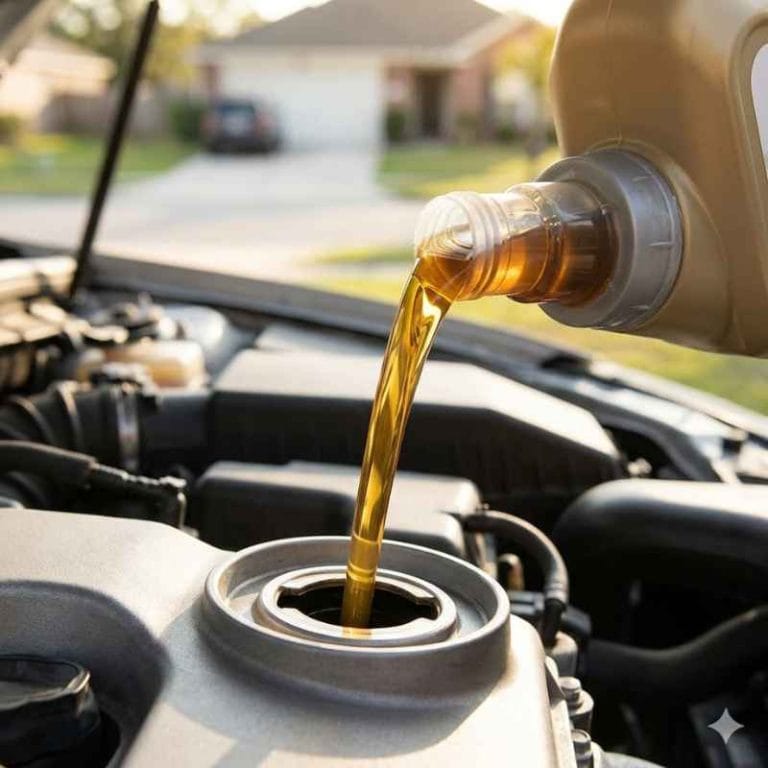
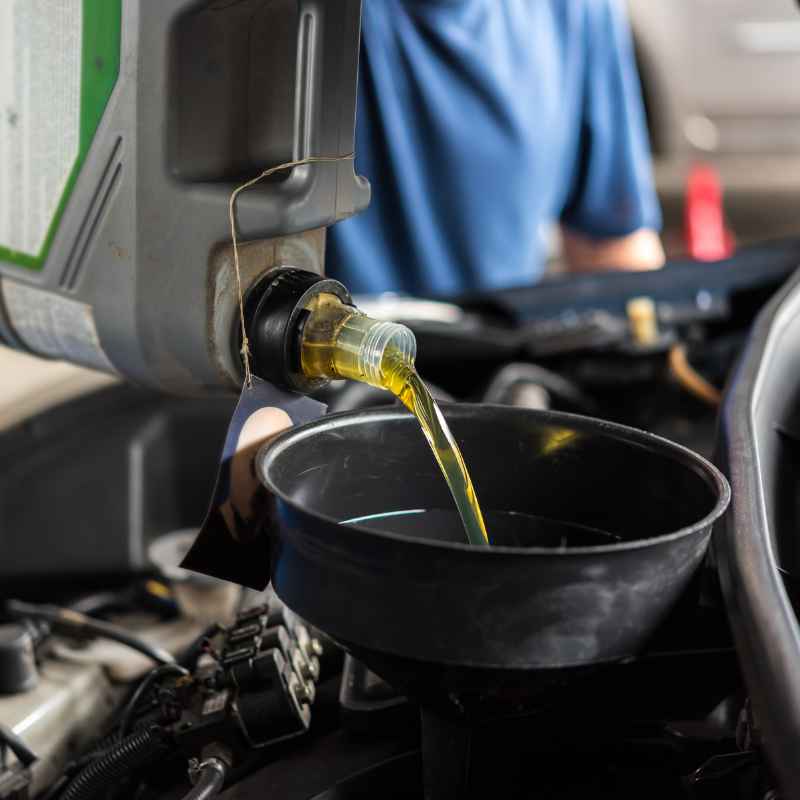
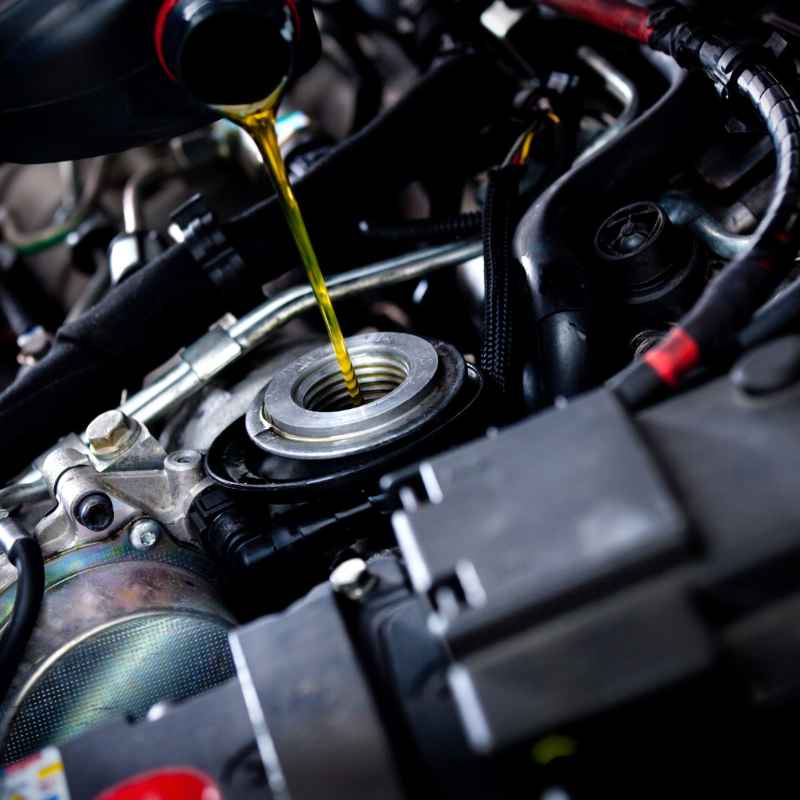
Once the old oil is drained, the drain plug is replaced. The new oil is then poured into the engine. The mechanic uses the correct amount.
This is usually found in your car’s manual.
What a Good Cheap Oil Change Includes
A good service, even if cheap, will do the above steps correctly. They will also:
- Use the oil type and weight recommended for your car.
- Install a new, quality oil filter.
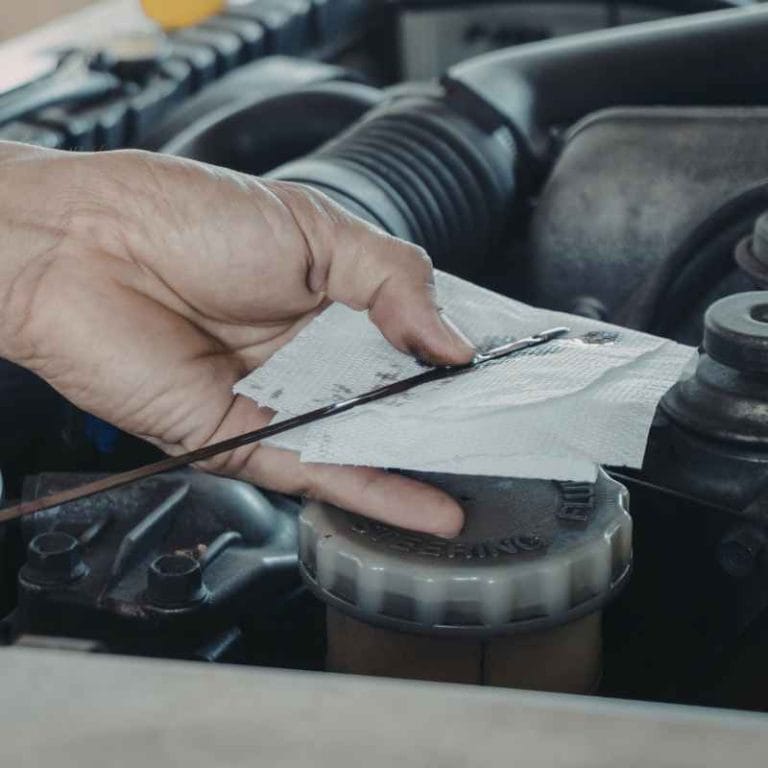
- Check the oil level after filling.
- Dispose of the old oil properly.
- Give you a receipt.
Many places will also do a quick visual check. They might look at your tires. Or check your other fluid levels (like coolant or brake fluid).
This is an added bonus. It shows they care about your car’s overall health.
Red Flags at Cheap Oil Change Places
What should make you wary?
- Super Fast Service: If they are done in 10 minutes, they might have skipped steps.
- No Filter Change: Always insist on a new filter.
- Wrong Oil Used: If they can’t tell you what oil they put in, leave.
- Upselling Aggressively: If they push many services you don’t need, it’s a bad sign.
- Dirty Facility: A very messy shop can sometimes indicate sloppy work.
- No Receipt: Always get proof of service.
My experience taught me this. A cheap price can be tempting. But if the service is poor, it’s not worth it.
You might end up paying more later for repairs. Always trust your gut. If something feels off, it probably is.
Myth vs. Reality: Cheap Oil Changes
Myth: All cheap oil changes are the same quality.
Reality: Quality varies greatly. Some are excellent deals, others are risky.
Myth: You always get what you pay for.
Reality: Independent shops and good coupons can offer great value for less.
Myth: Dealerships are always the most expensive.
Reality: Dealership coupons can make them very competitive.
Factors Affecting Oil Change Prices
We touched on this, but let’s look deeper. Understanding these factors helps you interpret prices you see. It also helps you predict costs for your car.
Oil Type and Volume
This is a major cost driver. Conventional oil is the cheapest. It’s fine for many older cars or cars that don’t get driven much.
Synthetic blend oils offer better protection and last longer. They cost more. Full synthetic oil is the most expensive.
But it offers the best protection, especially in extreme temperatures or for high-performance engines.
Your car’s engine size also matters. A smaller 4-cylinder engine needs less oil than a large V8. The owner’s manual specifies the exact amount.
So, a larger engine will cost more for the oil itself.
Filter Quality
Oil filters are not all created equal. Cheap filters might not filter as well. Or they might not last as long.
Reputable brands and OEM (Original Equipment Manufacturer) filters cost more. But they provide better protection for your engine. Sometimes a shop will use a generic filter to keep costs down.
It’s good to know what brand filter they are using.
Labor Costs and Shop Location
Labor rates vary by region. Mechanics in big cities often charge more than those in rural areas. This is due to higher operating costs.
Quick lube places often have standardized pricing. But even they can have slight variations based on local competition.
The time it takes also plays a role. Some cars have drain plugs in hard-to-reach places. Or their filters are tricky to get to.
This can add a few minutes to the labor time. Most quick service places aim for a flat rate. But complex jobs can sometimes incur extra labor charges.
Promotions and Loyalty Programs
Many shops offer loyalty programs. You might get a punch card. After a certain number of oil changes, you get one free.
Or a discount. These can significantly lower your average cost over time. Always ask if a shop offers a loyalty program.
It’s a great way to save on regular maintenance.
Seasonal promotions are also common. Before summer or winter driving seasons, shops might offer deals. Keep an eye out for these.
They are timed to encourage maintenance before people hit the road for trips.
Understanding Price Differences
Oil Type: Conventional < Synthetic Blend < Full Synthetic
Engine Size: Small engines need less oil, costing less.
Filter: OEM/Brand Name > Generic
Location: Big city rates > Rural rates
Loyalty Programs: Offer long-term savings.
When a Cheap Oil Change Isn’t Worth It
I learned this the hard way. There’s a point where saving money becomes risky. It’s important to know when to spend a little more.
Your car’s engine is vital. It’s the heart of your vehicle.
Skipped Steps and Poor Quality
If a shop is cutting corners, it’s not a bargain. This could mean:
- Not changing the oil filter.
- Using the wrong type or weight of oil.
- Not draining the oil completely.
- Using very low-quality oil or filters.
These actions can lead to premature engine wear. Or even catastrophic failure. The cost of an engine repair or replacement is enormous.
It dwarfs the savings from a cheap oil change.
Damage to Your Car
Poorly trained technicians can cause damage. They might:
- Cross-thread the drain plug, leading to leaks.
- Overtighten or undertighten the oil filter.
- Spill oil on engine components.
- Damage the oil pan or lift points on your car.
These issues can be costly to fix. And some can affect your car’s safety or performance.
Lack of Accountability
If a cheap oil change goes wrong, who do you go to? Shops with poor practices might be hard to track down later. Or they might deny responsibility.
A reputable shop, even if slightly more expensive, offers peace of mind. They stand behind their work.
I always look for places that provide clear documentation. A detailed invoice is important. It lists what was done, the oil used, and the date.
This protects you if anything goes wrong. It’s proof of service. Especially if you need to make a warranty claim later.
Tips for Getting the Most Value
Value isn’t just about the lowest price. It’s about what you get for your money. Here’s how to maximize the value of your oil change service.
Read Online Reviews Carefully
Don’t just look at the star rating. Read what people are saying. Are there complaints about hidden fees?
Do people mention good, honest service? Are there consistent compliments about fair pricing? These details paint a clearer picture than a simple number.
Look for reviews from people who have similar cars to yours. Or who describe service experiences that match what you’re looking for. Websites like Google Reviews, Yelp, and local community forums are great resources.
Ask About Other Services
When you’re at a place offering a cheap oil change, ask about other services. Do they offer free tire pressure checks? Or top-offs of other fluids?
Some places will do a basic inspection of your belts and hoses. These small things can alert you to potential problems early on.
This is where independent shops can really shine. They often take a moment to look over your car. It’s a sign they care about your safety.
And they might spot something you’d miss. It’s like getting a mini-inspection thrown in.
Know Your Car’s Needs
As mentioned, knowing your car’s specific oil type, weight, and capacity is crucial. If you walk in and say, “Just give me whatever’s cheapest,” you might get the wrong thing. Being informed empowers you.
You can ask specific questions. You can verify they are using the correct products.
Your owner’s manual is your best friend here. Keep it in your car. Or take a photo of the relevant page with your phone.
This information is non-negotiable for proper car maintenance.
Consider DIY for Some Tasks
If you’re a bit handy, consider doing some tasks yourself. You can buy oil and filters at auto parts stores. Many offer them at good prices.
Changing your own oil can save you a lot. Especially if you have a car that uses conventional oil and is easy to access from underneath.
However, this requires tools. And a place to dispose of used oil. If you don’t have these, or the time, professional service is best.
But if you do, it’s a huge money saver.
Maximizing Value: Your Checklist
Reviews: Read the details, not just the stars.
Questions: Ask about free checks. What else do they offer?
Manual: Know your car’s oil specs.
DIY?: Consider if you can do parts of it yourself.
When to Avoid the Cheapest Option
There are times when spending a bit more is the smarter choice. It’s about balancing cost with risk. And with the long-term health of your vehicle.
If Your Car is Under Warranty
Many new car warranties require you to get service at certified dealerships. Or at least follow a strict maintenance schedule. Using a cheap, uncertified shop might void your warranty.
Always check your warranty terms. It’s usually worth paying a bit more at the dealership to keep your warranty valid.
Even if not fully voided, if a problem arises related to maintenance, a dealer can deny a claim if you used a shop they don’t recognize. So, check that warranty status carefully. It’s a big factor in the “cheapest” calculation.
If You Drive a High-Performance or Luxury Vehicle
These cars often require specialized oils and parts. They might have complex engines. A shop that specializes in these types of vehicles will likely charge more.
But they have the expertise and the right products. Trying to save money with a generic oil change can damage these expensive engines.
The parts alone for these cars can be double or triple the cost of standard parts. So, expect the service to reflect that. A cheap oil change might end up costing you far more in the long run if it’s not done correctly by someone who knows your car.
If You Notice Problems
If your car is already making strange noises, leaking fluids, or running poorly, a cheap, quick oil change might not be enough. You might need a mechanic who can diagnose the problem. This often means going to a trusted independent shop or a dealership.
These situations call for expertise, not just a quick lube. The mechanic needs to carefully inspect the engine and other systems. This kind of diagnostic work takes time and skill.
And it will cost more than a routine oil change. But it’s necessary to fix the root cause.
When in Doubt About the Shop
If a shop feels shady, or the reviews are mixed, or the staff seems unknowledgeable, walk away. Your car is a significant investment. It’s not worth risking it for a few dollars saved.
Trust your instincts. A good mechanic is worth their weight in gold.
It’s always better to pay a little more for peace of mind. Knowing your car is in good hands. And that the service performed is correct.
That’s true value. Not just the cheapest sticker price.
Frequently Asked Questions About Cheap Oil Changes
What is the average cost of an oil change?
The average cost for a standard oil change in the U.S. can range from $50 to $100. This depends on the type of oil, the vehicle, and the service provider.
Basic conventional oil changes at quick lube places might be on the lower end, while synthetic oil changes at dealerships will be on the higher end.
Can I use a generic brand oil filter?
While generic brand oil filters are cheaper, it’s generally recommended to use a high-quality filter, either from the car manufacturer (OEM) or a reputable aftermarket brand. Lower quality filters may not filter as effectively or may not last as long, potentially harming your engine over time. For a truly cheap oil change where you might consider this, check reviews of the filter brand if possible.
How often should I get my oil changed?
This depends on your car’s make and model, and the type of oil you use. For conventional oil, every 3,000 to 5,000 miles is common. For synthetic oil, it can extend to 7,500 to 10,000 miles.
Always check your owner’s manual for the manufacturer’s specific recommendation, as this is the most accurate guide.
What is the difference between conventional and synthetic oil?
Conventional oil is refined crude oil. It’s less refined and offers basic lubrication. Synthetic oil is chemically engineered.
It’s more pure, offers better protection in extreme temperatures, resists breakdown longer, and keeps engines cleaner. Full synthetic oil is the highest performing and most expensive option.
Can a cheap oil change damage my engine?
Yes, a cheap oil change can damage your engine if the service is performed incorrectly. This includes using the wrong type of oil, not changing the oil filter, not draining enough old oil, or using extremely low-quality products. These issues can lead to increased wear and tear or even engine failure over time.
Is it cheaper to get an oil change at a dealership or an independent shop?
Generally, independent shops are cheaper than dealerships due to lower overhead. However, dealerships often offer coupons and special promotions that can make their prices competitive. For routine maintenance, an independent shop is often the most cost-effective, but always compare prices and check for coupons at dealerships.
What does “quick lube” mean?
Quick lube refers to service centers that specialize in fast oil changes and basic maintenance. Their business model focuses on speed and efficiency, often allowing customers to stay in their car or wait in a small lounge while the service is performed. They typically offer lower prices to attract high volume.
Conclusion
Finding the cheapest car engine oil change near you is definitely possible. It takes a little effort. But the savings are worth it.
Always hunt for coupons. Compare prices between different types of shops. And know your car’s needs.
Remember, the goal is a good deal and good service. Your car deserves both. Keep it running smoothly without overspending.
Happy savings!
Related pick: Check today's price on Amazon
Products related to this article
Sponsored / affiliate links. As an Amazon Associate I earn from qualifying purchases. I may earn additional commission from eligible campaigns.