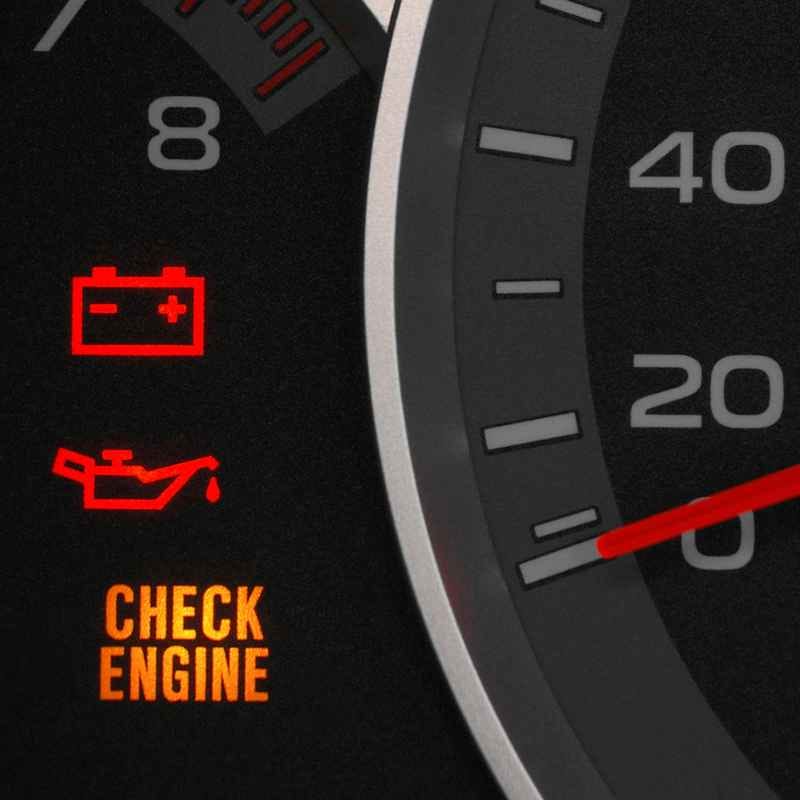
What Car Light Looks Like A Sailboat? Dashboard Symbols Guide
The sailboat-shaped light on your car’s dashboard most commonly indicates an issue with the exhaust gas recirculation (EGR) system. This system helps reduce emissions. When the light appears, it means the EGR system might not be working correctly, potentially affecting your car’s performance and increasing pollution.
What That Sailboat Light Really Means
This little sailboat symbol is often a bit of a mystery. It’s not as universally recognized as a check engine light. But when it shows up, it’s telling you something specific. For most cars, especially those made by European manufacturers like Volkswagen, Audi, and BMW, this symbol is linked to the exhaust gas recirculation (EGR) system.
The EGR system is a clever piece of engineering. Its main job is to cut down on pollution from your car’s engine. It does this by taking a small amount of exhaust gas and sending it back into the engine cylinders. This lowers the engine’s combustion temperature. Higher temperatures can cause the formation of harmful nitrogen oxides (NOx). NOx gases are a big part of air pollution. So, by lowering the temperature, the EGR system helps make your car cleaner.
When the sailboat light turns on, it means there’s a problem with this system. This could be a blockage, a faulty sensor, or a leak. The car’s computer has detected that the EGR system isn’t working as it should. It’s not filtering exhaust gases properly anymore.
My Own Sailboat Scare
I remember the first time I saw that sailboat light. I was driving my old VW on a road trip through the mountains. It was a beautiful day, crisp and clear. Suddenly, this little light lit up. My heart sank a little. I’m pretty good with cars, but this symbol had me stumped for a moment. It looked so out of place.
I pulled over at the next rest stop. I grabbed my owner’s manual, which, honestly, I hadn’t looked at much before. Flipping through the pages, I found the section on dashboard lights. There it was, the sailboat. It said it was related to the “exhaust gas recirculation system.” My first thought was, “Great, now my car is polluting more.” I felt a bit guilty about that.
The car seemed to be driving okay. There was no rough idling, no strange noises. But that light was a constant reminder that something wasn’t right. I was worried about it getting worse or causing bigger problems down the road. I knew I couldn’t ignore it for long. I had to get it checked out. That feeling of not knowing for sure what’s wrong is the worst part.
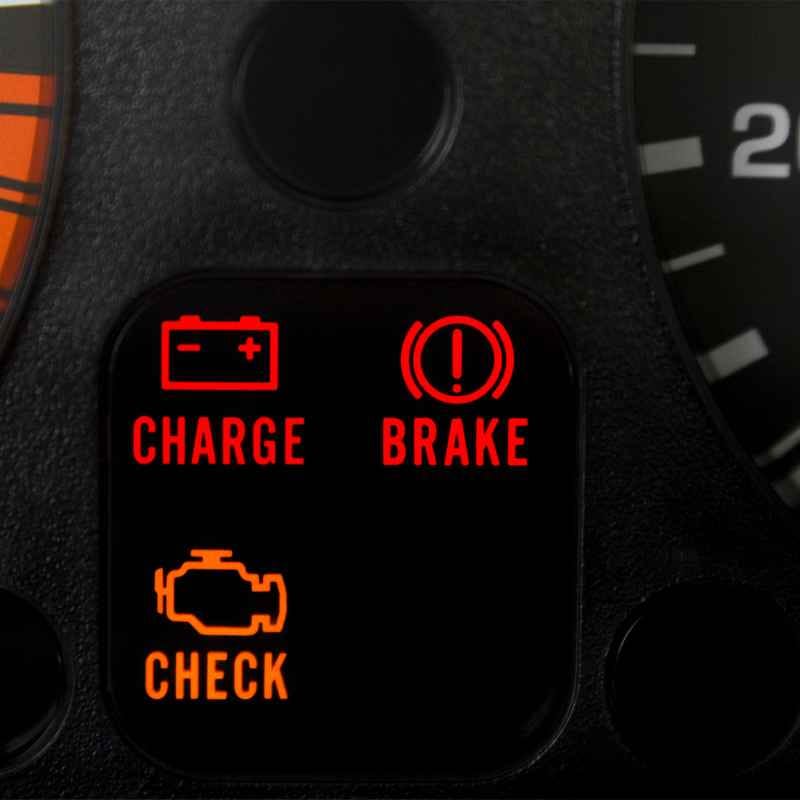
Understanding the EGR System Better
Let’s dive a little deeper into how the EGR system works and why it might trigger that sailboat light.
The EGR system has a few key parts. There’s the EGR valve itself. This valve controls how much exhaust gas is sent back into the engine. It’s usually controlled by the engine’s computer, or sometimes by vacuum pressure. There are also sensors that monitor the flow of exhaust gas and the engine’s temperature.
Over time, the EGR valve can get clogged. Exhaust gases contain soot and carbon. These particles can build up inside the valve. This blockage can stop the valve from opening or closing properly. If it’s stuck open, too much exhaust gas might enter the engine. This can cause rough idling or stalling. If it’s stuck closed, no exhaust gas gets recirculated. This means higher combustion temperatures and more NOx emissions.
Sometimes, the EGR system can also have vacuum leaks. These leaks disrupt the proper flow of exhaust gas. A faulty EGR sensor can also send incorrect information to the car’s computer. This can lead to the computer thinking there’s a problem even if there isn’t.
What Happens When the EGR Fails?
When the EGR system isn’t working right, you might notice a few things.
Performance Issues
Your car might not accelerate as smoothly as it used to. You could feel a slight hesitation. In some cases, the engine might feel sluggish or underpowered. This is because the engine’s air-fuel mixture isn’t being optimized correctly without the EGR system functioning.
Increased Emissions
This is the main reason the EGR system exists. If it’s not working, your car will produce more harmful NOx emissions. This is bad for the environment and could cause your car to fail an emissions test.
Check Engine Light May Also Appear
Often, the sailboat light won’t be the only warning. Many cars will also trigger the more common check engine light when the EGR system has a fault. This is because the computer sees the EGR problem as a significant issue.
Rough Idling or Stalling
If the EGR valve is stuck open, it can disrupt the idle. The engine might run rough or even shut off completely when you stop at a light.
Engine Knocking or Pinging
Higher combustion temperatures can lead to “knocking” or “pinging” sounds from the engine. This is a serious sign that something is wrong. It can damage the engine over time if not fixed.
Common Causes of the EGR System Fault
Let’s break down the most common culprits behind that sailboat light.
Common EGR System Issues
1. Clogged EGR Valve: Soot and carbon deposits build up over time. This is the most frequent cause.
It stops the valve from moving freely.
2. Faulty EGR Valve: The valve itself can fail mechanically. It might not open or close properly, even without a clog.
3. Leaking EGR Gasket: A bad gasket can let exhaust gases leak out before they are recirculated. This throws off the system’s balance.
4. Clogged EGR Tube: The pipes that carry exhaust gas to the EGR valve can also get blocked.
5. Faulty EGR Sensor: The sensors that monitor the system can malfunction. This sends wrong data to the car’s computer.
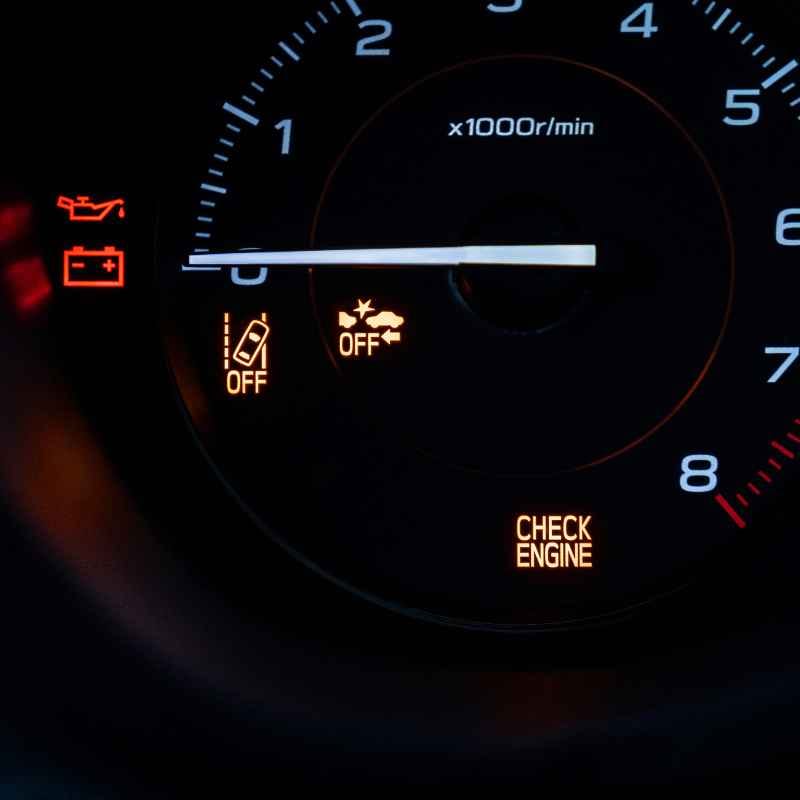
Is it Always a Sailboat? Different Symbols, Same Problem
While the sailboat is common for European cars, other manufacturers might use different symbols for EGR issues. You might see:
A coil symbol with an exclamation mark.
A light that looks like an engine block with radiating lines.
Or, most commonly, the general check engine light.
It’s always best to check your car’s owner’s manual to be sure. It will have a specific guide for all the dashboard symbols your car uses. Don’t assume all sailboat lights are the same across every car model.
My Experience with a Clogged EGR Valve
On my old Audi, I once dealt with a clogged EGR valve. It didn’t show a sailboat, but it did give me the dreaded check engine light. At first, I didn’t notice much. The car drove fine. But then, on a long highway drive, I felt it. A slight loss of power when I tried to accelerate. It was like the engine just wouldn’t give me its full boost.
I took it to my mechanic. He hooked up his diagnostic tool. The codes pointed directly to the EGR system. He explained that soot had built up in the valve. It was making it stick. He showed me the valve when he removed it. It was covered in black gunk. It looked nothing like it should.
He cleaned it out thoroughly. He also checked the EGR cooler, which can sometimes get clogged too. After putting it all back together, he cleared the codes. The check engine light went off. The car felt noticeably better. The acceleration was back to normal. It was a simple fix, but it made a big difference. It taught me that even small warning lights can mean important things.
Real-World Scenarios and Their Impact
Where does this EGR issue tend to pop up? And what habits make it worse?
Driving Habits
Short, stop-and-go trips are tough on EGR systems. When you only drive a few miles at a time, the engine doesn’t get hot enough for long enough. This can cause soot to build up more easily in the EGR valve and related parts. EGR systems work best on longer drives where the engine can reach and maintain optimal temperatures.
Frequent short trips mean the EGR system doesn’t get a chance to “clean itself out” properly through heat cycles. Think of it like this: if you only ever take quick sips of a drink, you don’t get the full flavor. The engine needs sustained operation to make sure all its parts are working as intended.
Fuel Quality
Using low-quality fuel can contribute to carbon buildup in your engine. This can indirectly affect the EGR system. Higher octane fuels or fuels with better cleaning additives might help keep things cleaner. While not a direct cause, it’s a factor in overall engine health.
Using fuel from reputable stations is always a good idea. Cheaper fuel might have more impurities. These impurities can lead to more deposits throughout your engine. This includes the EGR system.
Vehicle Age and Mileage
Like any mechanical part, EGR components wear out over time. As your car racks up miles, the EGR valve can become less efficient. Sensors might start to fail. The build-up of carbon is also more likely in older vehicles.
A car with 100,000 miles might be more prone to EGR issues than one with only 20,000 miles. It’s a sign of normal wear and tear. Regular maintenance can help extend the life of these parts.
Environmental Factors
In areas with heavy traffic and poor air quality, your EGR system might work harder. It’s constantly trying to reduce emissions in a challenging environment. While not a direct cause of failure, a stressed system might degrade faster.
If you live in a place with very dusty conditions, this can also introduce more particles into the air intake. This can then find its way into the EGR system.
What This Sailboat Light Means for You
So, you see the sailboat. What should you do?
When it’s Normal (Not Really Normal, But Understandable)
There isn’t really a “normal” time for this light to be on. It’s a warning sign. However, you might notice it comes on intermittently at first. It might go away for a few days. This often happens when the blockage in the EGR system is not severe. The computer senses a slight issue, but the system can still function, albeit less efficiently.
If the light comes on and then goes off on its own, it’s still a sign that something is starting to go wrong. It’s a hint that a problem is developing. Don’t ignore it just because it disappeared.
When to Worry (and What to Check)
You should worry if the sailboat light stays on constantly. Especially if it’s accompanied by other symptoms like rough running, loss of power, or the check engine light. These are clear indicators that your EGR system is failing and needs attention.
Check for other warning lights: Is the check engine light on too? This usually means a more serious fault.
Feel for performance changes: Does the car feel sluggish? Does it hesitate when you accelerate?
Listen for strange noises: Any knocking or pinging sounds from the engine?
Monitor fuel economy: Sometimes, a failing EGR system can lead to slightly worse gas mileage.
If you notice any of these, it’s time to get your car looked at by a qualified mechanic. Ignoring it could lead to more expensive repairs down the line. It could also mean you’re releasing more pollutants into the air.
Quick Fixes and Tips (If Applicable)
While you can’t just “fix” an EGR system yourself without proper tools and knowledge, here are some tips to help prevent issues or manage them:
Regular Maintenance: Stick to your car’s recommended maintenance schedule. This includes oil changes and filter replacements. A well-maintained engine is less likely to have problems.
Longer Drives: If you primarily do short trips, try to go for a longer drive at least once a month. Drive at highway speeds for 20-30 minutes. This helps to heat up the engine and exhaust system, potentially clearing minor blockages.
Use Quality Fuel: Stick to reputable gas stations and consider using fuel with good cleaning additives.
Listen to Your Car: Pay attention to how your car sounds and feels. If you notice changes, don’t delay in getting it checked.
Consult Your Manual: Always refer to your car’s owner’s manual for specific information about dashboard lights.
Frequently Asked Questions About the Sailboat Dashboard Light
What does the sailboat dashboard symbol mean?
The sailboat symbol on your dashboard typically indicates a problem with the exhaust gas recirculation (EGR) system. This system helps reduce pollution by recirculating exhaust gases. When the light appears, it means the EGR system may not be functioning correctly.
Is it safe to drive with the sailboat light on?
It is generally safe to drive a short distance with the sailboat light on, especially if there are no other symptoms like rough running or loss of power. However, it indicates a fault that should be addressed. Continuing to drive may worsen the problem or lead to increased emissions.
It’s best to get it checked by a mechanic soon.
How much does it cost to fix an EGR system issue?
The cost to fix an EGR system issue can vary widely. Simple cleaning of the EGR valve might cost around $100-$200. Replacing an EGR valve can range from $300-$700 or more, depending on the car model and labor costs.
Replacing other components like sensors or coolers can also affect the total price.
Can I clean the EGR valve myself?
While some basic cleaning might be possible for those with mechanical experience, it’s often a complex job. The EGR valve can be difficult to access. Improper cleaning could damage the valve or other components.
For most people, it’s safer and more effective to have a professional mechanic diagnose and repair the EGR system.
Why do European cars use a sailboat symbol for EGR?
The exact origin of the sailboat symbol for EGR systems is not definitively recorded. However, it is widely adopted by many European car manufacturers. It’s thought to be a distinct visual cue to differentiate it from other common warning lights like the general check engine light, aiding owners in identifying specific system issues.
Will my car fail emissions testing with the sailboat light on?
Yes, it is highly likely that your car will fail an emissions test if the sailboat light is on, especially if it is accompanied by a check engine light. The EGR system is directly tied to emissions control. A malfunctioning EGR system means your car is emitting higher levels of pollutants, which will be detected during testing.
Conclusion: Don’t Let the Sailboat Sail Away Unchecked
Seeing that sailboat light can be a bit unsettling. But now you know it’s most likely about your car’s exhaust gas recirculation (EGR) system. This system is important for keeping our air clean. When it has a problem, it can affect your car’s performance too.
Don’t ignore the light. Pay attention to how your car is running. A simple check from a mechanic can help you figure out what’s going on. Getting it fixed will not only protect your car but also help reduce pollution. That’s a win-win.
See also how to improve car lights for safer and brighter driving. See also how much is a car light cover what to expect to pay.
Products related to this article
Sponsored / affiliate links. As an Amazon Associate I earn from qualifying purchases. I may earn additional commission from eligible campaigns.