Transmission Control System Delayed Shifting: Why It Happens
Delayed shifting usually means the TCM commands the shift late, or line pressure rises too slowly; if command timing is normal but the gear change lags, suspect hydraulic or mechanical delay. Left alone, it can turn a minor control fault into burned clutches, harsh shifts, and a costly rebuild. This guide shows how to separate TCM, sensor, solenoid, fluid, valve-body, and clutch causes with simple checks and scan data.
What delayed shifting means


Delayed shifting is a later-than-expected gear change, not every shift complaint. A late 2-3 upshift is different from a flare, where engine speed jumps during the shift, and different again from a harsh shift, where the gear engages too suddenly. No-shift faults are more severe, because the transmission does not complete the commanded change at all.
The same symptom can come from different layers. The driver may ask for more torque, the TCM may decide to hold the gear, and the hydraulic system may still need time to build pressure and apply the clutch pack. If any one layer slows down, the driver feels a delay.
How a normal shift sequence is timed
On a typical electronically controlled automatic, the accelerator or throttle signal tells the control unit how much load the engine is carrying. The TCM then chooses a shift point, commands one or more solenoids, and the valve body routes pressure to the correct clutch or band. The shift should feel prompt and consistent.
That sequence is why delayed shifting needs a layered diagnosis. A late shift command, a bad sensor signal, weak line pressure, or a sticking valve can all produce a similar road feel. The fix depends on which layer is late.
Why does delayed shifting happen?
Delayed shifting happens when driver input, TCM command logic, and hydraulic response do not line up. The TCM may hold a gear longer for load or temperature, a sensor may report the wrong speed or throttle value, or the hydraulic system may take too long to apply pressure. The fastest way to sort them is to compare commanded gear, actual gear, and line pressure.
Driver input signals that affect shift timing
Throttle position and accelerator pedal input are load signals. If that data is erratic, the TCM may think you want more acceleration and delay the upshift, or it may avoid a downshift until the signal stabilizes. Shared engine-and-transmission data faults can make the symptom look like a transmission problem when the real fault sits upstream.
For example, a throttle pedal sensor that spikes from 18% to 62% with light pedal travel can hold a transmission in a lower gear longer than expected. The road symptom is delay, but the root cause is poor load data.
TCM command logic and adaptive shift strategy
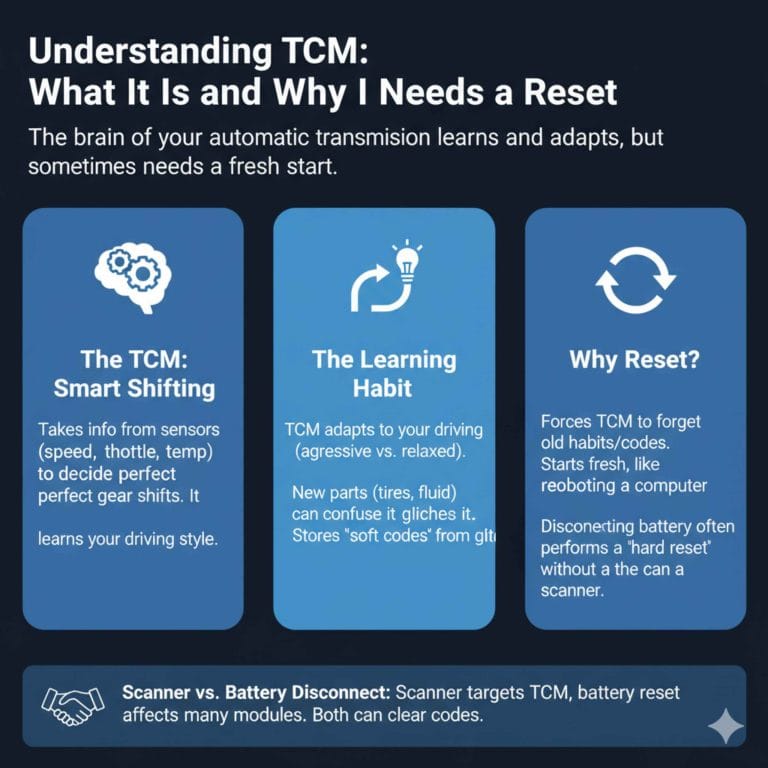
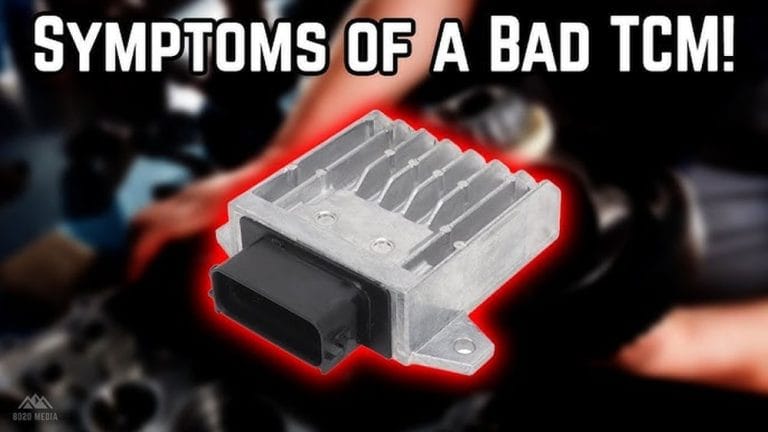
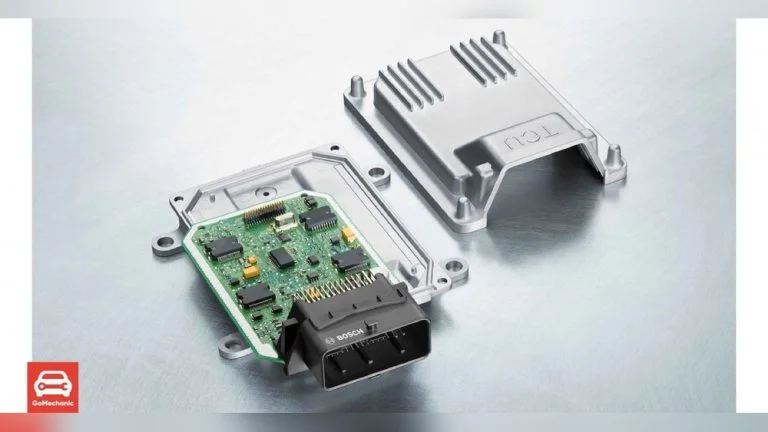
The Transmission Control Module controls shift timing and adaptive shift strategy, and may store diagnostic trouble codes or enter fail-safe operation. It can store diagnostic trouble codes, enter fail-safe or limp mode, and adjust shift feel based on learned clutch fill times. After certain repairs, it may need relearn or programming so its shift timing matches the repaired hardware.
A battery disconnect may clear volatile memory, but it does not cure the underlying fault. If the TCM had adapted around a worn valve body, weak solenoid, or slipping clutch, the same delay can return as soon as it relearns.
Hydraulic pressure response and why it can lag
Even with a correct command, the shift will be late if line pressure builds slowly. Low, degraded, or incorrect ATF can cause aeration and slow clutch apply, and a worn pump, leaking seals, sticky valves, or a weak pressure control circuit can slow the same sequence. That delay often feels worse under load, when the transmission needs more pressure to complete the shift cleanly.
Transmission delay decision table
This table helps you separate electronic delay from hydraulic delay before replacing parts. Start with the symptom pattern, then test the layer that best fits the evidence.
| Symptom pattern | Most likely fault layer | First test | Result that confirms the branch | Repair category justified |
|---|---|---|---|---|
| Cold-only delay | ATF viscosity, valve body sticking, or pressure control lag | Check fluid level and condition cold, then watch commanded gear and line pressure during the first shifts | Delay fades as fluid warms, while commanded gear stays normal and pressure response improves | Fluid service if level or condition is poor; valve body or pressure control repair if pressure lag remains |
| Hot-only delay | Worn ATF, pressure loss when hot, or internal leakage | Scan live data for slip, commanded gear, and input/output speed correlation after full warm-up | Delay appears only hot, with slower pressure rise or slip that grows as temperature rises | Fluid service only if contamination is present; otherwise pressure test, valve body checks, or internal repair |
| Delay under acceleration | Throttle or pedal signal, TCM shift schedule, or pressure control under load | Compare throttle input to commanded shift point and observe line pressure during moderate throttle | The TCM holds the gear longer or line pressure drops below expected under load | Sensor or input repair if data is erratic; pressure control or valve body service if command is correct but apply is late |
| Delay after battery disconnect | Adaptive shift strategy lost or relearn needed | Check for codes, then drive a short relearn cycle and compare shift timing before and after | Shift timing changes immediately after reset, then stabilizes with relearn | Relearn or programming if no hardware fault is present; repair the root fault if the delay returns |
| Delay with a specific gear change | Shift solenoid, valve body passage, or clutch circuit for that gear | Watch the commanded gear versus actual gear during that one shift | Only one gear change lags, while other shifts remain normal | Solenoid, harness, valve body, or clutch-circuit repair tied to that shift path |
| No codes | Borderline fluid, early hydraulic wear, or a fault not yet severe enough to set DTCs | Check fluid, live data, and line pressure before replacing parts | Live data shows slow pressure rise or abnormal correlation even though the memory is clean | Service or hydraulic diagnosis, not parts replacement by code alone |
| TCM codes present | Sensor, solenoid, wiring, or TCM fault | Read TCM and powertrain codes together, then inspect freeze-frame data | Codes point to speed sensors, solenoid circuits, or control plausibility faults | Electrical diagnosis, harness repair, solenoid replacement, or TCM programming after verification |
Say an 8-speed automatic delays the 2-3 shift only after the truck has been idling in winter for about 20 minutes. If scan data shows normal throttle input but line pressure rises slowly during the first few shifts, that pattern points away from the pedal and toward ATF viscosity, valve-body wear, or pressure control.
Can low transmission fluid cause delayed shifting?
Yes. Low ATF can cause delayed shifting because the pump has less fluid to work with, pressure may aerate, and clutch apply time can increase. Fluid condition matters too. Burnt, contaminated, or incorrect fluid can change friction behavior and delay engagement even when the level looks close enough at a glance.
How ATF level, condition, and viscosity affect engagement
ATF does more than lubricate. It carries hydraulic pressure, cools components, and helps the valve body meter apply timing. If the fluid is low, aerated, oxidized, or too thick for the design, the transmission may hesitate before engaging drive or completing an upshift.
Service intervals vary by vehicle and transmission design. Some units need earlier fluid service because of heat and clutch material load, while others specify longer intervals. If the fluid is dark, smells burnt, or contains debris, service may be justified; if it is clean but the delay stays, fluid alone is not the answer.
When fluid service is reasonable and when it is not enough
Fluid service is reasonable when the level is wrong, the fluid is clearly degraded, or the symptom began after a long service interval. It is not enough when live data shows a sensor fault, a solenoid circuit issue, or pressure that remains weak after the fluid is corrected.
A common first-timer mistake is to refill a transmission after finding a low mark, then assume the diagnosis is finished. If the delay remains on the next road test, the next step is pressure and scan data, not another bottle of ATF.
What codes point to a shift control fault?
Codes that point to delayed shifting usually come from the TCM and related powertrain modules, not from the transmission alone. Read all modules together. Freeze-frame data can show engine load, fluid temperature, gear commanded, and speed sensor values at the moment the fault set, which is often more useful than the code text itself.
How to read TCM and powertrain codes together
Use an OBD-II scan tool that can access the TCM, not only the engine computer. A powertrain code may show an engine-side issue such as throttle input disagreement, while a TCM code may point to a solenoid circuit, gear ratio error, or speed sensor fault. Cross-check both before ordering parts.
Why live data matters more than a code list alone
Live data tells you whether the command and the hardware agree. Look for commanded gear versus actual gear, input and output speed sensor correlation, throttle input, and line pressure if the scan tool supports it. If the TCM commands a shift on time but actual gear lags, the fault is usually hydraulic or mechanical.
Which parts actually control shift timing?
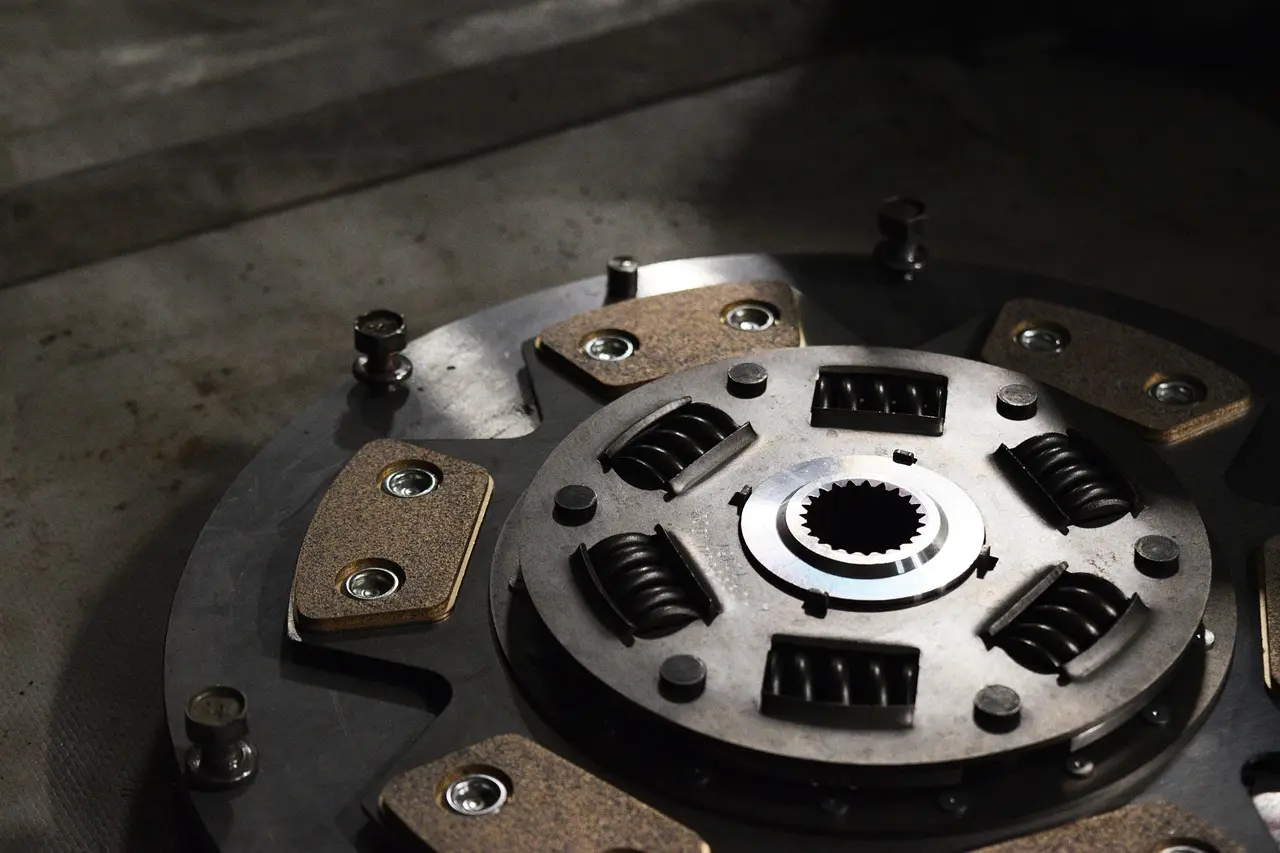
Shift timing comes from a chain of electrical and hydraulic events. Solenoids route pressure, sensors report speed, the throttle signal tells the module about load, and the pressure control system fills the clutch fast enough to match the command. A failure in any one of those steps can create the same driver complaint.
Shift solenoids and valve body control
Shift solenoids are electrically actuated valves that route hydraulic pressure. A sticking solenoid can cause late shifts, and an electrical failure can do the same. They are often checked with scan data, circuit testing, and resistance checks, then verified against the symptom on the road.
Transmission speed sensors and gear correlation
Input and output speed sensors tell the TCM what the transmission is doing. If one signal is noisy, missing, or implausible, the module may delay the shift, choose a protective strategy, or set a transmission-related code. Correlation between commanded gear and shaft speed is a key check.
Throttle position or accelerator pedal input
Throttle and accelerator pedal signals influence shift schedule. A bad reading can delay an upshift, hold a lower gear too long, or cause an odd downshift pattern. Because these inputs can be shared with engine diagnostics, a scan of only the transmission side can miss the source.
Transmission pressure control system and line pressure
The pressure control system sets how fast clutches apply. Weak line pressure can mimic electronic control faults because the TCM may command the shift correctly while the hydraulic system responds late. If pressure is below expected, focus on the pump, regulator, valve body, seals, and pressure control solenoid path.
Suppose a CVT hesitates before moving off from a stop, but the scan tool shows the TCM command is normal and no gear-ratio code is present. That pattern does not automatically mean the belt is worn; it may point to pressure control, fluid condition, or a sensor problem that is confusing the control logic.
How do you diagnose delayed shifting without replacing parts?
Start with the symptom pattern, not the parts catalog. A scan tool, fluid check, and a short road test can sort most cases into electronic, hydraulic, or load-related delay. If the evidence is clear, you can justify the right repair category instead of swapping solenoids, sensors, or a TCM at random.
- Check ATF level and condition using the vehicle’s specified procedure.
- Scan engine and TCM codes together, then save freeze-frame data.
- Watch throttle input, commanded gear, actual gear, and speed sensor correlation during the delay.
- Note whether the symptom is cold-only, hot-only, load-dependent, or gear-specific.
- Test wiring, solenoid circuits, or line pressure only after the data points you there.
If the delay started after a battery disconnect and the fluid is good, that is a clue, not a cure. It may mean the transmission lost learned shift timing. If the symptom returns after a short relearn, the hidden fault is still there.
Is delayed shifting safe to keep driving?
Sometimes, but only if the delay is mild, the transmission still engages every gear, and there is no limp mode or slipping. Slow reverse or drive engagement is a bigger warning because it can leave the vehicle rolling longer than expected before the clutch applies. If engagement is getting worse, limit driving and diagnose it quickly.
Do not keep driving if the transmission goes into fail-safe or limp mode, if reverse takes several seconds to engage, if the delay comes with flare or slip, or if the unit bangs into gear after a long wait. Those signs suggest a fault that can damage clutches or pump components.
Frequently asked questions
Why is my transmission taking so long to shift?
A transmission takes too long to shift when the TCM commands the change late or the hydraulic system applies too slowly. The cause may be throttle input, a speed sensor error, a sticky solenoid, weak line pressure, or degraded ATF. The fastest check is live data paired with fluid inspection.
Is delayed shifting a TCM problem or a transmission problem?
It can be either. If commanded gear is late, the TCM, input data, or adaptive logic is suspect. If command timing is normal but the gear change lags, the transmission hardware, fluid, or hydraulic pressure control is more likely. Live data is what separates the two.
What codes can cause delayed shifting?
Codes tied to speed sensors, shift solenoids, gear-ratio errors, throttle input, and TCM circuit faults can all lead to delayed shifting. The exact code matters less than the data behind it. Freeze-frame values and live correlation show whether the code is the cause or a result of the delay.
Can a bad solenoid cause late or hard shifts?
Yes. A shift solenoid can stick, fail electrically, or respond too slowly, which delays pressure routing and changes shift feel. That can create late shifts, harsh shifts, or both. Scan data, circuit checks, and resistance testing help confirm the fault before the valve body or solenoid pack is replaced.
Will disconnecting the battery fix delayed shifting?
No. Battery disconnect may clear adaptive memory and temporarily change shift timing, but it does not repair the underlying fault. If the delay comes back, the problem is still present. Use the reset only as a clue that the TCM had adapted, not as a repair.
Why does delayed shifting happen more when the engine is cold?
Cold ATF flows differently, so pressure can build more slowly until the fluid warms. Sticky valves and marginal seals also show up more at low temperature. If the delay fades as the transmission warms, that pattern points toward fluid, pressure control, or valve body behavior rather than a pure command fault.
Is it safe to keep driving with delayed shifting?
It is not a good idea if reverse or drive engagement is slow, the transmission slips, or limp mode is active. Mild delay with stable operation may allow short trips, but worsening engagement can damage clutches and raise repair cost. If the delay grows, stop driving and diagnose it.
Products related to this article
Sponsored / affiliate links. As an Amazon Associate I earn from qualifying purchases. I may earn additional commission from eligible campaigns.