Flat Tire And Car Won’T Start? Here’S What to Do First
Finding yourself stranded with a flat tire and a car that won’t start can be a nerve-wracking experience. Whether you’re late for work, stuck on a remote road, or just finishing your grocery run, this double whammy can leave even experienced drivers feeling helpless. Yet, with the right knowledge and a systematic approach, you can navigate this stressful situation efficiently—and even prevent it from happening again.
This comprehensive guide will walk you through every step, from immediate safety measures to diagnosing the cause, handling both issues, and deciding when to call for professional help. We’ll also provide real-world case studies, actionable checklists, and data-driven insights. By the end, you’ll be empowered to handle a flat tire and a non-starting car with confidence, minimizing downtime and maximizing your safety.
Key Takeaways
- Prioritize safety first: Move to a secure location and use hazard signals.
- Diagnose both issues: Identify possible causes for the flat tire and non-starting engine before acting.
- Use a step-by-step troubleshooting process: Systematically address each problem with proven methods.
- Know when to call for help: Some situations require professional assistance or roadside service.
- Be prepared: Keeping a well-stocked emergency kit and basic knowledge greatly reduces stress and risk.

Credit: www.theautopian.com
Immediate Actions: Safety Comes First
Before you even think about fixing your flat tire or starting your car, prioritizing personal safety and the safety of any passengers is essential. This section outlines practical steps to ensure you’re not putting yourself at risk.
Assess Your Surroundings
- Pull Over Safely: If you notice a flat tire or your car stalls, steer to the right shoulder or a designated safe zone away from traffic.
- Avoid Blind Corners: Never stop in a curve, on a bridge, or near busy intersections.
- Use Hazard Lights: Turn on your hazard signals immediately to alert other drivers.
Secure Your Vehicle
- Engage Parking Brake: Prevent any unintentional rolling, especially on an incline.
- Turn Off the Engine: If the engine is running but the car won’t move, switch it off to prevent overheating or further electrical issues.
- Set Out Warning Devices: If you have reflective triangles or flares, place them about 10-20 feet behind your vehicle for visibility.
Evaluate The Situation
- Check for Immediate Dangers: Smell gasoline? See smoke? If so, evacuate the vehicle and move to a safe distance.
- Assess Roadside Conditions: If you’re in a high-traffic or unsafe area (e.g., poor lighting, bad weather), stay inside the vehicle with seatbelts fastened and doors locked.
Gather Essentials
Have these items ready, ideally in your car emergency kit:
- Flashlight (with extra batteries)
- Tire repair tools (spare tire, jack, lug wrench)
- Jumper cables or portable jump starter
- Mobile phone (charged)
- Reflective vest and gloves

Credit: www.autoguide.com
Diagnosing The Double Trouble: Why Both Happen Together
A flat tire and a car that won’t start might seem unrelated, but they sometimes occur together due to underlying issues. Understanding these connections helps you address root causes and prevent future incidents.
Common Causes For A Flat Tire
- Punctures: Nails, screws, or sharp debris are the most common culprits.
- Valve Stem Failures: Cracked or damaged valve stems cause gradual air loss.
- Rim Damage: Hitting a pothole or curb can deform the rim, causing the tire bead to lose its seal.
- Tire Wear: Bald tires are more susceptible to flats and blowouts.
Common Reasons Your Car Won’t Start
- Dead Battery: The leading cause, especially if the battery is over 3-5 years old.
- Starter Motor Failure: Clicking sounds when turning the key often indicate this issue.
- Ignition Switch Fault: If dashboard lights don’t come on, this could be the problem.
- Fuel System Issues: Empty tank or clogged fuel lines.
How Flat Tires And Starting Issues Intersect
- Electrical Drain: If you left hazard lights or the dome light on while fixing a flat, it might drain the battery.
- Road Debris: Hitting debris at speed can cause both a flat and jolt sensitive engine components.
- Extreme Weather: Cold snaps lower tire pressure and sap battery power.
Real-world Example: The Highway Double Whammy
Consider the case of Sarah, a commuter who pulled over with a flat tire on a frosty morning. After replacing her tire, she found her car wouldn’t start—a drained battery from using her phone flashlight and leaving the ignition in the “on” position while working. This scenario underscores the importance of minimizing electrical usage during repairs.
Step-by-step Troubleshooting Process
A systematic approach saves time and prevents costly mistakes. Here’s how to tackle both issues methodically, with detailed instructions for each step.
Step 1: Confirm The Flat Tire
- Visual Check: Examine all four tires for obvious punctures, sidewall bulges, or air loss.
- Listen for Hissing: A slow leak is often audible.
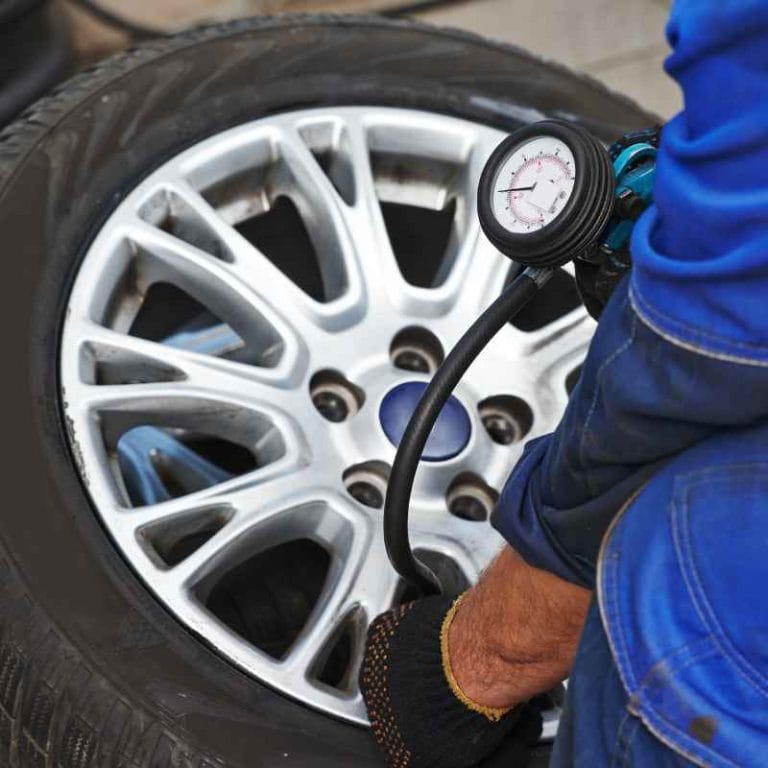
- Test with a Pressure Gauge: Compare with your car’s recommended PSI (usually listed on the driver’s side door jamb).
Step 2: Inspect The Engine Area
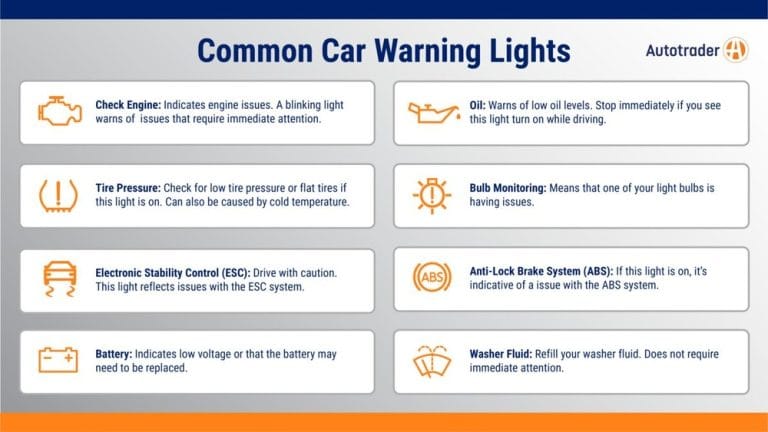
- Check Dashboard Lights: Are there warning indicators for battery, oil, or engine?
- Attempt to Start: Listen for clicking, grinding, or silence.
- Pop the Hood: Look for loose battery cables, corrosion, or frayed wires.
Step 3: Address The Flat Tire
Changing The Tire
- Loosen Lug Nuts (before lifting the car)
- Jack Up the Vehicle (check for stable ground)
- Remove Flat Tire and replace with the spare
- Tighten Lug Nuts in a star pattern
- Lower Vehicle and double-check tightness
Using Tire Sealant
- Apply Sealant according to canister instructions
- Inflate Tire with portable compressor
- Drive Slowly to nearest repair shop (sealants are temporary fixes)
Step 4: Troubleshoot The Starting Issue
Jump Starting The Battery
- Position Vehicles (if using another car)
- Connect Jumper Cables: Red to positive, black to negative
- Start Donor Car then attempt to start your car
- Remove Cables in reverse order
Using A Portable Jump Starter
- Connect Cables as above
- Turn on Jump Starter
- Start the Car and disconnect
Other Checks
- Inspect Fuses: Blown starter or ignition fuses can prevent starting
- Tap the Starter Motor: Sometimes a stuck starter can be freed with a gentle tap
Step 5: If You’re Still Stuck
If neither the tire nor the starting problem is resolved:
- Call Roadside Assistance: AAA, insurance, or automaker’s roadside services
- Contact a Tow Truck: Especially if you’re in a dangerous or remote location
- Use Mobile Apps: Many services offer real-time location tracking for faster help

Credit: www.motor1.com
When To Diy And When To Call For Help
Deciding between a do-it-yourself approach and professional assistance depends on the situation, your skills, and available resources.
Diy Fixes: When It’s Safe And Smart
- You have a safe location: Wide shoulder, parking lot, or rest area.
- You have the right tools: Spare tire, jack, jumper cables.
- You’re physically able: Some tire changes require significant strength.
When To Call For Professional Help
- Unsafe Conditions: Nighttime, inclement weather, high-traffic roads.
- Multiple Issues: Flat tire plus engine trouble can quickly overwhelm.
- Lack of Tools or Experience: If you’re unsure, it’s safer to wait for help.
- Modern Cars with Run-Flat Tires: Some vehicles lack spares and require special tools.
Comparing Diy Vs. Roadside Assistance
Below is a comparison of the DIY approach versus professional roadside assistance:
| Criteria | DIY | Roadside Assistance |
|---|---|---|
| Cost | Minimal (tools/fix only) | May incur charges or membership fee |
| Time to Resolution | Immediate (if skilled) | 15-60+ minutes (wait time) |
| Safety | Depends on location and experience | Safer in risky conditions |
| Success Rate | Varies by skill/tools | High (trained professionals) |
| Convenience | Requires effort | Minimal effort (handled for you) |
Real-world Example: Urban Vs. Rural Response
Mike, a city driver, changed his flat and jump-started his battery in under 20 minutes thanks to good lighting and plenty of space. In contrast, Linda on a rural highway waited over an hour for assistance, but her safety was ensured by staying in the car until help arrived. Your environment often dictates the best course of action.
Essential Tools And Preparation: Building Your Emergency Kit
Preparation is the best defense against unexpected breakdowns. Here’s how to assemble a comprehensive car emergency kit to handle flats and starting problems.
Must-have Tools For Flat Tires
- Spare Tire (check air pressure monthly)
- Jack and Lug Wrench
- Tire Sealant
- Tire Pressure Gauge
- Work Gloves
Tools For A Non-starting Car
- Jumper Cables (8-12 feet recommended)
- Portable Jump Starter
- Multimeter (for electrical diagnostics)
- Fuses (spares for critical circuits)
Other Critical Items
- First Aid Kit
- Reflective Triangles and Vest
- Flashlight
- Rain Poncho
- Mobile Phone Charger
Recommended Emergency Kit List
| Item | Purpose | Recommended Frequency to Check |
|---|---|---|
| Spare Tire | Replace flat tire | Monthly |
| Jack & Lug Wrench | Remove/install tire | Before long trips |
| Jumper Cables | Start dead battery | Every 6 months |
| Portable Jump Starter | Start car without another vehicle | Charge monthly |
| Flashlight | Visibility at night | Every 3 months |
| Tire Pressure Gauge | Check tire air | Monthly |
Where To Store Your Kit
- Trunk: Most items should go here, secured to avoid shifting.
- Glove Compartment: Store small tools, flashlight, and first aid supplies.
- Driver’s Door Pocket: Reflective vest and warning triangles for easy access.
Real-world Example: The Well-prepared Driver
Ethan always checked his spare tire and kept a fully stocked emergency kit. When he experienced a flat and a dead battery during a mountain road trip, he was back on the road in 30 minutes—saving hours of waiting and hundreds in towing fees.
Preventing Future Incidents: Maintenance And Habits
Prevention is always easier than emergency repair. Adopting a few simple habits can drastically reduce your chances of facing a flat tire and a car that won’t start at the same time.
Regular Tire Maintenance
- Inspect Tread Depth: Replace tires when tread is below 2/32 inch.
- Check Tire Pressure: Underinflation leads to flats and blowouts.
- Rotate Tires: Every 5,000-8,000 miles for even wear.
Battery Care And Testing
- Clean Battery Terminals: Prevent corrosion build-up.
- Test Battery Voltage: Replace if below 12.4 volts when off.
- Monitor Battery Age: Most car batteries last 3-5 years.
Seasonal Preparedness
- Cold Weather: Battery power drops by 35% at 32°F and up to 60% at 0°F (Battery Council International).
- Hot Weather: Heat accelerates tire rubber breakdown.
Smart Habits
- Limit Electrical Use: Don’t use interior lights, radio, or phone chargers with the engine off.
- Scan for Debris: Avoid potholes and construction zones.
- Refuel Regularly: Running low on gas can harm both tires (weight shift) and starting ability.
Data-driven Tire And Battery Lifespan
| Component | Average Lifespan | Major Causes of Failure |
|---|---|---|
| Tires | 6 years or 40,000 miles | Puncture, wear, under-inflation |
| Car Battery | 3-5 years | Age, temperature, electrical drain |
| Spark Plugs | 30,000-100,000 miles | Wear, fouling |
Advanced Troubleshooting: When Problems Persist
If you’ve followed basic steps and your car still won’t start after a flat tire incident, the issue might be more complex. Here’s how to dig deeper and understand when a mechanic’s intervention is needed.
Electrical System Diagnostics
- Check for Parasitic Drain: Devices or lights left on can drain your battery overnight.
- Inspect Alternator: If the battery is new but keeps dying, the alternator may be faulty.
- Look for Blown Fuses: A simple blown fuse can disable starting systems.
Starter And Ignition System
- Test the Starter Relay: Swap with another relay of the same type to test functionality.
- Check the Ignition Switch: No response when turning the key may indicate a switch failure.
Tire And Wheel Assembly Problems
- Bent Rim: May cause vibrations or prevent the wheel from spinning freely.
- Faulty Tire Pressure Monitoring System (TPMS): Can trigger warning lights and mask other issues.
Fuel System And Engine Issues
- Clogged Fuel Filter: Restricts fuel flow, leading to hard starting.
- Flooded Engine: Unusual after a flat, but possible if repeated attempts to start.
When To Seek A Professional Mechanic
- Persistent No-Start: After a jump or battery swap, still no response.
- Recurring Flat Tires: Repeated flats may indicate alignment or suspension problems.
- Dashboard Alerts: Persistent warning lights for ABS, airbag, or engine.
External Resources For Troubleshooting
For more in-depth troubleshooting, consult:
- NHTSA Tire Safety
- Consumer Reports: Car Battery Maintenance
- AAA: How to Jump Start a Car
Insurance And Roadside Assistance: What You Need To Know
Understanding your insurance and roadside assistance options can save you money and stress when facing a flat tire and a car that won’t start.
Types Of Roadside Assistance Coverage
- Automaker Programs: Many new cars include complimentary coverage for 3-5 years.
- Insurance Add-Ons: Affordable annual plans covering towing, battery jump, and tire changes.
- Third-Party Services: AAA, Better World Club, and others.
What’s Typically Covered
- Flat Tire Changes
- Jump Starts
- Fuel Delivery
- Lockout Service
- Towing (limits may apply)
How To Use Roadside Assistance
- Call or App Request: Most services offer a 24/7 hotline or mobile app.
- Provide Your Location: Use GPS or nearby landmarks.
- Describe the Issue: Specify flat tire and no-start for proper dispatch.
Real-world Example: Leveraging Roadside Insurance
Jasmine had a flat and a dead battery late at night. Her insurance’s roadside assistance sent a technician within 30 minutes, who both changed her tire and jump-started her car, all covered under her plan for just $10/year extra.
Data On Usage And Cost
According to the National Insurance Crime Bureau, roadside assistance claims have increased by 25% over the past decade, with the average cost of a single tow ranging from $75-$125 (NerdWallet).
Key Questions To Ask Your Provider
- What is the average response time?
- Are multiple services (tire + battery) covered in a single call?
- Is there a mileage or cost limit for tows?
- Can I use the service nationwide?
Frequently Asked Questions
What Should I Do First If I Have Both A Flat Tire And My Car Won’t Start?
Your first priority should be safety. Move your vehicle to a secure location, turn on your hazard lights, and set out warning triangles if you have them. Then, assess both problems: inspect the flat tire and attempt to start the car, noting any noises or dashboard alerts. Only proceed with repairs if you’re in a safe environment.
Can A Flat Tire Cause My Car Not To Start?
A flat tire itself typically does not prevent a car from starting. However, the circumstances leading to a flat—such as hitting large debris or electrical drain from using lights—can sometimes cause starting issues. Always check for unrelated problems like a dead battery or electrical failure.
Is It Safe To Change A Tire If My Car Won’t Start?
Yes, as long as your vehicle is in a secure, well-lit area away from traffic. Ensure the parking brake is engaged and the car is stable. If the road is busy or conditions are unsafe, it’s best to wait for professional roadside assistance.
What Should I Have In My Car Emergency Kit For These Situations?
Essential items include a spare tire, jack and lug wrench, jumper cables or portable jump starter, flashlight, gloves, tire sealant, and reflective triangles. Regularly check your kit to ensure all tools are in good working order and supplies are not expired.
How Do I Know When To Call For Roadside Assistance Instead Of Fixing It Myself?
Call for assistance if you’re in an unsafe location, lack the necessary tools or experience, have a complex mechanical issue, or feel uncomfortable performing the repair. Modern vehicles with special tires or electronics may also require professional help.
Being stranded with a flat tire and a car that won’t start can be daunting, but with the right approach, it’s a manageable challenge. Prioritize safety, diagnose both issues methodically, and use your resources wisely—whether you tackle the job yourself or call for help.
Preparation and regular maintenance are your best defenses. By staying informed and ready, you’ll transform a stressful setback into a minor inconvenience, keeping your journeys safe and your mind at ease.
Products related to this article
Sponsored / affiliate links. As an Amazon Associate I earn from qualifying purchases. I may earn additional commission from eligible campaigns.