Transmission control system warning light: what it means
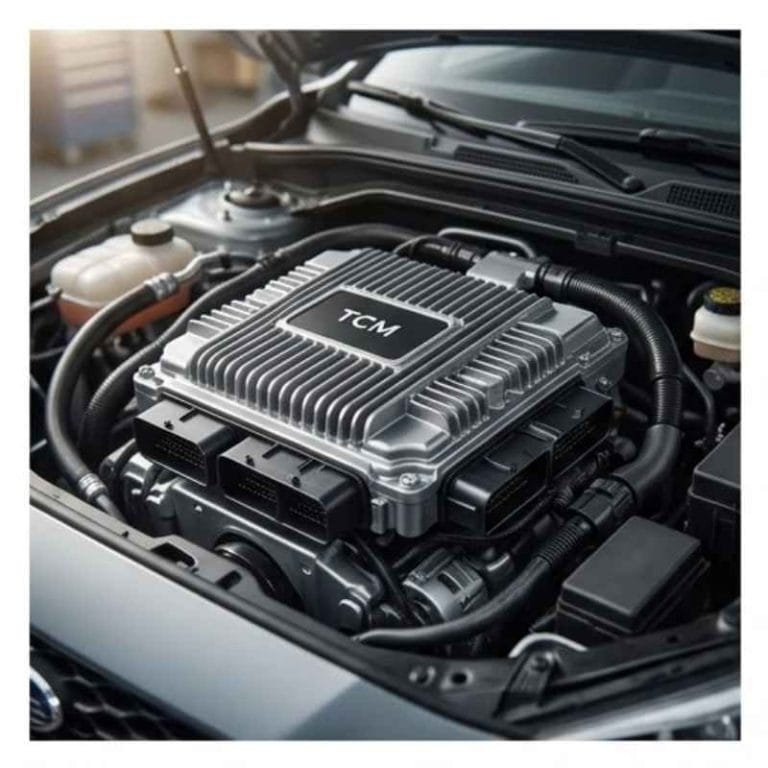
A transmission control system warning light means the transmission control module or powertrain control module has detected a fault in shifting, temperature, pressure, or communication; if the light flashes, the car slips, bangs into gear, or gets stuck in one gear, stop driving and scan it now. Ignoring it can turn a sensor fault into clutch, valve-body, or gearbox damage. This guide shows what the light shape, shift behavior, and codes usually point to, plus the safest next step.
What the transmission warning light means
A transmission warning light tells you the computer has stored a fault that affects shifting, temperature control, or driveability. The warning may come from the powertrain control module, which stores diagnostic trouble codes and may command limp mode to help protect the transmission.
What the light is telling you
The light is not a diagnosis. It is a request for attention. Common causes include low transmission fluid, fluid that has broken down from heat, an overheated transmission, a sensor fault, wiring damage, solenoid trouble, or internal slip.
Common symbol types and text messages
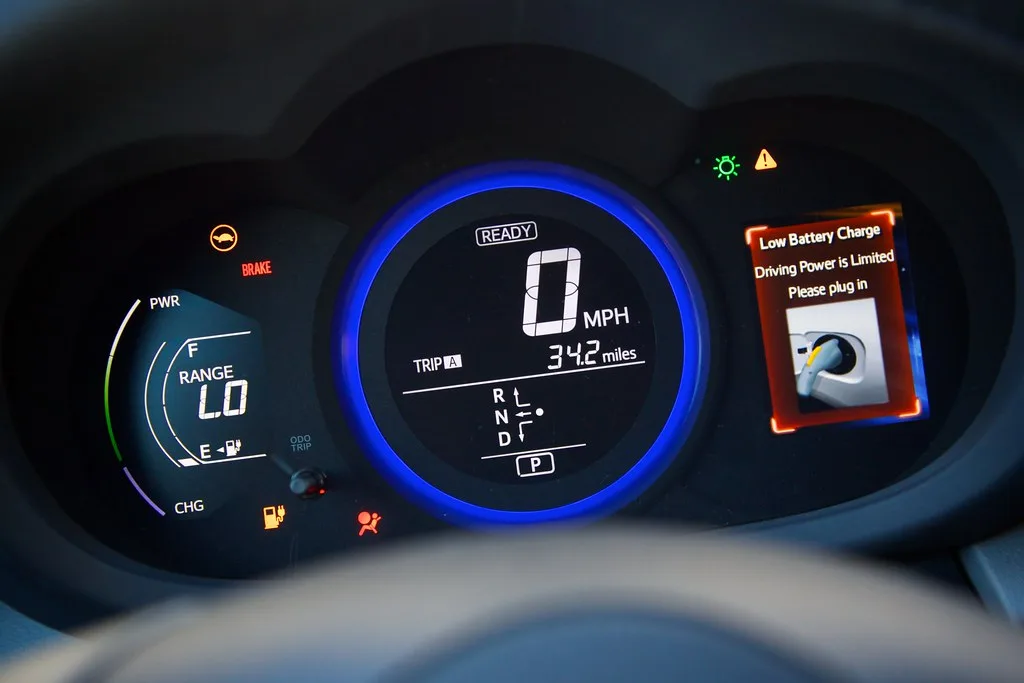
The light may appear as a gear icon, thermometer, wrench, or a text message such as Transmission Fault or Transmission Overheating. Some vehicles use only the check engine light instead of a dedicated transmission icon, and some show both.
Why the manual still matters
Owners’ manuals give the exact symbol and the next step for that model. A gear icon on one car may mean a different fault level on another, so the dashboard image alone should not decide the response.
What to do first when it comes on
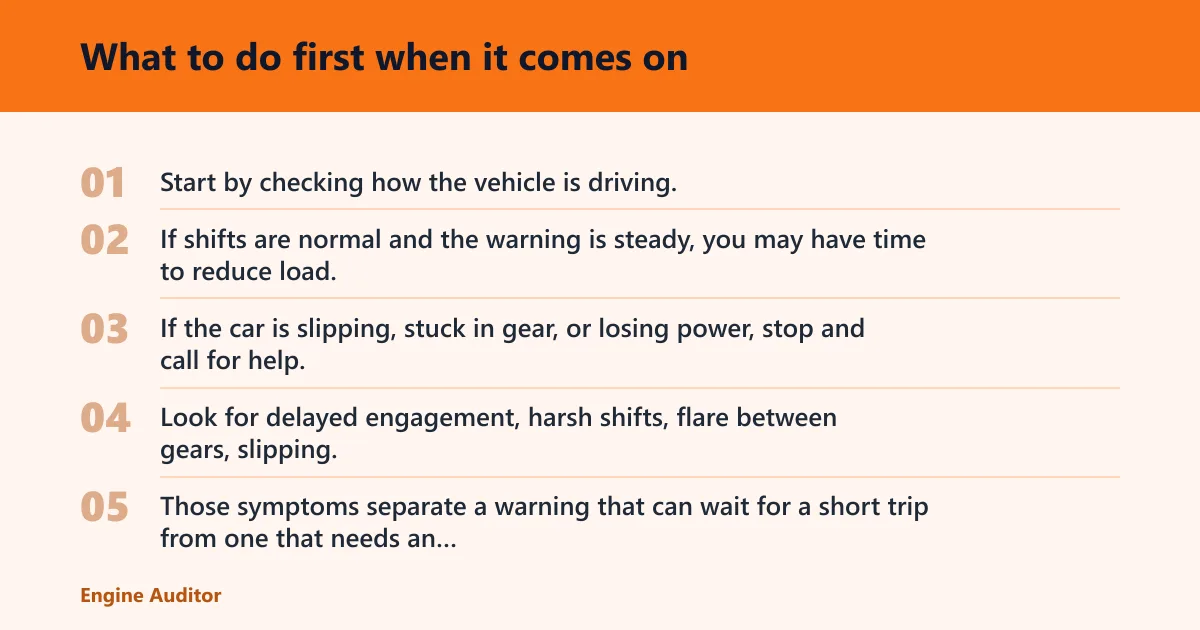
Start by checking how the vehicle is driving. If shifts are normal and the warning is steady, you may have time to reduce load, pull over safely, and scan the codes soon. If the car is slipping, stuck in gear, or losing power, stop and call for help.
Check how the vehicle is driving
Look for delayed engagement, harsh shifts, flare between gears, slipping, a burning smell, or loud mechanical noises. Those symptoms separate a warning that can wait for a short trip from one that needs an immediate stop.
Decide whether to drive, limp, or stop
If the light is steady and the car still shifts normally, a brief drive to a safe place or repair shop is often reasonable. If limp mode is active, expect reduced power or limited gear selection. If the transmission is slipping, banging, or losing drive, stop driving as soon as possible.
Reduce load and pull over safely if needed
Back off the throttle, avoid towing, and skip hills or heavy traffic if the car still feels normal enough to move. If the warning appeared after a hard climb, a long tow, or stop-and-go heat, find a safe place to stop and let temperatures drop before doing anything else.
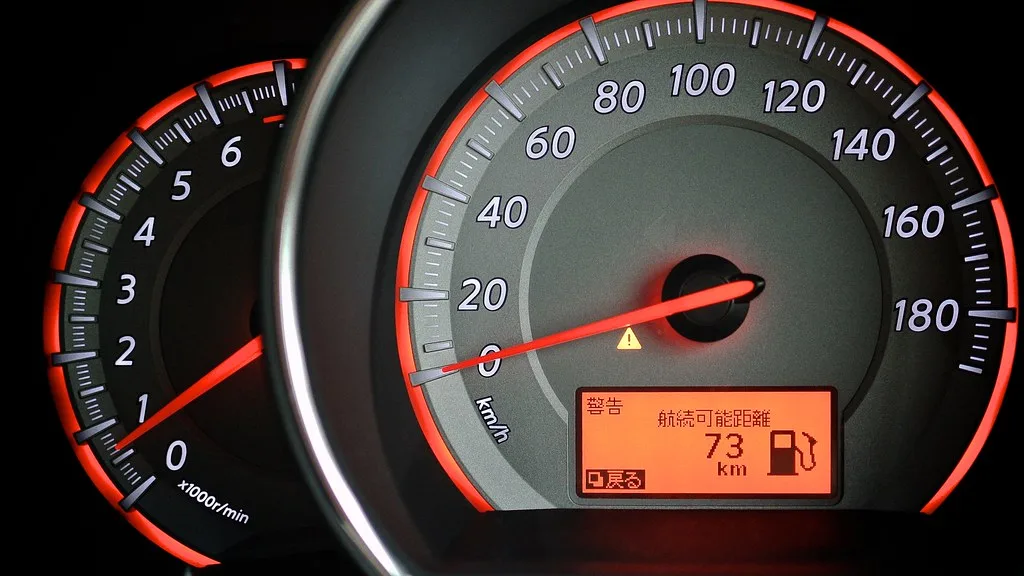
Can I keep driving with the transmission warning light on?
Sometimes, briefly. A steady light with normal shifting may allow a short, low-load trip to a scanner or repair shop. But if limp mode is active, the car is slipping, or the transmission is making noise, you should stop driving because the risk of damage rises fast.
When brief driving may be reasonable
Brief driving may be acceptable when the warning is steady, the car moves normally, and there is no burning smell, noise, or major power loss. Keep the route short and easy, and avoid towing, hills, and stop-and-go traffic.
When limp mode changes the plan
Limp mode is a protective reduced-function state. It may limit power or gear selection so the transmission can survive long enough for diagnosis. Treat it as a warning that the vehicle wants less load, not as permission to keep driving normally.
When you should stop driving now
Stop now if the transmission slips, bangs into gear, stays in one gear, refuses to move, or the vehicle loses a large amount of power. Add a burning smell, warning chime, or visible fluid leak, and the safest answer becomes immediate shutdown and a tow.
What does it mean if the transmission warning light flashes?
A flashing transmission warning light often points to a more urgent fault than a steady light. It often means the control system sees a condition that can damage the transmission quickly, such as severe slip, overheating, or an electrical problem that affects shift control.
Flashing versus steady light
A steady light means the fault is present but not always at the highest urgency. A flashing light usually means the system wants a faster response. If the flashing light appears with slipping, harsh shifts, or loss of drive, stop driving immediately.
What flashing can suggest about severity
Flashing can point to a fault the PCM sees as active or worsening. That may include solenoid issues, temperature spikes, or a communication problem between modules. It is a stronger sign to scan codes before the next long drive.
When flashing plus symptoms means stop
Flashing plus delayed engagement, a burning smell, or a stuck gear means the transmission is likely under stress right now. Do not try to “drive it out.” Pull over, shut down, and arrange a scan or tow.
Common causes behind the warning
The warning usually comes from one of a few fault families. Low fluid, overheated fluid, restricted cooling, solenoid problems, valve body faults, wiring issues, sensor faults, and internal slip are the common buckets to consider first.
Low or degraded transmission fluid
Low transmission fluid can trigger the warning light. Old or degraded fluid can also cause slipping, delayed shifts, and heat buildup. Fluid should be checked only when it is safe and cool enough to avoid burns and false readings.
Overheating, cooler, and line restrictions
Overheating is a common reason for the light, especially while towing or climbing hills. Stop-and-go traffic can do it too. A blocked cooler, restricted line, or failing fan can raise transmission fluid temperature until the control system intervenes.
Solenoids, valve body, sensors, and wiring
Shift solenoids and the valve body are common sources of shifting faults. Sensors can misread pressure, speed, or temperature. Wiring damage can create intermittent warnings that come and go with vibration, moisture, or heat.
Internal slip and control-module fault requests
If clutches slip or line pressure cannot match demand, the PCM may set a transmission fault request and command limp mode. That is often how a deeper internal problem first reaches the dashboard.
Is a transmission warning light the same as a check engine light?
Not always. Some vehicles use a dedicated transmission icon or message, while others route transmission faults through the check engine light. Shared engine and transmission control systems can overlap, so either light may point to a transmission problem.
Why some vehicles use one light for both systems
Modern powertrain control is integrated. The PCM can detect a fault, set the code, and turn on the check engine light even when the root problem sits in the transmission. That is why the scan tool matters more than the symbol alone.
What P0700 means
P0700 is often treated as a transmission fault request code. It usually means the transmission control side has asked for attention, but not which component failed. That code tells you to scan deeper for transmission-specific data.
Why P07xx codes matter next
P07xx codes are a likely code family to review next. They often point to shift solenoids, ratio errors, pressure control, temperature faults, or sensor problems. A code scan should confirm whether the problem is electrical, hydraulic, or thermal.
Triage table: light type, symptom pattern, and next step
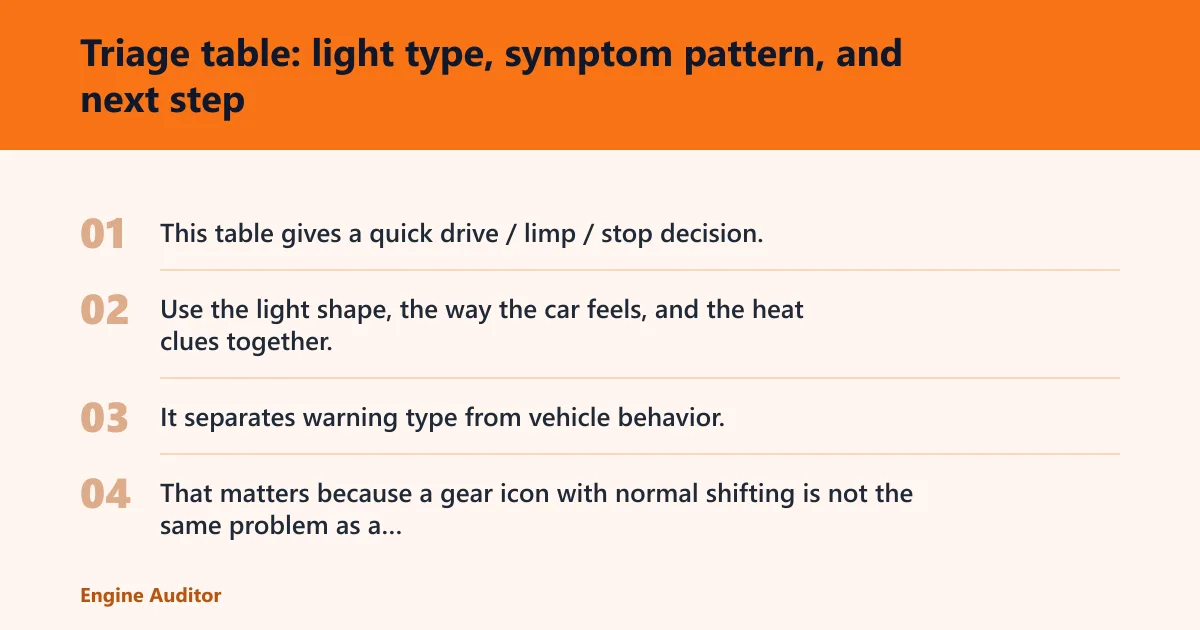
This table gives a quick drive / limp / stop decision. Use the light shape, the way the car feels, and the heat clues together. Then scan for the likely code family next.
| Light pattern | Symptom pattern | Urgency level | First check | Drive / limp / stop | Likely code family to scan next |
|---|---|---|---|---|---|
| Steady gear icon or wrench | Normal shifting, no smell, no noise | Moderate | Check manual, note when it appeared, scan soon | Drive briefly | P07xx, possibly P0700 |
| Steady thermometer or “Transmission Overheating” | After towing, hills, or traffic; hot smell possible | High | Pull over, let it cool, inspect for obvious leaks | Limp if it still moves safely | Temperature-related P07xx or P0700 |
| Flashing light | Slip, harsh shifts, delayed engagement, or stuck gear | Critical | Stop driving and scan as soon as possible | Stop | P07xx, P0700, and related control faults |
| Light plus check engine light | Vehicle still moves, but shifts are abnormal | High | Scan both powertrain and transmission data | Limp or short drive only | P0700 and any stored P07xx codes |
| Light plus burning smell, noise, or no drive | Major power loss or loud mechanical sound | Critical | Shut down and arrange towing | Stop | All stored transmission and powertrain codes |
Why this table works fast
It separates warning type from vehicle behavior. That matters because a gear icon with normal shifting is not the same problem as a flashing light with slip, even if both point to the transmission.
How to check transmission fluid and cooling clues
Check fluid only when the vehicle is parked safely and the transmission is cool enough to touch nearby parts without risk. Then look for level, color, smell, and leaks. Cooling clues matter because overheated fluid often points to airflow, cooler, or line problems.
Safe conditions for a fluid check
Park level, set the brake, and follow the owner’s manual for dipstick or sealed-system procedures. Some vehicles require the engine running; others do not. Never open a hot system blindly.
Signs of low, old, or overheated fluid
Low fluid may come with delayed engagement, slip, or whine. Dark fluid or a burnt smell suggests heat stress. If the warning started after towing, hills, or traffic, suspect temperature and cooling before assuming an internal failure.
Why cooler and line problems matter
The cooler and lines move heat out of the transmission. If they are blocked, restricted, or leaking, fluid temperature rises and the warning can return even after a short cooldown. That is why overheating should trigger a cooler check, not only a fluid top-off.
What codes should I look for if the transmission light is on?
Start with OBD-II codes, especially P0700 and the P07xx family. Those codes often point to transmission control requests, shift solenoid faults, pressure problems, temperature faults, sensor failures, or ratio errors. The exact code determines the next diagnostic path.
Scan order that makes sense
- Read all stored and pending codes.
- Check for P0700 or any P07xx transmission codes.
- Compare codes with the symptom pattern.
- Inspect fluid condition and cooling clues if heat or slip is present.
- Do not clear the codes before recording them.
What the codes cannot do by themselves
A code scan tells you where to look, not always what part to replace. A solenoid code can be caused by fluid issues, wiring faults, or the valve body. That is why fluid condition and driveability still matter.
Can a transmission warning light go away by itself?
Yes, it can disappear after the fault stops happening, but that does not mean the problem is fixed. Intermittent wiring issues, temperature-related faults, and low fluid can clear temporarily and return under load. A scan is still the right next step.
Why the warning may return later
The control module may see the same failure again during towing, hills, or traffic. If the root cause remains, the light often comes back when heat, load, or pressure demand rises.
What not to do when it disappears
Do not assume the system healed itself. Record the conditions that set the light, then scan the vehicle even if the dash is clear. History codes can remain after the lamp goes out.
Will limp mode reset after I turn the car off?
Sometimes it will, but only temporarily. Cycling the key can clear a protective reduced-function state until the control module sees the fault again. If the underlying problem remains, limp mode can return on the next drive.
Why a restart is not a repair
A restart can mask a temperature spike or electrical fault for a short time. It does not correct low fluid, a blocked cooler, a failed solenoid, or an internal slip condition. Treat a reset as a clue, not a fix.
When the reset still matters
If the car regains normal function after cooling off, that points toward overheating or a marginal control fault. If limp mode returns quickly, the scan should move to the top of the list.
Frequently asked questions
What does a transmission warning light mean?
It means the transmission control system has detected a fault that can affect shifting, temperature, or driveability. The light may come as a gear icon, thermometer, wrench, or message. The exact meaning depends on the vehicle, so the owner’s manual and a code scan matter.
Can I keep driving with the transmission warning light on?
Only if the light is steady, the vehicle shifts normally, and there are no signs of slip, smell, noise, or power loss. Keep the trip short and light. If the car is in limp mode or behavior is abnormal, stop driving and scan it.
Is a transmission warning light the same as a check engine light?
Not always. Some vehicles have a dedicated transmission symbol, while others use the check engine light for transmission-related faults. The two can appear together because the PCM and related systems share fault reporting on many vehicles.
Does low transmission fluid cause a warning light?
Yes. Low transmission fluid can trigger a warning light, and degraded fluid can do the same. Low fluid may also cause slipping, delayed shifts, or a burnt smell. Check it only when safe and cool, following the owner’s manual for your vehicle.
What does it mean if the transmission warning light flashes?
Flashing usually points to a more urgent fault than a steady light. It can suggest severe slip, overheating, or a control problem that may damage the transmission quickly. If flashing comes with harsh shifts, stuck gears, or loss of drive, stop immediately.
What codes should I look for if the transmission light is on?
Look first for P0700, which often signals a transmission fault request, and then the P07xx family for the specific problem. Those codes can point to solenoids, pressure control, temperature, sensors, wiring, or ratio errors. Record the codes before clearing anything.
A common first-timer mistake is waiting for the light to disappear after a cool-down and then loading the car for a long trip. Say your SUV flashes a transmission message after a 20-mile hill climb with a trailer attached; that pattern should push you toward cooling, scanning, and limiting load, not another climb.
If your search also turned up the software named Transmission, do not mix the two meanings. Transmission 4.1.3 is described as a bugfix release; Transmission 4.1.2 fixed 20+ bugs and had performance improvements, including duplicate HTTP announces to trackers, a bug that stalled some downloads at 99%, and a bug that prevented TCP peer connections on some systems. The release notes also mention a CORS bug that leaked the anti-CSRF nonce and a use-after-free bug in peer code.
Products related to this article
Sponsored / affiliate links. As an Amazon Associate I earn from qualifying purchases. I may earn additional commission from eligible campaigns.