What Does a Transmission Control Module Actually Do?
What Does A Transmission Control Module Actually Do?
If you drive a car with an automatic transmission, there’s a hidden “brain” under the hood that does more than most people realize. This small but powerful computer is called the Transmission Control Module (TCM). While many drivers have heard the term, few really know what it does, why it matters, or what happens when it goes wrong. Let’s explore the TCM’s role, how it works, and why it’s so important for modern vehicles.
The Heart Of Modern Automatic Transmissions
Back in the days of fully mechanical cars, shifting gears was a simple, manual process. Today, it’s much more advanced. The Transmission Control Module is a specialized computer that manages how and when your vehicle shifts gears. It constantly receives and sends information to different parts of the car, making sure everything works in harmony for smooth, efficient driving.
The TCM works closely with the Engine Control Unit (ECU) and other sensors. It makes decisions in real time, often hundreds of times per second. Without the TCM, automatic transmissions would be slow, rough, or even dangerous. In fact, most modern cars would not function safely without a working TCM.
What Is A Transmission Control Module?
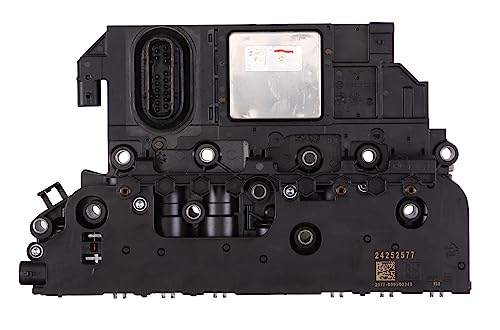
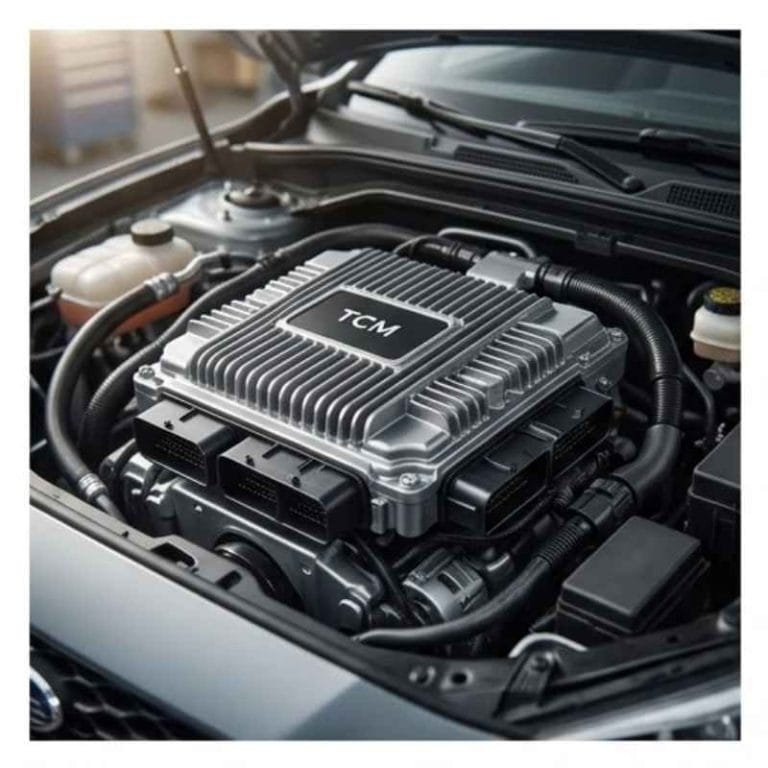
A Transmission Control Module is an electronic device that controls how your car’s transmission operates. Think of it as the manager of the transmission system. It takes information from sensors and decides the best moment to change gears, apply clutches, or control solenoids (electronic valves).
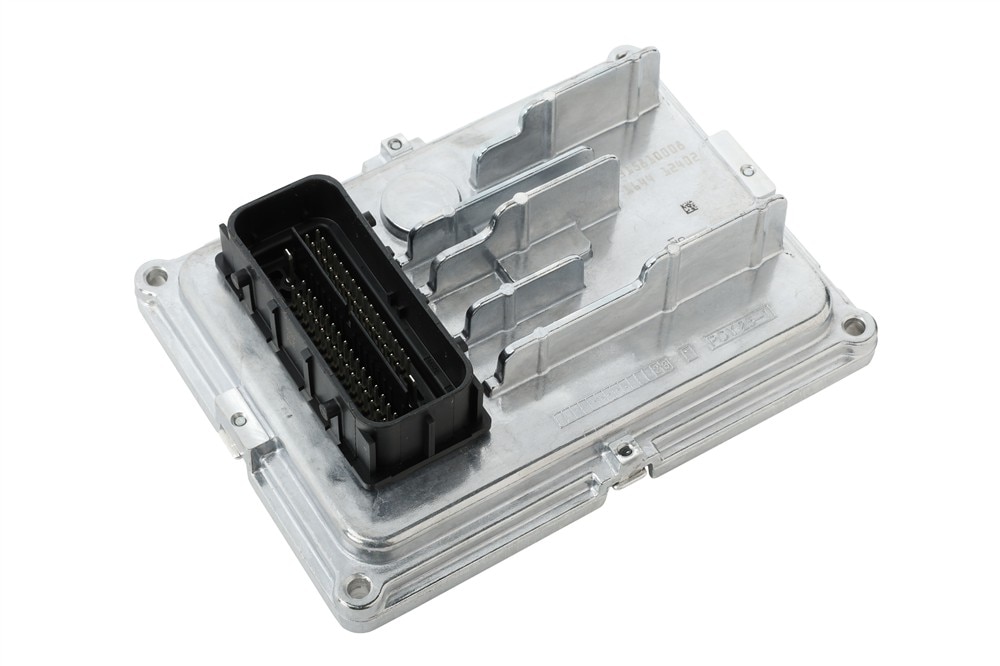
Usually, the TCM is a small, sealed box located under the hood, inside the transmission, or under the dashboard. Its location depends on the car’s make and model. The module is built to survive extreme temperatures, vibrations, and electrical noise.
Key Features Of A Tcm
- Microprocessor: The “brain” that makes decisions.
- Memory chips: Store important data and software instructions.
- Connectors: Link the TCM to the car’s wiring harness and sensors.
- Protective casing: Keeps dust, water, and heat away from sensitive electronics.
How Does A Transmission Control Module Work?
The TCM’s job is both simple and complex. At its core, it decides when and how the transmission should change gears. But to do this, it must process lots of information every second.
Here’s a step-by-step look at how the TCM works:
- Input Gathering: The TCM receives data from sensors on the engine, wheels, throttle, and transmission itself. These sensors measure speed, temperature, engine load, and more.
- Processing: It quickly analyzes this data using pre-programmed rules (software algorithms).
- Decision Making: Based on the data, the TCM decides the best gear for the current driving situation.
- Output Control: It sends electrical signals to solenoids and valves inside the transmission. These signals tell the transmission to shift gears, control clutch pressure, or lock the torque converter.
Example: Merging Onto A Highway
Imagine you’re entering a highway. You press the gas pedal, and the car needs more power. The TCM notices the increased throttle and wheel speed, then tells the transmission to shift into a lower gear for faster acceleration. As you reach cruising speed, the TCM signals an upshift to improve fuel economy.
The Tcm’s Main Responsibilities
The TCM is responsible for several important tasks that help your car run smoothly and efficiently.
1. Optimizing Gear Shifts
The TCM decides the timing and smoothness of gear shifts. It balances performance, fuel economy, and comfort by choosing when to change gears based on how you drive and road conditions.
2. Adapting To Driving Conditions
Modern TCMs are smart enough to learn from your driving style. If you often drive in stop-and-go traffic, the TCM can adjust its shifting strategy for smoother performance. It also adapts to factors like load (carrying passengers or towing), engine temperature, and even hills.
3. Protecting The Transmission
The TCM helps prevent damage by avoiding harsh or unnecessary shifts. If it senses a problem, like overheating fluid or slipping clutches, it may limit gear changes or trigger a warning light to protect expensive transmission parts.
4. Communicating With Other Systems
The TCM doesn’t work alone. It shares data with the Engine Control Module (ECM), Anti-lock Braking System (ABS), and even the car’s stability control. This teamwork ensures a safer, more responsive vehicle.
5. Diagnosing Problems
If there’s a fault, the TCM can store “trouble codes” to help mechanics diagnose issues quickly. This makes repairs faster and prevents small problems from becoming big ones.
Key Sensors And Data Used By The Tcm
To do its job, the TCM relies on a network of sensors that constantly feed it information. Here are some of the most important ones:
- Vehicle Speed Sensor: Tells the TCM how fast the car is moving.
- Throttle Position Sensor: Shows how much you’re pressing the gas pedal.
- Transmission Fluid Temperature Sensor: Ensures the transmission doesn’t overheat.
- Engine Speed Sensor: Measures how fast the engine is spinning.
- Turbine Speed Sensor: Monitors the speed of the transmission’s input shaft.
Each sensor provides a piece of the puzzle. The TCM combines these inputs to make the best decisions in real time.
How The Tcm Works With Other Modules
Modern cars are a network of computers working together. The TCM is one part of this network.
Tcm And Ecu Collaboration
The Engine Control Unit manages the engine’s fuel, air, and ignition. The TCM communicates with the ECU to coordinate gear shifts with engine power. For example, during a shift, the TCM may ask the ECU to reduce engine torque briefly to make the change smoother.
Tcm And Abs/traction Control
When the car detects wheel slip (like on ice), the ABS or traction control system sends a signal to the TCM. The TCM may hold a gear or adjust shifting to help restore traction.
Tcm In Hybrid And Electric Vehicles
In hybrid or electric cars, the TCM works with additional modules to manage both electric motors and traditional transmissions. This allows for seamless power delivery and better efficiency.
Types Of Transmission Control Modules
Not all TCMs are exactly the same. Over the years, technology has brought different designs and functions.
Standalone Tcm
Some cars have a dedicated TCM—a separate box just for the transmission. This design is common in older vehicles and heavy-duty trucks.
Integrated Control Modules
In newer vehicles, the TCM may be combined with the ECU into one unit called a Powertrain Control Module (PCM). This saves space and allows even more communication between systems.
Adaptive Tcms
Many modern TCMs use adaptive learning. They “study” your driving habits and adjust shifting patterns for better performance and comfort.
Transmission Control Module Vs. Engine Control Module
People often confuse the TCM and the ECU (or ECM). While they both control important parts of your car, their roles are different.
Here’s a simple comparison:
| Module | Main Function | Primary Focus |
|---|---|---|
| Transmission Control Module (TCM) | Controls shifting and operation of the transmission | Gears, clutch, shift timing |
| Engine Control Module (ECM/ECU) | Manages engine performance | Fuel, ignition, air/fuel mix |
Each module is important, but they focus on different parts of the car’s powertrain.
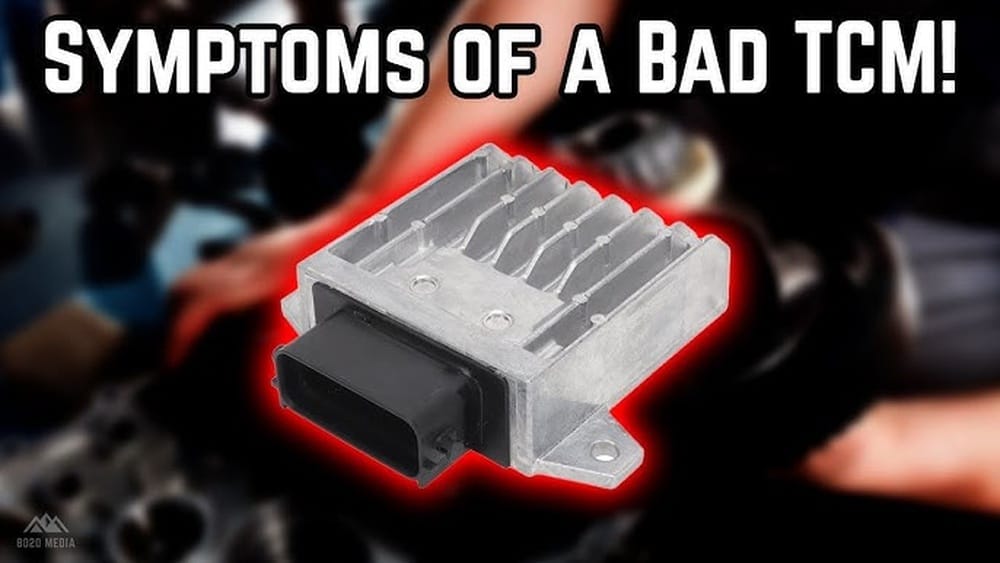
Signs Of A Failing Transmission Control Module
A faulty TCM can cause serious problems. Here are some warning signs:
- Erratic shifting: Hard, delayed, or skipped gear changes.
- Stuck in one gear: The car won’t upshift or downshift.
- Check engine light: The dashboard may show a warning.
- Poor fuel economy: The car uses more gas than usual.
- No movement: In rare cases, the car won’t move at all.
If you notice these symptoms, it’s important to have the vehicle checked by a professional. Ignoring TCM problems can lead to expensive transmission damage.
Diagnosing And Repairing Tcm Problems
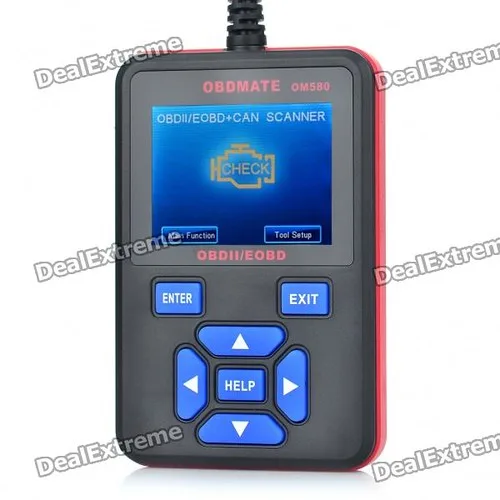
Diagnosing TCM problems requires special tools and knowledge. Mechanics use a scan tool to read trouble codes and data from the TCM.
Common Diagnostic Steps
- Read Trouble Codes: Connect a diagnostic scanner to the car’s OBD-II port.
- Check Sensor Data: Review live data from sensors to spot unusual readings.
- Inspect Wiring and Connectors: Loose or corroded wires can cause TCM errors.
- Test the TCM: In some cases, the TCM can be bench tested or reprogrammed.
Repair Or Replace?
Some TCMs can be repaired or reprogrammed if the problem is software-related. Others may need to be replaced. Costs can range from a few hundred to over a thousand dollars, depending on the car.
Credit: parts.buick.com
How A Good Tcm Improves Driving
A properly working TCM does more than just shift gears. It makes your car:
- Smoother: Shifts happen at the right time, with less jerkiness.
- More efficient: The engine and transmission work together for better gas mileage.
- Safer: Quick response to changing road conditions, like slippery surfaces.
- Longer lasting: Prevents unnecessary wear on transmission parts.
Real-world Example: Tcm In Different Vehicles
Let’s look at how TCMs are used in different types of vehicles.
Passenger Cars
Most modern cars, like the Toyota Camry or Honda Accord, use advanced TCMs that adapt to driving style and conditions. They help deliver smooth shifts and good fuel economy.
Trucks And Suvs
Heavier vehicles, like the Ford F-150 or Chevrolet Tahoe, use TCMs to manage larger, more complex transmissions. The TCM can adjust for towing, heavy loads, and off-road driving.
Performance Cars
Sports cars, such as the Chevrolet Corvette or BMW M3, use TCMs for fast, precise shifts. Some allow the driver to select sport or manual modes, changing how the TCM behaves.
Hybrids And Electric Vehicles
Vehicles like the Toyota Prius use a TCM to coordinate between electric and gasoline power. This makes for seamless driving and better energy use.
Transmission Types And Tcm Functions
The TCM’s job changes slightly depending on the type of automatic transmission:
| Transmission Type | TCM Role | Special Features |
|---|---|---|
| Traditional Automatic (Torque Converter) | Controls gear shifts and torque converter lockup | Smooth, gradual shifts |
| Dual-Clutch Transmission (DCT) | Manages two clutches and fast gear changes | Quick, sporty shifts |
| Continuously Variable Transmission (CVT) | Controls pulleys for infinite gear ratios | Stepless, efficient acceleration |
| Automated Manual Transmission (AMT) | Automates clutch and gear shifting | Manual feel, automatic operation |
Each type relies on the TCM for smooth, reliable performance.
The Tcm And Fuel Economy
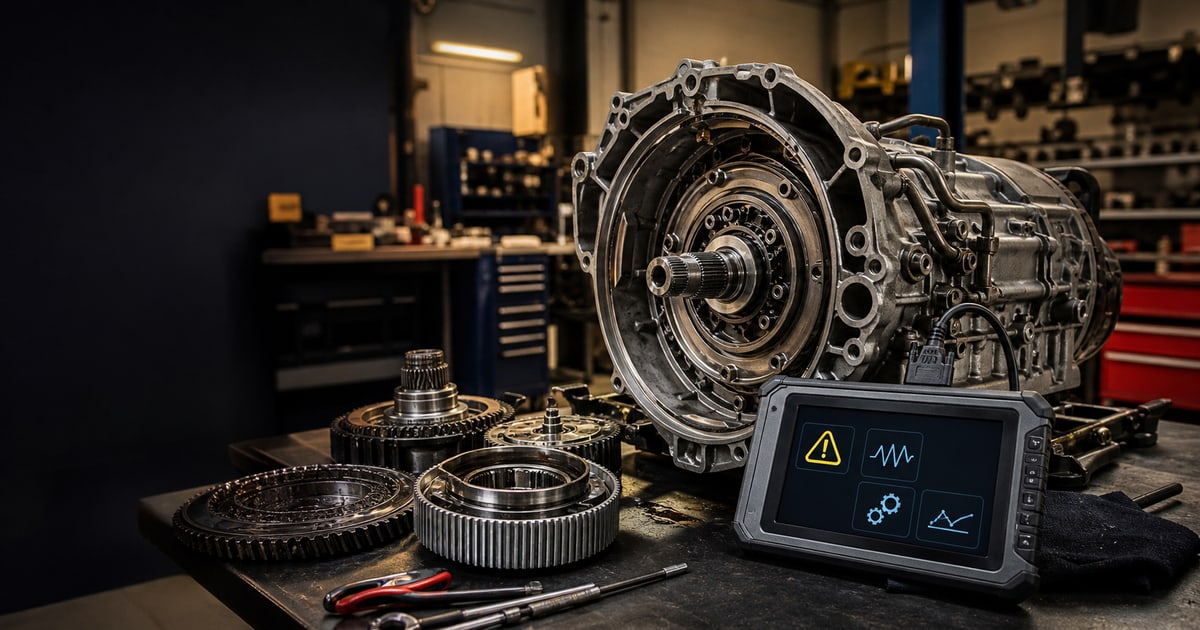
A well-tuned TCM can improve fuel efficiency by choosing the best gear for every situation. For example, it will upshift earlier when cruising at low speed and downshift quickly when more power is needed. According to the US Department of Energy, modern transmission controls can improve fuel economy by up to 10% compared to older, non-electronic systems.
Credit: rohnertparktransmission.com
Tcm Software: The Hidden Advantage
Many drivers don’t realize that the TCM’s software can be updated, just like a smartphone or computer. Manufacturers sometimes release updates to improve shifting, fix bugs, or adapt to new types of fuel.
Benefits Of Tcm Software Updates
- Better performance: Smoother, faster gear changes.
- Improved reliability: Fixes for known issues.
- Increased compatibility: Works with new engine or transmission parts.
However, updating TCM software usually requires a visit to a dealer or qualified mechanic. It’s not a do-it-yourself job for most people.
Common Myths About Tcms
There’s a lot of confusion about what TCMs can and cannot do. Let’s clear up a few common myths:
1. “a Tcm Can Fix All Transmission Problems.”
False. The TCM is only as good as the sensors, wiring, and mechanical parts it controls.
2. “you Can Reset A Tcm By Disconnecting The Battery.”
Sometimes this clears simple errors, but real problems need professional diagnosis.
3. “all Tcms Are The Same.”
Not true. Each TCM is designed for a specific vehicle and transmission.

Credit: independenttransmission.com
Tips For Extending Tcm And Transmission Life
You can help your TCM and transmission last longer with some simple habits:
- Follow maintenance schedules: Regular fluid changes prevent overheating and wear.
- Avoid aggressive driving: Hard shifts stress the TCM and transmission.
- Fix warning lights quickly: Don’t ignore check engine or transmission lights.
- Use the right fluids: Always use manufacturer-recommended transmission fluid.
These steps not only protect your TCM but also save money on repairs.
The Future Of Transmission Control Modules
As cars become more advanced, TCMs are getting smarter. Future trends include:
- Integration with self-driving systems: TCMs will work with autonomous driving computers.
- Wireless updates: Some cars already allow TCM software to be updated “over the air.”
- Better diagnostics: New TCMs can predict problems before they happen.
Manufacturers are making TCMs more reliable and adaptable as part of the push toward smarter, greener cars.
Frequently Asked Questions
What Are The Symptoms Of A Bad Transmission Control Module?
Common signs include hard or delayed shifting, being stuck in one gear, the check engine or transmission light turning on, poor gas mileage, or the car not moving at all. If you notice these, have your car checked by a professional.
Can A Tcm Be Repaired, Or Does It Need To Be Replaced?
Sometimes, A Tcm Can Be Reprogrammed Or
Products related to this article
Sponsored / affiliate links. As an Amazon Associate I earn from qualifying purchases. I may earn additional commission from eligible campaigns.